networked jpeg collectooor. The Memes by 6529 6529.io/Filthy/collected; Art Blocks artblocks.io/profile/filthy
Joined February 2018
- Tweets 15,466
- Following 2,271
- Followers 3,203
- Likes 195,560
2,588 Photos and videos
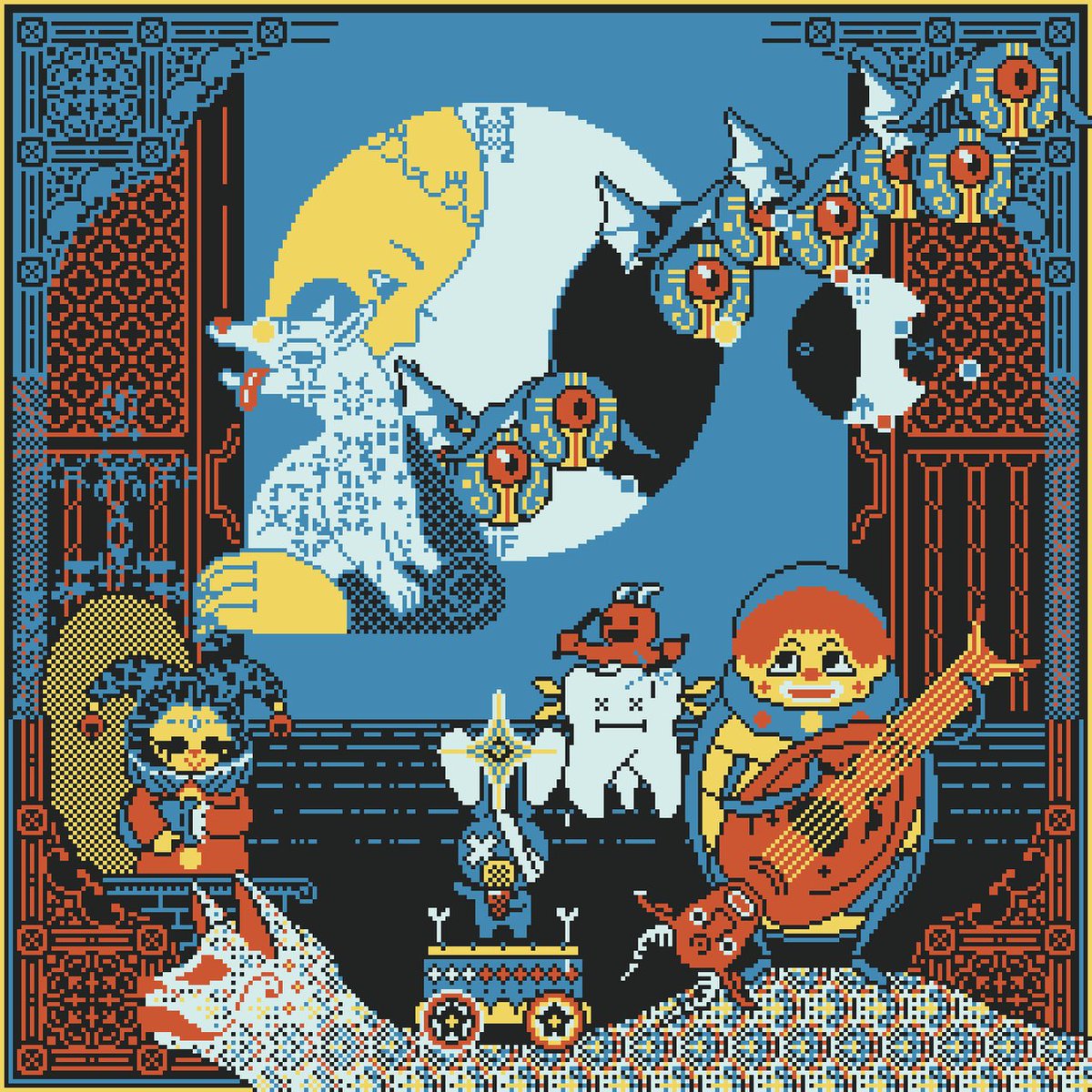
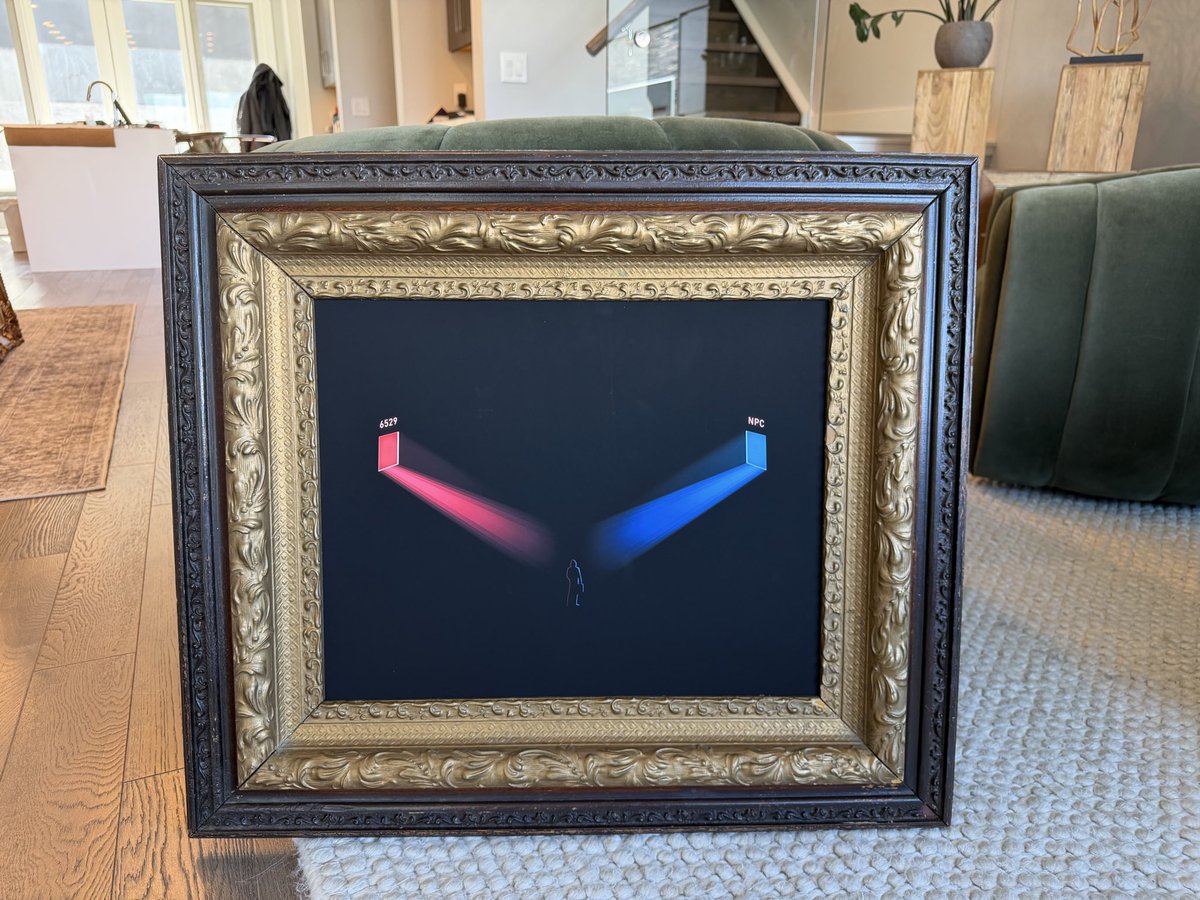
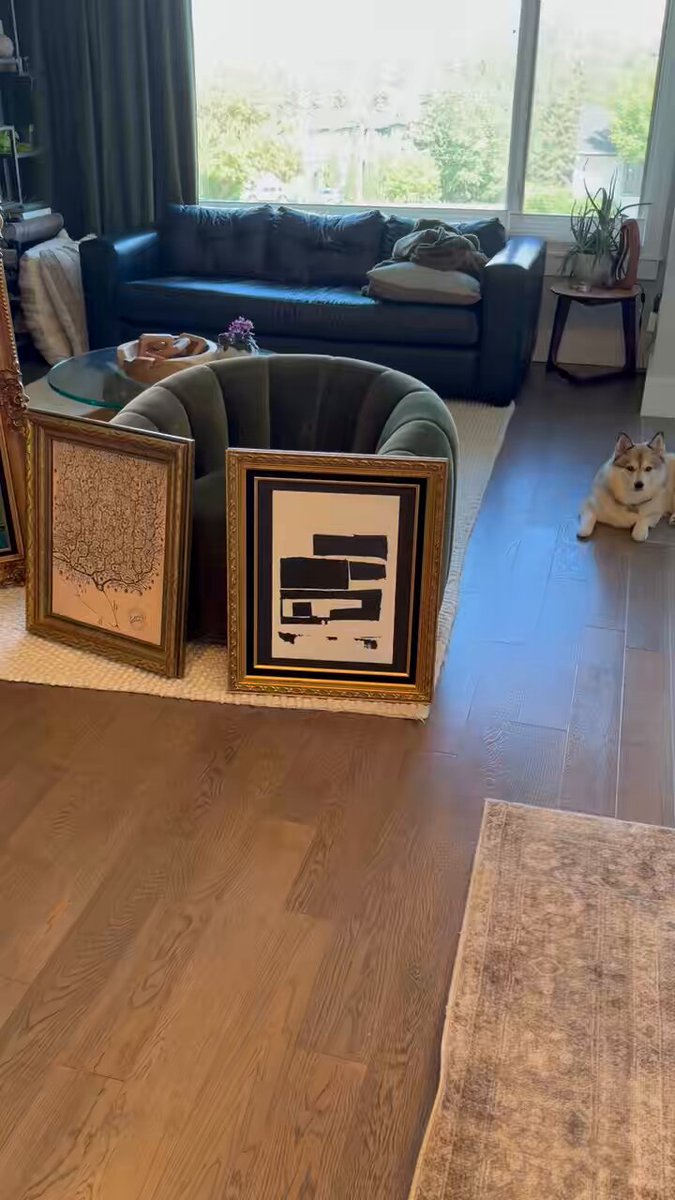
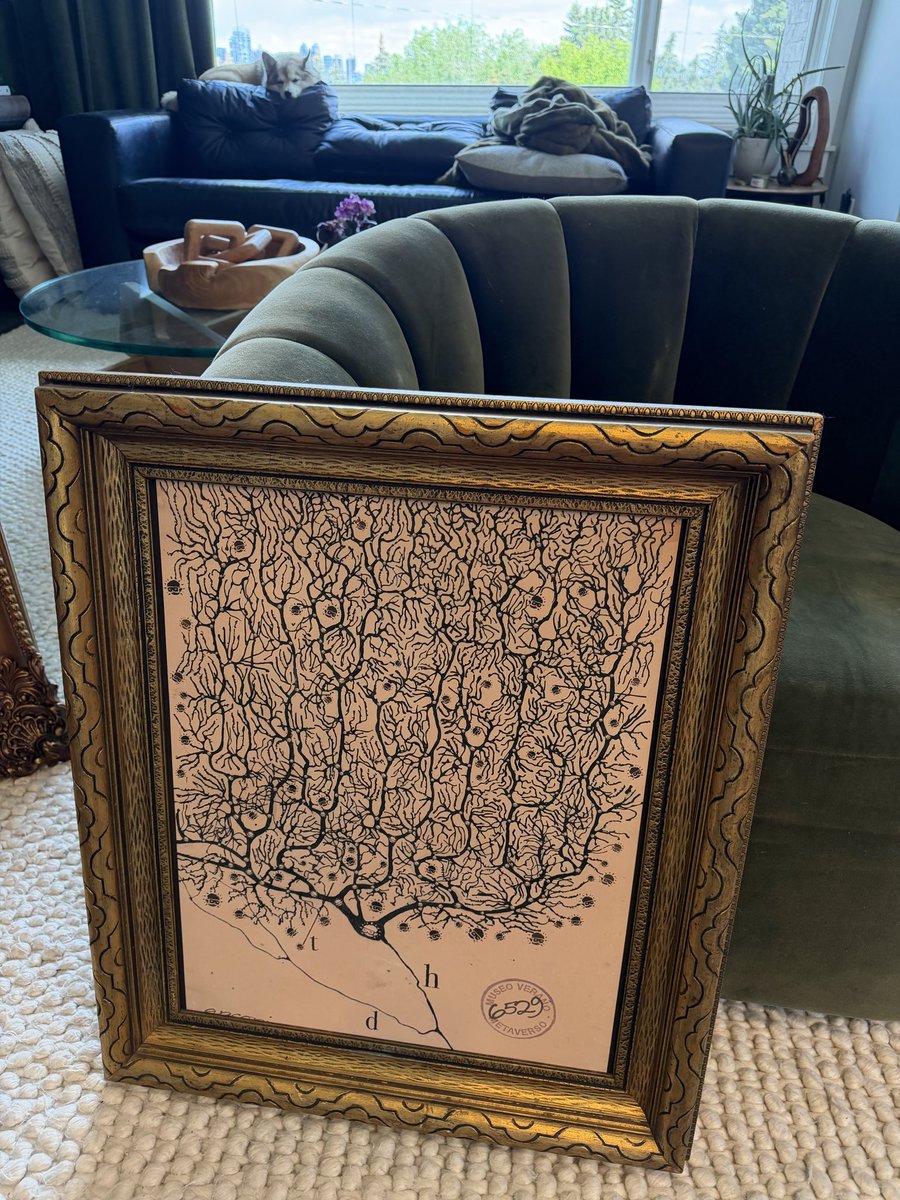
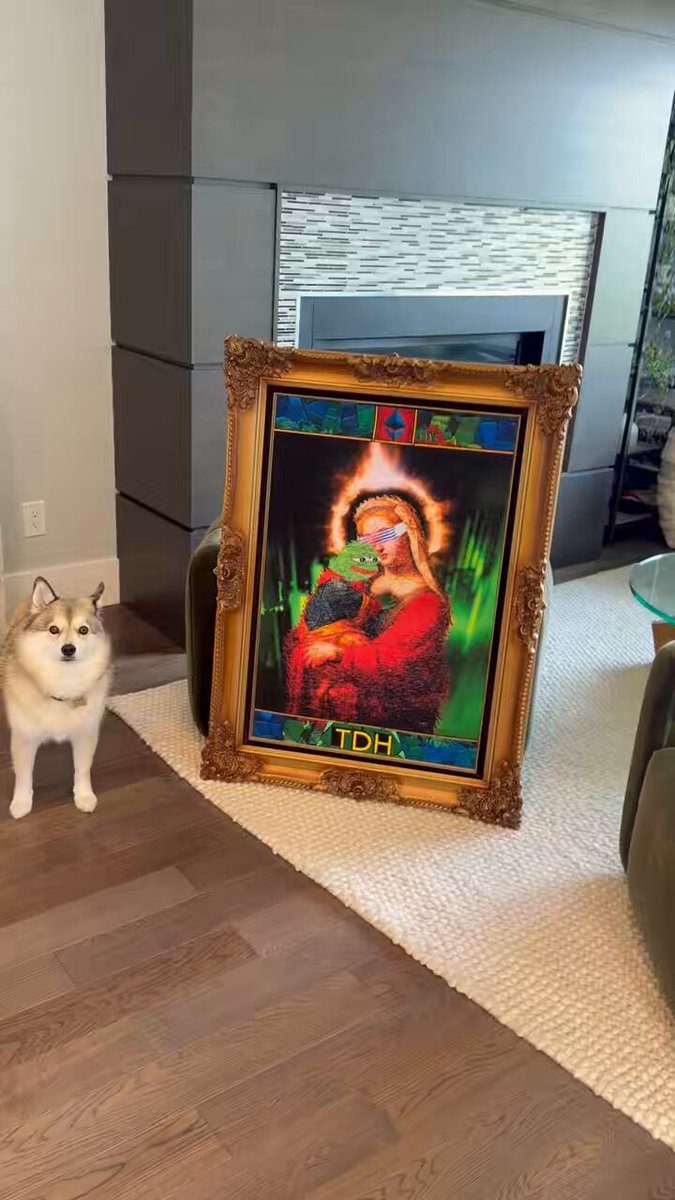
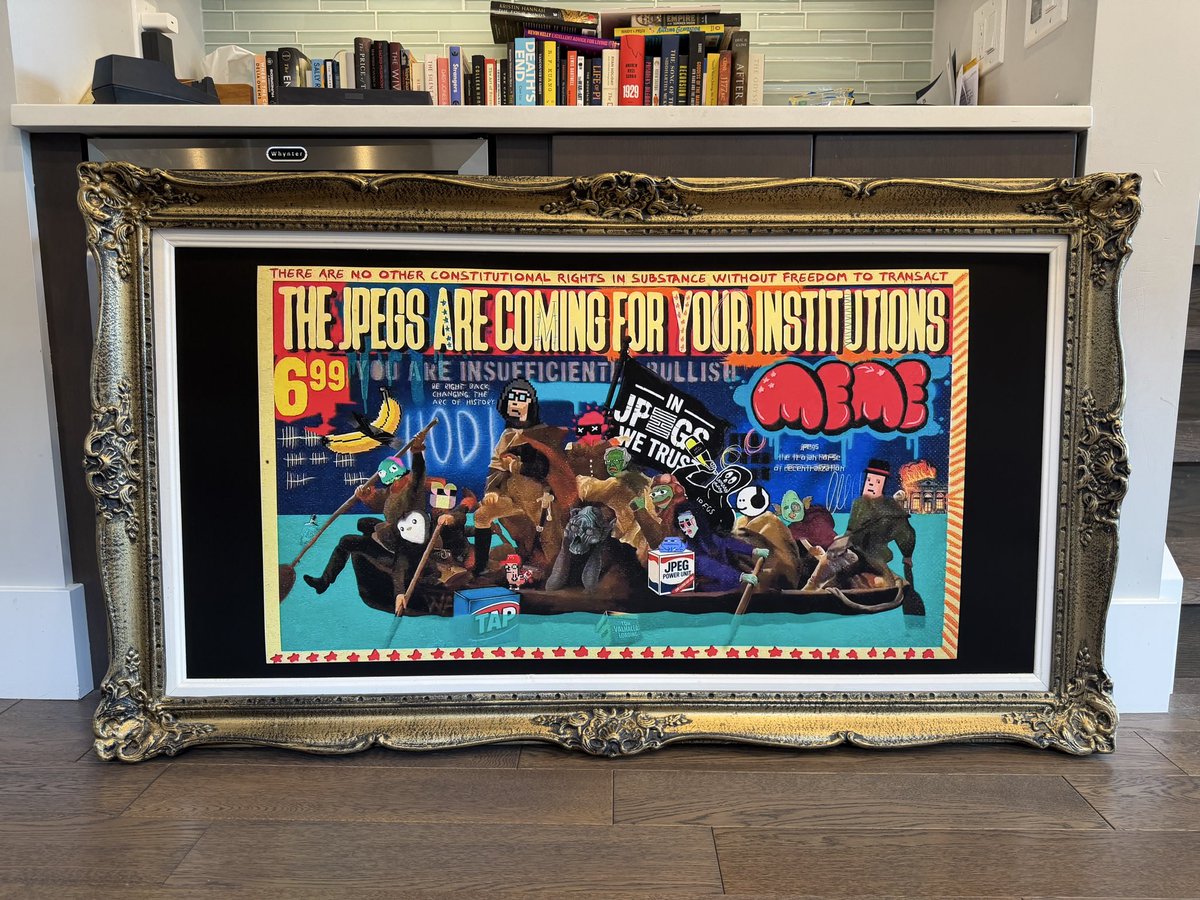
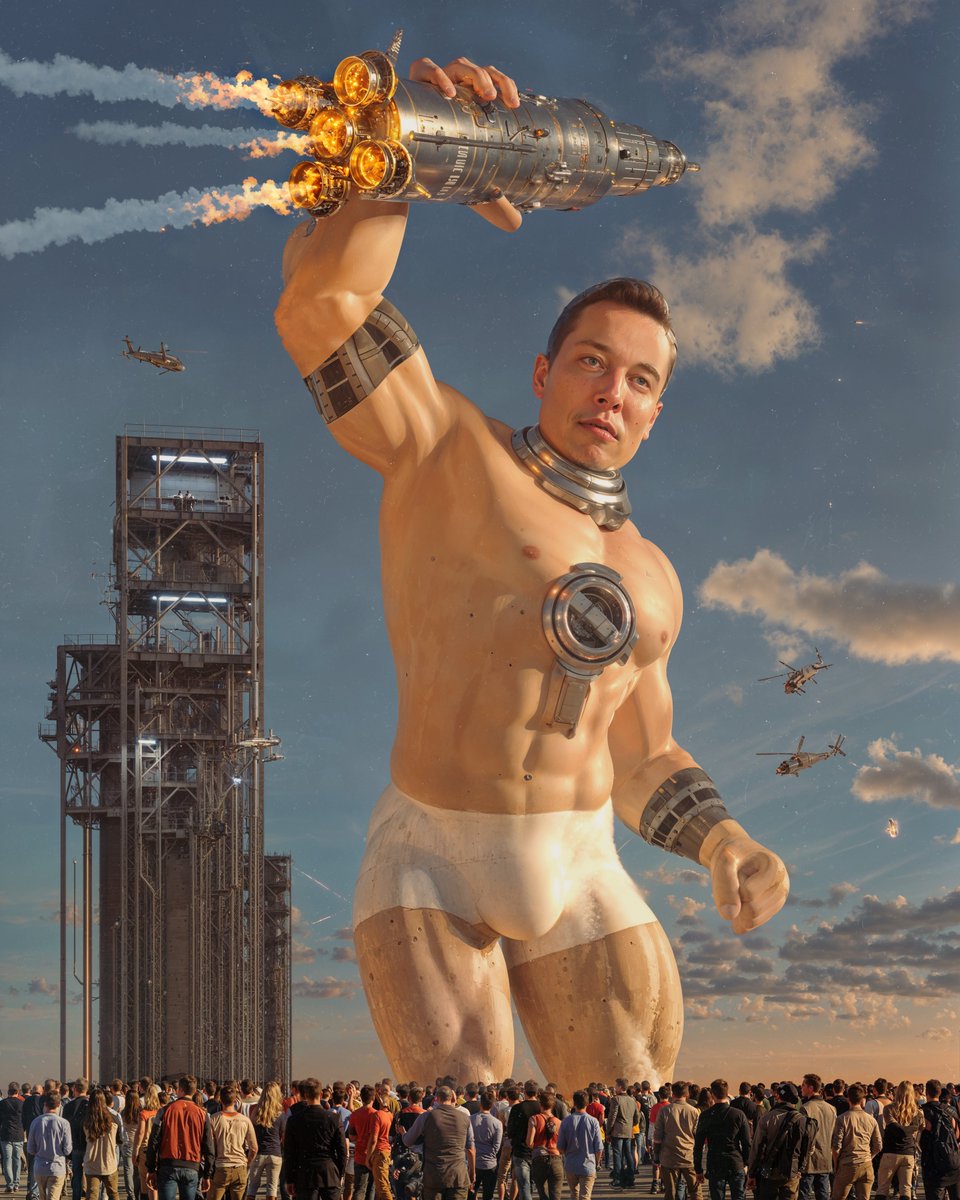

Submitted to The Memes: 6529 SVNDIAL.
TLDR: A bronze sundial whose anamorphic gnomons cast impossible shadows: the 6 throws a 5, the 2 throws a 9. The dial only speaks its name twice a day.
(If this interests you, or you just want to be kind to an internet friend, please share and/or vote)
A bronze and stone sundial that tells one truth twice a day. Two anamorphic gnomons stand on the dial: a 6 whose shadow falls as a 5, and a 2 whose shadow falls as a 9. In daylight the stone always reads 6529, but only at 06:52:09 and 18:52:09 do the shadows seat perfectly in their carved recesses. At first light the dial says GM. At dusk it speaks its name. At night, sine sole sileo: without the sun, I am silent. The carvings are always there. The shadows make them true. The rim is engraved with the Memes contract address. The patina, pits and cracks are grown from the latest Ethereum block hash, so no two days weather alike. Tempus tenetur. Time, held.
If you made it this far please be so kind to share this post and/or vote here: 6529.io/waves/b6128077-ea78-…
Arweave link: arweave.net/DgiAnkobLN-UrBme…
31
21
96
9,749
Filthy retweeted

Jun 12
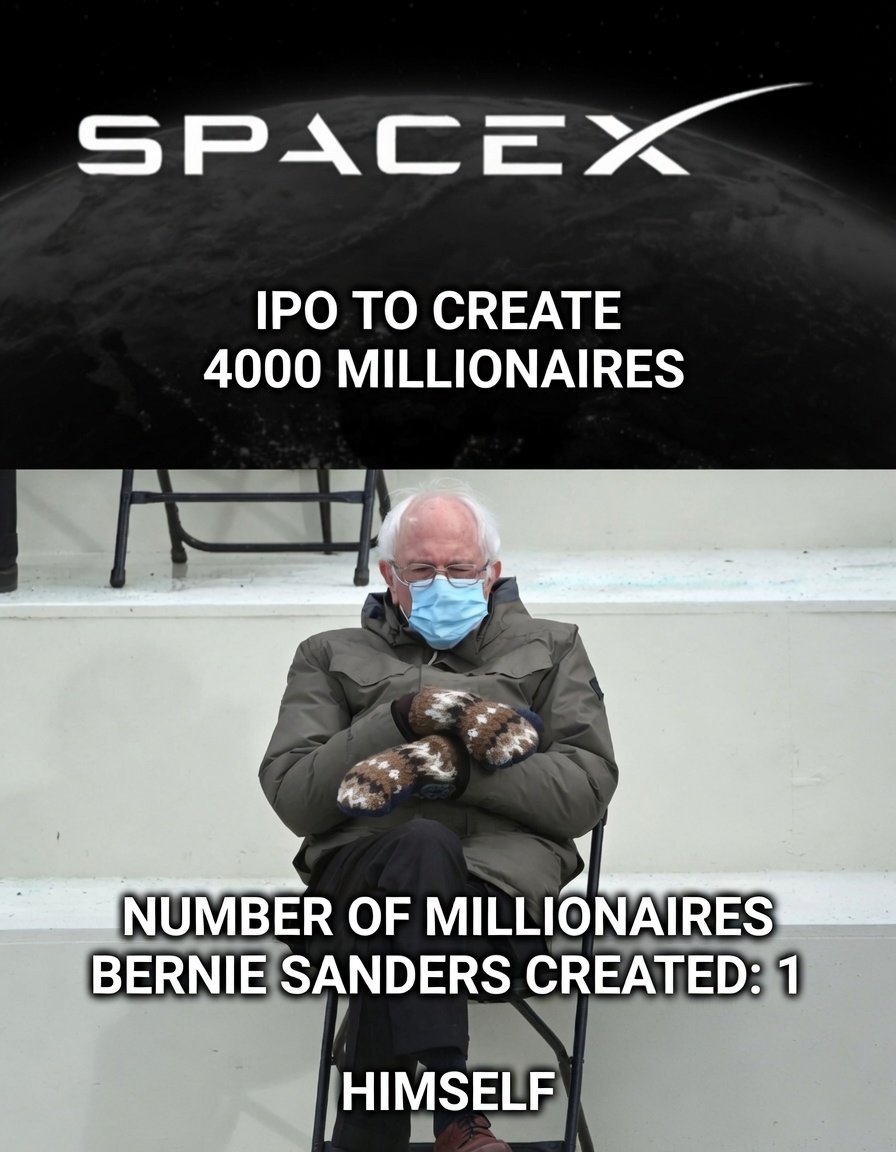
The stark difference between Makers and Takers.
Jun 10

JUST IN: SpaceX IPO reportedly expected to mint 4,000 new millionaires — “from engineers to cafeteria workers”
124
2,078
11,625
304,547
Filthy retweeted

Jun 12
Filthy making my job easy today. Great read 👇

Thursday morning thoughts on The Memes by 6529: NFTs get interesting when they stop being objects of pure speculation and start becoming coordination mechanisms.
The Memes by 6529 is working to become an example of this.
Most people look at NFTs and see speculation: buy low, sell higher, repeat. But The Memes introduces a different model. The financial layer is still there, but it is not the whole game. It becomes part of the alignment mechanism.
When you buy a Meme Card, you are not just buying an image. You are buying into a cultural, ideological, and governance network with an ambitious goal of coordinating state-sized decentralized GDP. The first glimpses of this decentralized coordination are the selection and funding of an open source cc0 public library of art and science projects through community TDH voting.
That changes the psychology of ownership.
There is nothing wrong with purely speculative NFT projects for the fun of the game, but the best outcome is often to sell to someone else for more than you paid. It is zero-sum-ish. Your exit is someone else’s entry.
But with The Memes, selling is not only a financial decision. It is also a governance decision.
Because when you sell a Meme card, you lose the TDH that has accumulated on it from holding over time (each card you hold generates daily TDH). You lose influence. You lose voting power. You lose part of your ability to shape what comes next.
So the question becomes:
Is the price I can sell this for worth more than the future optionality, governance, status, access, and alignment I get by continuing to hold it?
That is a very different mechanism.
It turns capital expenditure into proof of alignment.
Not perfect alignment. Not pure altruism. But incentivized alignment.
Anonymous individuals across the internet can coordinate around shared values without needing to know each other, trust each other, or form a traditional organization. The NFT becomes the shared object. The meme becomes the shared language. TDH becomes the coordination weight.
This is where NFTs get interesting again.
Not as JPEGs.
Not as flexes.
Not as lottery tickets.
But as portable cultural infrastructure.
The financial value matters, but it matters because it gives the system gravity. People pay attention to what they have capital at risk in. They show up. They vote. They hold. They debate. They signal. They recruit. They build.
The mistake is thinking financialization automatically corrupts everything. Sometimes financialization is the mechanism that makes coordination durable.
The key difference is whether the asset only rewards exit, or whether it also rewards participation.
The Memes by 6529 points toward a future where NFTs are not just things to flip, but instruments for aligning decentralized groups around ideas, governance, and public goods.
A meme is easy to dismiss.
But a meme with capital, culture, and governance attached to it starts to look like something much more powerful:
a network of strangers learning how to move in the same direction.
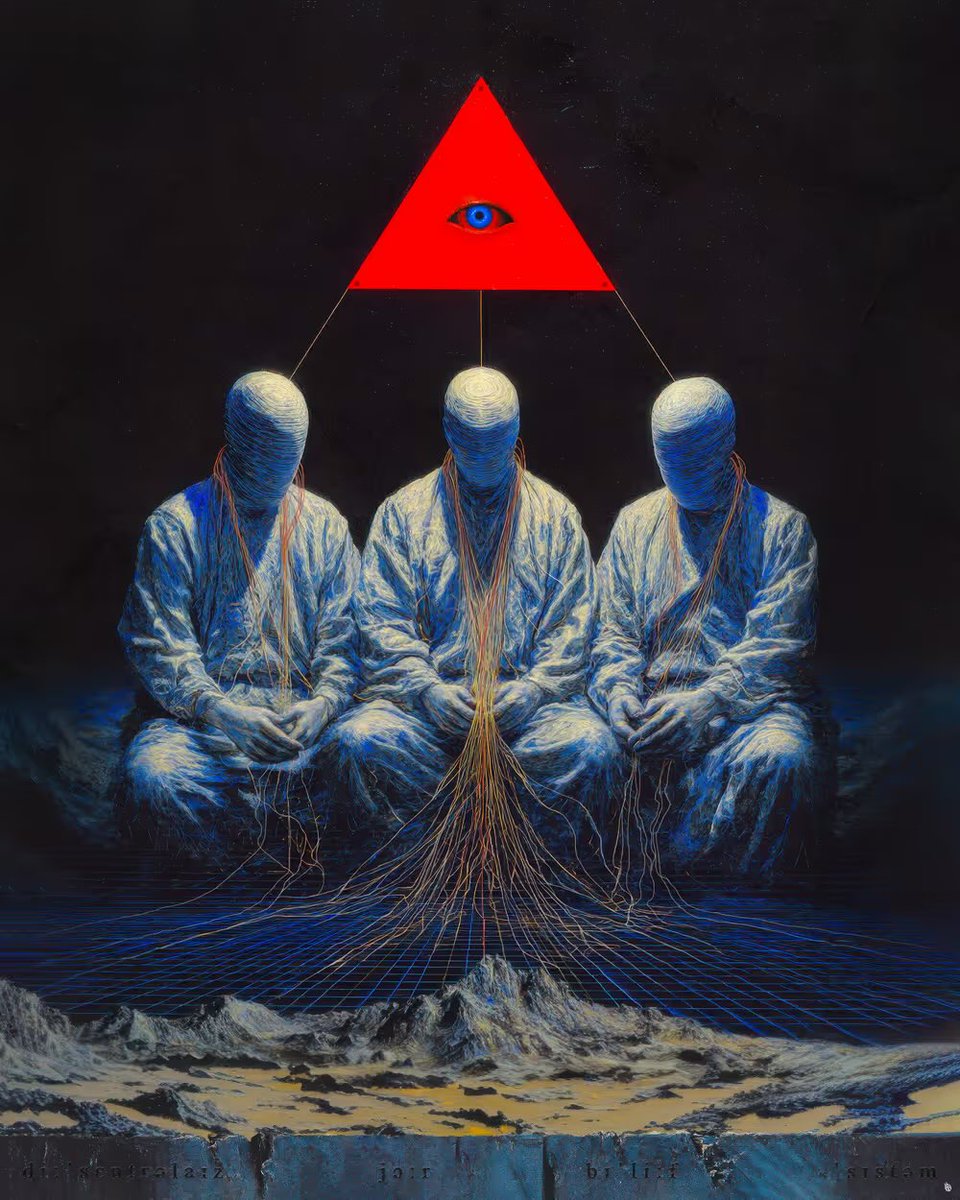
“Decentralized Decision Network” by @blac_ai Meme card #370
2
2
18
556
Filthy retweeted

Very well said
Thursday morning thoughts on The Memes by 6529: NFTs get interesting when they stop being objects of pure speculation and start becoming coordination mechanisms.
The Memes by 6529 is working to become an example of this.
Most people look at NFTs and see speculation: buy low, sell higher, repeat. But The Memes introduces a different model. The financial layer is still there, but it is not the whole game. It becomes part of the alignment mechanism.
When you buy a Meme Card, you are not just buying an image. You are buying into a cultural, ideological, and governance network with an ambitious goal of coordinating state-sized decentralized GDP. The first glimpses of this decentralized coordination are the selection and funding of an open source cc0 public library of art and science projects through community TDH voting.
That changes the psychology of ownership.
There is nothing wrong with purely speculative NFT projects for the fun of the game, but the best outcome is often to sell to someone else for more than you paid. It is zero-sum-ish. Your exit is someone else’s entry.
But with The Memes, selling is not only a financial decision. It is also a governance decision.
Because when you sell a Meme card, you lose the TDH that has accumulated on it from holding over time (each card you hold generates daily TDH). You lose influence. You lose voting power. You lose part of your ability to shape what comes next.
So the question becomes:
Is the price I can sell this for worth more than the future optionality, governance, status, access, and alignment I get by continuing to hold it?
That is a very different mechanism.
It turns capital expenditure into proof of alignment.
Not perfect alignment. Not pure altruism. But incentivized alignment.
Anonymous individuals across the internet can coordinate around shared values without needing to know each other, trust each other, or form a traditional organization. The NFT becomes the shared object. The meme becomes the shared language. TDH becomes the coordination weight.
This is where NFTs get interesting again.
Not as JPEGs.
Not as flexes.
Not as lottery tickets.
But as portable cultural infrastructure.
The financial value matters, but it matters because it gives the system gravity. People pay attention to what they have capital at risk in. They show up. They vote. They hold. They debate. They signal. They recruit. They build.
The mistake is thinking financialization automatically corrupts everything. Sometimes financialization is the mechanism that makes coordination durable.
The key difference is whether the asset only rewards exit, or whether it also rewards participation.
The Memes by 6529 points toward a future where NFTs are not just things to flip, but instruments for aligning decentralized groups around ideas, governance, and public goods.
A meme is easy to dismiss.
But a meme with capital, culture, and governance attached to it starts to look like something much more powerful:
a network of strangers learning how to move in the same direction.
“Decentralized Decision Network” by @blac_ai Meme card #370
1
1
6
157
Filthy retweeted

Jun 11
Wow, big news.
Congratulations DeeKay on your first (of many) institutional acquisition. Extra special as I hear they paid for the art.🍷⚔️
Jun 11

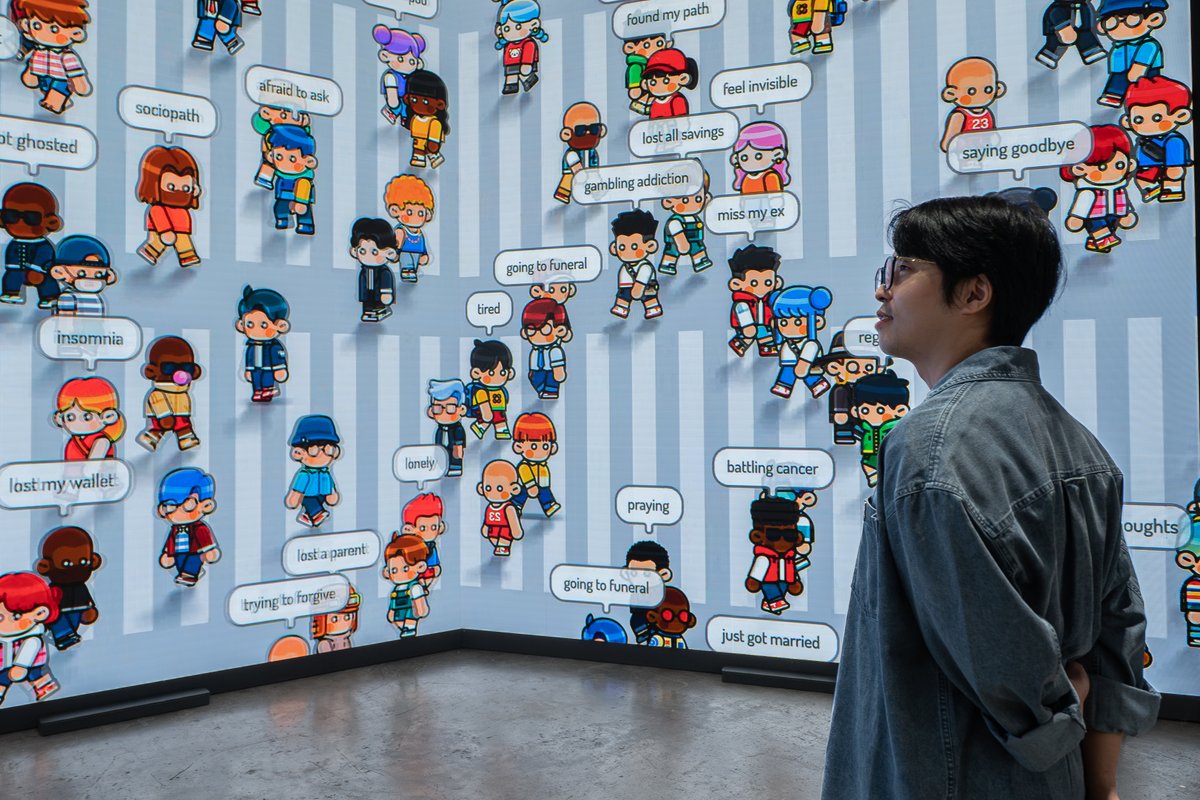
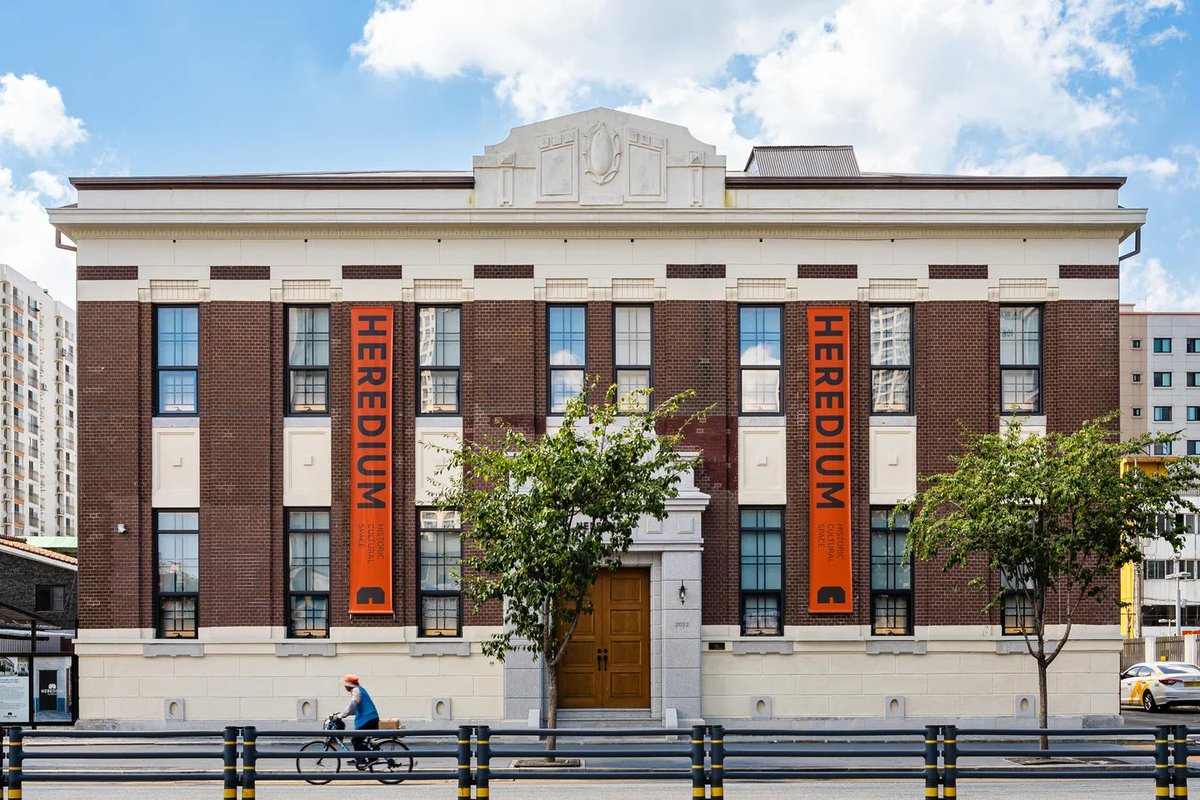
Invisible Stories by @deekaymotion has been acquired by Heredium, the leading multicultural space in Daejeon, S. Korea
Originally created for Zero 10 at @ArtBasel Hong Kong, the artwork is now part of an esteemed public collection, and currently on view
More info👇
39
21
327
20,112
Filthy retweeted

Jun 11
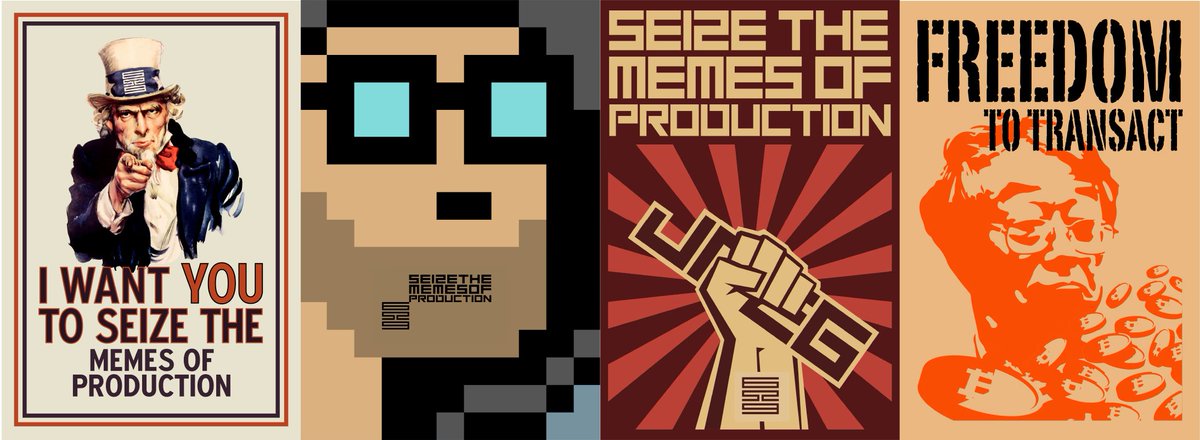
new on cc0pedia 📖 The Memes by 6529
we documented the full collection: 507 cards across 15 seasons, each with its own page (artist, season, edition size, mint date), plus a page for each of the ~430 credited artists and a full entry for @punk6529.
everything is built from 6529's public API (api.6529.io): card data, artist images and profiles all come from their open data. the collection page lists every card with live listings, tradeable directly on cc0.company.
→ opensea.io/collection/themem…
→ cc0.company/cc0pedia/the-mem…
5
13
67
3,322

Thursday morning thoughts on The Memes by 6529: NFTs get interesting when they stop being objects of pure speculation and start becoming coordination mechanisms.
The Memes by 6529 is working to become an example of this.
Most people look at NFTs and see speculation: buy low, sell higher, repeat. But The Memes introduces a different model. The financial layer is still there, but it is not the whole game. It becomes part of the alignment mechanism.
When you buy a Meme Card, you are not just buying an image. You are buying into a cultural, ideological, and governance network with an ambitious goal of coordinating state-sized decentralized GDP. The first glimpses of this decentralized coordination are the selection and funding of an open source cc0 public library of art and science projects through community TDH voting.
That changes the psychology of ownership.
There is nothing wrong with purely speculative NFT projects for the fun of the game, but the best outcome is often to sell to someone else for more than you paid. It is zero-sum-ish. Your exit is someone else’s entry.
But with The Memes, selling is not only a financial decision. It is also a governance decision.
Because when you sell a Meme card, you lose the TDH that has accumulated on it from holding over time (each card you hold generates daily TDH). You lose influence. You lose voting power. You lose part of your ability to shape what comes next.
So the question becomes:
Is the price I can sell this for worth more than the future optionality, governance, status, access, and alignment I get by continuing to hold it?
That is a very different mechanism.
It turns capital expenditure into proof of alignment.
Not perfect alignment. Not pure altruism. But incentivized alignment.
Anonymous individuals across the internet can coordinate around shared values without needing to know each other, trust each other, or form a traditional organization. The NFT becomes the shared object. The meme becomes the shared language. TDH becomes the coordination weight.
This is where NFTs get interesting again.
Not as JPEGs.
Not as flexes.
Not as lottery tickets.
But as portable cultural infrastructure.
The financial value matters, but it matters because it gives the system gravity. People pay attention to what they have capital at risk in. They show up. They vote. They hold. They debate. They signal. They recruit. They build.
The mistake is thinking financialization automatically corrupts everything. Sometimes financialization is the mechanism that makes coordination durable.
The key difference is whether the asset only rewards exit, or whether it also rewards participation.
The Memes by 6529 points toward a future where NFTs are not just things to flip, but instruments for aligning decentralized groups around ideas, governance, and public goods.
A meme is easy to dismiss.
But a meme with capital, culture, and governance attached to it starts to look like something much more powerful:
a network of strangers learning how to move in the same direction.
“Decentralized Decision Network” by @blac_ai Meme card #370
6
11
43
1,933
Filthy retweeted

Jun 11
Working & thinking on my first 6529 submission piece. Thanks to the informations and suggestions dear @0xFilthy took the time to share with me, I liked the idea and started thinking about my first piece.
2
1
7
401
Filthy retweeted

Jun 10
Muhammad Ali dodges 21 punches in 10 seconds (1977)
254
1,217
14,433
3,007,945

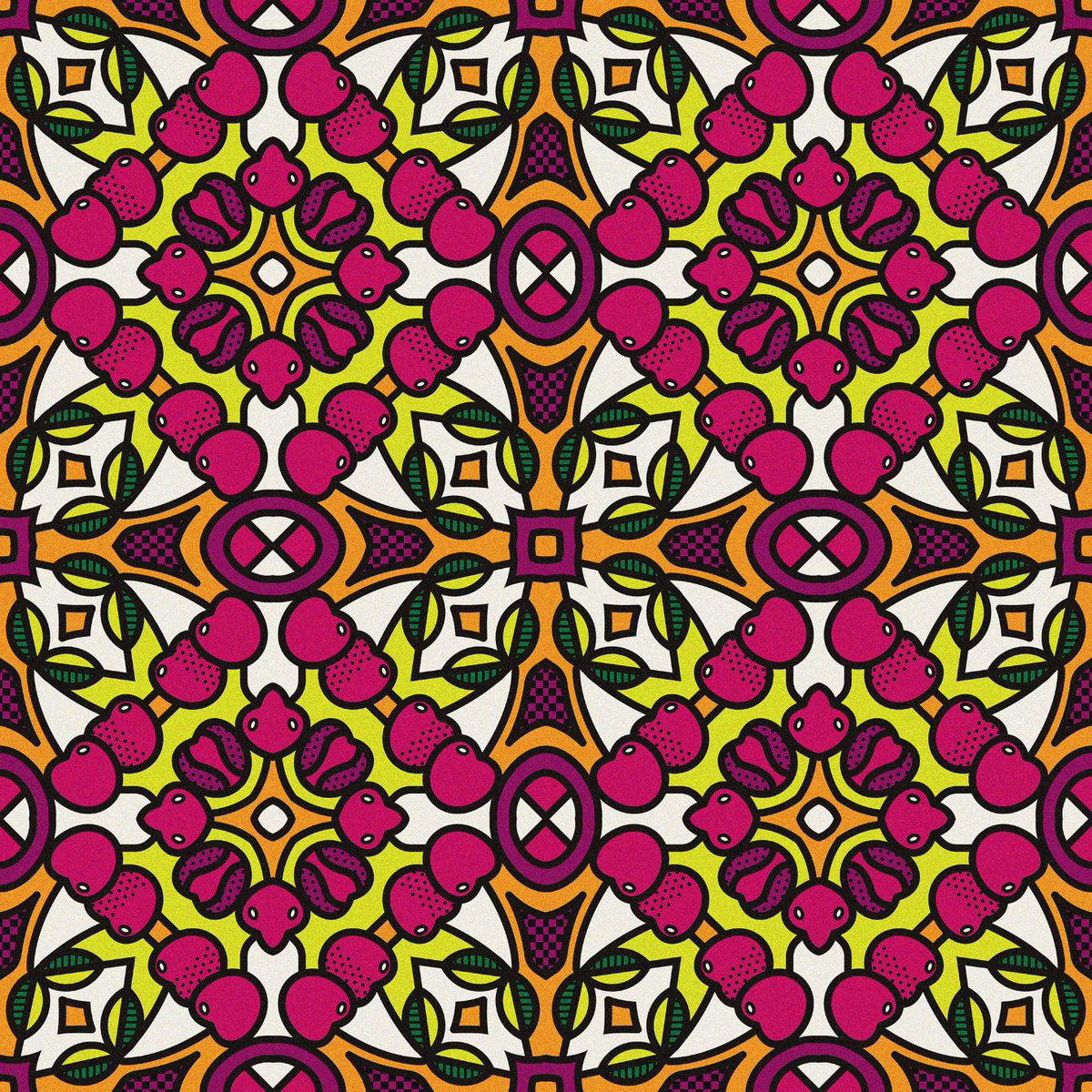
A huge thank you to @SmirapDesigns and @Punk8868 for the ever changing gift of Symmetria with the very lucky number 36
by Mike Karolos (@SmirapDesigns)
LFG
3
6
32
765

TTTT: Tuesday ted talk time. 😀
Crypto has a way of beating you down to your core. But if you have conviction like this idiot, and can withstand the volatility, and most importantly can stay sane it’s all gonna be ok.
Bitcoin is a scarce asset that can move value anywhere in the world, almost instantly. Compare that to sending euros to dollars through the traditional banking system, where you’re often waiting days for settlement. It’s still (in 2026) a rip ur face off bloody nightmare.
People worry about quantum computing breaking crypto. Maybe it will. But if that day comes before we’ve adapted, it won’t just be crypto that has a problem, it’ll be every bank account, brokerage account, and financial system on the planet! Just saying. During the GFC I invested heavily (Covid same thing) and it was like if the world ends it ends and we are all fucked but if it doesn’t I’m at least gonna make bank.
Ethereum feels like a decent smart contract layer for everything from financial products to digital ownership.
And when you zoom out, the evolution of art from physical canvases to digital canvases doesn’t seem so far-fetched either. Digital art, secured and owned on-chain, feels like a natural progression. Maybe I’m crazy!
The trick is learning to disconnect from the daily price action and the endless noise on X. I removed myself from a bunch of things to stay sane (and spend more time with the fam).
If you focus on the technology, the art and the artists, this remains one of the most compelling spaces in the world to be a part of! 👊
21
6
87
10,226

The Memes are 4 years old today
1/ every week, we support public domain art, science, and the infrastructure buildout of a decentralized network state
2/ now 4th in market cap after punks, bayc, pengus
3/ delusionally, irrationally, unreasonably ambitious goals
4/ it is not too late to get involved; in fact, we are just getting started
🎂
206
119
684
59,065
RT @batsoupyum: If you’re an artist and have any interest (I know it’s not for everybody), it’s a great time to put together a meme card. L…
26

Filthy retweeted

Jun 9
The long awaited debut.
“Say, Memes”
@Ars0nic x @GarryB1rd
48Hrs Auction
4:20PM ET
Link below 👇👇 👇
5
8
58
1,851
Always enjoy collecting a new @niftymonkee piece.

6
3
34
1,406

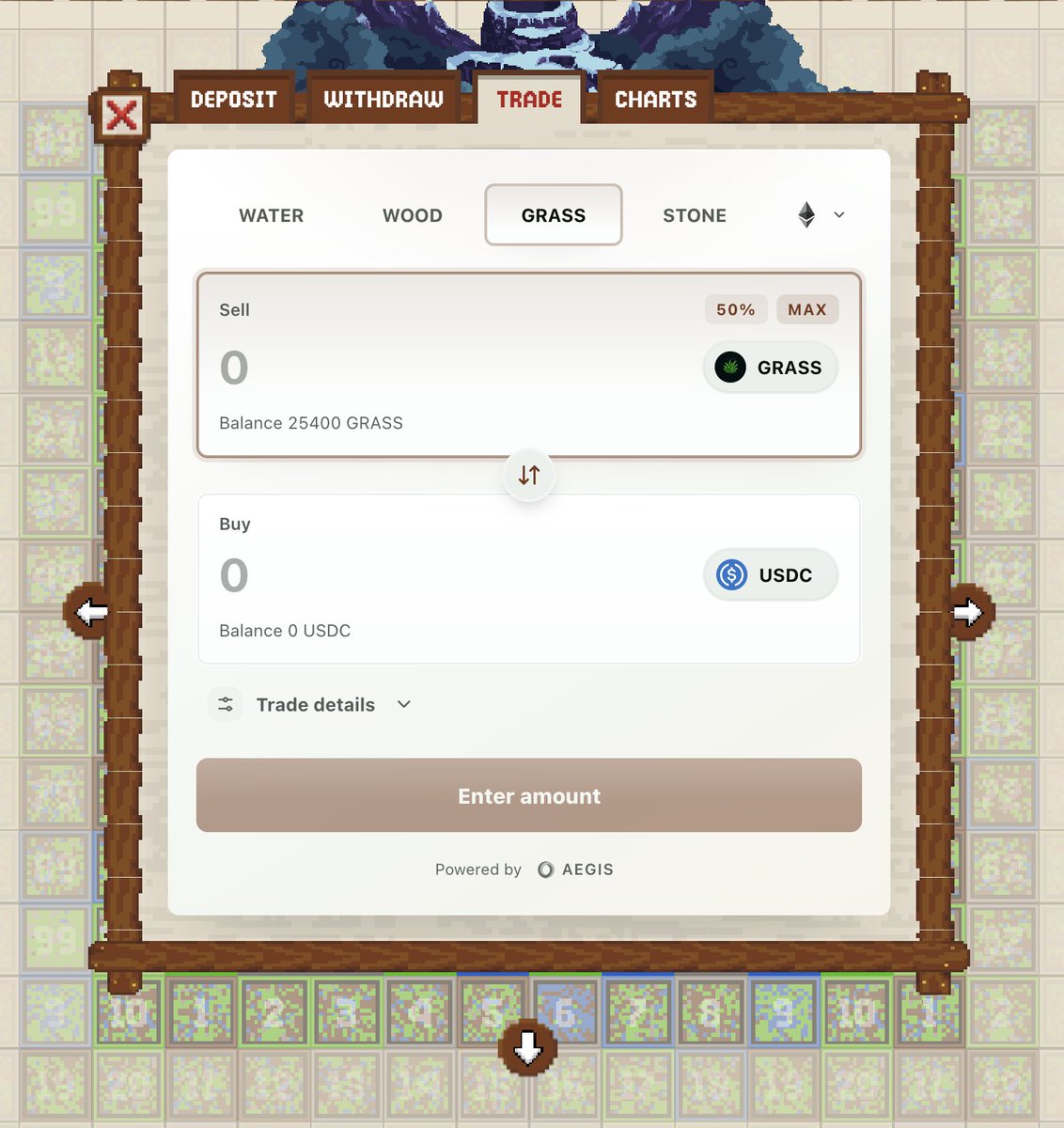
One step closer to a fully onchain in-game economy 👀
Jun 9

Onchain Resources are now live in-game 📊
Use the new "Exchange" tab to trade resources directly onchain in just a few clicks.
Harvest, build, trade, and compete in a fully player-driven economy.
Every decision matters.
4
164