
Trying to be famous.
Joined September 2017
- Tweets 8,536
- Following 1,325
- Followers 988
- Likes 17,648
536 Photos and videos





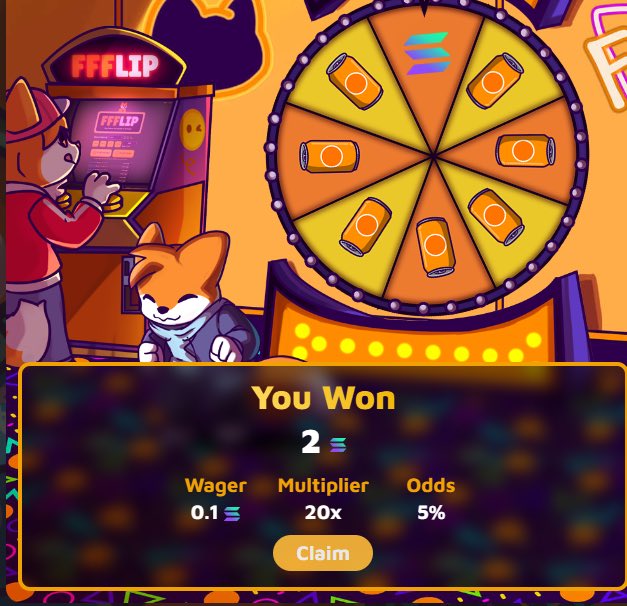



This series is gonna be lit 🔥
Ain’t matter who wins, just enjoy the show.
@nyknicks @spurs #nbafinals


56


Driptz retweeted

May 31

1,221
14,898
57,601
1,464,198
It’s been more than a day and @airasia has not provided a proper response or statement regarding this. All they can do is ask you to ‘Ask Bo’
Remember people, this is what you’ll be having to face when you book their flights. Keep that in mind every time you want to fly. I’m never ever taking this airline again. Hopefully you shall not encounter similar issues.
#airasia #airline #malaysia #kpdn #mavcom #worst #experience

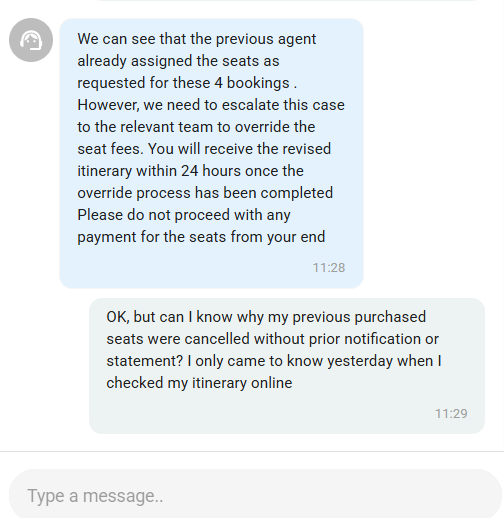
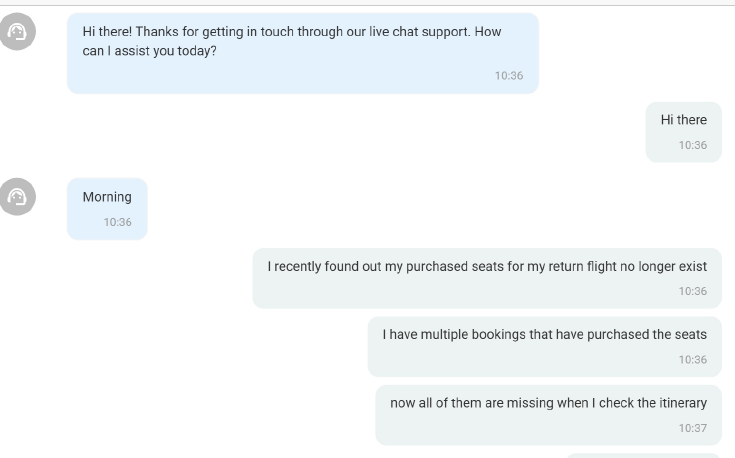
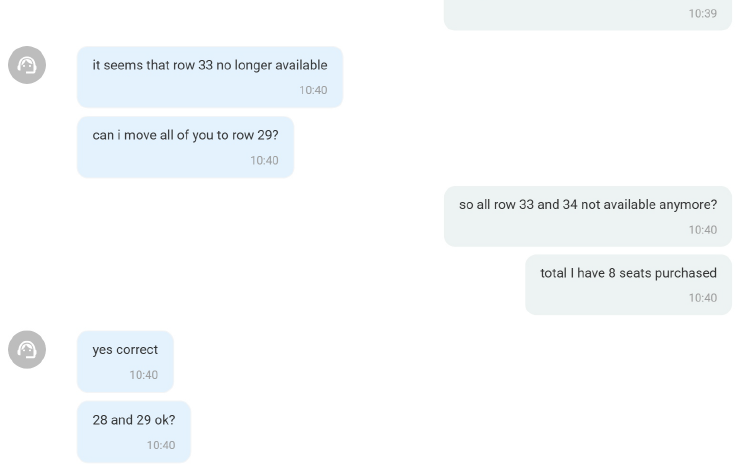
I am extremely disappointed with @airasia for cancelling my pre-purchased seating arrangements across multiple bookings on the same flight — without any prior notice. I only discovered this a week before my trip when I checked my itinerary online. There was no official statement, no notification, and certainly no apology or reimbursement offered.
This is not just frustrating, it is deeply inconvenient. What happens to thousands or even millions of other consumers who may only find out at check-in or boarding, who might have no idea of the changes. Does @airasia not hold any responsibility to notify passengers of such changes, or to compensate them for the hassle caused?
The lack of transparency and accountability is unacceptable. Customers pay for specific services with the expectation that airlines will honor them. Cancelling seating arrangements without notice, and failing to provide a justified apology or reimbursement, shows disregard for consumer rights and trust.
Their AskBo 24/7 bot is unhelpful and has does not link you to their live agent without making you stress more about the changes and inconveniences caused to your welfare. The chat system also disconnects without proper closure of the chat/request.
AirAsia must take responsibility, issue proper communication, and provide fair compensation to affected passengers. Anything less is a failure of basic customer service.
I plead all relevant department and ministers to take this into account and provide a concise and thorough investigation into @airasia regarding this matter.
@airasia @MAVCOMmy @KPDN_HQ @MOTMalaysia
@DrZahidHamidi @PetraJayaMP @anthonyloke @Armizanofficial @GobindSinghDeo
4
11
8
516
I am extremely disappointed with @airasia for cancelling my pre-purchased seating arrangements across multiple bookings on the same flight — without any prior notice. I only discovered this a week before my trip when I checked my itinerary online. There was no official statement, no notification, and certainly no apology or reimbursement offered.
This is not just frustrating, it is deeply inconvenient. What happens to thousands or even millions of other consumers who may only find out at check-in or boarding, who might have no idea of the changes. Does @airasia not hold any responsibility to notify passengers of such changes, or to compensate them for the hassle caused?
The lack of transparency and accountability is unacceptable. Customers pay for specific services with the expectation that airlines will honor them. Cancelling seating arrangements without notice, and failing to provide a justified apology or reimbursement, shows disregard for consumer rights and trust.
Their AskBo 24/7 bot is unhelpful and has does not link you to their live agent without making you stress more about the changes and inconveniences caused to your welfare. The chat system also disconnects without proper closure of the chat/request.
AirAsia must take responsibility, issue proper communication, and provide fair compensation to affected passengers. Anything less is a failure of basic customer service.
I plead all relevant department and ministers to take this into account and provide a concise and thorough investigation into @airasia regarding this matter.
@airasia @MAVCOMmy @KPDN_HQ @MOTMalaysia
@DrZahidHamidi @PetraJayaMP @anthonyloke @Armizanofficial @GobindSinghDeo
7
11
22
4,913
I am extremely disappointed with @airasia for cancelling my pre-purchased seating arrangements across multiple bookings on the same flight — without any prior notice. I only discovered this a week before my trip when I checked my itinerary online. There was no official statement, no notification, and certainly no apology or reimbursement offered.
This is not just frustrating, it is deeply inconvenient. What happens to thousands or even millions of other consumers who may only find out at check-in or boarding, who might have no idea of the changes. Does @airasia not hold any responsibility to notify passengers of such changes, or to compensate them for the hassle caused?
The lack of transparency and accountability is unacceptable. Customers pay for specific services with the expectation that airlines will honor them. Cancelling seating arrangements without notice, and failing to provide a justified apology or reimbursement, shows disregard for consumer rights and trust.
Their AskBo 24/7 bot is unhelpful and has does not link you to their live agent without making you stress more about the changes and inconveniences caused to your welfare. The chat system also disconnects without proper closure of the chat/request.
AirAsia must take responsibility, issue proper communication, and provide fair compensation to affected passengers. Anything less is a failure of basic customer service.
I plead all relevant department and ministers to take this into account and provide a concise and thorough investigation into @airasia regarding this matter.
@airasia @MAVCOMmy @KPDN_HQ @MOTMalaysia
@DrZahidHamidi @PetraJayaMP @anthonyloke @Armizanofficial @GobindSinghDeo
7
11
22
4,913
Driptz retweeted

Somebody knows something 👀

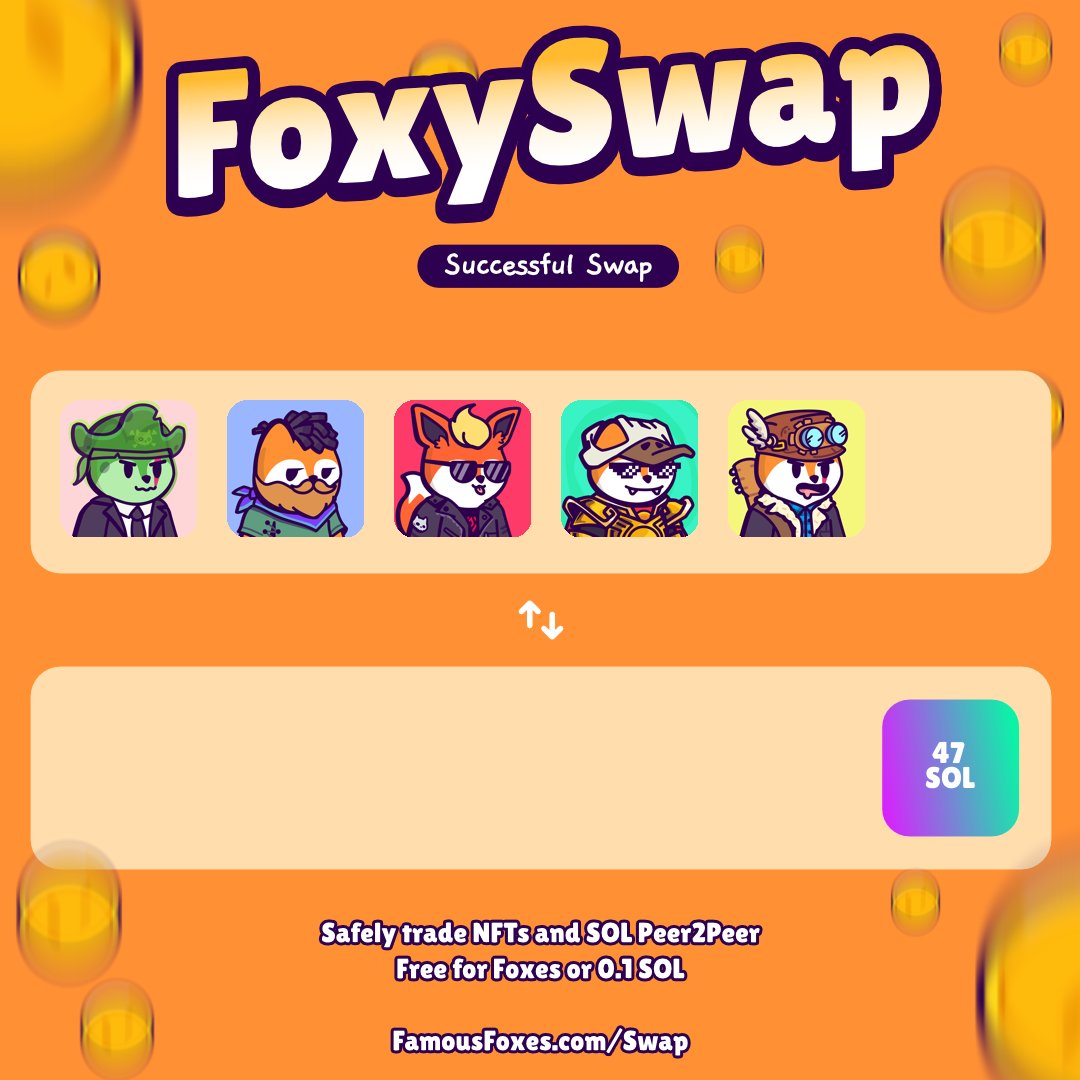
New swap completed! @FamousFoxFed #FamousFoxes
Use FoxySwap for secure P2P swaps.
9
9
48
1,270

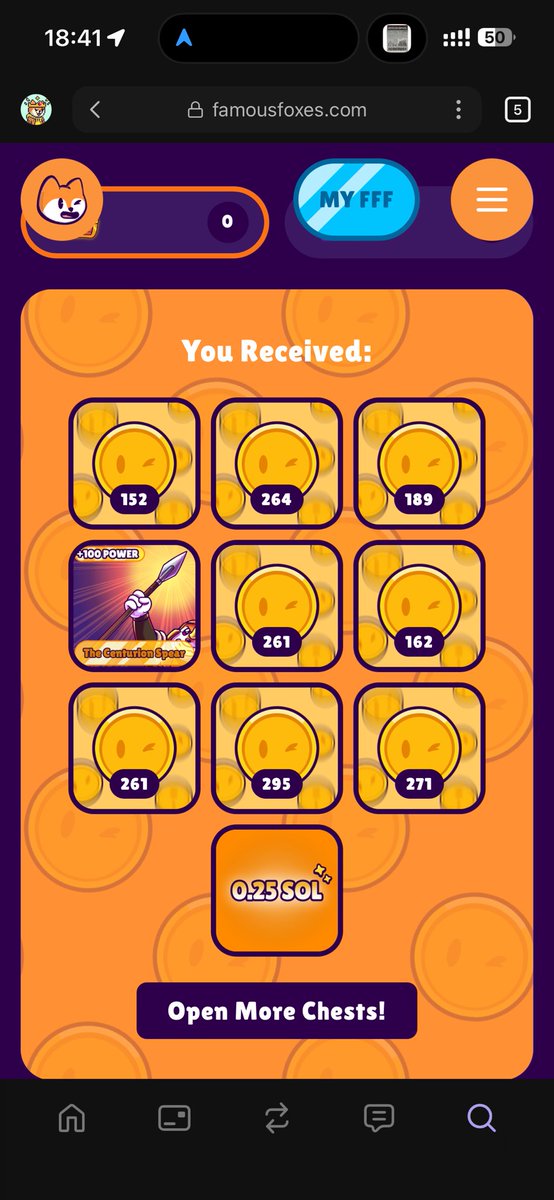
Added 3 more TFF to the Skulk over the week. Won a Free FFF from Famous Fox Mission yesterday. @FamousFoxFed NFT pays for itself 🤑🤑🤑 More Foxes More Chests More Winnings! 🟠 There is no 2nd Best!





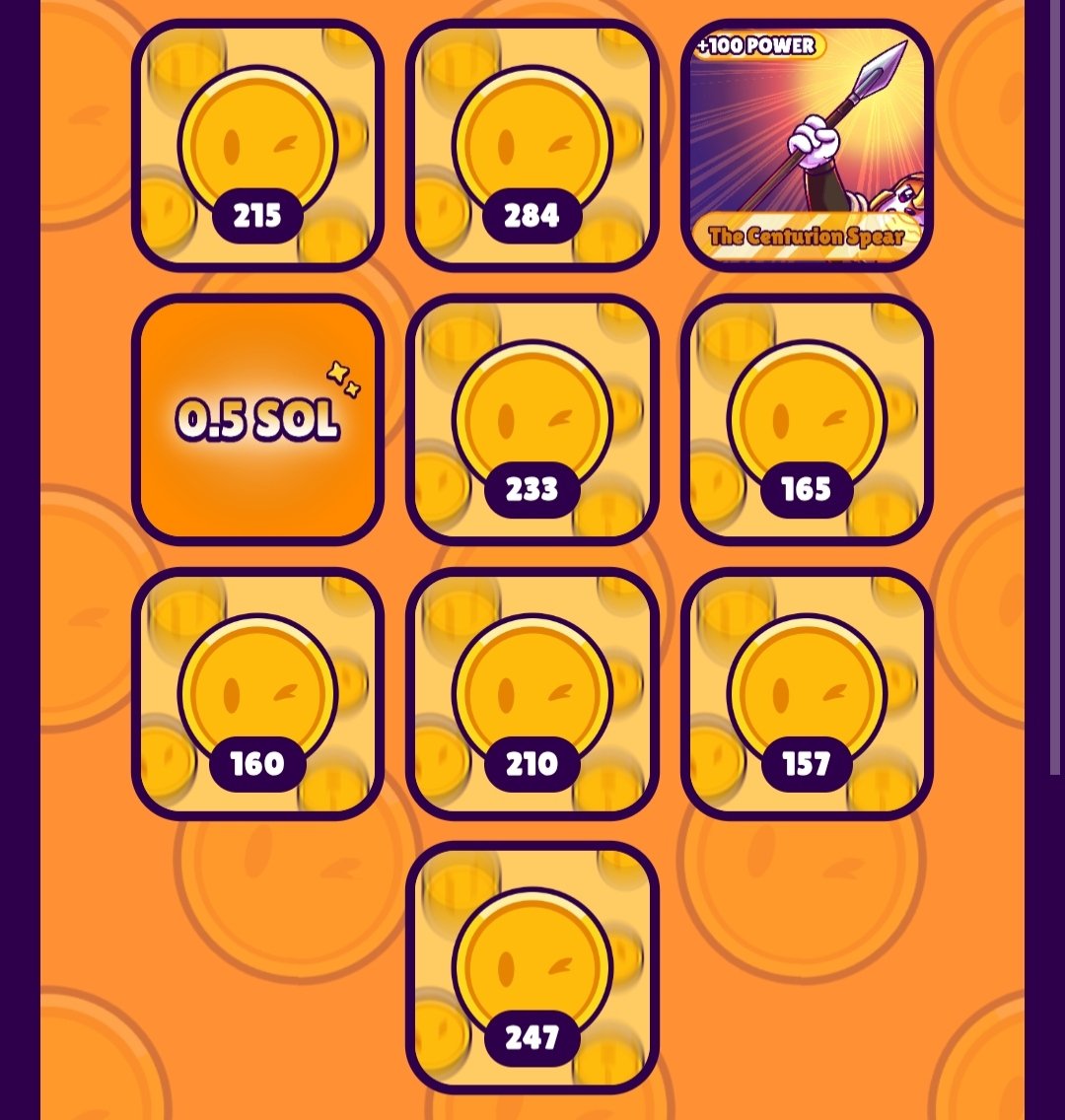
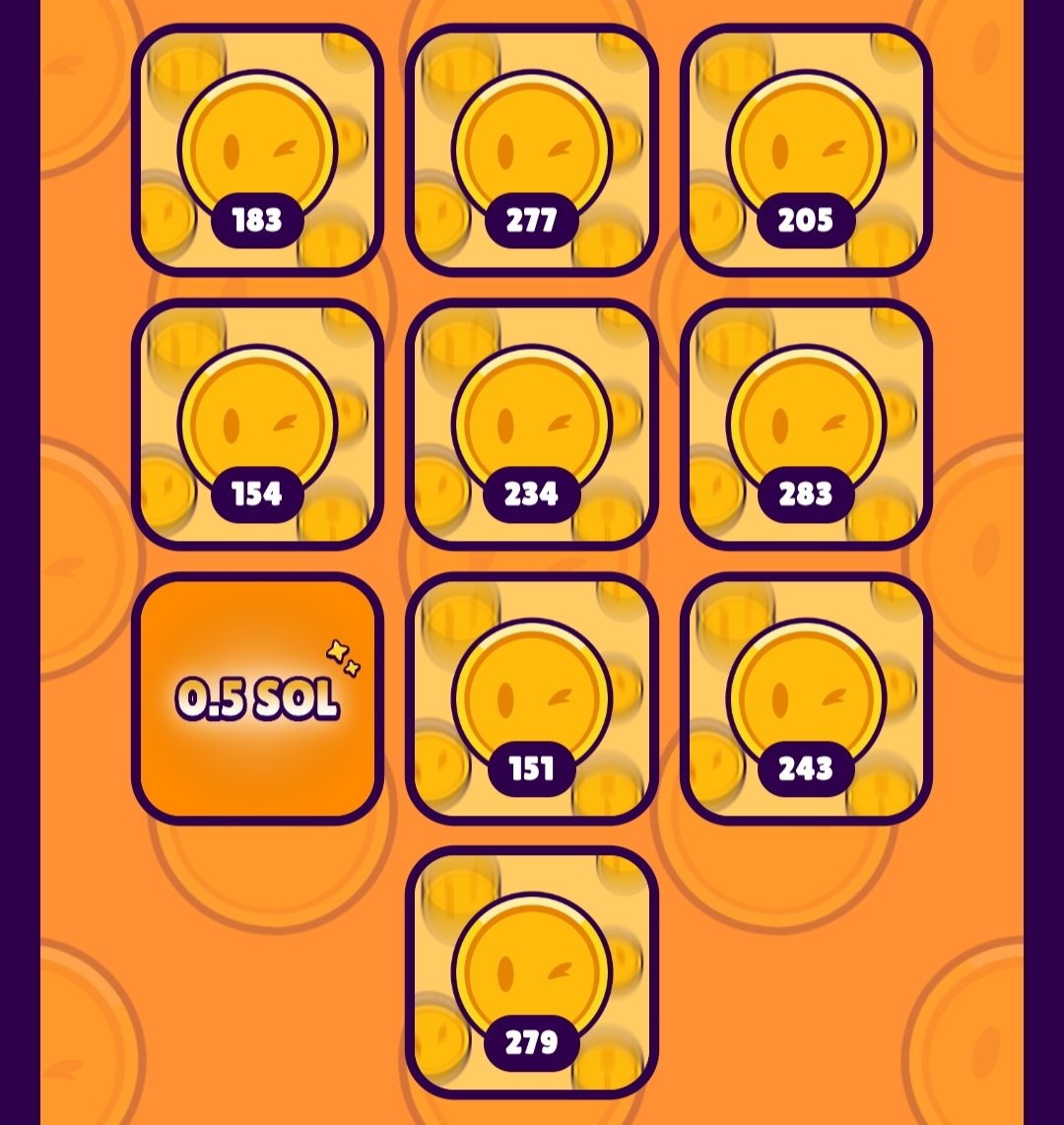
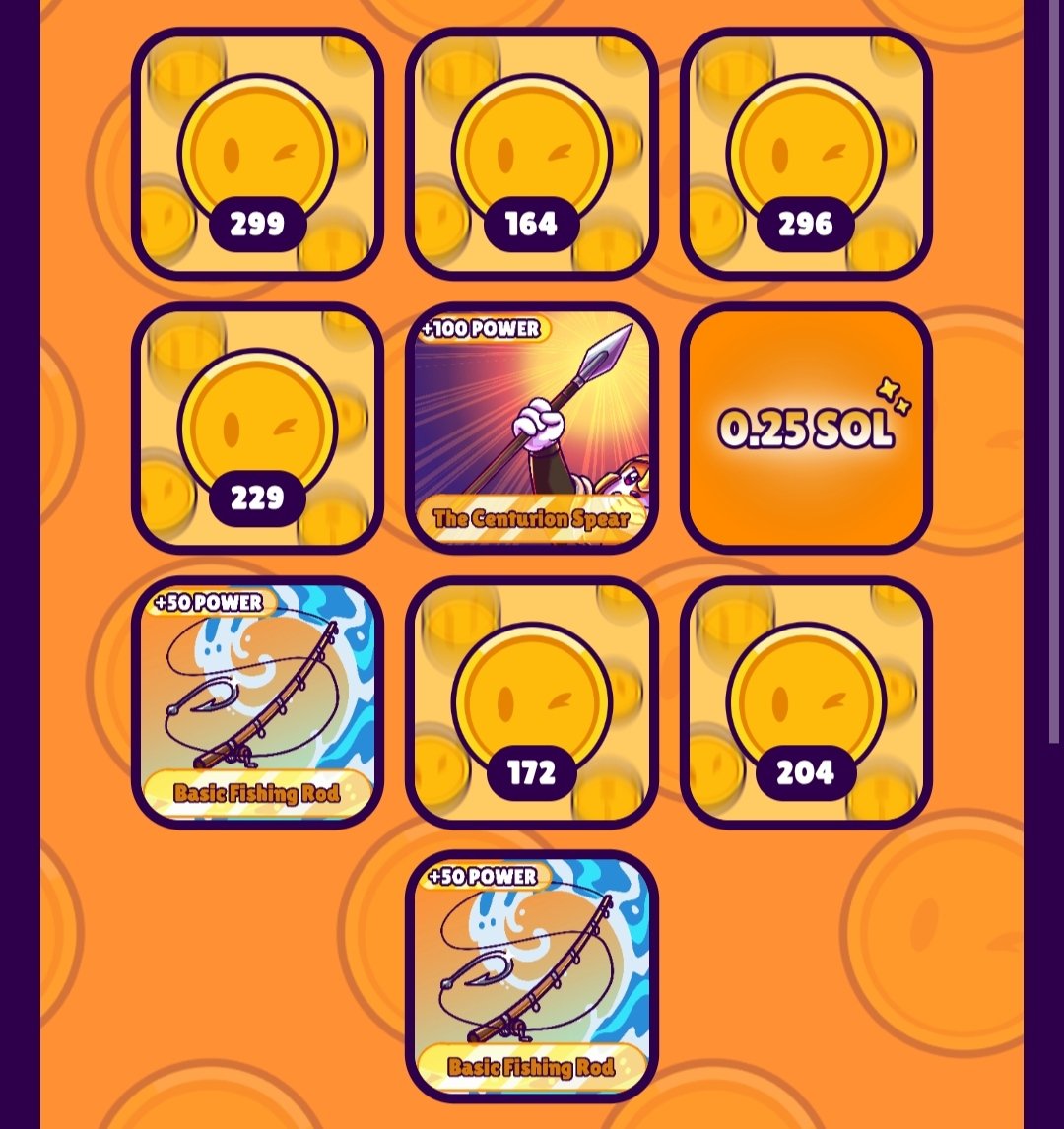
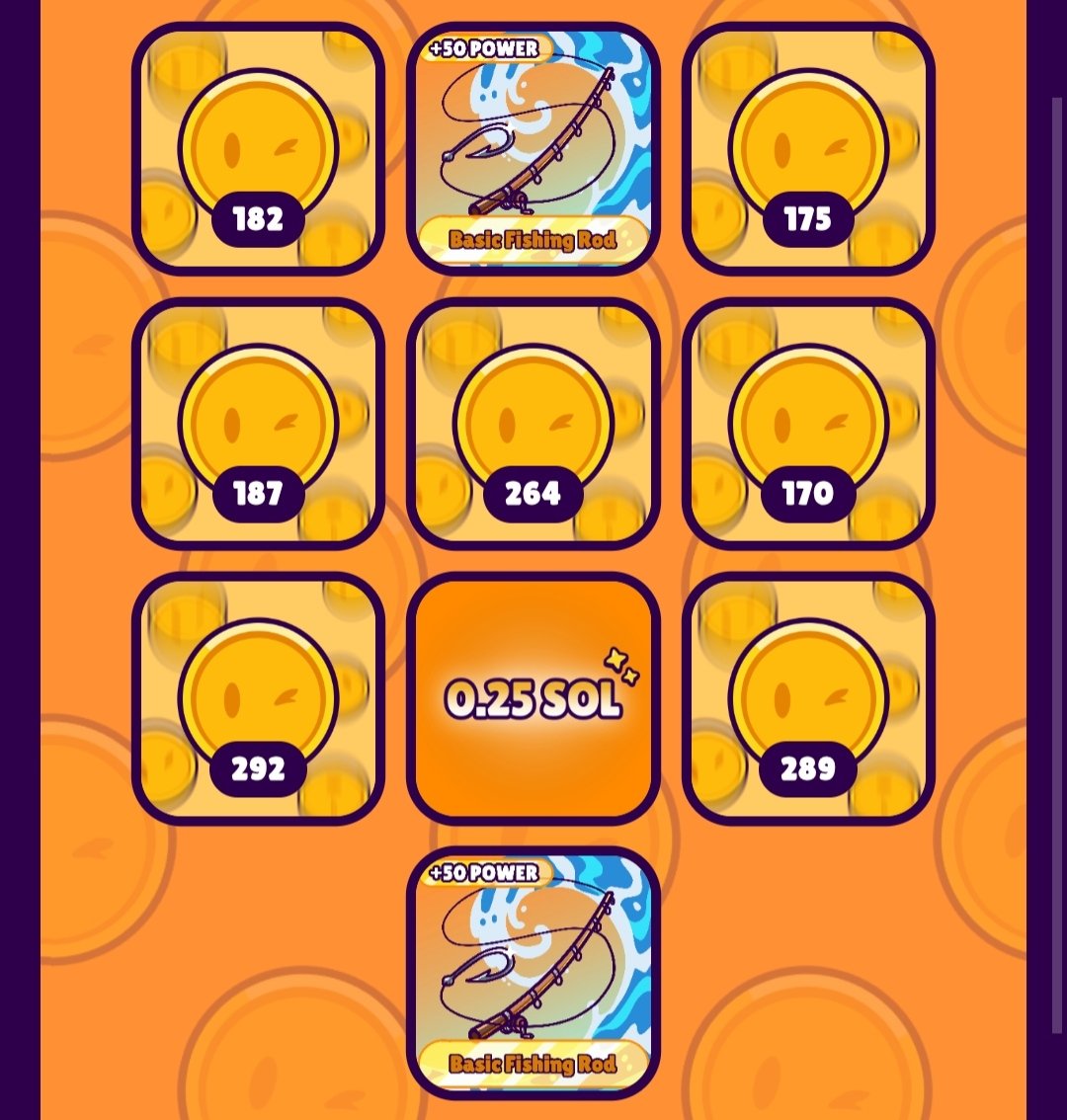
Every @FamousFoxFed Chest Day a Good Day 😇 43/139 Foxes made it back with 179 Chests this week. Hit 1 FFF 1.25 Sol 33k Foxy a room Consumables ✨ Thanks 🟠 Fed 🙏🏼
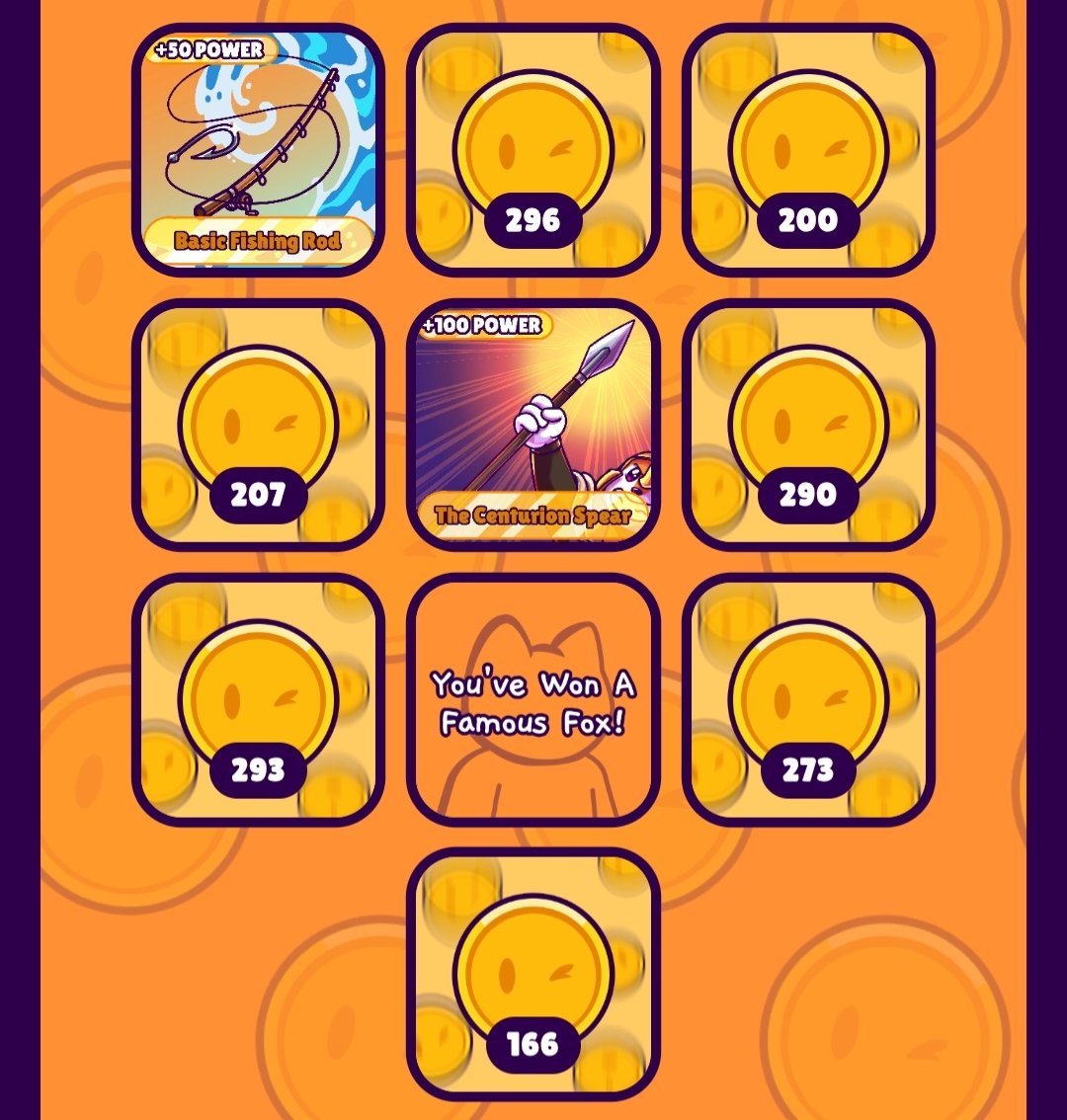
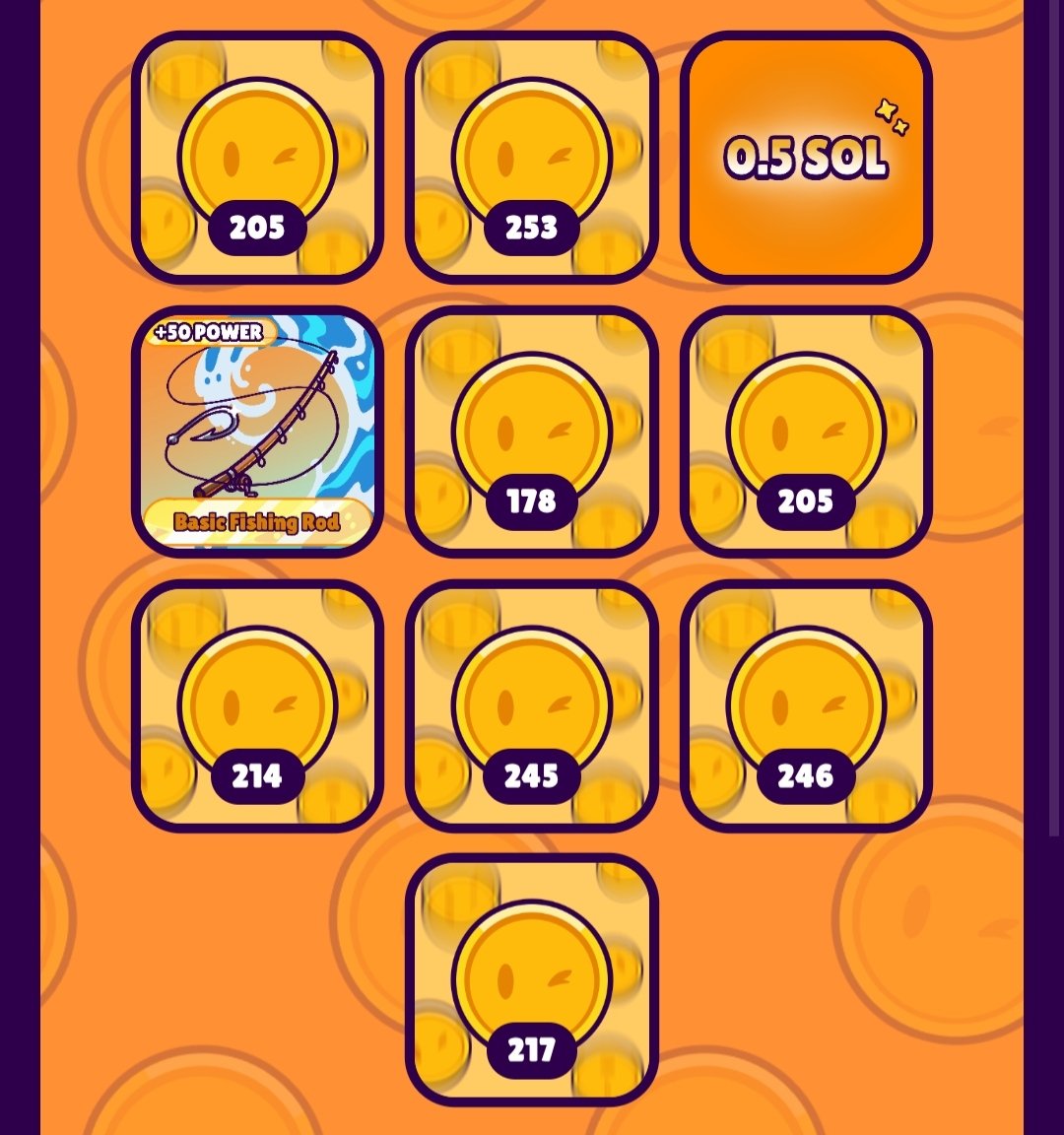
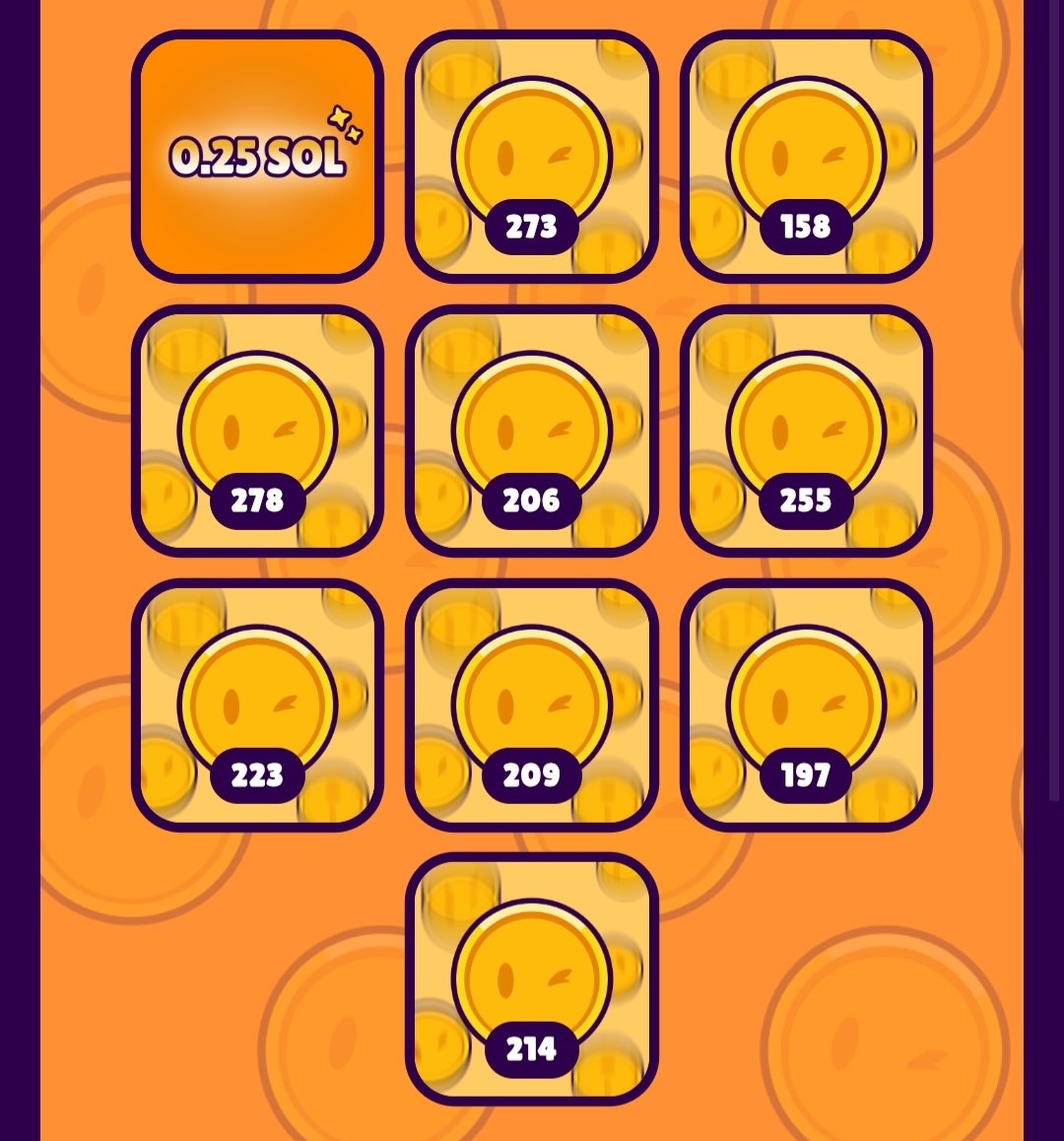
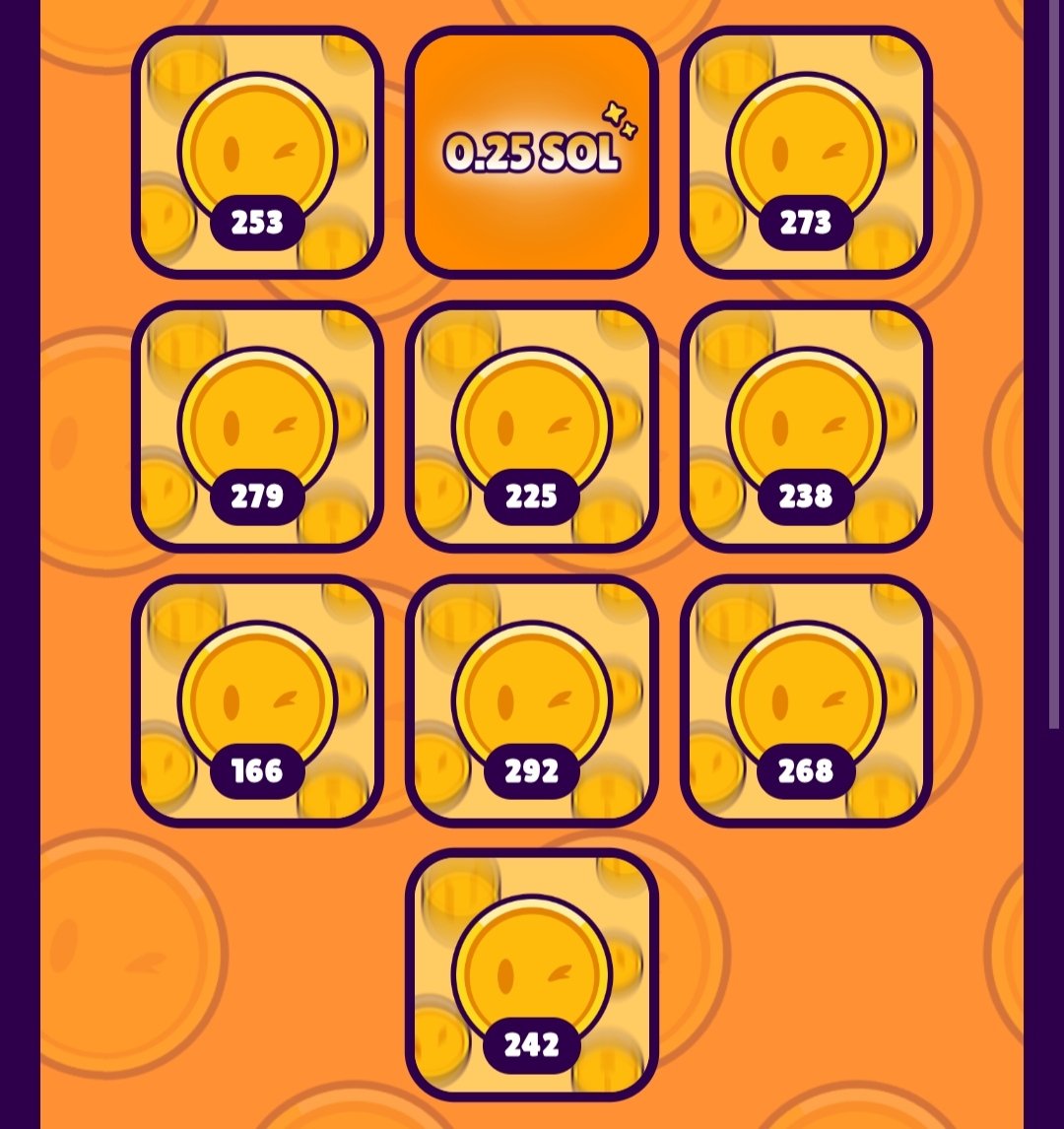
8
12
41
1,189
Driptz retweeted
sometimes you get only 7 chests but you just need 1 and a handful of luck ✨✨✨
May 16

I hold 14 foxes. Today was a bad haul. Got only 7 chests yet...
From 7 chests only I was able to pull 3 $sol from one of them baby,
@FamousFoxFed is the way anon 🟠🟠🟠
When are you gonna learn?

2
6
34
828

$DOG Army. We built something for you.
Built on Kraken CLI. Watches the market, executes trades, runs 24/7.
Add the Kraken MCP to Cursor, Claude or Codex. Spin up an agent that trades $DOG.
🐶 Start here → github.com/krakenfx/kraken-c…
144
448
1,285
82,408

Starlink on Singapore Airlines! 🇸🇬

We’re enhancing our complimentary in flight Wi-Fi offering across all cabin classes on our Airbus A350-900 long-haul and ultra-long-range fleet and A380 aircraft from 2027.
@Starlink, the fastest Wi-Fi in the sky, will provide multi-gigabit connectivity on board. Soon, you can stream, game, and send large files just like on the ground.
Find out more: spr.ly/6010BBkIA2

3,039
5,878
44,048
14,437,292
Driptz retweeted

2
9
2,132

Introducing:
🌆 SOL FRIENDS SOCIETY 🌆
100 Unique characters inspired by real-world professions and Sol culture, minting on Solana!
A 1/1 collection where everything connects into one shared universe: Sol City.
Minting soon. Carefully curated WL.
Are you part of it?
Like, retweet, and tag your circle.
Let’s build the society together 🌆✨




99
56
226
10,489
Just add another tff with @FamousFoxFed chest day rewards. Nothing better than to own more foxes and staked with Foxysol. LFG! 🟠

Every @FamousFoxFed Chest Day a Good Day 😇 32/138 Foxes made it back with 155 Chests this week. Hit 1.5 Sol 29k Foxy Consumables 🟠
2
5
23
1,084
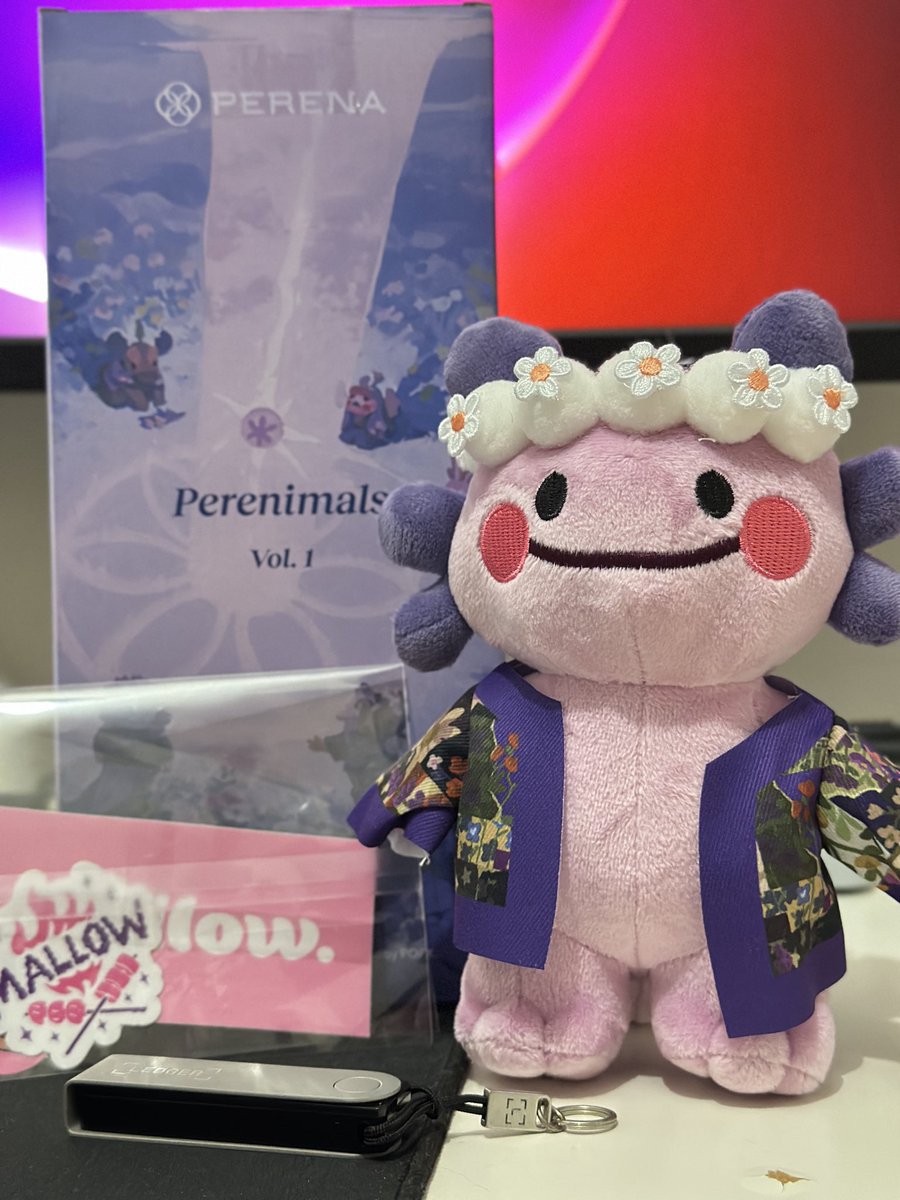
I’m an avid plushie collector, but this one is special. The quality on this one is exceptional.
Thank you @mallowdotart
@perena @PopX_official
4
3
15
762
Driptz retweeted
We've been getting a lot of questions: "How is Keystone handling the quantum computing threat?"
Here's where things actually stand:
The industry hasn't reached consensus yet.
NIST has shortlisted post-quantum cryptography (PQC) algorithms: ML-DSA, FALCON, and others, and standardization is moving forward. But on-chain implementation is a different story.
Bitcoin, Ethereum, and other major networks are still in the research and discussion phase. No large-scale upgrades have been formally deployed.
For a hardware wallet, this matters.
We're signing tools, so we have to be compatible with the address systems, signing algorithms, and protocols of the blockchains we support. Deploying PQC before the chains do wouldn't add real security. It would just add friction.
So no, we're not racing to ship a "quantum-resistant" label. But we're not sitting still either.
What we're actually doing:
We're tracking every relevant development across NIST, Bitcoin, and Ethereum upgrade discussions. The moment mainstream chains begin formal PQC implementation, Keystone will be ready to roll out updates so your transition is smooth.
We're also in active communication with chip manufacturers. Next-gen lattice-based algorithms (the kind NIST recommends) demand more from security chips than current hardware is optimized for.
We're laying the groundwork now so future upgrades aren't bottlenecked by hardware.
The part that doesn't change:
Quantum computing is a real, long-term threat to blockchain security. But it's not an emergency today.
What protects you right now, and what will matter most when the quantum era arrives, is sound private key management.
Keep your seed phrase secure. When consensus-based PQC solutions go live on-chain, migrate promptly.
That's the actual move.
We'll keep you informed every step of the way.
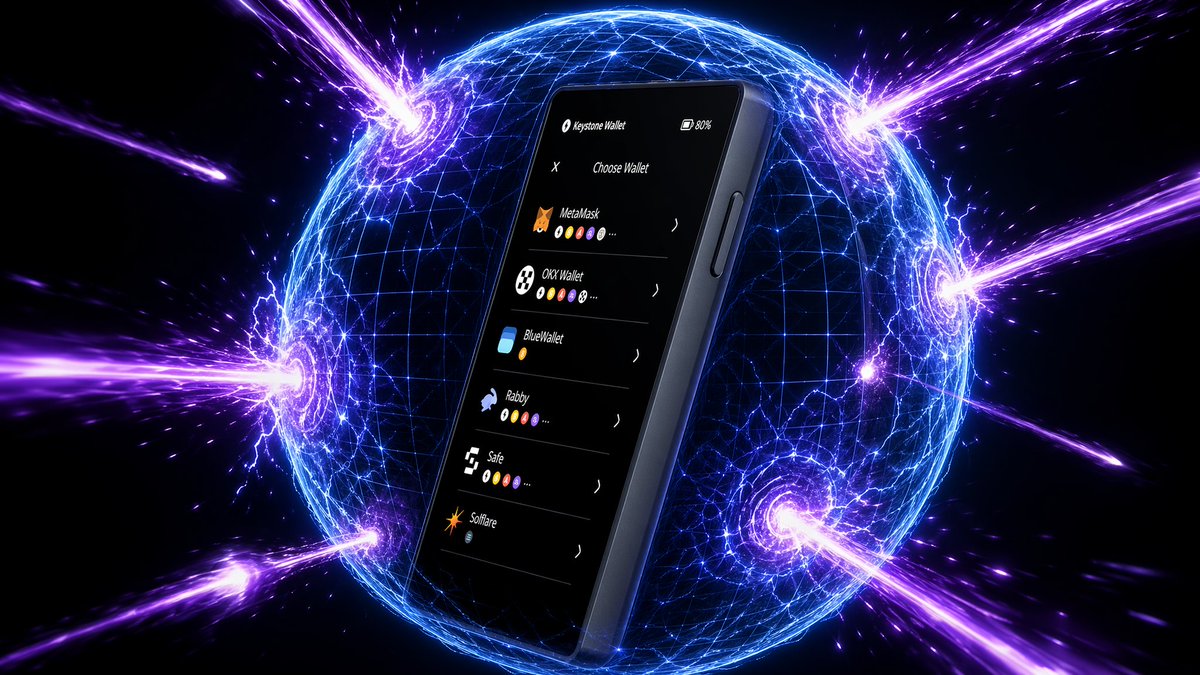
7
30
1,600
Driptz retweeted

Apr 22
follow the money

SPLC funded a large number of false flag “right wing” organizations and events. Total scam.
78
883
5,269
241,032
Driptz retweeted
Social engineering = handing scammers the keys while they convince you it's protection 🥲
One panic click empties your wallet.
The playbook they run on everyone:
→ Fake emergency ("Your CEX is compromised!")
→ Emotional pressure to act NOW
→ You connect your cold wallet to "verify"
→ Funds gone
Here's the trap most people miss:
CEX breach? Your public address can't drain your wallet.
Hot wallet exploit? Cold wallet remains untouched & completely immune.
Email hack? Zero impact on your hardware wallet's security.
Even if the above threats are real, your cold wallet will remain unaffected.
The red flags are always there:
🚨 Fake urgency
😨 Fear tactics
📨 Look-alike sender addresses
🔗 Suspicious links
🔐 Asking for seeds/private keys or connecting your wallet
Your defense checklist:
→ Verify through official channels only
→ Never install software under pressure
→ Never click on unknown links from strangers
→ Never connect your wallet to unknown dApps
→ Pause when emotions spike
→ Enable MFA everywhere
The scam only works if you respond.
Hardware protects your keys. You protect your decisions.
Stay skeptical. Slow down. Verify.
Seen a new social engineering trick lately? Warn the community below 👇

6
16
1,211