
68 Photos and videos


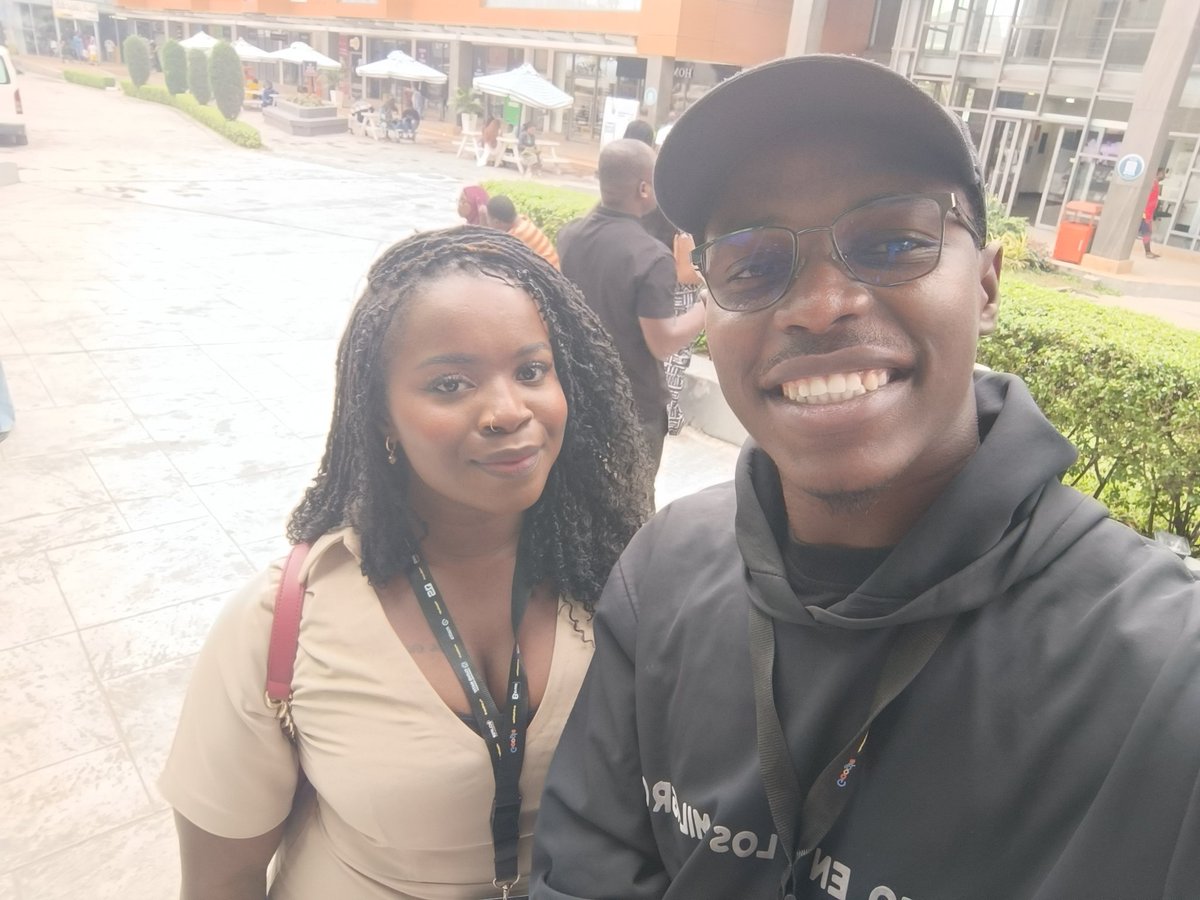
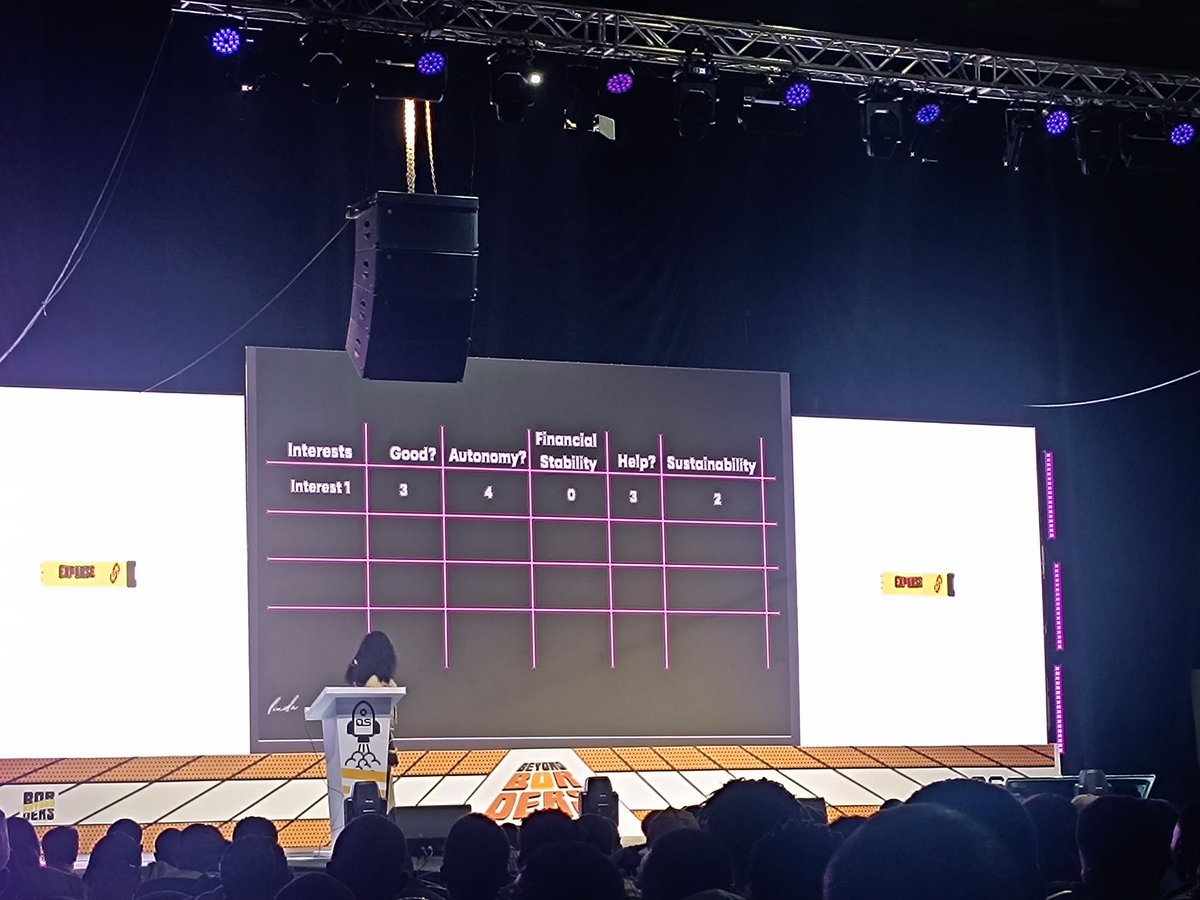
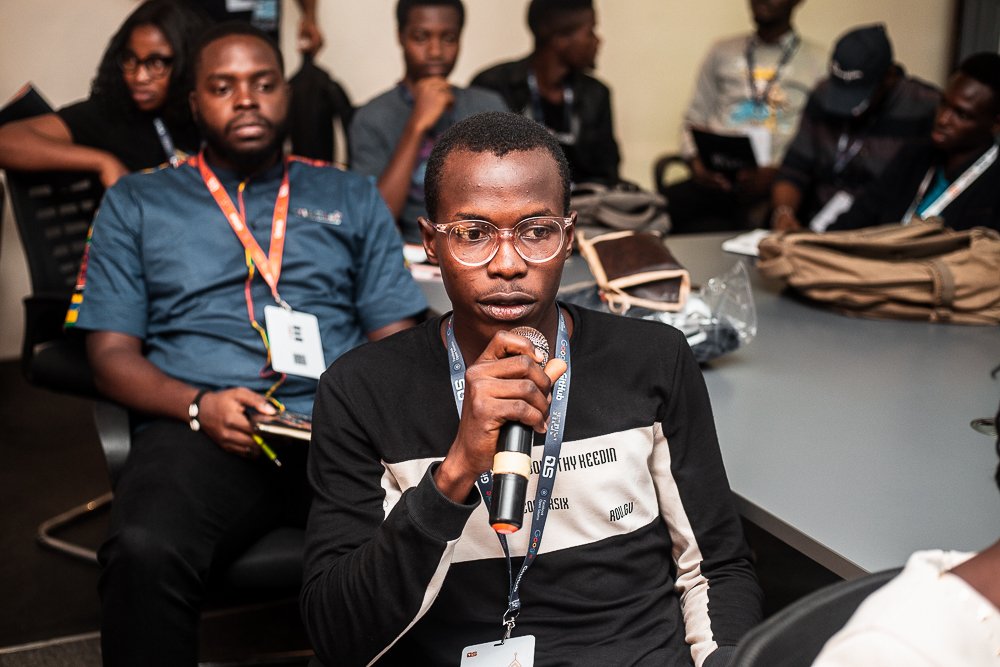


Cyber security as stated is the work of everyone, and everyone needs to be aware of their security and how to protect themself.
I will be writing about Security, cloud sec, tech and everything in between.
watch out for Sec-Chronicles: sec-chronicles.hashnode.dev
RT & follow
1
10
_Mothy retweeted
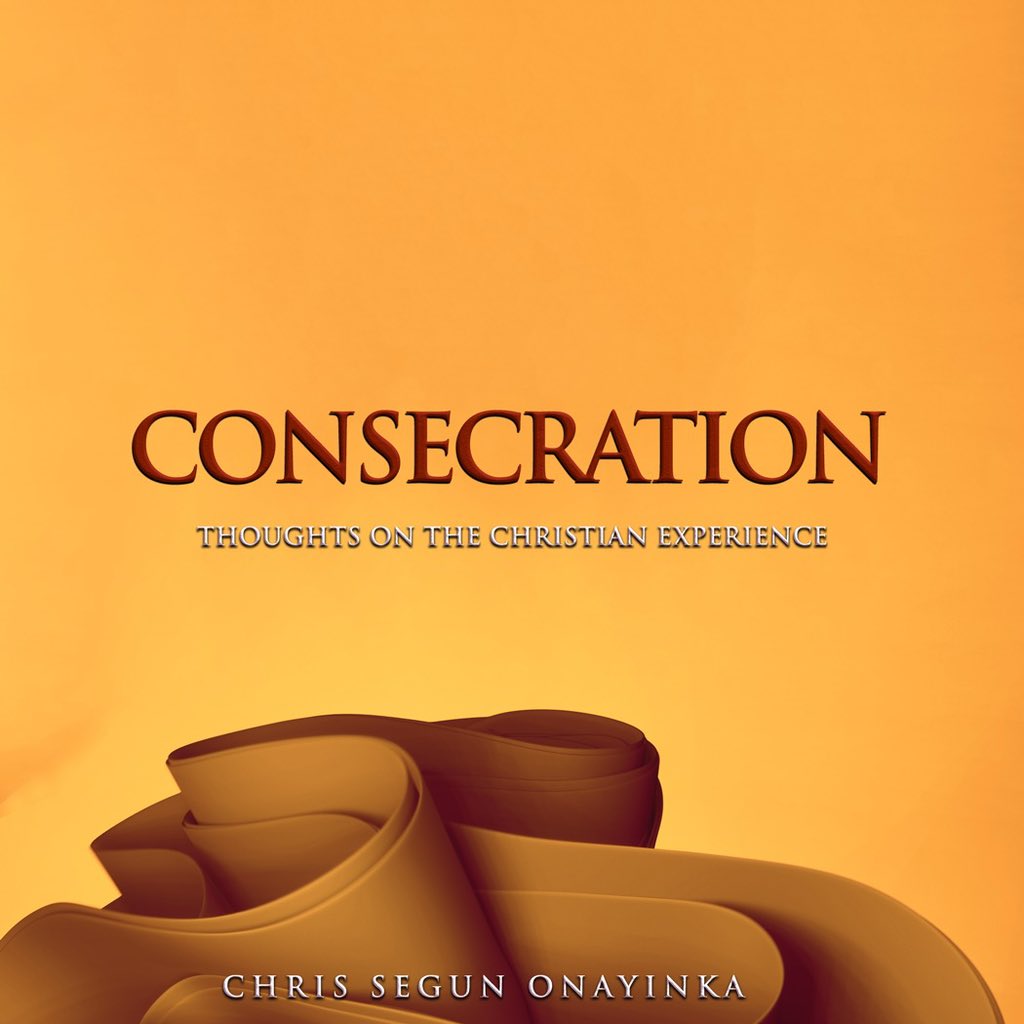
New on Livingwordmedia
CONSECRATION- Thoughts on the Christian Experience
A single session
Filled with God’s word and wisdom in and for everyday Christian living
Learn the effective way of consistent Christian living and ministry
Listen again and again
Share with a friend
Jesus is glorified
Amen
5
72
145
1,884
_Mothy retweeted

10 Oct 2025
If you are charismatic, BE A BOLD and UNAPOLOGETIC one…
Refuse to be held at ransom by some wannabes on the internet.
It’s only names you would be called and it’s fine. Nobody has ever died nor has God ever stopped using someone because of labels and tags.
10 Oct 2025

In my day and time, I trust God that the Charismatic will no longer suffer from the low self-esteem that comes with being bullied by those who use circumlocution to mask their misunderstanding of scriptures.
21
50
2,309
_Mothy retweeted

May 31
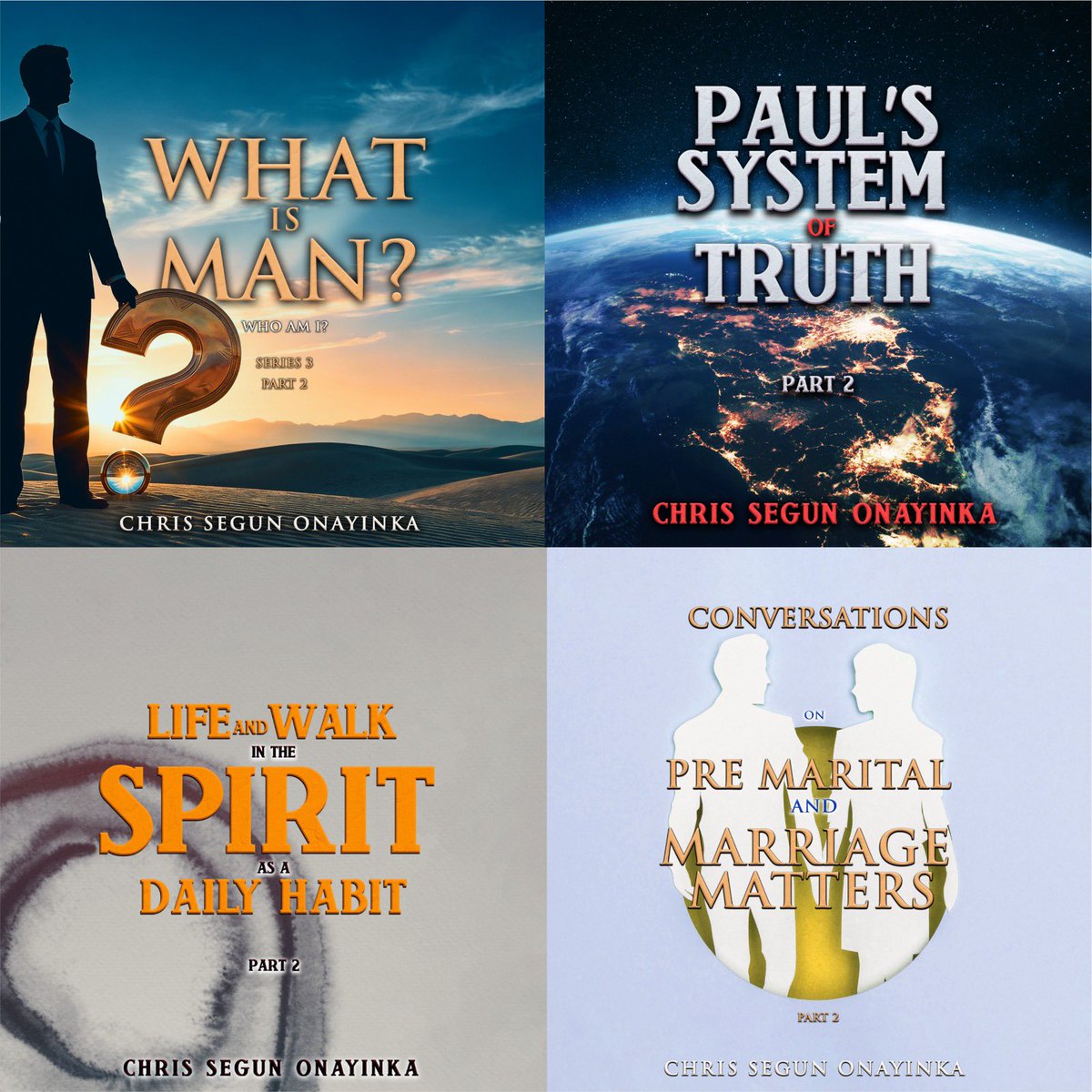
New on Livingwordmedia
LOVEWALK AND THE MOVE OF THE SPIRIT ( Word on a mission USA 2026)
Learn what it means to love your neighbor and how this affects the flow of the Spirit in our local churches and communities!
LIFE AND WALK IN THE SPIRIT as a daily habit ( part 2)
Listen and learn to walk in the Word
Breed a new and godly character
And continually do so
This series will bless many
CONVERSATIONS ON PREMARITAL AND MARRIAGE MATTERS ( part 2)
Including answers to questions, listen and learn to build your relationships
Solve prevalent issues
Walk in God’s wisdom.
Couples would glean much insights in this series
PAUL”S SYSTEM OF TRUTH (part 2)
A further explanation in Mathew 16:12-19
What is unique in Paul’s doctrine and revelation?
How do we discern Its consistency with the overall corpus of the Scriptures
In this ongoing series , the student of the Scriptures will see the importance of revelation knowledge
This is impact richly on our study of Scriptures
WHAT IS MAN( who am I ?) Series 3 part 2
Listen and learn much more on the biblical interpretation and identity of humanity
Certain theological leanings seem to have a low view of humanity
As you listen,you will receive much insights and information
Again ,we are convinced this will help many a believer in the work of the ministry
These and many more can be downloaded on
Livingwordmedia.org
Share with a friend
Jesus is glorified
Amen

55
110
1,594
_Mothy retweeted

May 18
I was living in Ile-Ife at the time. Modakeke, to be precise.
I woke up one morning and stepped out to ease myself. Got to the designated spot and was obeying nature's course. Then suddenly I heard someone screaming, "Taye! Taye! Eje Jesu! Eje Jesu!"
I wondered what was happening. Then God's Spirit said very clearly: someone is dying.
I finished quickly and ran over to the house. There was a little stream separating us. I found a way to cross it.
When I got there, I tried to tell them I wanted to pray for whoever was inside. But they could not understand me. They only spoke Yoruba. I tried English. I tried Pidgin. I almost spoke in tongues. Nothing worked. So I called one of my neighbours to translate. That was when they let me in.
Inside, I saw one of the most heartbreaking things I have ever witnessed in person. A woman seated, holding a child who was clearly convulsing and struggling for her life. That was Taye.
The truly heartbreaking part was this: this woman had had three sets of twins. Each time, one would die and the other would follow. This time, one was already gone and Taye was about to follow.
I looked at the mother. Her fingers were in the child's mouth. I walked up to her. I placed my hands on the child and prayed in the name of Jesus.
Then I heard it: "Tell her to remove her hand from the child's mouth."
That hand. The very hand she was using to hold her child on this side of eternity. But I obeyed. I told her. She removed her hand. The child stopped convulsing and started crying.
A few days later, I heard a knock on my door. It was the mother and the grandmother, with Taye on her mother's back. They came to say thank you.
I am trusting that God has kept that child alive. She should be around ten years old now.
Miracles happen.

Have you ever witnessed a miracle in real life?
Share your story and build someone's faith
50
203
1,564
33,110
_Mothy retweeted

May 17
The question and the cs show that huge gap in being able to reconcile the NT writings with those of the OT.
And honestly, until we resolve this, we will keep getting questions like this from people, whether or not we like it.
Here's how I'll put it.
The sacrifice of Jesus fulfilled the work of redemption. So let's explain REDEMPTION/REDEEMED
When you read the word redemption in the Greek disconnected from the Hebrew, you'd miss a major truth of what was done.
The word redeem is the word gaal in Hebrew, and the closest word in today's language is next of kin. The next of kin is one who claims what belongs to another.
Using Abraham as an example, God becomes his next of kin to redeem Israel from Egypt because of the covenant he had with Abraham. Kinsman redeemer!
The Greek couldn't get the exact description of the word gaal, so they had to use a couple of words to communicate the same action. Words like apolutrosis, lutroo, lutrosis, lutron, and even exagorazo.
These words describe the details of the acts of gaal, showing the value of the work.
The children of Israel; they're in Egypt, in slavery, and the act of their deliverance is gaal
In the NT culture, later than the Hebrew, describing that same act, they say you pay a lutron.
This lets you see that the Greek words describe the value and not the acts.
The word lutron or lutrosis has nothing to do with anyone receiving anything (remember the word gaal and the activities entail), it's simply saying someone was delivered, set free.
For instance, if one says, "I paid a huge price to become what I am today", you'd definitely not ask "to whom."
This is close to it. You'd look at the effort, value, and worth of what he did instead.
Lutrosis, lutrosis, and apolutrosis are to say what was done is of high value, of high worth.
Egypt here becomes a prototype of what God will do to the world.
So, until you read the word redemption from the gaal of the OT, you'll keep thinking it's an exchange of a slave for a price.
Whereas it only means the slave has, enjoys, and can access the privilege of value of the party in covenant with the deliverer who becomes the next of kin.
Hope this helps!

1
12
41
5,202
We don go do the main the Main oo
Thank God for my Pastor.
Many more years following you sir and learning Christ through you.
#worldonayinkaweek
2
40
One of the reset teachings I go to always.

How to keep the devil far from You
14 years ago
livingwordmedia.org/teaching…
We Win...
#WorldOnayinkaDay
#WorldOnayinkaWeek
2
6
202

Dear Pastor @onayinka_segun, Sir
Thank you for helping me birth, grow in, & deepen my convictions
&
Thank you for further strengthening my resolve every single day
I'm eternally grateful to you, Dad!
45
192
1,711

_Mothy retweeted

May 16
This attitude is not right o, this your defence of the faith that is about attacking people because you think you know something that you actually might not really know as much as you think.
2
21
81
3,528

_Mothy retweeted

May 15
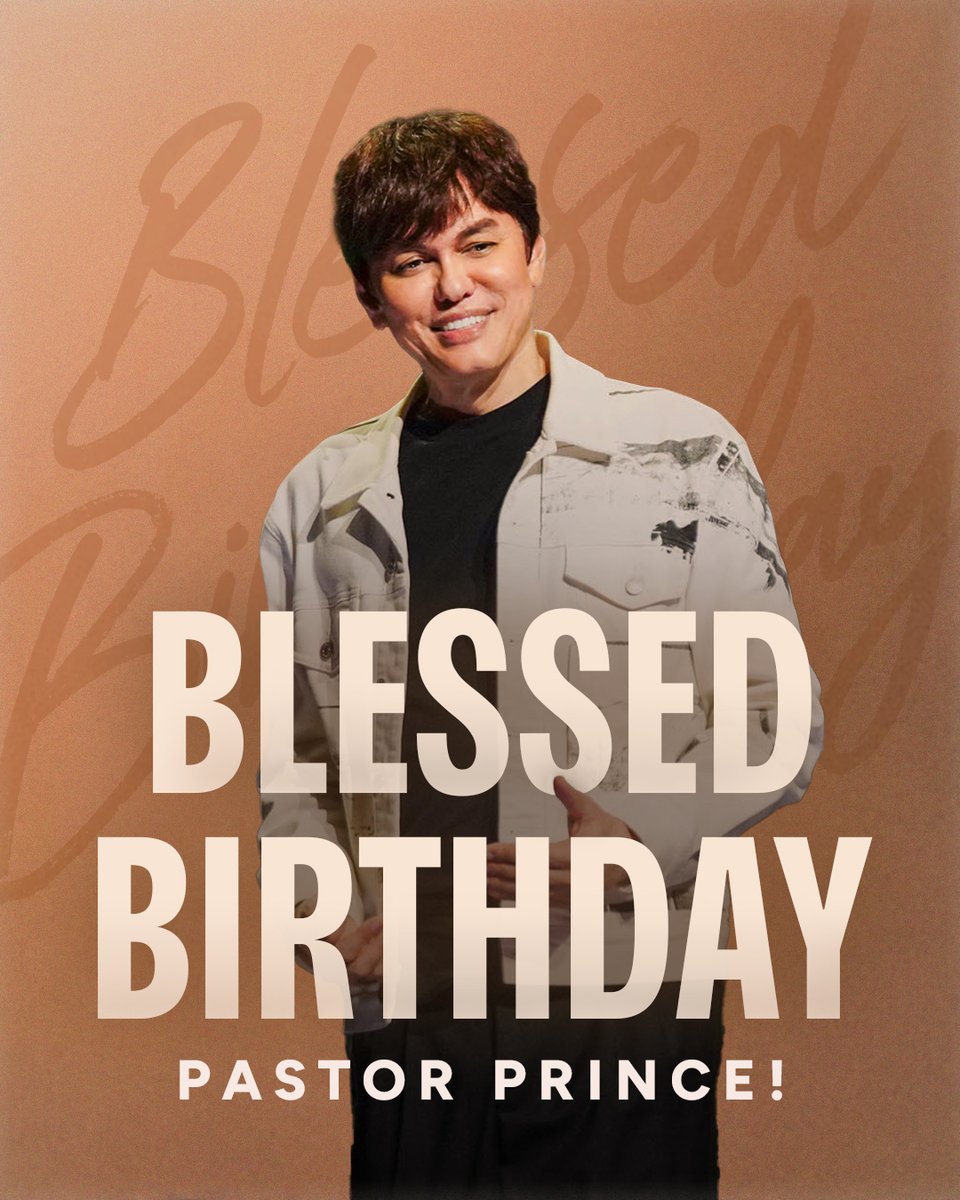
Blessed Birthday, Pastor Prince!
Thank you for unveiling to us the greatest treasure of all—the person of our Lord Jesus, in all His glory and loveliness and the perfection of His finished work. Through your faithful preaching of the gospel, countless lives around the world, including ours, have been touched and transformed.
In this Year of Much More, we declare over you and your family that you will all experience much more health, much more protection, and much more of the Lord’s shalom-peace. May you, Wendy, Jessica, and Justin enjoy many more days of heaven on earth.
We love and appreciate you, Pastor!
—Team JP
216
227
2,098
28,707
_Mothy retweeted
May 14
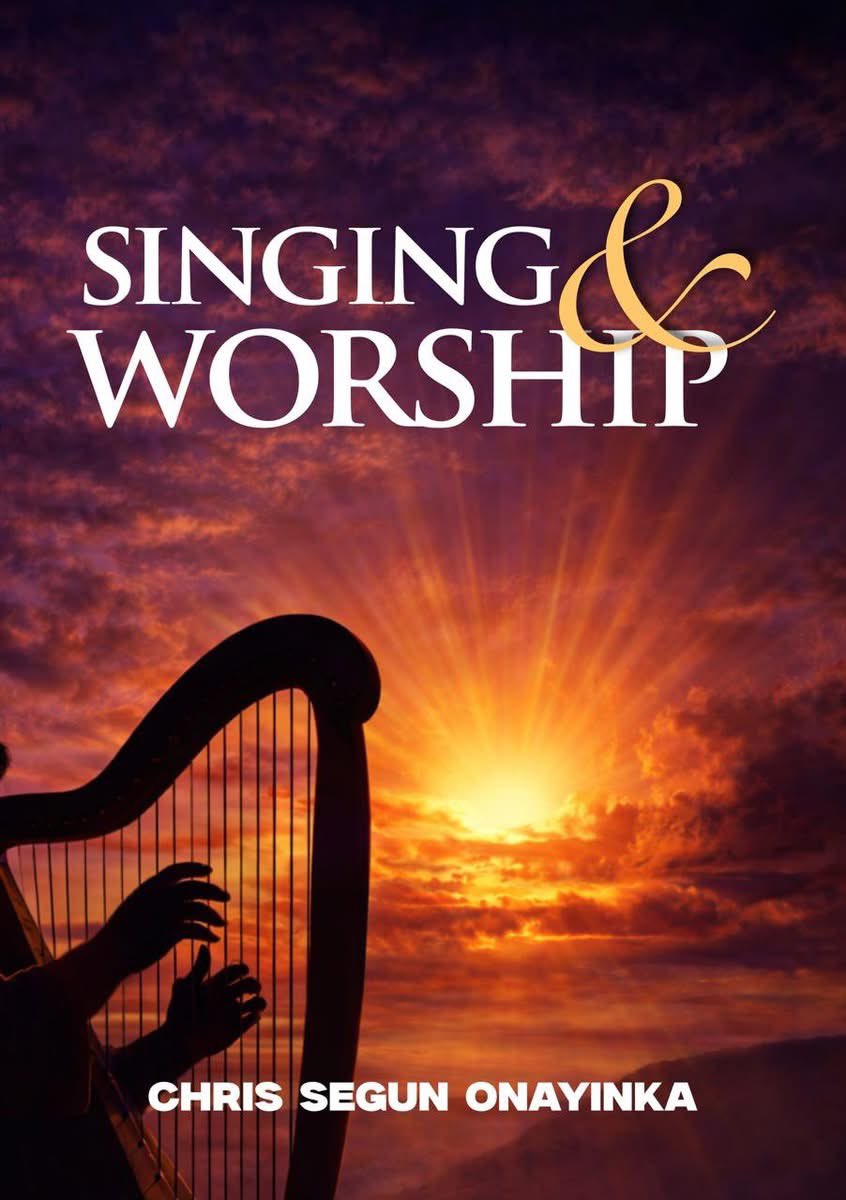
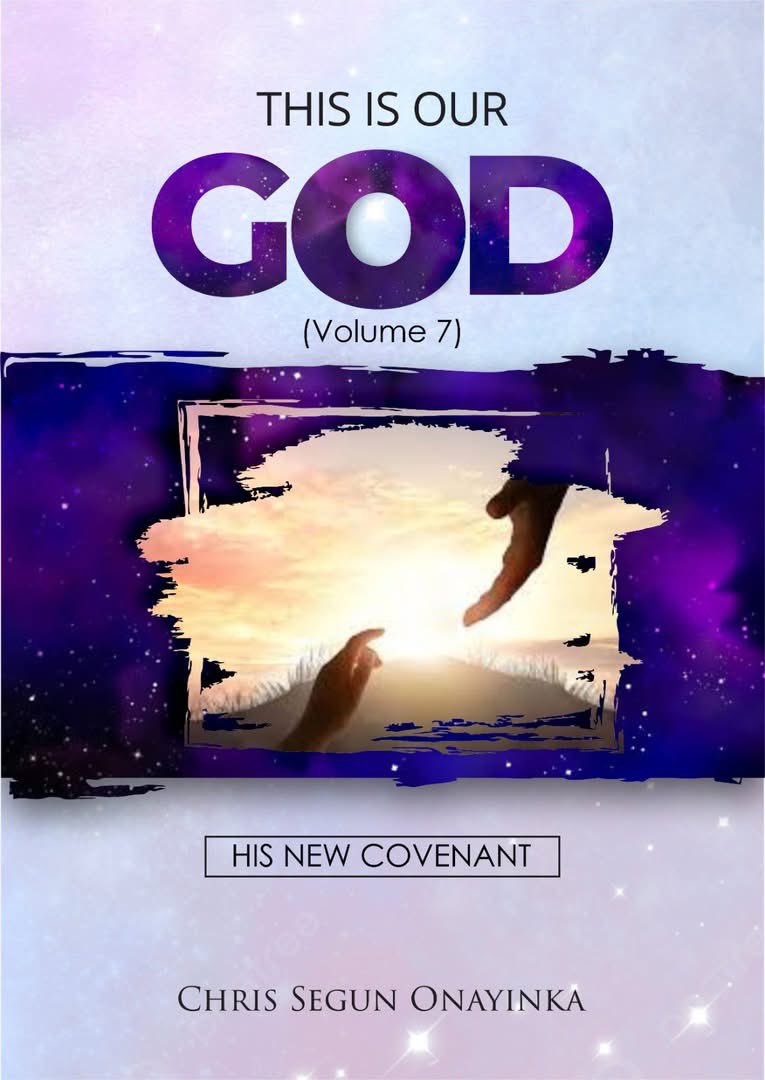
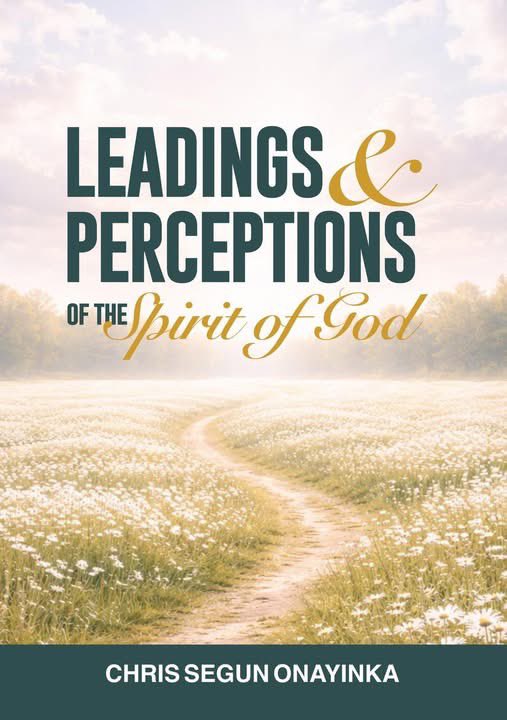
Coming later this Year from Livingwordmedia
SINGING And WORSHIP
THIS IS OUR GOD(The New Covenant)
LEADINGS AND PERCEPTIONS of THE Spirit of God
SIGNS of TIMES
THE GLORY CLOUD now
ANOTHER COMFORTER ( The Spirit yesterday Today and Always)
ANGER OF GOD
WORD OF FAITH ( Ew Kenyon, Kenneth E Hagin and Saul of Tarsus )
All these and more this year 2026
Watch out for more information
Jesus is glorified
Amen
2
109
270
5,837
_Mothy retweeted
4
59
146
6,940
_Mothy retweeted
May 13
Pa Hagin on walking in love - “Many people have told me it was a weakness that I don’t respond to critics, I would never respond to critics, even if they say I killed my grandmother, I would never respond”
2
24
100
3,484
_Mothy retweeted

May 13
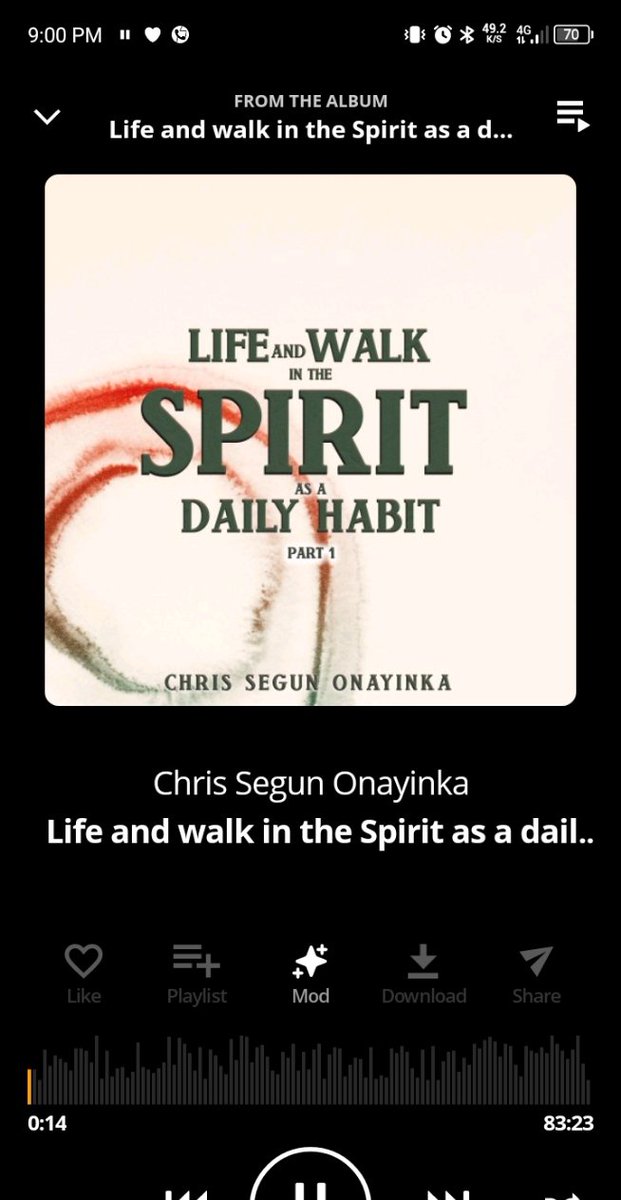
Thank You so much Rev'd @onayinka_segun for making living word media free download.
You have blessed millions baba of which this young boy is one
Forever grateful Rev'd Sir !
23
71
888
_Mothy retweeted

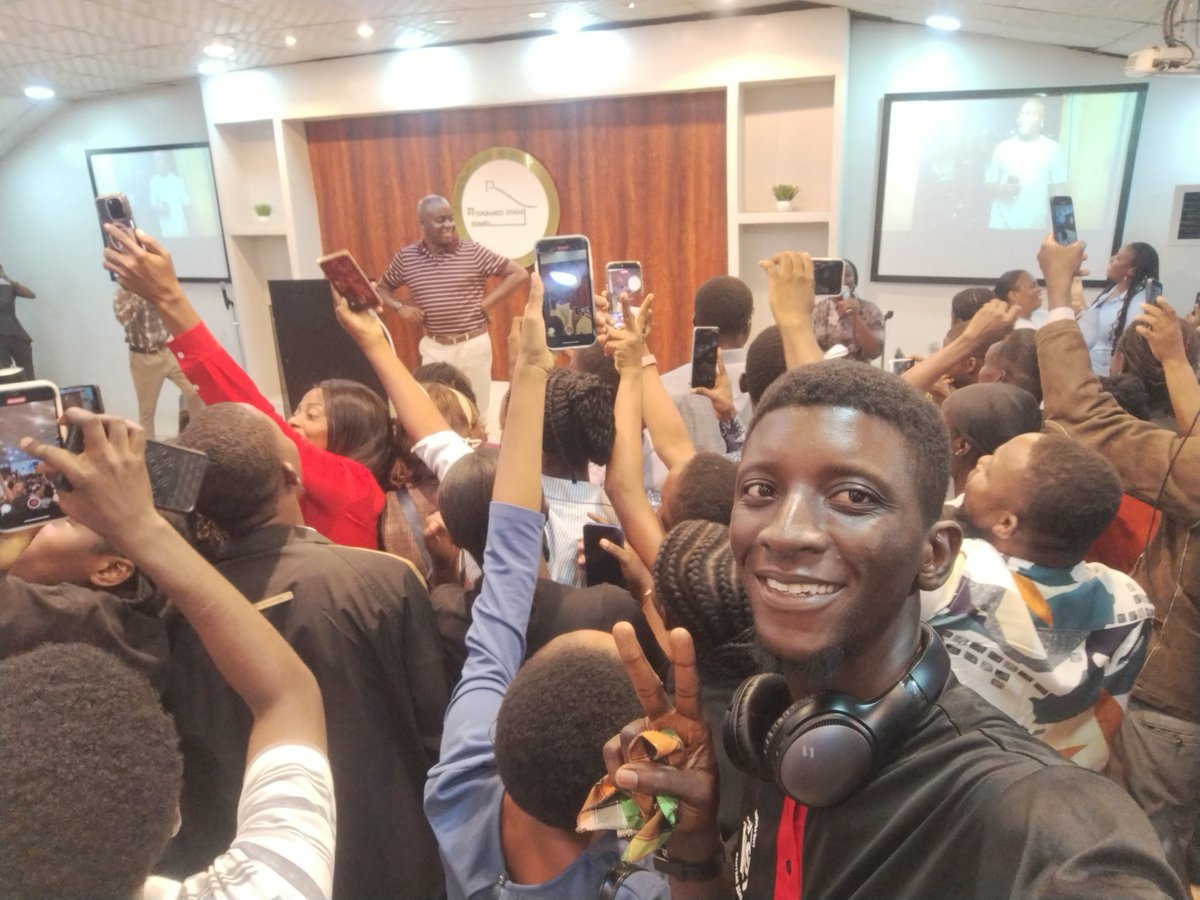
Happy birthday to the best Pastor in the world
57
215
5,147