
Director of Policy, ThinkLabour
Joined July 2020
- Tweets 41
- Following 378
- Followers 281
- Likes 4
7 Photos and videos


James Howat retweeted

Jun 11
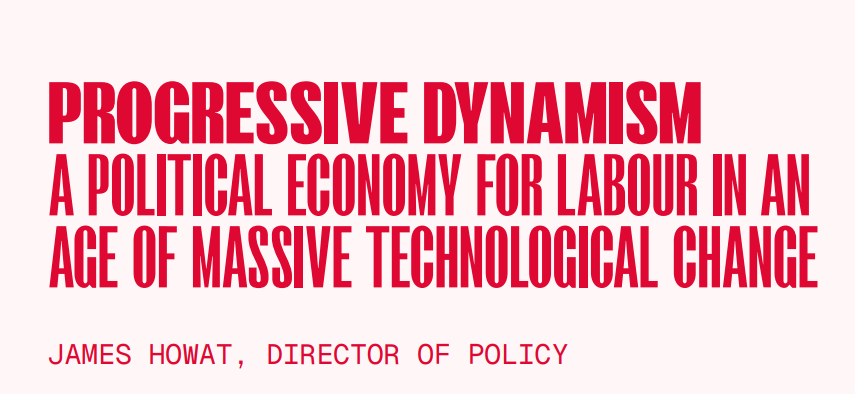
What should Labour's political economy be?
In my contribution to "hot essay summer", I argue that Labour should define itself as pro-work, and anti-slop.
Good work is productive, the best that slop can be is distracting. Slop gives the impression of frenetic activity, but without creation of real value.
This turns out to be a pretty good description of Britain's economy. We've created an economy of rent-seekers and extractors rather than risk-takers and builders.
I look at:
🍬 tax-avoiding American candy stores that crowd Oxford Street
📖 the 44,000 page planning document for Sizewell C (33 times longer than War and Peace)
🚄 the unbuilt railway that cost £100 billion
🏦 the cheapening of designs in our public spaces
🏗️ "fire safety" rent seeking that is stopping homes being built
The common theme is slop. To escape this, Labour needs a plan to take on slop-generating tech companies, but also other rent-seekers throughout the economy that have made it impossible (or very costly) to build anything of value.
Labour was founded to represent workers in the tangible economy: those who were physically building things. Today, 37% of British workers do not believe that their job makes a “meaningful contribution to the world”. Whoever leads Labour must have an answer to this, and it begins with tackling slop.
Read the full piece here:
substack.com/home/post/p-201…

5
15
75
18,339

Jun 10
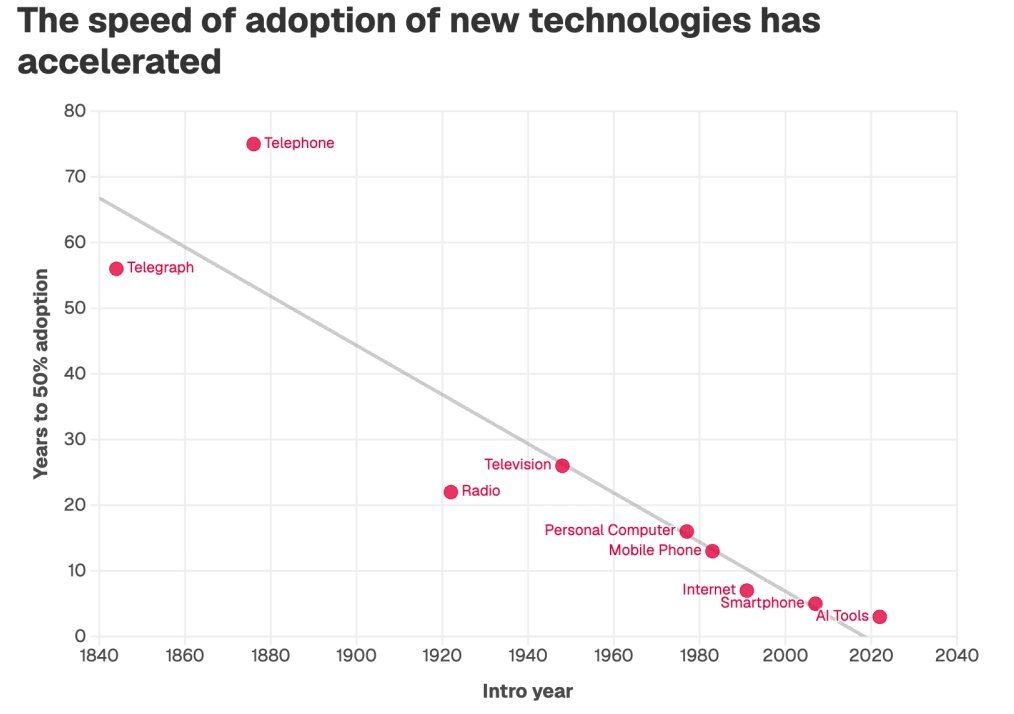
Tony Blair is right that technology can save social democracy, but he's light on how to spread the benefits. His critics are more focused on the distributional politics than the plan to pay for it.
Our new paper on Labour's political economy tries to bridge the divide.
1/n
3
9
39
12,288
Jun 10
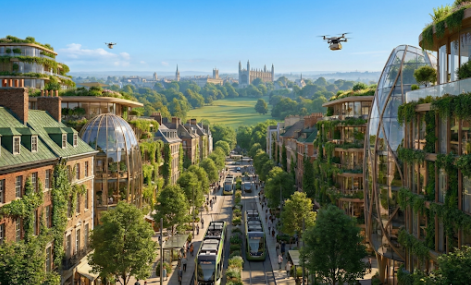
Building more homes in the South East, capturing the rise land value can also free up cash to fund productive capacity elsewhere in the country.
In this world, true control over our fate comes from deep tech capabilities, fast growth, strong public finances. 6/n
1
3
347
Jun 10
More here: cms.thinklabour.co.uk/assets…
Thanks to all the people who took time to shape this work.
7/7
2
300
May 1
New paper: Your Democracy Needs You: the Labour case for compulsory voting
An ageing population, geopolitical breakdown, a loopy infosphere...our political institutions need to do a better job of helping politicians make tough long term decisions 1/n
static1.squarespace.com/stat…
6
2
9
2,206
May 1
Essentially, we should establish an Australian-style legal duty to vote.
- a £10 fine for those who don’t vote.
- a “Democracy Day” bank holiday for general elections
a “None of the Above” option to ballot papers. 3/n
1
1
177
May 1
Compulsory voting reflects a moral argument about the society we want to live in: enjoying the benefits of a democracy should come with a responsibility to uphold it.
Oz suggests it can even make it more fun. 4/n
1
118
Apr 17
What if the residents of a street could collectively decide to build more homes on it - and share directly in the benefits? That's street votes. In our new paper with
@BritishProgress we set out how community-led street votes could help @SteveReedMP build 1.5 million new homes.
2
5
9
1,264
Apr 17

What if the residents of a street could collectively decide to build more homes on it - and share directly in the benefits?
That's street votes. In our new paper with @LabourTogether we set out how community-led street votes could help @SteveReedMP build 1.5 million new homes.
labourtogether.uk/all-report…
Street votes let neighbours come together, work with an architect, agree a new plan for their street, and vote. If they say yes, building happens with their consent, on their terms, with benefits flowing to the people who already live there.
Building in towns and cities is vital - it adds much-needed homes where people want to live, it’s more sustainable and it grows a more resilient local economy. But building in cities and towns is difficult. Under street votes, instead of builders, councils, and residents fighting each other, the community can push for more homes themselves. And because ordinary people are driving the change on small sites, new homes can be built faster than the big schemes relying on big developers.
Street votes learn from international schemes that have delivered tens of thousands of homes a year in cities like Seoul and Tel Aviv. Applied here, the evidence suggests up to 30,000 new homes a year in the places we need them most - with the first homes delivered before the end of this Parliament.
Much of the work has already been done to put communities in the driver’s seat with street votes. MHCLG just needs to implement the rules. In this paper, @1jamesHowat, @KaneEmerson & @dc_lawrence set out the final steps that the Government should take to build thousands of new homes with popular support.
1
4
760
James Howat retweeted

What if the residents of a street could collectively decide to build more homes on it - and share directly in the benefits?
That's street votes. In our new paper with @LabourTogether we set out how community-led street votes could help @SteveReedMP build 1.5 million new homes.
labourtogether.uk/all-report…
Street votes let neighbours come together, work with an architect, agree a new plan for their street, and vote. If they say yes, building happens with their consent, on their terms, with benefits flowing to the people who already live there.
Building in towns and cities is vital - it adds much-needed homes where people want to live, it’s more sustainable and it grows a more resilient local economy. But building in cities and towns is difficult. Under street votes, instead of builders, councils, and residents fighting each other, the community can push for more homes themselves. And because ordinary people are driving the change on small sites, new homes can be built faster than the big schemes relying on big developers.
Street votes learn from international schemes that have delivered tens of thousands of homes a year in cities like Seoul and Tel Aviv. Applied here, the evidence suggests up to 30,000 new homes a year in the places we need them most - with the first homes delivered before the end of this Parliament.
Much of the work has already been done to put communities in the driver’s seat with street votes. MHCLG just needs to implement the rules. In this paper, @1jamesHowat, @KaneEmerson & @dc_lawrence set out the final steps that the Government should take to build thousands of new homes with popular support.
17
30
116
83,042
Mar 18
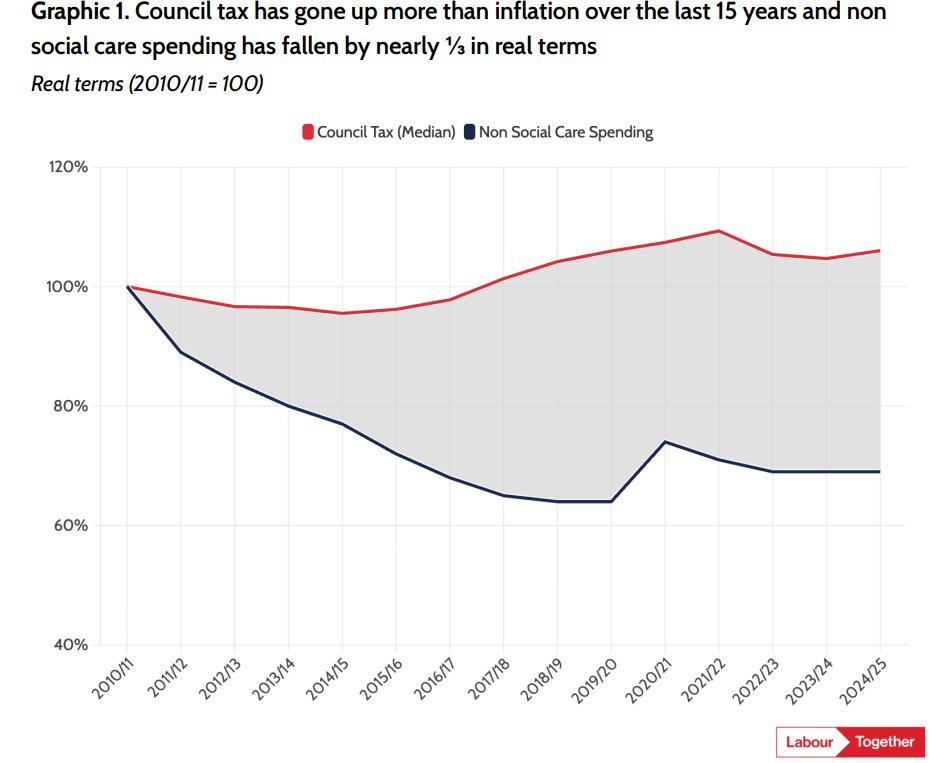
When that bloke from the Inbetweeners goes viral complaining about council tax, you know something has gone badly wrong with the contract between councils and their residents. Labour Together's NEW PAPER is about how to fix it.
1/n
youtube.com/shorts/Byz9cK6tB…
2
3
1
1,712
Mar 18
If a council wants to raise taxes to fund more bins or playgrounds, it can do it without £ going into ASC that most people don't see. If it redevelops an area and grow its tax base, it keeps the £ it creates. This is how we improve the retail end of the state
5/n
1
81