
アジア記者クラブで国際情勢を分析していたジャーナリスト、アナリストが運営するXです。ジャーナリズムの現状、国内情勢もウォッチしています。『アジア記者クラブ通信』の後継媒体を模索しています。第24回平和・協同ジャーナリスト基金奨励賞の贈呈受く。
Joined January 2018
- Tweets 96,933
- Following 1,867
- Followers 20,831
- Likes 76,880
2,658 Photos and videos


Pinned Tweet

27 Sep 2021
新疆「ジェノサイド」の証拠なし=「少数民族人口急減」「不妊手術強制」は論拠薄―丸川東大教授
#坂本信博 記者 #西日本新聞 の統計数字の摘まみ食い、主張を否定する数字は隠蔽する姿勢を記者として不誠実だと名指しで批判した講演。捏造との誹りは免れない。
recordchina.co.jp/b880948-s2…
145
1,061
1,247
アジア記者クラブ(APC) retweeted

私の中国の友人(中国共産党員)に、以前、日本共産党についての印象を尋ねたのですが、
本人曰く、
「本当に共産主義を目指しているのか?現状は社会民主主義政党に見える。ポピュリズムを意識して例えば天皇制廃止についてもトーンダウンしているようだし、どこを目指しているのか分からない。
我が党と過去からの確執はあるにせよ、米国のプロパガンダに乗じて、未だ我が党を誹謗中傷する姿勢には憤りを感じる。これでは関係改善は望めない。
中国は抗日戦争という苦難を乗り越え、試行錯誤を繰り返し今日の発展に至った。それは人民による我が党に課せられた義務なのである。
共産主義者という”同胞”であるならば、日本共産党には我が党の国家運営や社会づくりにもっと関心を持って頂きたい。」
と手厳しい意見。
日本共産党の執行部に、この声が届きますように。

日本共産党は全体として「娯楽政党」であるというのは、中国ではすでにほぼ共通認識となっている。
現実に対する判断力や事実確認が欠如しており、真剣な社会観察も行われていない。その思想は、ほぼ完全に空想の上に築かれている。
4
6
171
アジア記者クラブ(APC) retweeted

結局、似てるという。旧日本軍731と、現代アメリカ、バイオラボ。発想、やり方。
x.com/i/status/2065792202622…

731部隊はとかく満洲だけに注目されがちですが、姉妹部隊が中国本土やシンガポールにいて細菌実験や細菌戦に加わってして、一般に思われてるよりもかなり広範囲で活動していたということは知っていただきたいですね。ひどい戦争犯罪ですよ。
#731部隊
14
14
564
喜んでいる顔ではないと思うけど、1998年に🇸🇬で🇮🇩の新キャビネットの顔写真と略歴が掲載された現地紙1面を見入った記憶が残っている。スハルト大統領の娘婿で、陸軍特殊部隊司令官から戦略予備軍司令官に昇進したプラボウォも掲載されていた。大統領の失脚に合わせて彼も退役に追い込まれ亡命した。
Jun 13

先ほど日帰りのインドネシア出張から帰国しました。
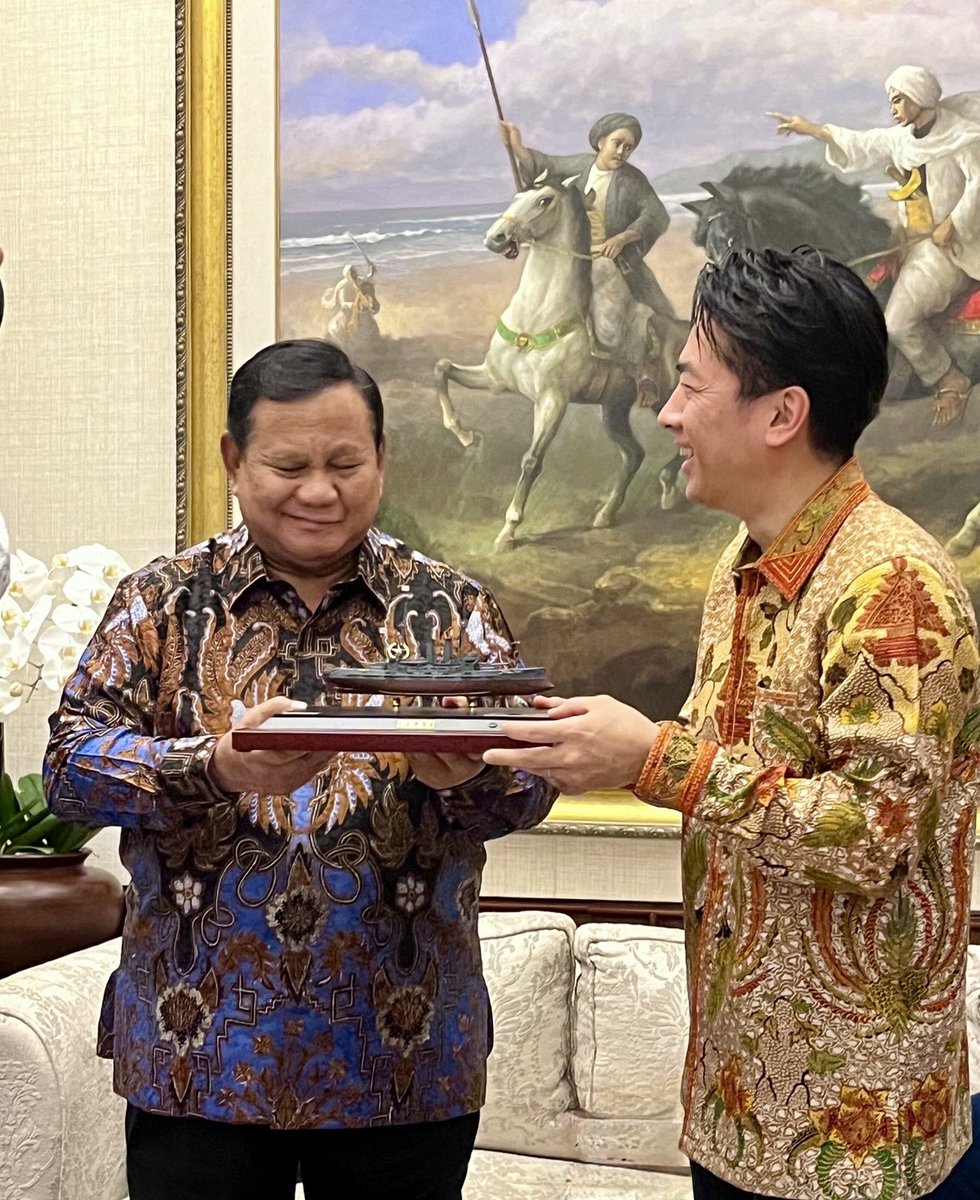
昨夜はインドネシアのプラボウォ大統領の私邸で会談した際に私の地元横須賀の戦艦「三笠」の模型をギフトとしてお持ちしました。軍出身で国防大臣経験者のプラボウォ大統領はやはり喜んでくださり良かったです。
横須賀にある防衛大学にインドネシアから留学生を送ることを主導したのがプラボウォ大統領。昨日も私のために防大卒業生を集めてくださっていました。そのうちの一人はインドネシアの農業副大臣で、昨夜もわざわざ参加してくれました。大統領の防大への特別な想いに感謝です。
昨日の大統領との実質的な会談の内容を私とシャフリ国防大臣@sjafriesjams の間でしっかりとフォローアップしまた進捗を報告させて頂くことで一致しました。日帰りのインドネシア出張でしたが、今後の日本-インドネシア関係の強化に繋がる成果を得ることができました。プラボウォ大統領、ありがとうございました!
2
8
21
754
政治生命を絶たれたが復活した。プラボウォの腹の内は読めないが、スハルトの権力掌握術と日本のメガバンクと総合商社などのジャカルタ詣も見ていたはずだ。9・30事件を知る彼は中国とも良好な関係を維持してきた。軍人上がりだから軍艦を贈るというのは短絡的だけど、大統領は相当に強かなはずだ。
5
9
367
🇺🇸が資金提供した🇺🇦の生物学研究所:陰謀論ではなく、ありのままの真実。
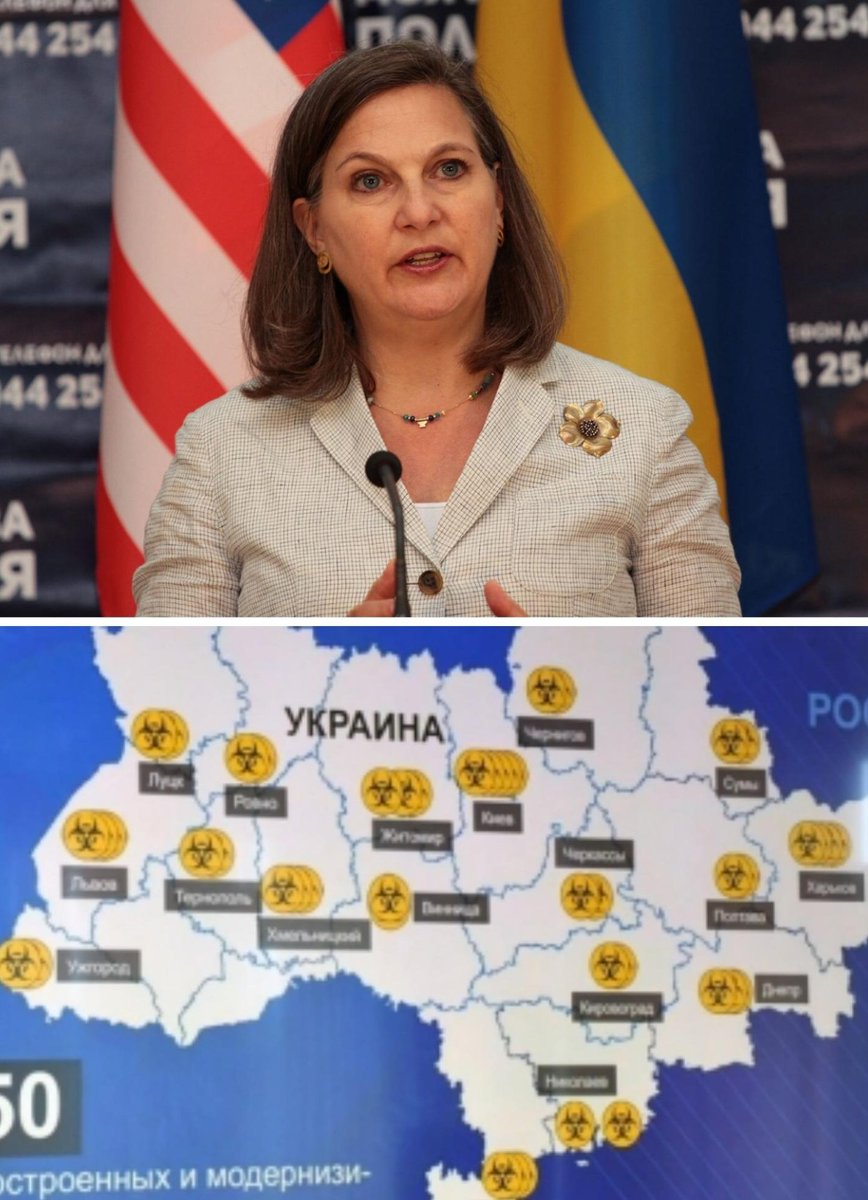
🇺🇸は2005年以降、🇺🇦の46カ所の研究所、医療施設、診断施設に約2億ドルを投入してきた。これは国防総省独自の「生物学的脅威削減プログラム」によるものである。炭疽菌、ペスト、野兎病など、危険な病原体を扱っている。

US-Funded Bio Labs in Ukraine: Raw Truth, No Conspiracy Spin.
America poured ~$200 MILLION into 46 Ukrainian labs, health facilities and diagnostic sites since 2005. Pentagon's own Biological Threat Reduction Program. Working with dangerous pathogens - anthrax, plague, tularemia and more.
Victoria Nuland (US State Dept) admitted it in Senate testimony, March 2022: "Ukraine has biological research facilities... we are quite concerned Russian forces may be seeking to gain control of them." US was scrambling to secure the "research materials."
Now in 2026, DNI Tulsi Gabbard declassified details on 120 US-funded foreign biolabs worldwide - over 40 in Ukraine alone. In a war zone on Russia's border. Dual-use research. Gain-of-function risks. Pathogens don't care about borders or "defensive" claims.
Why so many in one hotspot? Official story: Secure old Soviet sites, disease surveillance. Reality: Powerful nations run risky games with life-destroying tech while preaching to the Global South. Accidental leaks, theft, or escalation? Everyone pays - especially the vulnerable.
Transparency now. Full pathogen lists. No more hidden programs. Secure or shut them down. Truth to power - the empire's labs threaten us all.
2
26
24
714
なぜ一つの紛争地域にこれほど多く存在するのか?公式の説明:旧ソ連の施設の保全、疾病監視。現実:強大国は、グローバル・サウスに説教をしながら、生命を破壊する技術を用いて危険な賭けを行っている。偶発的な漏洩、盗難、あるいは事態の悪化?その代償を払うのはすべての人々――とりわけ脆弱な立場
1
8
7
279
にある人々だ。
今こそ透明性を。病原体の完全なリストを。隠されたプログラムはもう終わりに。安全を確保するか、閉鎖せよ。権力に真実を――帝国の研究所は私たち全員を脅かしている。(了)
9
8
274
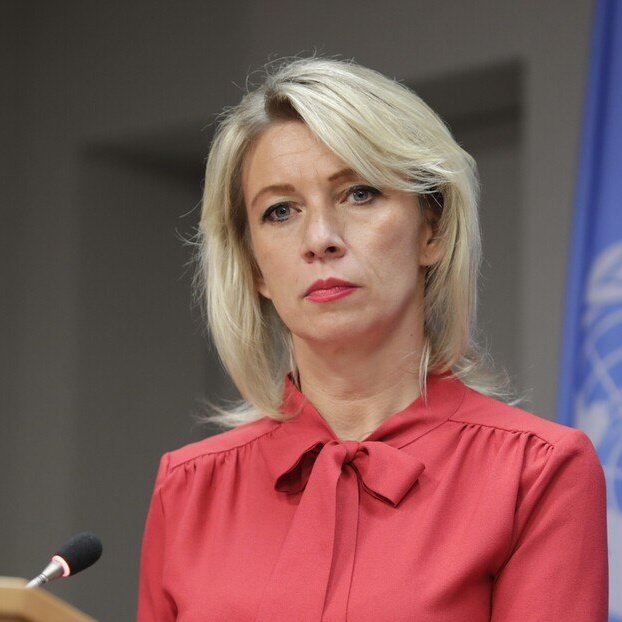
🇷🇺外務省のマリア・ザハロワ報道官は、🇺🇦国内で🇺🇸が資金提供している生物研究所の活動に関する機密解除された一連の文書についてコメントした。
これらの文書は昨日、トゥルシー・ギャバード国家情報長官の指示により公開された。同氏はすでに辞任しており、6月30日に正式に退任する予定である。

The spokesperson for the Russian Ministry of Foreign Affairs, Maria Zakharova, commented on the declassified package of documents about the activities of biological laboratories funded by the USA in Ukraine.
The documents were published yesterday by order of the director of the US National Intelligence Service, Tulsi Gabbard, who has already resigned and will officially step down on June 30.
"We have talked a lot about this, and now... This is something that we and the Russian Ministry of Defense have repeatedly spoken about, drawing the international community's attention to the dangerous and uncontrolled military-biological activities of the United States outside their national territory, including Ukraine." — writes Zakharova
2
21
22
979
「我々はこれについて何度も言及してきたが、今や……これは、我々や🇷🇺国防省が繰り返し指摘してきたことであり、🇺🇦を含む🇺🇸の領土外で行われている、危険かつ管理されていない🇺🇸の軍事生物活動について、国際社会の注意を喚起するものである」とザハロワ氏は記している。
8
10
305
アジア記者クラブ(APC) retweeted

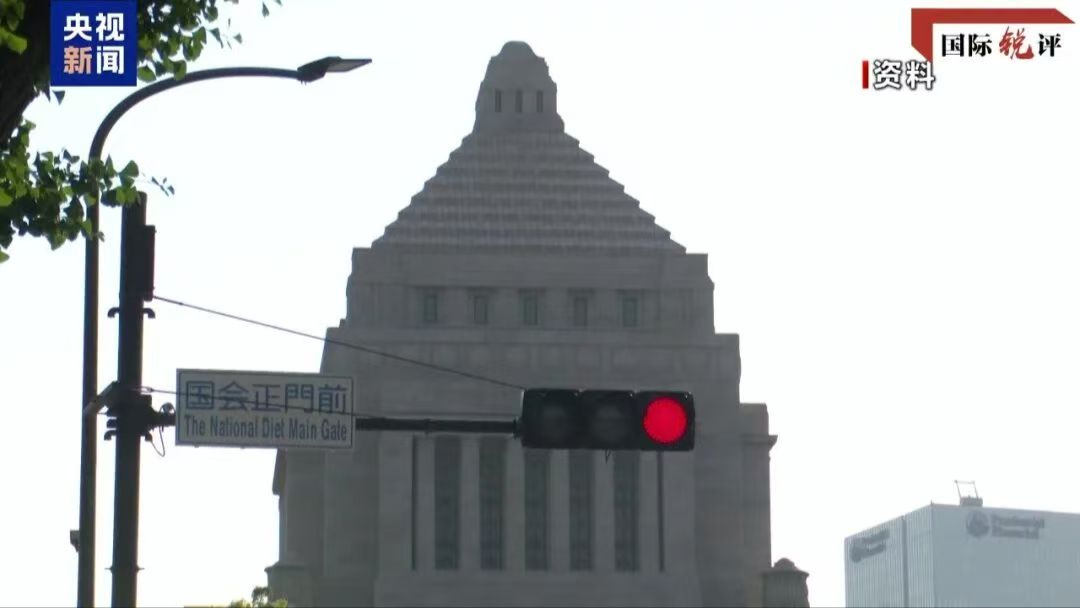
【時評:日本の「再軍事化」がまたも危険なシグナル発する】自民党は9日に開かれた総務会で、「安保3文書」の改定に向けた政府への提言案を了承した。提言案は「国土防衛」を口実に軍拡を正当化し、軍備、予算、配置などの面での規制を全面的に緩和しており、軍拡と戦争準備のペースが著しく加速している。このことは、戦後日本の「専守防衛」原則がすでに有名無実化し、「新型軍国主義」が地域ひいては世界に対する現実的脅威となっていることを示している。
現行の「安保3文書」は2022年末に策定されたもので、安全保障戦略が「専守防衛」から「反撃能力」保有へと転換したことを意味する。これに対し、自民党総務会で了承された新たな改定提言案のすべての措置は、長期的な戦争準備と積極的な介入を目指しており、軍拡と戦争準備を国の制度、経済産業、世論に深く組み込もうとしており、日本の安全保障政策を一層攻撃的・拡張的な方向へと導こうとしている。
戦力構築の面では、提言案は「本土防衛の意思の実現」を名目に、年単位の継戦能力構築を明確に求めており、攻撃的な戦力配置を深化させる意図を露わにしている。
地域的な軍事配置の面では、日本は軍事的触手を絶えず国外へ伸ばし、防衛範囲を大幅に国外へ押し広げている。提言案は、中国の正常な軍事活動に対して根拠のない非難や中傷を繰り返し、周辺地域の緊張を意図的に誇張している。これは実のところ、日本の国民と国際社会を欺き、「再軍事化」を加速させるための口実を作ろうとしているものだ。
核政策の面では、提言案は「非核三原則」の見直しには言及していないものの、米国の核抑止力の中核としての役割をさらに確保することが明記されている。これは将来の核分野への関与に禍根を残すものであり、投機的で冒険的な姿勢があからさまに示されている。
これらの根本的転換は、日本が戦後の平和体制を完全に放棄しつつあることを十分に示している。第二次世界大戦の侵略の歴史と東京裁判の結果の否定から軍事費の大幅増額や殺傷能力のある武器の輸出規制緩和、さらに、平和憲法改正の推進から「安保3文書」改定及び「非核三原則」の見直しの推進に至るまで、日本は軍国主義の復活を加速させている。
歴史の教訓は遠いものではない。日本は口では「平和」や「防衛」を唱えながら、実際には猛烈な勢いで「再軍事化」へと突き進んでいる。これは「カイロ宣言」「ポツダム宣言」「降伏文書」などの国際法文書に違反するだけでなく、戦後の国際秩序に大きな打撃を与え、周辺国の安全を脅かすものであり、最終的には日本自身をも危険な状況に陥れることになる。国際社会は手を携えて確固たる行動を取り、日本の軍国主義という亡霊の復活を絶対に許してはならない。japanese.cgtn.com/2026/06/13…
9
31
51
1,744
国連の「敵国条項」が適用される事態が近づいている……
国連憲章第53条、第77条、第107条は、🇨🇳や🇷🇺といった連合国側勝利国に対し、かつての枢軸国(独、伊、日など)が再び侵略政策を再開した場合、国連安全保障理事会の事前の承認を必要とせずに、これらに対して軍事行動をとることを認めている。
Jun 13

Getting closer to testing the UN Enemy state clauses...
Articles 53, 77, and 107 in the United Nations Charter allow victorious Allied powers like China and Russia to take military action against former Axis powers (such as Germany, Italy, and Japan) if they resumed aggressive policies, without needing prior authorization from the UN Security Council
2
33
45
1,425
アジア記者クラブ(APC) retweeted

Jun 13
Getting closer to testing the UN Enemy state clauses...
Articles 53, 77, and 107 in the United Nations Charter allow victorious Allied powers like China and Russia to take military action against former Axis powers (such as Germany, Italy, and Japan) if they resumed aggressive policies, without needing prior authorization from the UN Security Council
Jun 12

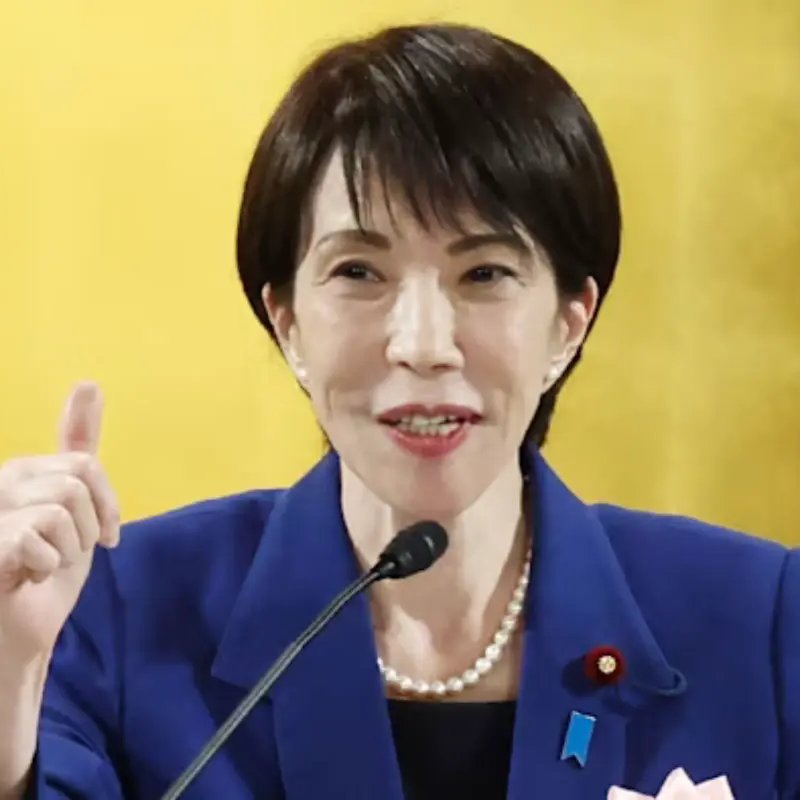
🇯🇵 Sanae Takaichi and Japanese Lawmakers Officially Make Taiwan Their Business 🇹🇼🇨🇳
Japan just dropped “China” from Its parliamentary group name and here’s what that means.
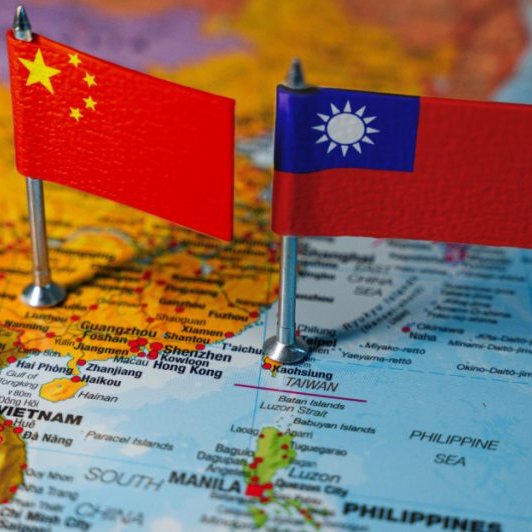
Japan’s pro-Taiwan parliamentary group just dropped the word “China” from its name entirely. The new name: Japan Taiwan Friendly Parliamentary Alliance.
The timing is deliberate. Furuya Keiji, the man behind the push, said the move makes sense because “now is the opportunity.” Sanae Takaichi is already in power and the pro-Taiwan faction inside the Diet is moving while she holds the top job. Photos from the event show Japanese and Republic of China flags side by side.
This is being framed as a natural evolution in how Japan describes its Taiwan ties. It is a political act. Not an administrative one.
When Japan recognised the People’s Republic of China as the sole legal government in 1972, it ended diplomatic relations with Taipei. The 1978 Treaty of Peace and Friendship was concluded on the basis of the one-China principle. Embedding “Taiwan” in the formal name of a parliamentary body and tying that explicitly to the prospect of a right-leaning government, is a deliberate breach of that foundation.
It fits a pattern that has been building for years. Japanese politicians have increasingly talked up the idea that a Taiwan contingency would automatically become a Japan contingency. They have expanded security cooperation, pushed values-based diplomacy and worked to pull Taiwan issues into regional forums. This renaming takes the next step, it makes the alignment more institutional and harder to walk back.
Being in China, you can observe the impact of these actions. They are not read as ambiguous. They are seen as deliberate attempts to normalise what was once kept at arm’s length, to test boundaries and to create facts on the ground.
The media have framed it as three dangerous signals. Pro-Taiwan forces in Japan are becoming more open about their agenda. Some politicians are explicitly banking on a Takaichi government to accelerate their push. And the move directly undermines the political foundation of China-Japan relations that has prevented worse outcomes so far.
Taiwan is not just another diplomatic file for Beijing. It sits at the absolute centre of China’s core interests. A parliamentary rebrand does not change that.
Around 321 Diet members are connected to this effort. The chairman is already subject to a China entry ban. These are not cost-free gestures. They embolden the most hardline elements in Taiwan, raise the risk of miscalculation and signal to Beijing that some in Tokyo see advantage in turning the island into a pressure point.
History does not reward that calculation. External powers that treat Taiwan as a geopolitical lever tend to find themselves exposed when the consequences arrive.
Japan’s parliamentary rebrand is the latest step in a longer trajectory. The same logic, followed consistently, points toward more direct involvement.
Beijing is not misreading the intent. It is watching the pattern and adjusting accordingly.
The question for Japanese strategists is whether they genuinely believe they can keep advancing this line without Beijing treating it as the strategic challenge it clearly is. That is the calculation now in play.
15
65
257
13,130
バイオラボの認否: ヌーランドがルビオにうっかり漏らしたのを覚えていますか?🇺🇦にバイオラボがあり、🇷🇺人がそれにアクセスしようとしているって。
その後、「何か起きたら『自分たちがやろうとしていることを相手のせいにする』という典型的な🇷🇺の手法だ」と付け加えました。
Jun 12

🇺🇸🇺🇦🇷🇺‼️🚨 BIOLABS ADMISSION:
Remember how Nuland accidentally slipped to Rubio that Ukraine has biolabs and Russians want to get access to them?!
Then followed up with if anything happens “It is classic Russian technique to blame on the other guy what they're planning to do themselves”
And still after that they said it’s Russian disinformation … wild if you look back.
1
29
24
1,073
アジア記者クラブ(APC) retweeted

Jun 12
🇺🇸🇺🇦🇷🇺‼️🚨 BIOLABS ADMISSION:
Remember how Nuland accidentally slipped to Rubio that Ukraine has biolabs and Russians want to get access to them?!
Then followed up with if anything happens “It is classic Russian technique to blame on the other guy what they're planning to do themselves”
And still after that they said it’s Russian disinformation … wild if you look back.
Jun 12
🇺🇸🇺🇦 BIDEN GOVERNMENT LIED ABOUT BIOLABS AND BLAMED RUSSIAN DISINFORMATION!
Now once more we have proof that so-called “Russian disinformation” is just a fact said two years too early.
Tulsi Gabbard’s published information on biolabs operated by the US, including in Ukraine.
It’s true. Conspiracy theorists win once again.
20
495
1,478
44,506
ホワイトハウス報道官ジェン・サキ、2022年3月9日:
- 🇷🇺は以前にも、これほど露骨な嘘をでっち上げたことがある。🇺🇸、あるいは🇺🇸の支配下にある🇺🇦に、化学兵器や生物兵器の開発プログラムが存在するという主張についてだ。そのようなプログラムを持っているのは、まさに🇷🇺そのものである。
Jun 12
White House Press Secretary Jen Psaki, March 9, 2022:
- Russia has previously invented such blatant lies. About the alleged existence of a chemical and biological weapons development program in the USA. Or in Ukraine under US control. It is precisely Russia that has such a program. Our goal is to dispel the disinformation that it is trying to spread. And to tell the world that not only does it have this program, but there are also examples of the use of such weapons. And we must remain vigilant about this.
Director of the US National Intelligence Tulsi Gabbard, June 12, 2026:
- Today, I am making public information about the long-term funding by the US government of more than 120 biolaboratories in more than 30 countries. Including in Ukraine, which carries risks in connection with the current war between Russia and Ukraine. Earlier, our intelligence community already warned that dangerous pathogens are likely stored in Ukrainian biolaboratories funded by America. Information about the very existence, history of creation, location and funding of these biolaboratories was deliberately hushed up by very influential people. Who assured that such biolaboratories do not exist in nature. And everyone who said otherwise was called a foreign agent and a traitor to America.
2
9
6
930
🇺🇸米国が資金提供している🇺🇦の生物研究所に危険な病原体が保管されている可能性が高いとすでに警告していました。これらの生物研究所の存在そのもの、設立の経緯、所在地、資金提供に関する情報は、極めて影響力のある人々によって意図的に隠蔽されていました。
1
6
7
219
彼らは、そのような生物研究所は実在しないと断言していました。そして、それとは異なる意見を述べた者は皆、外国の工作員や🇺🇸の裏切り者と呼ばれたのです。(了)
※サキ報道官は、公然と嘘を繰り返した。オバマ政権時に🇷🇺RTの記者から🇺🇦に侵入した🇷🇺戦車部隊の所在を聞き返されて回答できなかった。
6
6
192