
Restoring Britain isn’t about hating others - it’s about loving our own. Our history. Our people. Our future. That’s not hate. That’s healthy. Join the party.
Joined March 2012
- Tweets 45,111
- Following 26,720
- Followers 40,481
- Likes 314,528
36 Photos and videos




Let'sRestoreBritain retweeted

Thank you Patrick @PatrickChristys

Leading the show with Rupert Lowe’s Rape Gang Inquiry Report published today. The details are impossible to ignore for anyone with a heart
1
16
62
1,434
Let'sRestoreBritain retweeted

The Reform women’s conduct over this report, has been vile. They are all middle aged or older, disgusting vile women! All on the Farage hype train and completely delusional!
2
2
14
Let'sRestoreBritain retweeted

Good luck Rupert, the rats will circle and try to cause problems, high time this stain on our nation was dealt with for once and all, every child,family affected need justice of the highest order,everyone who helped perpetrators by staying silent or assisting needs locking up !
1
142
Let'sRestoreBritain retweeted

There are a handful of people who have built careers and made serious money by talking about the grooming gangs on social media. Some have turned the issue into a full-time brand and gained significant fame in the process.
These are often the very same voices now criticising your efforts.
As for Farage, the pattern is familiar: he briefly raises uncomfortable topics to capture attention and take it away from others, then quietly moves on and lets them fade - never allowing them to become a sustained priority.
2
6
632
Let'sRestoreBritain retweeted

The target list of enablers and apologists could include some big names...
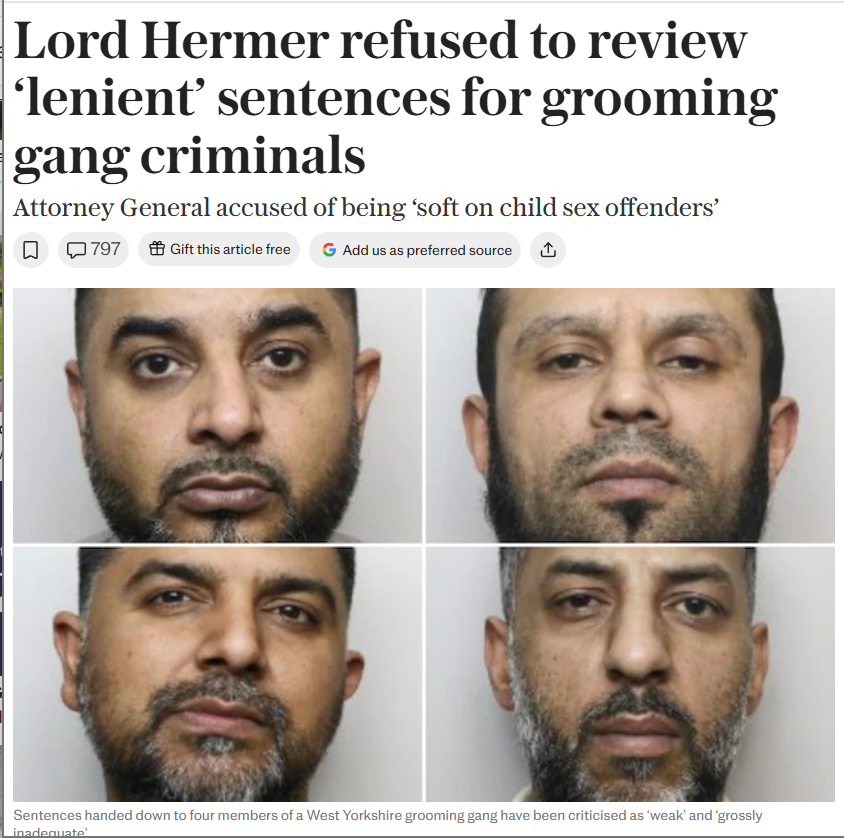
3
29
441
Let'sRestoreBritain retweeted

Jun 1
I want the world to hear what we heard.
3,763
25,151
94,190
10,162,141
Let'sRestoreBritain retweeted

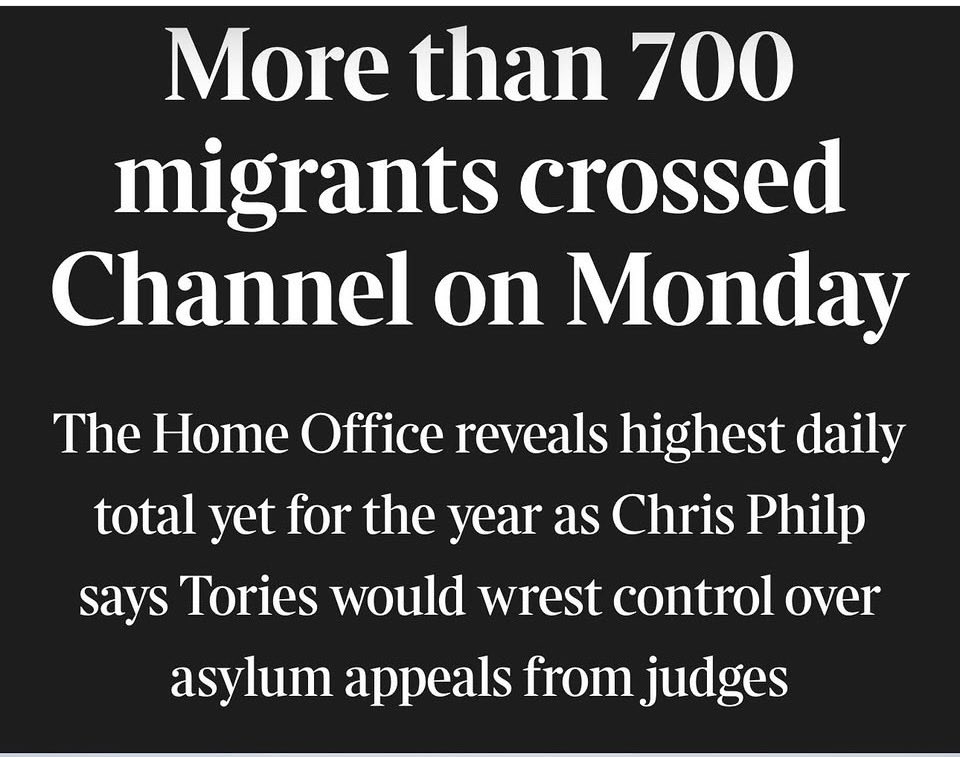
Migrant Watch :- Approx 93,600 are now in “support accommodation” ie HMOs and 21,000 in Hotels. 47,000 are awaiting a decision on asylum claims and 87,500 are waiting on APPEALS after their application was rejected !!!! Approximately 80% are men. Its insane, its unfair and its dangerous! Detain and Deport. @RestoreBritain
1
18
37
368
Let'sRestoreBritain retweeted
In Parliament, reading the testimonies of rape gang survivors provided to our inquiry.
Please watch, listen and understand.
54
332
1,799
14,150
Let'sRestoreBritain retweeted
The Rape Gang Inquiry - what happens next.
I intend to use my parliamentary privilege to name perpetrators and their enablers in the chamber.
This will be done incredibly carefully with our legal team involved every step of the way to ensure that no future prosecutions are jeopardised.
We are cooperating with the authorities in order to help cases be opened and reopened, but my faith in the system to independently deliver justice is not high...
That is why we are pursuing private prosecutions and civil litigation.
A target list has been identified, and it continues to grow.
This all has to be handled very carefully, for obvious reasons, but I am determined to act. We have had enough talk, now we need to act.
Our aim is straightforward.
Put people in prison. Deliver justice. Finally.
We will act. Not talk.
299
1,337
8,163
59,338
Let'sRestoreBritain retweeted

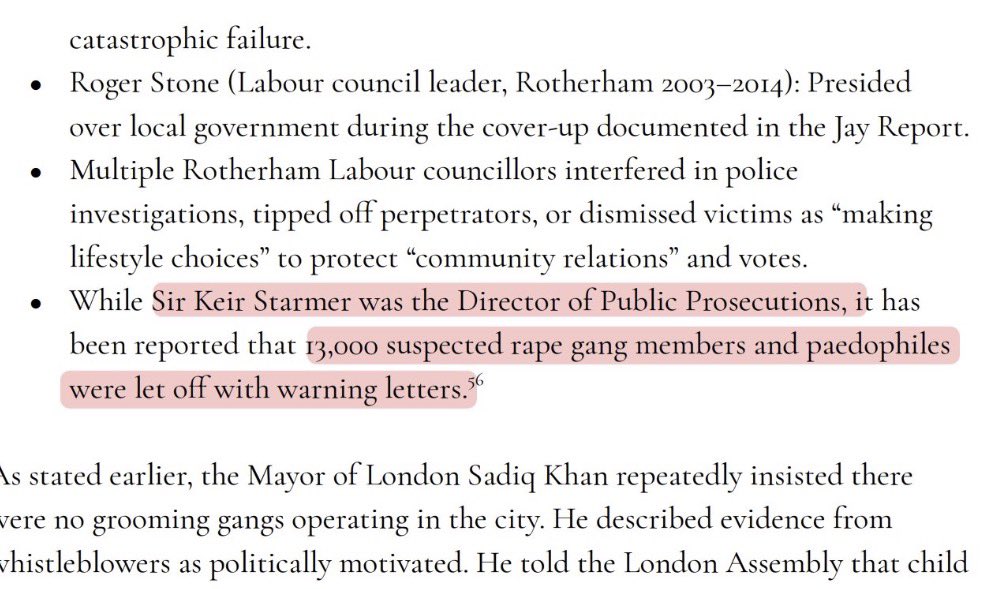
Keir Starmer should be publicly tried then executed.

UNFORGIVABLE 😡
Keir Starmer as the Director of Public Prosecutions gave 13,000 suspected Muslim rape gang members and paedophiles were let off with WARNING LETTERS.
Meanwhile he has native citizens to be jailed for social media posts & mean words.
This man is truly evil.
Call an early election UK, your daughters are not safe under this psychopath!
He is allowing 3rd world migrants to repeatedly rape little White girls. He believes that this is not a crime.
Sick, deranged man.
522
3,191
16,063
177,118
Let'sRestoreBritain retweeted

Yes they must - it is a lesson for the whole world. And the police officers who sent girls back to their rapists.

The politicians who turned a blind eye to the Rape of Britain must go to prison
73
1,167
3,682
32,411
Let'sRestoreBritain retweeted

Thanks @owenjonesjourno for creating the perfect advert for @RestoreBritain
She wants her country back.

7
44
404
Let'sRestoreBritain retweeted

“We will show you how evil Restore is” and the first thing is Rupert saying we must restore our Christian history and bring forgiveness back to politics.

10
21
554
8,401
Let'sRestoreBritain retweeted

They call common sense "far-right" because they've dragged the country so far to the left.
We just want secure borders, safe streets, and a government that puts us and Britain first.
Restore Britain.
13
147
789
6,166

Let'sRestoreBritain retweeted

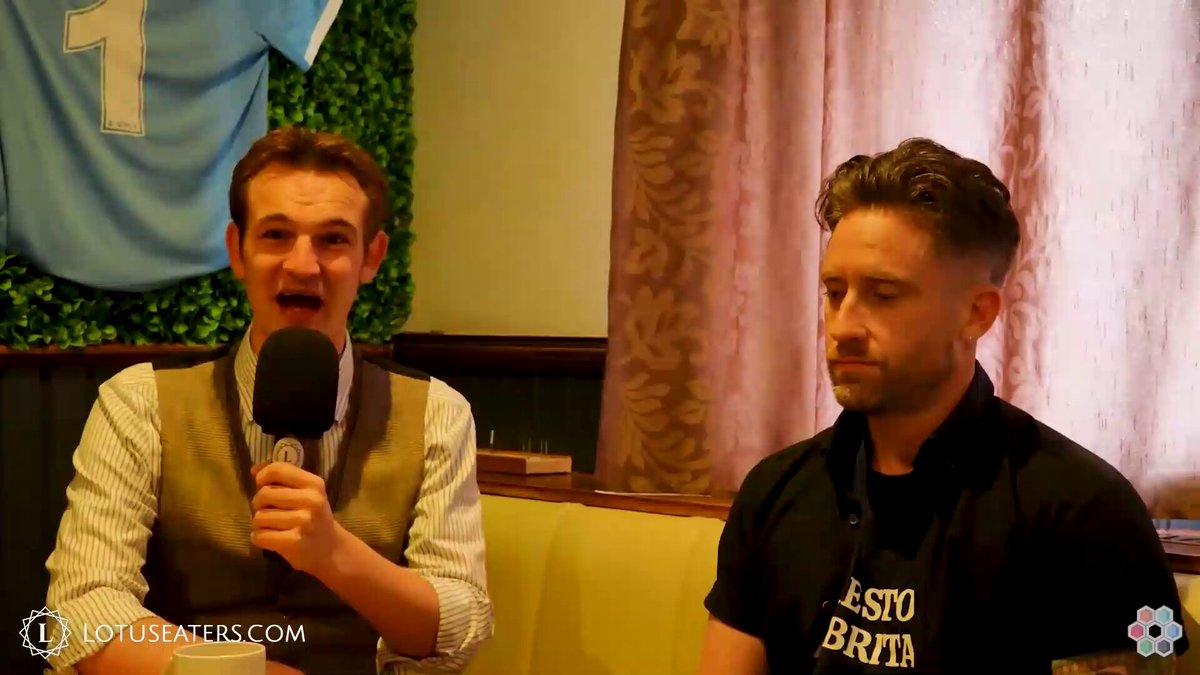
.@Luca_Johnson96 speaks to @Cal_III and @JournoMaddie about why the establishment is so afraid of Restore Britain.
From Day 6 of our coverage in Makerfield: lotuseaters.com/the-big-push…
A party that will put the British people first. Join Restore Britain: restorebritain.org.uk/join_u…
5
33
146
3,241
Let'sRestoreBritain retweeted

11 migrant boats arrived yesterday, over 700 men now being housed across the UK.
These men mainly come from Somalia, Sudan, Afghanistan, Syria, Iraq, and Eritrea: countries where major terrorist groups like al-Shabaab (Somalia), ISIS and its affiliates (Syria/Iraq), and the Taliban/ISIS-K (Afghanistan) operate freely.
This brings extreme dangers, suicide bombings, kidnappings, clan warfare, and relentless violence, which is exactly why the UK FCDO advises against all travel to these nations due to the severe risk to British lives.
And now they are living freely amongst us! Well done @Keir_Starmer.
88
529
1,726
40,686
Let'sRestoreBritain retweeted

If anyone inside the Labour Party challenges Starmer, he will threaten to call a general election, at which point they’ll almost always back down.
He holds all the cards because triggering an election would put every Labour MP’s job at risk.
So can we get less talk about Andy Burnham winning in Makerfield.
He has lost multiple elections in the past.
Reform seem to be spreading this rhetoric because of fear and people are eating it up, if they cannot win in Makerfield and beat Burnham with their own policy then that is on them.
Restore Britain have every right to stand a candidate and their members/supporters have every right to vote to elect Rebecca on the 18th.
14
55
223
2,502
Let'sRestoreBritain retweeted

Rupert Lowe's Mass Deportations Blueprint Is the Most Serious Document in British Politics. It Has One Unanswered Question.
Restore Britain's mass deportations policy paper is not what its critics say it is. It is not a fantasy document or a manifesto for ethnic cleansing. It is a serious, legally considered, operationally detailed blueprint for removing every person living in Britain illegally, estimated at between 1.8 and 2 million people. It identifies the real obstacles honestly, the ECHR, the Human Rights Act, the Equality Act, the asylum system as currently constituted, and proposes specific mechanisms for dismantling each of them. Anyone who dismisses it without reading it is not engaging with the argument. They are avoiding it.
The diagnosis is correct. Britain has between 1.8 and 2 million people living here without legal status, confirmed by the Thames Water sewage methodology and the Home Office's own figures. The removal rate for illegal Channel arrivals stands at four percent. The legal architecture is the primary obstacle, not political will, not operational capacity. The paper is right about all of that, and it deserves credit for saying so plainly when every other party is still pretending the problem is the gangs rather than the system that processes their customers and keeps them here.
The operational logic is also sounder than critics acknowledge. A hostile environment, mandatory right to work checks, biometric banking requirements, severe penalties for employers and landlords, voluntary returns incentivised ahead of forced removals, is exactly the mechanism that works. The US reduced border crossings from 1.6 million to under 240,000 within months using comparable tools. Hungary processes 47 asylum applications in six months. The paper draws on real precedent, not wishful thinking.
Where the delivery question remains open is the constitutional demolition required before any of this can begin. Withdrawing from the ECHR. Repealing the Human Rights Act. Passing a Great Clarification Act to reassert parliamentary sovereignty over the courts. Each of those is achievable in principle through a parliament with a sufficient majority and the will to use it. Each would also trigger a legal, political and institutional firestorm of a scale Britain has not seen in modern times. Every legal charity, every NGO, every charity funded to shift public attitudes on migration through children's television and national newspapers, every activist network and left-leaning institution in the country would mobilise simultaneously. Behind them, the red-green alliance of hard-left organisations and Islamist sympathisers that fills Britain's streets on weekends numbers in the hundreds of thousands. Their opposition has never been limited to the ballot box. International pressure would be immediate. The courts would be flooded with injunctions before the first removal flight left the ground.
That is not an argument against attempting it. It is an argument for preparing the political ground before the legislative attempt is made. A government that moves to repeal the Human Rights Act without a consolidated electoral mandate, without public opinion hardened by years of honest argument, and without having first demonstrated it can enforce existing law, will find the attempt buried under procedural challenges before it gets started. The permanent state is expert at using legal process to exhaust political will. Rwanda proved that.
The achievable version of this is not constitutional demolition. It is law enforcement. Close the border. Remove those here illegally using existing powers pushed to their limits. Build the mandate for the harder steps from the credibility earned by the easier ones. Restore's supporters are right that the political class has failed them for thirty years. The question the paper has not yet answered is what happens in the room when the lawyers arrive.

ALT Rupert Lowe
28
165
438
6,599
Let'sRestoreBritain retweeted

250 thousand white girls raped and trafficked by Muslim immigrant pedophiles in the UK. Industrial scale sexual abuse and torture inflicted on the native inhabitants by barbaric foreign gangs who were welcomed into the country by the government. One of the worst scandals in the history of the western world. It really is that bad. Anyone who ignores this story is forever discredited going forward. Watch especially for the people on “our side” who look the other way.
863
6,250
32,621
387,488