
Joined May 2021
- Tweets 110,865
- Following 380
- Followers 4,506
- Likes 58,437
35,851 Photos and videos
Pinned Tweet
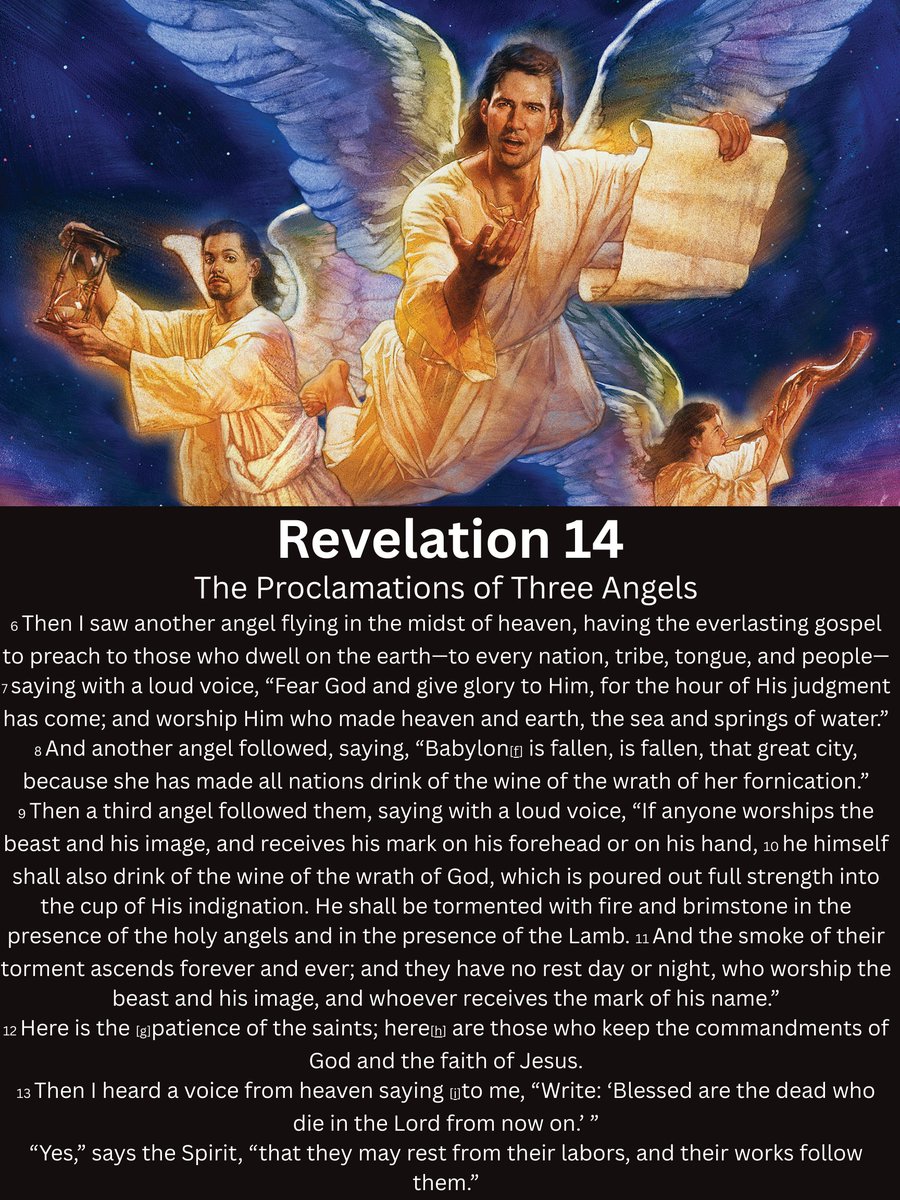
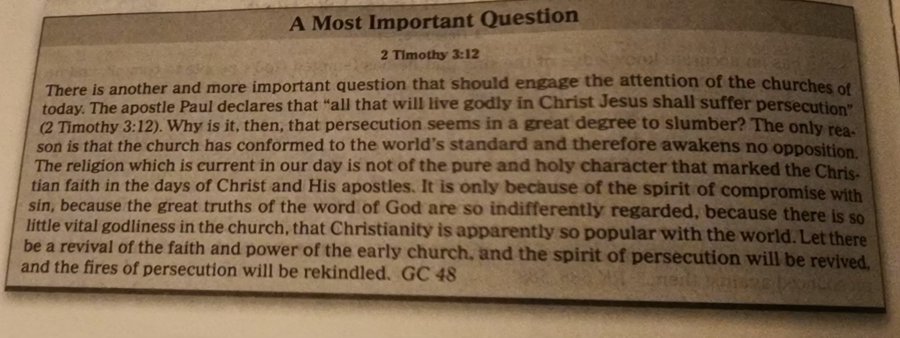
Latter day saints are NOT GOD'S LATTER DAY SAINTS
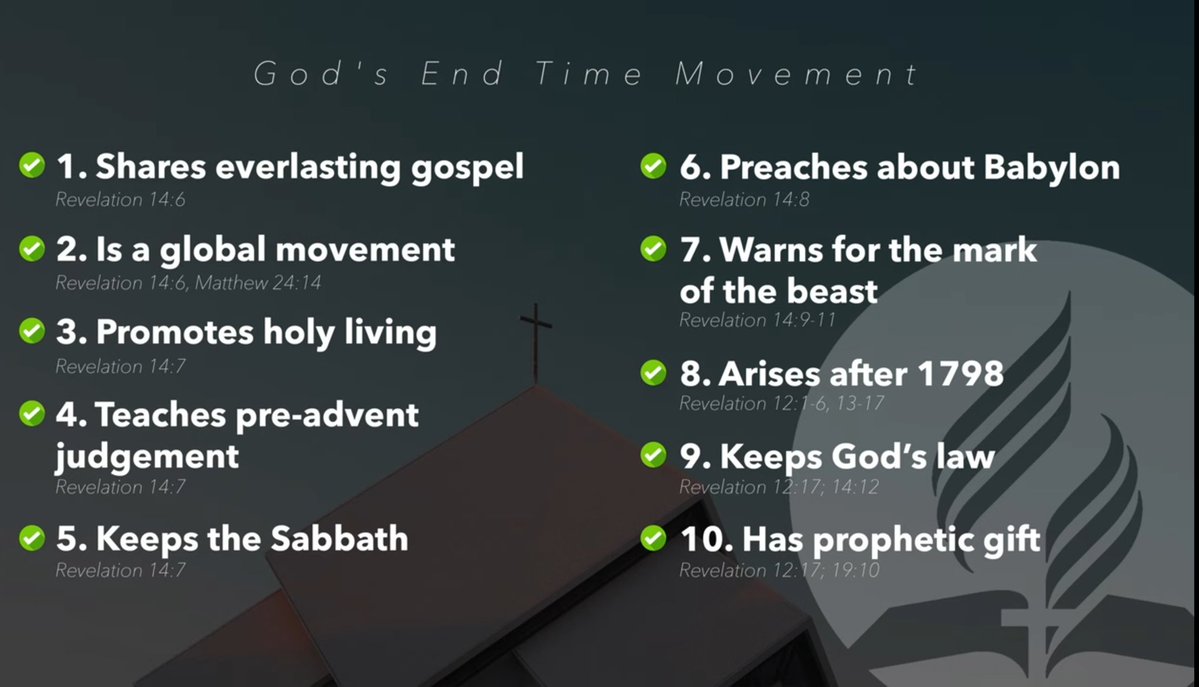
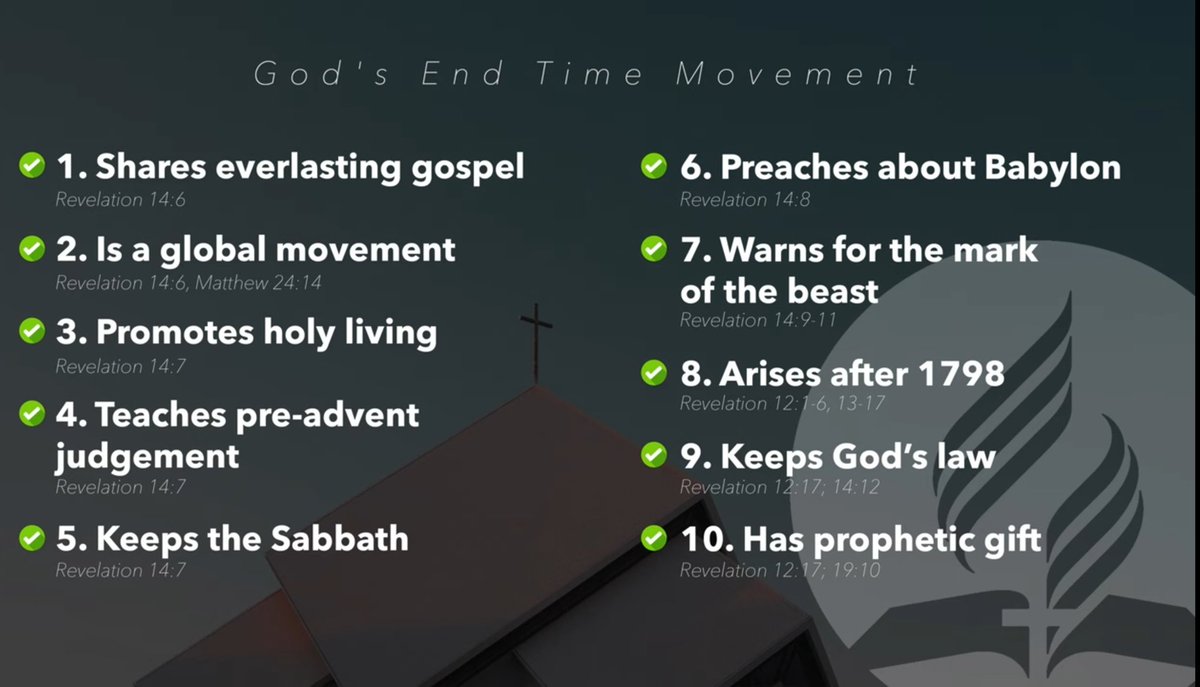
1. THEY DON'T KEEP GOD'S COMMANDMENTS
2. THEY DON'T HAVE THE SPIRIT OF PROPHECY
Revelation 12:17
And the dragon was enraged with the woman, and he went to make war with the rest of her offspring, who keep the commandments of God and have the testimony of Jesus Christ.
NKJV, Revelation 19:10
And I fell at his feet to worship him. But he said to me, “See that you do not do that! I am your fellow servant, and of your brethren who have the testimony of Jesus. Worship God! For the testimony of Jesus is the spirit of prophecy.”
WHO IS BY BIBLICAL DEFINITION?
THE 7TH DAY ADVENTISTS
7
3
5
553
WISE WORDS OF ADVICE
Do not listen to ANY sunday keeping pastors messages, even if they sound good or speak with what looks like authority when it comes from satan and NOT GOD
Isaiah 8:20
To the law and to the testimony! If they do not speak according to this word, it is because there is no light in them.
1
38
3 Angels Ministries retweeted
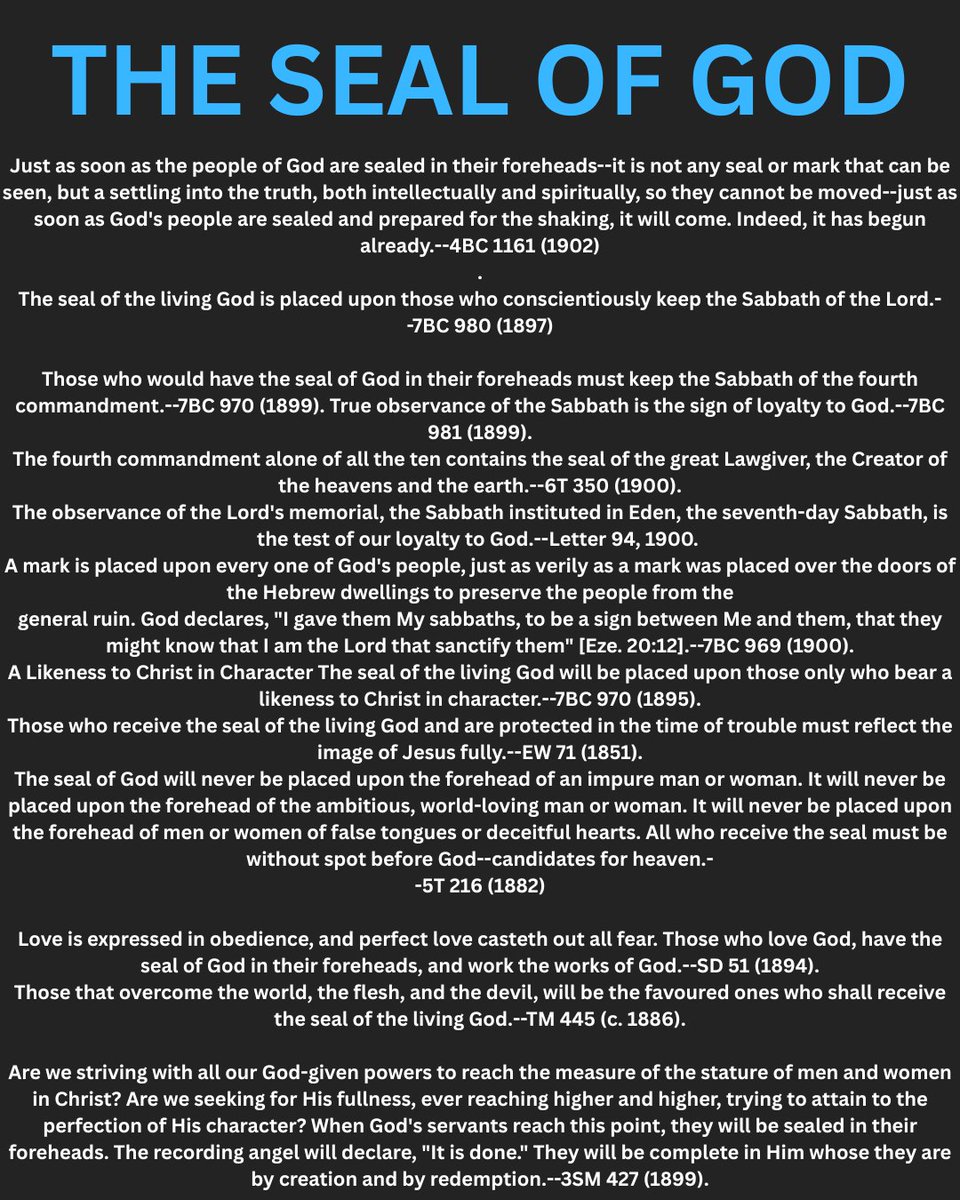
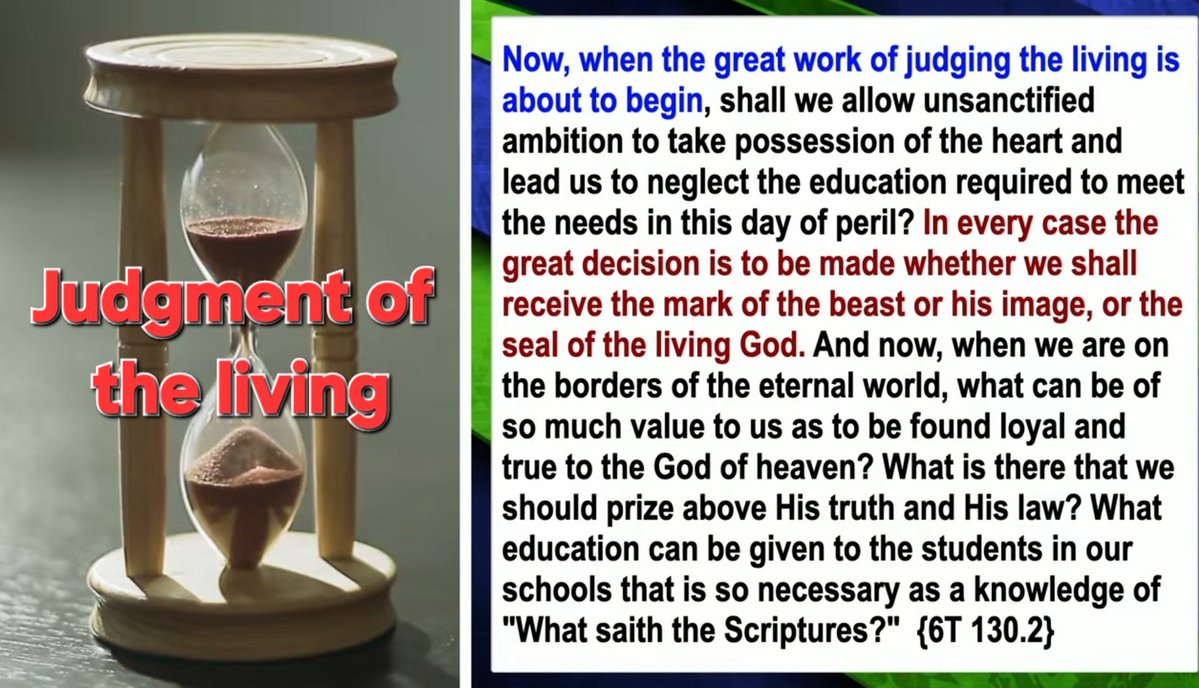
The judgment of the living starts when the MARK OF THE BEAST test comes and we are TESTED for keeping GOD'S HOLY 7TH DAY.
Matthew 24:13 But he who endures to the end shall be saved.
Matthew 24:14 And this gospel of the kingdom will be preached in all the world as a witness to all the nations, and then the end will come.
4
4
120
Say this prayer before watching
Dear JESUS, SON of GOD, I desire to know TRUTH of what happened at the wedding in Cana, open my eyes and give me victory over ALL my sins, in JESUS' name, Amen

JESUS did NOT created alcoholic wine at the wedding in Cana
26
Say this prayer before watching, FATHER GOD, I desire to know the truth of who the antichrist power is so I am not deceived by satan and his evil ways, give me the heart to obey and love you, in JESUS'S name, Amen
WATCH TILL THE END!!
The beast
The antichrist
Papacy
Pope leo
Catholic
Lutheran
Presbyterian
Methodist
Baptist
Evangelical
Sunday worship
youtu.be/0HF06kIjDUg?si=cOwH…
⚠️SHARE WITH EVERYONE⚠️
25
3 Angels Ministries retweeted
To those that love JESUS
Pray this prayer first before watching
FATHER GOD, open my eyes to see the TRUTH and to understand what the antichrist is so I shall not be deceived by the many delusions of satan, in JESUS'S name, Amen
2
1
314
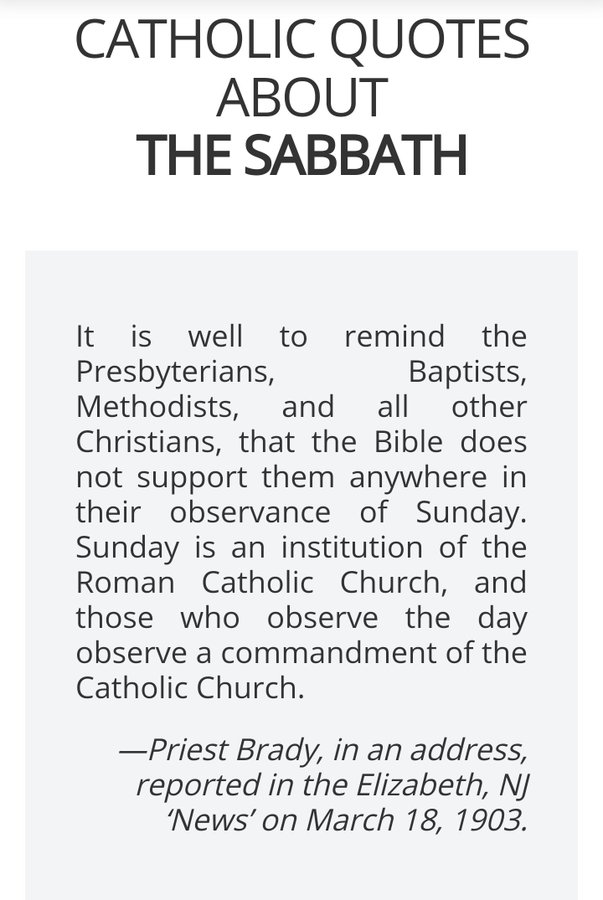
Are you for GOD/JESUS or the catholic church?
WHO/which is your AUTHORITY/authority?
2
2
54
Luke 23:39 Then one of the criminals who were hanged blasphemed Him, saying, [j]“If You are the Christ, save Yourself and us.”
40 But the other, answering, rebuked him, saying, “Do you not even fear God, seeing you are under the same condemnation? 41 And we indeed justly, for we receive the due reward of our deeds; but this Man has done nothing wrong.” 42 Then he said [k]to Jesus, “Lord, remember me when You come into Your kingdom.”
43 And Jesus said to him, “Assuredly, I say to you, today you will be with Me in Paradise.”
Prophetic writings of Ellen G. White
When he heard the sneering words of his companion in crime, he “rebuked him, saying, Dost thou not fear God, seeing thou art in the same condemnation? And we indeed justly; for we receive the due reward of our deeds; but this man hath done nothing amiss.” Then, as his heart went out to Christ, heavenly illumination flooded his mind. In Jesus, bruised, mocked, and hanging upon the cross, he saw his Redeemer, his only hope, and appealed to him in humble faith: “Lord, remember me when thou comest into thy kingdom! And Jesus said unto him, Verily I say unto thee today, [By placing the comma after the word today, instead of after the word thee, as in the common versions, the true meaning of the text is more apparent.] shalt thou be with me in Paradise.”
Jesus did not promise the penitent thief that he should go with him, upon the day of their crucifixion, to Paradise; for he himself did not ascend to his Father until three days afterward. See John 20:17. But he declared unto him, “I say unto thee today—” meaning to impress the fact upon his mind, that at that time, while enduring ignominy and persecution, he had the power to save sinners. He was man’s Advocate with the Father, having the same power as when he healed the sick and raised the dead to life; it was his divine right to promise that day to the repentant, believing malefactor, “Thou shalt be with me in Paradise.”
The criminal upon the cross, notwithstanding his physical suffering, felt in his soul the peace and comfort of acceptance with God. The Saviour, lifted upon the cross, enduring pain and mockery, rejected by the priests and elders, is sought by a guilty, dying soul with a faith discerning the world’s Redeemer in Him who is crucified like a malefactor. For such an object did the Son of God leave Heaven, to save lost and perishing sinners. While the priests and rulers, in their self-righteous scorn, fail to see his divine character, he reveals himself to the penitent thief as the sinner’s Friend and Saviour. He thus teaches that the vilest sinner may find pardon and salvation through the merits of the blood of Christ.
2
3
92
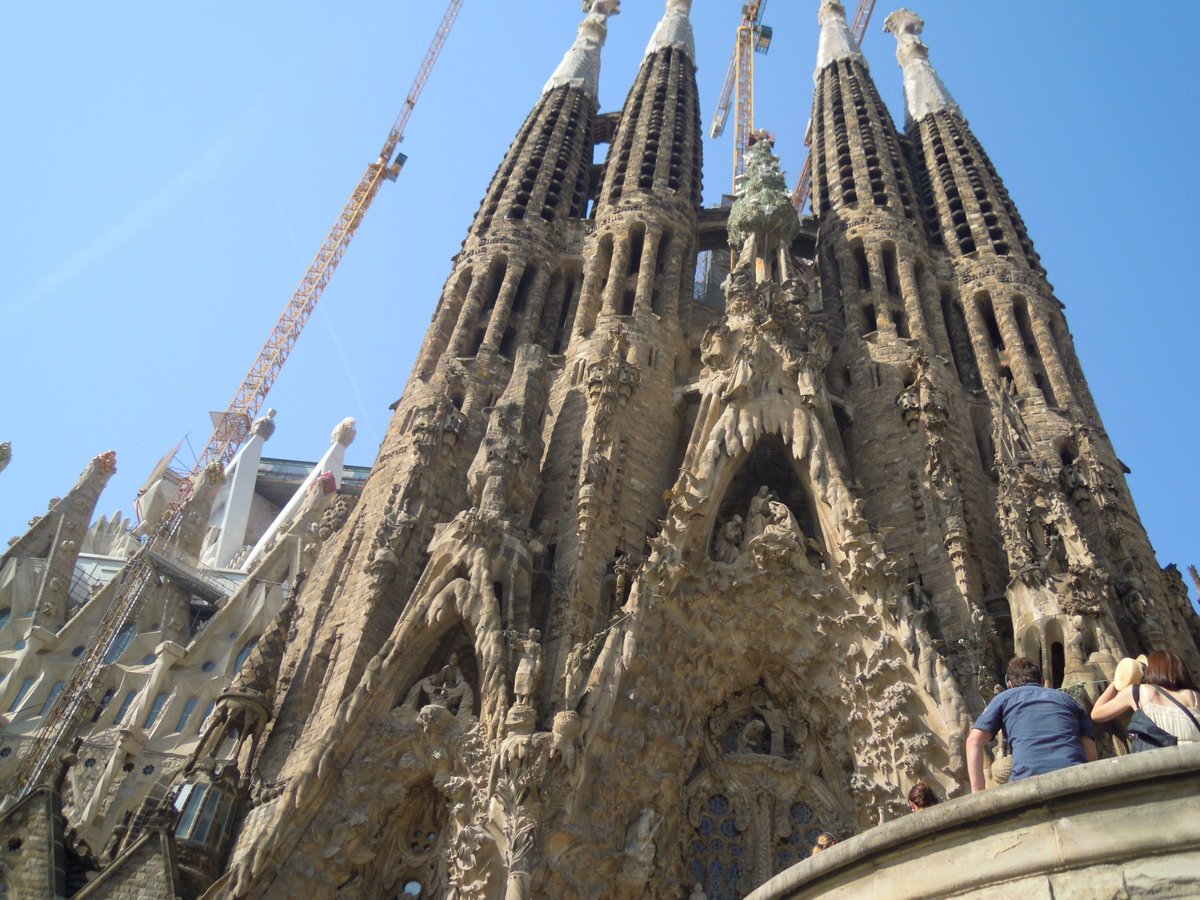
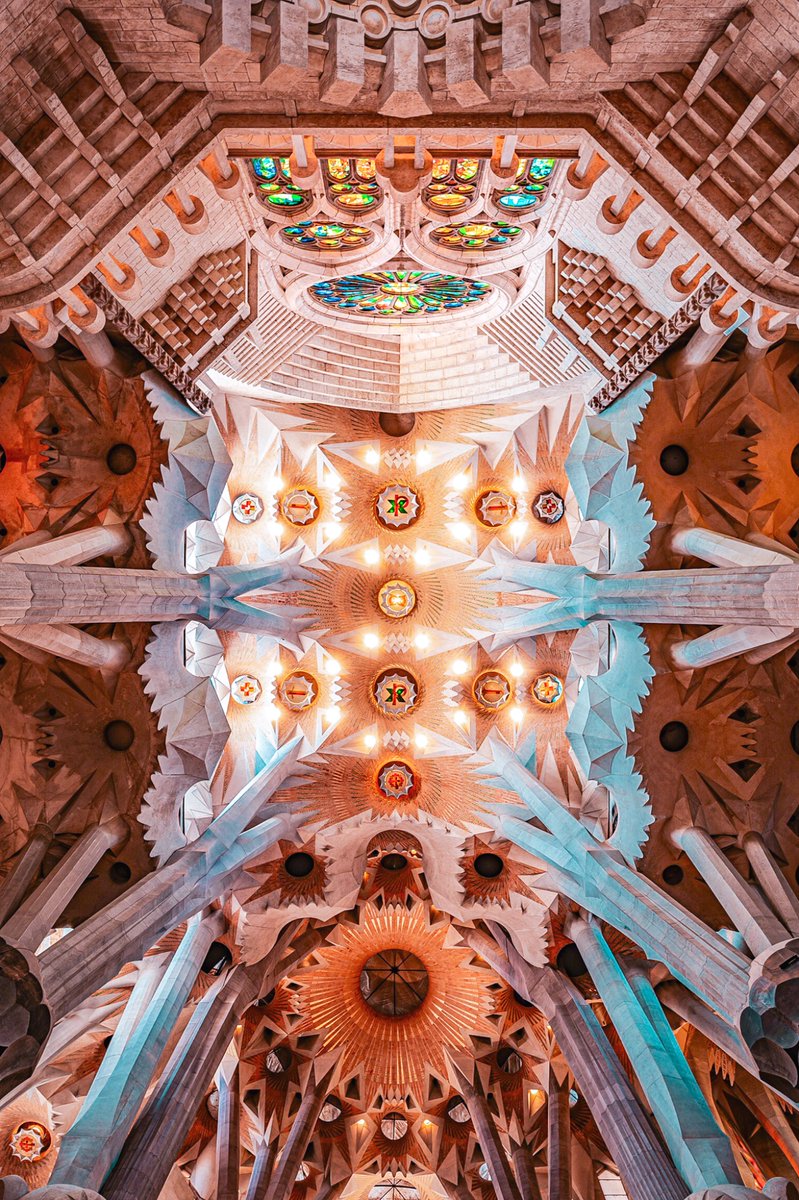
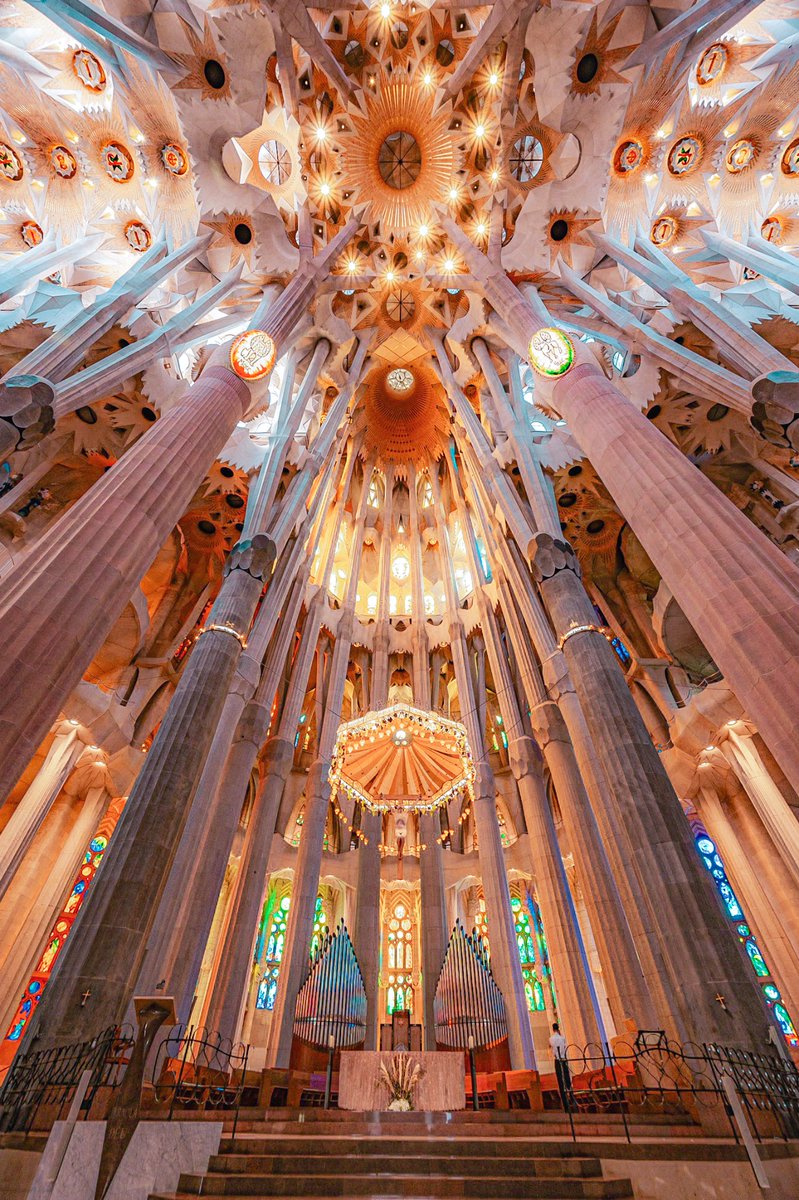
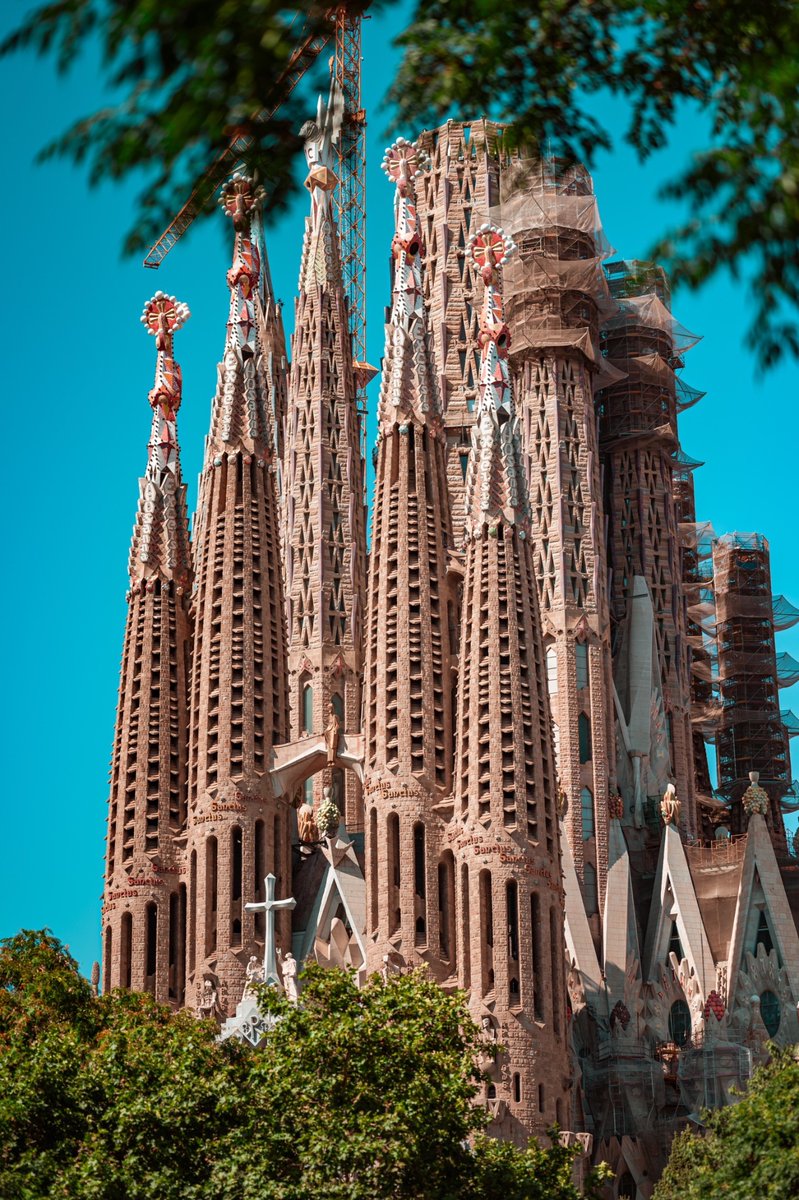
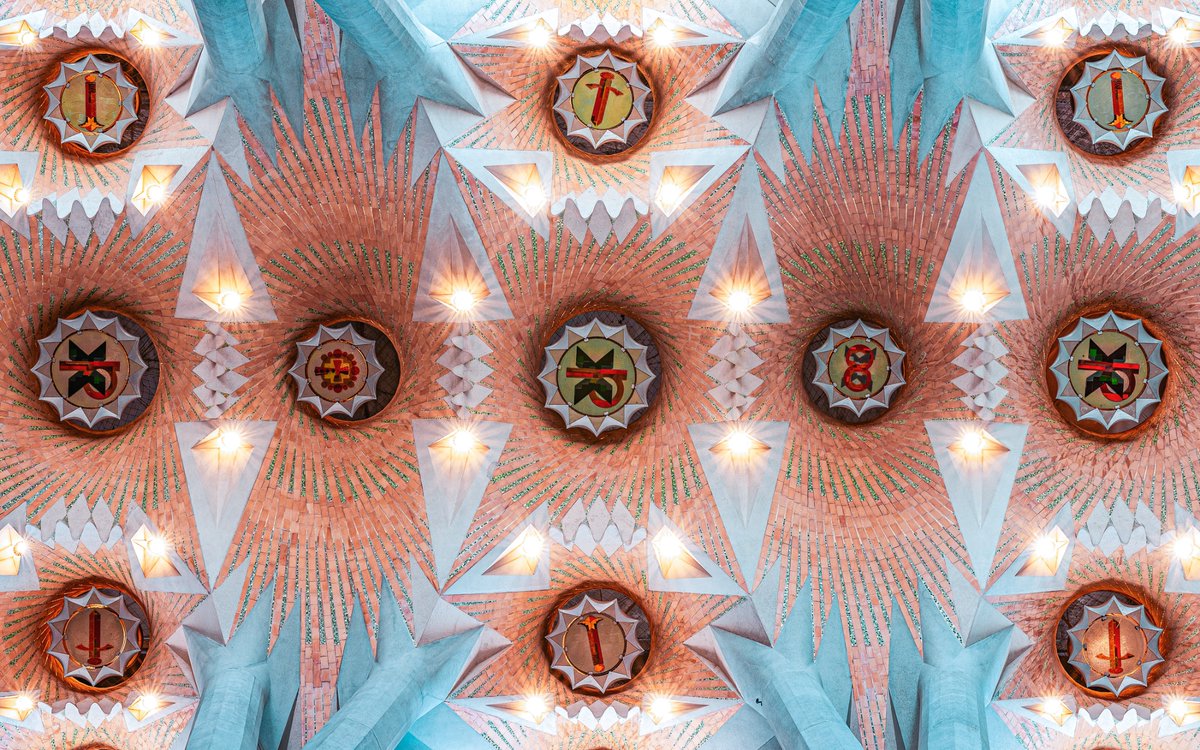
If satan's catholic church sagrada família doesn't look demonic to you
You need a NEW HEART/EYES transplant from JESUS
1
2
43
I'll bet this is the LAST church of this scale that is permitted by GOD to allow satan to build in all of earth's history
satan's grandest building

🚨🚨🚨🚨🚨🚨🚨🚨🚨🚨🚨💒🔔💒🔔💒🔔💒🔔💒🔔💒
✝️✝️✝️✝️✝️✝️✝️✝️✝️✝️✝️
THIS IS AMAZINGLY BEAUTIFUL !!!
144 under construction !!
🤔😳❤️
I hope the Muslims don’t knock it down !!
This Cathedral puts all other cathedrals that I’ve seen to shame. And I’ve been to St. Patrick’s. Saint Patrick has beautiful art work in it. Sagrada Família Is the artwork. It is absolutely stunning.
2
46
3 Angels Ministries retweeted

25 Oct 2023
satan personates CHRIST
NOT YET, BUT TO COME
3
13
24
1,704
satan's catholic church is almost fully healed from it's deadly wound in 1798
The arrest of pope pius the 6th was ordered by the French Directory (the government of France at the time) and executed by General Louis-Alexandre Berthier, who commanded the Army of Italy
Revelation 13
3 And I saw one of his heads as if it had been mortally wounded, and his deadly wound was healed. And all the world marveled and followed the beast. 4 So they worshiped the dragon who gave authority to the beast; and they worshiped the beast, saying, “Who is like the beast? Who is able to make war with him?”

13
2
7
1,429
Exodus 16:27 Now it happened that some of the people went out on the seventh day to gather, but they found none. 28 And the Lord said to Moses, “How long do you refuse to keep My commandments and My laws? 29 See! For the Lord has given you the Sabbath; therefore He gives you on the sixth day bread for two days. Let every man remain in his place; let no man go out of his place on the seventh day.” 30 So the people rested on the seventh day.
18
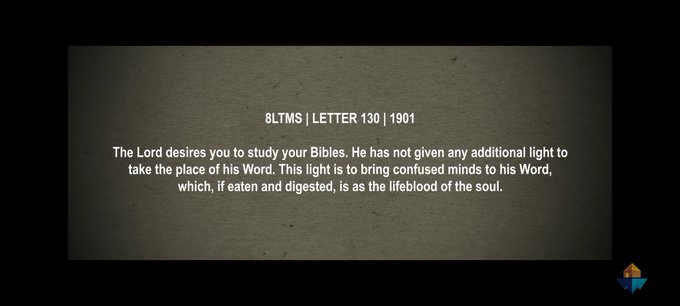
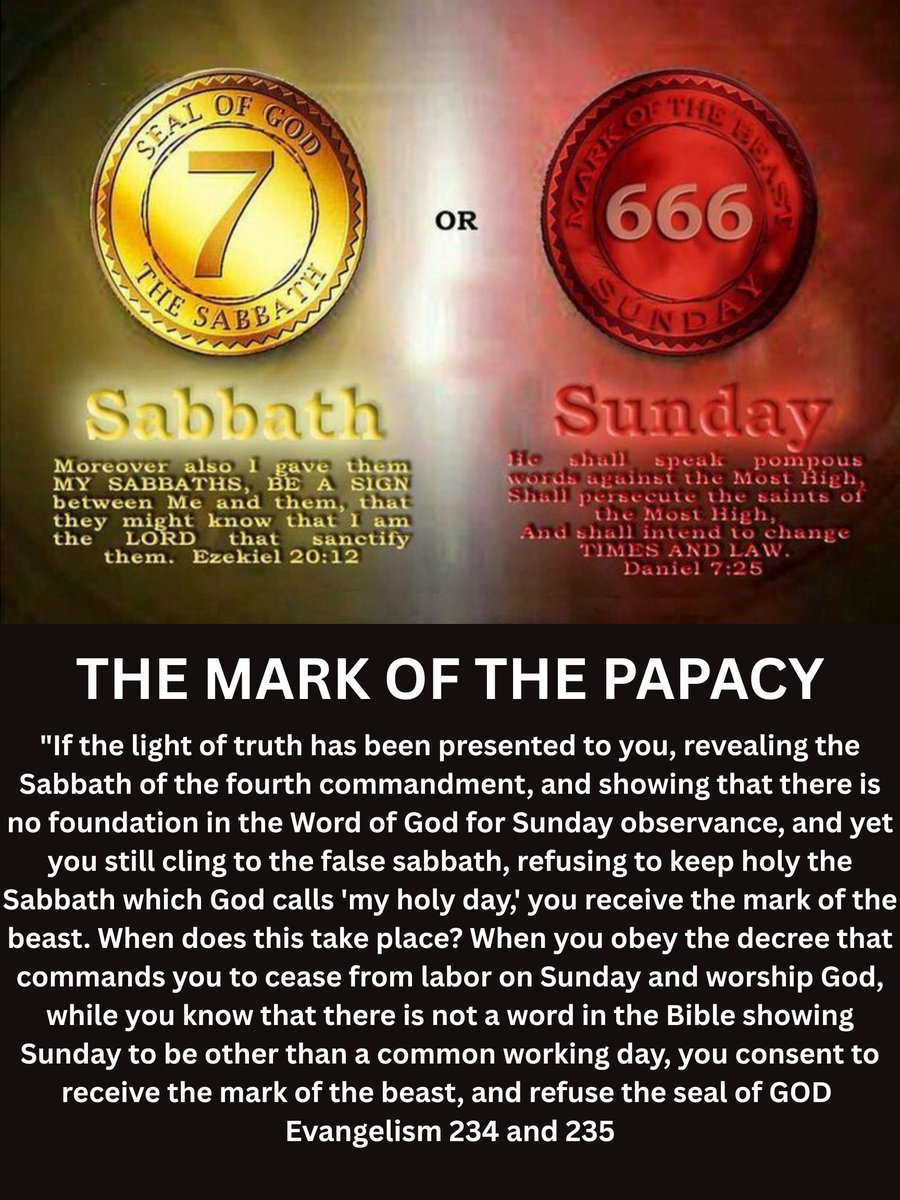
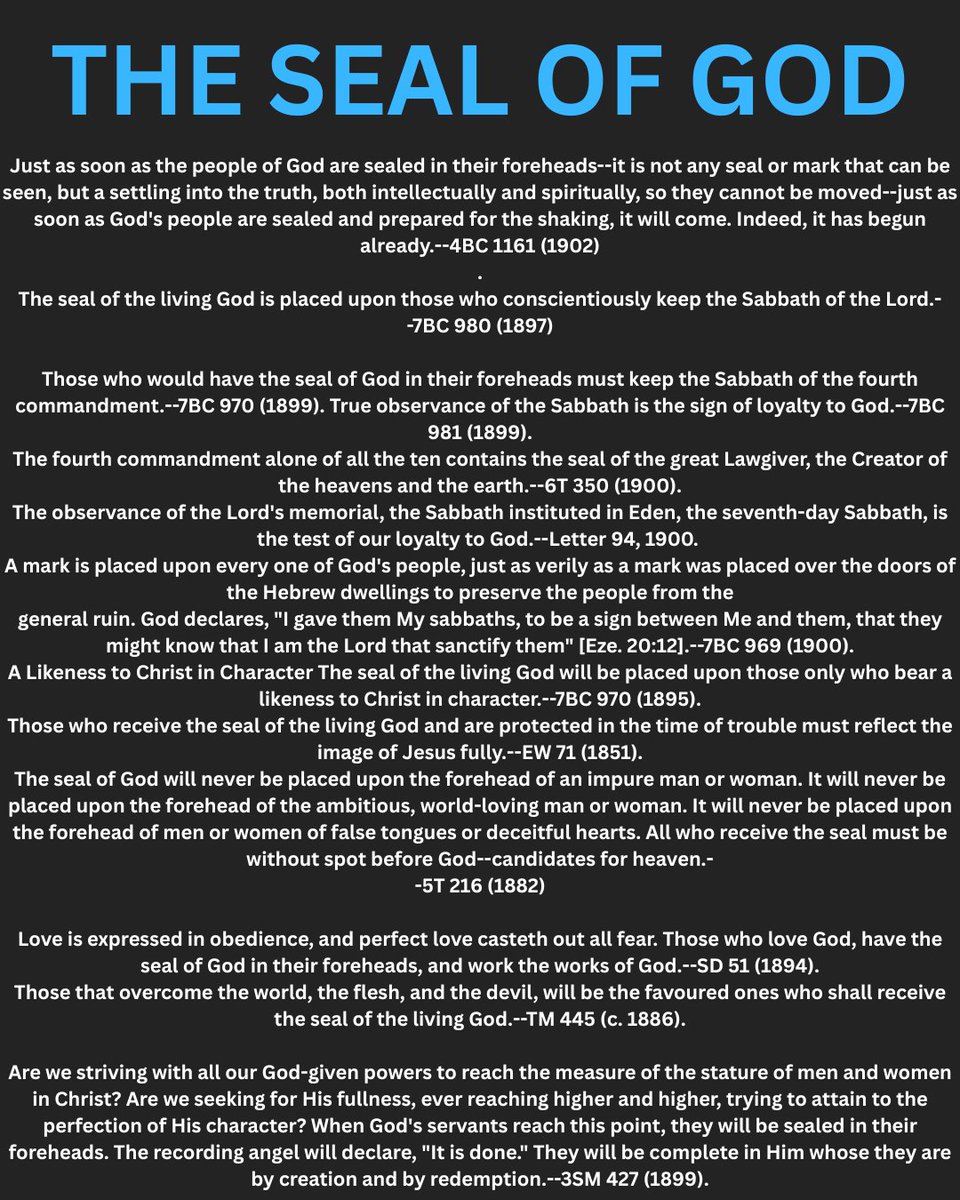
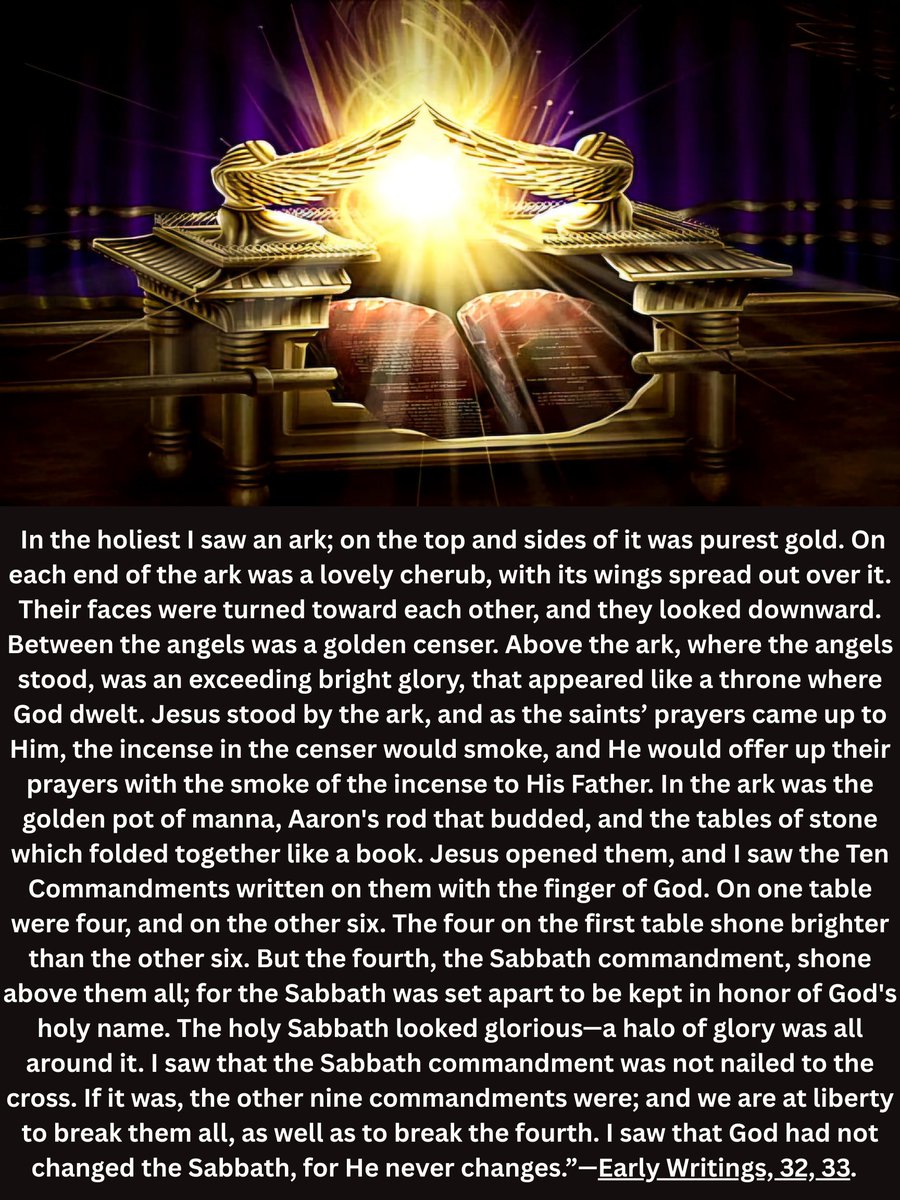
Here's how we can be 100% sure that GOD used Ellen White to be the last day prophet before HIS return and to give plain understanding what the mark of the beast is in PLAIN view so we do not have to guess
1. Guided everyone to READ AND STUDY THE STANDARD OF TRUTH, THE BIBLE
2. Guided everyone to keep GOD'S 10 COMMANDMENTS, THE STANDARD OF RIGHTEOUSNESS and especially THE HOLY 7TH DAY 4th commandment.
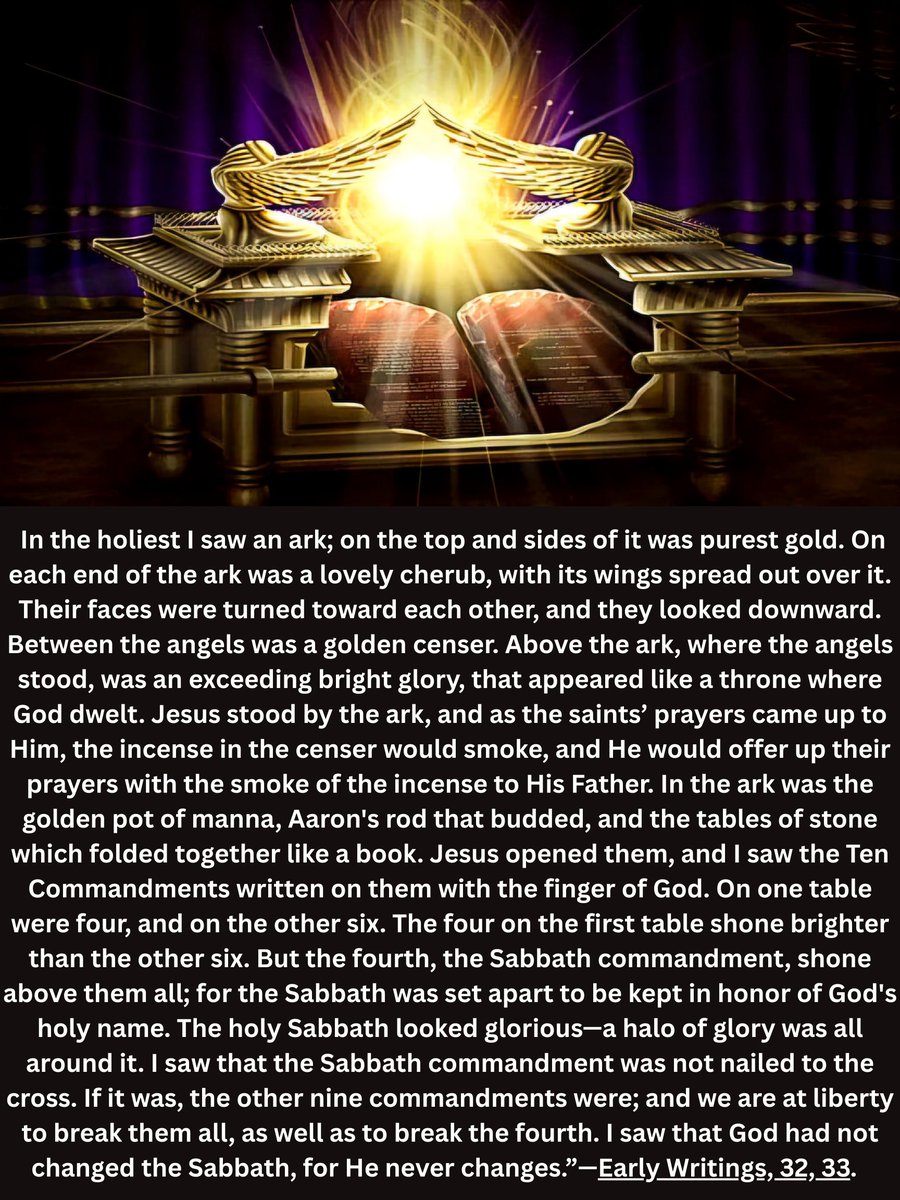
3. Seen the Ark of the covenant and 10 commandments in heaven by vision
Isaiah 8:20
To the law and to the testimony! If they do not speak according to this word, it is because there is no light in them.
Psalm 119:142
Your righteousness is an everlasting righteousness, And Your law is truth.
3
3
2
132
The universe worships GOD TODAY - (7th day) 👈👈👈
NOT tomorrow on sunday
Leviticus 23:3
The Sabbath
‘Six days shall work be done, but the seventh day is a Sabbath of solemn rest, a holy convocation. You shall do no work on it; it is the Sabbath of the Lord in all your dwellings.
1
2
2
67
Pray this prayer before watching
FATHER GOD, reveal to me how to keep HOLY YOUR 7TH DAY SABBATH, that I may have the heart and obedience to follow your eternal path of righteousness, in JESUS'S name, Amen
1
1
44
How do you expect MERCY and GRACE from GOD if you don't want to obey GOD AND HIS LAWS?
Exodus 20:6 but showing mercy to thousands, to those who love Me and keep My commandments.
Exodus 20:8 “Remember the Sabbath day, to keep it holy.
Exodus 20:9 Six days you shall labor and do all your work,
Exodus 20:10 but the seventh day is the Sabbath of the Lord your God. In it you shall do no work: you, nor your son, nor your daughter, nor your male servant, nor your female servant, nor your cattle, nor your stranger who is within your gates.
Exodus 20:11 For in six days the Lord made the heavens and the earth, the sea, and all that is in them, and rested the seventh day. Therefore the Lord blessed the Sabbath day and hallowed it.
30
So is SUNDAY worship


1
1
42
We must be conditioned to pray 5 times everyday at specific times according to THE WORD OF GOD and 7 times like ELIJAH for the LATTER RAIN
1. Wake up/before 9am
2. 9 a.m
3. Noon/12 p.m
4. 3 p.m
5. 5 p.m
Matthew 20 has all the time frames
youtube.com/live/Ki0NUbobZiw…
1
1
48
Under diocletian
10 days = 10 years in Bible prophecy
Diocletian ruled the Roman Empire for 20 years (284–305 CE), and his reign was famously marked by the Great Persecution of Christians, an attempt to eradicate the religion that lasted 10 years (303–313 CE).
Revelation 2:8 The Persecuted Church
“And to the angel of the church in Smyrna write,
‘These things says the First and the Last, who was dead, and came to life:
Revelation 2:9 “I know your works, tribulation, and poverty (but you are rich); and I know the blasphemy of those who say they are Jews and are not, but are a synagogue of Satan.
Revelation 2:10 Do not fear any of those things which you are about to suffer. Indeed, the devil is about to throw some of you into prison, that you may be tested, and you will have tribulation ten days. Be faithful until death, and I will give you the crown of life.
1
1
1
112