
Building EDIT by DIY Render. Since 2006, teaching and creating 50k concept / 3D architectural renderings.
Joined February 2009
- Tweets 3,145
- Following 221
- Followers 7,596
- Likes 445
316 Photos and videos

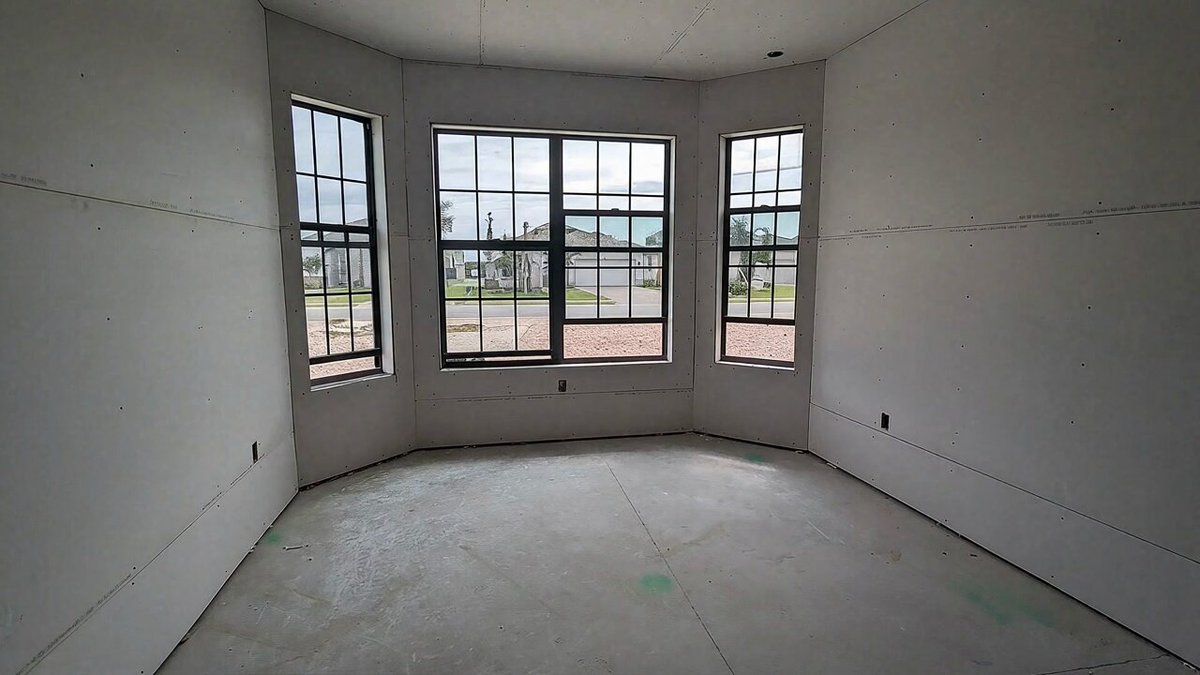






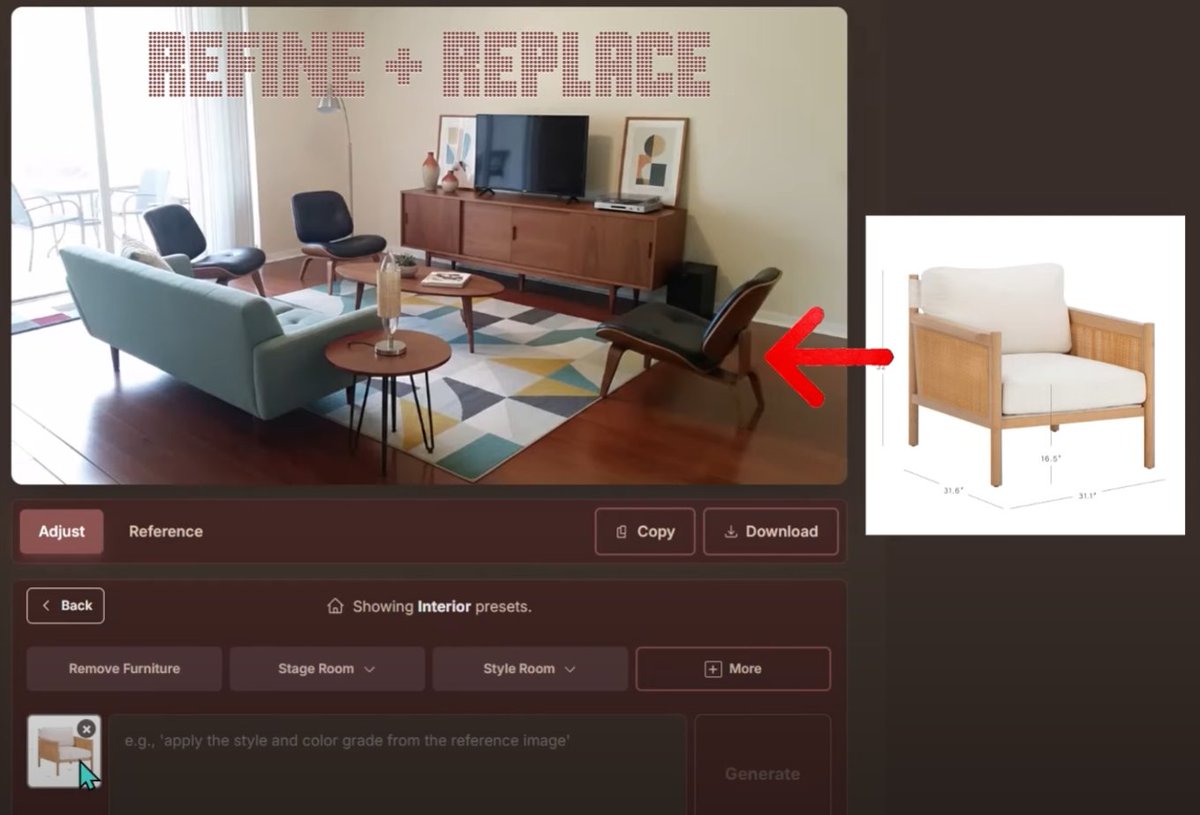

11 Apr 2025
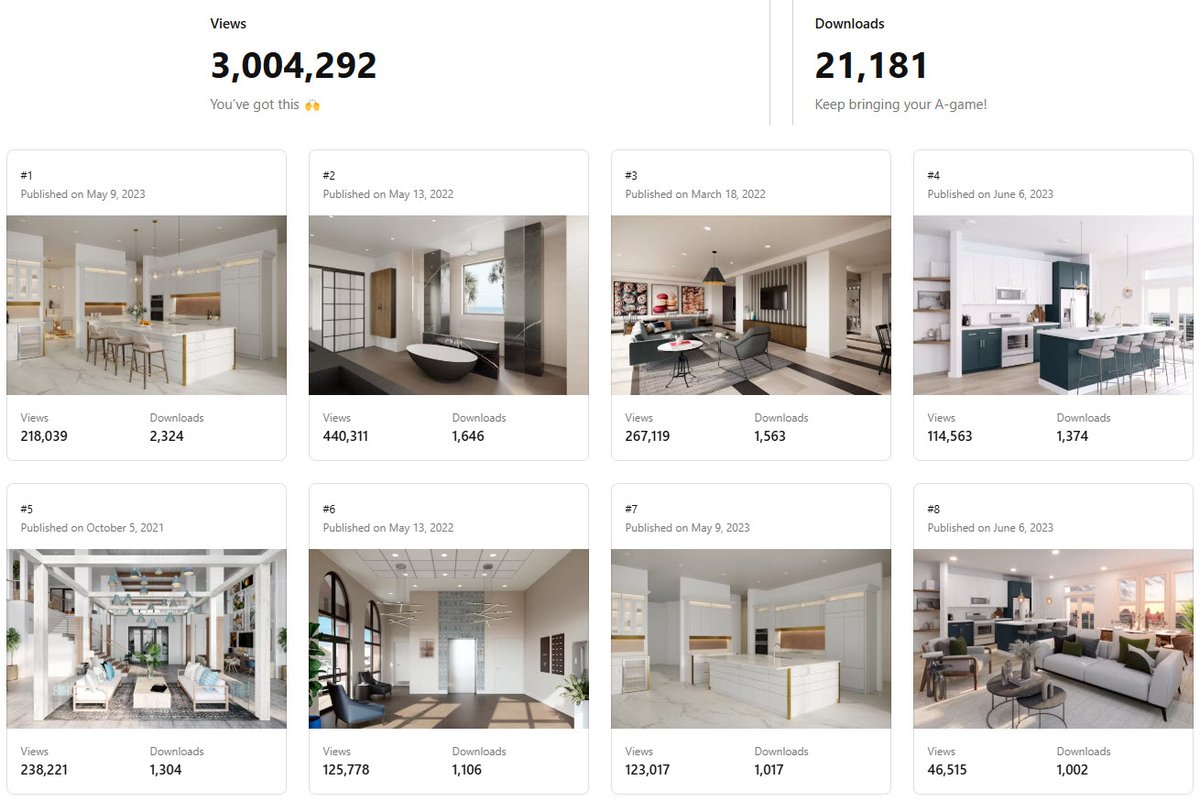
1 year, 3 months later @unsplash stats: 3 million views & 21k downloads (8 have over 1k each). Our most downloaded renderings continue to be bathrooms, kitchens and lobbies.
Download at unsplash.com/@brianzajac/
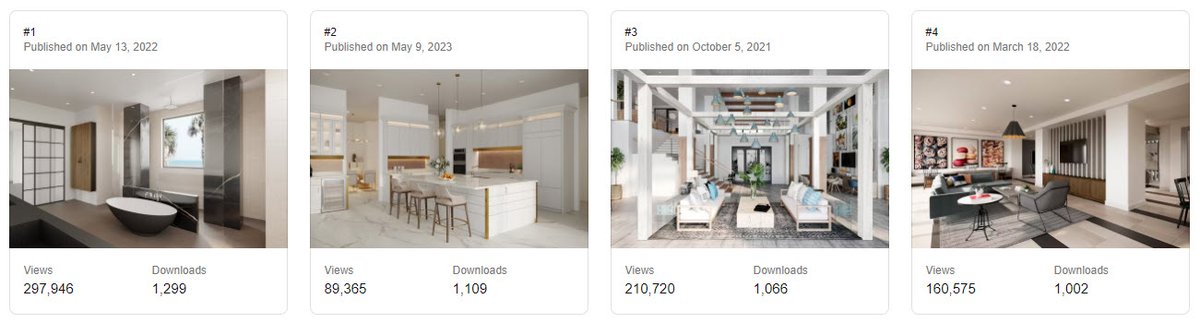
30 Jan 2024

My top 4 @unsplash renderings now receive 1k downloads each. Top performers continues to be bathrooms, kitchens, and lobbies.
3
1
212
Feb 6
New milestone: 5,025,671 views, 35,363 downloads. Download our free architectural renderings at unsplash.com/@brianzajac/
1
74
Brian Zajac retweeted

Jan 25
517
1,496
13,901
4,495,874
Brian Zajac retweeted

Jan 14
The biggest takeaways/nuggets from my interview with @GeoffreyHuntley on AI-native software engineering and the Ralph loop:
1. Software development and software engineering are now two different professions, and one of them is over. Software development, the work of translating tickets into code, can now be done by anyone for $10-42/hour while they sleep. Software engineering, architecture, security, requirements breakdown, understanding failure modes, is where humans still matter. If you identify as a "software developer," you're competing against a bash loop. If you identify as a "software engineer," your job is to orchestrate the loops.
2. The moat you think protects your software product doesn't exist anymore. Geoffrey argues you can clone any SaaS product, even those with BSL licenses or proprietary enterprise code, using AI. He ran Ralph in reverse on HashiCorp Nomad's source code to generate clean-room specifications. When he hit gaps from missing enterprise features, he ran Ralph over their marketing materials and product docs to fill them in. Any company relying on licensing or code secrecy as a competitive moat needs to rethink their strategy.
3. Cursor, Windsurf, and every other AI coding tool are essentially the same thing: a loop that automatically copies and pastes. Geoffrey built these tools professionally and says the harness does almost nothing; the model does all the work. There's no real moat in the harness business when you're reselling tokens. The only differentiator is taste and UX. Stop evaluating tools and start learning the underlying patterns.
4. Ralph is not a product. It's an orchestrator pattern for running thousands of AI loops. The simplest version is a bash loop that deterministically allocates memory, lets the LLM pick one task, executes it, then starts fresh. The key insight: every loop gets a brand new context window. You avoid compaction (where the AI gets dumber as context fills up) by never letting the context window accumulate competing goals. Your institutional knowledge lives in specification files, not in the context window.
5. Specifications are the new source code. Geoffrey's workflow: spend 30 minutes in conversation with AI, drilling into requirements, making engineering decisions, building up specs. Then throw those specs to Ralph and get weeks worth of work in hours. The specs act as a "pin" that reframes every fresh loop with your domain knowledge. He doesn't hand-write specs. He code-generates them through structured conversation. Prototypes are now free. Refactoring is cheap.
6. The entry-level path into software engineering is closing fast. Geoffrey's company stopped hiring juniors for a year until they figured out how to interview for AI-native skills. There's already a cohort of juniors who've been practicing these techniques for six months. They'll work at a quarter of senior wages and outship them. If you're just picking up these tools today, you're behind. The new interview question: can you explain how to build a coding agent on a whiteboard?
7. Senior engineers who refuse to adapt are in more danger than juniors who embrace it. Geoffrey sees respected engineers taking hardline stances against AI ("it's installing fascism in your codebase"). Meanwhile, leadership teams are discovering Ralph and realizing three people can run the output of an entire org. When commit velocity and product velocity diverge that dramatically between adopters and non-adopters, founders notice. The hard line is coming.
8. AI is an amplifier of operator skill, not a replacement for it. If you're great at security and you get good at AI, you become a weapon. If you're mediocre and you use AI, you're still mediocre, just faster. The skill gap comes from "discoveries": learning the tricks, the loop-backs, the ways to close the automation loop. These techniques don't have standardized language yet. We're inventing the terms for the new computer every day.
9. Open source may no longer make sense for most use cases. Geoffrey, a former prominent open source maintainer whose land was funded by Open Collective, no longer uses open source libraries. His reasoning: every dependency injects a human into the loop. If there's a bug, you open a PR, chase a maintainer, wait. That's not automation. Instead, code-generate what you need. The exception: don't generate cryptography or security-critical code unless you have the domain expertise to verify it.
10. Programming languages now have a tier list based on how well AI agents can work with them. S-tier: Rust, TypeScript (especially with Effect.js), Python with Pydantic. These are source-based with strong type systems that reject invalid generations and work well with ripgrep for code discovery. F-tier: Java and .NET. Their DLL-based dependency systems don't work natively with the search tools AI agents use. The tradeoff with Rust: compilation is slow, so bad generations cost more time.
11. Corporate AI transformation programs are dangerously slow. Three-to-four-year rollouts with coaches and committees won't cut it when three founders in Bali can Ralph your entire product and undercut your pricing by 99%. Smaller teams ship faster. By the time the transformation is done, the market has moved. Geoffrey calls this the "Titanic moment": the boat is full, get the next boat.
12. We have a new computer, and that's why the legends are coming out of retirement. The last 40 years of computing decisions were designed for humans: TTYs, environment variables, slow language evolution to avoid breaking mental models. Now we have robots. What's the bare minimum a robot needs? Geoffrey sees this as the most exciting time in computing. If you're not excited about what you can now build, you haven't truly picked up the new computer yet.
34
112
721
63,880
Brian Zajac retweeted

Jan 12
Crossed 1 billion images Nano Banana Pro images in @GeminiApp! The pro community is moving fast. This model has been out for 53 days.
Come for the potassium, stay for more. :)
69
86
1,012
102,523
Brian Zajac retweeted

Jan 12
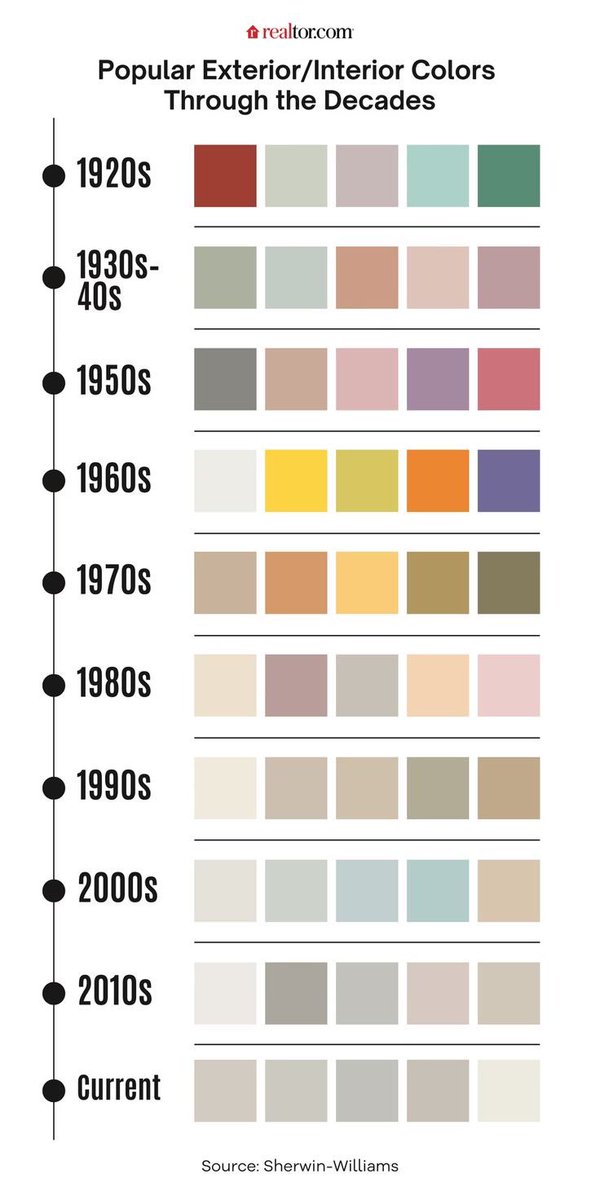
You can see the soul drain from society in real time.
1,468
9,512
62,934
3,815,704

I’ve started a blog. Here’s a guide on prompting Nano Banana Pro:
fofr.ai/nano-banana-pro-guid…
The blog was made with AI Studio, and Gemini 3 Pro in Cursor.
50
135
1,735
334,098
20 Nov 2025
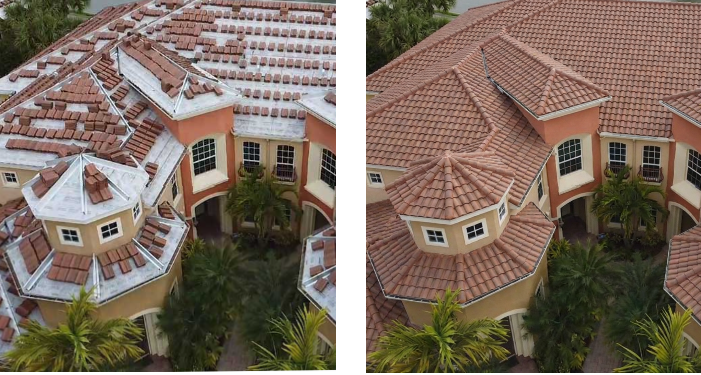
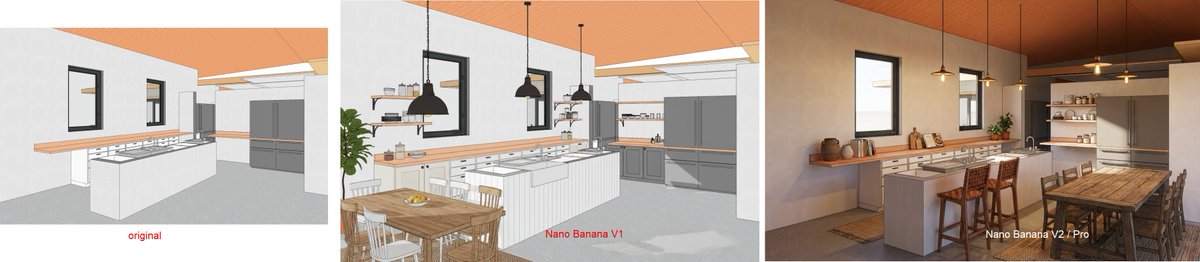
Nano banana (10 minute) results:
Roofs
- Version 1: Roofs with tarps are difficult. Got half of it right.
- Version 2: One-shot. Well done!
2D to 3D kitchen (incomplete)
- Version 1: Unusable even if you keep working on it.
- Version 2: Better. Will need 3-5 more rounds to fix.
1
216
20 Nov 2025
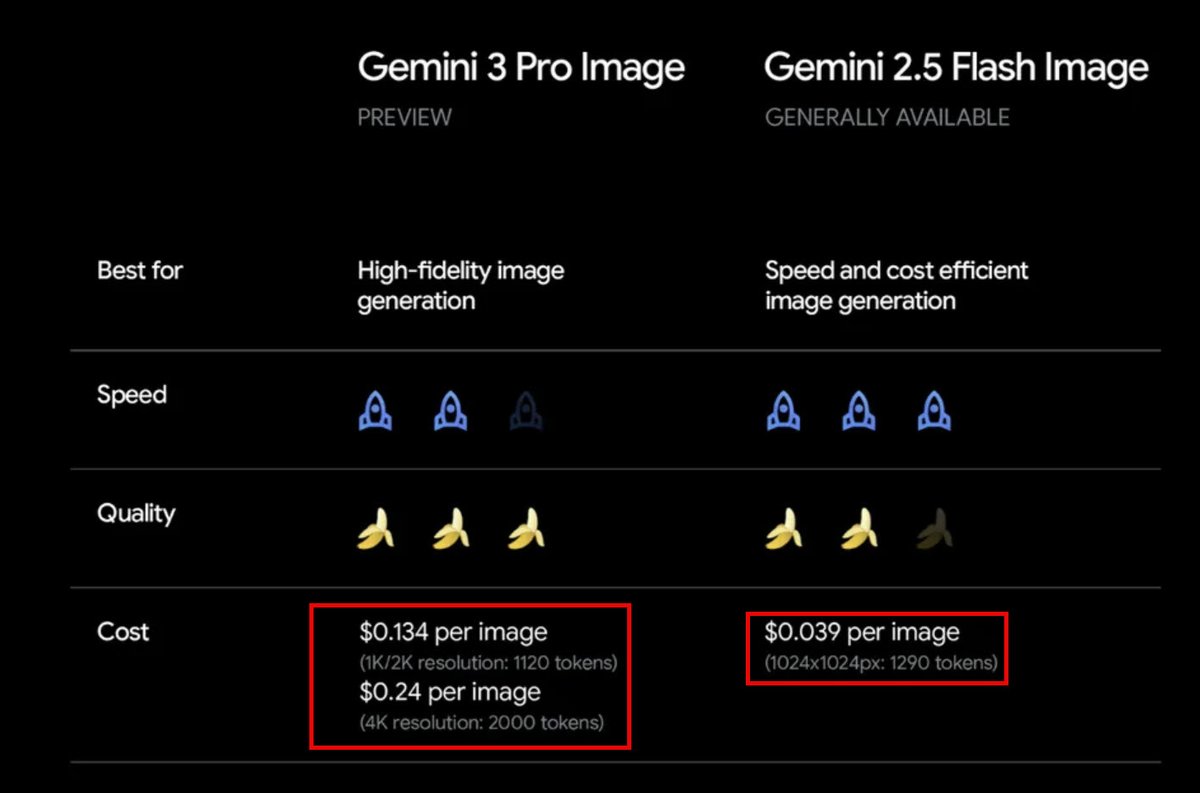
Note: 1k resolution output for each image (to keep things fair).
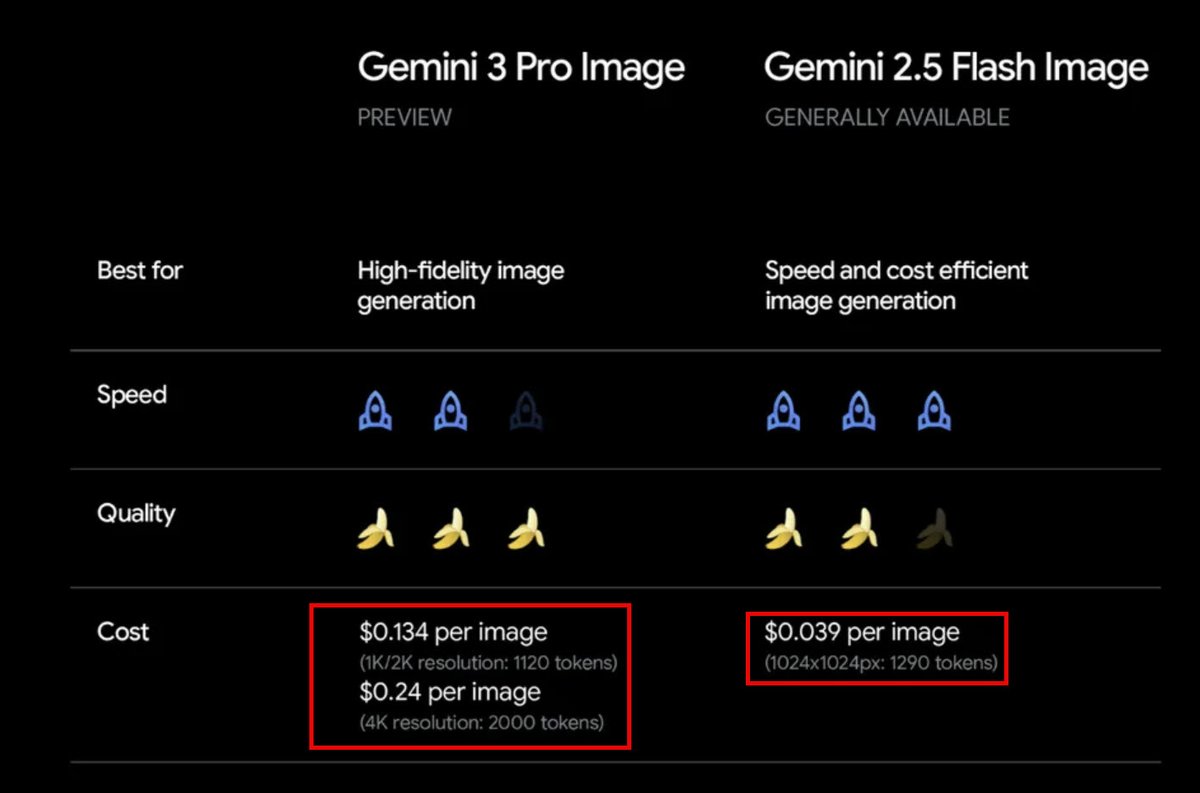
BIG ISSUE: Cost
3.5X cost increase per generation from V1 to V2.
Will the cost deter you from using version 2? If you build apps, will you switch to version 2?
1
130
20 Nov 2025
But I mean...c'mon! One-shotting unfinished roofs to completed versions.
98
19 Nov 2025
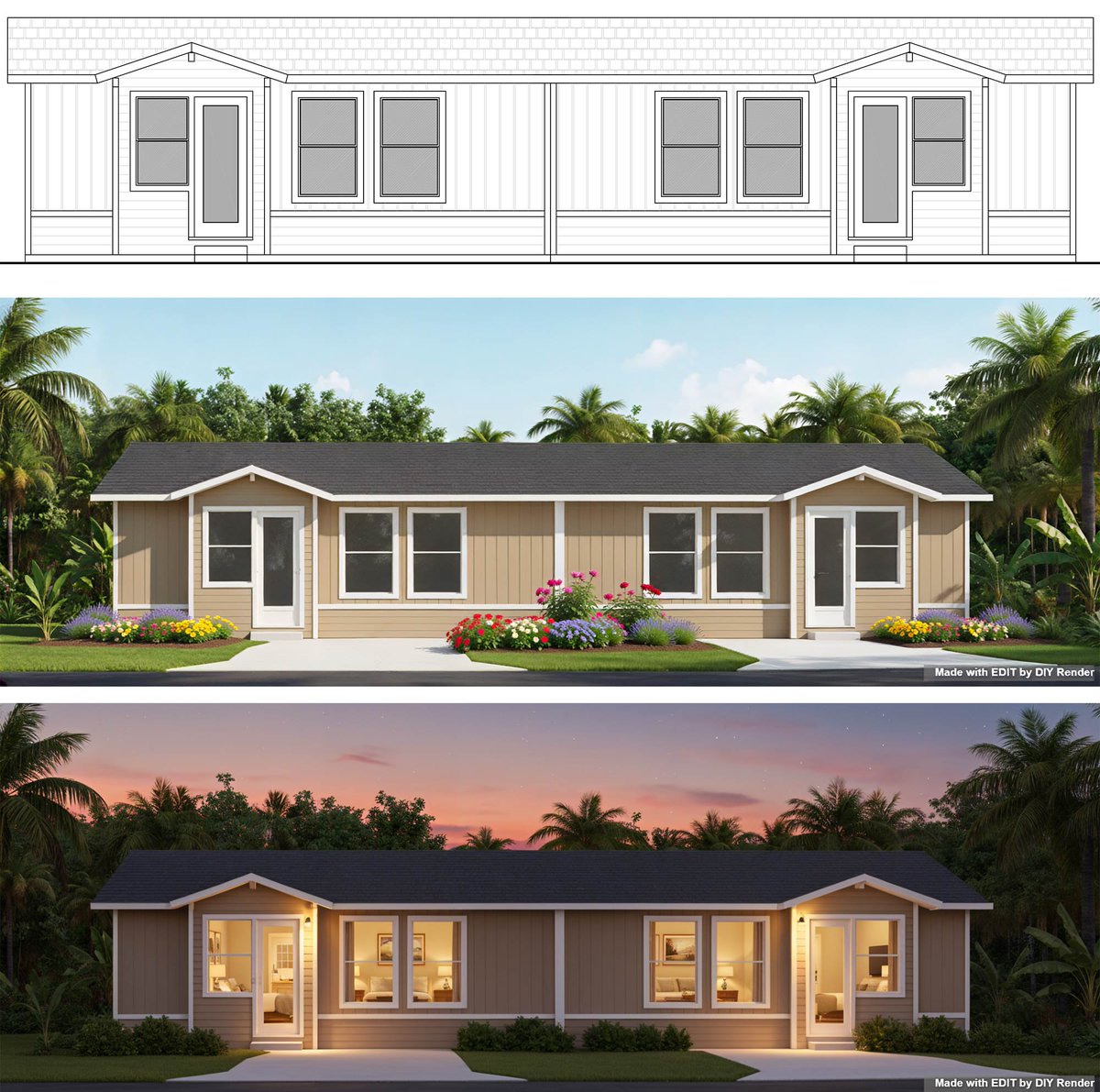
Client gave us 48 hours. We delivered in less than 24 hours.
Updated the 2D / CAD drawing then made the 3D elevation in our DIY Render app to finish it off.
1
107
Brian Zajac retweeted

5 Nov 2025
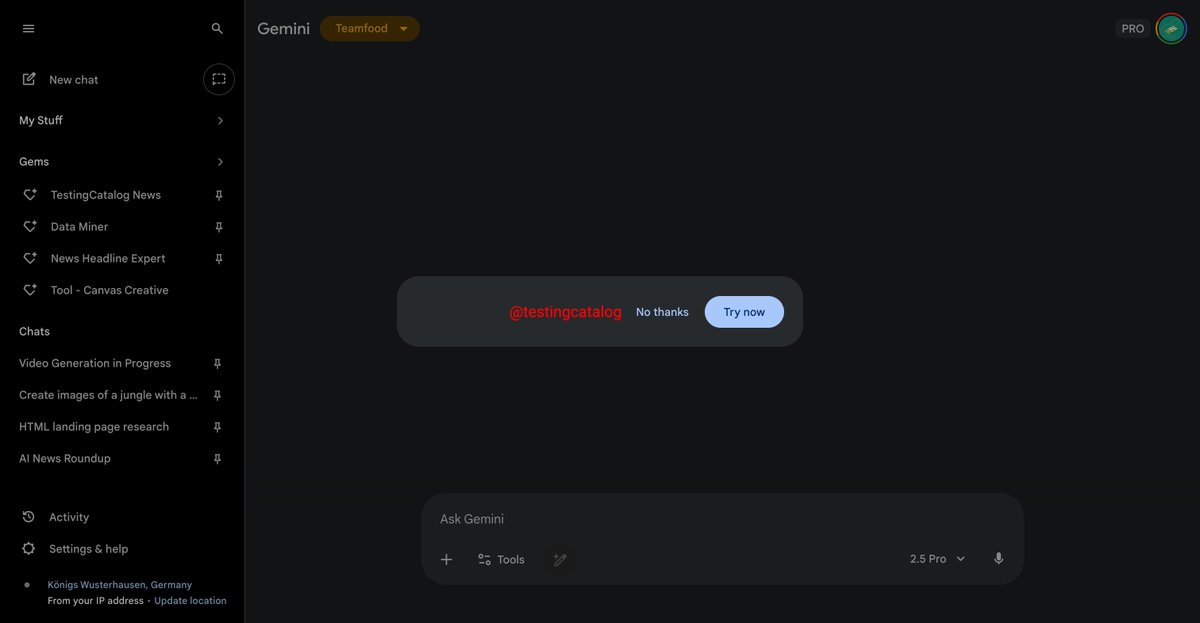
BREAKING 🚨: Google is preparing Nano Banana 2, "GEMPIX2," for an upcoming release!
A new announcement has been recently added to the Gemini website, which means that we should expect a release within the following weeks.
42
140
1,187
527,305

17 Oct 2025
Tried @philz1337x Crystal Upscaler from a Nano Banana render created. Unfortunately the vegetation is warped and roof shingles do not improve. Still unusable @GoogleLabs - please output higher resolutions soon! Detail & model in comments.



2
203
17 Oct 2025
Made on @replicate - replicate.com/philz1337x/cry… Detail of image. Notice the roof & landscaping.
1
114
13 Oct 2025
To the gentleman that called about "Domestic Animal Services" (DAS), we are 3DAS, not DAS. You need to call (239) 533-7387 🤦🤦♂️🤦♀️
117

8 Oct 2025
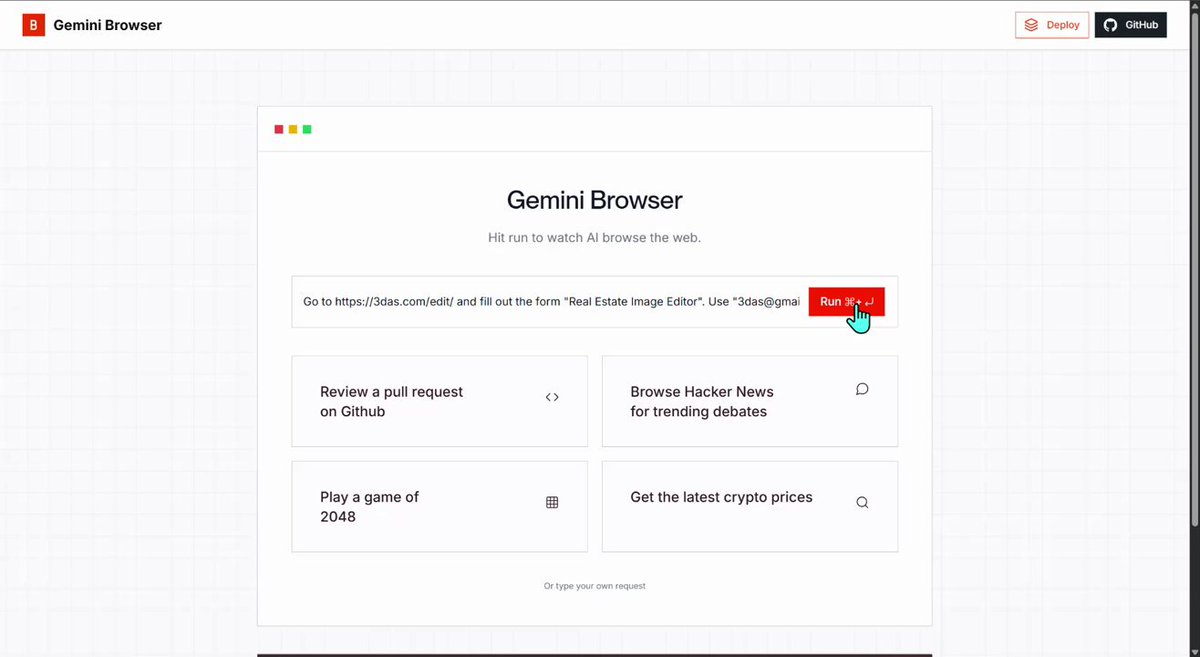
Tried gemini.browserbase.com/ today (for free) to auto test a web form our site. It's in real-time to show you how long it takes.
TL;DW (didn't watch) - it failed the registration which I believe is a good thing. I don't want bots registering to use our app!
1
114
6 Oct 2025
Getting some nice outputs from imagineart-1.0 Good way to update your presentation's past AI images.


6 Oct 2025

🔥 Big news for AI creators!
ImagineArt 1.0 - The World’s Most Realistic Image Model is now available on @replicate !
⚡ Generate ultra-real portraits, textures, & scenes with unmatched realism.
👉 Try it here: replicate.com/vyroteam/imagi…

1
1
169
25 Sep 2025
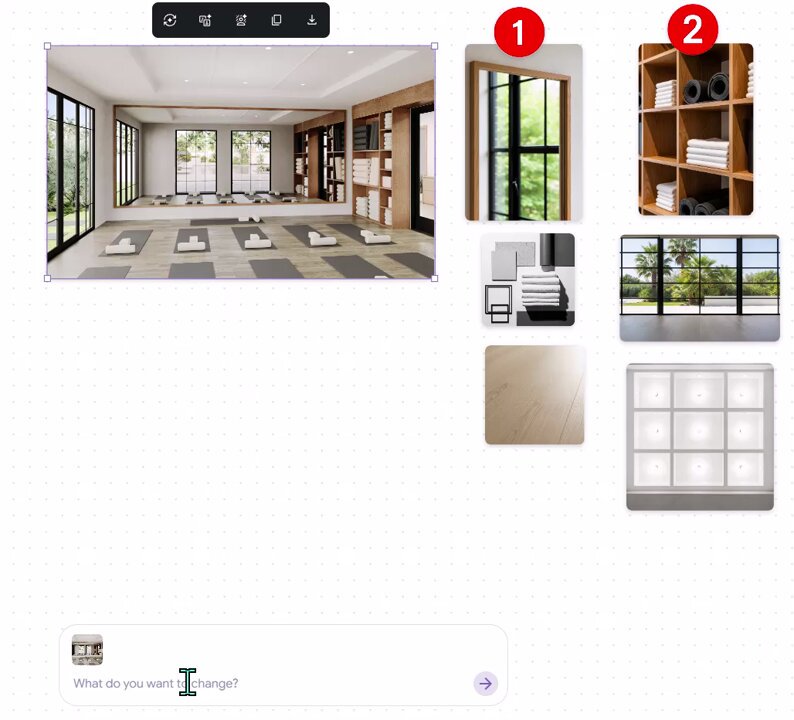
Tried @GoogleLabs Mixboard. Prompt in comment. Some samples are good (rows 1 & 2 are others I made prior), some are way off. Would you use it with or replace @Pinterest?
1
2
131
25 Sep 2025
Prompt: create multiple images for a mood board using only materials and objects from this image
Use: labs.google.com/mixboard/pro…
1
86