
Using food as an effort for community revitalization through purchasing farmland for farm to table resources, preserving Black culture, foodways, and legacy
Joined June 2020
- Tweets 1,717
- Following 496
- Followers 1,844
- Likes 323
1,492 Photos and videos
Pinned Tweet

18 Jun 2021
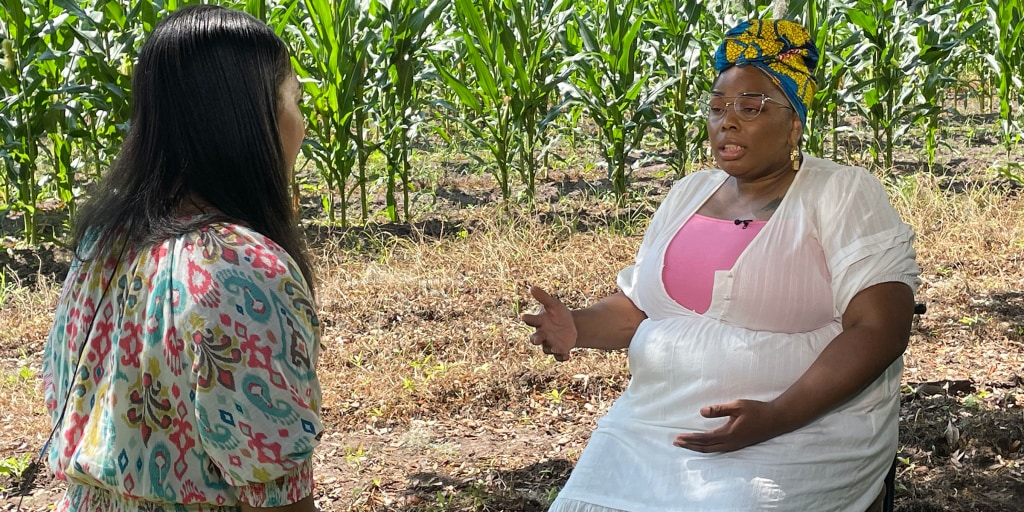
Thank you to @TODAYshow @TODAYFood for highlighting @ADIE_ML along with the @MulomaHeritage and The 40 Acres Project's mission as we celebrate #JuneTeenth2021 on.today.com/35zzSEq
18 Jun 2021

"(Land) allows us to navigate in this world, to create our history, to respect our history, but also bring forth our future," said chef Adrian Lipscombe of @40acresproject. on.today.com/3qeo43V
7
28
30 Jun 2022
We often talk about the southern cuisine that is part of our American culture. Let’s not forget that Black Americans in the north made great contributions to our culinary history, as well. bit.ly/3qzsJfl
1
2
9
30 Jun 2022
It's now our second anniversary and as we enter our third year, we want to share what we're working on in connection to our mission to purchase Black-owned farmland, preserve Black foodways and Black culture. bit.ly/3OkiuIq
30 Jun 2022
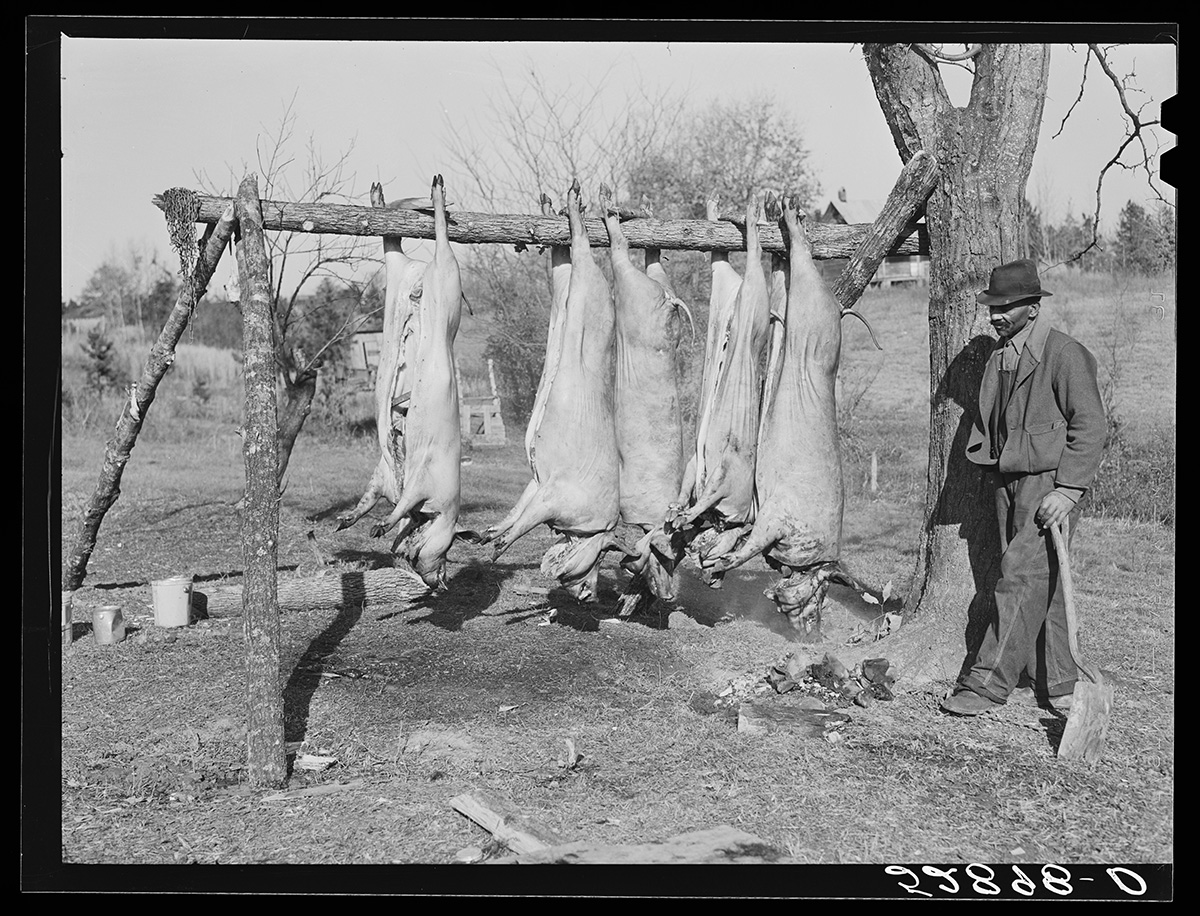
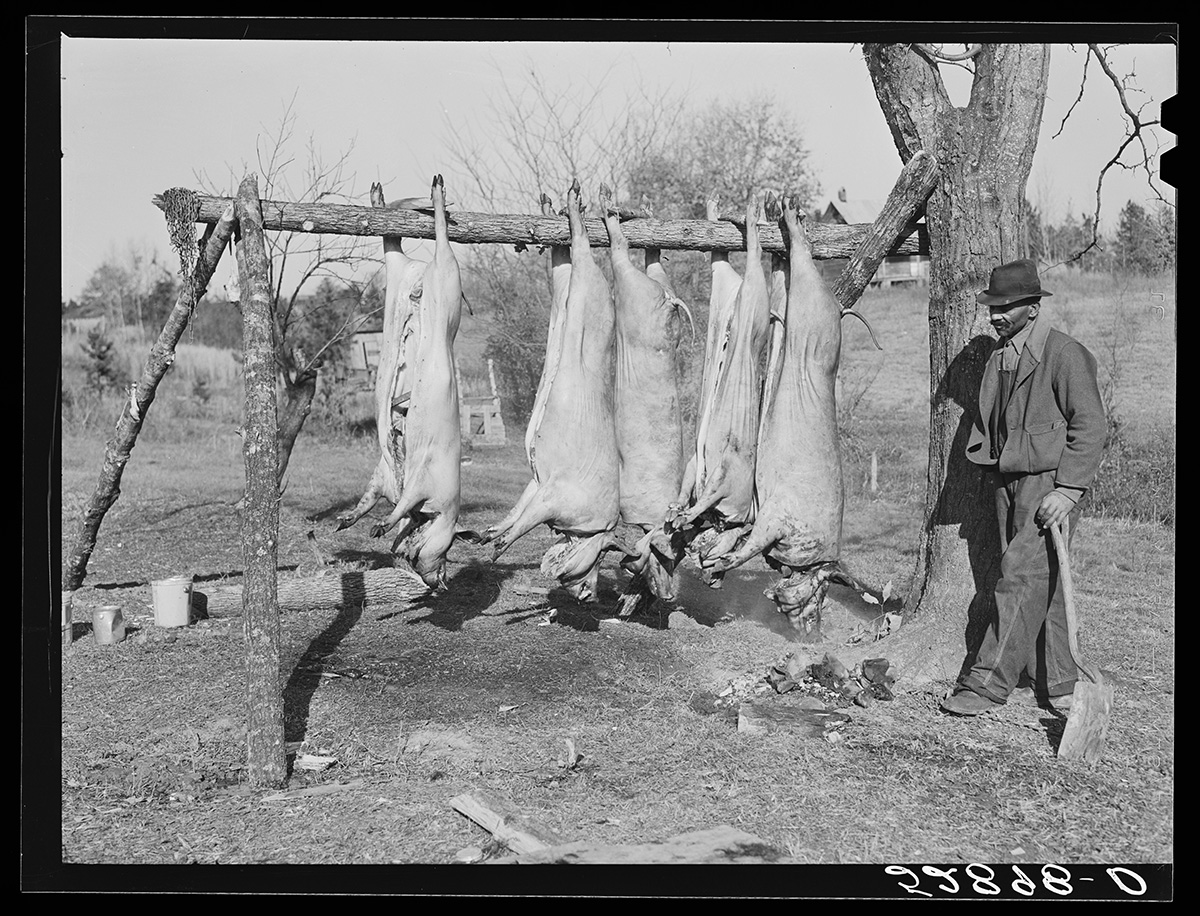
Enslaved Africans and freedmen tilled the farmland and raised cattle, hogs, and poultry and slaughtered these animals to be sold. From 1788-1864, some were allowed to, “hire their time,” to work for butcher shops by paying their slave owners each month. bit.ly/3QjKo8Y
2
30 Jun 2022
Imagine if formerly enslaved Black Americans were given their “40 acres and a mule” as promised by General Sherman’s Special Order No. 15?
There would be land worth approximately $4.6 Trillion in the Black community, today, according to Mark Hyman, M.D.
8
25
30 Jun 2022
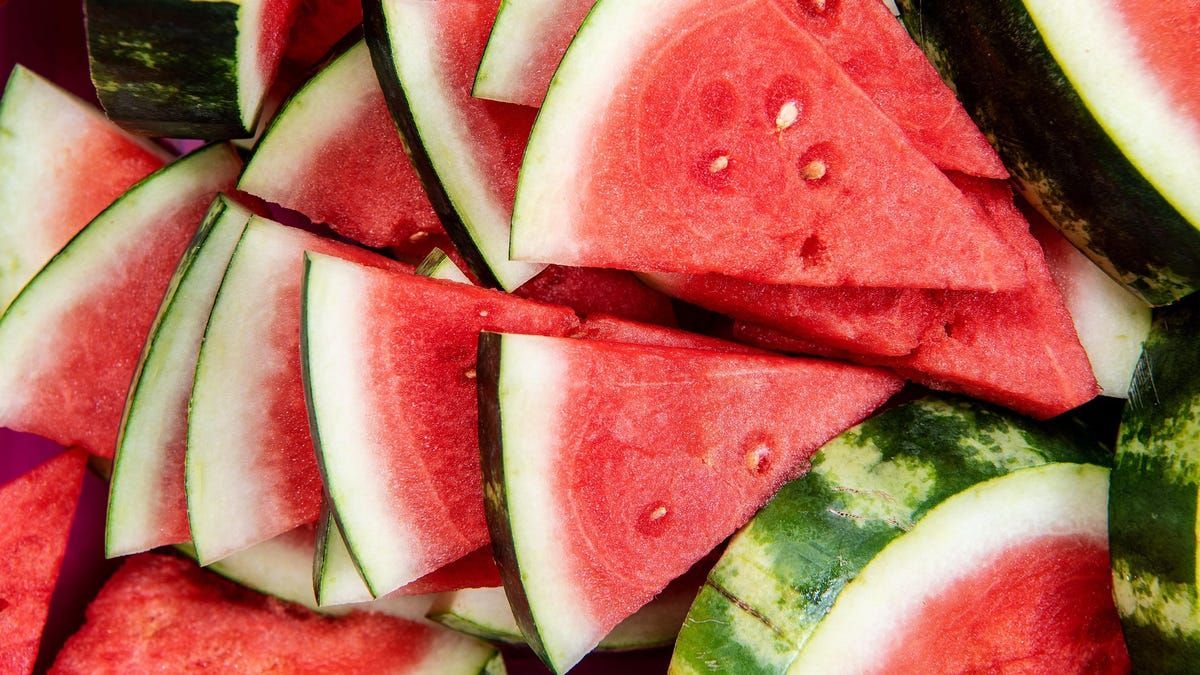
"...the selling and free enjoyment of watermelons by Black people was seen as a slap in the face to their former enslavers, who resented the enterprising spirit of the formerly enslaved." bit.ly/3BAflhR
1
29 Jun 2022
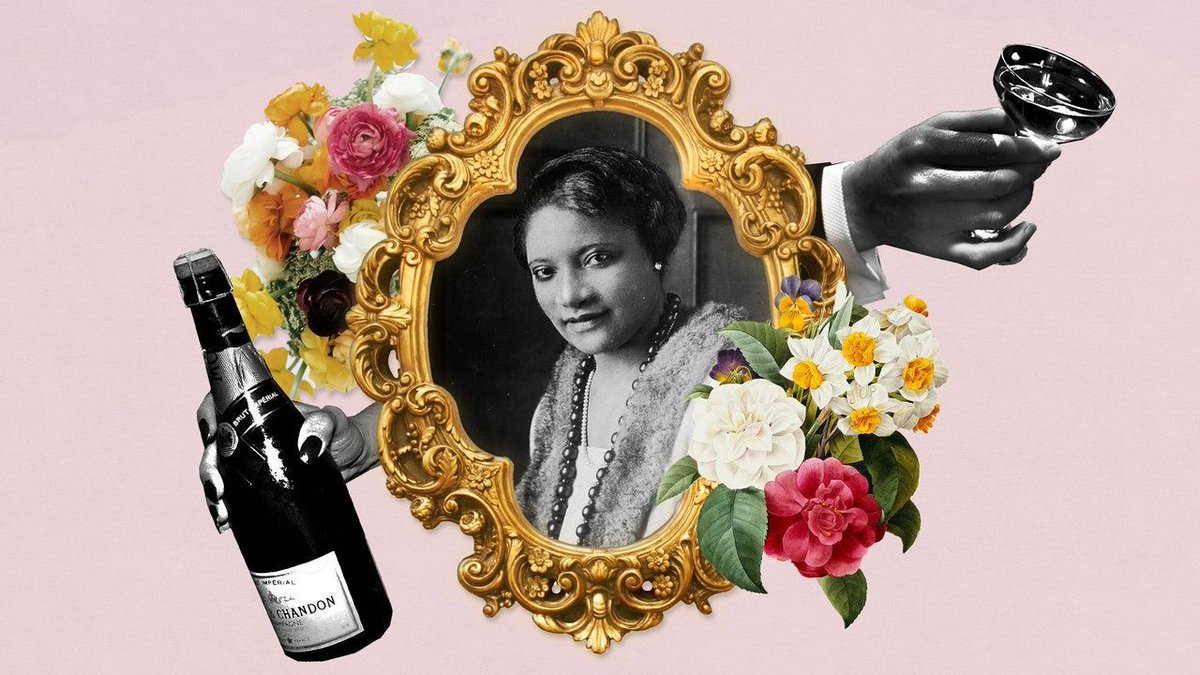
It's Pride Month and we're paying tribute to the unsung, "Joy Goddess of the Harlem Renaissance," who held safe spaces for the Black queer community. bit.ly/3brBSVy
2
29 Jun 2022
Women like Alabama widow Mary Martin operated a juke joint on her own property, selling liquor she brewed and food she made from fried fish to fried chicken to barbecue. bit.ly/3kVY24P
3
29 Jun 2022
The south was an incubator for bold American solutions to hunger and food access. And Black women were often the driver of our changing relationship to food, given their expertise and labor on the farms and in the kitchen. bit.ly/3dqmHt8
1
5
29 Jun 2022
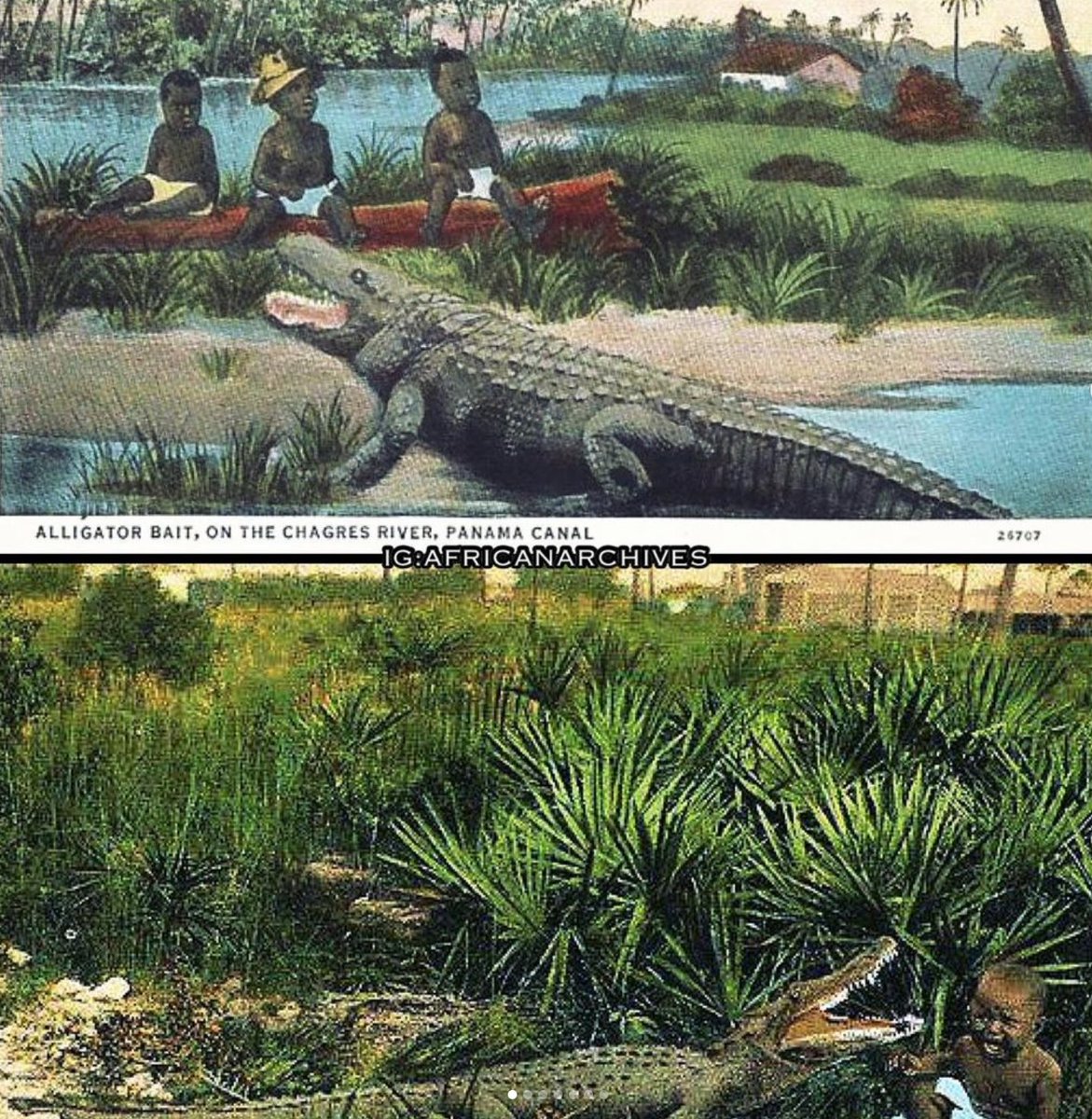
In the 1800-1900s, Black children were stolen from their families by alligator hunters to be used as bait. This was prevalent in many parts of the south. This horrific act was later characterized in sheet music, post cards, and figurines. (source/photo: @AfricanArchives)
2
5
27 Jun 2022
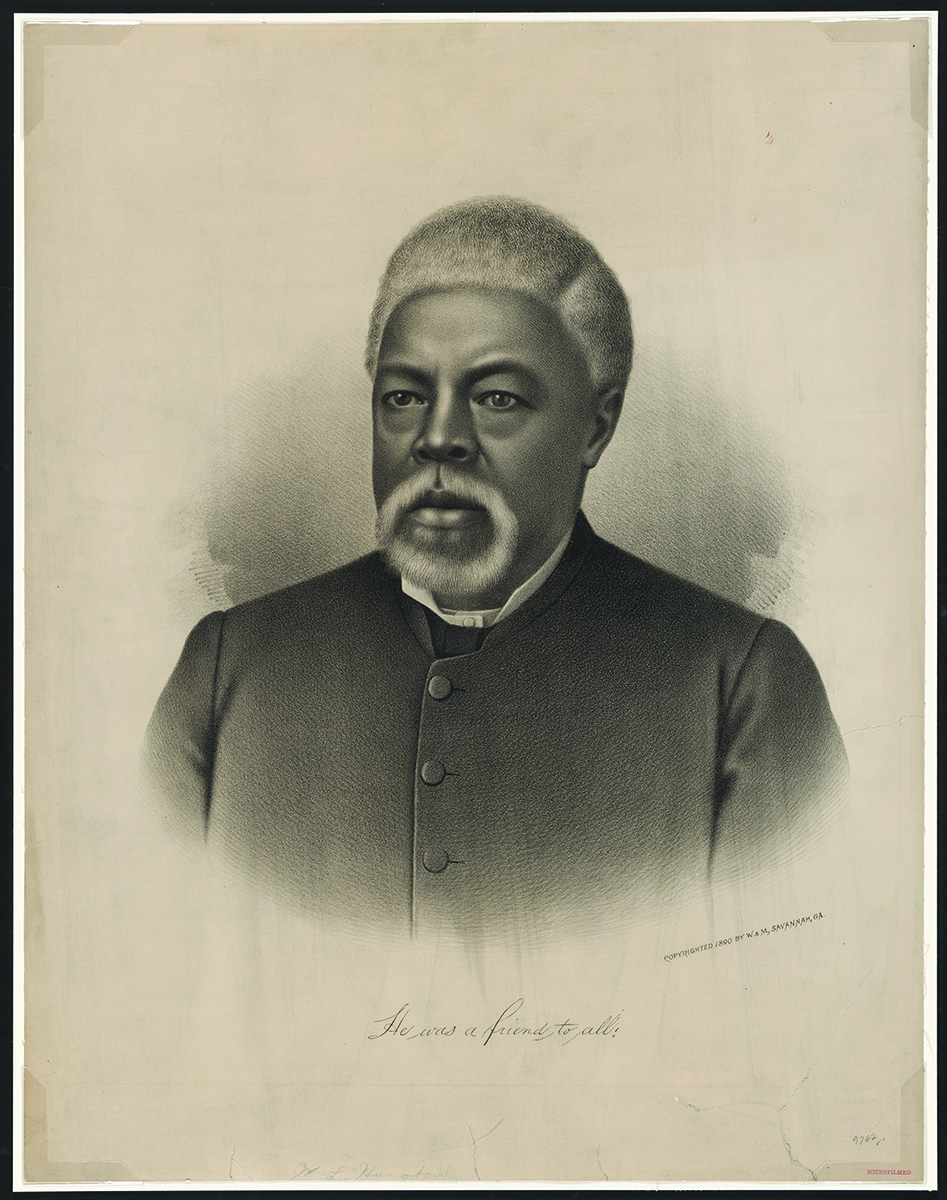
Enslaved Africans and freedmen tilled the farmland and raised cattle, hogs, and poultry and slaughtered these animals to be sold. From 1788-1864, some were allowed to, “hire their time,” to work for butcher shops by paying their slave owners each month. bit.ly/3QjKo8Y
1
2
27 Jun 2022
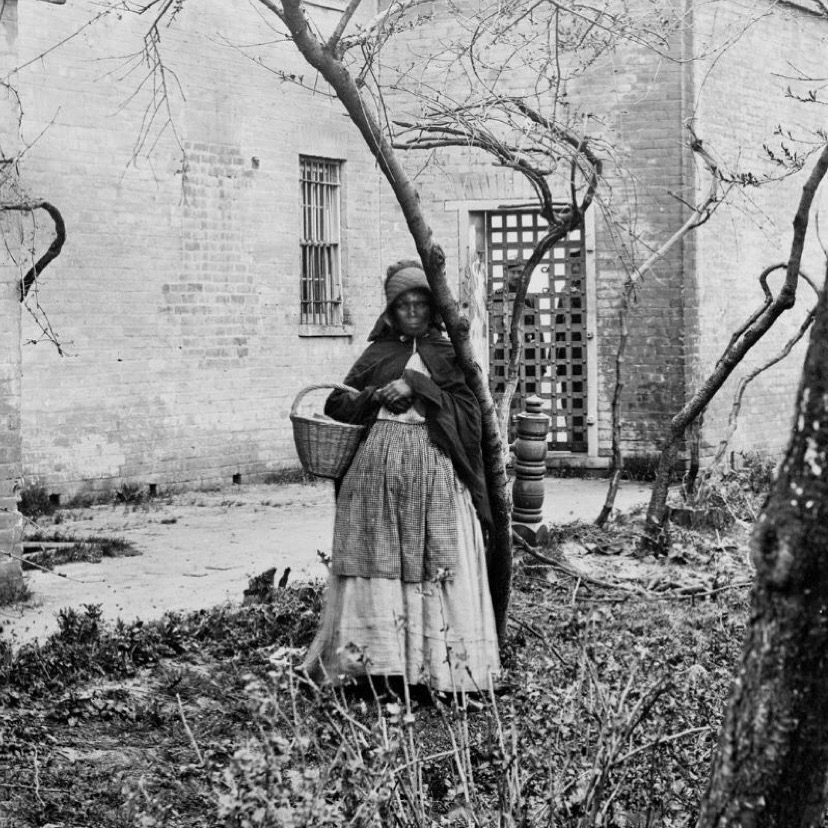
African American herbalism is a rich melange of many cultural traditions with deep origins rooted in African history dating back to ancient Egypt. It includes Arab and Asian practices that crossed paths due to trade and cultural exchange on the African continent.
1
27 Jun 2022
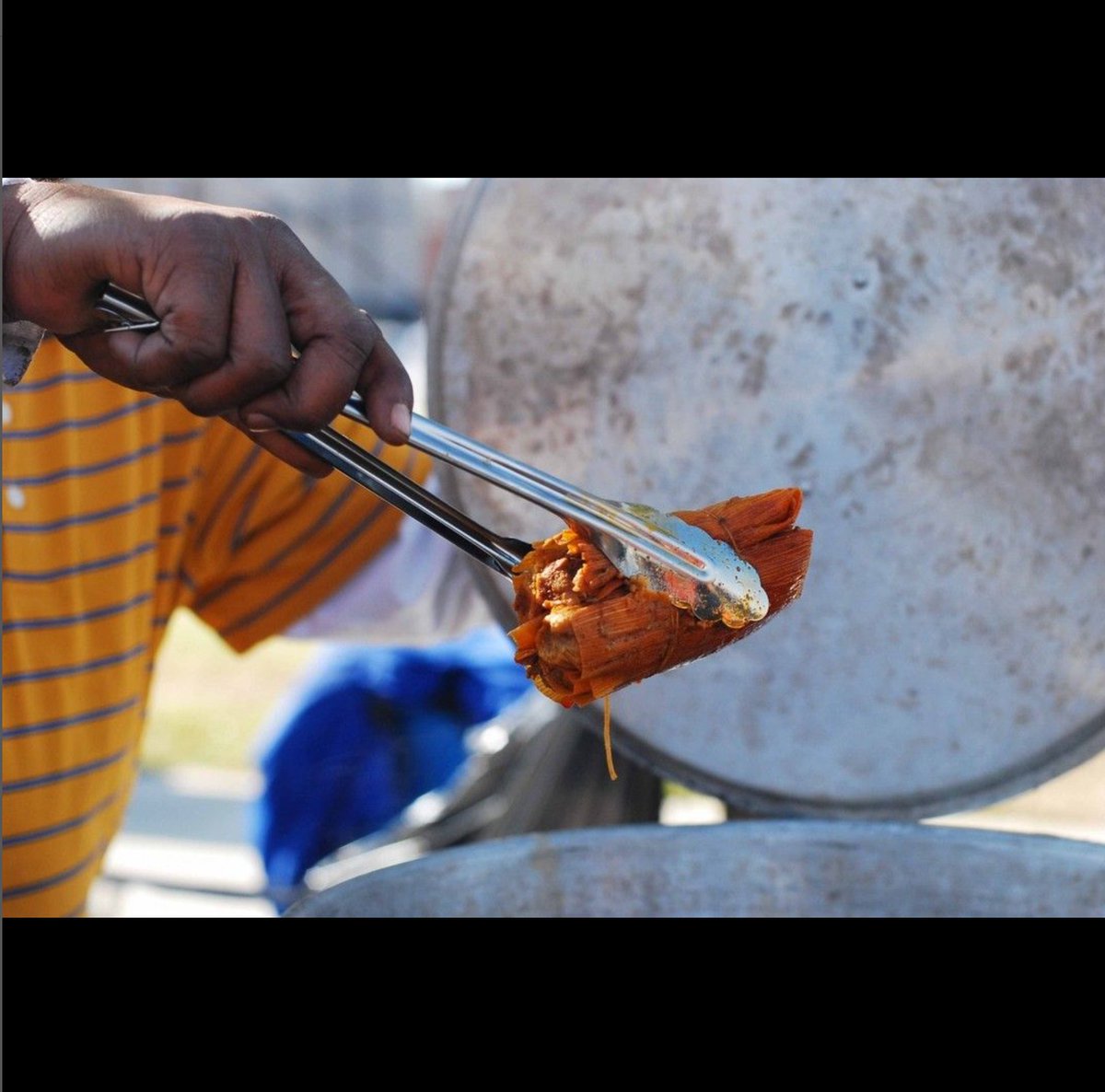
The influence of Mexican and Indigenous cultures have had strong influences in Black American culture and visa versa. Through out the south, tamales play a strong role in Black foodways, especially during the holidays. bit.ly/39Utrlc
2
1
27 Jun 2022
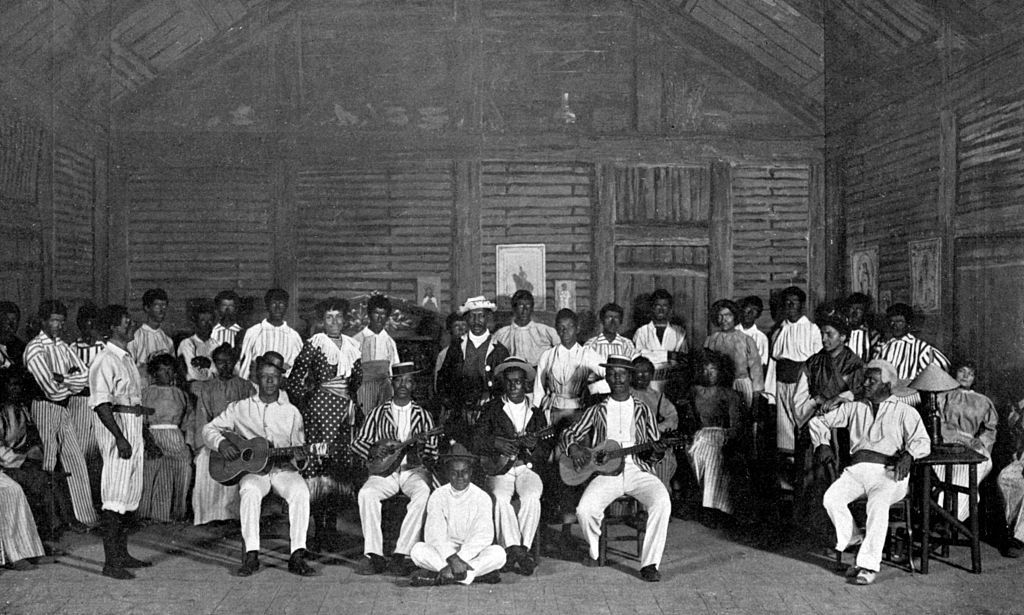
Everyone in the South talks about the escaping to freedom up North. But have you heard about the underground railroad from Texas to Mexico? bit.ly/3PZdPgh
4
27 Jun 2022
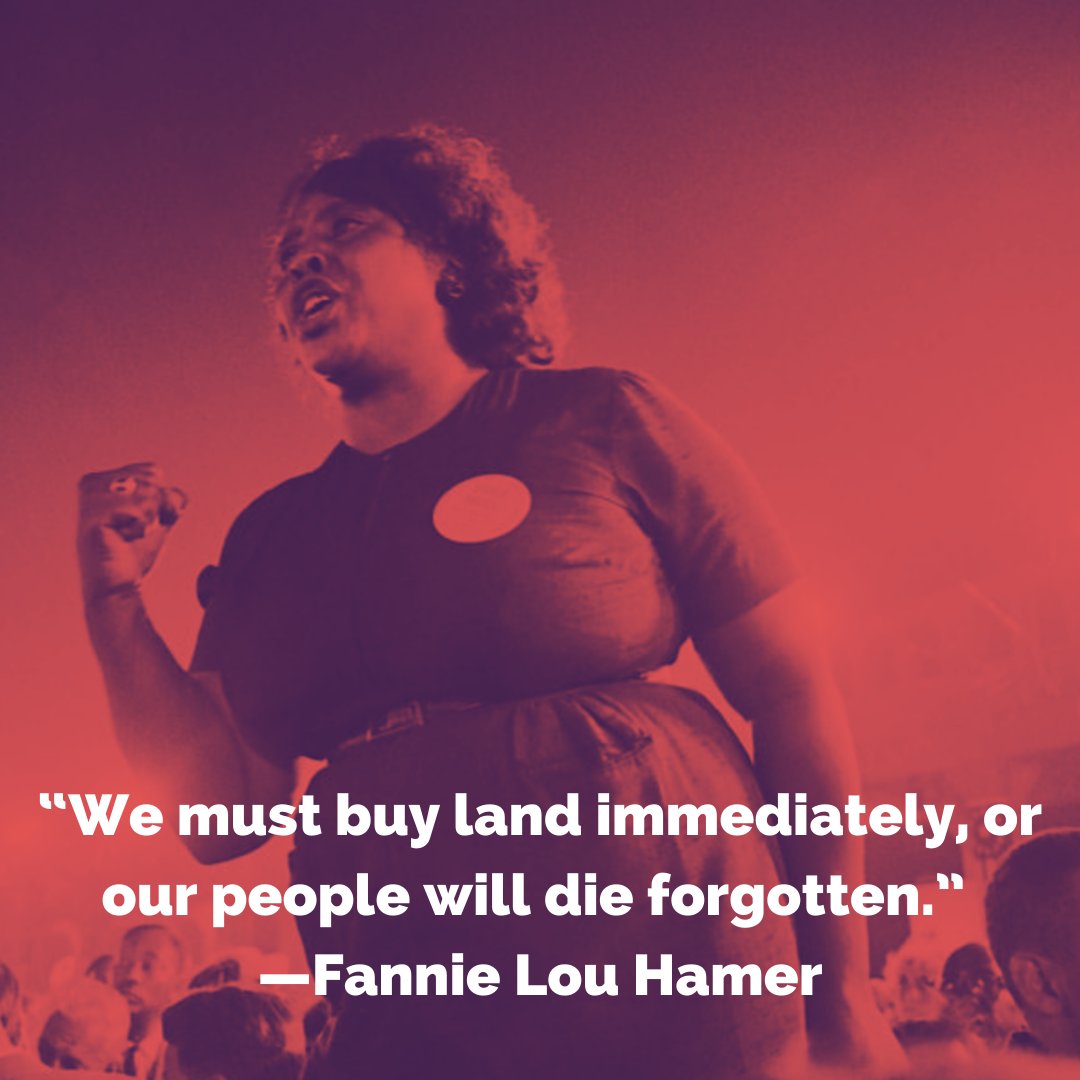
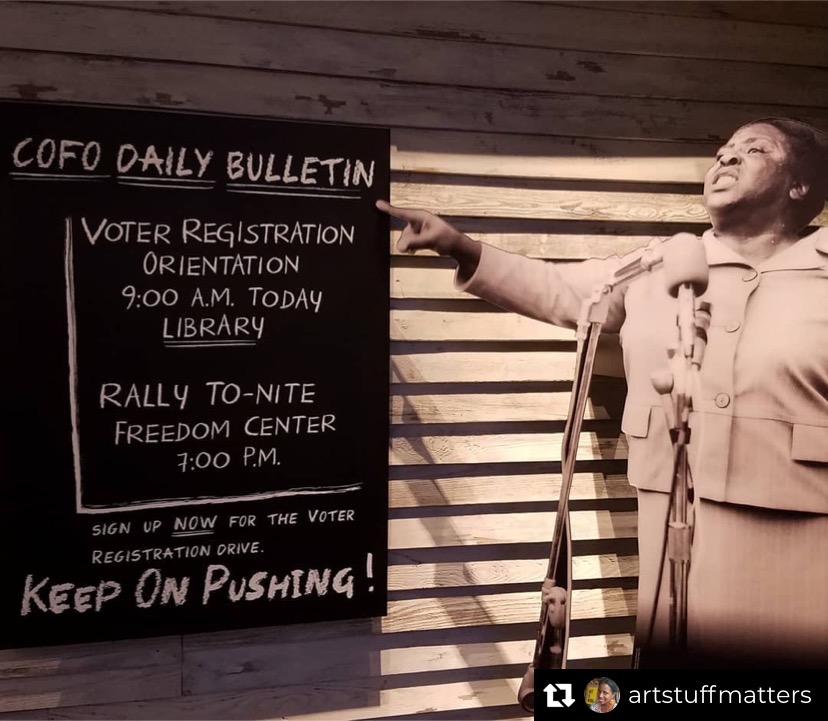
Keep on Pushing! Fannie Lou Hamer embodies this notion. With no home or job, she kept pushing, with the help of her community. Her ingenuity allowed her to build a cooperative to support Black agricultural workers and reinforced the value in fighting for voting and civil rights.
8
25 Jun 2022
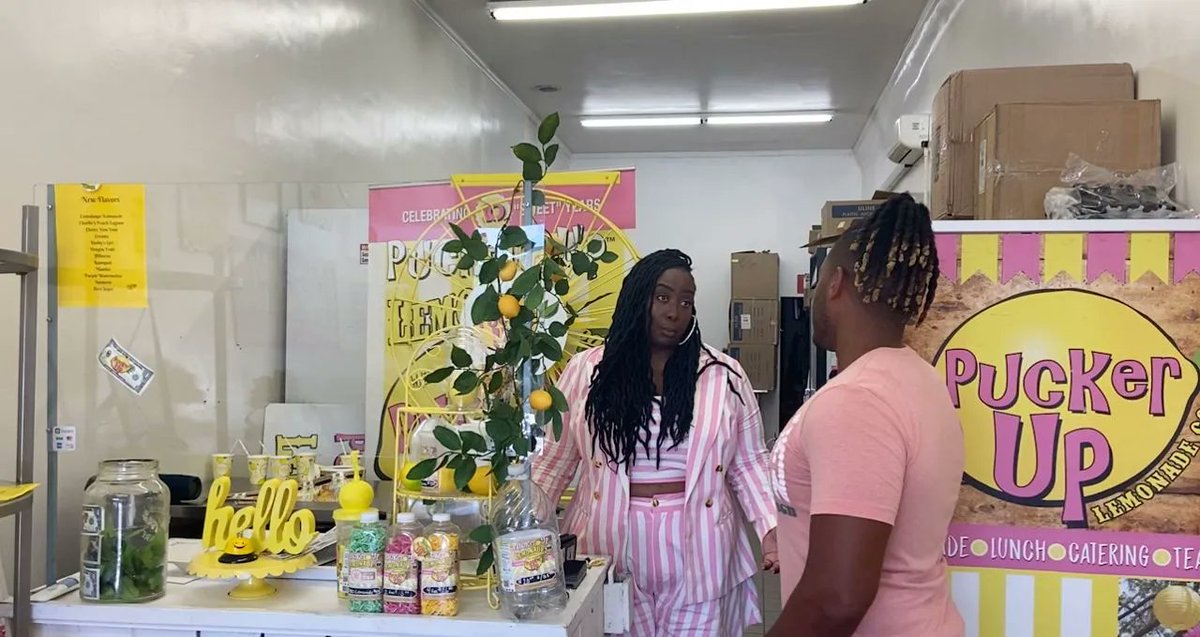
The "Spicy Green Book," based in Compton, California, highlights Black-owned businesses in the U.S. and Canada. It's a modern day version of its namesake, "The Green Book." bit.ly/3nbsI1N
1
25 Jun 2022
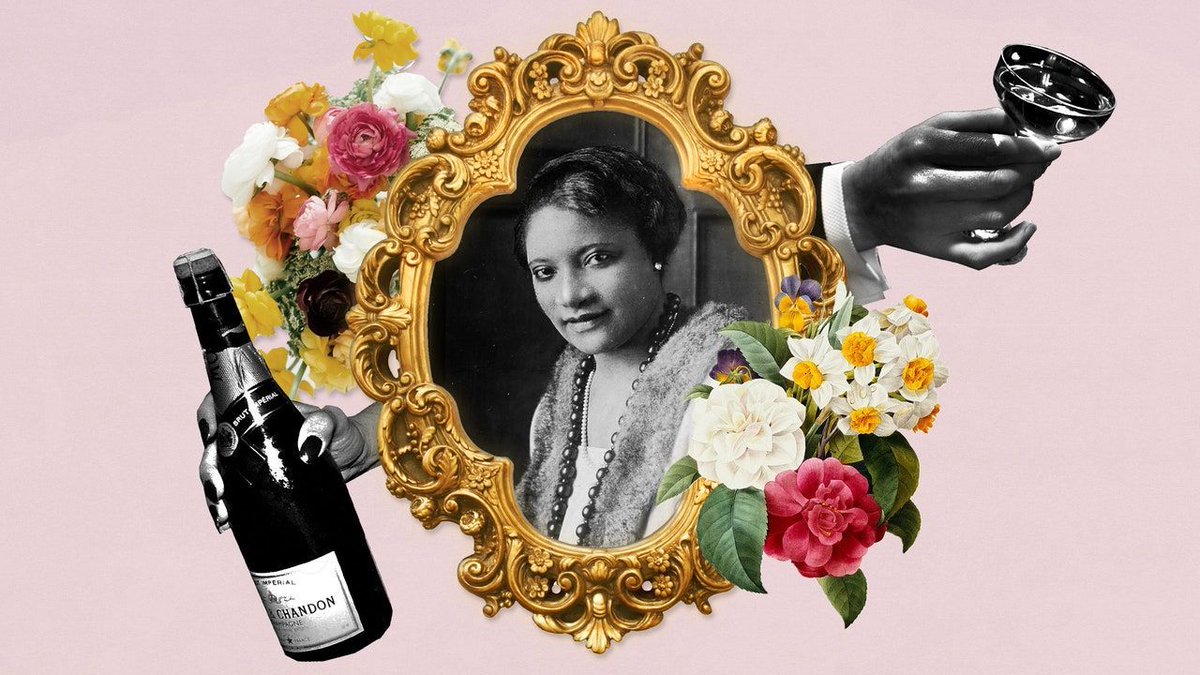
It's Pride Month and we're paying tribute to the unsung, "Joy Goddess of the Harlem Renaissance," who held safe spaces for the Black queer community. bit.ly/3brBSVy
25 Jun 2022
During this period of segregation, which lasted from the early 19th century through the 1960s, a touring circuit was born throughout the South and in parts of the East Coast and Midwest that provided employment for hundreds of Black musicians. #ChitlinCircuit

2
5
25 Jun 2022
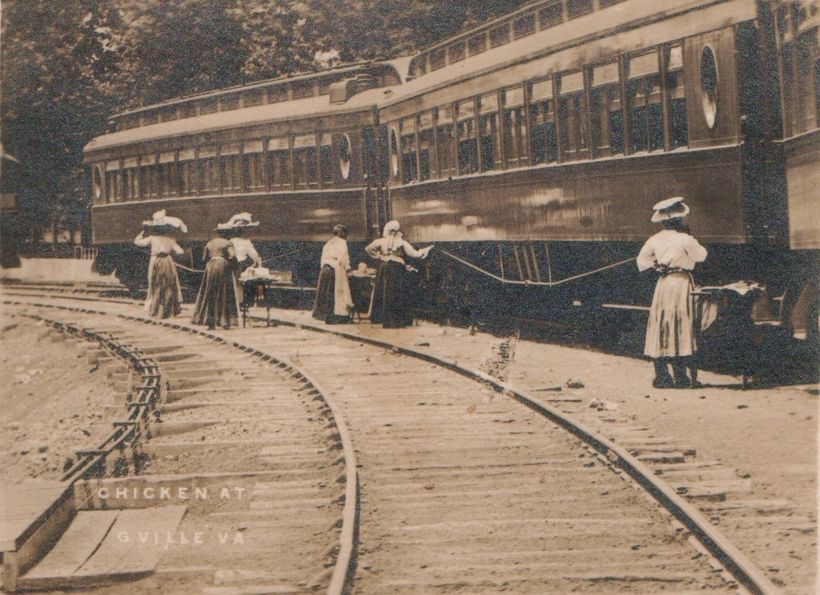
Black women have been utilizing kitchens as a source of entrepreneurship since the days of slavery. After the Civil War, many southern women who migrated north supported their households as cottage food producers.
bit.ly/359iqHg
1
1
25 Jun 2022
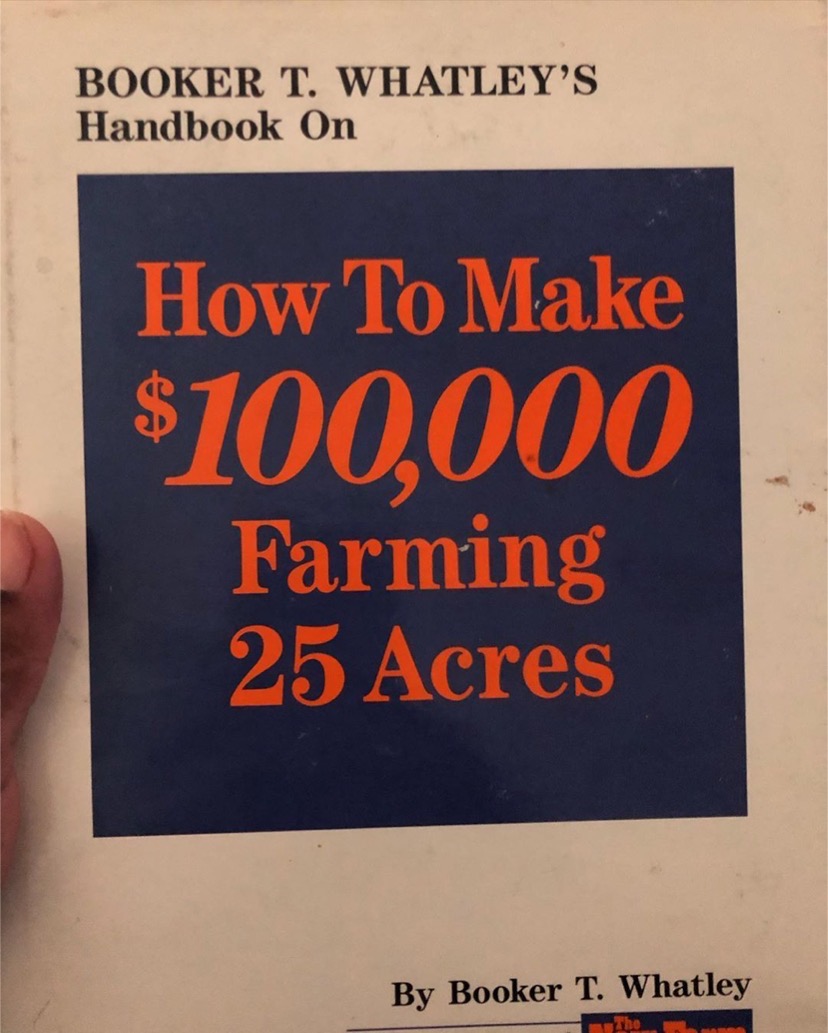
Booker T. Whatley, horticulturist, author, and professor. He examined how efficient farming could provide a living for the small farmer and produced a handbook, ‘How To Make $100,000 Farming 25 Acres.’ Built on the belief that you can grow generational wealth through farming.
2
1
24 Jun 2022
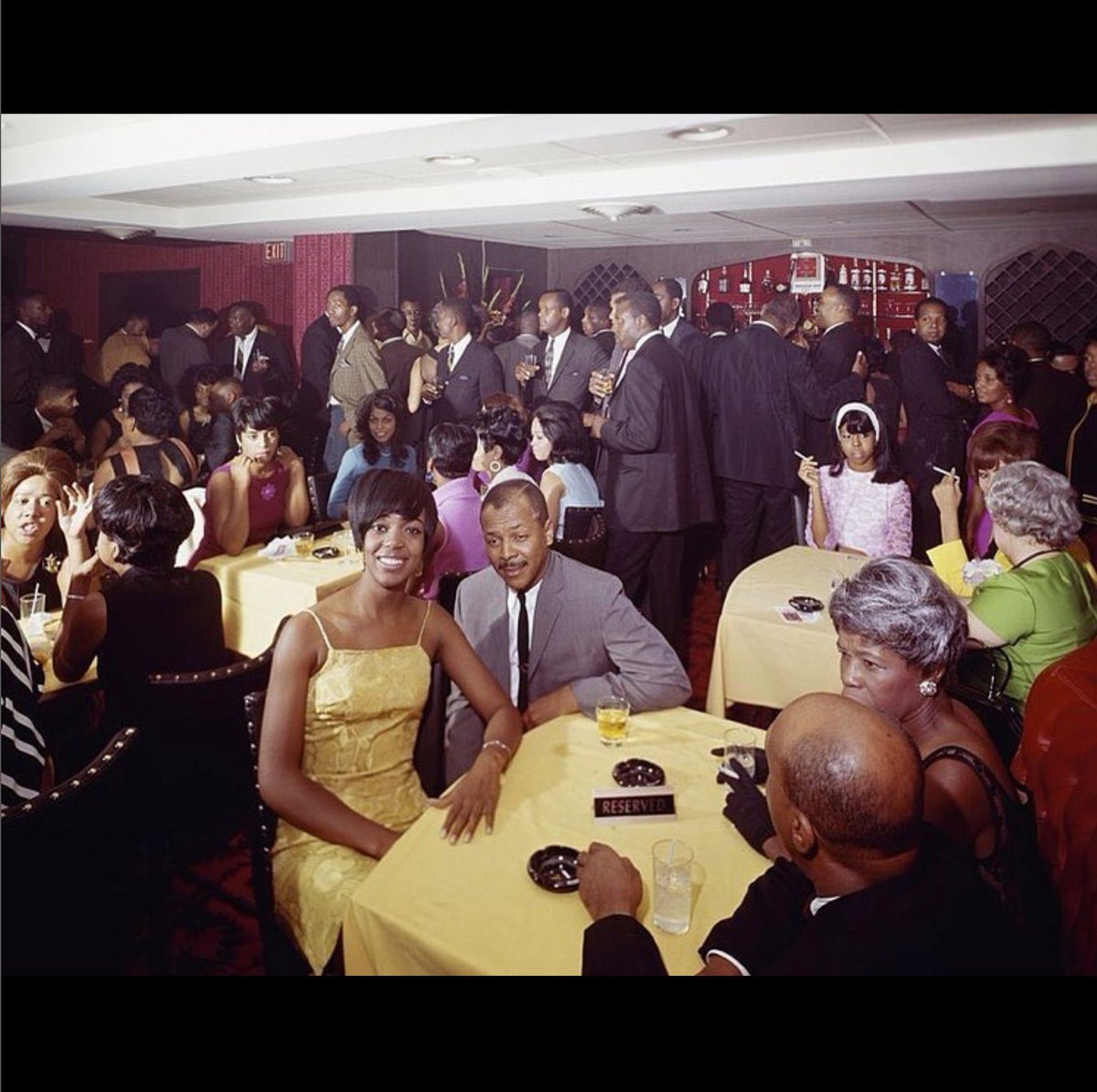
Circa 1965, Black Americans meet to enjoy a night out at the Pitts Motor Inn Lounge in Columbia Heights, Washington, D.C. (source/photo: Black History)
#BlackOwned #BlackHistory #BlackCulture #BlackFoodways
1