
Changing your mind is the essence of living matter. linktr.ee/serotoninskeptic
Joined May 2024
- Tweets 2,390
- Following 221
- Followers 8,772
- Likes 10,676
324 Photos and videos




Jun 14
Whenever I see a healthy-looking old person at the supermarket, there’s almost always a few pints of ice cream in their cart
Lesson in that
2 Sep 2025

Rum raisin is an old man ice cream flavor making it a longevity promoting health food
2
1
67
2,625
Jun 5
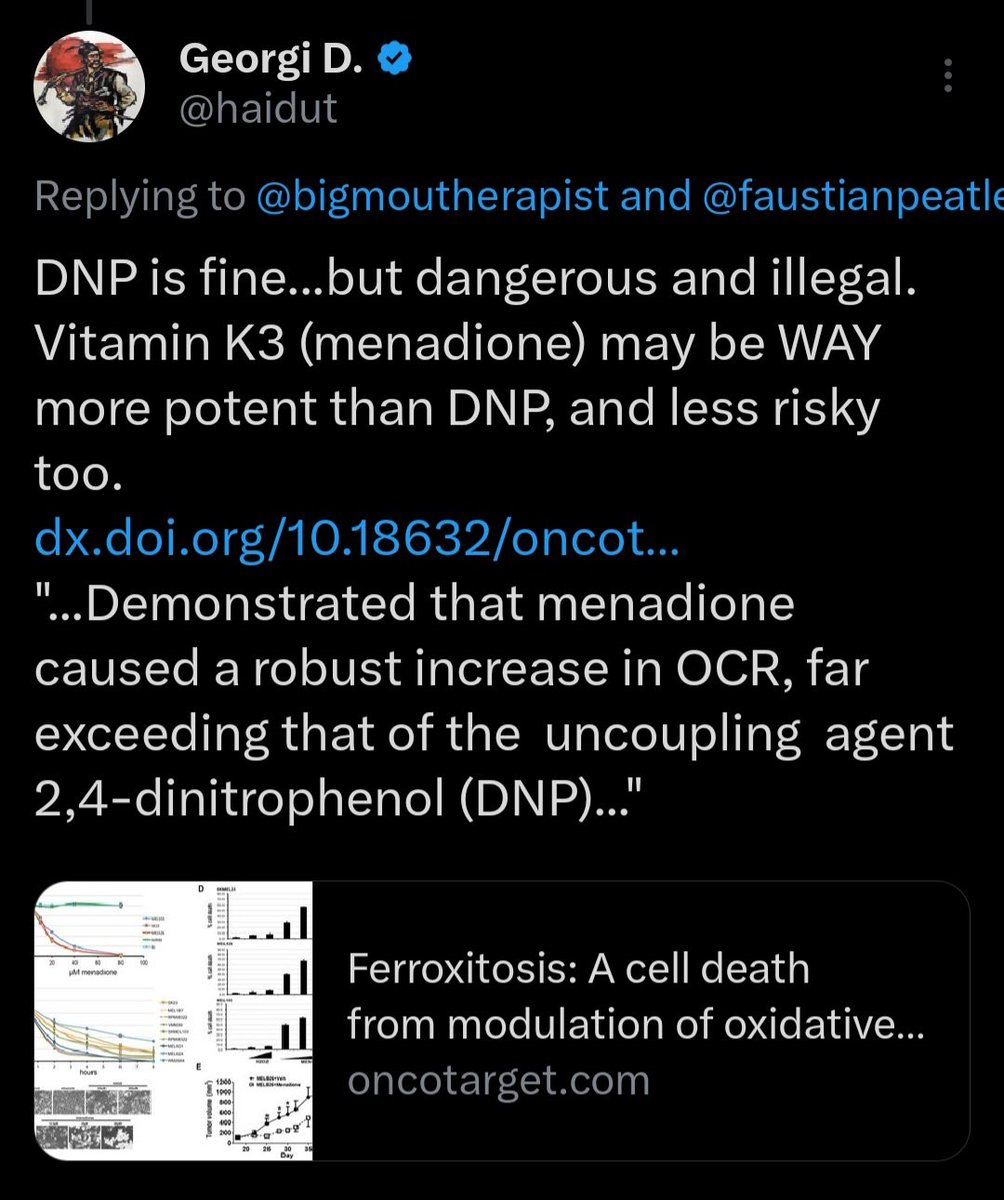
Vitamin K3 (Menadione) is an often overlooked and largely unheard of compound, but does it possess uncoupling properties that rival those of DNP?
Menadione is an analog of Vit K that has primarily been studied for its applications in cancer therapy. However, a less explored aspect is its unique ability to influence metabolism.
Vit K3 alters oxidative phosphorylation in a manner that closely resembles the uncoupling action of DNP. This process results in more energy being burned as heat, effectively raising total body energy expenditure.
However, the two slightly differ in how they affect mitochondria. DNP broadly collapses proton gradients across the entire mitochondrial wall, whereas Vit K3's mechanism seem to be more selective with a bias towards redox activity. This should make K3's effects more predictable, potentially establishing a superior safety profile.
Vit K3 also has a toxicity threshhold 10-15x higher than that of DNP. A wider margin between pharmacological and toxic effects makes K3 a more practical compound to use in humans, as DNP is known for its extremely narrow therapeutic window.
5
1
75
5,301
Jun 3
The majority of looksmaxxing is just keeping your T3 high and TSH low

It should be named T3maxxing
9
18
662
62,195
serotoninskeptic retweeted

May 31
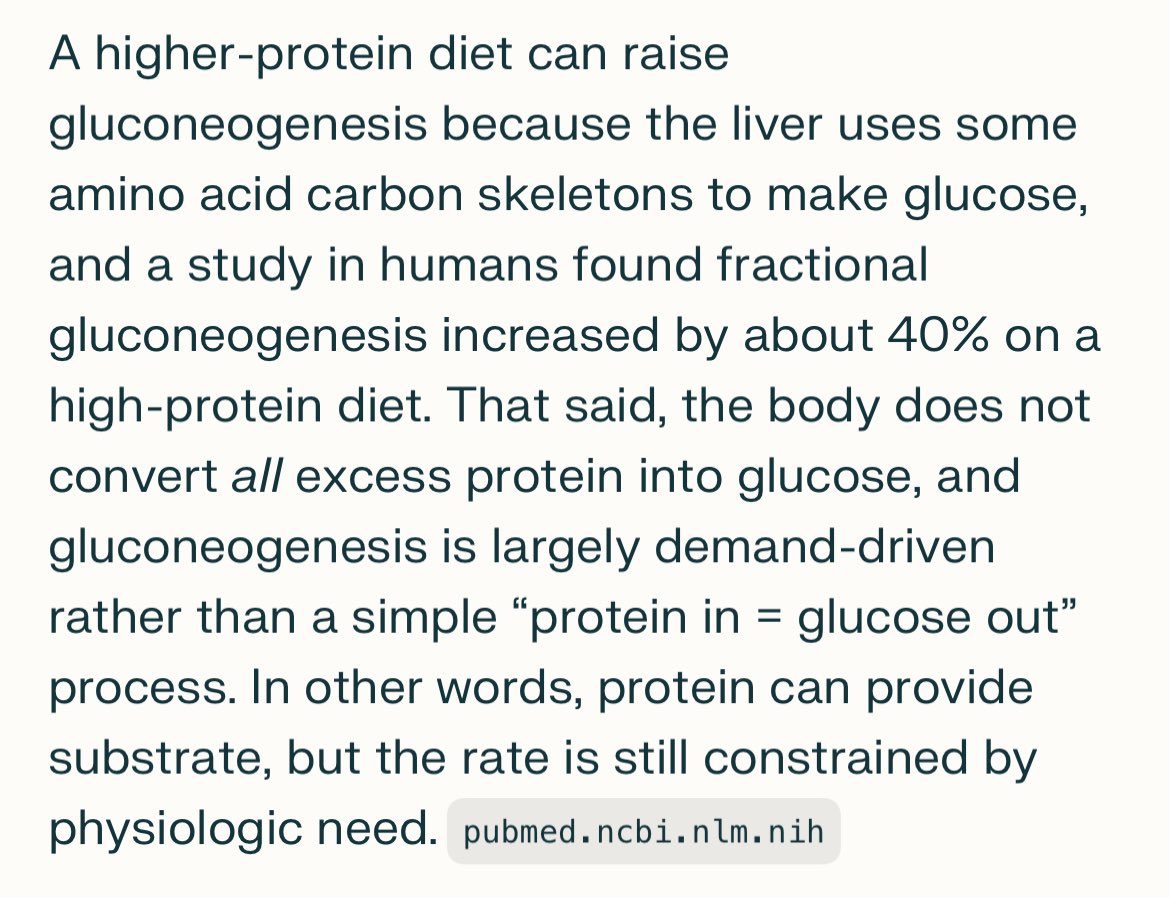
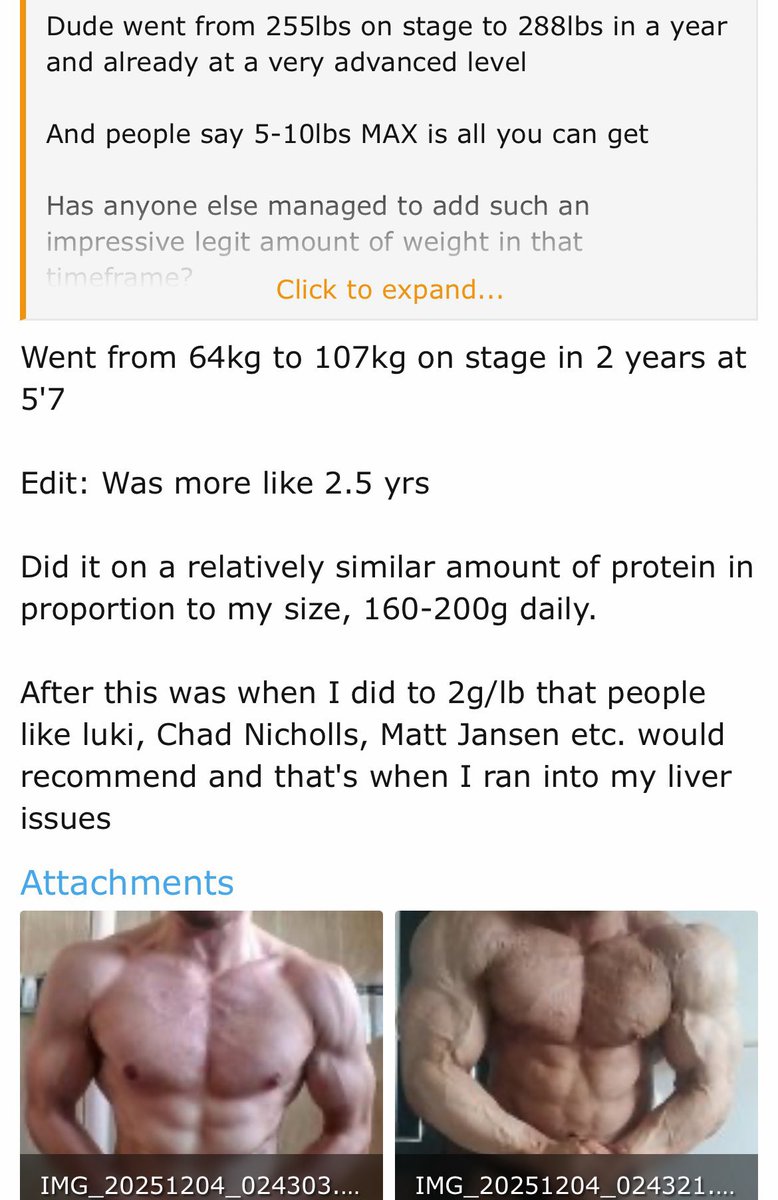
Protein needs are massively overstated.
Carbs are protein-sparing. When you don’t eat enough carbs, your body has to convert amino acids into glucose (gluconeogenesis), so you need more protein just to cover energy demands, not because it builds more muscle.
Give your body carbs, and protein can actually do its job: repair and build tissue instead of being burned for fuel.
I’ve run both ~120g/day and ~300g/day and noticed zero difference in muscle, strength, or physique.
41
27
783
198,739
May 25
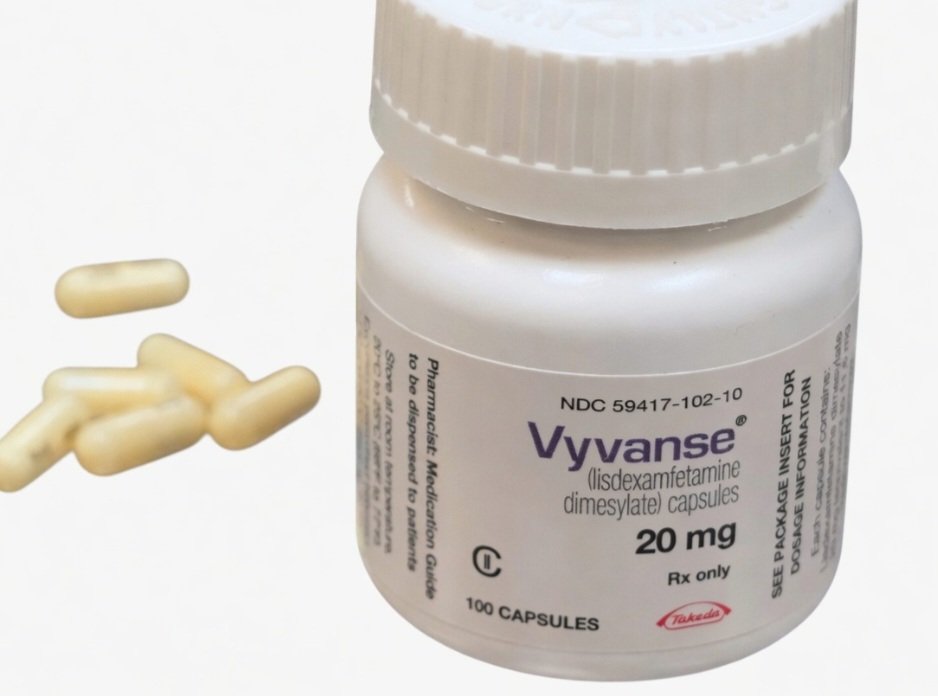
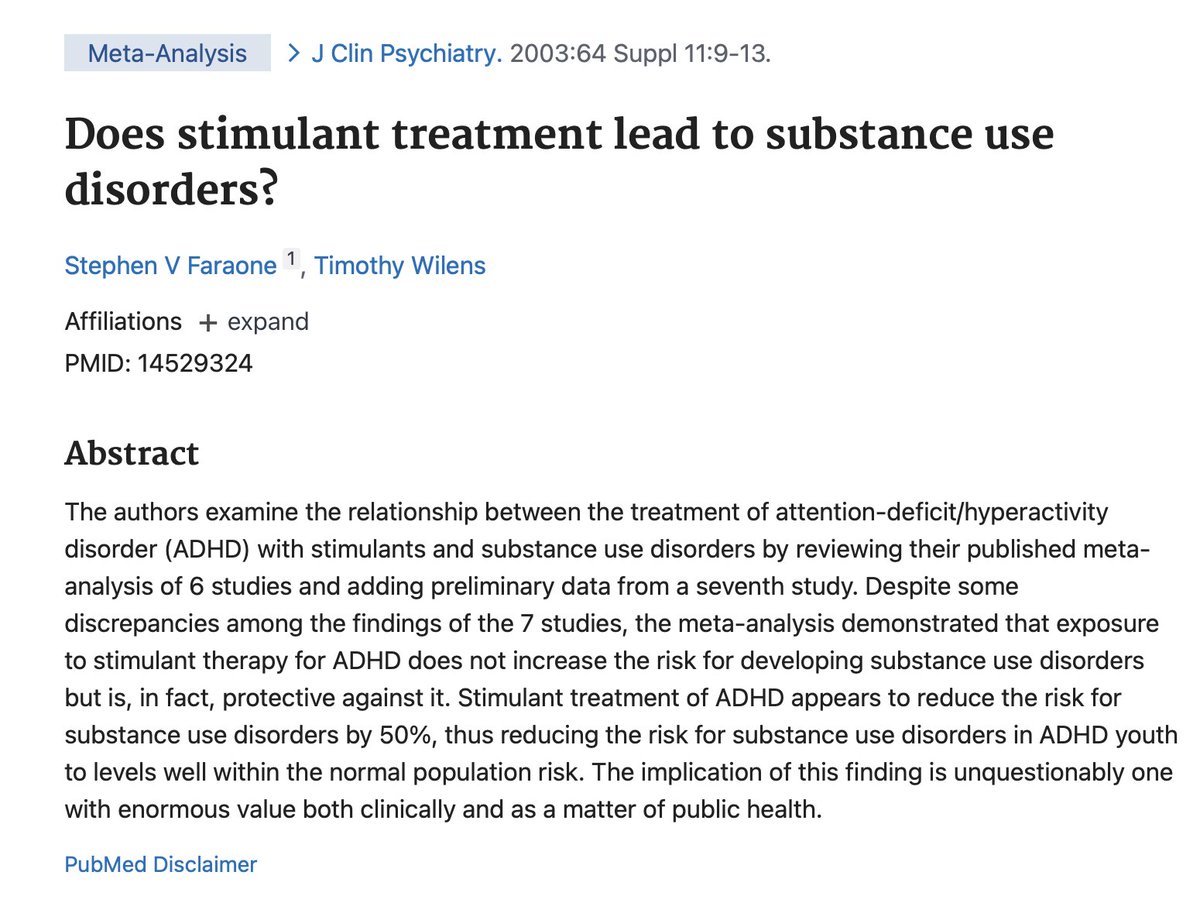
In this context, amphetamine-class stimulant medication could actually be beneficial. When used at an appropriate therapeutic dose, it may help reduce the likelihood of drug misuse later in life.
"Stimulant treatment for ADHD appears to reduce the risk for substance use disorders by 50%"
That said, I would always prioritize restoring proper brain energy balance through non-pharmacological methods first. This could include optimizing B vitamin intake, using caffeine, addressing thyroid function, or living a more stimulating life.
It should already be clinical standard to emphasize nutritional and lifestyle interventions before moving to prescription medication, along with consistent monitoring of thyroid function. Always.
24 Dec 2025

Meth is appealing to people who are chronically under-stimulated and over-stressed. For these people, it provides relief and functionality. But it’s a fine line between that and what you see in the image above. Usually it’s the “ADHD burnout” archetype that gravitates toward this drug.
Recovery is difficult because there’s lasting damage that occurs and the contrast between meth life and sober life is extremely stark.
Pregnenolone helps curb addiction, and unsurprisingly many people ~25 and up are deficient in it. Worth investigating chronically low tonic dopamine, low acetylcholine, and nutrient deficiencies. And accepting that life can’t be a meth high. We’re just not meant to feel that. Addressing every angle (environment, neurochemistry, nutrition, metabolism) is necessary to ensure one stays clean.
1
3
51
6,567
May 20
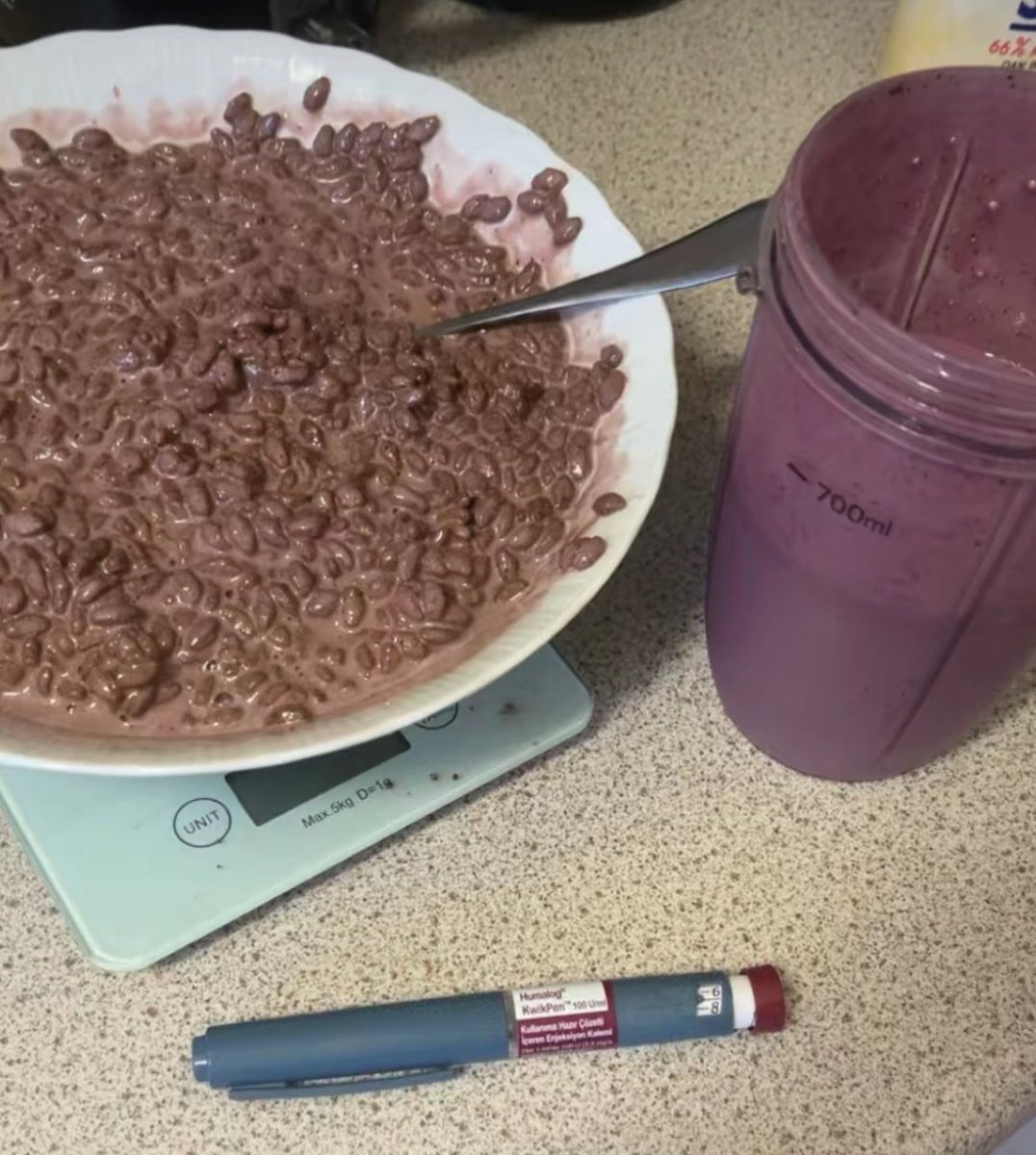
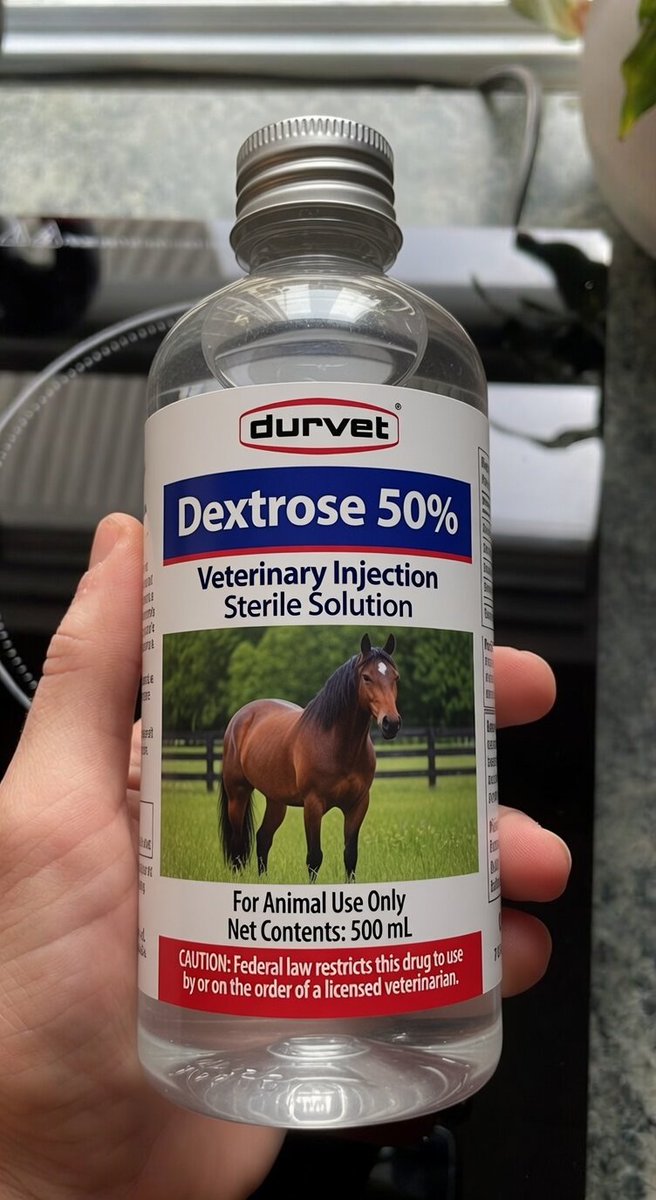
Never buying regular sugar again. 500mL bottle of fucking horse dextrose from Tractor Supply. Never crashing again or being carb-depleted. I am the #boss. Injecting half a horse dose rn and I feel great. My skin is fucking tingling.
68
82
1,857
120,082
May 18
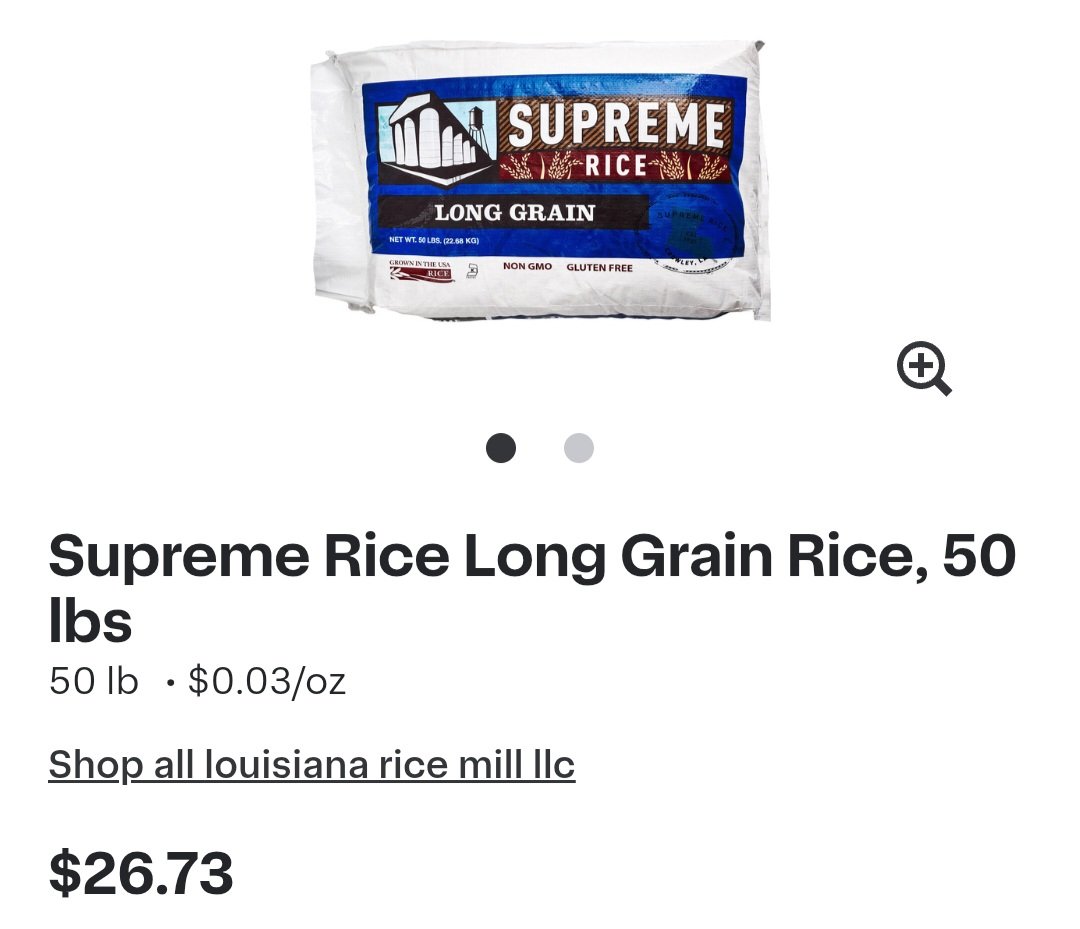
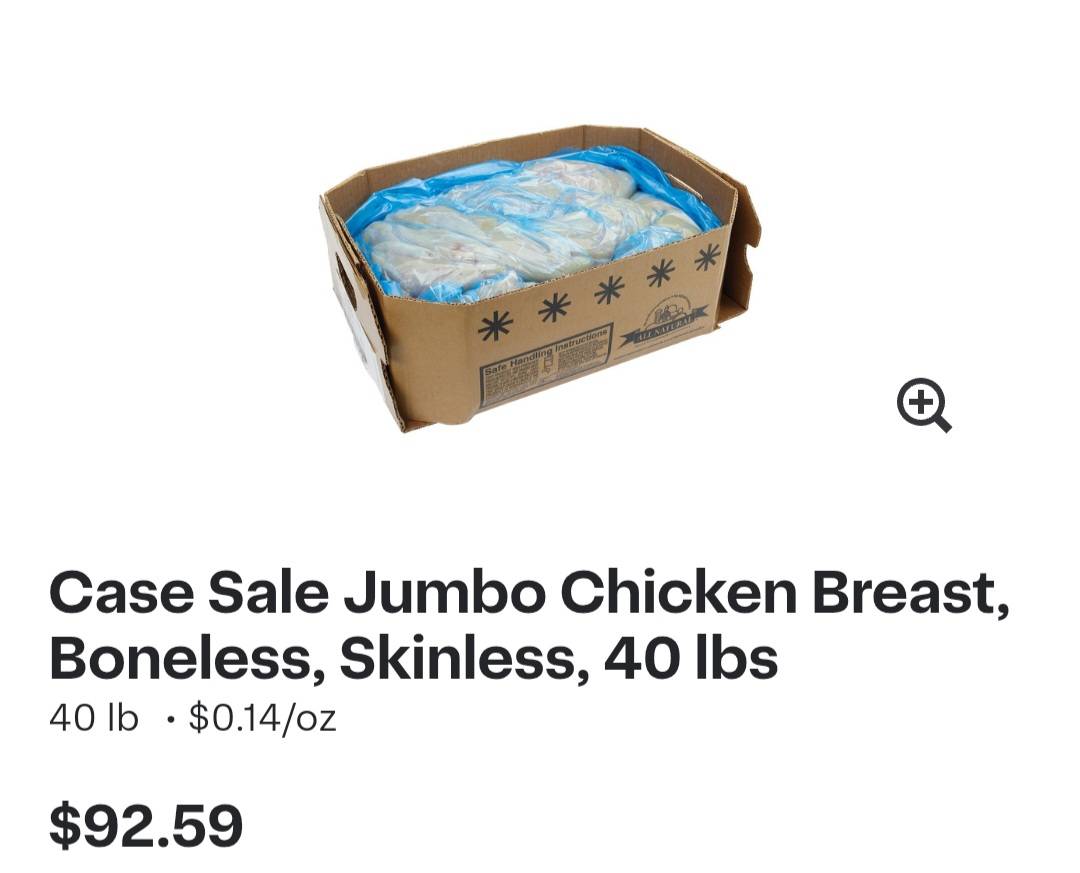
"But bodybuilding is soo expensive."
Oh yeah?
40 lbs of chicken breast = $92.59
50 lbs of rice = $26.73
Let's say you're aiming for around 2,700-2,800 calories per day. 200g protein, 30g fat, and enough carbs to fill in the rest.
To do so, you would need about 2 lbs of chicken breast and 1 lb of rice spread across the day.
If buying in bulk, you could hit your desired macros for a TOTAL of just $5.12 a day on food.
If you think you can't get big on a budget, THINK AGAIN.
14
4
112
36,321
May 17
Average bulgarian peater once Georgi / IdeaLabs finally releases their steroid stronger than tren


14 May 2025

Georgi actually did make a non-methylated 2-oxa substituted steroid. Which, according to the original papers on 2-oxa tren should be orally bioavailable and devoid of liver toxicity and highly anabolic.
But this information seems to be completely unknown. I do not think Haidut has posted about it at all.
6
2
219
26,497

May 16
Ice Cream for Bears "Honey Honey" flavor is GOD TIER.
The base itself is sweetened with raw honey AND there's thick, chewy chunks of honey mixed in all throughout.
Best enjoyed by a bed of spring flowers with a few bees buzzing around for the full experience.

15
12
398
20,782
May 15
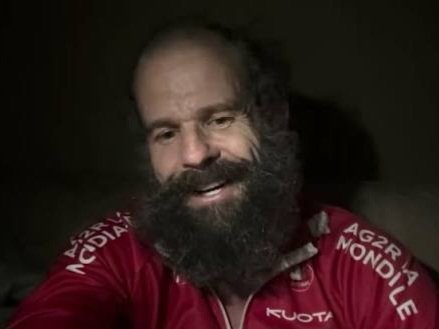
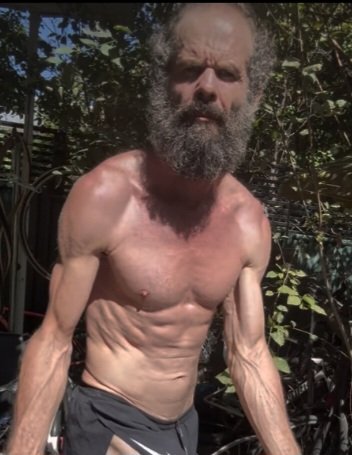
Bro... what happened to DurianRider? I swear he just suddenly aged 50 years since the last time I saw him.
Im kinda digging this new homeless schizo look though.
31
2
105
24,894
May 13
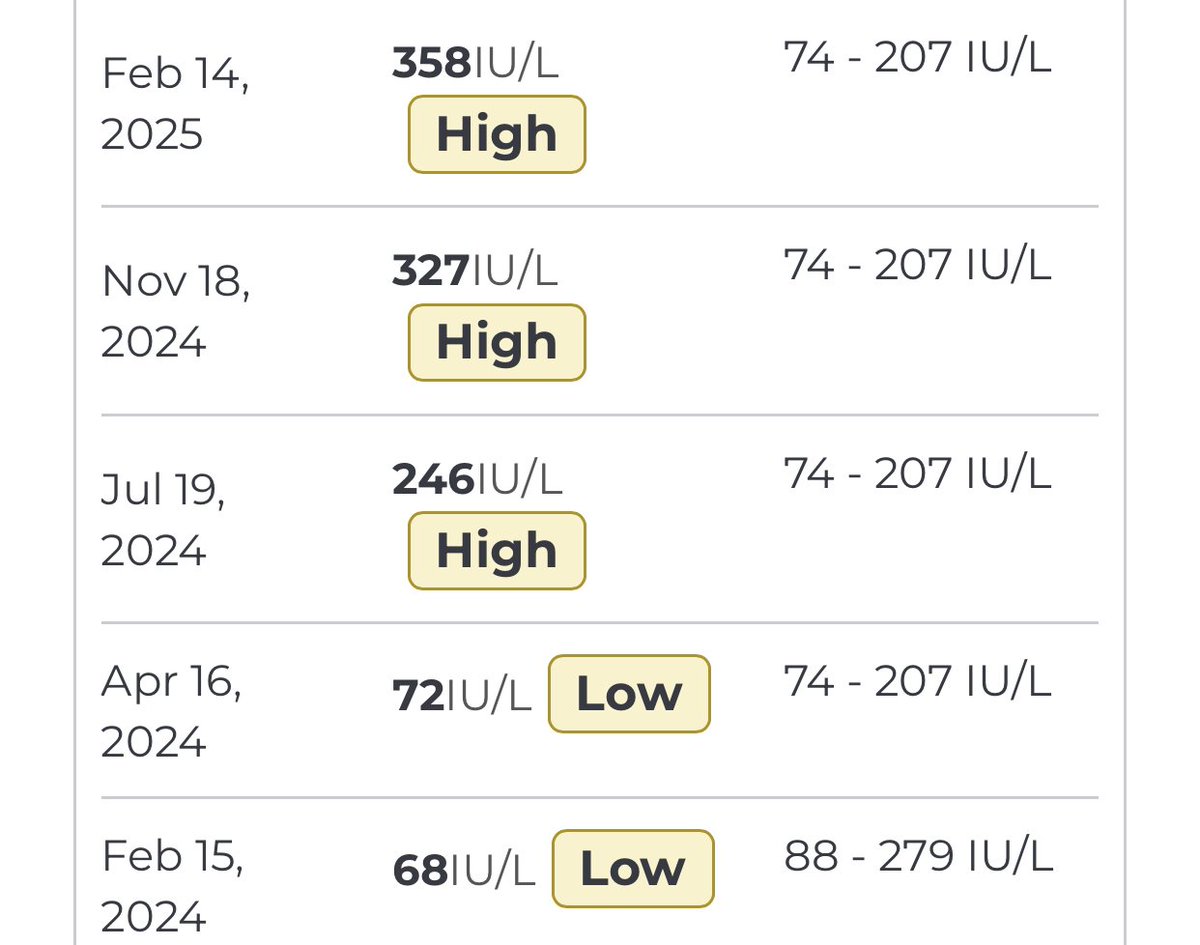
When I transitioned away from veganism and began implementing some of Ray Peat's diet principles, my Alpkaline Phosphatase (ALP) appeared extremely elevated for several months.
ALP is an enzyme produced in bones when there's rapid bone development and mineralization. It's naturally elevated during growth spurts in childhood and puberty.
During this time, I was averaging around a gallon of raw milk daily, along with large amounts of cheese, ice cream, etc. My diet was entirely centered around raw dairy and fruit (i.e. lacto-fruitarian).
Out of curiosity, I would periodically track my nutrient intake. On days of high food consumption, I often took in 8-10k calories along with 4-5g of calcium.
I was fully weight-restored within a year. Several of my peers pointed out that I seemed more confident or had more "presence." A few even commented that I looked taller and more masculine.
My facial structure had noticeably changed (wider palate, more defined jaw, deeper brow ridges). And upon measuring myself, I had even grown 1-1.5 inches in height.
What’s arguably the most impressive is that this was achieved before the use of any androgens. Just a replacement dose of naturally desiccated thyroid (NDT) and lots of dairy consumption.
5 Jul 2025
My pipeline to Ray Peat was:
McDougall (Starch Solution) -> Dr Robert Morse (Raw Vegan) -> 30BAD/RawTil4 (Fruitarian) -> Ray Peat Forum.
6
4
73
6,833

May 9
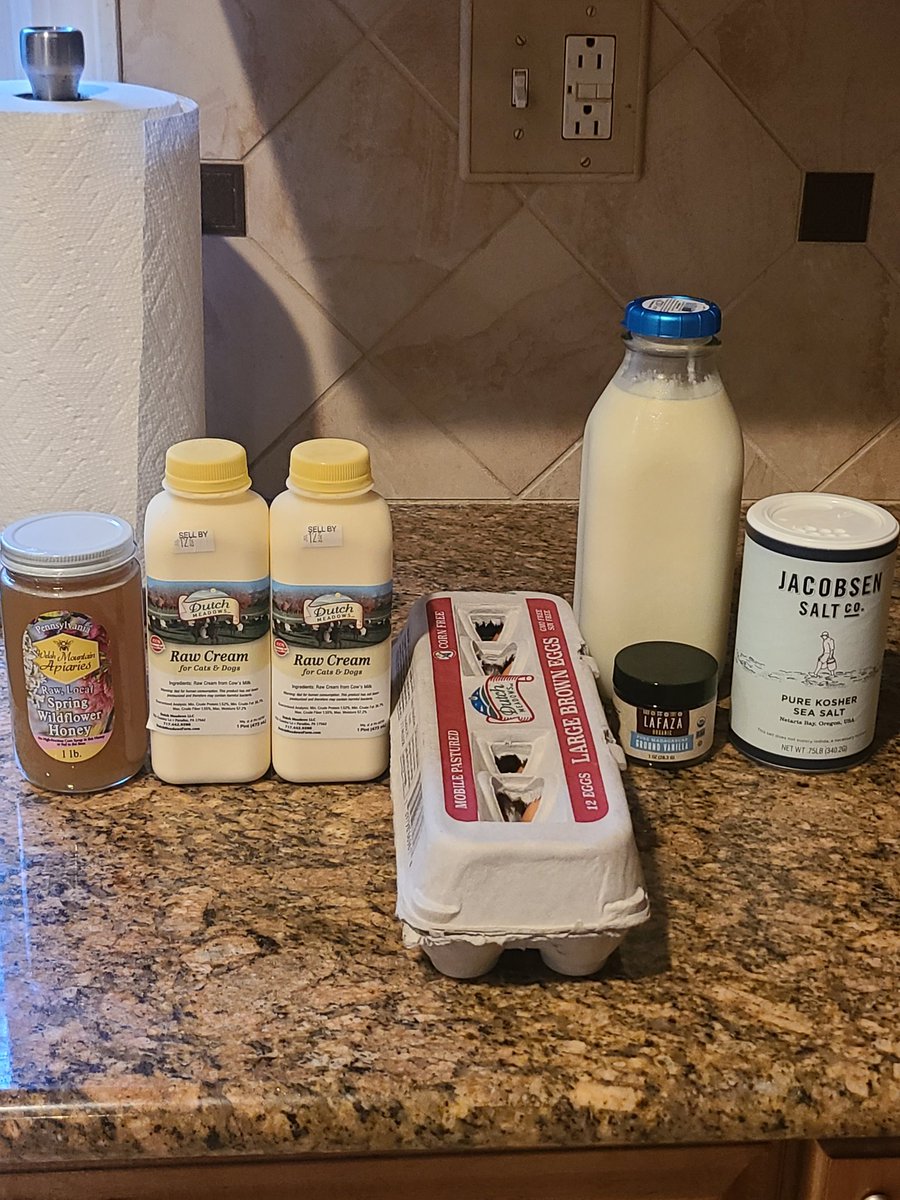
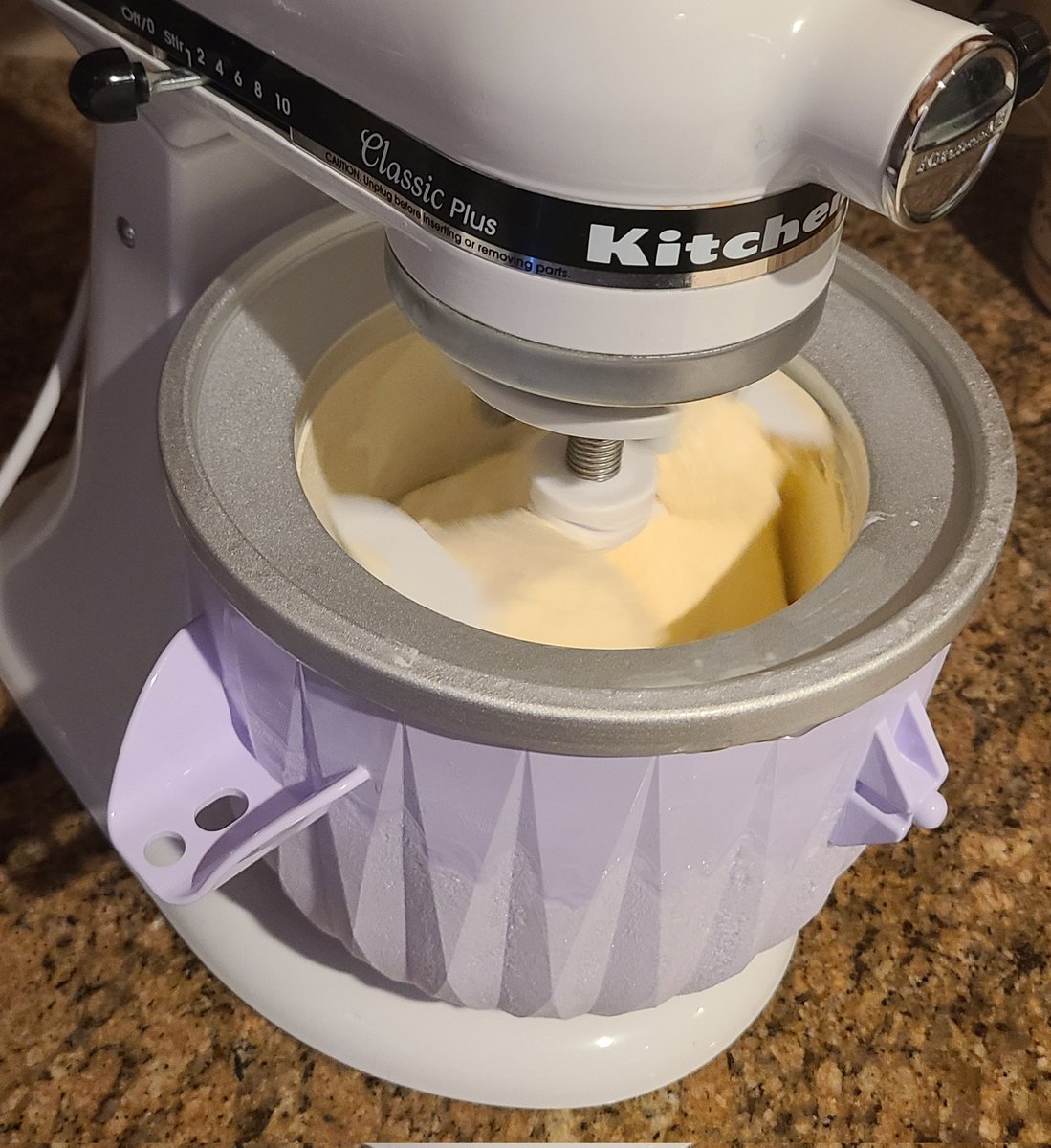
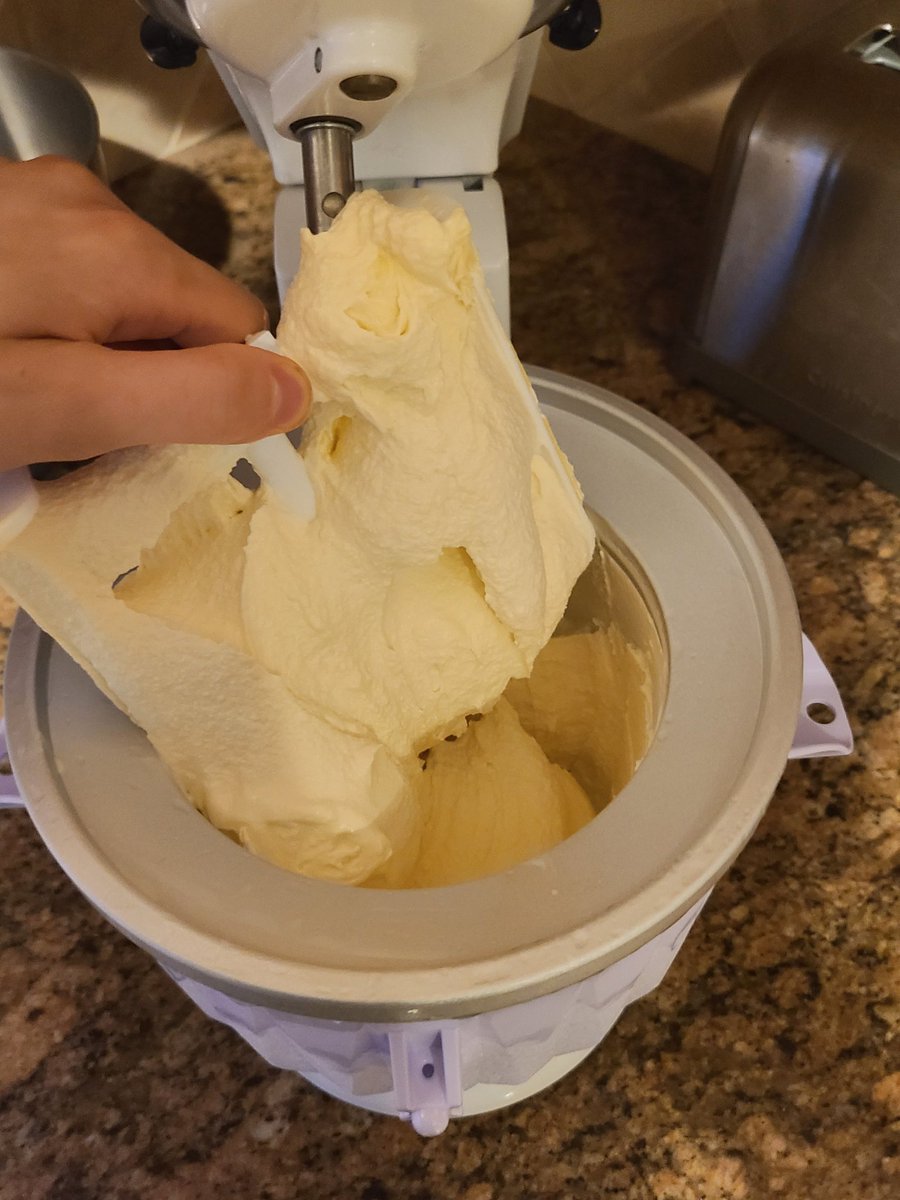
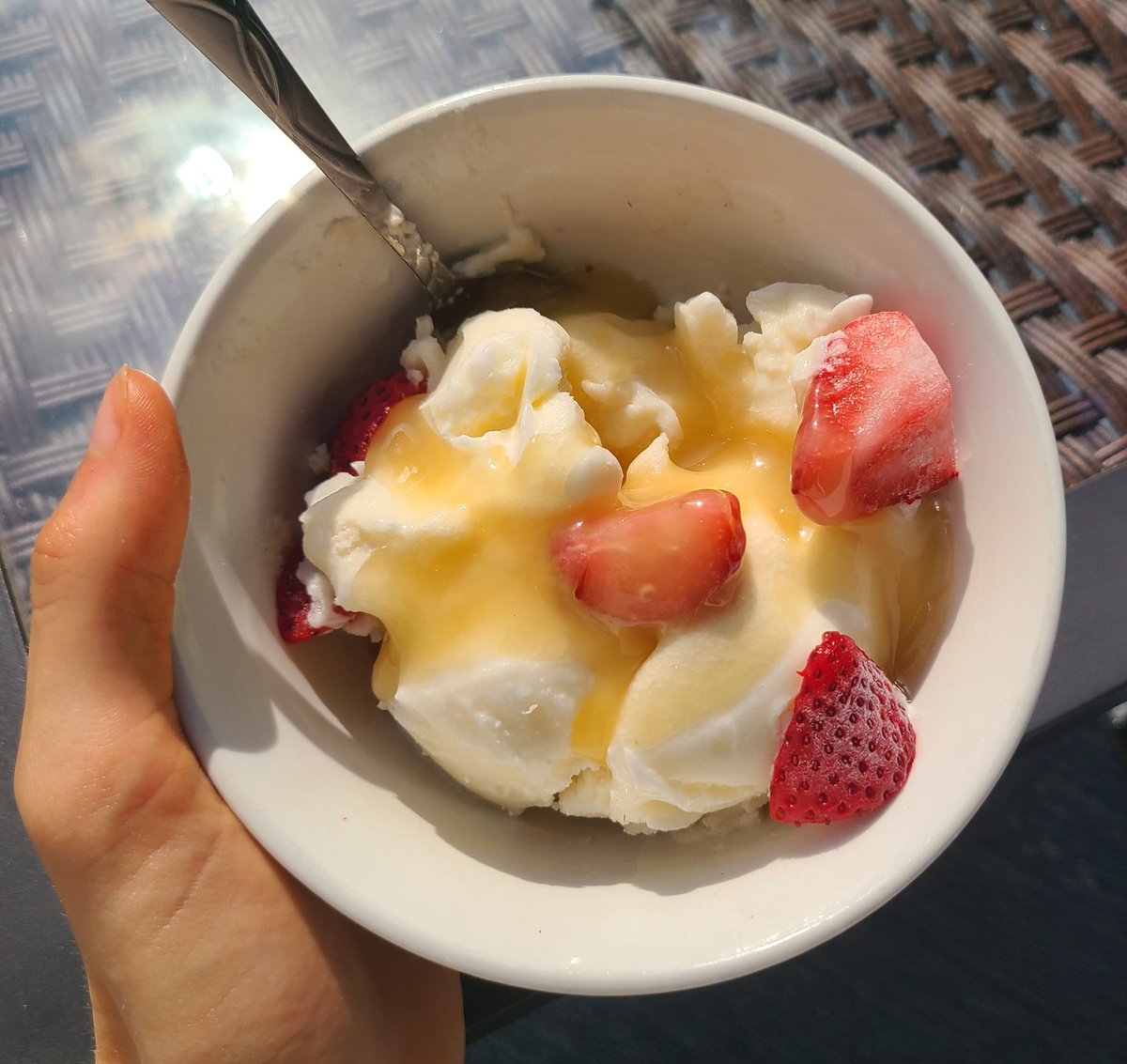
Homemade ice cream, all raw and local ingredients.
1 pint - Raw A2/A2 Cream
2 cups - Raw A2/A2 Milk
3, yolks Brown Honest Yolk Eggs
1/2 cup Raw Honey
1 tbsp Vanilla Bean Paste
A pinch of Sea Salt
Top with local strawberries and moreee honey
4
13
248
8,758
May 7
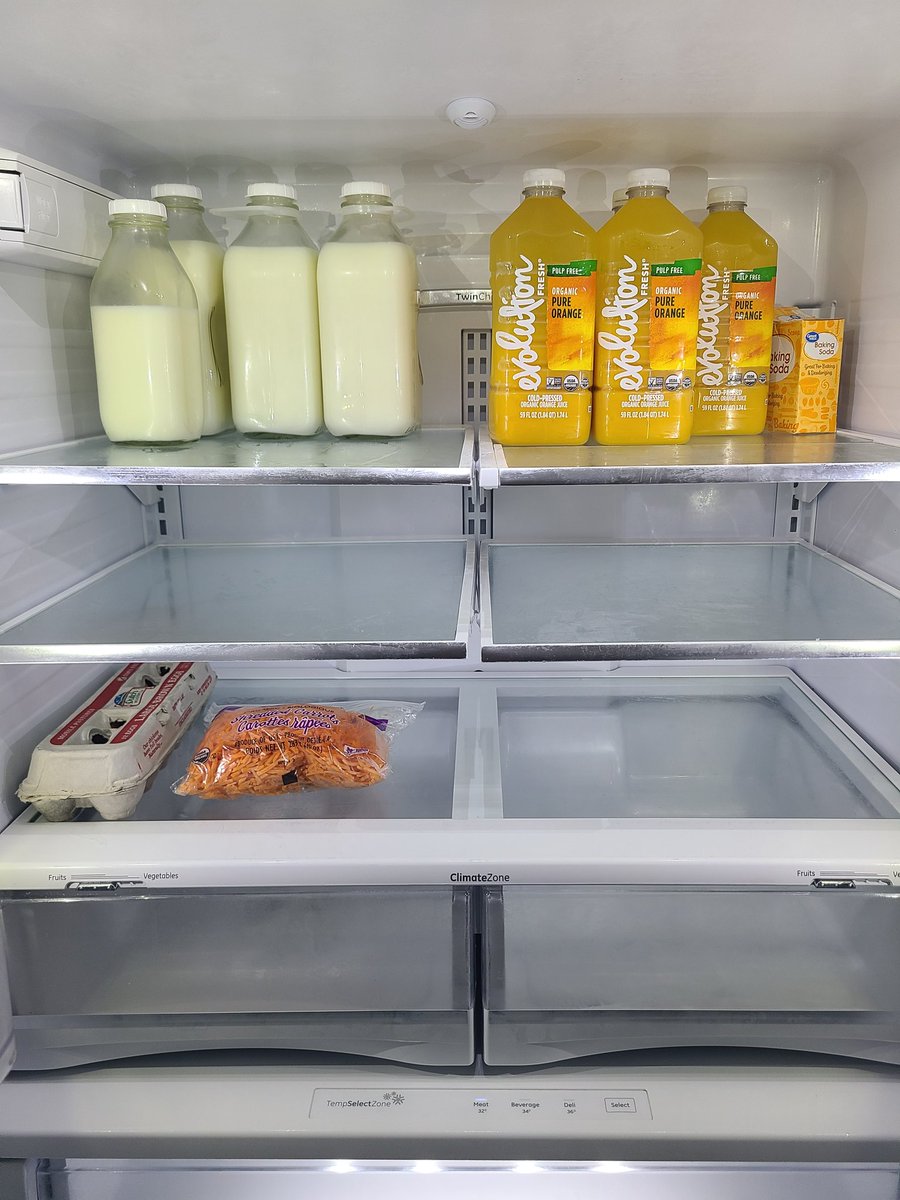
Don’t just drink your orange juice, eat the peels too.
“I make marmalade from the peels, if they are organic. Shred, soak, cook slowly simmering in water for about an hour before adding sugar, and letting that simmer until it thickens a little. The peels are rich in antiinflammatory chemicals, more than the juice."-Ray Peat
“The marmalade has the extract of the peeling which has a lot of therapeutic things. Cooking the peeling extracts some of the anti-inflammatory things."-Ray Peat
"Naringin and naringenin are major protective factors in the orange peel that you get in the marmalade, and the added sugar is an added anti-stress factor that supports your thyroid. It is a kind of medical substance.”-Ray Peat
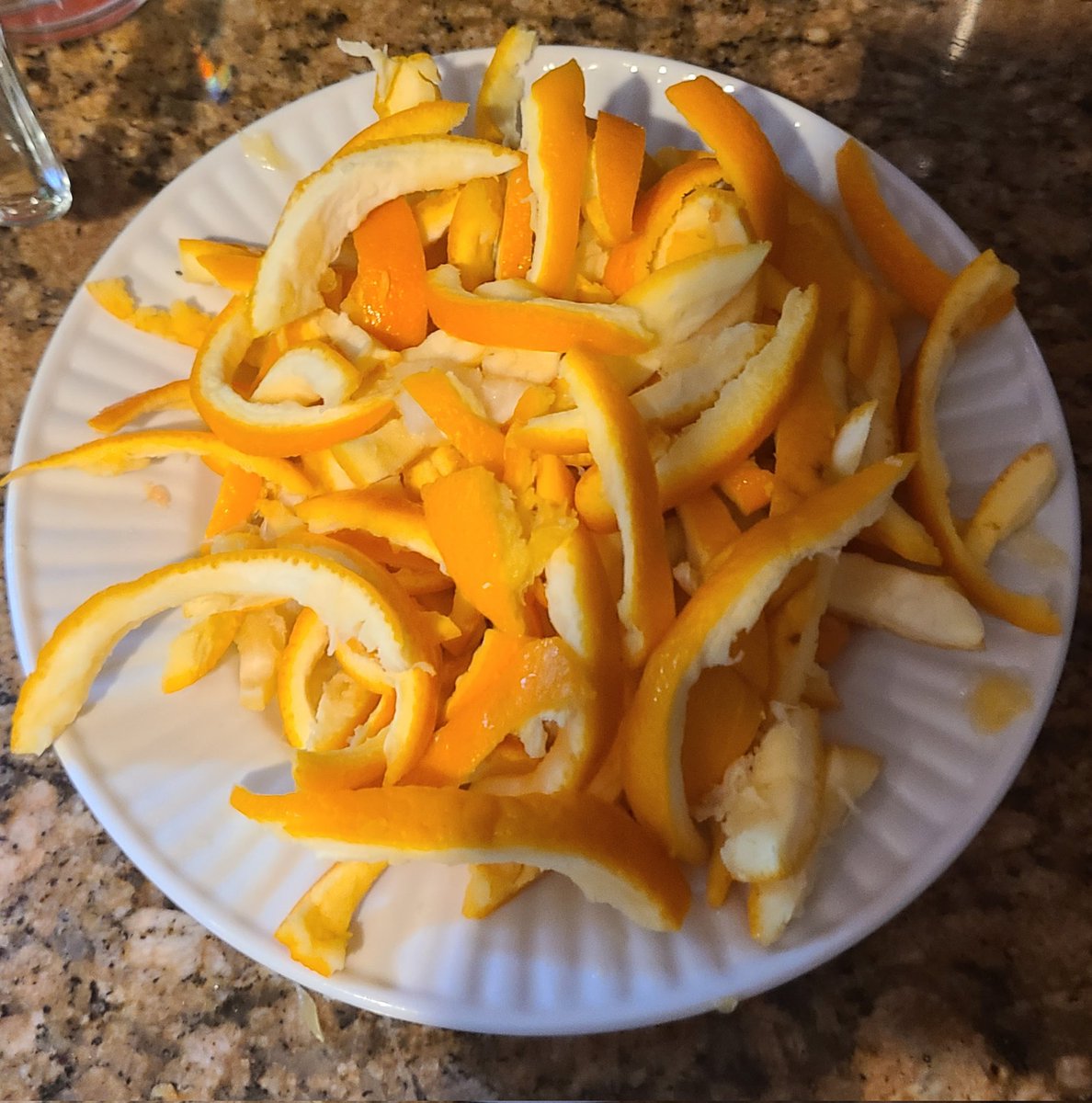
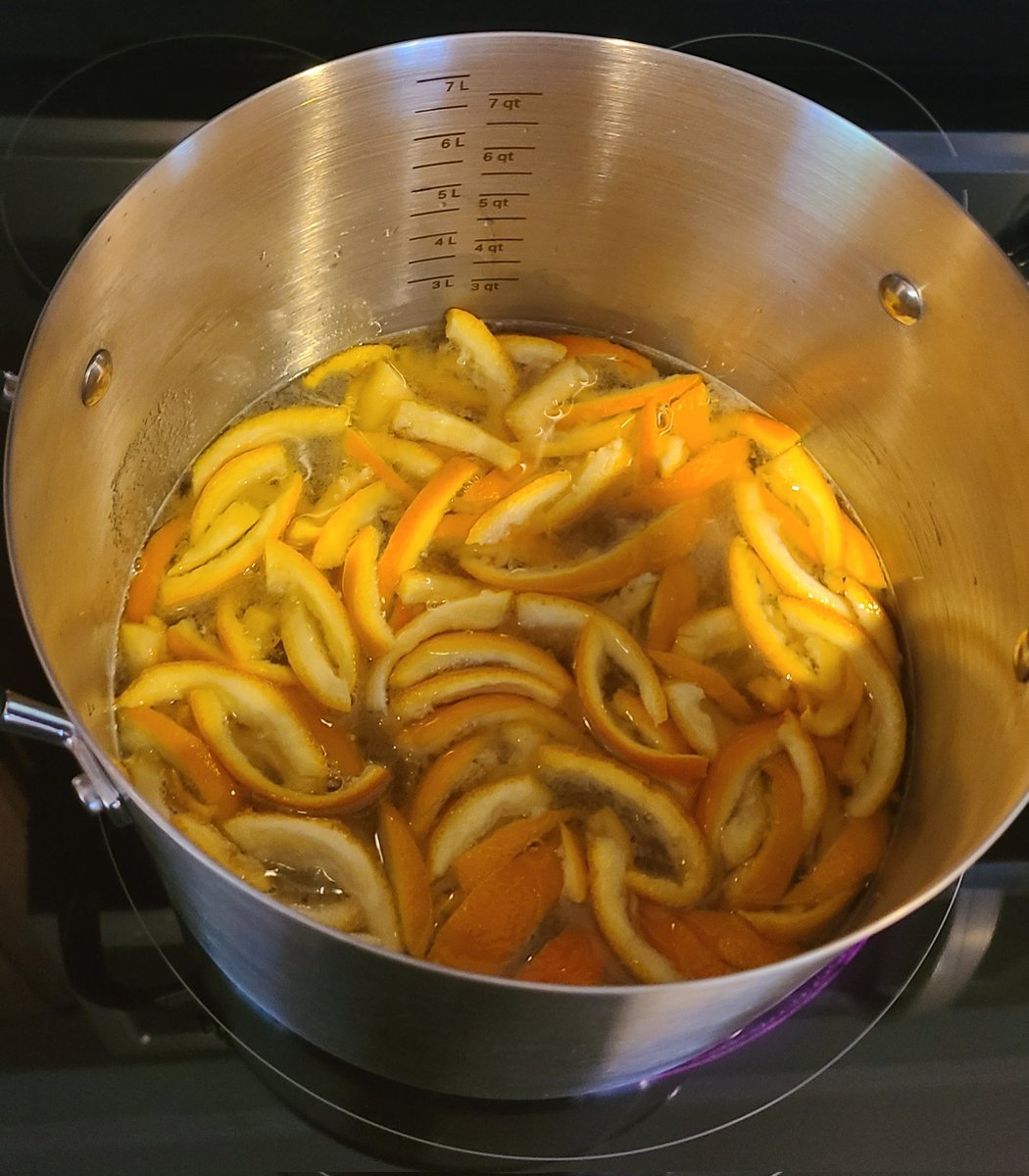
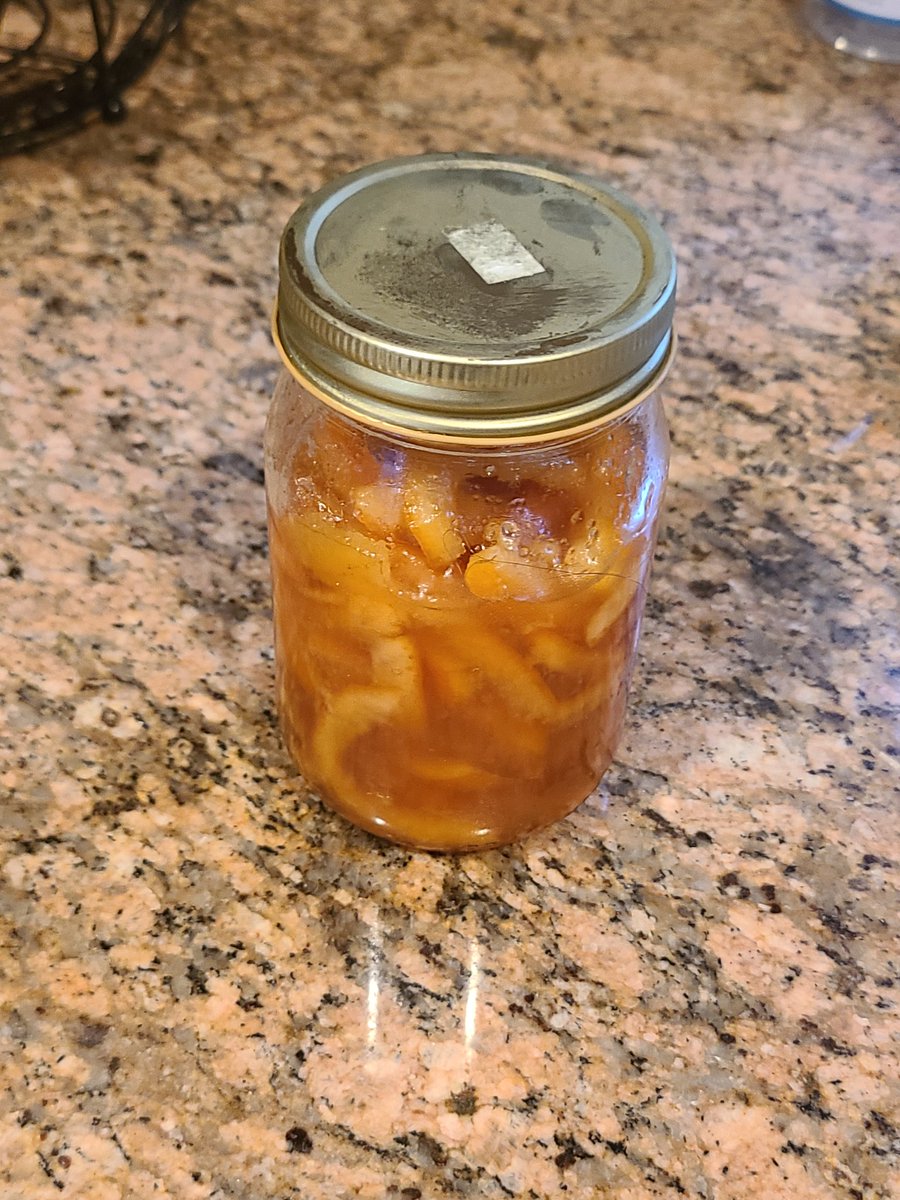

7
7
241
15,347
serotoninskeptic retweeted
A part of me is telling me to go full @PGC1a_RB / @5HTskeptic and run that “is high-dose T3 really catabolic, or just flat from glycogen depletion?” experiment for the love of the game.
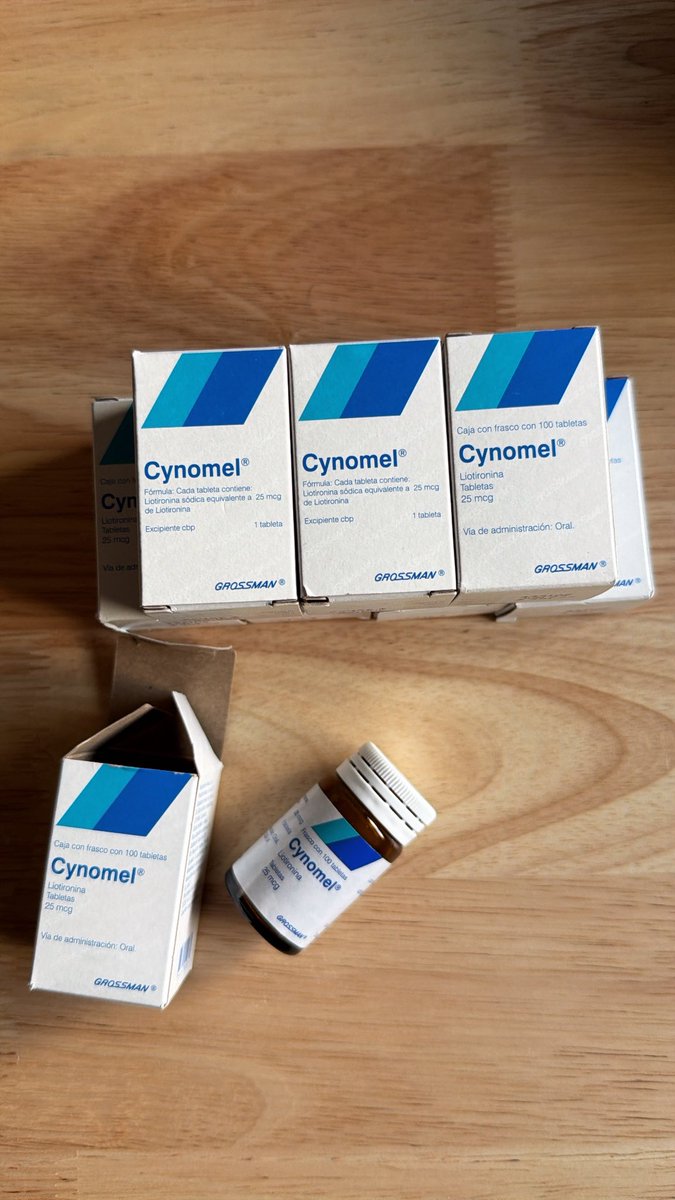
PART III : Pharmacology of Fat Loss, is out : berbarianwizard.substack.com…
An examination of pharmacological fat loss compounds based on scientific literature and selective personal experimentation, analyzing their mechanisms, effectiveness, and practical limitations.

15
2
115
17,688