Mlecchim Goyleccha / ਮਲੇੱਛਿਮ ਗੋਇਲੇੱਛਾ
Joined June 2023
- Tweets 18,483
- Following 1,120
- Followers 403
- Likes 27,277
5,370 Photos and videos



Pinned Tweet

2 Dec 2025
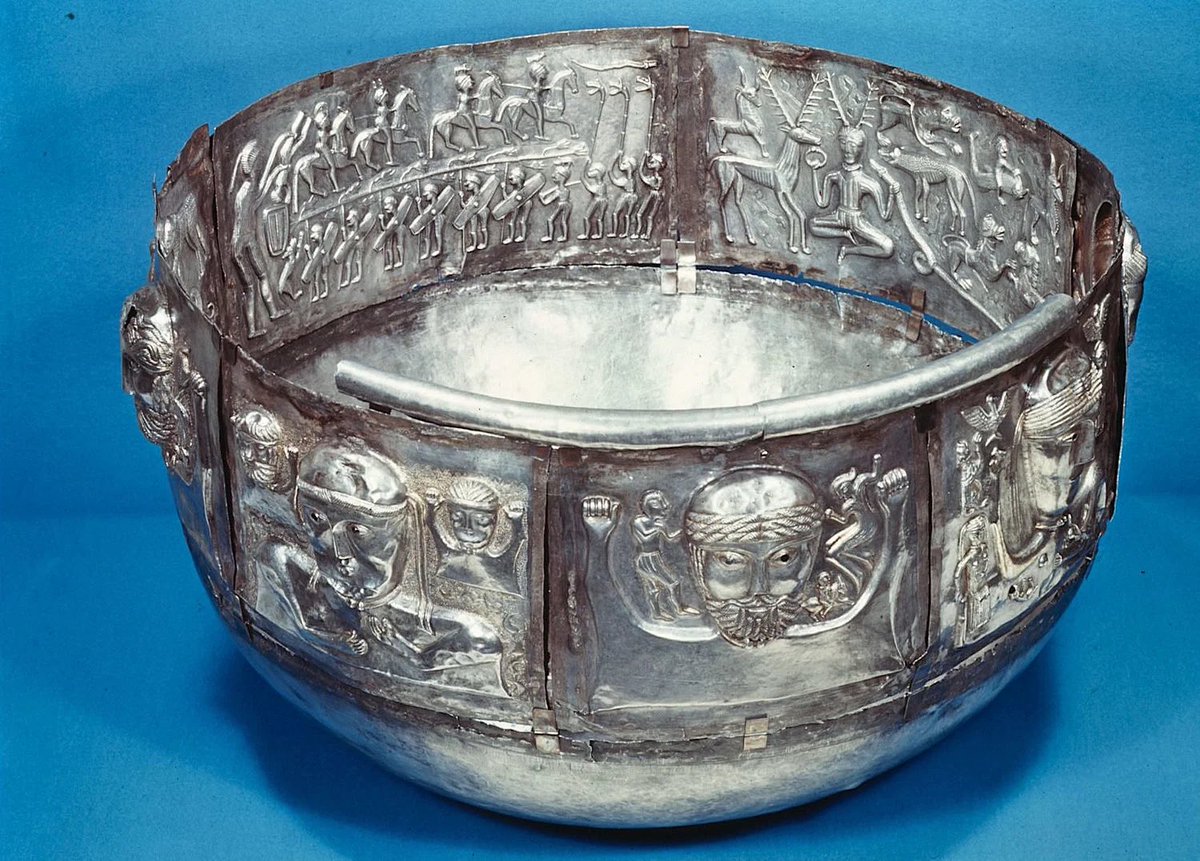
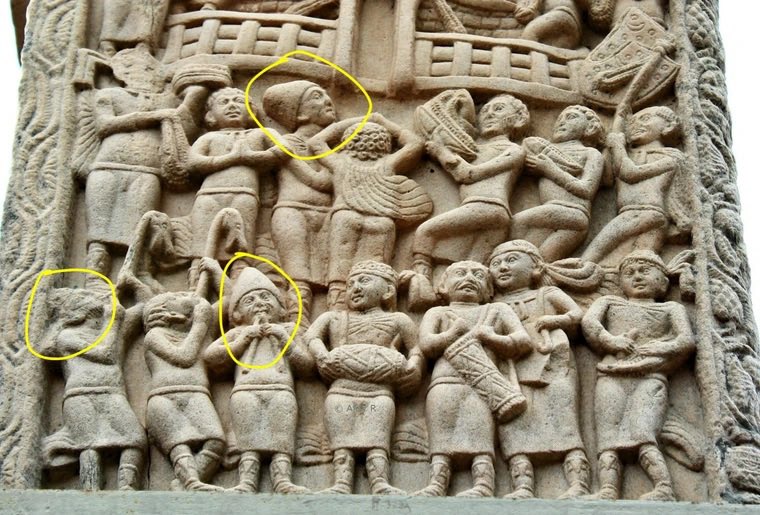
Scythian War Horn.
aka Carnyx or Ransingha
Polybius (Greek historian) described how the Celts used these horns to create a "terrifying cacophony" before battle. The height of the tube allowed the sound to scream over the heads of the soldiers.
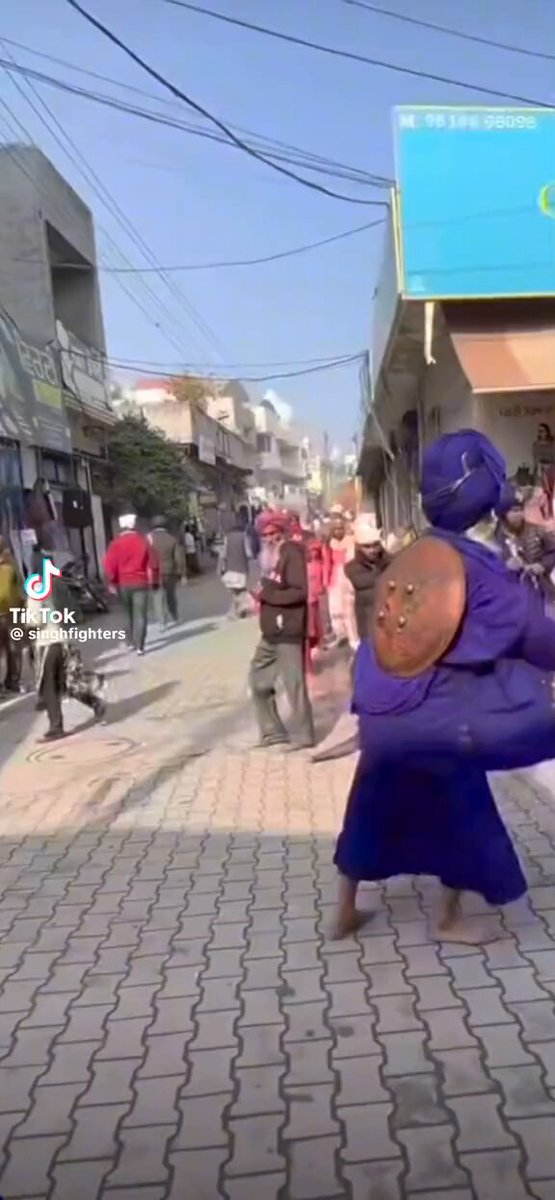
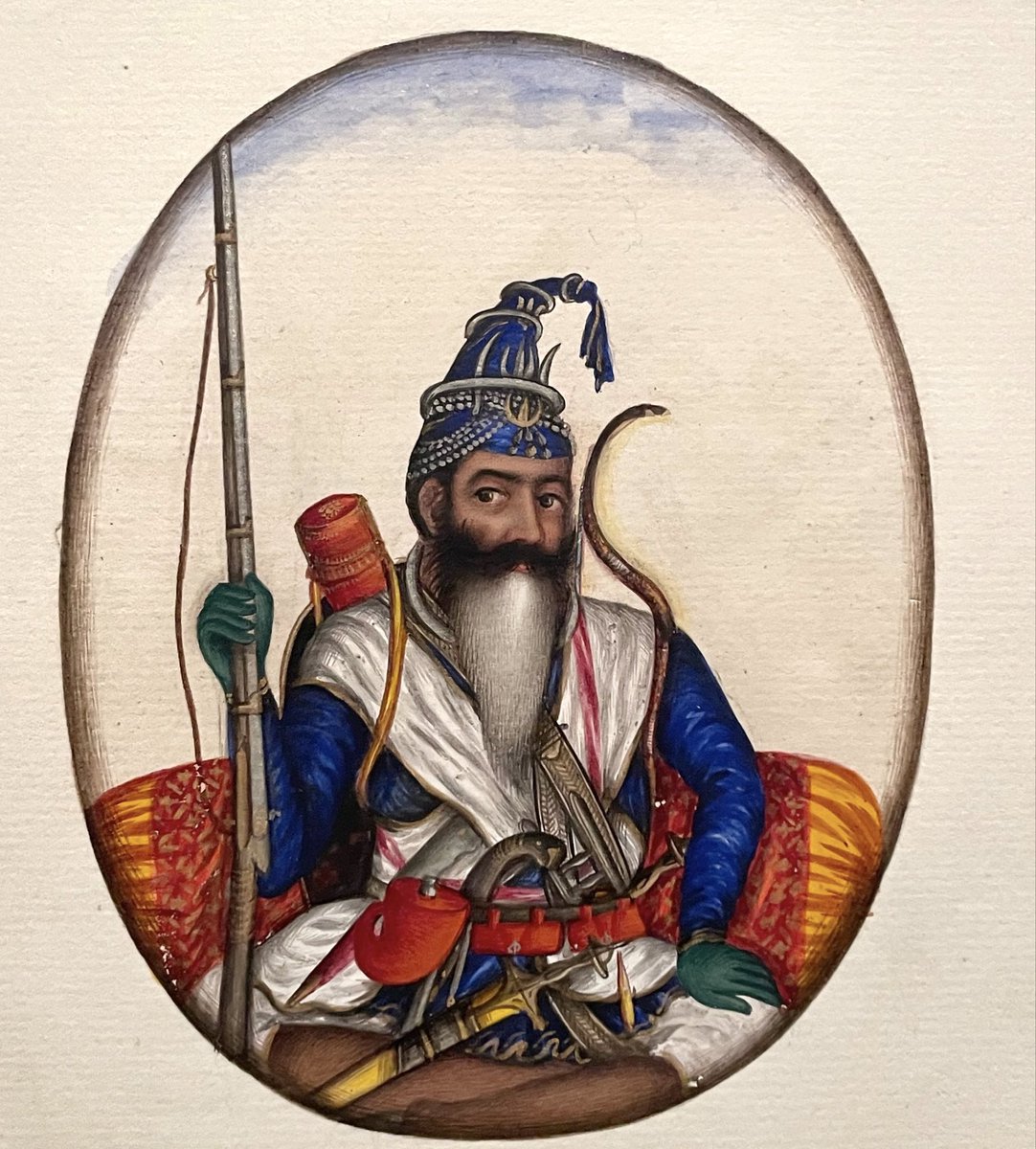
In India, it adopted a Sanskrit descriptor: Ran (Battle) Singha (Lion/Horn) = Ransingha (War Horn). The Nihang Singhs (the armed Sikh order) preserve the most martial form of this tradition. As seen in video, they use the Ransingha exactly as the ancient Celts and Scythians did: to announce movement, signal battle, and instill a sense of martial prowess.
4
10
46
12,508
Jun 7
SALOK MAHALA 9 | ਸਲੋਕ ਮਹਲਾ ੯ KIRTAN ROOP VICH | BHAI BHUPINDER SINGH HAZ... youtu.be/tzri15A8xiY?si=tNk3… via @YouTube
1
158
Jun 6
English “saint” comes through Latin sānctus (“holy, consecrated”), the past participle of sancīre (“to consecrate, make sacred, render inviolable”). That verb traces to PIE *seh₂k- / *sak-, “to sanctify, make a treaty sacred” — the same root behind Latin sacer (“sacred”) and sanciō. So saint’s lineage is PIE *sak- → Latin sānctus → Old French saint → English.
Punjabi/Sanskrit “sant” (संत / ਸੰਤ) comes from Sanskrit sant-, the present participle of as- “to be” — literally “being, existing, real, true,” and by extension “good, virtuous, a good/realized person.” The root is PIE *h₁es-, “to be” — the same root that gives English is, Latin est, Sanskrit asti. The feminine satī (“a true/virtuous woman,” source of the English word suttee) and the abstract satya (“truth”) are from the same family. So sant’s lineage is PIE *h₁es- → Sanskrit sat-/sant- → Punjabi sant.
The Latin word builds holiness out of consecration — something made sacred by ritual act, set apart, inviolable. The Indic word builds it out of being — the one who truly is, the real/authentic one, holiness as ontological truth rather than ritual setting-apart.
1
73
Jun 6
Prof Lou Fenech on The Court of the Tenth Guru youtu.be/CsaXpAmDm10?si=oP-U… via @YouTube
1
72
5chStereo retweeted

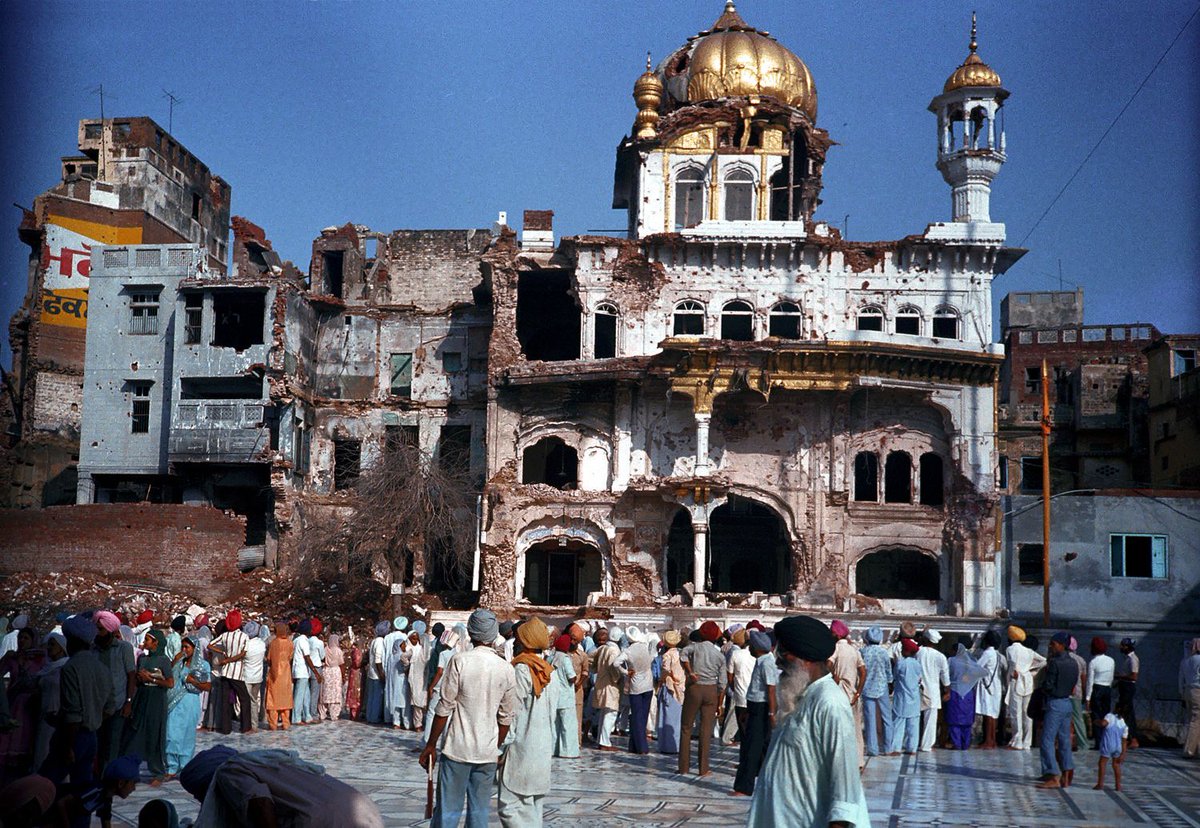
42 years on, the #Sikh community still doesn’t have the answers or #justice for the 1984 attack on the #GoldenTemple complex in #Amritsar that caused so much death and devastation.
The promised independent inquiry is vital to expose the truth around #OperationBluestar.
405
141
658
140,817
Jun 6
Bhattan De Savaiye Sachkhand Sri Harmandir Sahib Ji Sri Amritsar Sahib Ji youtu.be/myVv4-WqIp8?si=q_K9… via @YouTube
1
111
5chStereo retweeted

Jun 1
西方对中国最愤怒是中国把他们躺赚了几十年的暴利生意,一个个砸成了普通人都买得起的日用品。
这种愤怒已经刻进了很多西方人的骨子里,他们不是不理解,而是不愿意理解,不愿意接受自己再也不能躺着剥削全世界的事实。
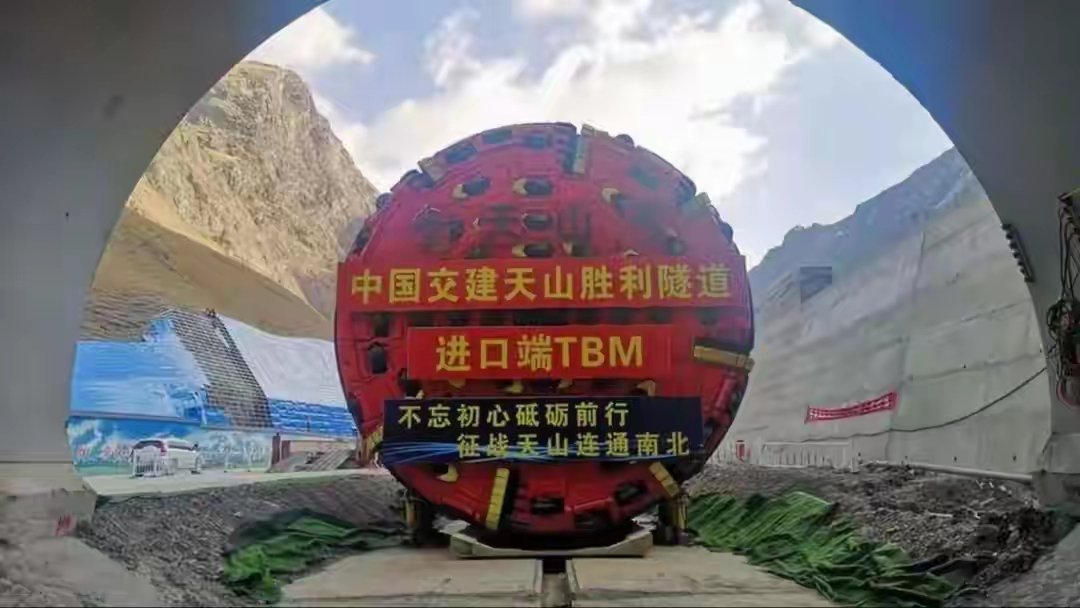
二十年前,中国修地铁要用盾构机,全部从德国进口。一台盾构机德国卖3.5亿人民币,一分钱都不能少。买的时候还要签霸王条款,机器坏了只能找德国工程师来修。
德国工程师来中国一天的工资是3000欧元,换算成人民币当时是3万多。他们坐飞机必须坐头等舱,住必须是五星级酒店的总统套房。
维修的时候中国人不能在旁边看,必须全部离场,修完了直接开账单,换一个小小的密封圈就要10万人民币。
有时候机器出个小故障,要等德国工程师三个月才能来,整个工地几百人就只能闲着干等,每天损失几百万。
没有人觉得这有什么不对。全世界都默认,高科技就应该卖这么贵,德国人掌握了技术,他们就有资格赚这个钱。甚至放言给中国图纸也造不出盾构机。
但到2008年,中国第一台拥有自主知识产权的盾构机下线。当时德国人根本不在乎,他们觉得中国人造出来的肯定是垃圾,用不了几天就会坏。
结果中国盾构机不仅能用,而且价格直接开到了5000万一台。后来随着技术不断成熟,产量不断提高,现在一台国产盾构机只要2000多万人民币,价格只有原来德国的十七分之一。
德国盾构机的垄断神话一夜之间破灭了。原来全世界只有德国、日本、美国少数几个国家能造盾构机,他们联合起来维持高价,想卖多少钱就卖多少钱。
现在中国加入了,他们的价格体系彻底崩溃了。现在德国盾构机想卖出去,价格也只能降到和中国差不多的水平,再也不能躺着赚暴利了。
而这样的事在各个领域都不断的上演,套用足球解说的一句话,留给西方垄断的时间不多了。

417
2,342
8,427
853,119
5chStereo retweeted

| ̄ ̄ ̄ ̄ ̄ ̄ ̄ ̄ ̄ ̄ ̄ ̄ ̄ ̄ ̄ ̄ ̄|
| Don't Push To Production On Friday |
|_________________|
\ (•◡•) /
\ /
——
| |
|_ |_
136
241
2,289
96,571
Jun 4
The Blue Lions, Budha Dal UK - Kirtan at The Great Estate Festival, Corn... youtu.be/o2j7atdHvqc?si=zu6g… via @YouTube
2
102
5chStereo retweeted

Jun 3
Completely agree.
Let’s be done with the Francophone-Anglophone animosity.
Leave your Protestant Orange marches back home.
Let’s revisit Canada’s constitutional protection for Catholic schools.
Or are we talking about immigrants from only some parts of the world?
If only I’d kept a penny for every time some ‘old stock’ Canadian said this to me…
Jun 2

PM Carney tells immigrants to leave behind the feuds of their homelands:
"We don't welcome the world's hatreds"
"When you come to Canada you bring your faith, your tradition, your language, your story - you leave behind your animosities"
435
91
559
93,411
5chStereo retweeted

42 years after the Government of India’s June 1984 attack on Sri Harmandir Sahib and Akal Takht, we remember the victims and the enduring pain felt across the Sikh community.
Truth, justice, and remembrance must continue to guide us.
137
115
473
45,977
5chStereo retweeted

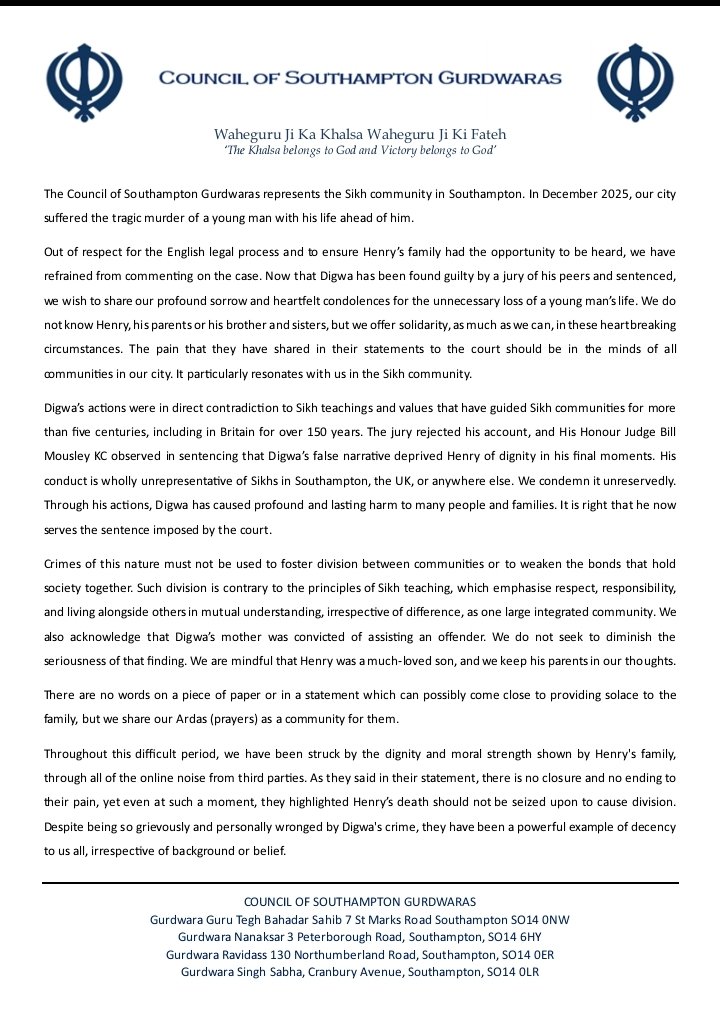
STATEMENT: Council of Southampton Gurdwaras
57
31
103
14,874
5chStereo retweeted

42 years ago, the attack on Sri Harmandir Sahib and Akal Takht Sahib forever changed the Sikh psyche. Innocent pilgrims detained and killed. A state-imposed media blackout. The Sikh Reference Library destroyed. Revered ground, left in ruins. 1/2
65
67
425
28,588


Unique Andronovo archaeological complex discovered in Kazakhstan and a woman nearly 200 cm tall.
"Excavations revealed 21 burials. One discovery, however, stood out from the rest - a woman buried at the center of the cemetery. According to Kurguzkin, most members of the Andronovo culture were relatively short, averaging around 130–140 centimeters in height. Based on skeletal remains, however, this woman may have stood nearly two meters tall."
qazinform.com/news/unique-an…
20
49
419
119,004
May 31
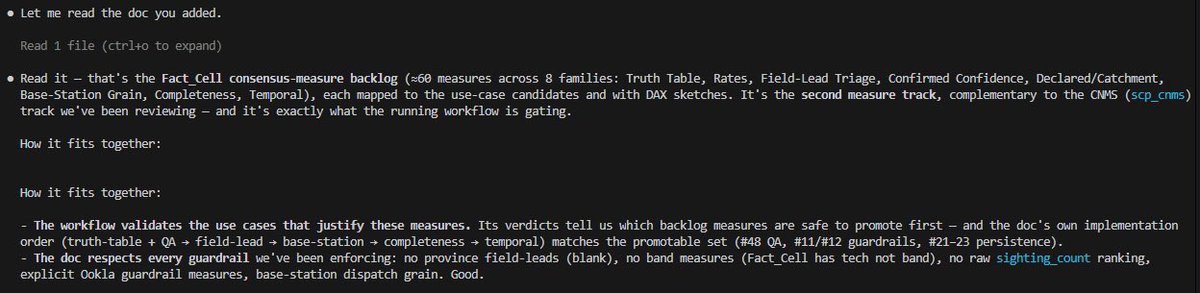
when your workflow so good that @claudeai has double epiphany!
@ClaudeDevs what is reasoning behaviour called? is it due to new workflow feature? I have using it extensively in my code
50


May 30
Sanehvaal Chounk | Full Audio | Specialist N Tru-Skool ft Kaka Bhaniawal... youtu.be/wOi5KYoAJEs?si=Vzkz… via @YouTube
100
May 30
The Hardest Questions in Physics | World Science Festival youtu.be/0Ji1UFPT--M?si=TfJ7… via @YouTube
44