
Joined November 2023
- Tweets 41
- Following 48
- Followers 513
- Likes 33
Photos and videos
Hackers_paid_83.5BTC_fee_with_my_money retweeted

23 Jul 2025
I am genuinely concerned about the state of the UK —I think the social contract in this country, the glue that’s supposed to bind us together, is starting to break down
657
2,186
10,287
157,057
Hackers_paid_83.5BTC_fee_with_my_money retweeted
22 Jul 2025
In Saudi Arabia, illegal migrants are imprisoned, fined & deported with no legal process
In Qatar, they are detained & deported without appeal
In Australia, they are detained offshore with no chance of settling
In Britain?
We put them up in luxury hotels with welfare and swimming pools then wonder why they keep coming
305
3,028
12,230
223,036
Hackers_paid_83.5BTC_fee_with_my_money retweeted

24 Jul 2025
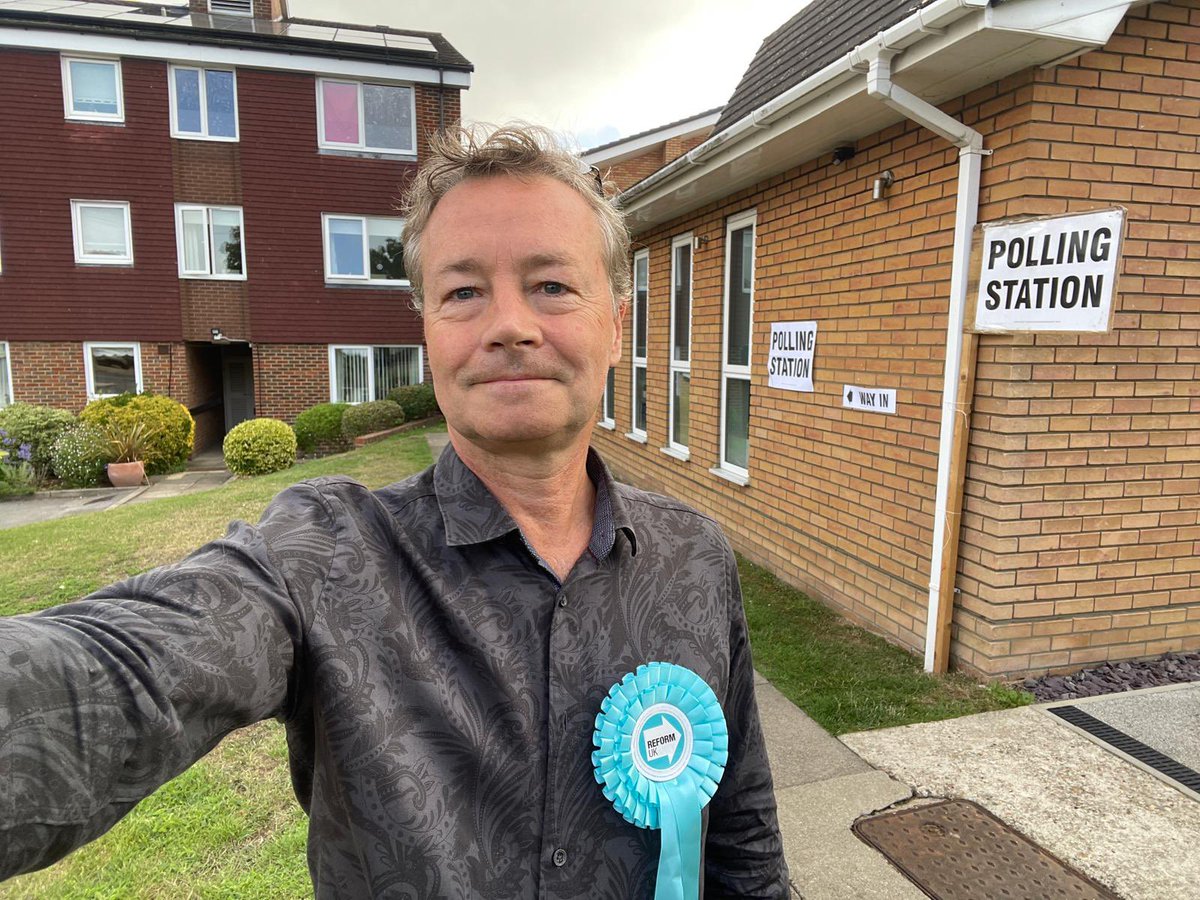
🗳️ Bromley Common & Holwood – TODAY IS THE DAY!
Please get out and VOTE for @T_Alan_Cook – your local @reformparty_uk candidate.
Alan is a proud Bromley resident who will work hard, stand up for your community, and represent the only party that truly cares about you.
1
1
143
Hackers_paid_83.5BTC_fee_with_my_money retweeted

23 Jul 2025
This is Ben-Julian Harrington.
Chief constable of Essex Police.
His officers escorted *in* far-left masked-up agitators to confront locals at the Bell Hotel in Epping.
His position is untenable.
He has got to go.

1,570
8,914
29,840
358,771
Hackers_paid_83.5BTC_fee_with_my_money retweeted

23 Jul 2025
🚨 BREAKING NEWS 🚨
This video proves @EssexPoliceUK transported left-wing protestors to The Bell hotel in Epping.
There is no way Chief Constable BJ Harrington can stay in position.
2,608
8,176
36,073
2,403,801
Hackers_paid_83.5BTC_fee_with_my_money retweeted

2 Apr 2025
12,453
27,567
148,840
47,800,829
Hackers_paid_83.5BTC_fee_with_my_money retweeted

1 Apr 2025
JUST IN: Tether buys 8,888 Bitcoin worth $750 million in Q1 2025 👀
12
11
161
6,593
Hackers_paid_83.5BTC_fee_with_my_money retweeted

23 Mar 2025
GROK SAYS:
Yes, this is true. The International Monetary Fund (IMF) has indeed updated its Balance of Payments and International Investment Position Manual, Seventh Edition (BPM7), to include Bitcoin and other cryptocurrencies in its global economic framework. Released on March 20, 2025, the BPM7 integrates digital assets into international statistical standards for the first time, reflecting their growing economic significance.
According to the updated manual, Bitcoin and similar cryptocurrencies without counterpart liabilities are classified as "non-produced nonfinancial assets" and are recorded in the capital account. This applies to assets designed as mediums of exchange, like Bitcoin. Other digital assets, such as stablecoins backed by liabilities, are treated as financial instruments, while certain tokens (e.g., those tied to platforms like Ethereum or Solana) may be categorized as equity-like holdings if held across borders. Additionally, activities like mining and staking are recognized as service production, tracked under computer services in exports and imports.
This update, developed with input from over 160 countries, aims to standardize how nations report the economic impact of digital assets, enhancing global money tracking. While implementation will vary by country, the IMF’s move signals a significant step toward mainstream recognition of cryptocurrencies in macroeconomic statistics. Posts on X and various web sources from March 21-22, 2025, align with this development, though they reflect public sentiment rather than primary evidence. The IMF’s official documentation and related reports confirm these changes.
3
11
52
5,226

24 Nov 2023
It was my BTC that paid the high fee.
I created a new cold wallet, transferred 139BTC to it and it got transferred out to another wallet immediately. 😵
I can only imagine that someone was running a script on that wallet and that the script had a weird fee calculation. ☹️
71
36
181
202,529
Hackers_paid_83.5BTC_fee_with_my_money retweeted
24 Nov 2023
It was my BTC that paid the high fee.
I created a new cold wallet, transferred 139BTC to it and it got transferred out to another wallet immediately. 😵
I can only imagine that someone was running a script on that wallet and that the script had a weird fee calculation. ☹️
71
36
181
202,529
Hackers_paid_83.5BTC_fee_with_my_money retweeted
26 Nov 2023
This signed message is proof that they were my funds
bc1qn3d7vyks0k3fx38xkxazpep8830ttmydwekrnl
"@83_5BTC is the owner of the funds that paid the high fee"
H2eqkv/w1BmTXxeVhnFNcjoR3di9Kfzp9eh8Q5mEzwjQelQPtfXgtpKCwlocQcqBmRkzJ6ZBHWtsIO5OtqSmAXo=
133
21
106
161,046
26 Nov 2023
I would rather remain anonymous for obvious reasons. If you would like to ask any questions about the situation, then please message this account.
10
1
25
8,886