Avid pool player cinephile = blogger about billiards movies, film shorts, TV shows, and web series
Joined July 2013
- Tweets 7,906
- Following 246
- Followers 1,483
- Likes 623
453 Photos and videos


8 Ball Silver Screen retweeted

5 Jul 2023
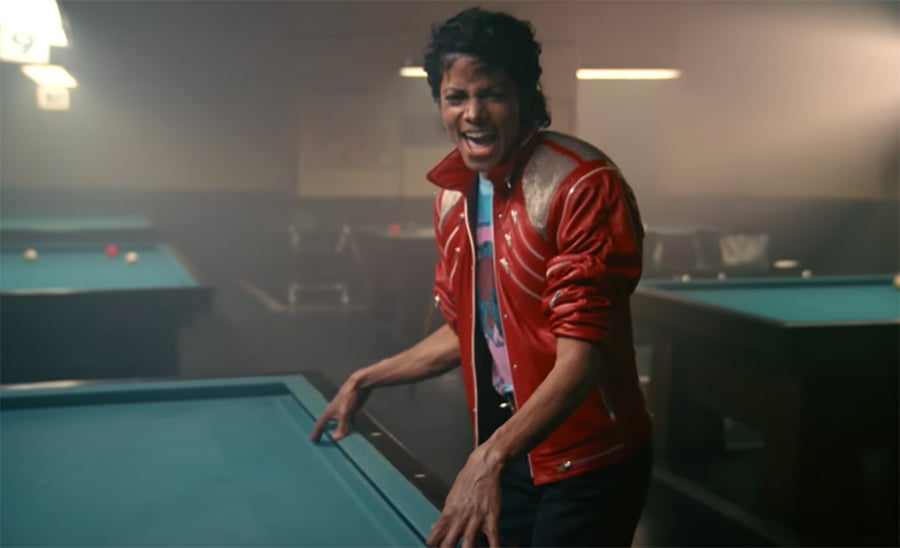
Unraveling the Hidden Details in Michael Jackson's 'Beat It': The Mystery of the Pocketless Pool Tables
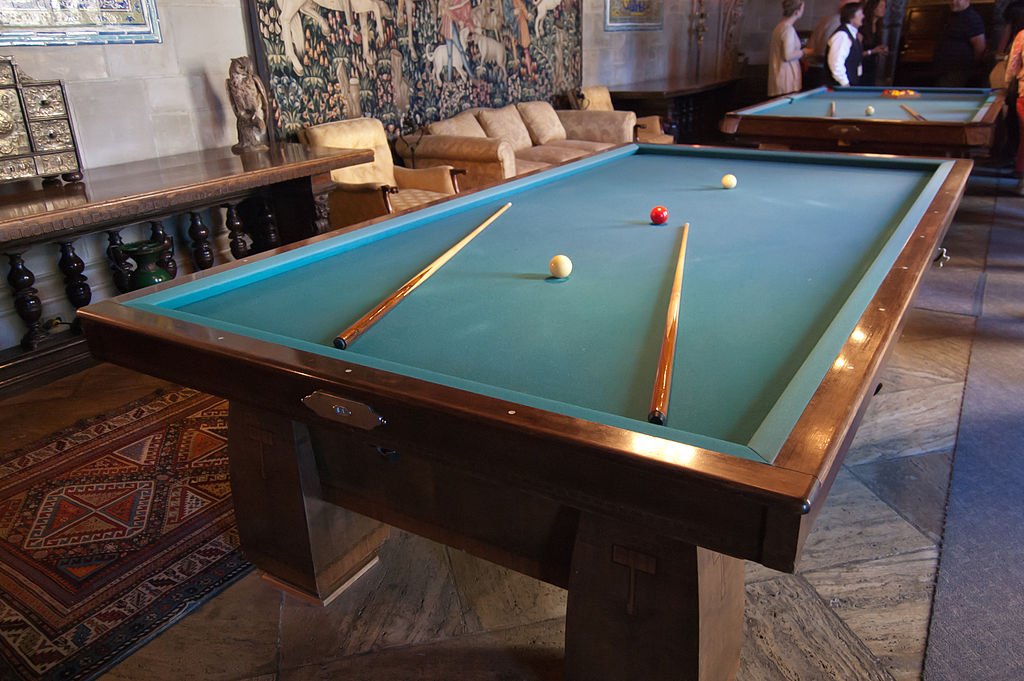
In the iconic music video for Michael Jackson's "Beat It", a curious detail often goes unnoticed - the pool tables are missing pockets. This is because the tables featured are not for pool, but for a different type of cue sport known as carom billiards. Unlike pool, carom billiards is played on a pocketless table. The game originated in France and is known for its strategic and precise gameplay. The term "carom" itself dates back to 1779 and is derived from the French word "carambole", which referred to the red ball in billiards. This intriguing detail adds another layer of depth to the already rich tapestry of Michael Jackson's "Beat It".
#MichaelJackson #BeatIt #MusicTrivia #CaromBilliards #CueSports #HiddenDetails #MusicVideoSecrets #PopCulture #BilliardsHistory #FrenchGames #Etymology
Source(s):
1. Michael Jackson Official Site | Details in the "Beat It" Short Film:
michaeljackson.com/news/what…
2. Britannica | Overview of Carom Billiards:
britannica.com/topic/carom-b…
3. Wikipedia | Detailed Info on Carom Billiards: en.wikipedia.org/wiki/Carom_…
4. Online Etymology Dictionary | "Carom":
etymonline.com/word/carom
1
2
121
8 Ball Silver Screen retweeted

Thailand’s GDH 559 launching ‘GFF’ and ‘Untitled Snooker’ project at Cannes.
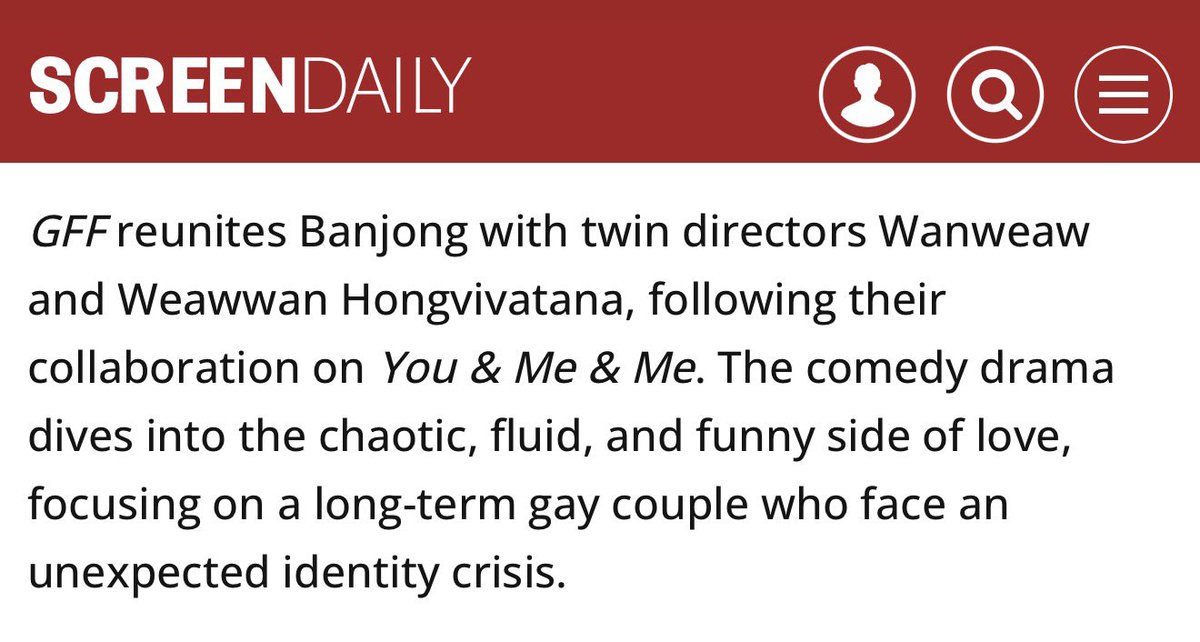
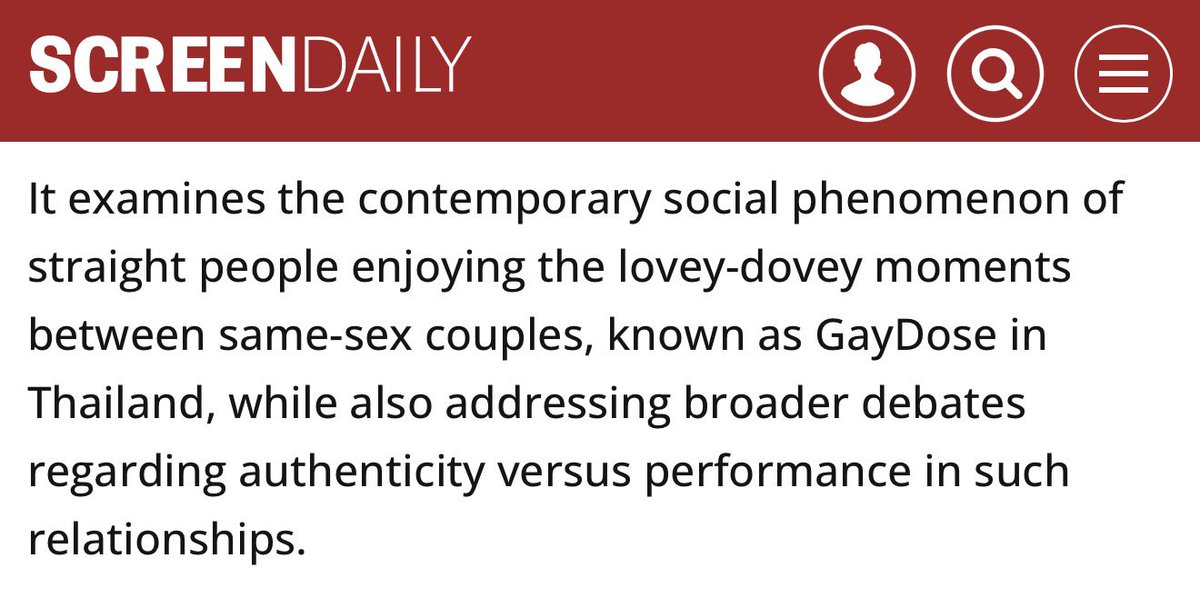
Two movie projects are lining up in 2027 for gdh. One of which is a story about a long-term gay couple who face an unexpected identity crisis. Interesting plot, maybe?
Cr: Screen Daily
screendaily.com/news/thailan…
#gdh #bbillkin #ppkritt
70
242
14,354
8 Ball Silver Screen retweeted

Jun 11
See how Chad “Shorty” McDaniel adapts and overcomes to live the life others said he could never have in the new film, 96 Pounds of Dynamite. 💥🎬 #apapool #billiards #poolplayer
Amazon: amzn.to/42tToj5
Apple: apple.co/4nnQiXC

1
1
3
119
8 Ball Silver Screen retweeted

26 Sep 2025
#Bales2025FilmChallenge
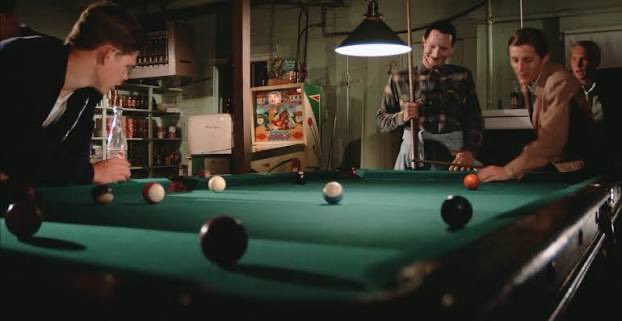
September 26: Billiards.
BUSTER AND BILLIE (1974). The climax of this largely forgotten Daniel Petrie film features a surprisingly tense scene around a pool table.
3
18
326
8 Ball Silver Screen retweeted

27 Sep 2025
#Bales2025FilmChallenge
Day 26 - Pool/Billiards
Éva "Vica" Kerekes in Muži v naději (Men in Hope)
A 2011 Czech romantic sex comedy film written and directed by Jiří Vejdělek (no subtitles)
3
17
13,412
8 Ball Silver Screen retweeted

Feb 17
The billiards scene in Eyes Wide Shut operates as Stanley Kubrick’s quiet thesis statement on power: elites do not need to hide their existence once you understand how consequences are controlled.
The visual staging reinforces the message. The glowing red billiards table evokes both the ritual imagery earlier in the film and the idea of a controlled playing field. Ziegler stands at the table holding a cue but never actually playing, suggesting authority without effort. Bill, by contrast, is positioned as someone who has unknowingly wandered into a game already in progress.
The conversation is less a confession than a demonstration. Ziegler explains just enough to show Bill how the system works, while subtly reminding him that resistance would be futile.
The tone, pacing and controlled calm of the delivery suggest something more unsettling: the truth is not being denied, it is being managed. Kubrick frames the exchange like a corporate briefing, implying that power structures maintain stability not through secrecy alone but through quiet intimidation and selective disclosure.
In that sense, the billiards room is the film’s real climax. Bill has glimpsed the machinery behind wealth, privilege, and consequence and the final message is unmistakable. The world he thought he understood operates according to a different set of rules and now that he has seen them, the only real choice left is silence.
What makes the scene linger is the uncomfortable possibility that Kubrick wasn’t simply telling a fictional story. The exchange hints at a broader reality that we all intuit but most of us prefer not to acknowledge.
37
160
1,305
222,577
8 Ball Silver Screen retweeted

this is my reminder to all non-hk film mutuals to watch fagara (2019) where the narrative uses megan lai's character playing billiards as a metaphor for being a lesbian, i am not joking
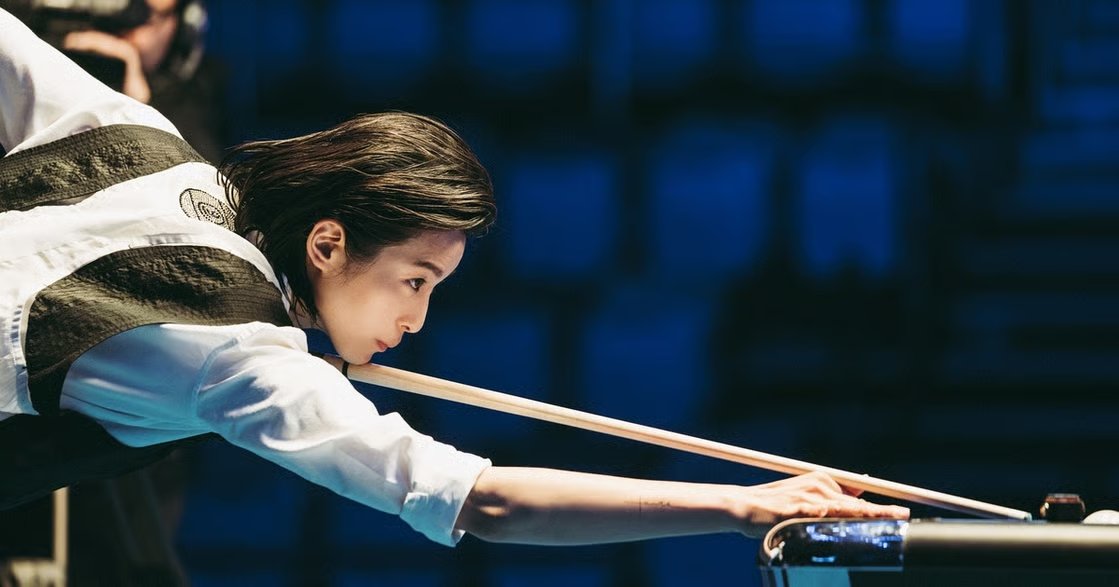

sammi cheng's filmography is a mad swing between the sweetest most heart rendering films you've ever seen and basically unwatchable shit like love contractually or triumph in the skies, as is tradition for any hong kong actress



1
1
2
350
Fire & Ice Media Picks Up Filipino Sports Drama ‘Bilyarista’ Starring Loisa Andalio & John Arcilla deadline.com/2026/05/loisa-a… via @Deadline
8
15
917
8 Ball Silver Screen retweeted

May 12
🎱 It's official - Big Break is back!
Paddy McGuinness and Stephen Hendry will be joined in studio by professional snooker players, from across the globe, straight off the competition circuit, in a bid to win their contestants the cash prize.
More ➡️ bbc.in/3Rj4ULL

ALT Paddy McGuinness and Stephen Hendry, holding a snooker cue
878
382
2,973
1,339,686
8 Ball Silver Screen retweeted

In THE COLOR OF MONEY, Tom Cruise’s “Werewolves of London” scene isn’t faked – he’d practiced pool so much that he really is sinking those shots.
35
162
2,411
210,590

Apr 21
Here's an oddball billiards-themed commercial (2009) from Skittles that I had not seen before
youtube.com/watch?v=qQMx8drd…
79
8 Ball Silver Screen retweeted

In a 1962 episode of "The Dick Van Dyke Show", Mary Tyler Moore unexpectedly sank an "impossible" three-ball pool shot on her first take. Though a professional was on standby for a camera trick, her success was genuine surprise and a perfect shot.
20
170
1,536
49,560
8 Ball Silver Screen retweeted
TOM CRUISE talking about valuable acting lessons learned working with Paul Newman on The Color Of Money (1986).
2
16
141
27,317
Big Break: The amazing story behind the iconic snooker show TV theme @GoldRadioUk
goldradio.com/news/tv-film/b…
1
40
8 Ball Silver Screen retweeted

6 Dec 2025
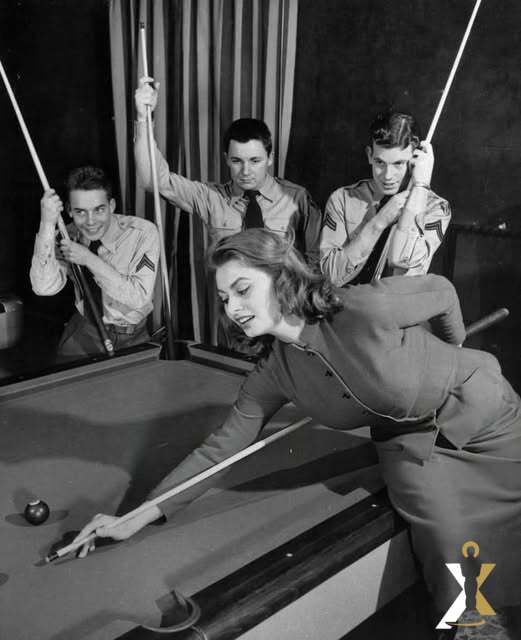
Italian actress Sophia Loren is pictured in this historic photo playing billiards with three American soldiers at the US Army supply base in Livorno (Leghorn), Italy, on December 30, 1954. Loren, who was one of the most popular film actresses at the time, demonstrated her billiar
1
1
116
8 Ball Silver Screen retweeted

21 May 2025
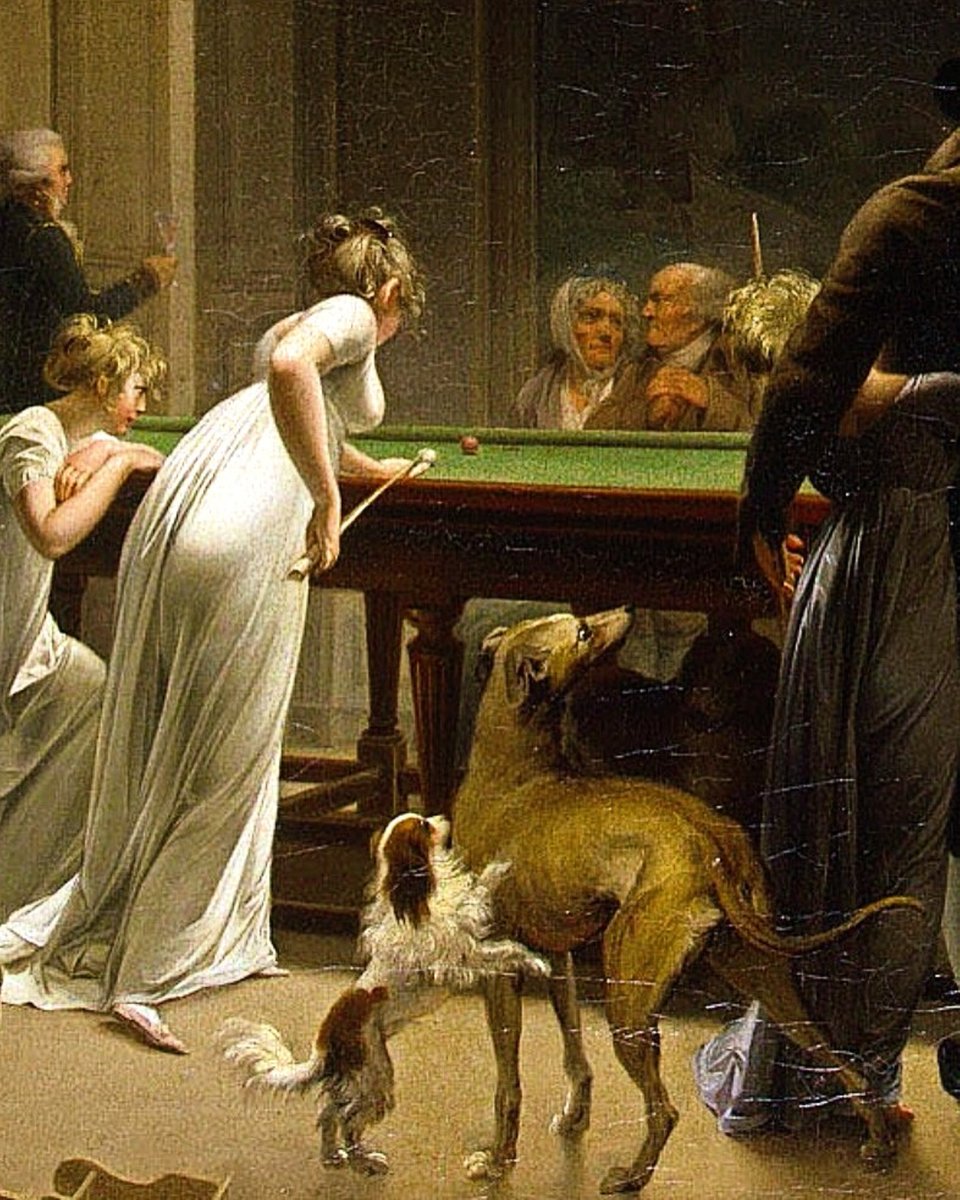
"A Game of Billiards" (1807)
By Louis-Léopold Boilly. (1761 - 1845)🖌️🌹
6
126
591
24,836
Jan 21
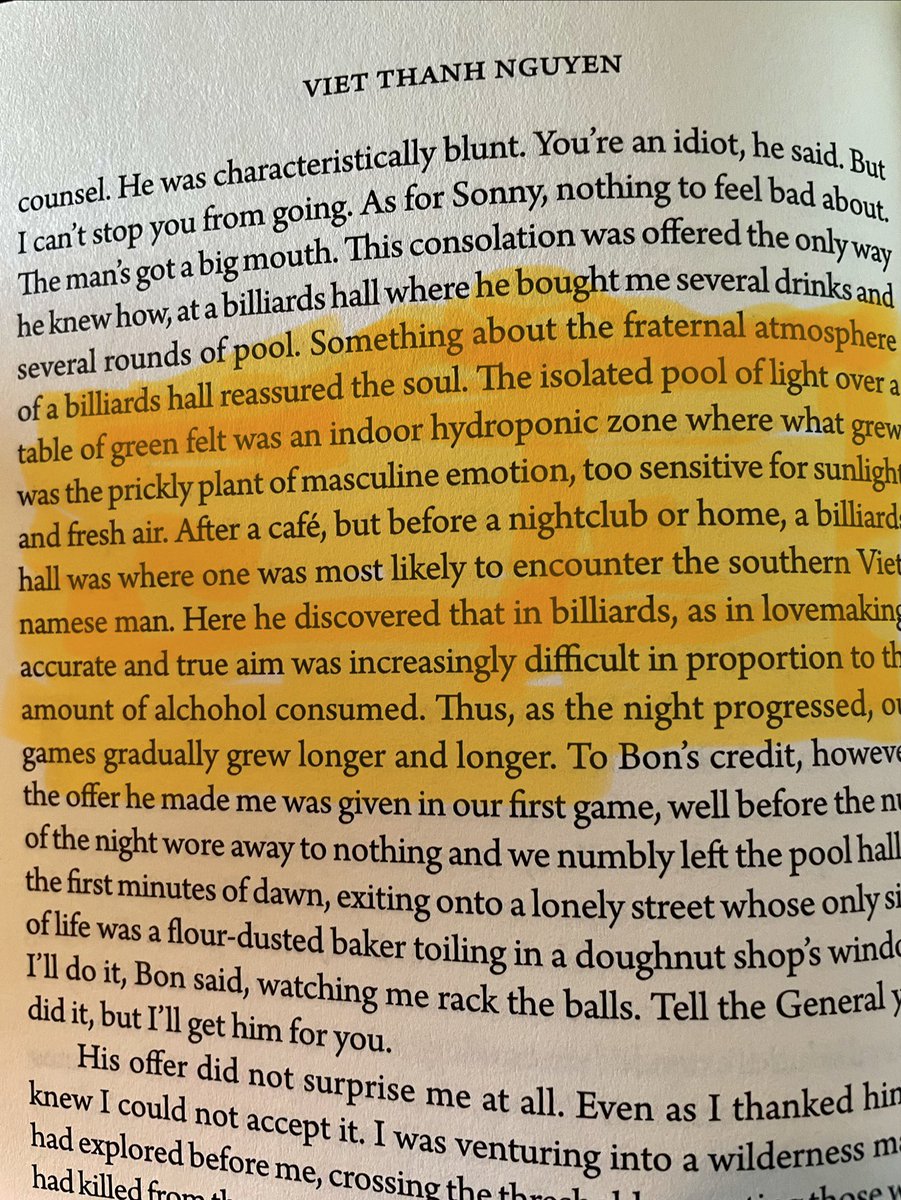
Reading this great book “The Sympathizer,” which is not about billiards, but does have this wonderfully-written passage about playing pool.
1
31
8 Ball Silver Screen retweeted

25 Dec 2025
🎄 Merry Snookmas everyone! 🎄
I've got a little something for you:
You can now listen to all those amazing #SnookerSongs in one go without going through all of my posts! Check out these two playlists on Youtube:
2024 – youtube.com/playlist?list=PL…
2025 – youtube.com/playlist?list=PL…
1
1
3
1,070
31 Dec 2025
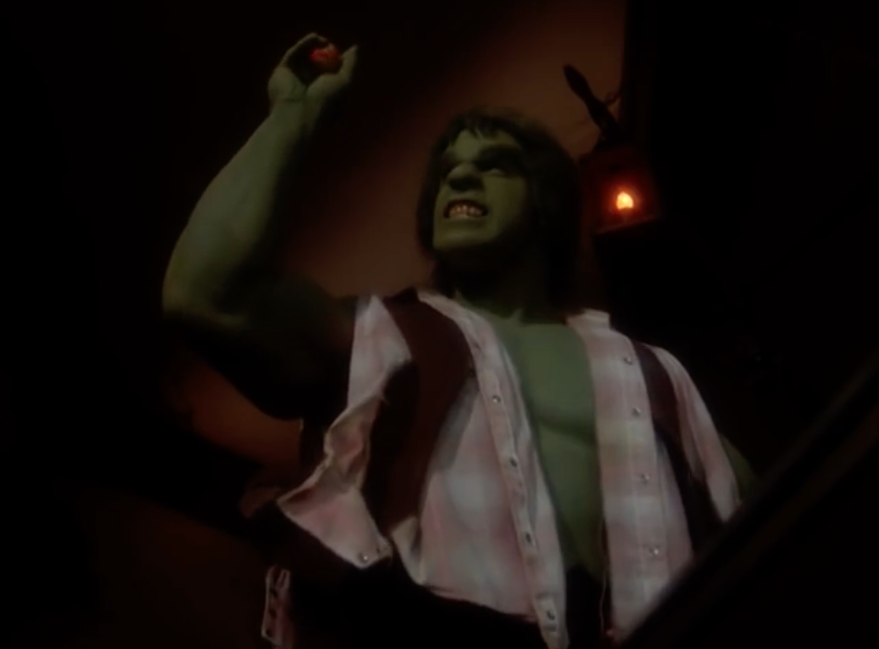
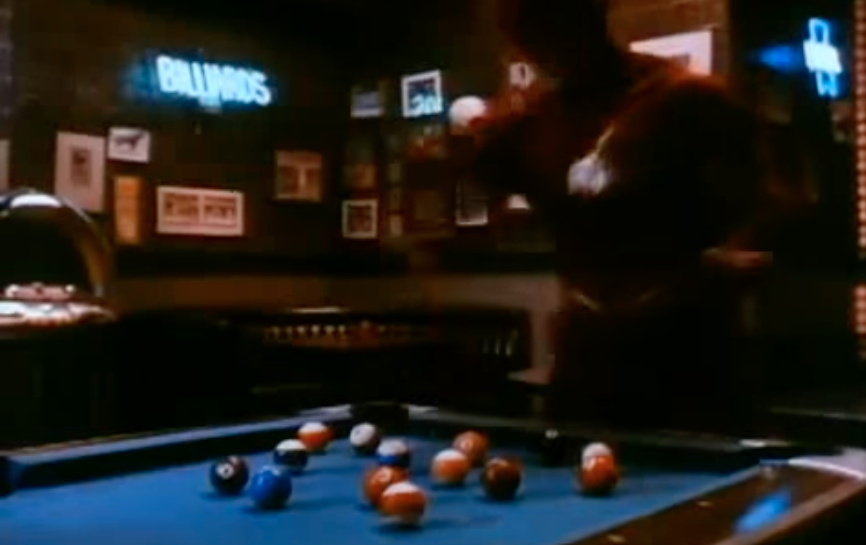
Plastic Man takes his cue, literally. From Plastic Man - "This is Where We Exit" (1979) #superheroeslovepool
imdb.com/video/vi1003275289/…
36