
Shitposter | Community Advisor @linera_io
Joined February 2024
- Tweets 25,702
- Following 1,390
- Followers 1,602
- Likes 53,646
1,407 Photos and videos









Most people hear "parallel execution" and immediately think:
"More transactions = more speed."
But there's a problem
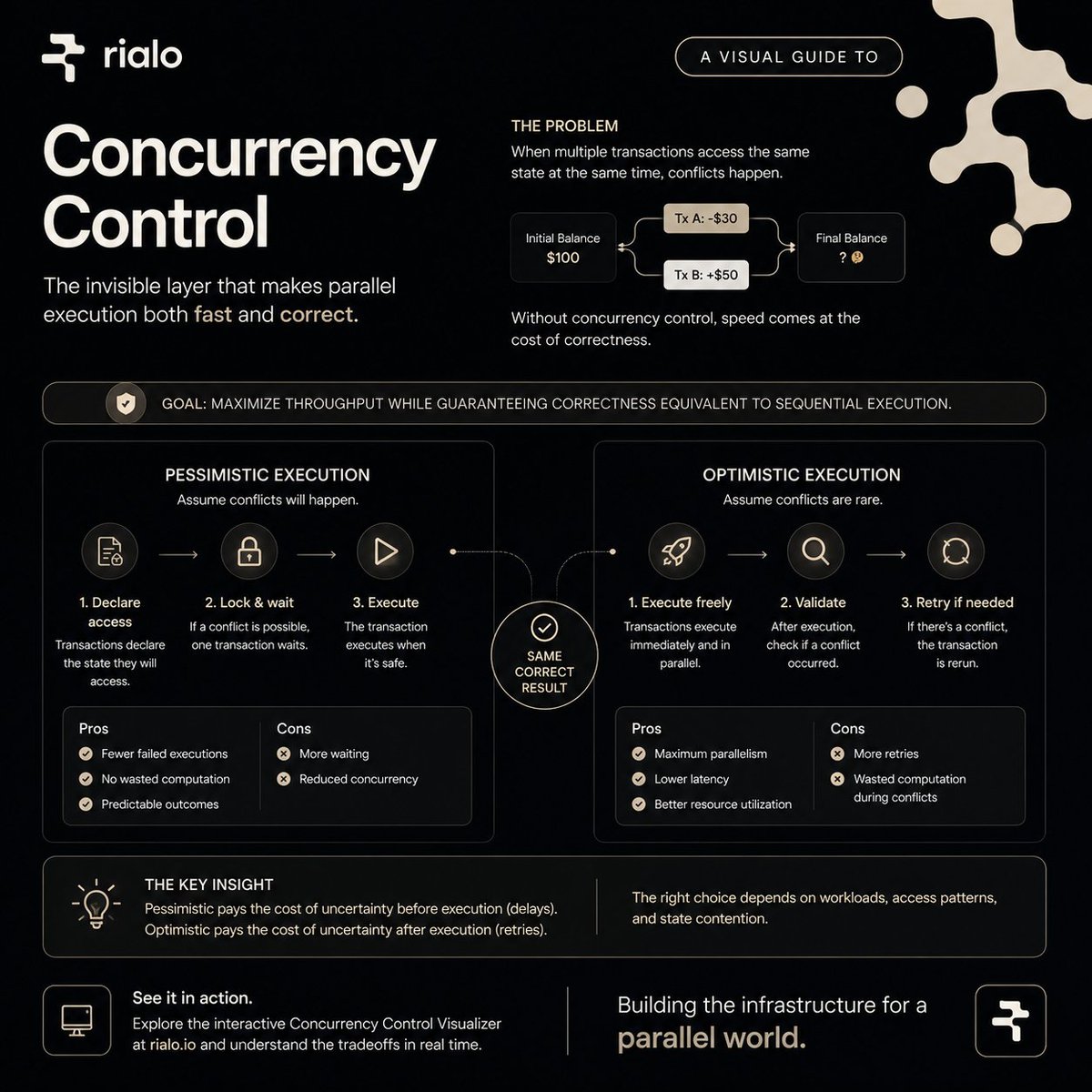
What happens when multiple transactions try to update the same state at the same time?
That's where concurrency control comes in
Imagine two transactions touching the same account balance
Transaction A: -$30
Transaction B: $50
If executed sequentially, the result is always correct
But in a parallel environment, both transactions could read the same starting balance and produce conflicting results
Without proper safeguards, speed comes at the cost of correctness
Blockchains solve this using concurrency control
The goal isn't just maximizing throughput
The goal is maximizing throughput while guaranteeing the same correctness as sequential execution
There are two main approaches:
→ Pessimistic Execution
→ Optimistic Execution
Pessimistic execution assumes conflicts will happen
Before execution begins, transactions declare what state they'll access.
If two transactions may conflict, one waits
Pros:
• Fewer failed executions
• No wasted computation
• Predictable outcomes
Cons:
• More waiting
• Reduced concurrency
Optimistic execution takes the opposite approach.
It assumes conflicts are rare
Transactions execute immediately and in parallel
Only after execution does the system check whether a conflict occurred
If it did?
The conflicting transaction gets rerun with the updated state
Pros:
• Maximum parallelism
• Lower latency
• Better resource utilization
Cons:
• More retries
• More wasted computation during conflicts
The interesting part:
Both approaches arrive at the exact same correct result
They simply pay the cost of uncertainty differently
Pessimistic systems pay before execution through delays
Optimistic systems pay after execution through retries
This tradeoff becomes even more important as blockchains scale
Read-heavy workloads, write-heavy workloads, account access patterns, and state contention all influence which model performs better
That's why concurrency control isn't just a technical detail
It's one of the core design decisions that determines a blockchain's performance characteristics
Rialo's visualizer does a great job showing these tradeoffs in action
Instead of reading about concurrency control in theory, you can actually watch transactions wait, execute, conflict, and rerun in real time
A great resource for anyone trying to understand how modern parallel-execution chains preserve both speed and correctness
The future of blockchain scalability isn't just about executing more transactions
It's about executing more transactions correctly
3
12
34
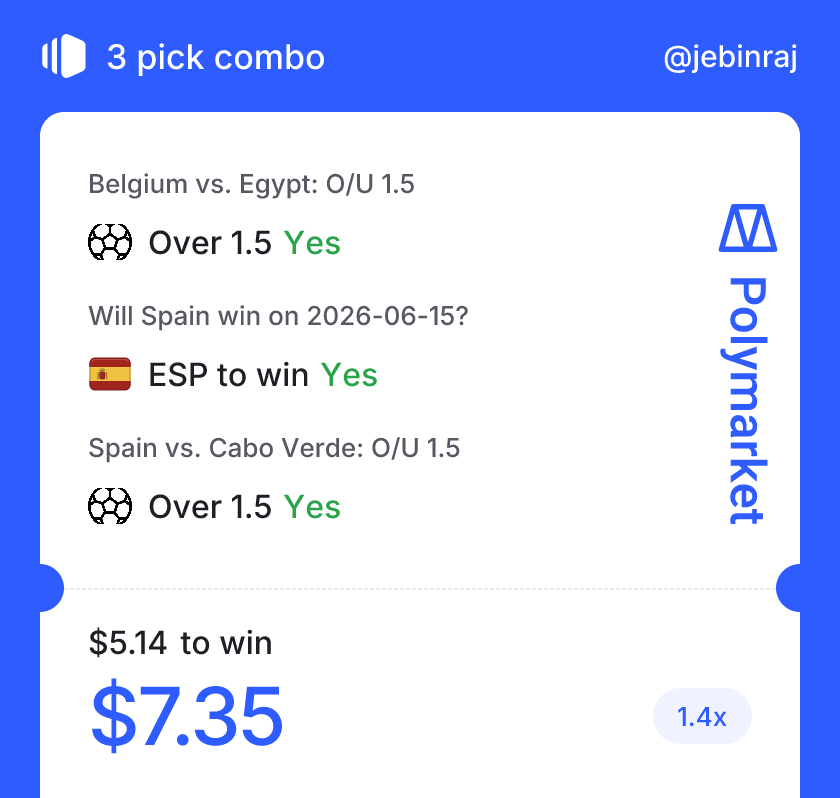
Decided not to go for @Polymarket combo since the previous loss but still i felt this is safe play
Let's see how much Spain can score today
Lamine is benched and Nico not in the squad but still expecting a good score
5
11
111
The leaderboard notices your absence before you do
Missed another day of quacking
Not because I wanted to
Just got caught up with IRL responsibilities
And already, I can sense what's coming
A few spots down on the leaderboard
Less momentum
Less visibility
But that's actually what makes @wallchain interesting
It doesn't reward intentions
It rewards participation
It rewards the people who show up
Every. Single. Day.
And this week has reminded me of something important:
Consistency isn't built on the easy days
It's built on the busy days
The days when you don't have much time
The days when life gets in the way
The days when showing up requires extra effort
That's the real test
Am I disappointed about the drop?
A little
Am I giving up?
Not even close
Because leaderboards go up and down
What matters is the direction over months, not days
The signal I've built isn't gone
The habit isn't gone
The mission isn't gone
So consider this a temporary setback
A small pause
Not a stop
We'll be back
We'll quack louder
We'll create more value
And we'll earn those positions back
The comeback starts now
LFQuack
5
13
90
Good Morning!
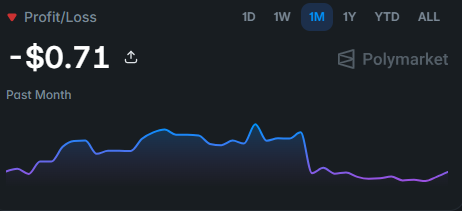
Waking up with red today
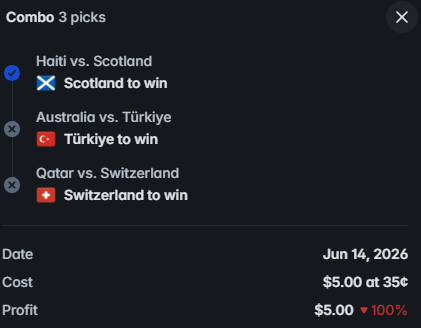
Last 3/4 matches are a reminder that it's FIFA World Cup, anyrhing can happen
But still we stick to stats and analytics for a better win rate in the upcoming matches
Happy red weekend those who followed
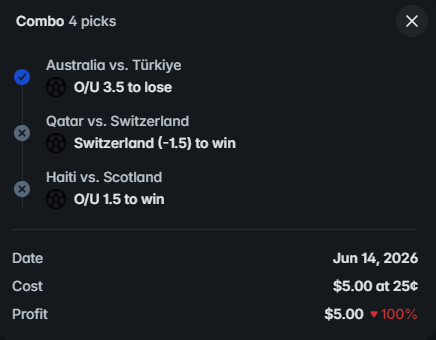

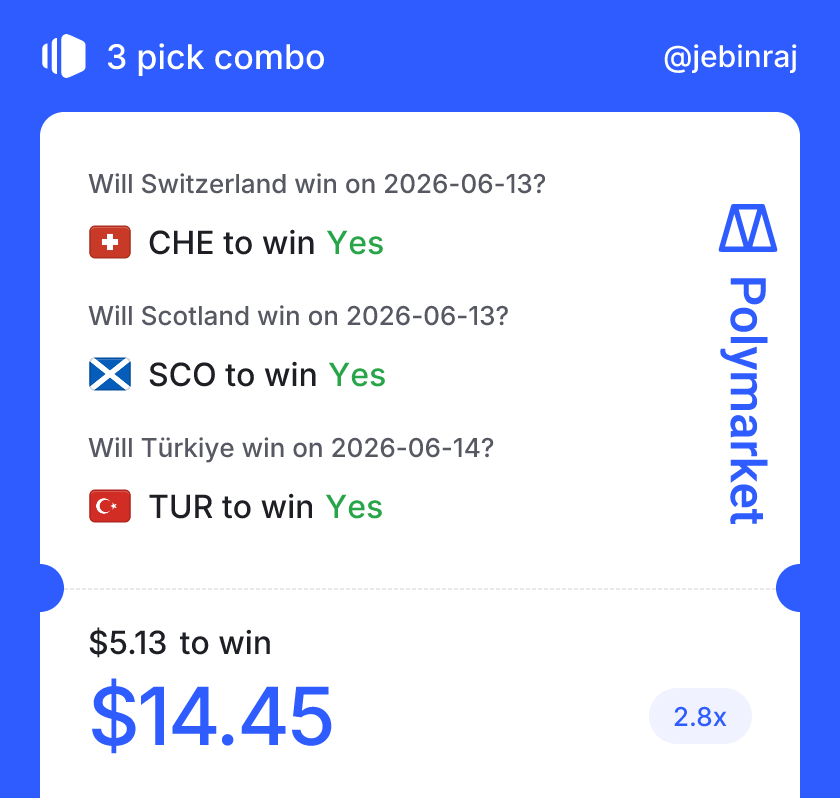
After yesterday’s win on the @Polymarket , I’m feeling a bit more willing to take on risk today
For today’s fixtures, I’m building two combos, with the first being the more conservative one
I’m backing Switzerland to beat Qatar, while passing on Brazil vs Morocco. I’m also taking Scotland and Turkey to win their respective matches.
Turkey vs Australia is a particularly close matchup on paper, with both teams relatively close in the rankings. However, I’m giving Turkey the edge, the quality and experience of several key players who can make the difference in big moments.
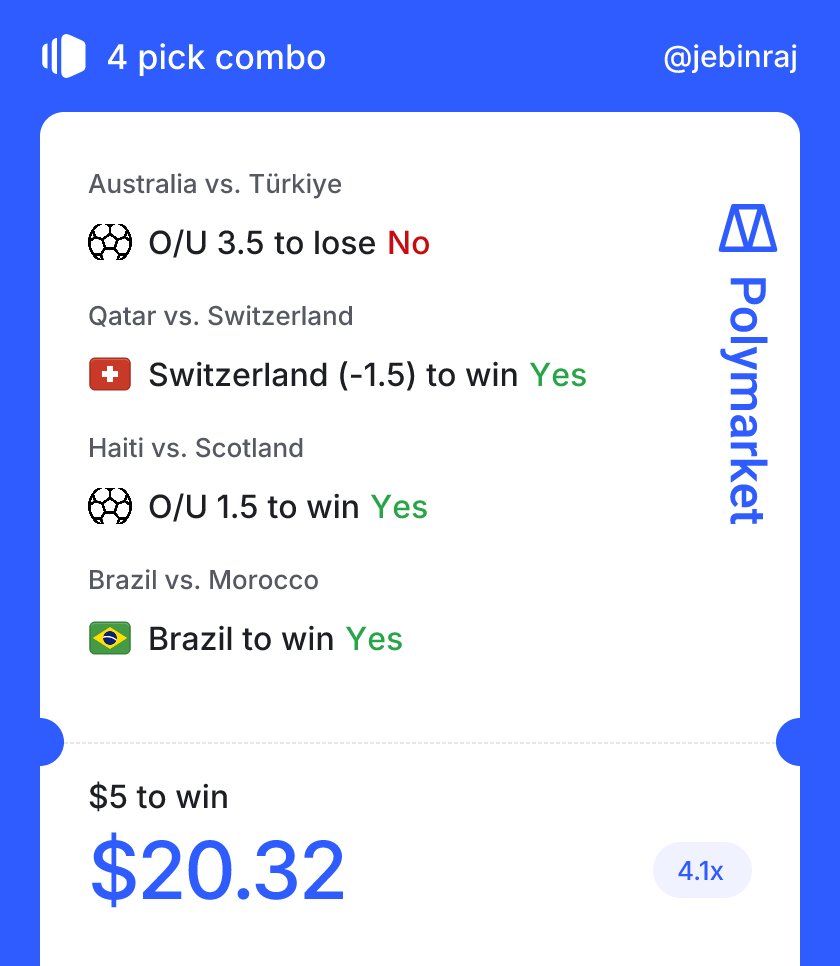
The second combo is a bit more aggressive, I’ll share that in the replies below.
Always DYOR.
9
21
154
After yesterday’s win on the @Polymarket , I’m feeling a bit more willing to take on risk today
For today’s fixtures, I’m building two combos, with the first being the more conservative one
I’m backing Switzerland to beat Qatar, while passing on Brazil vs Morocco. I’m also taking Scotland and Turkey to win their respective matches.
Turkey vs Australia is a particularly close matchup on paper, with both teams relatively close in the rankings. However, I’m giving Turkey the edge, the quality and experience of several key players who can make the difference in big moments.
The second combo is a bit more aggressive, I’ll share that in the replies below.
Always DYOR.
2
9
287
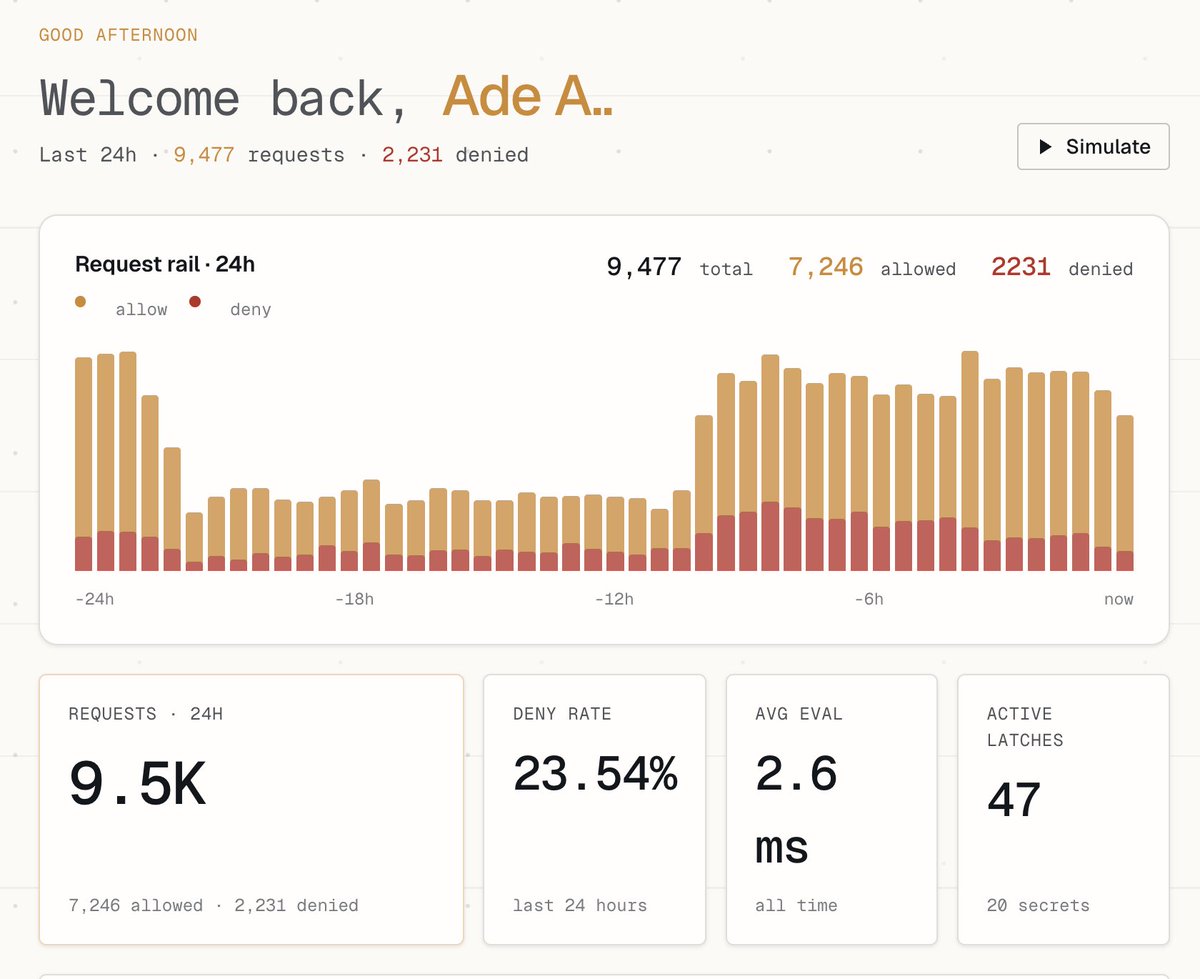
The future won't be agents with unlimited permissions
It'll be agents operating within programmable rules:
• What they can do
• How much they can spend
• When they can act
Infrastructure like Latch is making that future possible
Jun 12

Testing out onlatch.com policy engine
Going flawlessly 🚀
Latch now supports Cedar policies and spend limits on agent.
4
13
86
Good Morning CT
It's a green morning to begin the weekend
Happy weekend!
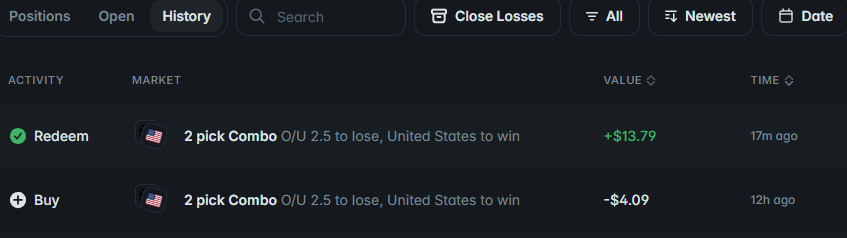
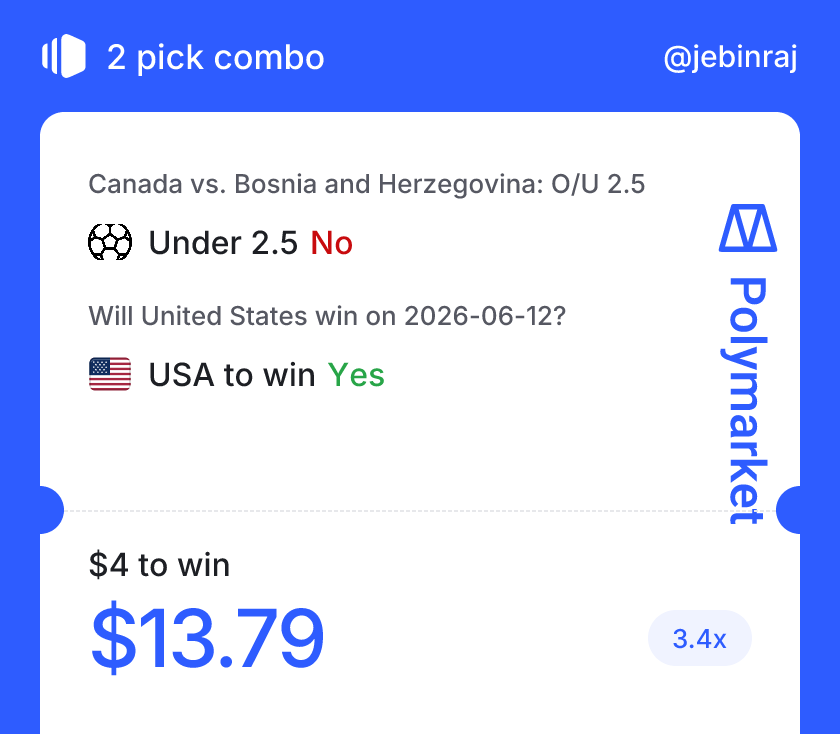
For the first match of the day, Canada vs Bosnia, my focus is on the total goals market.
Only one of Canada’s last five matches finished under 2.5 goals, while all five of Bosnia’s most recent matches ended under 2.5. Based on those trends, the Under 2.5 goals market looks like a reasonable play.
The second match is USA vs Paraguay. The USA has consistently been involved in high-scoring games and has generally only struggled against higher-ranked opposition. For this matchup, I’m leaning toward a USA victory.
That said, while the statistics may suggest confidence, I still view these positions with caution. Most of the recent matches for both teams were friendlies, which can make form and performance less reliable indicators.
As always, anything can happen in football.
DYOR!
7
15
109
For the first match of the day, Canada vs Bosnia, my focus is on the total goals market.
Only one of Canada’s last five matches finished under 2.5 goals, while all five of Bosnia’s most recent matches ended under 2.5. Based on those trends, the Under 2.5 goals market looks like a reasonable play.
The second match is USA vs Paraguay. The USA has consistently been involved in high-scoring games and has generally only struggled against higher-ranked opposition. For this matchup, I’m leaning toward a USA victory.
That said, while the statistics may suggest confidence, I still view these positions with caution. Most of the recent matches for both teams were friendlies, which can make form and performance less reliable indicators.
As always, anything can happen in football.
DYOR!
5
12
213
The market may be green, but my leaderboard position will probably be red today
And honestly, that's fair
It's been 2 days since I posted about @wallchain
No signal
Less engagement
Less presence
The leaderboard simply reflects the work we put in
That's one thing I respect about it
There are no shortcuts
No excuses
No "almost posted" rewards
Only what you actually do
And this week was a reminder that consistency isn't optional
It's the foundation
Miss a few days, and momentum slows
Stay active, and momentum compounds
Simple as that
But here's the good part:
Leaderboards are dynamic
Just because you're down today doesn't mean you'll be down tomorrow
One valuable post can restart momentum
One thoughtful thread can create signal
One day of focused quacking can change the trajectory
So yes, I expect to see some red today
But I'm not worried
Because red isn't the end of the story
It's just feedback
Time to lock back in
Time to create value
Time to earn those spots back
A real Quacker doesn't fear the drop
A real Quacker focuses on the comeback
LFQuack

8
14
143
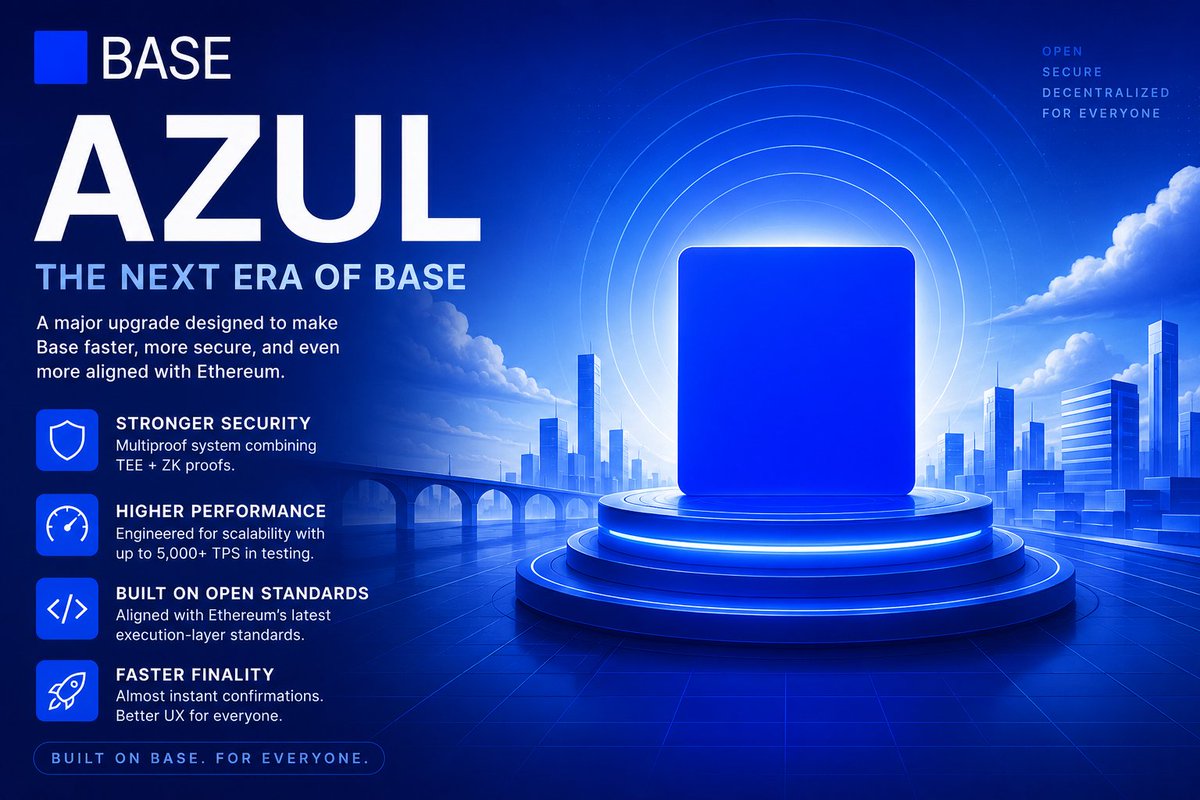
Base Azul feels like a bigger milestone than just a performance upgrade
• Multiproof architecture (TEE ZK)
• A dedicated performance-focused client stack
• Alignment with Ethereum's latest execution standards
• Faster finality and a better user experience
The interesting part isn't the TPS numbers
It's that @base is taking greater ownership of its infrastructure while continuing to push toward a more scalable and decentralized future
This is the kind of work that users may not notice immediately, but builders definitely wil
Built for the next wave of onchain applications
5
18
111
400 builders and legendary presenters
Countless ideas in motion
What stands out about the @RialoHQ Builder Hub isn't just the numbers—it's the energy
Every session feels like a glimpse into what happens when people stop talking about the future and start building it
From developers shipping products to creators exploring new use cases, the community continues to prove that strong ecosystems are built through contribution, not speculation
Unfortunately, I could only stay until the beginning of the second presentation as a power cut in my region interrupted the session
A bit frustrating, but these things happen
Looking forward to join the next Builder Hub
The momentum around Rialo keeps growing, and it's exciting to watch builders turn ideas into something real
Get Real, Get Rialo!

10
22
167
The @FIFAWorldCup group stage finally kicks off today with Mexico vs South Africa in Group A
On @Polymarket Mexico sits around 69 odds compared to 11 for South Africa, which aligns with the gap in their rankings (14th vs 60th)
Based on that alone, I’m leaning toward a Mexico victory
I’m not doing a deep pre match analysis here
Instead, I’ll be watching the game live, monitoring possession and overall momentum, while waiting for a more attractive entry point if the odds move lower
Let’s see how Group A gets underway
Always DYOR
polymarket.com/sports/world-…
5
14
111
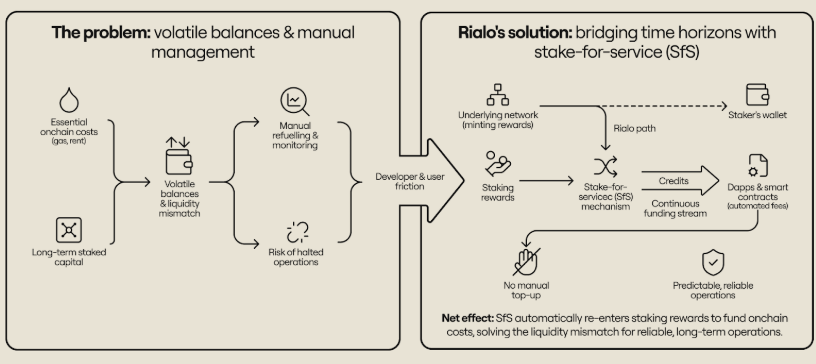
One of crypto's biggest inefficiencies isn't throughput
It's that capital and consumption live in separate worlds
Today, you can stake assets and earn yield, but the applications you rely on still need manually funded wallets to pay for gas, storage, automation, and recurring execution
When those wallets run dry:
→ Bots stop running
→ Automated workflows fail
→ Infrastructure breaks
→ Users suffer
The result? Developers spend time managing balances instead of building products
@RialoHQ 's Stake-for-Service (SfS) changes the model entirely
Instead of staking solely for passive rewards, staking yield is automatically converted into service credits that fund onchain operations
That means:
• Gas fees paid automatically
• Storage costs continuously funded
• Automated workflows stay active
• No manual top-ups
• No manual balance management
The more economic activity backing an application, the more resources it generates to sustain itself
This creates something blockchains have struggled to achieve:
A self-sustaining application layer where capital doesn't just earn yield—it actively powers the services users depend on
Yield becomes infrastructure
Staking becomes utility
Apps become always-on
That's Stake-for-Service
That's Rialo!
7
15
124
The smallest days often teach the biggest lessons
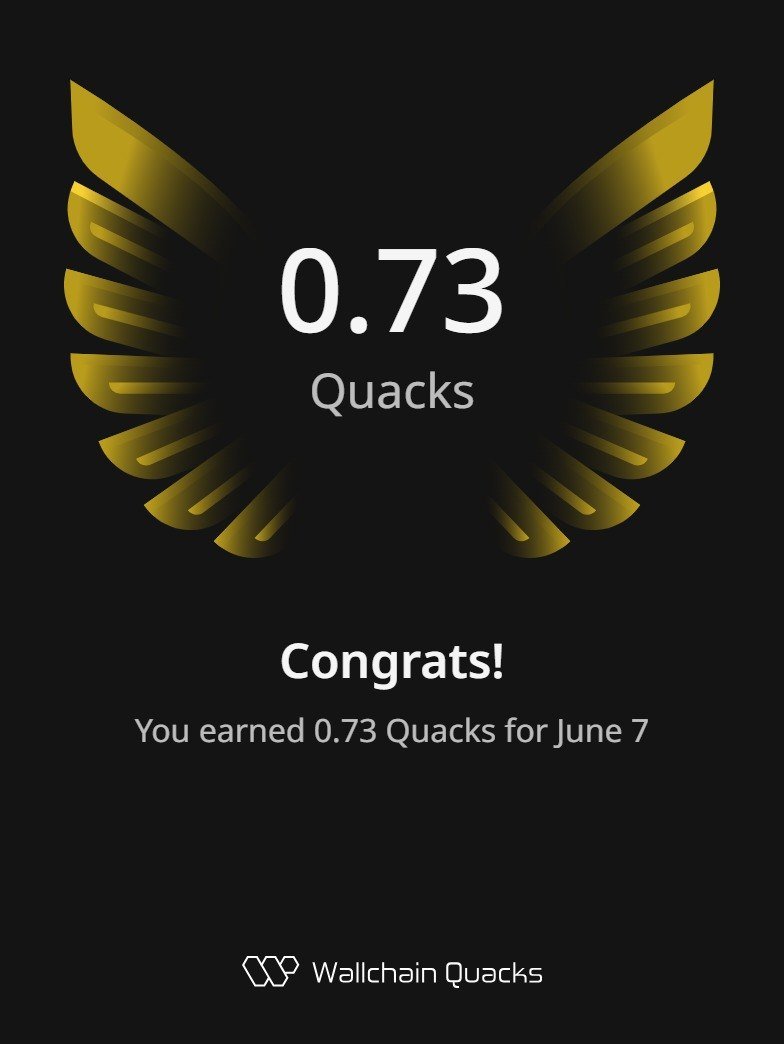
Earned 0.73 Quacks today
Not a huge number
Not the kind that makes headlines
But I'm happy with it
Why?
Because it proves something important
Even on slower days, value still gets recognized
The internet conditions us to chase big spikes
Big numbers
Big engagement
Big wins
But @wallchain constantly reminds me that growth is usually quieter than that
Sometimes it's 3 Quacks
Sometimes it's 1 Quack
Sometimes it's 0.73
The important thing is that the direction is forward
Every Quack earned is another brick added to the foundation
Another day of showing up
Another day of building reputation
Another day of proving consistency
And honestly, I'd rather earn 0.73 Quacks through genuine value than earn attention through noise
Because signal compounds
Noise fades
So we keep going
One post
One insight
One Quack at a time
LFQuack
13
19
153
Some numbers are bigger than they look
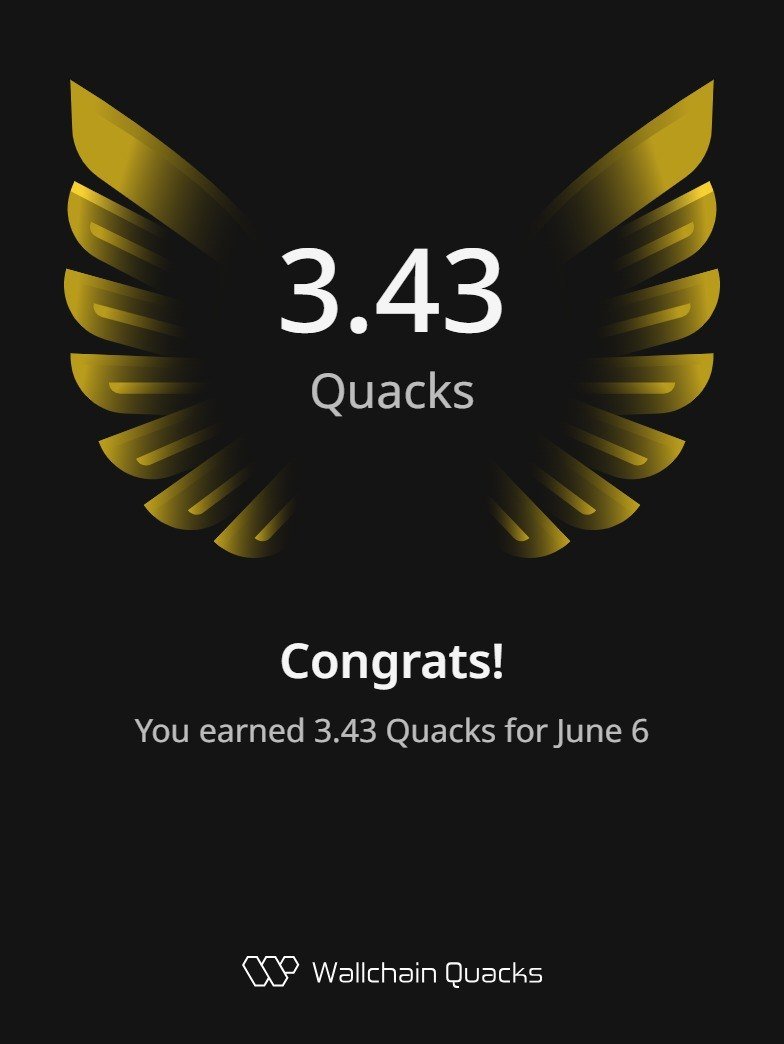
Earned 3.43 Quacks today
And what excites me most isn't the number itself
It's what the number represents
3.43 Quacks means the signal is working
It means the time spent learning, writing, and engaging is translating into value
It means consistency is paying dividends
The interesting thing about @wallchain is that it rewards a skill most people underestimate:
Being genuinely useful
Not being the loudest
Not posting the most
Not chasing every trend
Just consistently contributing something worth reading
Every Quack earned is feedback
A reminder that quality compounds
A reminder that attention follows value
And a reminder that reputation is built one day at a time
Today was 3.43 Quacks
Tomorrow could be more
Or less
But the mission stays the same
Keep learning
Keep creating signal
Keep helping fellow Quackers
And keep showing up
Because in the long run, consistency beats intensity
LFQuack
9
18
194
This space is crazy!
Jun 7

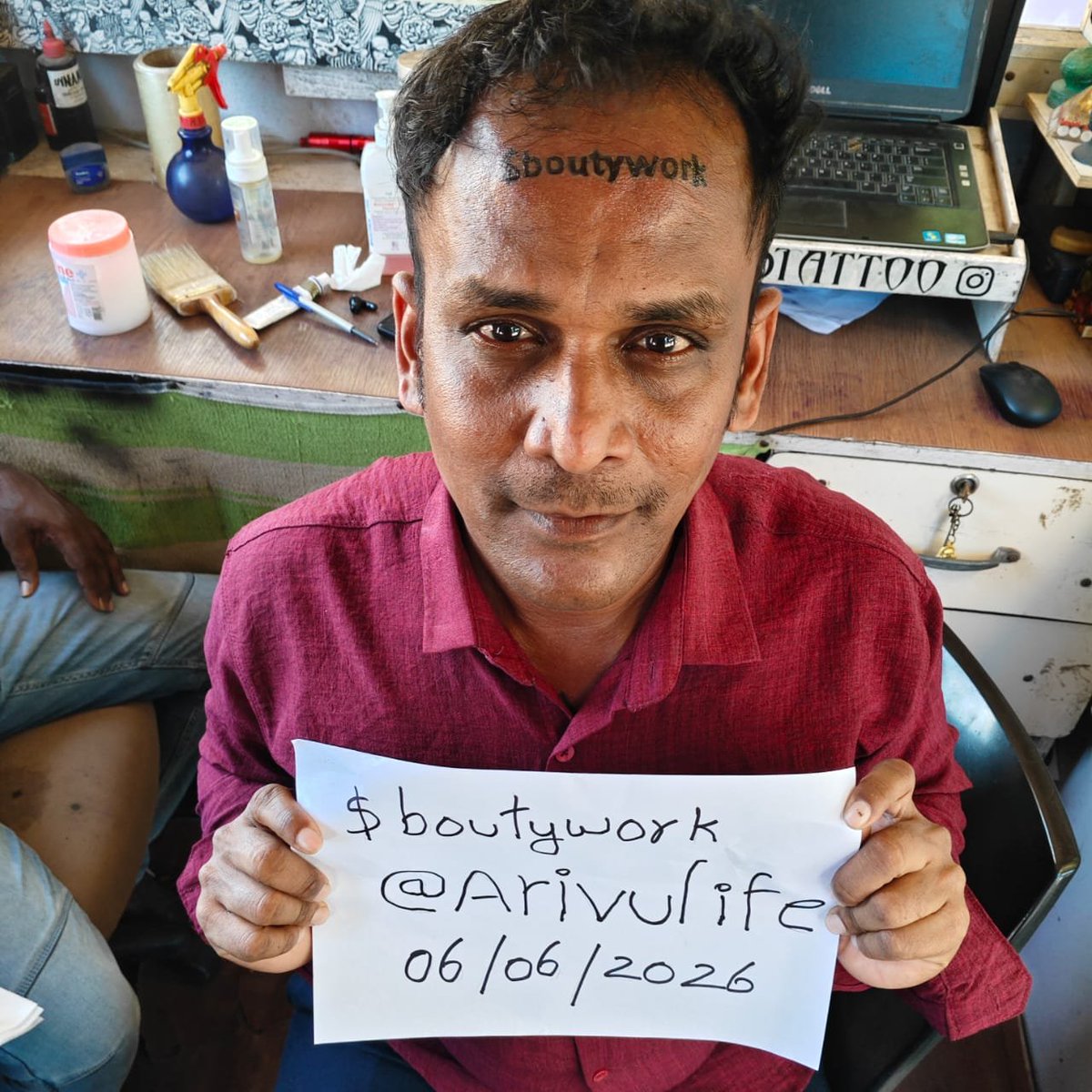
JUST IN: Indian man permanently tattoos meme coin ticker on his forehead for a 40 SOL Pump.fun bounty.
3
16
227
Everyone is talking about AI agents
Very few are talking about the biggest problem
How do you trust an autonomous agent with money?
What happens if an agent delivers low quality work, misses deadlines, or simply disappears after getting paid?
This is where @RialoHQ changes the game.
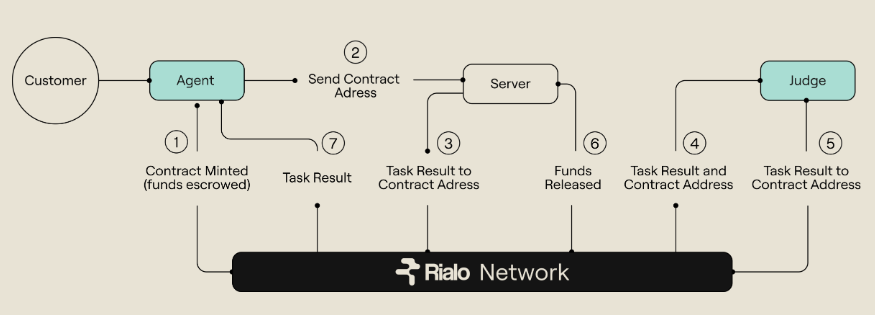
Instead of relying on trust, Rialo turns agent-to-agent work into programmable, enforceable contracts through SCALE (Simple Contracts for Agent Labor Execution)
Here's how it works:
→ An agent creates a task
→ Payment is escrowed on-chain
→ A deadline is enforced automatically
→ A third-party judge agent verifies the output
→ Payment is released only if the work meets the required standard
No middlemen
No manual dispute resolution
No hoping the other side behaves honestly
What makes this possible is Rialo's native architecture:
• Native webcalls allow direct communication with AI agents and protocols like A2A
• Native timers automatically enforce deadlines and refunds
• Fast execution enables real-time coordination between agents
• On-chain verification creates transparent and auditable workflows
The demo with @chunliweb3 is a glimpse of what's coming:
One AI agent receives a request, hires another agent to generate the image, a judge agent verifies the quality, and Rialo coordinates payments and execution end-to-end
That's not just an AI tool
That's an autonomous economic system
The future won't be one giant AI model controlling everything
It will be millions of specialized agents collaborating, competing, and creating value together
Rialo is building the infrastructure that makes that future possible
The agent economy needs trustless coordination
SCALE is the first step
9
24
173