
Lead protocol engineer building Telcoin Network. Telcoin Association Treasury Council TAO. Very excited about the future 🚀
Joined December 2023
- Tweets 123
- Following 139
- Followers 487
- Likes 297
2 Photos and videos


Yesterday, we hit the most important milestone in our journey so far #TELfam
Telcoin Network Adiri Testnet is officially LIVE
For years, TN was an abstract concept. Now it's stable and tangible:
→ MNOs onboarding to run the Internet of Money
→ Devs building on a network designed for 8B mobile users
→ Partners integrating for global reach
Devs: start building on Adiri today!
👉 docs.telcoin.network
We're methodically working through security hardening before mainnet. $TEL the 🌎
12
116
361
19,048

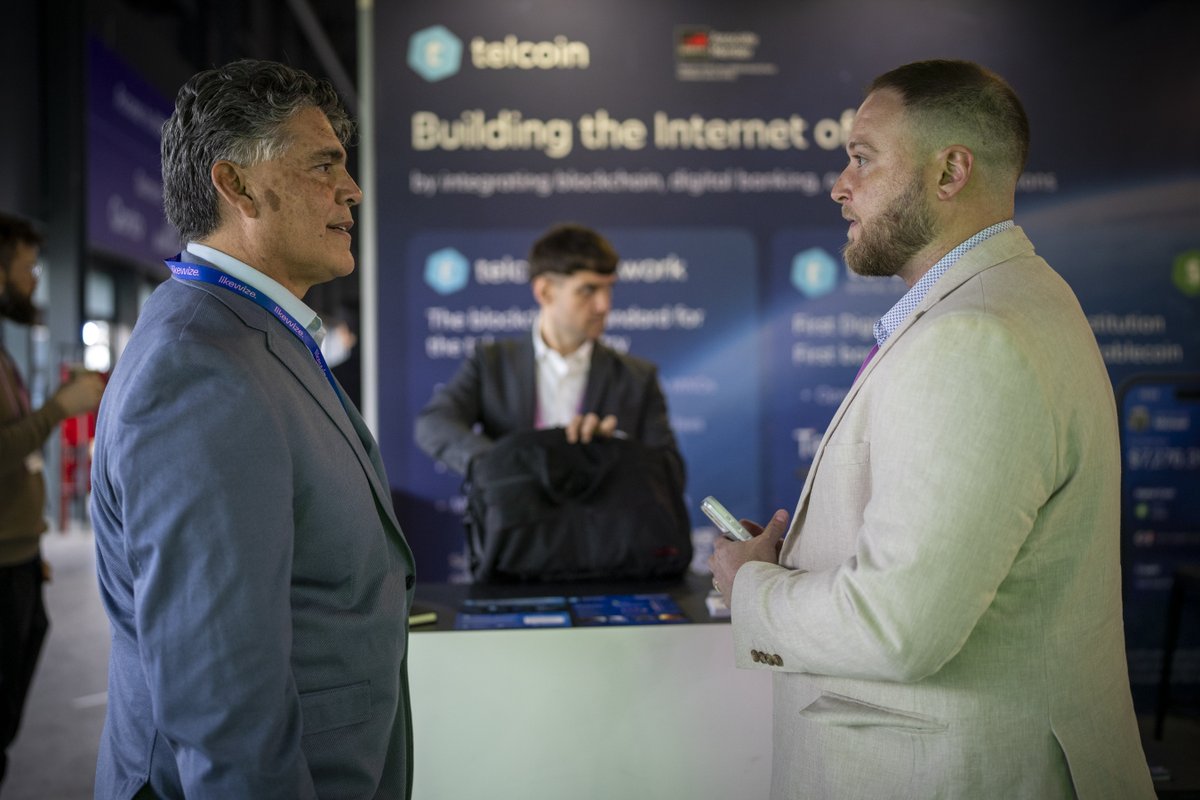
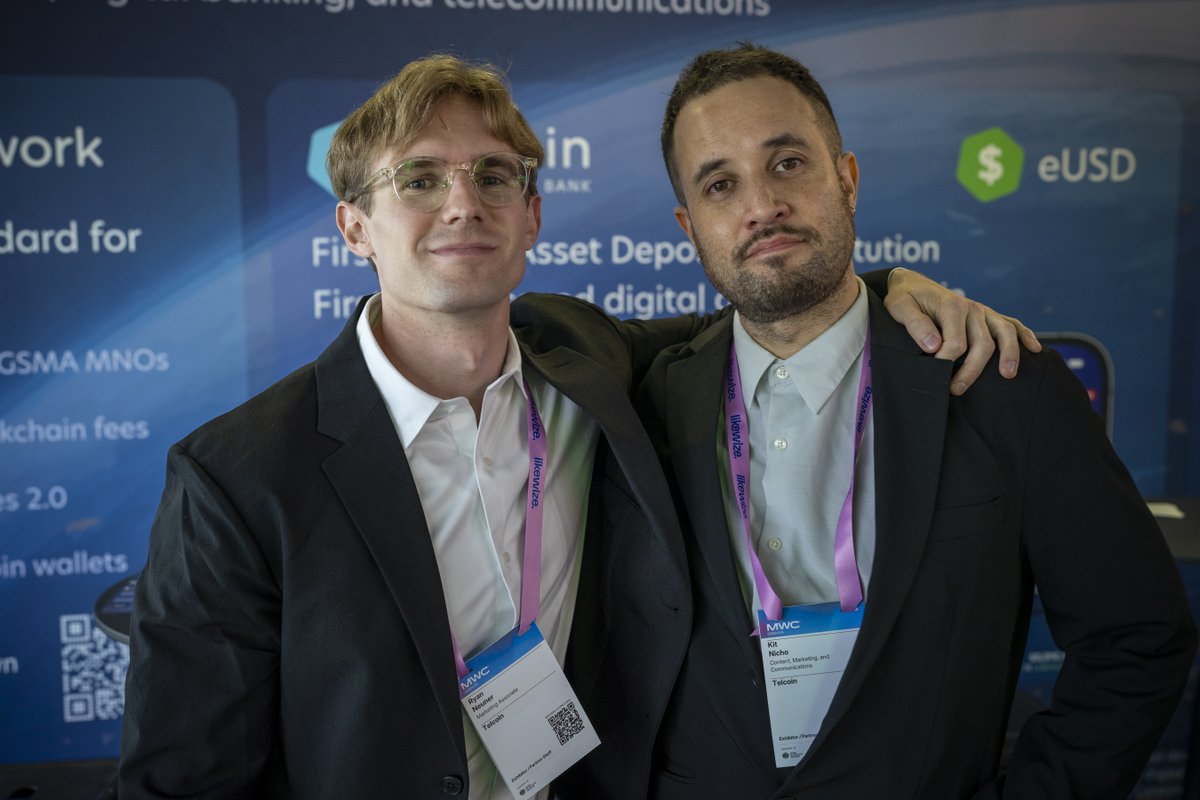
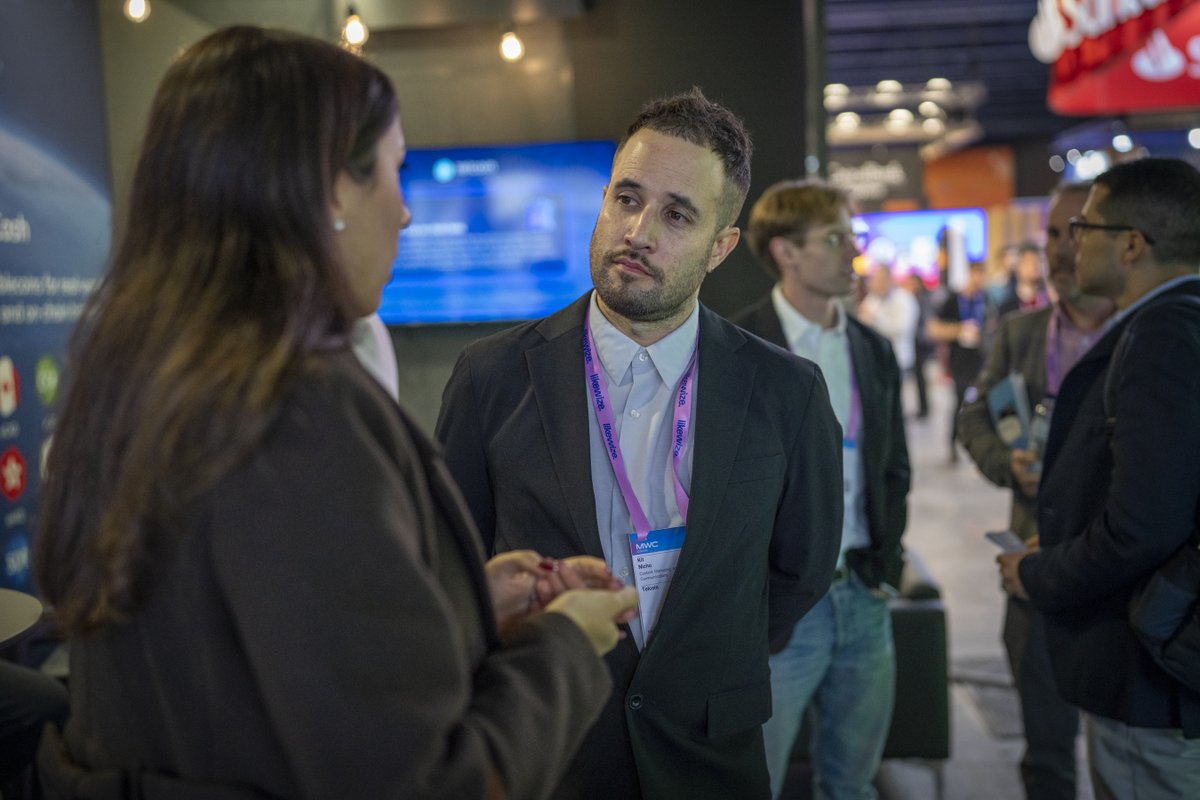
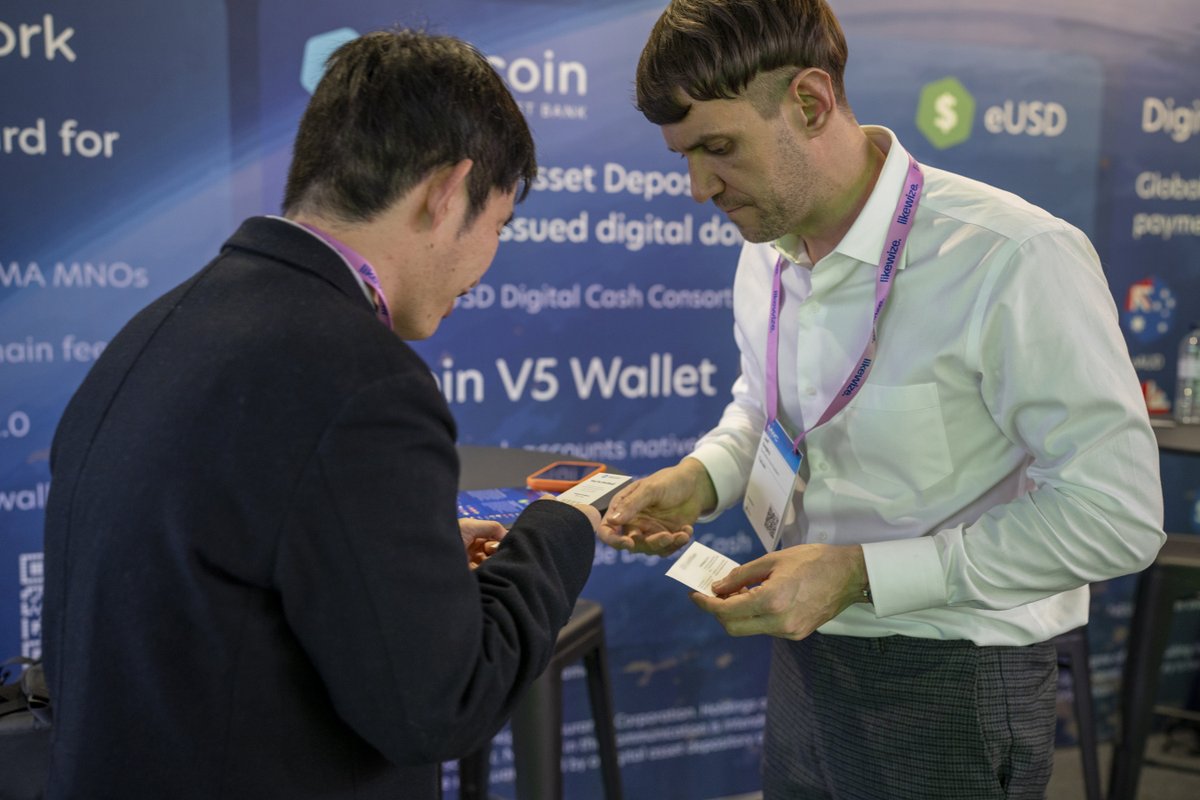
I'm excited to head back to Mobile World Congress in Barcelona! After attending last year, it's great to return as Telcoin Network builds momentum with our MNO partners across the telecom industry.
Feel free to reach out here or DM me to set up a meeting during the event! @4YFN_MWC @GSMA @MWCHub
11
38
135
9,848
Well said 🤝
Feb 19

Telcoin Network innovation explained : "parallel fee markets"
What does it mean ?🧐
Just imagine:
you send 20 € to your family abroad right from your phone.
On most blockchains, your little transfer sits in the same queue as:
- traders making millions in a second
- crazy NFT buys during a hype wave
- bots hunting for profits
As a result, your transfer ends up super expensive (sometimes 20-50 € in fees!) or takes hours to go through 😤
Telcoin Network completely changes the game with a brilliant idea: multi-job validators (or “multi-workers” to keep it simple).
Instead of one “guardian” of the blockchain treating EVERYTHING the same way, it can now handle several separate queues at the same time.
It’s like a supermarket with multiple checkout lanes:
- A regular lane for everyone (traders, games, etc.) => standard fees
- A fast and cheap lane reserved EXCLUSIVELY for simple, secure money transfers (like family remittances via mobile money)
Your transfer goes through the fast lane => no crowd, no competition with speculators => tiny and stable fees, even when the whole network is congested!
The clear advantages:
- Your money transfers stay super affordable, even during peak crypto hype
- Everything stays on the same blockchain => no fragmentation, liquidity (available money) remains in one place
- More lanes can be added over time for other specific uses (e.g., dedicated mobile payments)
- No need to artificially make certain things “free”: the very structure protects everyday use cases
This is exactly what’s needed for crypto to finally serve millions of people who send money home via their phones without getting wrecked by fees.
Right now, the team is working hard on it (it’s in development on GitHub).
The future of low-cost money transfers is being built as we speak.
Is $TEL really going to change a lot of people’s lives?
1
8
598
grant retweeted

Feb 5
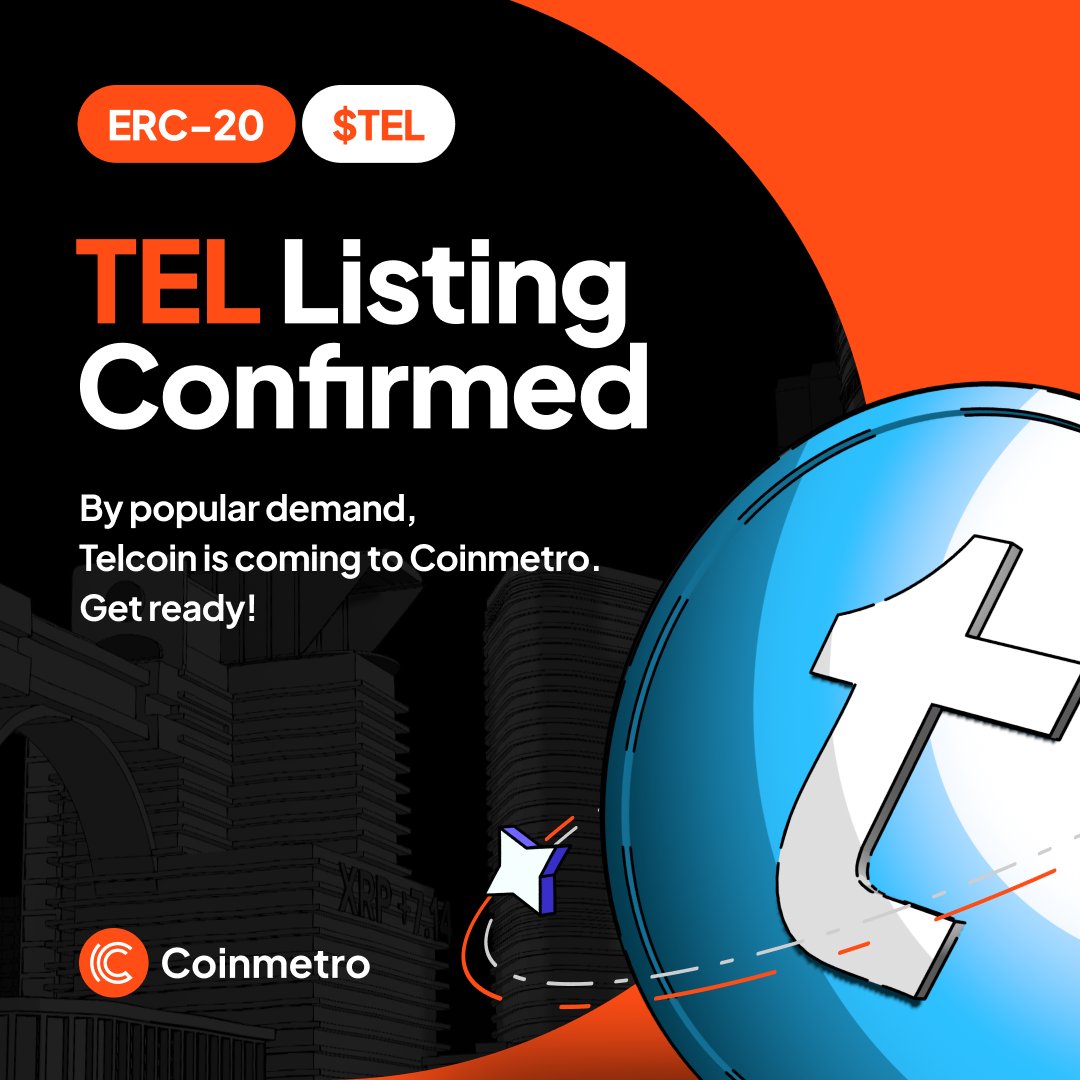
🚀 TEL is coming to Coinmetro!
$TEL deposits open 17.02
Trading goes live 18.02
Get ready to deposit, trade, and take advantage from day one 🔥
27
157
496
28,041
grant retweeted

Jan 27
2026 accelerates the digital economy beyond the standards used to evaluate it.
Institutions need a way to evaluate DeFi risk. Teams need a path to institutional adoption. Web3SOC is the institutional due diligence framework, built on a consistent, evidence based methodology.
26
36
114
751,976
grant retweeted

Jan 23
Kraken knows what they're doing
x
Telcoin knows what they're doing
Kraken has been my personal favorite exchange to use so I'm very excited about this.....do you have an account yet?
$TEL
@Telcoin
@krakenfx
@TelcoinTAO

$TEL is now live on Kraken!
As the native token of Telcoin Network, $TEL powers the blockchain standard for GSMA telecoms and their 7 billion global users.
Mainnet launching this year.
Trade $TEL → app.kraken.com/JDNW/TEL
*Geographic restrictions apply.
9
67
1,896
grant retweeted

Jan 22
Millions of Kraken users can now access $TEL ahead of Telcoin Network mainnet.
Telcoin Association will continue to expand token access through regulated venues as we prepare for network launch.
$TEL is now live on Kraken!
As the native token of Telcoin Network, $TEL powers the blockchain standard for GSMA telecoms and their 7 billion global users.
Mainnet launching this year.
Trade $TEL → app.kraken.com/JDNW/TEL
*Geographic restrictions apply.
21
210
742
44,021

$TEL is now live on Kraken!
As the native token of Telcoin Network, $TEL powers the blockchain standard for GSMA telecoms and their 7 billion global users.
Mainnet launching this year.
Trade $TEL → app.kraken.com/JDNW/TEL
*Geographic restrictions apply.
73
296
934
117,127
grant retweeted
Jan 21
$TEL is coming to Kraken, expanding US access to the token powering the telecommunications blockchain standard.
Kraken’s commitment to regulated infrastructure aligns with Telcoin Association’s mission: uniting mobile operators around shared blockchain infrastructure to connect billions of users on Telcoin Network.
Coming soon to Kraken 📱
$TEL, the native token of Telcoin Network.
@TelcoinTAO aligns mobile networks around a shared blockchain standard, connecting global users to the Internet of Money.
Trading starts on Jan 22 at 14:00 UTC.
Get ready → app.kraken.com/JDNW/TEL
56
283
981
86,200
Coming soon to Kraken 📱
$TEL, the native token of Telcoin Network.
@TelcoinTAO aligns mobile networks around a shared blockchain standard, connecting global users to the Internet of Money.
Trading starts on Jan 22 at 14:00 UTC.
Get ready → app.kraken.com/JDNW/TEL
177
474
1,273
211,004
grant retweeted
12 Dec 2025
To optimize liquidity across the ecosystem, we have chosen not to increase TEL liquidity on Bitget after their recent requirement changes.
As a result, we’ve redirected that liquidity to exchanges with stronger engagement and alignment with our long-term strategy.
This has no impact on Telcoin Association’s roadmap or broader TEL accessibility.
We remain focused on strategic partners and long-term value creation.
9
49
287
13,828
grant retweeted
19 Nov 2025
🔥 $TEL made the shortlist.
The next round is community-driven, and every vote brings us closer to securing the Golden Ticket listing on @CoinMetro.
If you want to support:
• Join the Telegram vote
• Rally your circles
• Make your voice count for $TEL
Let’s show the strength of this community. 💪
#Telcoin #Telfam
19 Nov 2025

🎟️ The Golden Ticket Vote Begins!
Five projects rallied their communities on X for a chance to win a FREE Coinmetro listing — and now it’s time for the next stage.
Your contenders:
🔥 $TEL – @telcoin
⚡ $KAS – @kaspaunchained
💠 $WCO – @WChainNetwork
🛡️ $QRL – @QRLedger
🚀 $MCM – @mochimocrypto
Now it’s in YOUR hands 👉 t.me/CoinMetro
📍 Vote on Telegram to choose the Top 3 that advance to the final round on Discord!
🗳️ Communities - this is your moment. Mobilize your squads & claim the Golden Ticket!

11
61
229
17,231
grant retweeted

12 Nov 2025
📢 Listing Alert
⏳ Uphold Rewards members can now trade $TEL exclusively for the next 24hrs!
@TelcoinTAO aims to transform global finance by combining blockchain with digital banking and telecommunications.
It seeks to provide affordable, DeFi services to mobile users worldwide 🌍.
🚨 Head to the Uphold app to unlock.
🛑 Don’t invest in crypto unless you're prepared to lose all the money you invest. This is a high-risk investment and you should not expect to be protected if something goes wrong. Take 2 minutes to learn more.
92
332
915
172,658
Exciting times ahead! businesswire.com/news/home/2…
6
11
95
6,536
grant retweeted
5 Nov 2025
🗳️ Voting is LIVE for the Telcoin Association Elections 2025!
From Liquidity Miners to Stakers, your vote shapes the Councils that drive the Telcoin ecosystem forward.
✅ Vote between Nov 5–12 on Snapshot.
Your $TEL = your voice.
🔗 Liquidity Miners: snapshot.box/#/s:telxvote.et…
🔗 Stakers: snapshot.box/#/s:telcoinstak…
5
25
78
25,229
I just voted "For" on "TELIP 6: Financial Operations Package" snapshot.box/#/s:telcointrea… #Snapshot
1
89
grant retweeted
7 Oct 2025
🗳️ The Telcoin Association Elections 2025 are here!
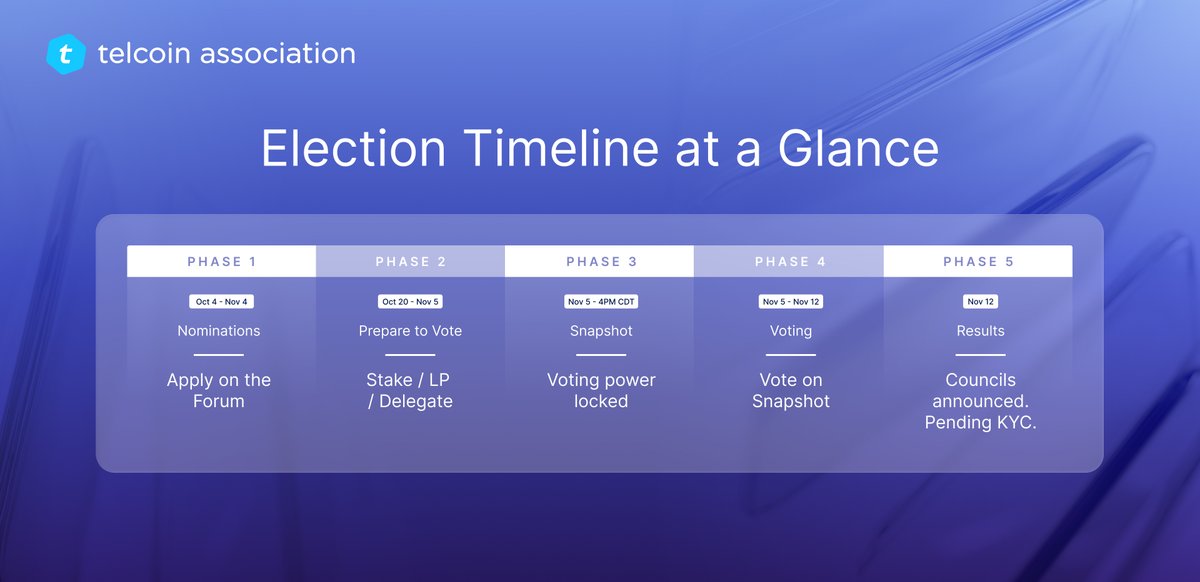
Here’s everything you need to know, from nominations to voting 🗓️
📅 Key dates at a glance:
✅ Nominate: Oct 4 - Nov 4
⚙️ Prepare to Vote: Oct 20 - Nov 5
🕓 Snapshot: Nov 5
🗳️ Vote: Nov 5 - Nov 12
📢 Results: Nov 12
Shape the future of #Telcoin governance, learn more👇
forum.telcoin.org/t/november…
3
38
115
17,458
grant retweeted

15 Oct 2025
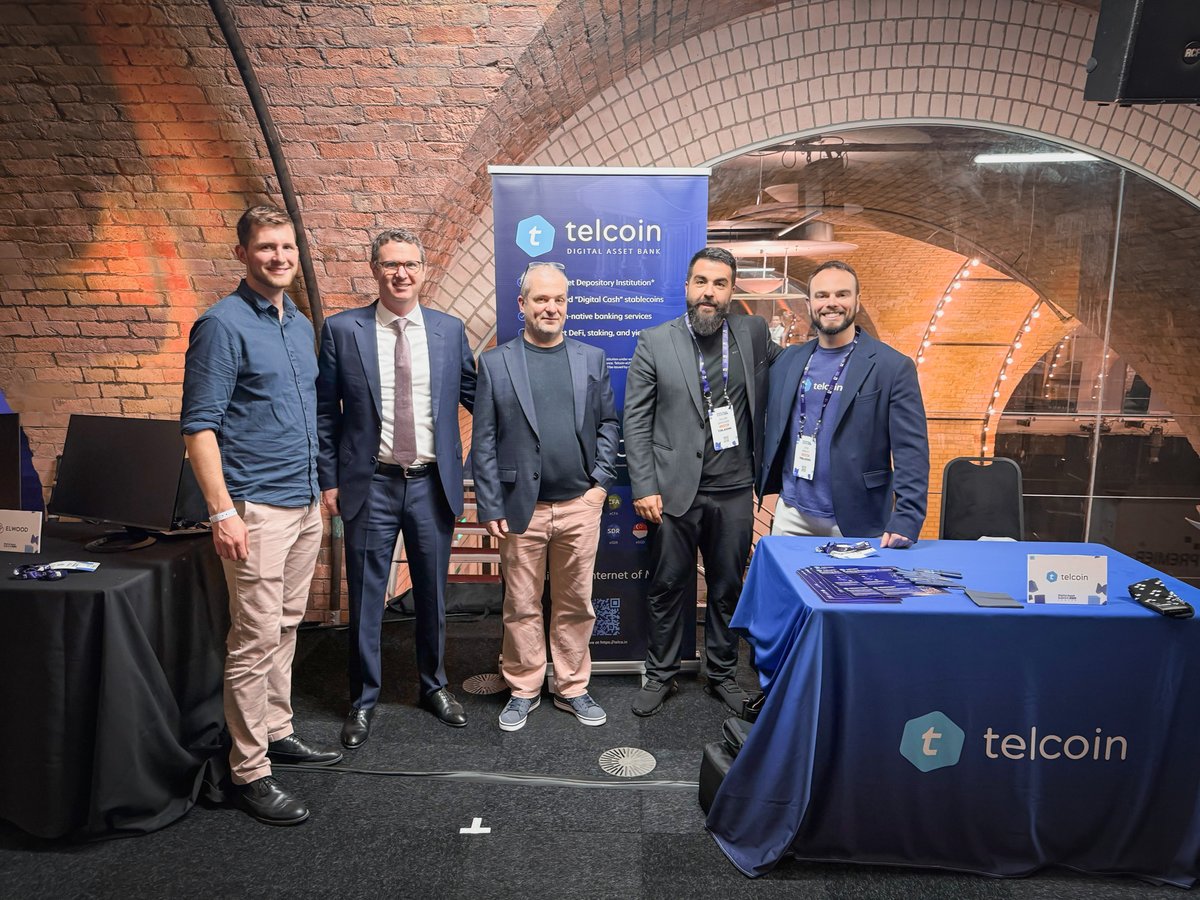
Digital Asset Summit London was a complete success for Telcoin 💪
Q4 2025 here we come 😎
Thank you @blockworksDAS
20
85
331
12,676
I just voted "For" on "TELIP5: Expanding CEX Liquidity Coverage" snapshot.box/#/s:telcointrea… #Snapshot
1
4
136