Independent, Mass, Revolutionary Pan-African Political Party for the Total Liberation and Unification of Africa under Scientific Socialism https://t.co/22bMVXVJ
Joined July 2010
- Tweets 7,675
- Following 587
- Followers 23,140
- Likes 4,217
1,461 Photos and videos

The revolutionary momentum across the African continent continues to deepen as the Alliance of Sahel States (AES) advances bold programs centered on sovereignty, social welfare, regional integration, and economic independence. Far from collapsing under the pressure of sanctions, diplomatic isolation campaigns, media hostility, or violent terrorist attacks the AES Confederation and its allies continue to consolidate an alternative political vision rooted in dignity, self-determination, and Pan-African cooperation.
In Niger, the government has intensified its efforts to address housing inequality and improve living conditions for ordinary citizens through new rent control measures and ambitious public housing construction projects. Authorities recently reaffirmed their commitment to regulating abusive rent prices while accelerating the construction of the “Cité de la Refondation,” a major state-led housing initiative expected to deliver over 1,000 affordable housing units to Nigerien families. These policies reflect a growing political orientation within the AES: the state must actively intervene to protect citizens from speculative economic practices and guarantee access to basic social needs such as housing.
At the same time, Niger continues to strengthen its economic sovereignty through strategic control of its natural resources. In a major development, Niger secured a series of new oil agreements with China following almost a year of negotiations between the 2 nations. Foremost among these deals is the relaunch of 2 oil production projects backed by a $1 billion investment. This breakthrough is part of a broader AES push to reclaim national authority over extractive industries long dominated by foreign interests. Unlike the unequal arrangements historically imposed by Western corporations, the new orientation pursued by AES member states seeks to ensure that Africa’s immense natural wealth directly benefits African populations through industrial development, job creation and national revenue generation.
This broader strategic shift is also reflected in Mali’s recently unveiled “Vision Mali 2063” development strategy, a long-term national plan which openly embraces geopolitical realignment away from Western dependency. The document reportedly prioritizes sovereign development, regional integration, strategic autonomy, and strengthened South-South cooperation. Rather than conforming to neoliberal economic prescriptions imposed by international financial institutions, Mali’s leadership is articulating a model centered on national planning, state capacity, and African-controlled development trajectories.
The growing influence of the AES is now extending beyond the Sahel itself. In the Horn of Africa, Somalia has announced plans to adopt aspects of the “Burkinabè Model” as part of a national security restructuring effort. Burkina Faso’s recent security doctrine—which combines aggressive territorial defense, popular mobilization, and national sovereignty—has increasingly attracted attention from African states searching for alternatives to decades of failed externally managed security frameworks. The fact that Somalia is studying this model demonstrates the widening continental resonance of the Sahelian revolutionary experience.
Within Burkina Faso itself, the revolutionary government continues to emphasize social cohesion and national reconstruction. In Baporo, authorities launched a prisoner rehabilitation initiative rooted in restorative justice principles, presenting what officials described as a more “human face” to detention. The initiative reflects a broader effort to redefine governance not merely through coercive state power, but through social reintegration, collective responsibility, and national healing amid ongoing security challenges.
Meanwhile, regional alliances continue to evolve despite mounting pressure from ECOWAS and Western-aligned actors. The AES Confederation and Togo have significantly strengthened cooperation in the domains of trade, security, and diplomacy. This growing partnership highlights the increasing attraction of the AES project across West Africa, even among states that formally remain within ECOWAS structures. As economic corridors, security cooperation, and political coordination deepen between AES countries and neighboring states, the vision of a more sovereign and integrated West Africa continues to gain momentum.
Together, these developments reveal a broader continental transformation underway. From housing and infrastructure to security doctrine and geopolitical realignment, African states within and around the AES Confederation are increasingly asserting the principle that Africa’s future must be shaped by African priorities rather than external dictates.
1
26
49
1,382
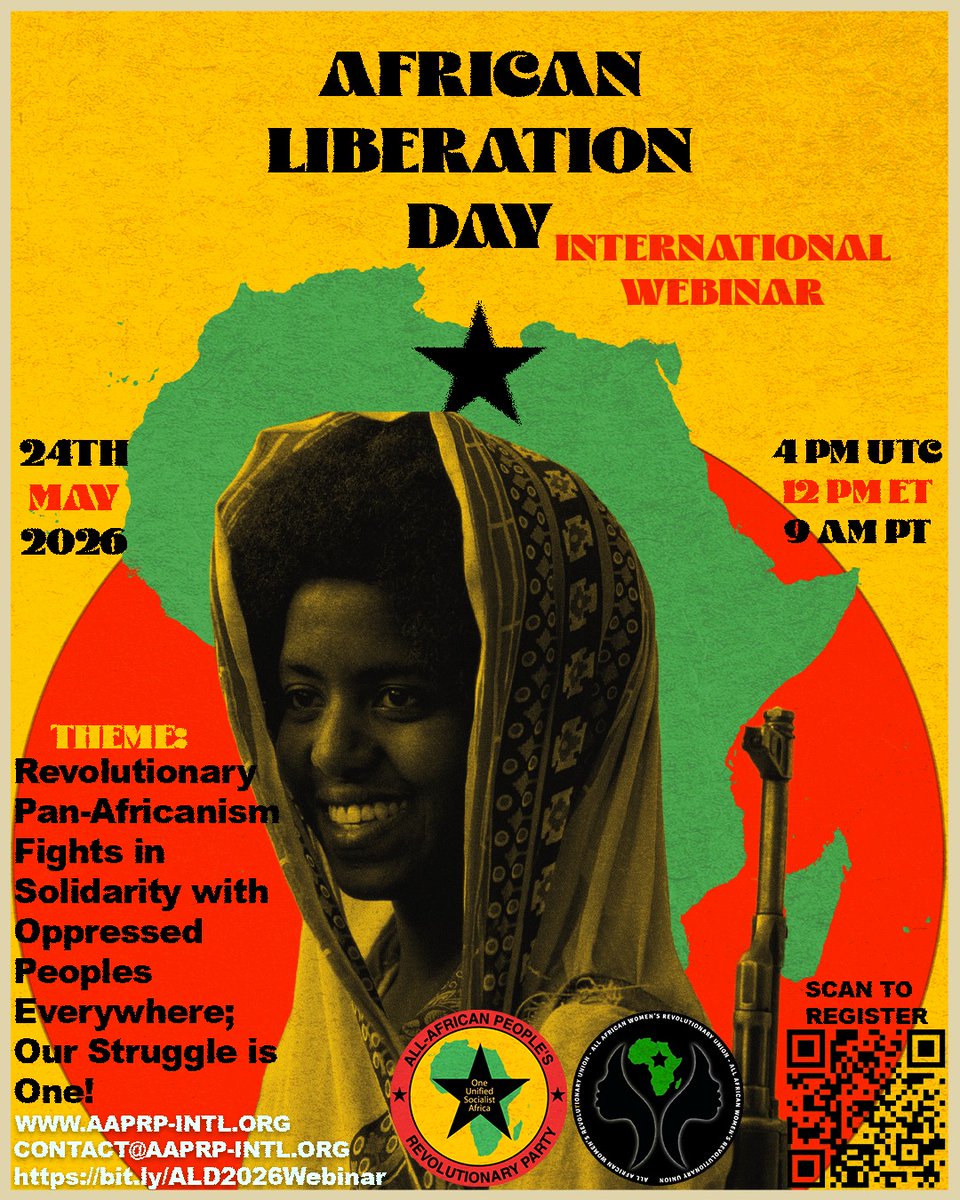
African Liberation Day 2026 (International Webinar) youtube.com/watch?v=3_mgIgyu…
5
11
1,237
Solidarity with the people of Venezuela and the Bolivarian Revolution in the face of relentless external pressure, sanctions, and intervention. Nations have the right to determine their own future free from coercion, regime-change agendas, and imperial domination. Hands off Venezuela. Defend sovereignty, self-determination, and peace. #HandsOffVenezuela #BolivarianRevolution #AntiImperialism #Solidarity uspeacecouncil.org/venezuela…
1
15
36
1,216
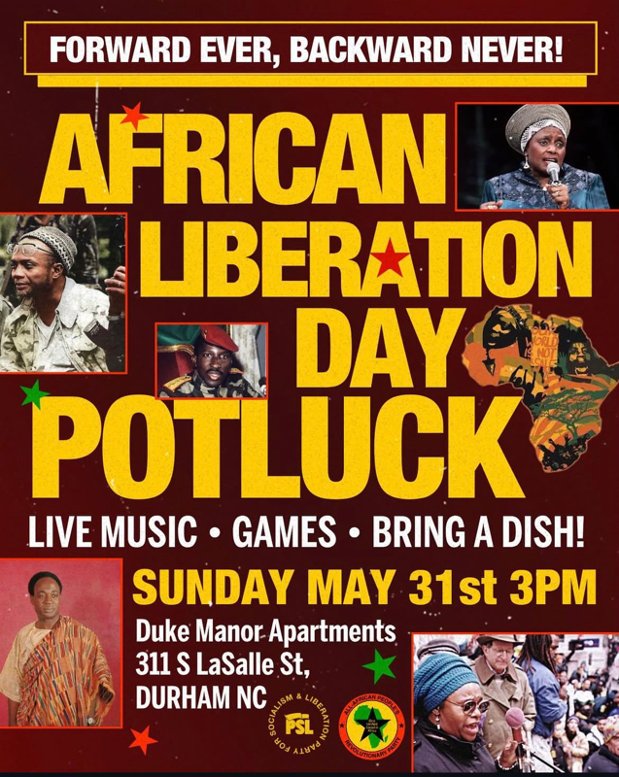
African Liberation Day today in Durham, North Carolina
18
42
1,309
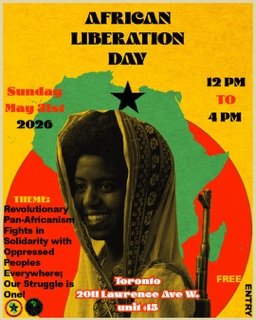
African Liberation Day in Toronto
4
11
42
1,565
RT @YPFDJNA: 📍 Asmara, May 24, 2026
Marking Eritrea’s 35th Independence Anniversary 🇪🇷, President Isaias Afewerki reaffirmed the nation’s…
2
We must begin to seriously address the question of building mass revolutionary parties as the foundation of actual transformative change on our continent. As long as there is not a political apparatus to systematically control and enforce the people's mandates, betrayal, assassination or even kidnapping will always be options for imperialism. Only the conscious and permanently organized masses can take away all of the enemies options
May 28

Senegal: How an Entire Movement Was Betrayed
What is unfolding in Senegal is bigger than a political fallout between President Diomaye Faye and Ousmane Sonko. It is the betrayal of a movement.
Faye came to power on the back of a public desire for real change, anti-imperial politics, Pan-African conviction, and a rejection of France’s continued influence in Senegal. That hope was embodied in PASTEF and in Sonko’s politics.
But the rift between Faye and Sonko has shown how quickly a people’s mandate can be weakened when leadership begins to compromise with the same systems it was elected to confront. Africa cannot achieve real progress without political and economic independence.
Senegal has become a warning. A righteous movement can be reversed when it is placed in the hands of leaders who are not fully committed to the cause.
1
15
27
1,322
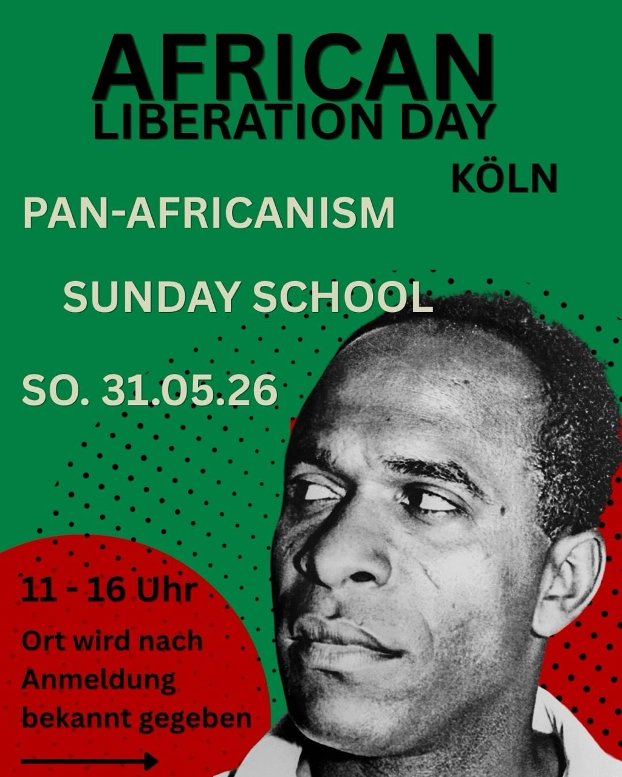
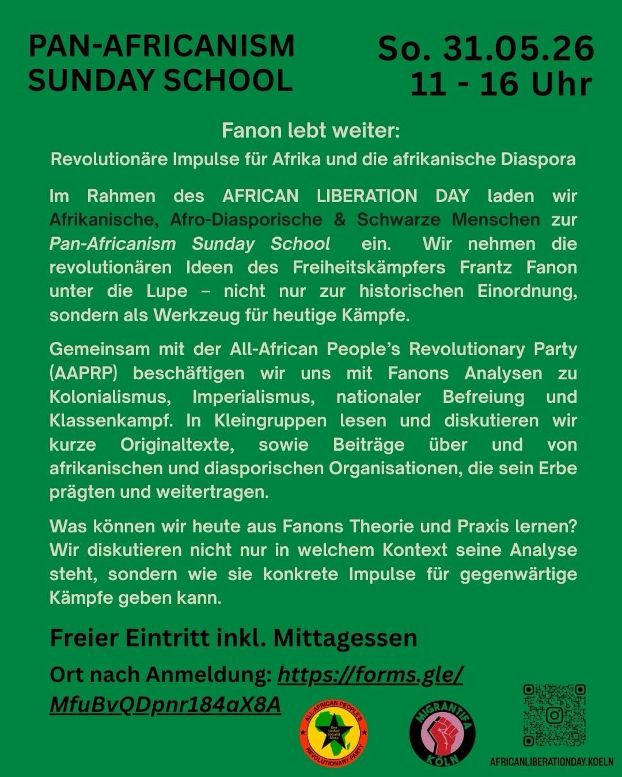
Sonntagsschule zum Thema Panafrikanismus in Köln, Sonntag, 31. Mai
7
19
801
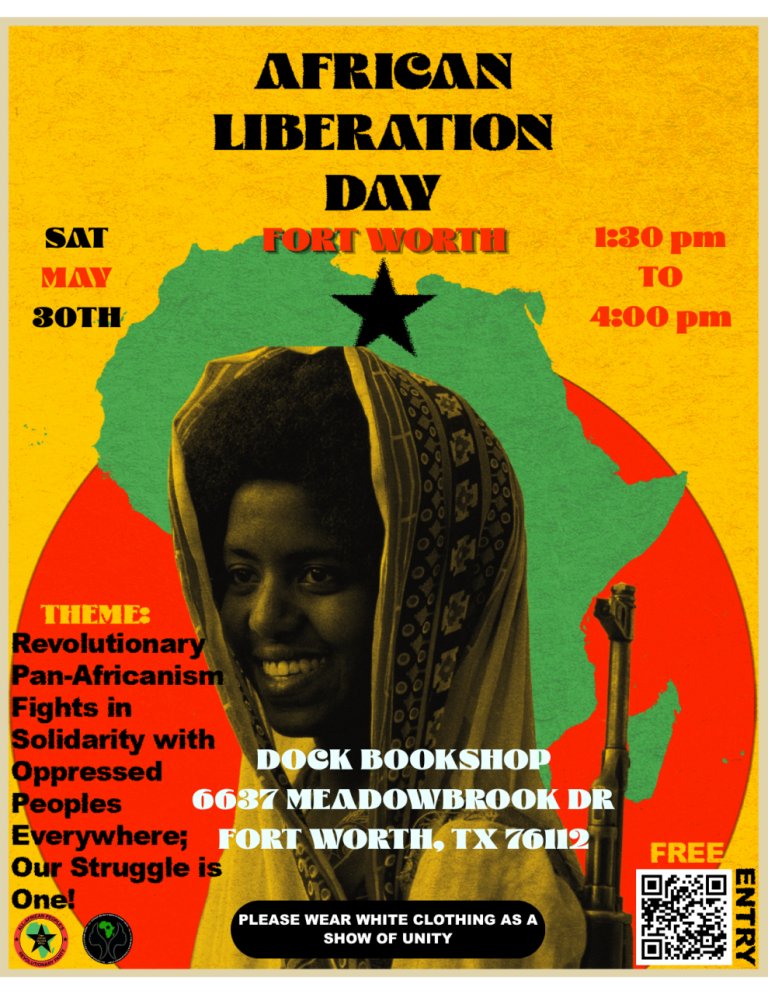
African Liberation Day in Fort Worth, Texas Saturday May 30th from 1:30pm to 4pm. Featuring Political Updates from Cuba, Alliance of Sahelian States (AES), DRC and more. Cultural Presentations. Food from East Africa and a screening of the Documentary Umoja
1
9
24
609
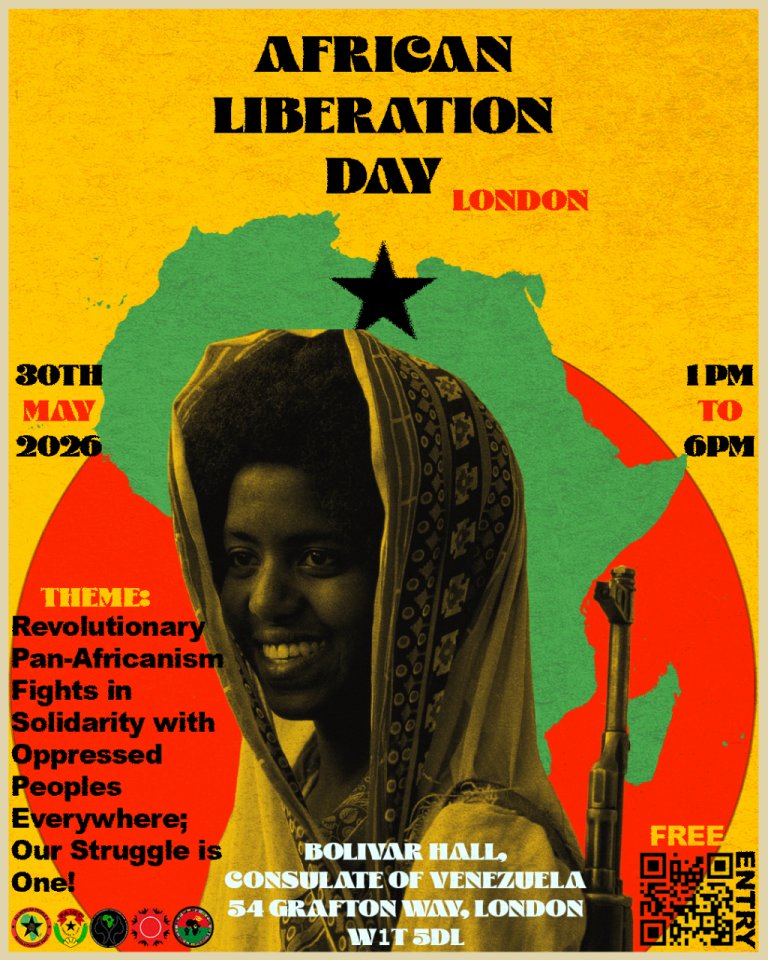
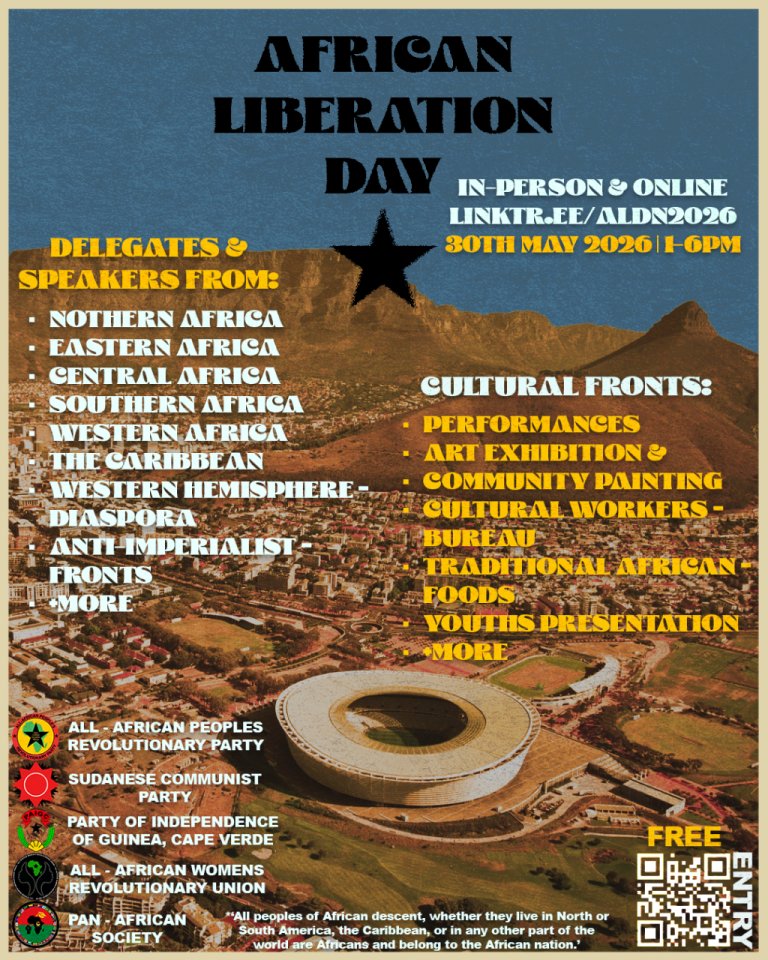
African Liberation Day in London SAT 30 May, where we renew our dedication, enthusiasm, courage and ideological clarity towards a Liberated, Unified-Strong and Prosperous Africa
Entrance is FREE, donations and tabloid purchases are encouraged to support our work.
Please note the venue has limited capacities, secure your entry ticket by clicking the link in our bio.
We’ll be joined by Pan-African delegates, speakers, reps and other worldwide progressive forces, as well as amazingly conscious Artists and Cultural workers including Andre Jahnoi, Tavia and more to be announced.
Please wear white as a sign of unity as done in many African Cultures.
Forward Ever, Backwards Never!
Organized by:
All-African People’s Revolutionary Party (A-APRP)
African Party of Independence of Guinea-Bissau, Cape Verde (PAIGC)
Sudanese Communist Party (SCP)
All-African Women’s Revolutionary Union (A-AWRU)
Pan-African Society (Panaf)
Supported by:
African Youth Amílcar Cabral / Juventude Africana Amílcar Cabral (JAAC)
Bolivar Hall / Consulate of Venezuela
Revolutionary Communist Group (RCG)
6
16
477
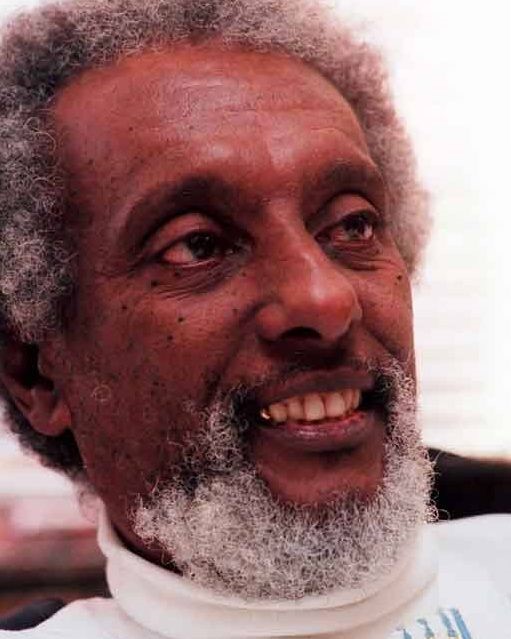
"One of the weaknesses of the African Revolution is that we are the only people that allow our enemies [including traitors] to strut with impunity amongst us" - Kwame Ture
14
410
1,033
15,230
All-African People's Revolutionary Party (A-APRP) retweeted

May 29
SOCIALISM, FREEDOM AND NON-ALIGNEMENT
May 29 marks the birthday of Maurice Rupert Bishop, the leader of Grenada’s New Jewel Movement and the face of a revolution that attempted to redefine what liberation actually means.
Speaking at the height of Grenada’s transformation, Bishop laid out a vision rooted not in slogans, but in material change: electricity for communities receiving it for the first time, clean running water, free healthcare, free education, and jobs for people long denied them under colonial structures.
Following the 1979 revolution led by the New Jewel Movement, Grenada experienced rapid social progress. Illiteracy dropped dramatically, unemployment fell from nearly half the population to around 14%, and basic human dignity began reaching ordinary people who had been excluded for generations.
For many across the Caribbean and the wider Global South, Bishop came to symbolise the possibility of a small nation charting an independent path based on social development, sovereignty and popular participation.
That vision made Grenada a target.
In October 1983, Bishop was arrested, then executed by firing squad at just 39 years old. Days later, the United States invaded Grenada, framing it as an "intervention". But for many, it marked the violent end of a sovereign experiment in socialist development.
Decades on, the pattern remains. From Cuba to Venezuela to Iran, attempts to chart independent political and economic paths continue to face sanctions, destabilisation, and regime change wars.
Bishop’s revolution was cut short, but the questions he raised still echo: What does freedom really look like? And who gets to define it?
2
193
351
7,347
The ideological and information war is the biggest war front. For both the oppressed and the oppressor. The people must and will win this war eventually
May 29

Follow Sovereign Media’s new YouTube channel: @SovereignMedia4k
Earlier this month, without prior warning, Google removed Sovereign Media’s YouTube channel. We are a Nairobi-based anti-imperialist media coalition that reported on the controversy surrounding the so-called Forward Africa Summit, also known as the France-Africa Summit. Our channel was shut down on day one of the summit in Nairobi. Make of that what you will.
We have now launched a new YouTube channel ahead of Sovereign Media’s first-ever documentary on the British Army Training Unit Kenya (BATUK), examining allegations of abuses and sexual violence violations in Kenya. The documentary is expected to be released early next week.
Please support the new channel by subscribing. The link is in the comments and in our Linktree bio.
@VoxUmmah @venanalysis @qiaocollective
@ProgIntl @KawsachunNews
@OrinocoTribune @blkagendareport
@SoberaniaPod

7
14
1,092
All-African People's Revolutionary Party (A-APRP) retweeted

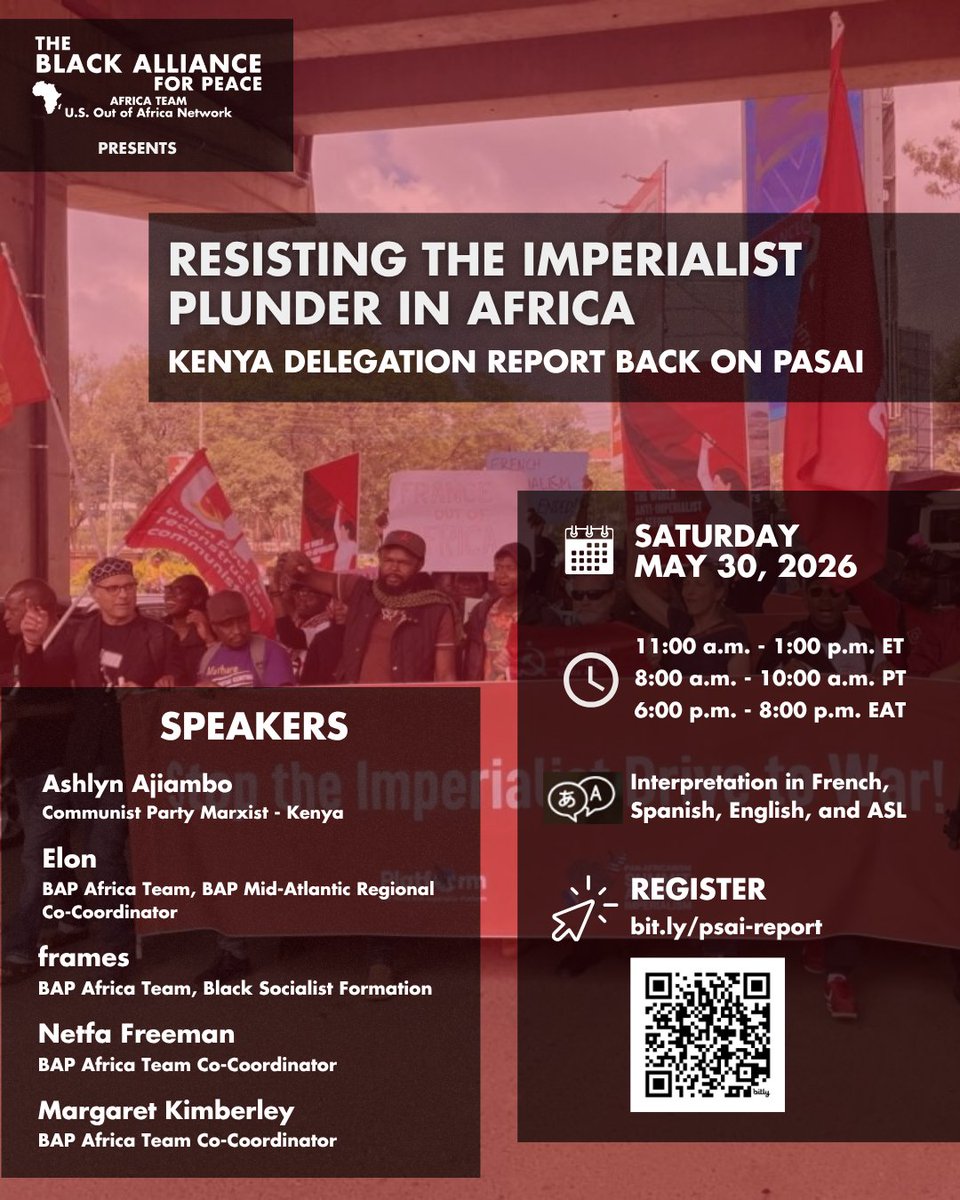
When a comprador president like William Ruto uses police brutality to defend French neocolonial interests what does it mean for African sovereignty and what does it actually demand of us? Register Here to discuss: bit.ly/psai-report
12
23
1,275
All-African People's Revolutionary Party (A-APRP) retweeted
On May 12th, Kenyan police brutally repressed a protest that was the culmination of the Pan-Africanism Summit Against Imperialism (PASAI) bit.ly/psai-report
1
15
24
1,400
All-African People's Revolutionary Party (A-APRP) retweeted

May 26
Venezuelans from the 23 de enero Chavista neighborhood reflect four months on from the U.S. attack
We heard from leaders of the Comuna Socialista Simón Bolívar in Caracas 🇻🇪 @KawsachunNews
16
273
728
41,444
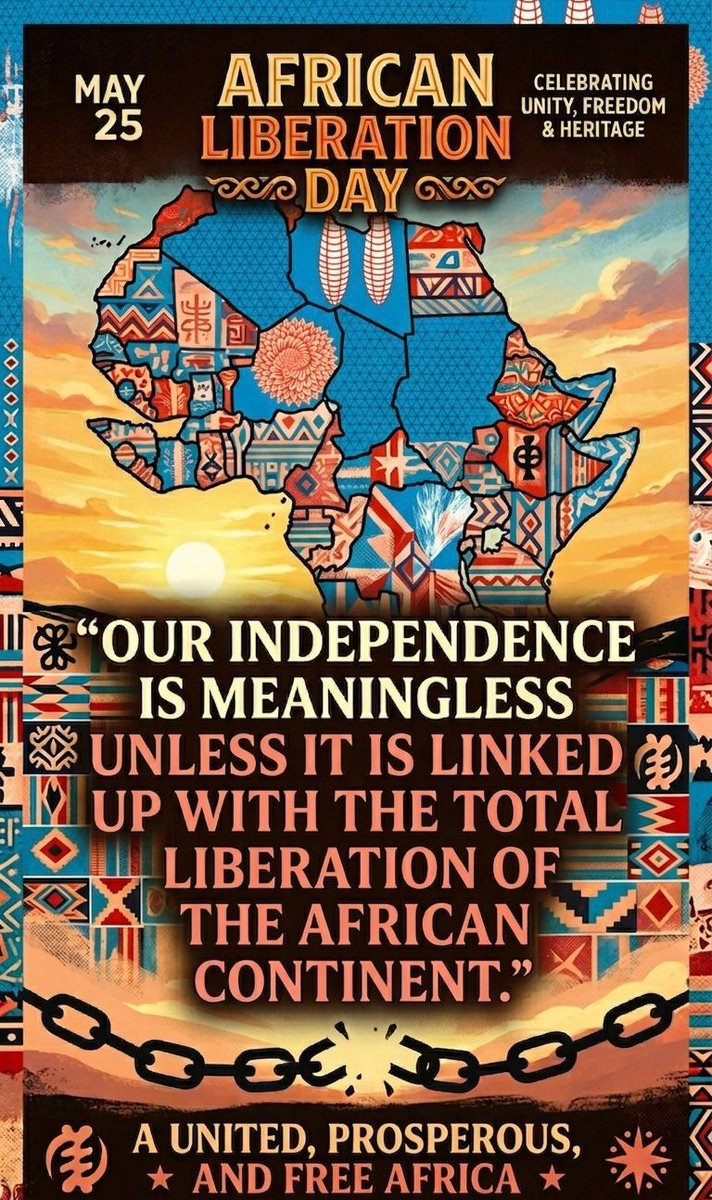
Kwame Nkrumah made this statement during his independence day speech nearly 70 years ago. It still rings true #AfricanLiberationDay
2
22
46
1,277
Please visit and read our African Liberation Day 2026 tabloid
africanliberationday.net/afr…
1
4
9
676
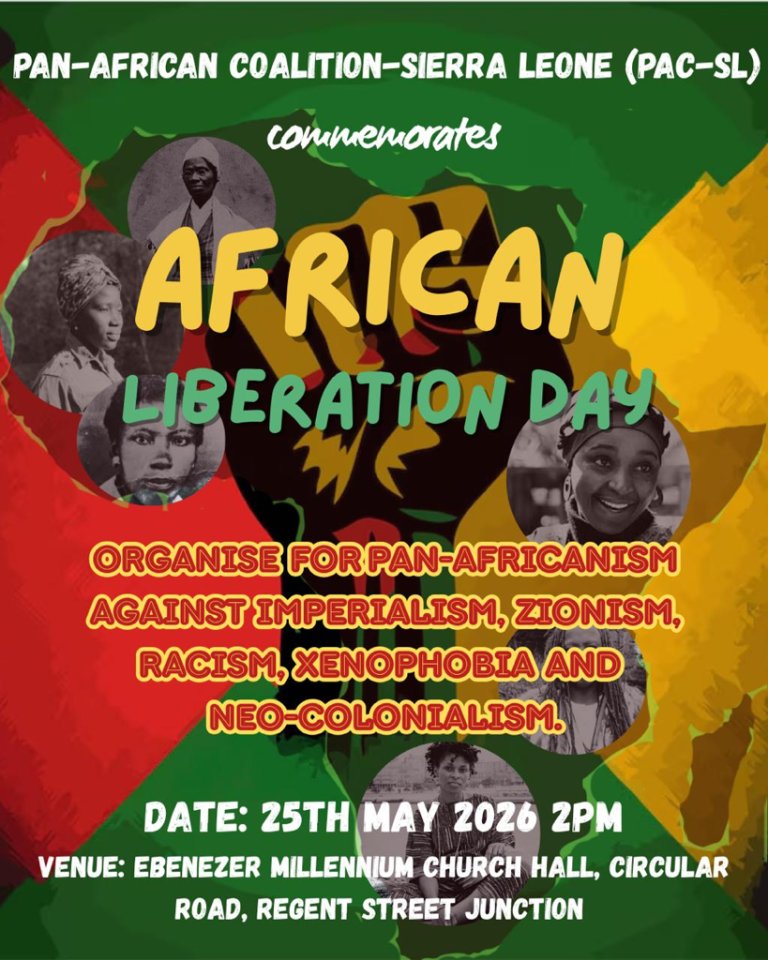
The Pan-African Coalition-Sierra Leone
Commemorates African Liberation Day in Freetown @ Ebenezer Millennium Church Hall at 2PM
1
6
13
760
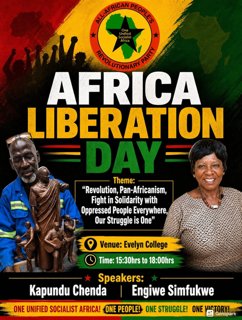
African Liberation Day 2026 @ Evelyn College in Lusaka from 15h30 to 16h00
"Revolutionary Pan-Africanism Fights in Solidarity with Oppressed People Everywhere, Our Struggle in One"
6
20
554