अखिलभारत🇮🇳 Pan India. सनातनसमताएकता🔆 United Sanatan ll ARWBJPNDZ ll AsVhpRssHmRks स्वयंसेवक ll
Joined August 2022
- Tweets 180,978
- Following 2,124
- Followers 1,220
- Likes 172,645
3,733 Photos and videos

Pinned Tweet

Jan 3
#ईश्वरएकहैGODISONE ईश्वर मनुष्य के कर्म में हस्तक्षेप नहीं करता है , ईश्वर निराकार है साकार भी है , ईश्वर सत्य है ईश्वर का एकरूप है और विविध नाम हैं ll #सत्यार्थप्रकाशSatyarthPrakash
2
2
5
1,447
SantoshBharatiya retweeted

Richard Feynman's definition of a paradox.

5
18
74
3,721
SantoshBharatiya retweeted

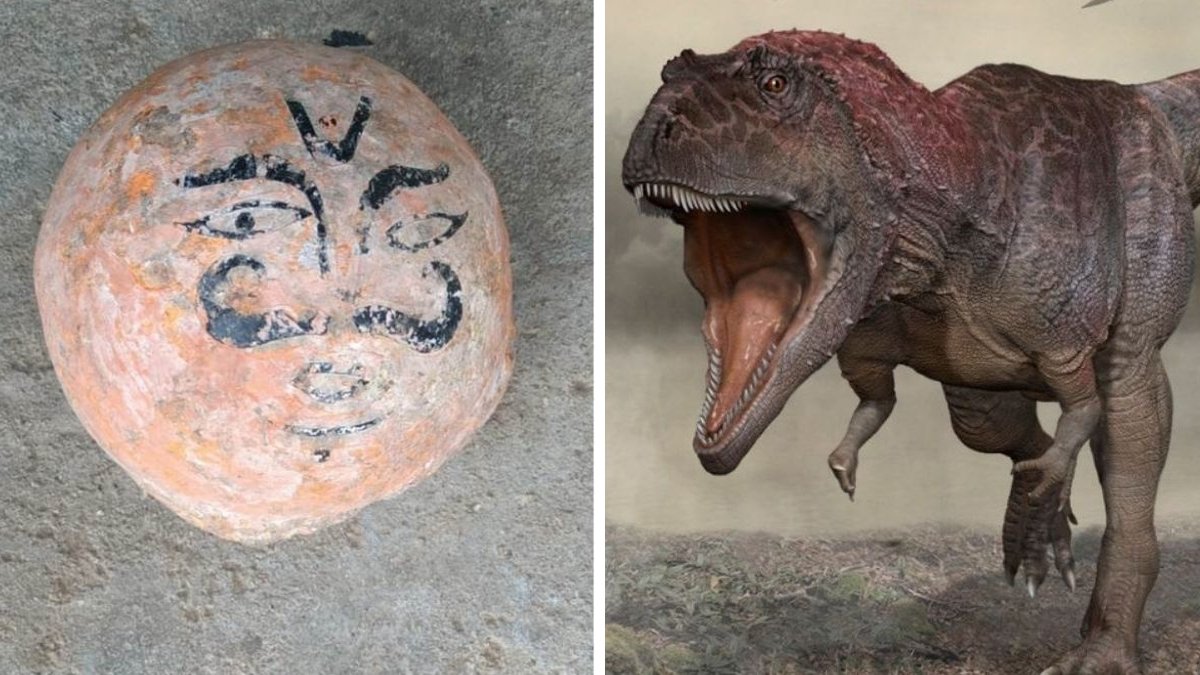
India: Sacred stones worshipped for generations by villagers in Dhar, Madhya Pradesh turn out to be dinosaur eggs.
The villagers not only worshipped these round structures as ancestors' totems but they also placed them in the temple of Bhilad Baba in Padalya and worshipped in Patelpura with devotion, adorned with flower garlands, coconuts, and tilak.
18
47
261
14,501
SantoshBharatiya retweeted

इसी शेर ने देश विरोधी और हिन्दू विरोधी जिहादी कॉकरोसीए अभिजीत को पेल दिया 😎
भाई के लिए सम्मान 🫡🙏🚩

कॉकरोच जनता पार्टी के भगोड़ा मंत्री अभिजीत को राजस्थान में किसी ने थप्पड़ जड़ दिया 😂🤣
18
114
415
5,241
SantoshBharatiya retweeted
On the morning of November 30, 2021, a judge in a Frankfurt courtroom delivered a verdict no court anywhere in the world had ever delivered before.
The defendant, a former ISIS member, was guilty of genocide.
The specific crime: the death of a five-year-old Yazidi girl named Reda. He and his wife had purchased Reda and her mother as slaves in 2015. As punishment for wetting the bed, he chained the child outside in the open sun in Fallujah, Iraq — in heat that reached fifty-one degrees Celsius — and left her there until she died.
Her mother survived. She testified.
It was the first time any court anywhere had convicted an ISIS member of genocide. The first time any court had ruled in law that what was done to the Yazidi people constituted genocide.
The path that made it possible to use that word, in that courtroom, six years after Reda died, leads back to a twenty-two-year-old Yazidi woman who decided, in December 2015, not to speak in generalities.
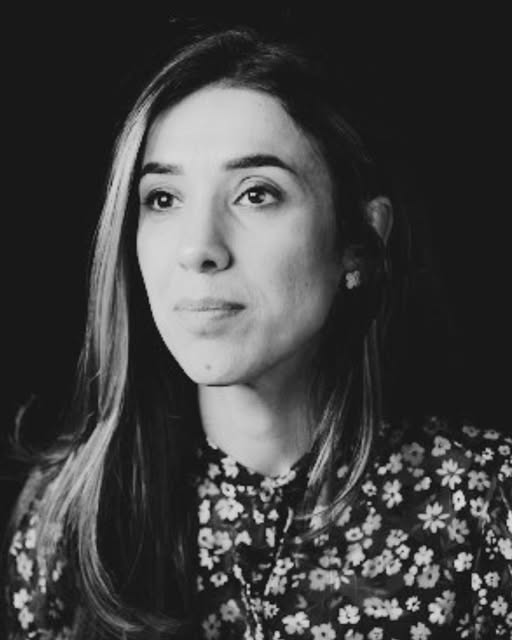
Her name is Nadia Murad.
She was born in Kocho — a small Yazidi village of about seventeen hundred people in the Sinjar region of northern Iraq.
On August 3, 2014, ISIS surrounded Kocho. They separated the men from the women and took the men to the edge of the village and shot them. They shot the older women too. Among the dead were six of Nadia's brothers and her mother. The younger women — Nadia among them — were loaded onto buses and driven to Mosul, where they were sold.
She was twenty-one years old. She spent the next three months in captivity, passed between captors, until one day she found a door left unlocked and ran.
A Muslim family in Mosul sheltered her at enormous risk to themselves and helped her escape. She crossed into northern Iraq, then a refugee camp, then Germany, which granted her asylum.
She was free.
She was also free to be silent.
Most survivors of mass sexual violence choose silence — and that choice deserves every ounce of respect. Nadia Murad chose differently.
On December 16, 2015, she walked into the chamber of the United Nations Security Council — accompanied by human rights lawyer Amal Clooney — and described what had been done to her and her community. She did not use diplomatic euphemisms. She did not speak in abstractions.
She said the women had been sold. She said the children were as young as nine. She said her mother had been executed. She said what had been done to her.
Then she made the demand her testimony had been built to make: international recognition that this was a genocide, and prosecution of those responsible.
The room went silent. The transcript exists in the UN archives.
That specificity was not accidental. Vague testimony cannot become evidence. A genocide conviction requires testimony precise enough for a judge to rule on intent, on system, on pattern. Nadia's testimony — and the testimony of survivors she helped gather in the years that followed — was precise enough to do exactly that work.
In 2016, the UN Commission of Inquiry formally determined that ISIS's treatment of the Yazidis met the legal definition of genocide. The United States, the European Parliament, and the UK Parliament reached the same conclusion. In 2017, the UN established a specialized investigative body to collect evidence to courtroom standard.
In 2018, Nadia Murad was awarded the Nobel Peace Prize. She used the acceptance speech to remind the room of the women still missing.
And in 2021 in Frankfurt, in a case where Amal Clooney represented Reda's mother, the legal architecture built from that testimony produced the verdict that had never existed before.
Further convictions have followed. Open prosecutions continue in multiple countries under universal-jurisdiction laws that allow genocide to be tried wherever the perpetrator is found.
Nadia Murad is thirty-two years old. She continues to travel and testify and run Nadia's Initiative, which rebuilds water systems, clinics, and schools in the Sinjar region she came from. More than two thousand eight hundred Yazidi women and children are still missing or held in captivity. Mass graves are still being excavated.
The first time a court used the word genocide for what was done to her people, the year was 2021.
The first time anyone said it in a chamber where the law could hear it was December 16, 2015.
The woman who said it was twenty-two years old.
She did not speak in generalities. She spoke in names, and ages, and facts — and the law followed.
12
129
359
5,423
SantoshBharatiya retweeted

अलीशेख यादव ने अपने कार्यकाल में उत्तर प्रदेश में कोई एयरपोर्ट तो छोड़ो एक बस स्टेशन तक भी नहीं बनाया
आज उत्तर प्रदेश में दो नए इंटरनेशनल एयरपोर्ट और आठ अन्य एयरपोर्ट बनकर तैयार है
आज नोएडा जेवर इंटरनेशनल एयरपोर्ट से पहली उड़ान में एक बच्ची जब पायलट के ड्रेस में पहुंची तब सबके ध्यान का केंद्र बनी
3
112
502
5,821
SantoshBharatiya retweeted
ओ तेरी भाई साहब ने जीते जी अपनी पत्नी का पिण्डदान कर दिया ..गया जी जाकर बाल मुड़वाकर पण्डित जी को 5000₹ का दान दक्षिणा कर आए..
कारण ये गाँव के व्यक्ति है और इनकी पत्नी इंस्टा पर हॉट हॉट रील्स बनाकर अपलोड करती हैं और लोग इन्हें दिखाकर कहने लगे ..देख ओकरे मौगी हौ कइसन कइसन वीडियो डालेली 😓😁
11
155
335
7,314
SantoshBharatiya retweeted
आपको याद होगा कुछ दिन पहले एक पाकिस्तान का प्रख्यात मौलाना बोला था कि अगर आप अपने उंगली से बिजली के मीटर पर जमजम लिख देंगे तब आपका बिजली का बिल आएगा ही नहीं
उसके बाद एक मौलाना ने एक ताबीज बेचना शुरू किया कि इस ताबीज को अगर आप मीटर पर लगा देंगे तो आपका बिजली का बिल नहीं आएगा
बिजली विभाग के अधिकारी तमाम मीटरों की जांच कर रहे हैं फिर मीटर पर टेप देखकर उन्हें शक हुआ
जब उन्होंने खोला तो देखा बिजली के मीटर पर ताबीज लगा है ताकि बिजली का बिल ना आए
वाह रे जाहिल मदरसा छाप पाकिस्तानियों
6
184
439
21,645
SantoshBharatiya retweeted

🇮🇳 जयशंकर का पाकिस्तानी पत्रकार को जबरदस्त जवाब! 💥🔥
पाकिस्तानी पत्रकार ने पूछा — “भारत-पाकिस्तान संघर्ष कब तक चलेगा?”
विदेश मंत्री एस. जयशंकर का तुरंत करारा जवाब:* आप गलत मंत्री से पूछ रहे हैं आपको पाकिस्तानी मंत्री से पूछना चाहिए कि पाकिस्तान आतंकवाद का अभ्यास कब तक जारी रखेगा ???
दुनिया देख रही है — भारत अब सीधा, सख्त और बेबाक जवाब देता है! 👏
भारत बोलता है, दुनिया सुनती है! 🇮🇳
1
29
93
3,362

'फैजल खान ने मेरी भाई की हत्या कराई'...'खान सर' कोचिंग सेंटर में तोड़फोड़ के मामले में बेल पर रिहा होने के बाद, ज्ञान बिंदु GS एकेडमी के डायरेक्टर रौशन आनंद ने फैजल खान पर लगाया बड़ा आरोप
#RoshanAnand #FaizalKhan #KhanSir #PrinceYadav | #ZeeNews
32
154
4,371

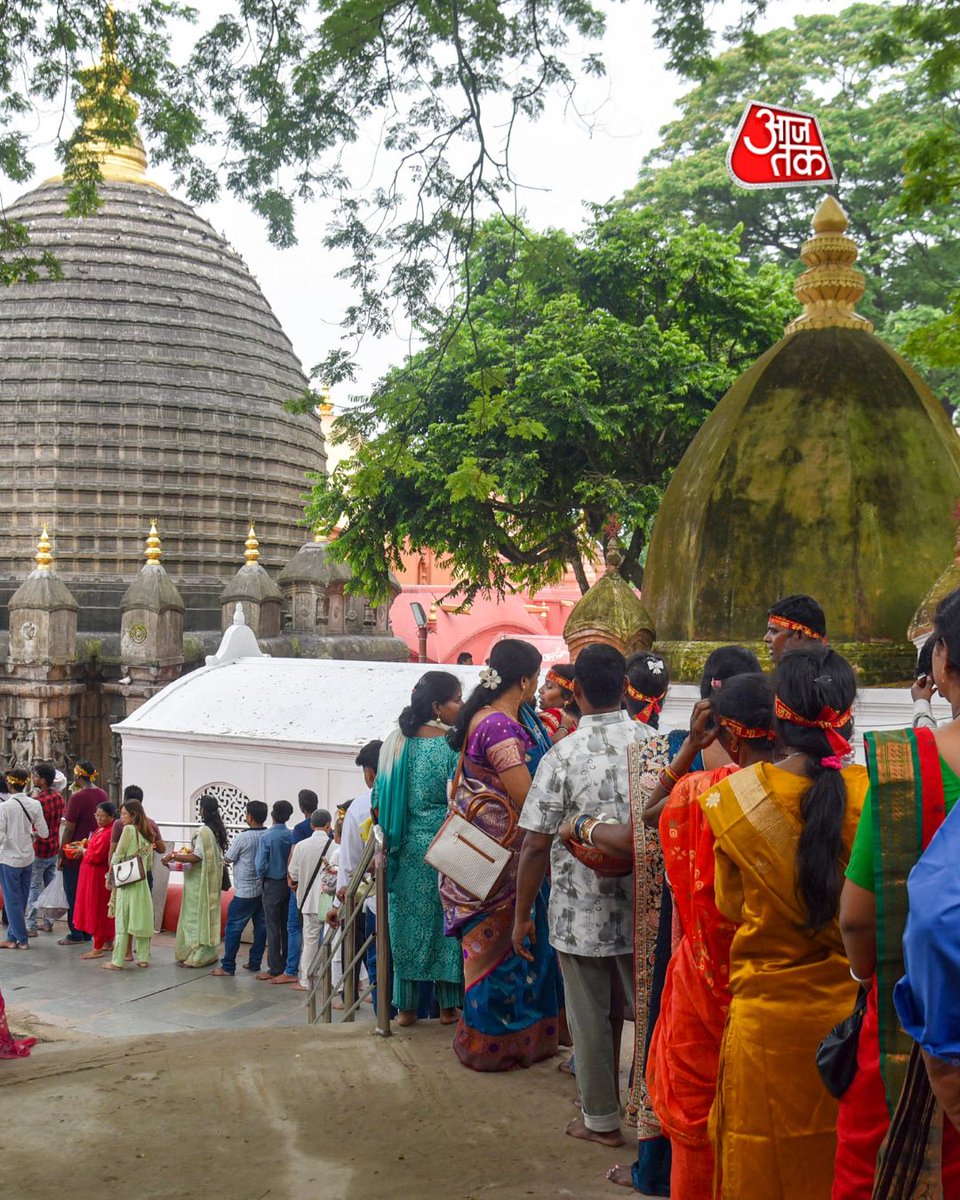
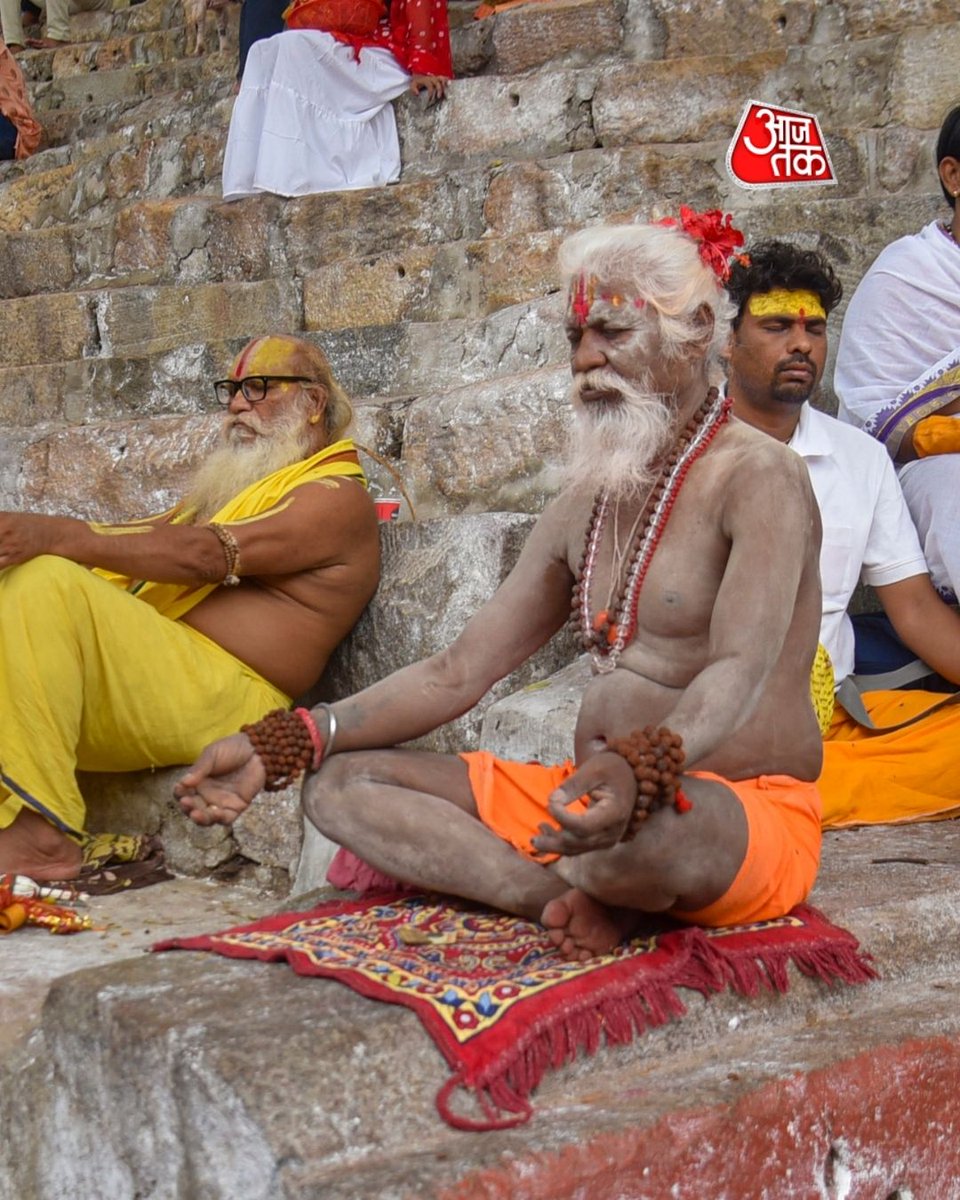
असम के गुवाहाटी स्थित कामाख्या मंदिर में अंबुबाची मेले से पहले श्रद्धालुओं की लंबी कतारें देखी गईं, जहां लोग पूजा-अर्चना के लिए पहुंचे।
#AmbubachiMela #KamakhyaTemple #Guwahati #Assam #ATPhotoBlog #AajTakSocial

2
15
436
5,797
SantoshBharatiya retweeted
In 1961, before the advent of digital presentations, NASA scientists relied on towering chalkboards and ladders to compute complex orbital equations by hand. These massive boards were filled with intricate calculations, showcasing the meticulous efforts that propelled humanity into space.

4
10
51
1,989
SantoshBharatiya retweeted

Sudarshan News Impact -
खुद को आयुष मालिक की बहन बताने वाली महिला अस्ल में निकली "सबीना खान"..
शामली पुलिस ने FIR दर्ज कर के कसे पेंच तो आई सामने सफाई देने.
अपना वीडियो वायरल करने वालों पर ही थोप डाला सारा दोष.
जाटों के इस्लामीकरण में लगे गिरोह पर योगी सत्ता का कड़ा प्रहार.
सबसे पहले सुदर्शन ने उधेड़ी थी इस नैरेटिव जिहाद की परत.
#Shamli #Jaat @PoliceShamli @myogiadityanath
11
207
397
9,138
SantoshBharatiya retweeted
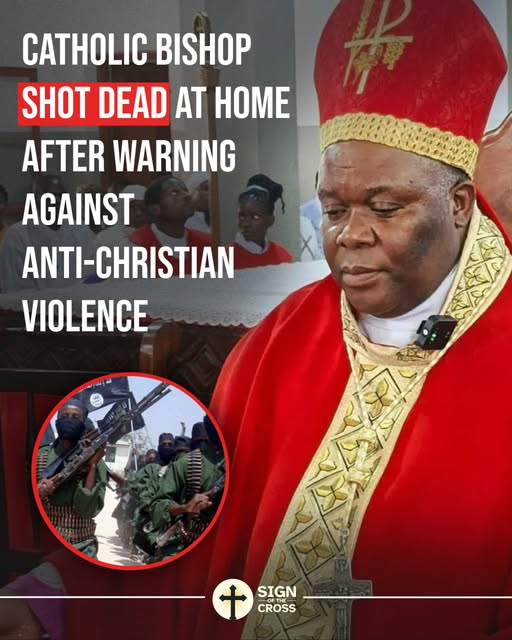
Mozambique Bishop Osório Citora Afonso was killed after gunmen entered his residence and opened fire weeks after he warned that Christians were being killed by Islamist insurgents.
197
3,249
4,765
40,710
उत्तराखंड के Kainchi Dham में बाबा Neem Karoli Baba के स्थापना दिवस पर श्रद्धालुओं की रिकॉर्ड भीड़ देखने को मिल रही है। देश-विदेश से पहुंचे भक्तों की भारी आमद ने नैनीताल क्षेत्र में धार्मिक पर्यटन को भी नई रफ्तार दी है। दर्शन, महाप्रसाद और आध्यात्मिक आयोजनों के बीच कैंची धाम एक बार फिर वैश्विक आस्था के प्रमुख केंद्र के रूप में उभरता नजर आया।
#NeemKaroliBaba #KainchiDham #Mahaprasad #Nainital #Uttarakhand #AajTakSocial
4
28
282
4,356
SantoshBharatiya retweeted

23h
बजरंग दल नेता विनोद कश्यप को मुस्लिम परिवार ने हथौड़े से पीट-पीटकर उतारा मौत के घाट
देहरादून में तनाव के बाद 4 गिरफ्तार; प्रशासन ने आरोपित के घर बुलडोजर चलाया
hindi.opindia.com/news-updat…
35
58
739
👉ओवैसी को 'कट्टर खंजर' क्यों नहीं दिखता?
👉ममता के बागियों ने NCPI क्यों चुना?
👉एक्ट्रेस संचिता की मौत मिस्ट्री क्या है?
देखिए 'बात पते की' LIVE @ShobhnaYadava के साथ
#BaatPateKi #Asaduddinowaisi #MamataBanerjee #TMC #ZeeNEWS
x.com/i/broadcasts/1RKZzzXNv…
5
10
529
SantoshBharatiya retweeted

13h
2014 से पहले क्या आपने प्रयागराज जंक्शन को कभी इतना साफ, व्यवस्थित और आधुनिक देखा था?
सवाल उन लोगों से है, जो कहते हैं कि कुछ बदला नहीं...
ये नया भारत है- जो सिर्फ कहता नहीं, करके दिखाता भी है!
146
546
2,147
30,009
SantoshBharatiya retweeted

खूंटी जिले का उंबुलबहा और रुरुवांग गांव, जहां आज भी लोग पानी की एक-एक बूंद के लिए जद्दोजहद कर रहे हैं। पीने के पानी के लिए ग्रामीणों को उन गड्ढों का सहारा लेना पड़ता है, जहां जानवर भी पानी पीते हैं। झामुमो सरकार में आखिर क्यों आज भी बुनियादी सुविधाओं से वंचित हैं ये गांव? आइए जानते हैं कैसे पानी के संकट ने लोगों की जिंदगी को हाशिए पर धकेल दिया है...
4
10
108
SantoshBharatiya retweeted

दलित युवती ने खोली भीम आर्मी की पोल। बताया जब आरोपी अन्य समाज के हो तो ये कुत्ते की तरह दौड़ते जाते है लेकिन जब आरोपी स्वयं के समाज का हो तो बिल में घुस जाते है।🔥🔥
5
162
350
3,066
SantoshBharatiya retweeted

मैं चाहती हूँ कि मेरे देश में और भी महिला क्रिकेटर दीप्ति शर्मा की तरह गर्व से सनातनी बनें। इससे बहुत-सी युवा लड़कियों को प्रेरणा मिलेगी।
9
189
1,133
14,229