
I am learning to control myself.
Joined February 2014
- Tweets 55,217
- Following 630
- Followers 342
- Likes 33,906
924 Photos and videos













JavaForever retweeted

Jun 13
Why an air purifier actually matters in your daily life at home
324
652
10,989
2,676,980
От чого Німеччина у дупі...
Комуністка Кет з штазі у ділі

Merkel set the punitive trend because she wants Europe erased. In 2014 she praised a book called "Visions 2050 - Future dialogues" which predicts the physical extinction of Germans through mass immigration. She claims this is a good thing.
4
JavaForever retweeted

Jun 13
German tour guide is using a German flag in Germany to guide his group.
5 police officers stop him. The flag is offensive to those who are not identifying with Germany.
What the f&ck?
4,396
21,372
91,382
2,156,205
Дівчина з пістолетом та з ножем мене покорила...
Я б за нею пішов без жодного сумніву...

34
These are perfect rules

18
це вже не цирк - це навіть вже не божевілня...
Я вже готовий - витирайте цих людей на Землі..
Jun 13

Американський боєць UFC Джошуа Хокіт прийшов напідпитку на церемонію зважування вечору боїв у Білому домі та почав блювати.
"Так, я пив. Мене у рингу чекає темношкірий хлопець, який хоче мене вирубити", — Хокіт про прийдешній бій проти Дерріка Льюїса.
7
Лише є одна причина чого жінкам у 'церкві' потрібна хустка.
Але ж треба мати розум щоб зрозуміти...
Jun 13

Çinde iki ögretmen, statik elektriği eğlenceli şekilde ögretiyor.
7

JavaForever retweeted

Jun 12
Товариство, за любу допомогу вам буду щиро вдячний!
Jun 9

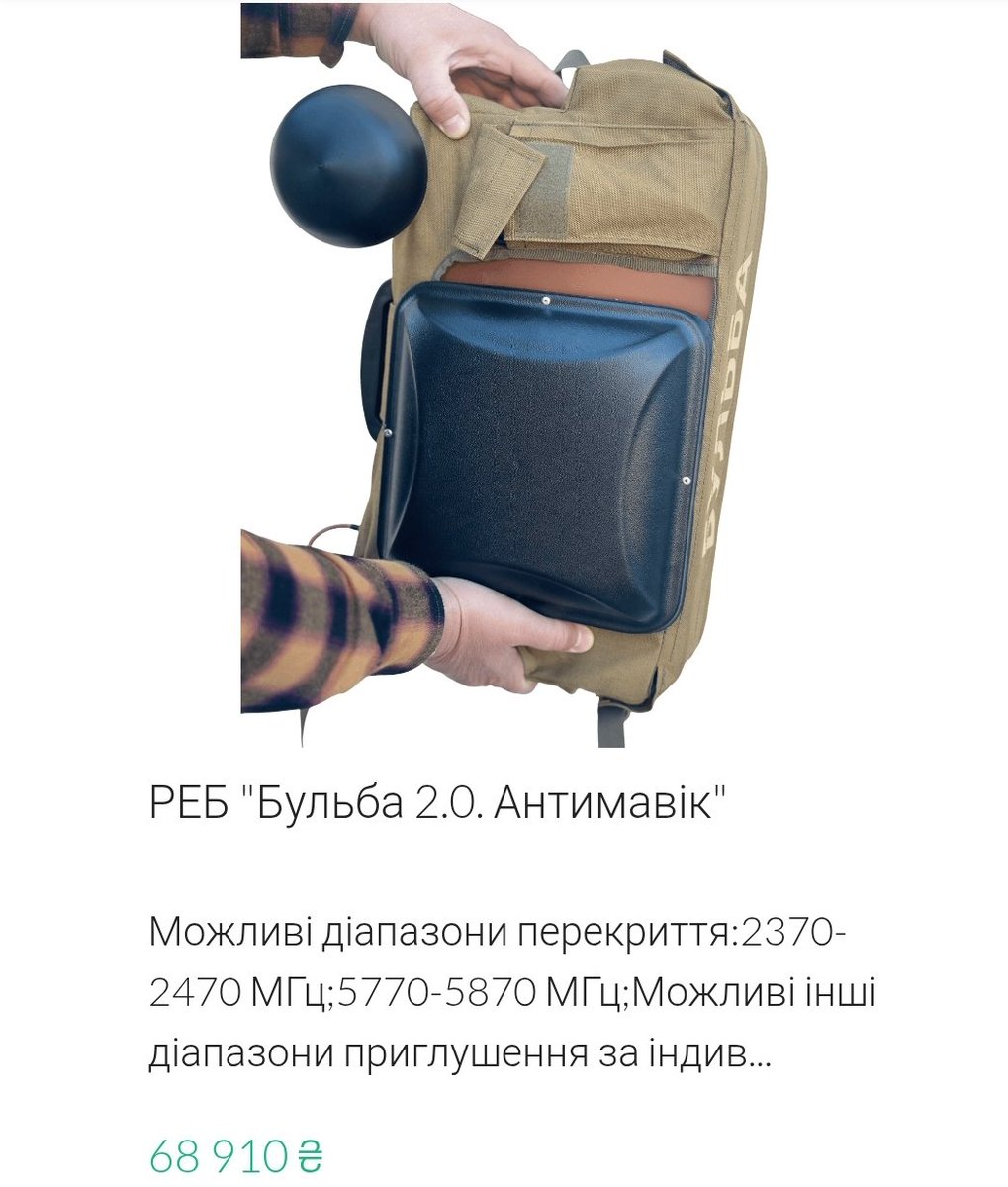
Друзі, для наших воїнів збір триває на РЕБ типу такого як на фото. Сумщинна. Дякую і обіймаю!
Приватбанк: 5168745191467643
Ощад: 5167803276984270
РауРаl: Alex.kovalyuk17@gmail.com
9
38
22
3,000
JavaForever retweeted

Jun 13
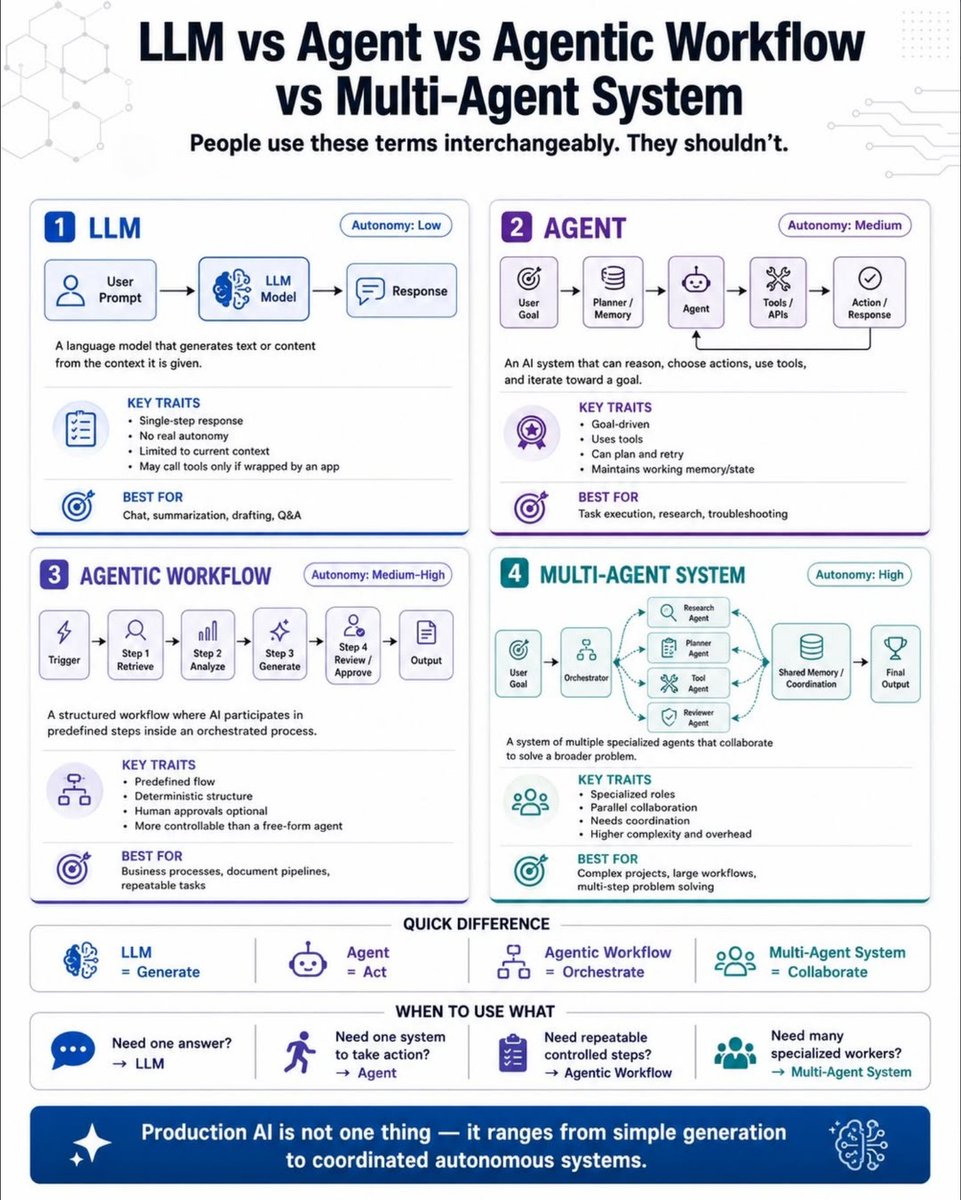
LLM vs Agent vs Agentic Workflow vs Multi-Agent System ⚡
People throw these four terms around like they mean the same thing. They don't — and the difference decides your cost, your latency, and whether you can actually debug the thing when it breaks.
Here's the clean mental model 👇
🧠 LLM → GENERATE
A model that produces text from the context it's given. Single-step, no real autonomy.
→ Best for: chat, summarization, drafting, Q&A
→ Autonomy: Low
🤖 AGENT → ACT
Reasons, chooses actions, uses tools, iterates toward a goal. Keeps working memory.
→ Best for: task execution, research, troubleshooting
→ Autonomy: Medium
🔀 AGENTIC WORKFLOW → ORCHESTRATE
A structured flow where AI runs predefined steps. Deterministic, controllable, human approvals optional.
→ Best for: business processes, document pipelines, repeatable tasks
→ Autonomy: Medium–High
👥 MULTI-AGENT SYSTEM → COLLABORATE
Multiple specialized agents working together. Parallel, powerful, but more overhead.
→ Best for: complex projects, large multi-step problems
→ Autonomy: High
The biggest mistake? Reaching for the most autonomous option because it sounds impressive — a multi-agent system for a job a single prompt could handle. You pay all the coordination cost and get none of the benefit.
Production AI isn't one thing. It ranges from simple generation to coordinated autonomous systems. The skill is matching the architecture to the real problem.
Save this for the next time someone calls a chatbot an "agent." 🔖
Where do you draw the line between an agentic workflow and a true agent? Tell me below 👇

5
25
101
3,701

Jun 13
прикольний цей маск... зробив скаргу на людину яка розпалює національну ворожнечу.
Пише х - ваша скарга була розглянута... нічого ми не виявили...
Нда... не вір ти тому піда арасу... воно тобі тої цукерки в дупу встромить...
До поки не будете мати своє - сосіть у маска
3
Jun 13
Гиги - Юра це вже не цирк... пиздіти куйню вже не прокатає
Jun 13

Це вийшло випадково.
Сценарист серіалу "Слуга народу" Юрій Костюк запевняє, що фільм не створювався як політтехнологія
"Коли виходив серіал в 2015 році, ніхто не думав, що Володимир Зеленський стане президентом і серіал робився не для цього. Це стовідсотково я можу вас запевнити", — сказав Костюк.
Повідомив і відразу збрехав у своєму повідомленні, оскільки партію "Слуга народу" було створено у 2016 році, менш ніж через рік після виходу серіалу.
Сам Костюк за сценарії до серіалу отримав "тепле місце" заступника глави Офісу Президента.
А серіал знімали просто як кінокомедію. Хто ж знав, що у реальному житті серіал стане фільмом жаху?

10
Jun 12
Порадьте хорошу книжку чи онлайн матеріали по матиматиці старших класів тригонометрія, геометрія, диф рівняння тощо.
Може бути мат аналіз але не для матфаку
5
JavaForever retweeted

Jun 11
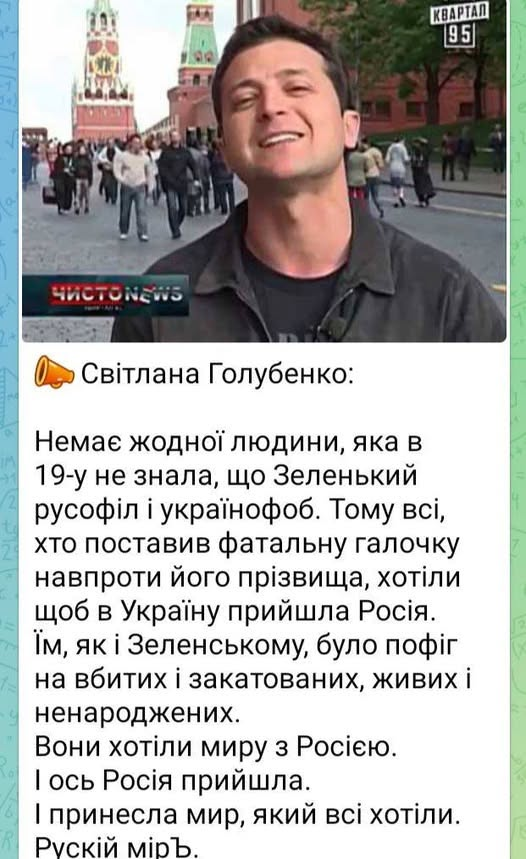
💸 Долар по 45 став реальністю: пророчий виступ Зеленського у 2019 році, — Цензор
Нагадаємо, банки оновили курс валют вчора, згідно з яким курс долара у фінустановах вперше в історії перетнув позначку у 45 гривень.
«Якось нам казали: буде долар по 45 грн при Зеленському, буде хаос, буде війна - дивіться, нічого не сталося. І без вас теж зможемо. Якщо хочете працювати - давайте разом. Не хочете - звільняйтеся», - таку заяву президент зробив під час наради на Закарпатській митниці 9 липня 2019 року.
9
3
28
2,699
Jun 11
У мене є чудове правило. Якщо майстрер будь чого, починає розказувати мені... та шо ви... вам збробили дурницю... то робили ідіоти... а от я зроблю як має бути..
То такого майстра я жену у шию нах... бо зробить ще гірше.
Так і тут...
Jun 10

Трамп про Іран: Ми були дуже близькі до угоди, але нас продовжують дурити.
Вони продовжують грати з нами, як з дурнями, бо знаєте що? Вони мали справу з дуже дурними президентами.
Я мушу сказати, що мені соромно це казати, тут сиділи дуже дурні люди.
🤣
8
JavaForever retweeted

Jun 10
Курс долара в українських банках вперше в історії перетнув позначку в 45 гривень — як і пророкував президент Зеленський у 2019-му.
Докладніше про це пророцтво у нашому треді👇
111
266
1,001
45,854