
Association of Cardiovascular Nursing & Allied Professions President X account. Posts by the #ACNAP Comm. Ctte., Dr. @LeonieKlompstra and her #ACNAP team.
Joined August 2019
- Tweets 2,411
- Following 1,453
- Followers 2,572
- Likes 3,064
743 Photos and videos
As we bring this year’s meeting to a close, we celebrate an outstanding program, remarkable science, and an inspiring community of cardiovascular nursing and allied professionals.
Listen to Prof. Jeroen M Hendriks's message on this year’s meeting!
We look forward to continuing the momentum and welcoming you all to ACNAP27!
#ACNAP26
3
6
848
Diego Redondo-Sáenz attended #ACNAP26 for the first time. He is a doctoral student from Columbia University who had an abstract presented in a moderated poster session. The title of his abstract was "Does symptom burden influence readmission risk in heart failure? A secondary analysis of randomized controlled trial"
He talked to us about why he chose to come and his experience at the congress ⬇️ We look forward to welcoming you again!
2
5
828

Jun 13
We asked Prof. Tone M Norekvål what catches her eye when looking at posters.
Her answer ⬇️
🧠 A topic that sparks their interest
✨ The chance to learn something new
🔬 A unique or clearly described research method
📊 An intriguing instrument or measurement approach
And it’s not just the content…
🎨 A clean, visually appealing layout
📖 Easy-to-read text and thoughtful use of color
👀 Information that’s easy to grasp at a glance
Take home message: When an abstract looks approachable and promises valuable insights, people are much more likely to take a closer look at the details.
1
2
675
Jun 13
The “Clinical Case Excellence Award” included four outstanding cases that highlighted the complexity, uncertainty, and multidisciplinary nature of contemporary cardiovascular care.
An excellent session that reinforced the value of clinical curiosity, critical thinking, and shared decision-making in delivering high-quality cardiovascular care. Congratulations to all presenters for sharing such impactful learning experiences! The winner of the session will be announced at the closing ceremony.
#ACNAP26
3
6
732
Jun 13
The “Late breaking research studies” was a fantastic session showcasing the diversity and impact of cardiovascular nursing research
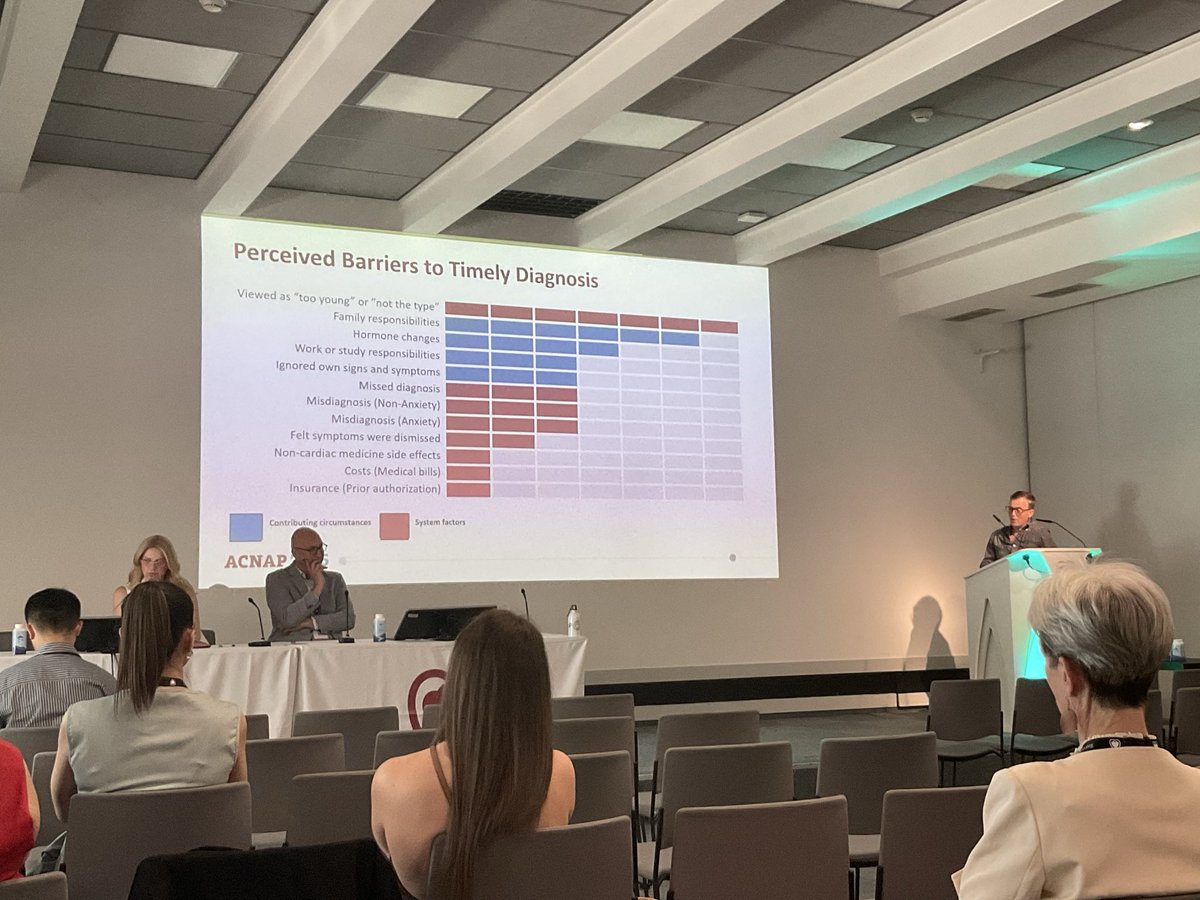
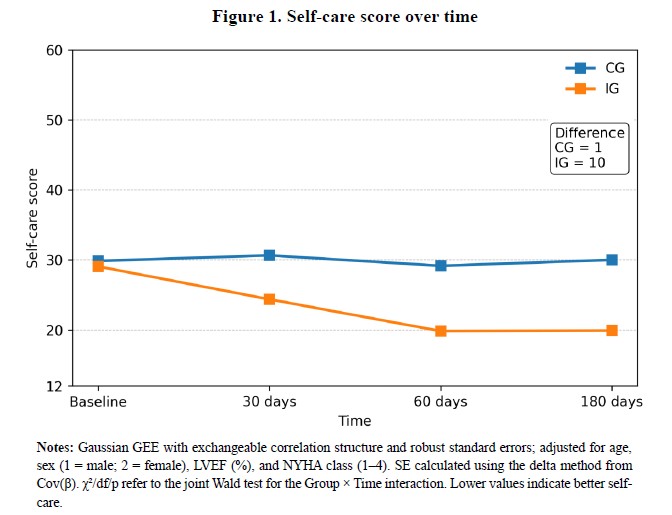
We explored how frailty influences self-care in heart failure, with findings showing that patients can improve self-care behaviours regardless of frailty status. We also examined a non-inferiority RCT of internet-based CBT, demonstrating comparable outcomes while highlighting the balance between flexibility and engagement. Finally, important insights were shared on barriers to timely cardiovascular diagnosis in women, emphasizing symptom recognition, reducing age-related bias, and integrating life-stage factors into risk assessment and clinical decision-making.
A rich discussion spanning self-management, digital health, and equitable diagnosis across the cardiovascular care continuum.
#ACNAP26 Philip Moons Ekaterini Lambrinou Johan Lundgren David Kelly Zehao Huang
3
5
973
Jun 13
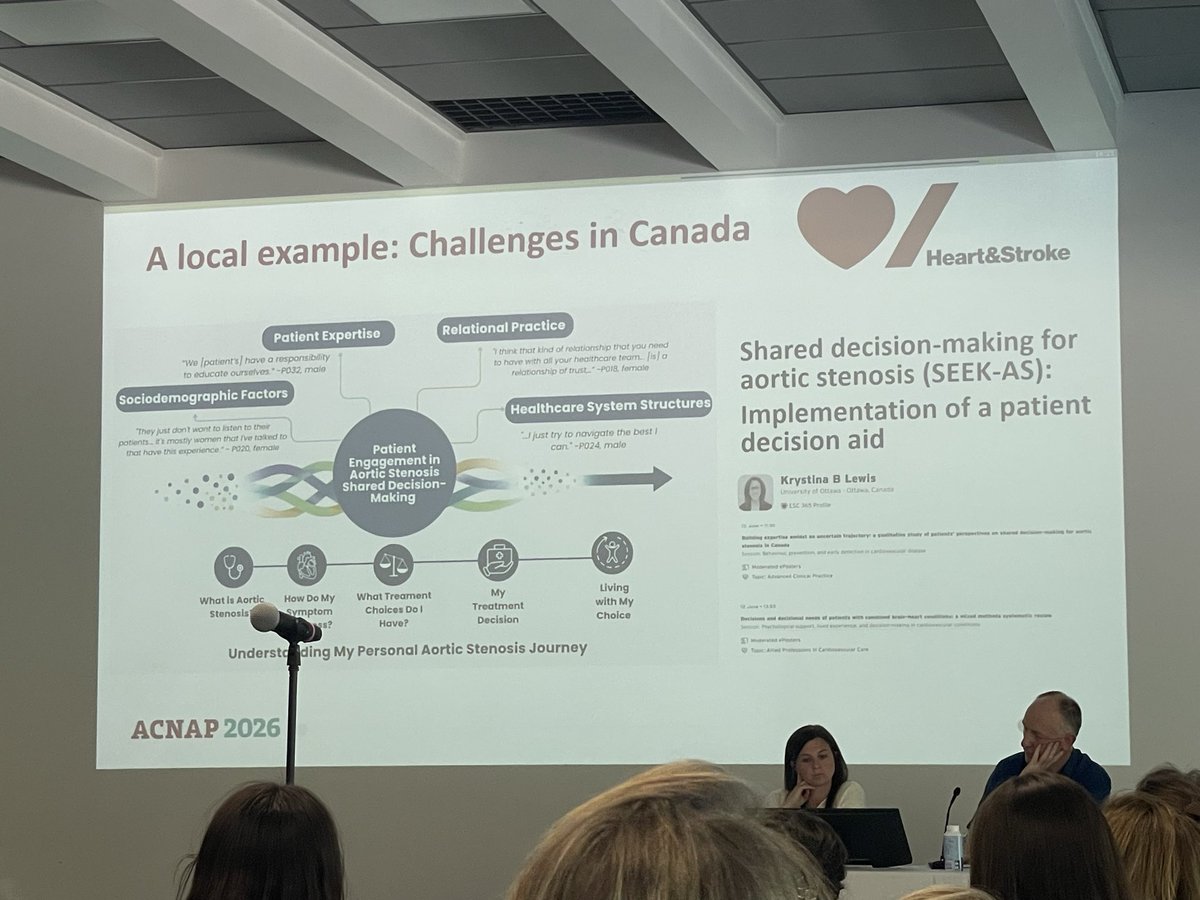
Yesterdays session “From inequality to inclusion: patient-centered cardiovascular care across conditions” which was a joint session with the @GlobalHeartHub highlighted the importance of shared decision-making (SDM):
❗️SDM is a bidirectional and collaborative process that is widely endorsed but poorly implemented
❗️SDM shifts to genuine partnership
❗️Engage in reflexivity : bias recognition (question yourself), power awareness (recognise the inherent imbalance), value the values (what may be of value for you, might not be be for the patient)
❗️ Addressing healthcare inequalities should be the norm
❗️See the whole person!
This session involved presentations from Sandra Lauck, Bethan Cowley and Irene Gibson Gibson. Additionally, Marcia Malcolm told us about the healthcare journey she went through (and continues to go through ) as patient living with cardiomyopathy. This was a phenomenal panel!
#ACNAP26
2
3
65
Jun 13
ACNAP general assembly just finished!
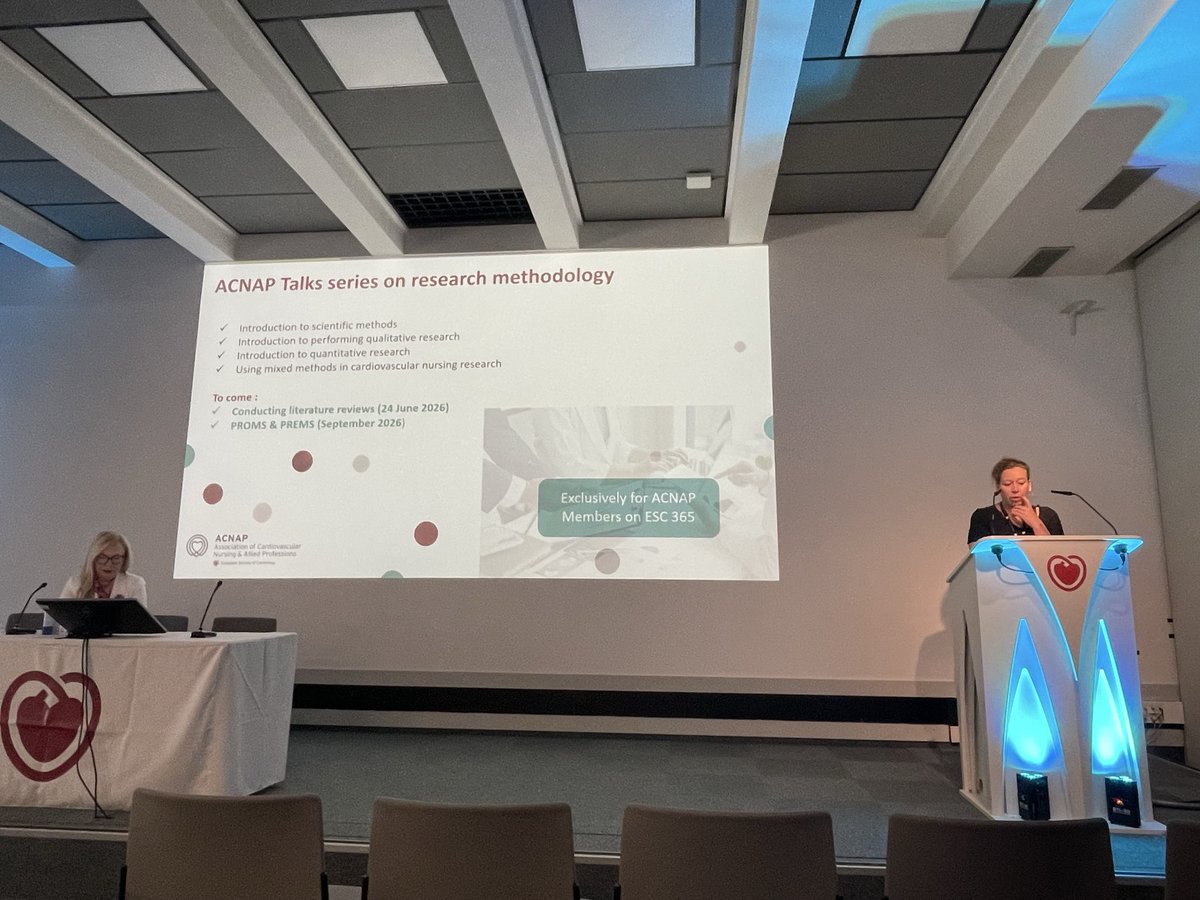
Leonie Klompstra just presented the different activities undertaken by her and the ACNAP Board during her mandate.
During the past two years we had:
👏 Research methodology series
👏 Several courses related to topics such as leadership, atrial fibrillation
👏 ACNAP talks on advocacy, overcoming psychosocial issues, advancing practice, visualising population health needs and more…
👏 Multiple publications on respectful language, patient and public involvement, nurses and clinicians’ engagement in clinical research, advocacy spotlight series and more…
👏 and a lot more
Philip Moons gave an update on the European Journal of Cardiovascular Nursing, which is the official journal of our association. A highlight from his update is the value and popularity of the publications in the “Methods Corner”, where you find key articles related to methods and methodology.
The new Board for the mandate 2026-2028 was also introduced. This board will be led by Julie Sanders whose mandate will focus on equity ! We look forward to starting!
#ACNAP26
1
2
47
Jun 12
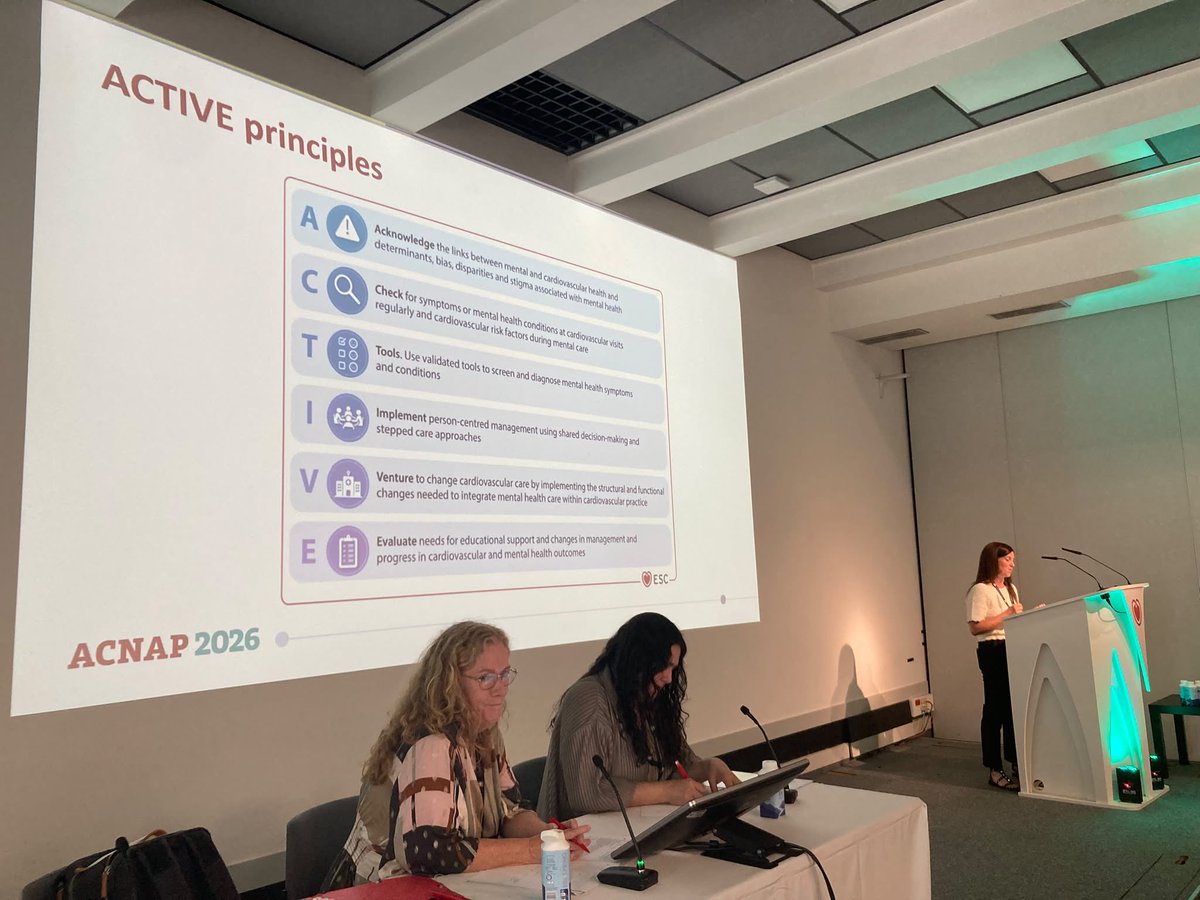
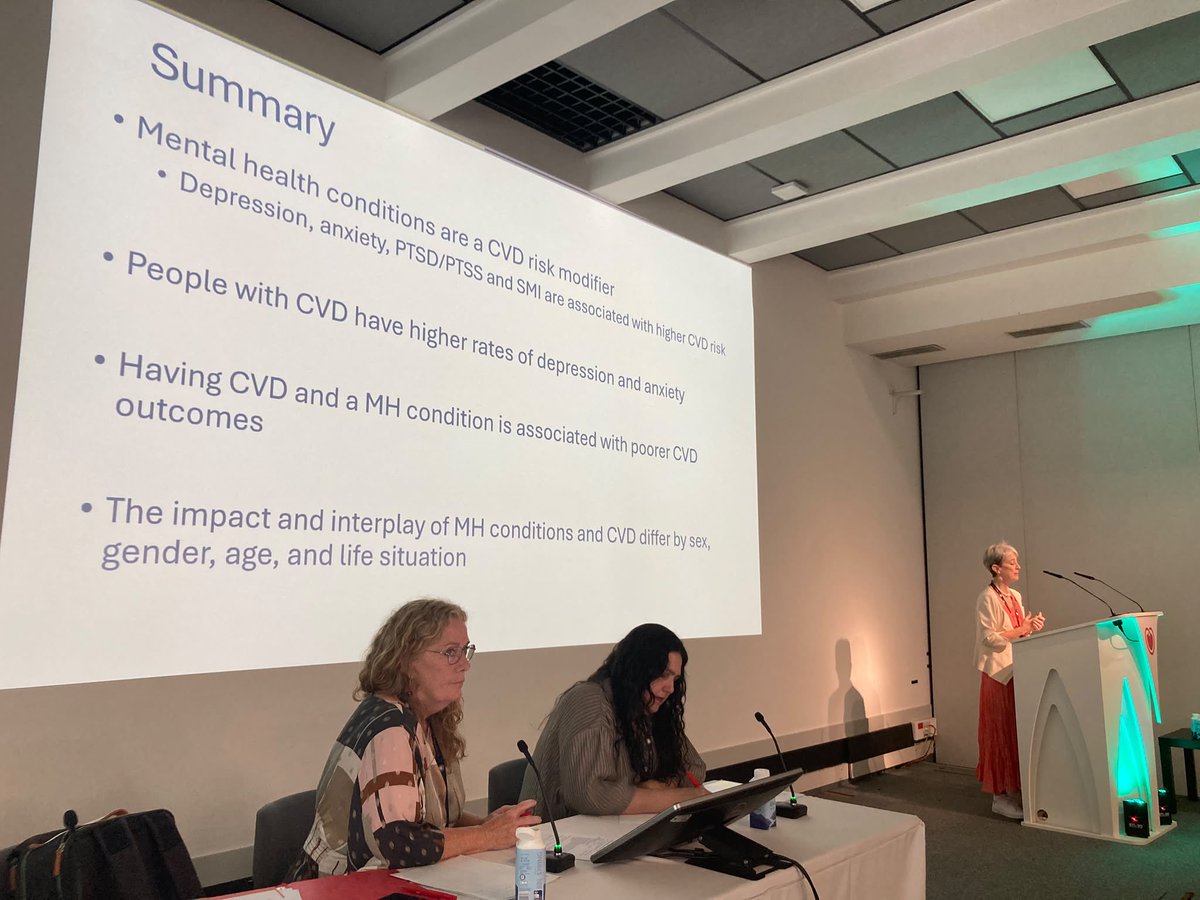
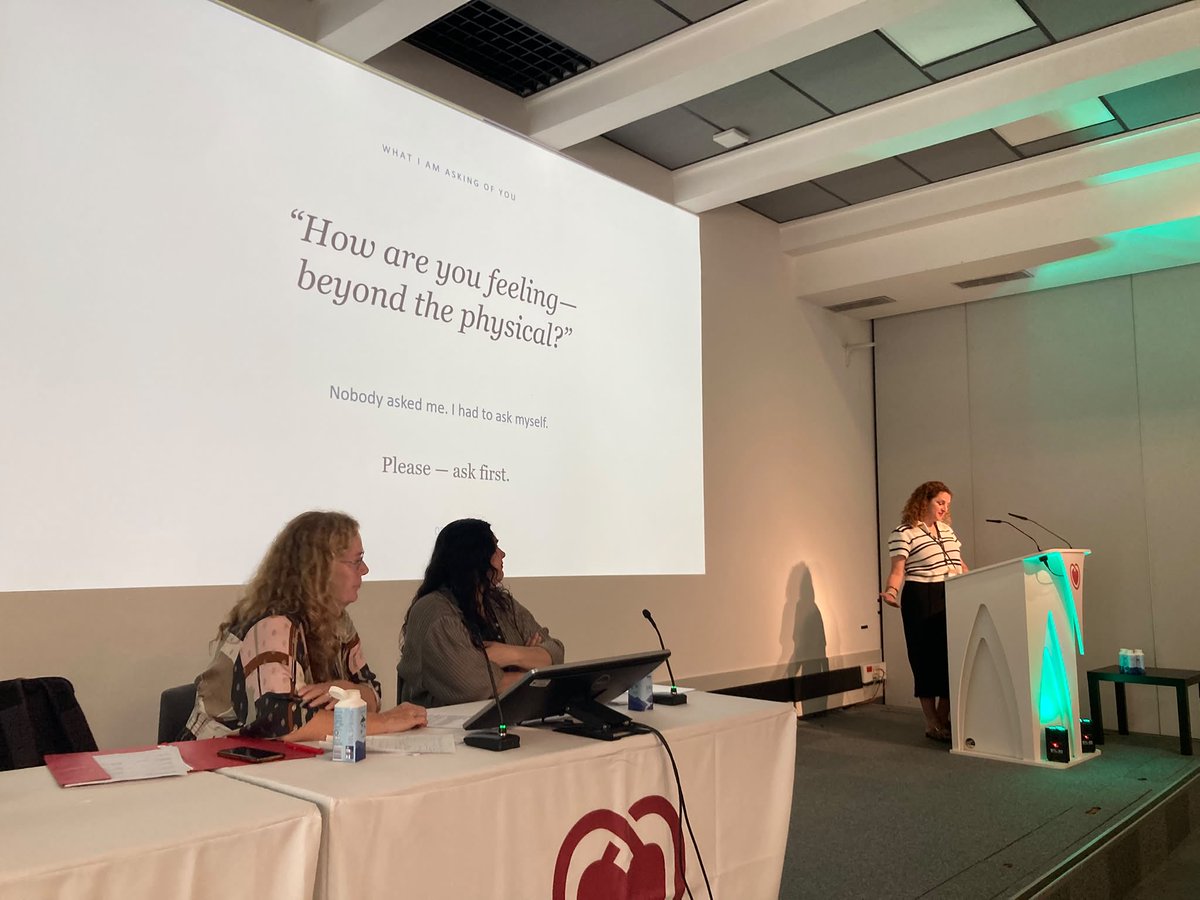
The session on “Treatment of mental health in cardiac patients - what works?” was well visited and it definitely left an impact in those attending. Faye Forsyth, PhD and Christi Deaton provided with their clinical and research experience inputs on how mental health in cardiac patients can be addressed. The cherry on top was the patient perspective provided by Lucie Alfandari Biolley, who told us her moving story from diagnosis to living with cardiac disease.
What do we take from this sessions?
💡People with cardiovascular disease have higher rates of depression and anxiety
💡 Cardiovascular disease and mental health issues lead to poorer cardiovascular outcomes, which also differ by age, sex and life situation)
💡 Screening is key, and using short measures can be more easily implemented in clinical care
💡 The ultimate key is to ask the patient first. Illness does not stop at the hospital door. Life changes once you are diagnosed with a cardiovascular disease
#ACNAP26
3
8
1,218
Jun 12
In a prospective evaluation, most patients reporting early symptoms were successfully managed through a specialist nurse-led virtual clinic, with over three-quarters achieving stabilisation without the need for in-person review.
Early recognition of symptoms, timely diuretic optimisation, and close follow-up enabled rapid intervention, while ensuring prompt escalation for those requiring face-to-face assessment.
💡 These findings highlight the value of combining patient education with accessible nurse-led support to improve care transitions and reduce unnecessary hospital visits.
#ACNAP26
2
3
43
Jun 12
👉 Vaccination remains a key preventive strategy in heart failure care, yet delivery pathways are not always well understood.
Data from a national telemonitoring programme in France showed that community pharmacies are the main providers for several adult vaccines, including influenza, COVID-19 boosters, pneumococcal, and herpes zoster, while DTPC boosters are more commonly administered by general practitioners.
These findings highlight opportunities to align vaccination strategies with existing care pathways. Integrating tailored prompts and shared documentation within telemonitoring programmes may help improve uptake and coordination of preventive care.
#ACNAP26
1
1
24
Jun 12
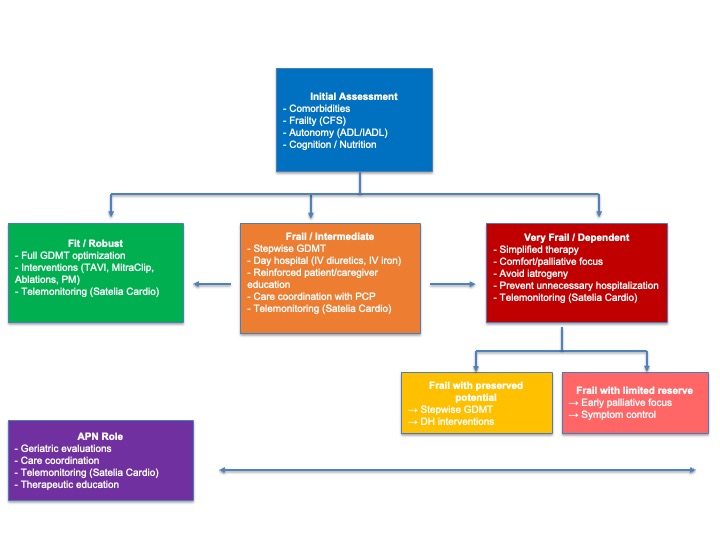
An integrated cardiogeriatric pathway combines frailty stratification, comprehensive geriatric assessment, and multidisciplinary coordination to better align care with patients’ functional status and goals.
By embedding the 4Ms framework (What Matters, Medication, Mentation, Mobility), the model supports more personalised and age-friendly care across the care continuum.
Early implementation shows improved coordination, stronger transitions between settings, and high acceptability among both patients and clinicians.
This approach illustrates how integrating geriatric principles into heart failure management can help reduce fragmentation and support more person-centred care.
#ACNAP26
3
6
66
Jun 12
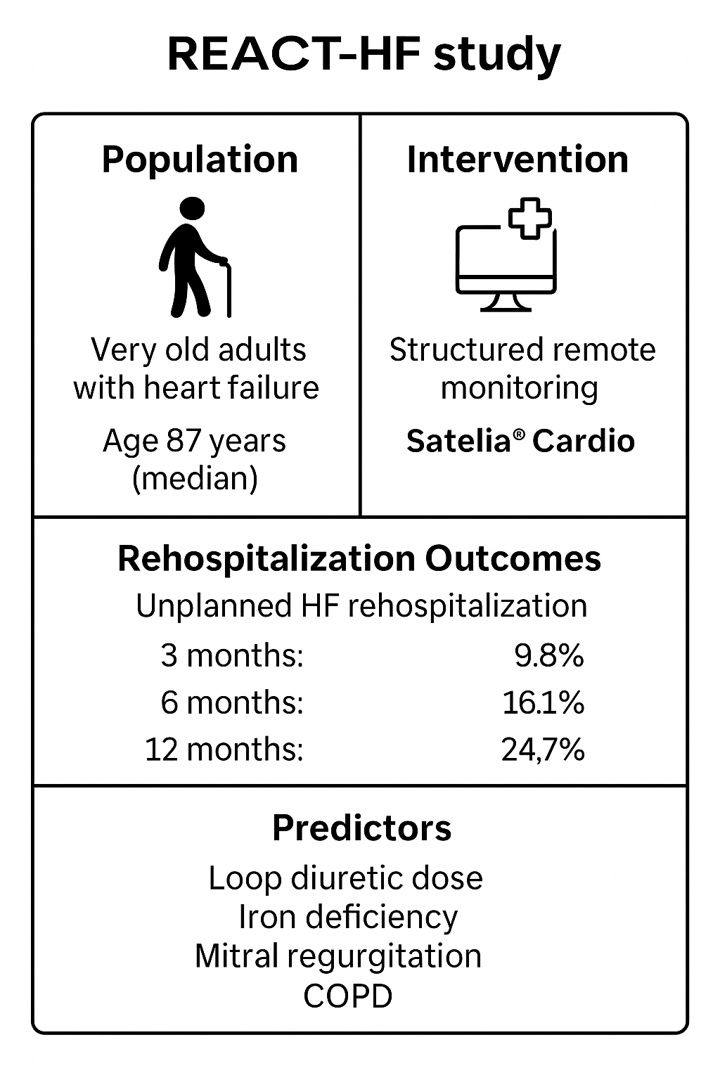
The REACT-HF study shows that a nurse-assisted, telemonitoring-supported post-acute care pathway is feasible in very elderly patients and associated with lower-than-expected rehospitalisation rates over 12 months.
Key predictors of readmission included COPD, mitral regurgitation, and iron deficiency—highlighting potential targets for more tailored, multidisciplinary care.
💡 These findings support the role of integrated cardiogeriatric and digital approaches to strengthen continuity of care in heart failure.
#ACNAP26
3
5
61
Jun 12
A prospective cohort study described the characteristics of patients who survived 10 years after SAVR or TAVI and are now nonagenarians. Survivors were often robust or prefrail at baseline, with relatively low comorbidity burden and good mental health, despite reduced physical functioning and independence in daily activities.
💡 These findings contribute to a better understanding of long-term survival in older patients with severe aortic stenosis and may help inform patient selection and follow-up care.
#AorticStenosis #TAVI #SAVR #CardiovascularCare #Ageing #ClinicalResearch Norma Caples Maria Bäck Hege Andersen
1
44
Jun 12
❤️ Supporting informal caregivers is essential in heart failure care
A RCT showed that a co-designed, internet-based support programme significantly improved caregivers’ preparedness over time compared with usual care, with effects sustained at 6 months.
These findings highlight the value of accessible, co-designed digital support integrated into healthcare systems to better support caregivers—and ultimately, the patients they care for.
#HeartFailure #Caregivers #DigitalHealth #SelfCare #ACNAP26 Maria Bäck Norma Caples Hanna Allemann
17
Jun 12
💡 Health literacy plays a crucial role in heart failure self-management, yet many patients continue to face significant challenges
A systematic review highlights considerable variability in self-management interventions for patients with limited health literacy, while also identifying common patterns. Most interventions focused on lifestyle and clinical management, with less attention to psychological and social dimensions.
Approaches such as plain-language materials, teach-back communication, visual symptom monitoring, and family involvement were commonly used to support patients.
👉 These findings underline the importance of tailoring interventions to health literacy needs and adopting a more holistic approach to self-management support.
#HeartFailure #HealthLiteracy #SelfManagement #ACNAP26
Maria Bäck Norma Caples Anne Geert van Driel
1
1
26
Jun 12
Pulmonary embolism (PE) remains a major diagnostic challenge in busy emergency departments, where reliance on CTPA can contribute to delays and overcrowding.
A pilot study introduced a clinical–laboratory scale combining routine parameters (including CRP, D-dimer, coagulation markers, blood pressure and oxygen saturation) to support PE risk stratification. The scale showed a strong association with PE diagnosis, with no PE identified among patients with low scores, suggesting potential for safe rule-out in this group.
👉 These findings align with ESC recommendations emphasising rule-out strategies, while highlighting the need for prospective validation in larger cohorts.
#ACNAP26
26
Jun 12
Happening right now at #ACNAP26 ⬇️
Prof.Jeroen M Hendriks is presenting "Guiding practice through evidence: scientific statements published in EJCN in 2025". He highlights three #ACNAP statements.
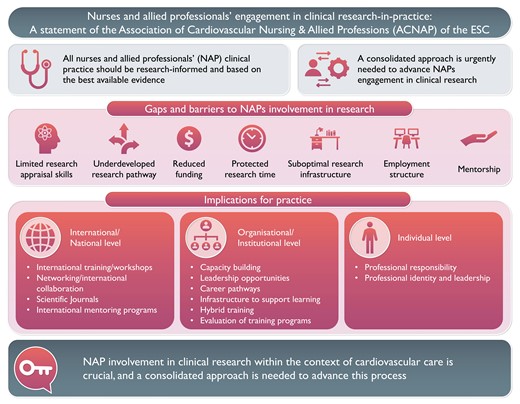
The third one is a statement on Nurses and allied professionals’ engagement in clinical research-in-practice. This international statement from ACNAP highlights existing gaps in skills, confidence, and opportunities for engagement in research, while outlining strategies to support career development and integration of research into everyday practice.
Embedding research in clinical practice is key to improving patient outcomes, supporting evidence-based care, and strengthening the cardiovascular workforce.
Read the full-text: doi.org/10.1093/eurjcn/zvae
4
8
1,066
Jun 12
Happening right now at #ACNAP26 ⬇️
Prof.Jeroen M Hendriks is presenting "Guiding practice through evidence: scientific statements published in EJCN in 2025". He highlights three #ACNAP statements.
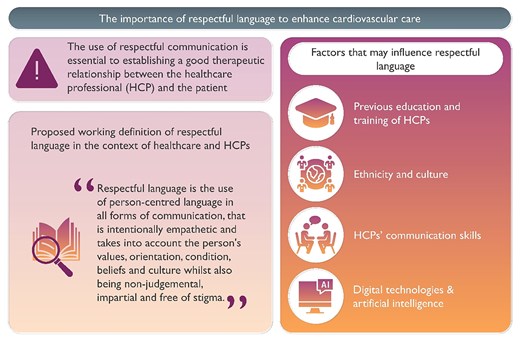
The second one is an statement on respectful language. This international statement highlights how communication shapes the relationship between healthcare professionals and those they care for, influencing understanding, trust, and patient experience. It also reflects on the role of culture, digital care, and evolving perspectives—such as moving from “patient” to “person”—in shaping more respectful interactions.
Strengthening awareness and education around communication is a key step towards more inclusive, person-centred care.
Read the full-text: doi.org/10.1093/eurjcn/zvaf0…
3
6
788
Jun 12
Happening right now at #ACNAP26 ⬇️
Prof.Jeroen M Hendriks is presenting "Guiding practice through evidence: scientific statements published in EJCN in 2025". He highlights three #ACNAP statements.
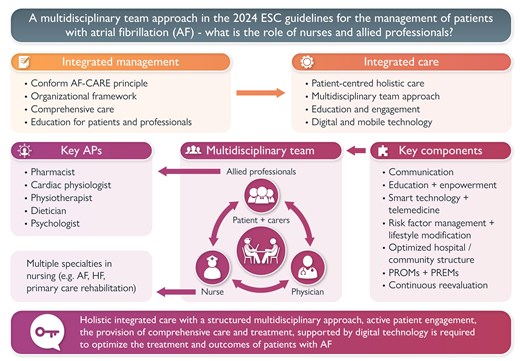
The first one are ESC guidelines for the management of patients with Atrial Fibrillation. This clinical consensus statement highlights the essential role of nurses and allied professionals in delivering integrated, patient-centred care. Collaboration across disciplines, together with active patient involvement, is key to implementing guideline recommendations in everyday practice.
By emphasising coordinated care models such as AF-CARE, this work supports more holistic management of atrial fibrillation and stronger collaboration within cardiovascular teams.
Read the full-text: doi.org/10.1093/eurjcn/zvaf0…
1
2
8
968
Jun 12
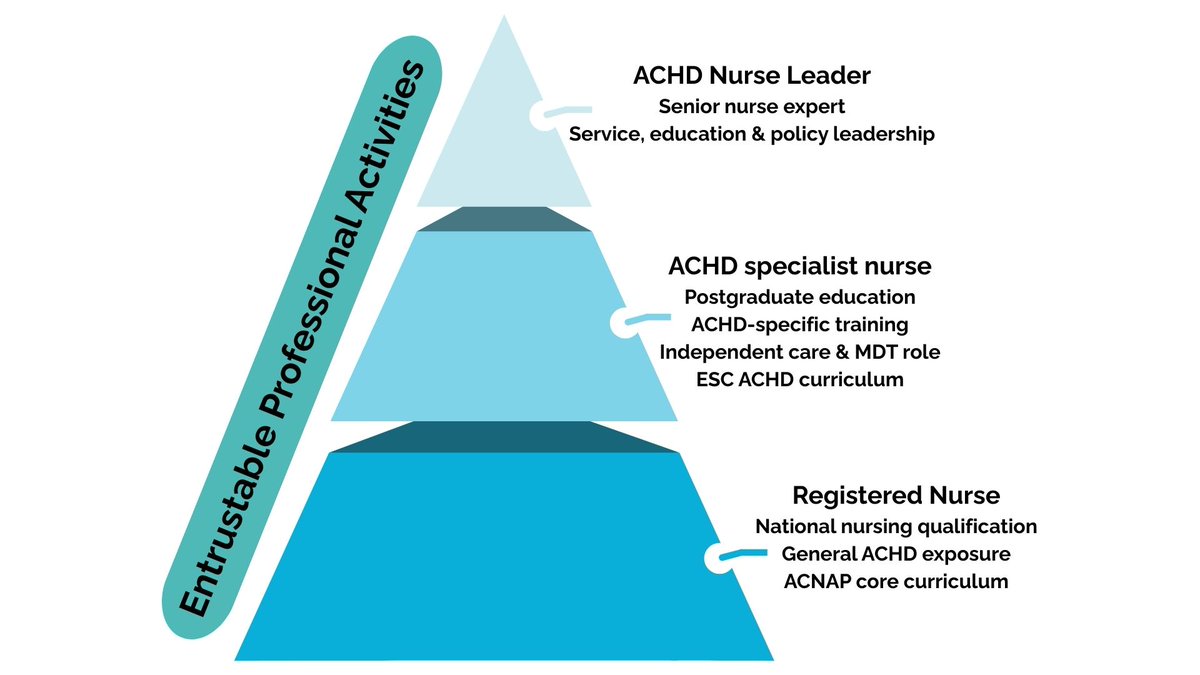
What defines competence in adult congenital heart disease (ACHD) nursing—across countries and healthcare systems?
🌍 An international collaboration has developed the first competency-based curriculum for ACHD nursing, grounded in Entrustable Professional Activities and aligned with CanMEDS roles.
The framework defines core and specialist competencies across the lifespan, supporting role clarity, career progression, and high-quality, patient-centred care—while remaining adaptable to diverse healthcare contexts.
This marks an important step towards harmonising ACHD nursing practice globally.
#ACHD #NursingEducation #CardiovascularCare #ACNAP26 Maggie Simpson Norma Caples Michela Barisone, RN, PhD, FHFA
2
5
959