
Hubby • parent • nerd boss • #HamRadio • Emergency Response volunteer • Creator of Hamdom Thoughts podcast anchor.fm/ad6dm
- Tweets 6,143
- Following 676
- Followers 3,449
- Likes 26,416

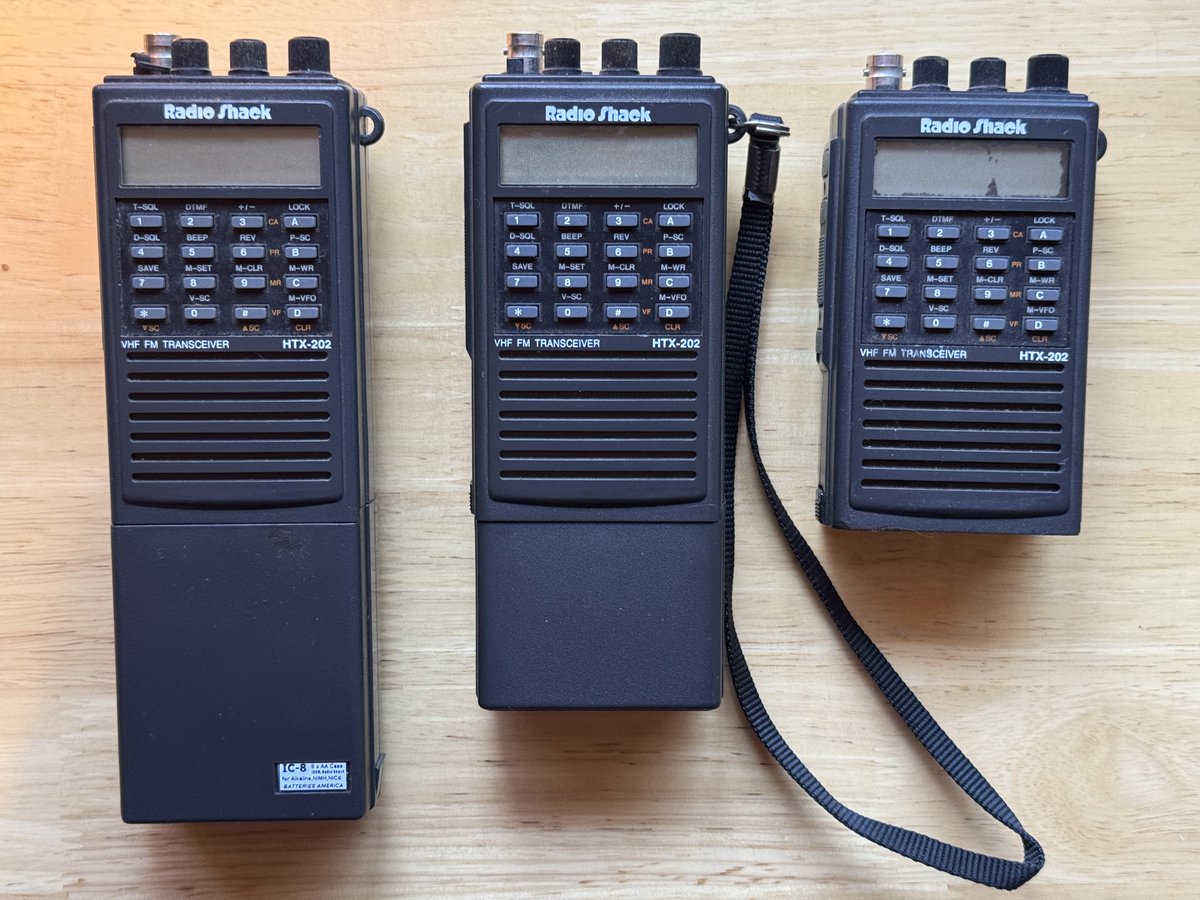
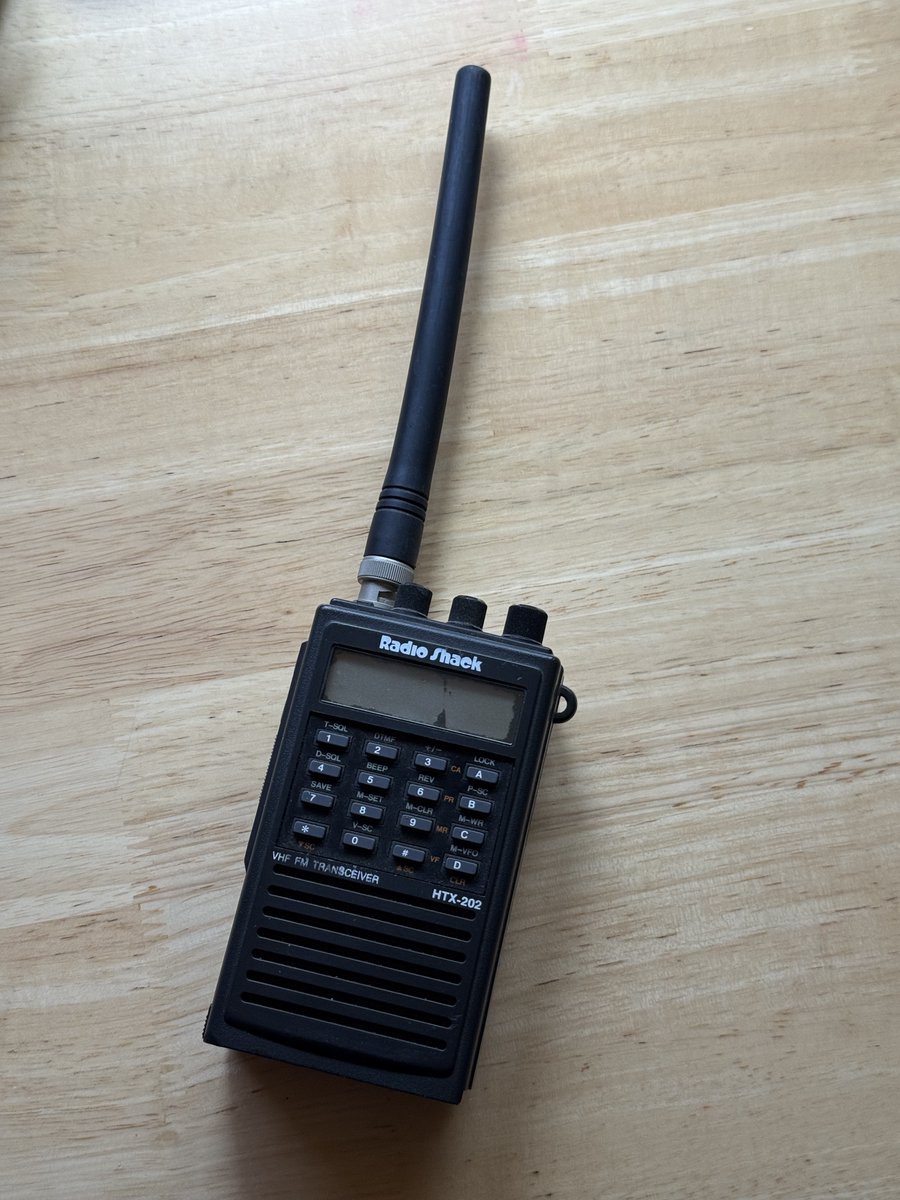
ALT Three RadioShack HTX-202 handheld transceivers, from left to right: One I got at the 2024 Hamvention, one I got just a couple days ago at the 2026 Hamvention, and my original one from 1999 with a broken LCD screen.



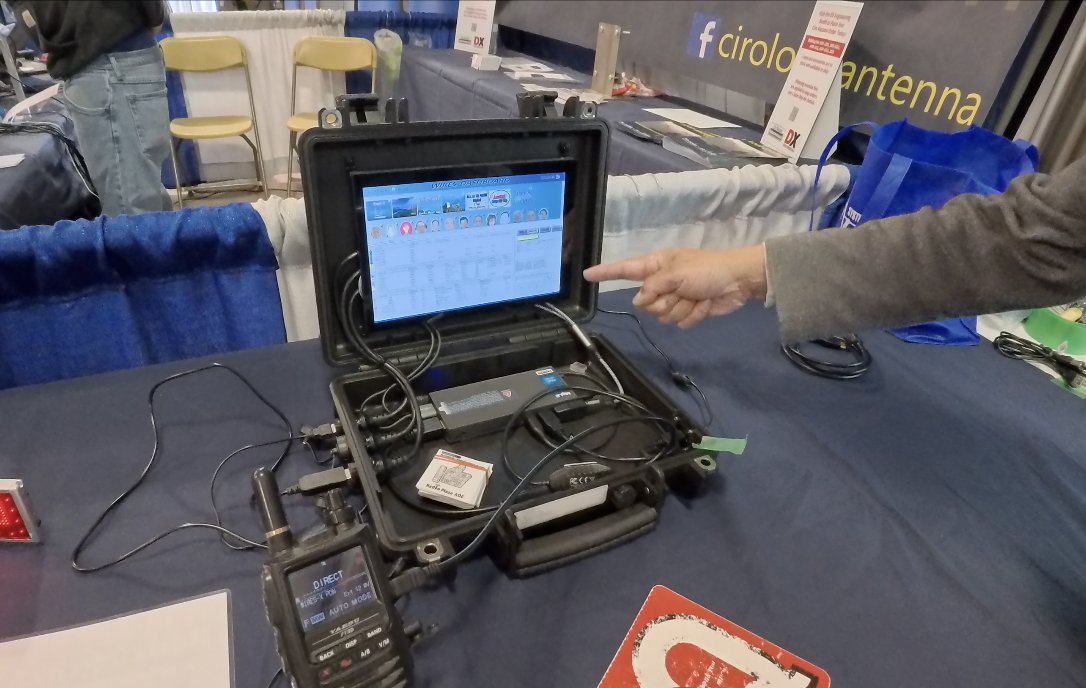
ALT Wires-X Desktop box in a nice suitcase.
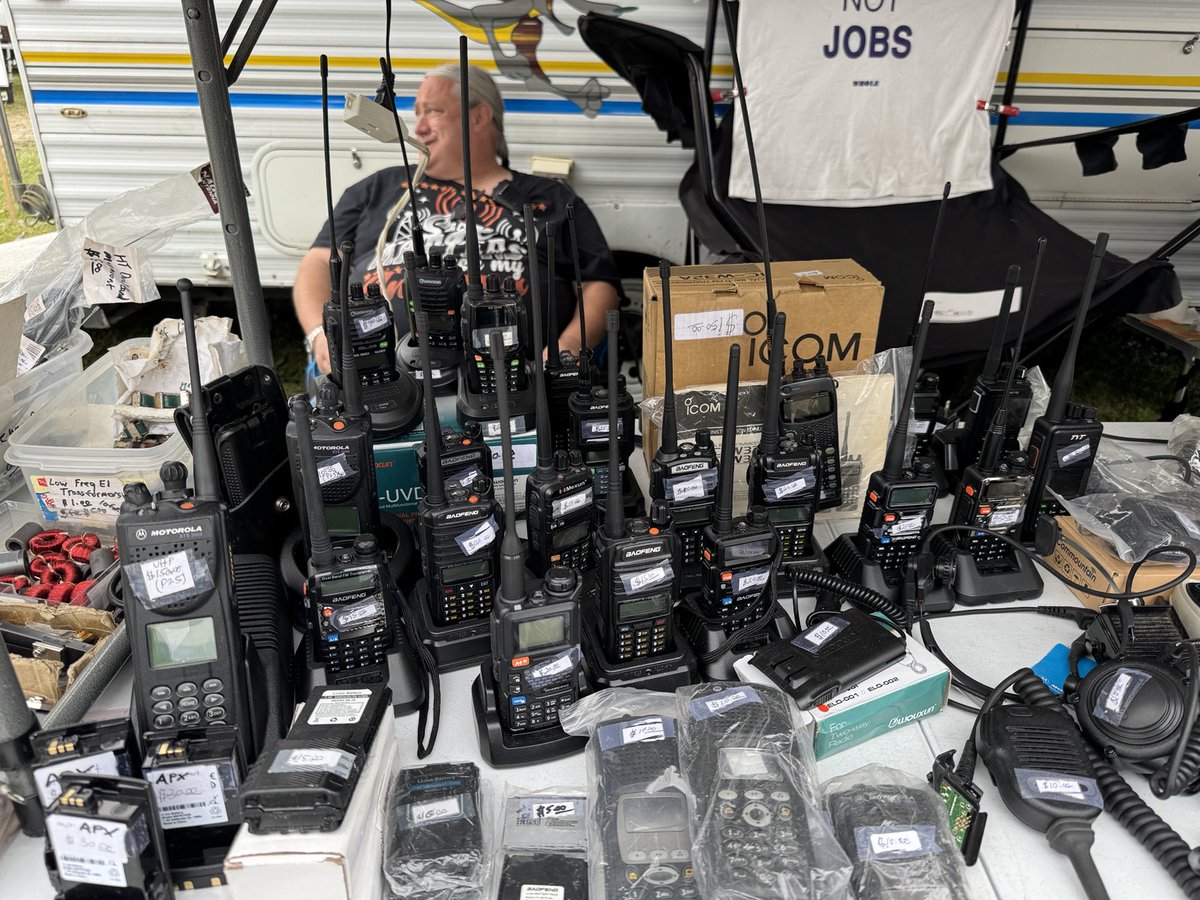
ALT A hamfest flea market booth full of handheld radios.
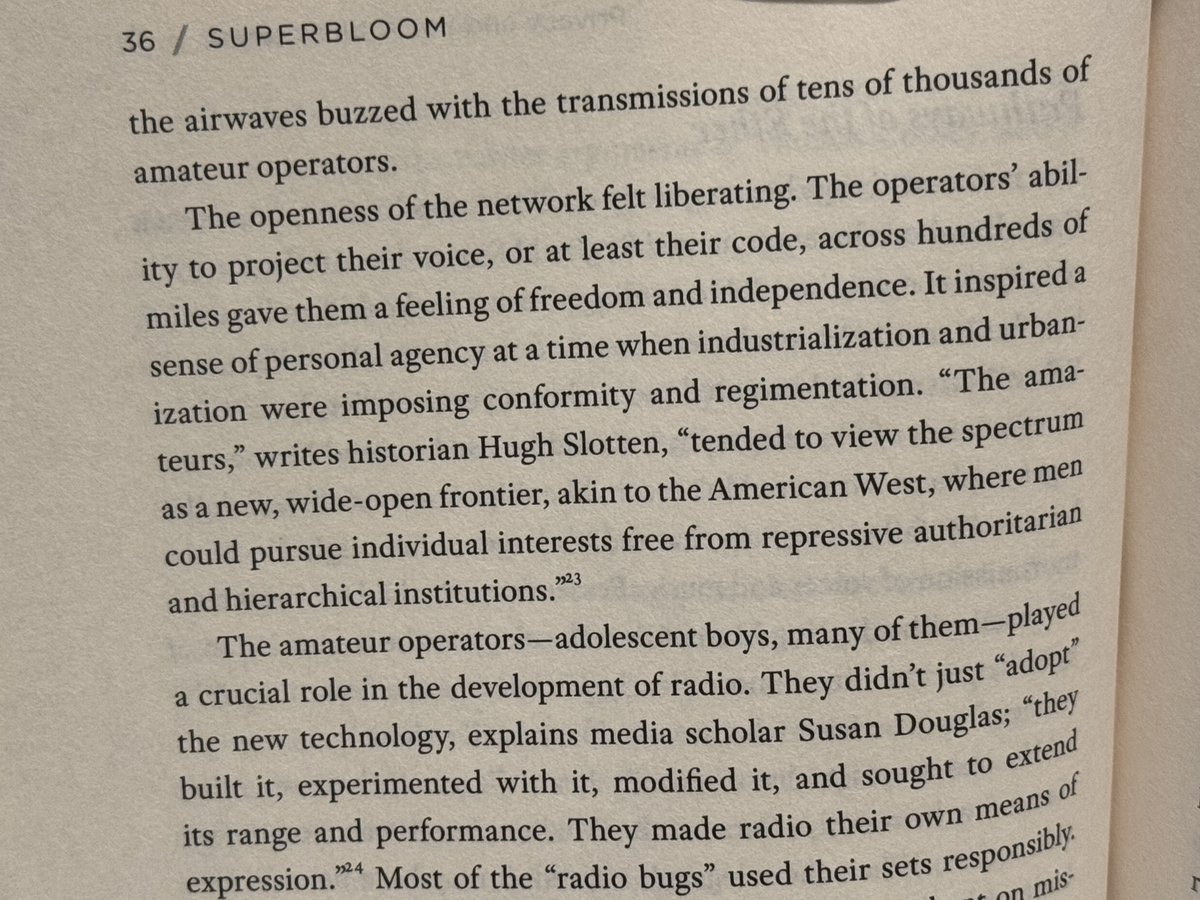
ALT the airwaves buzzed with the transmissions of tens of thousands of amateur operators. The openness of the network felt liberating. The operators' ability to project their voice, or at least their code, across hundreds of miles gave them a feeling of freedom and independence. It inspired a sense of personal agency at a time when industrialization and urbanization were imposing conformity and regimentation. "The amateurs," writes historian Hugh Slotten, "tended to view the spectrum as a new, wide-open frontier, akin to the American West, where men could pursue individual interests free from repressive authoritarian and hierarchical institutions." The amateur operators-adolescent boys, many of them-played a crucial role in the development of radio. They didn't just "adopt the new technology, explains media scholar Susan Douglas; "they built it, experimented with it, modified it, and sought to extend its range and performance. They made radio their own means of expression.
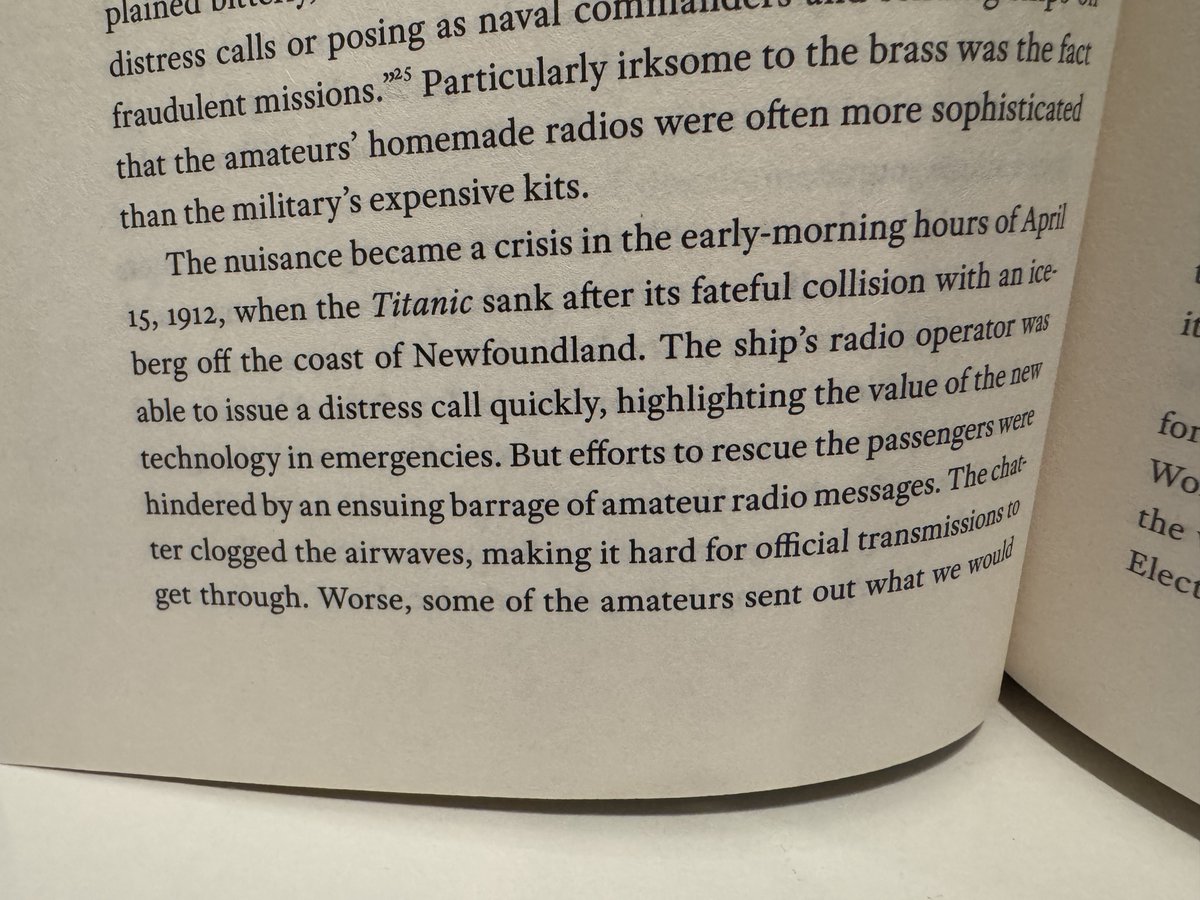
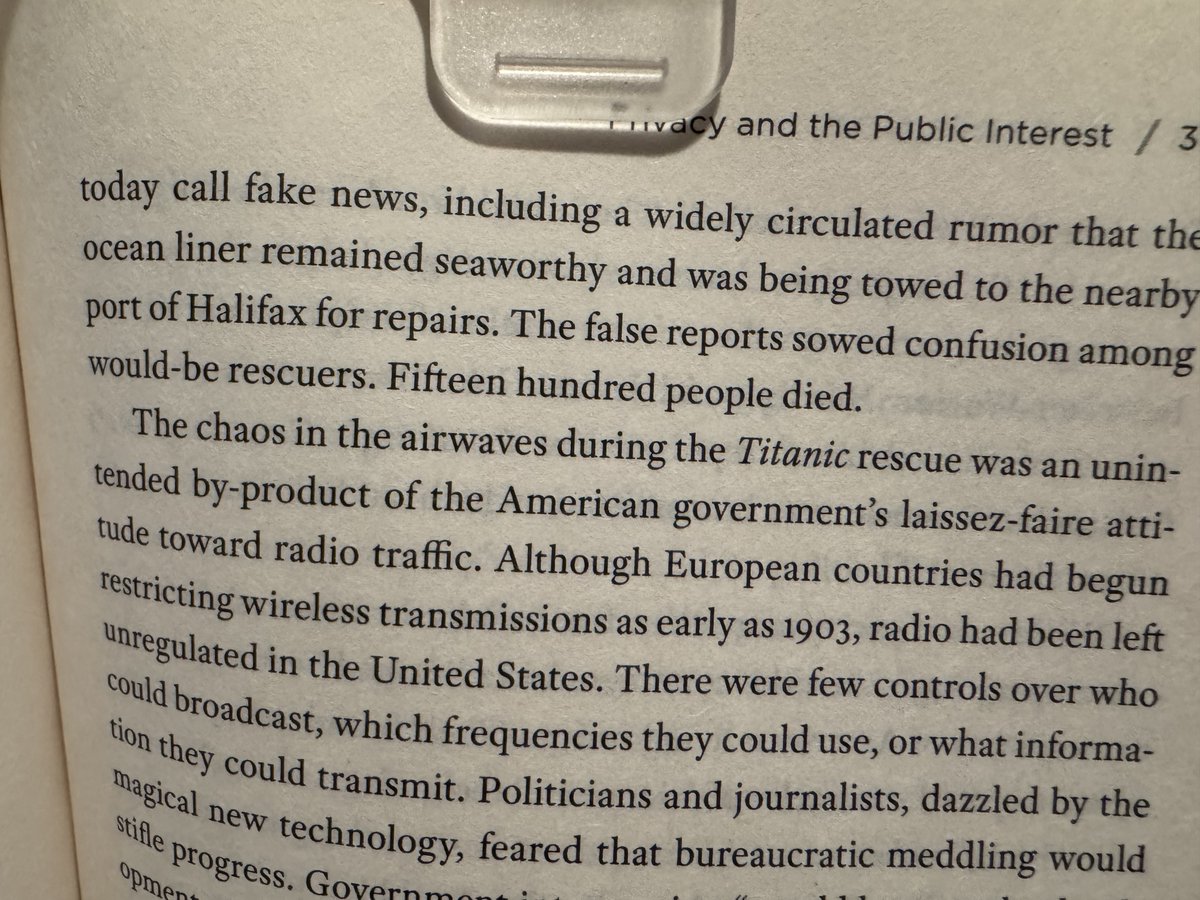
ALT The nuisance became a crisis in the early-morning hours of April 15, 1912, when the Titanic sank after its fateful collision with an iceberg off the coast of Newfoundland. The ship's radio operator was able to issue a distress call quickly, highlighting the value of the new technology in emergencies. But efforts to rescue the passengers were hindered by an ensuing barrage of amateur radio messages. The chatter clogged the airwaves, making it hard for official transmissions to get through. Worse, some of the amateurs sent out what we would today call fake news, including a widely circulated rumor that the ocean liner remained seaworthy and was being towed to the nearby port of Halifax for repairs. The false reports sowed confusion among would-be rescuers. Fifteen hundred people died. The chaos in the airwaves during the Titanic rescue was an unintended by-product of the American government's laissez-faire attitude toward radio traffic.
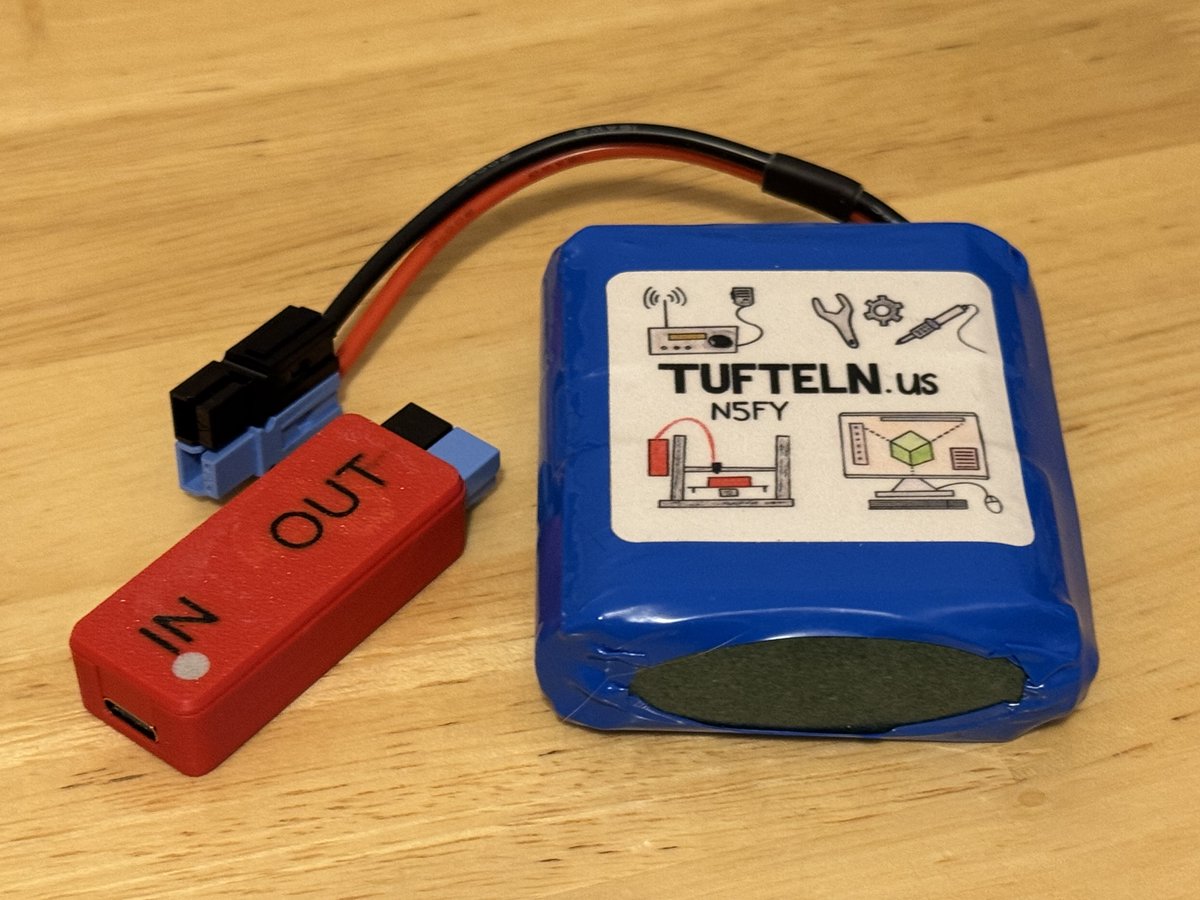
ALT The Tufteln 3S1O 5Ah LiPo battery (rated 55Wh) with Tufteln USB-PD to 12.6V charger.