A network of Agricultural Extension and Advisory Services (EAS) professionals in South Asia. Collaboration, sharing, and learning for effective service delivery
Joined June 2015
- Tweets 755
- Following 221
- Followers 458
- Likes 349
129 Photos and videos
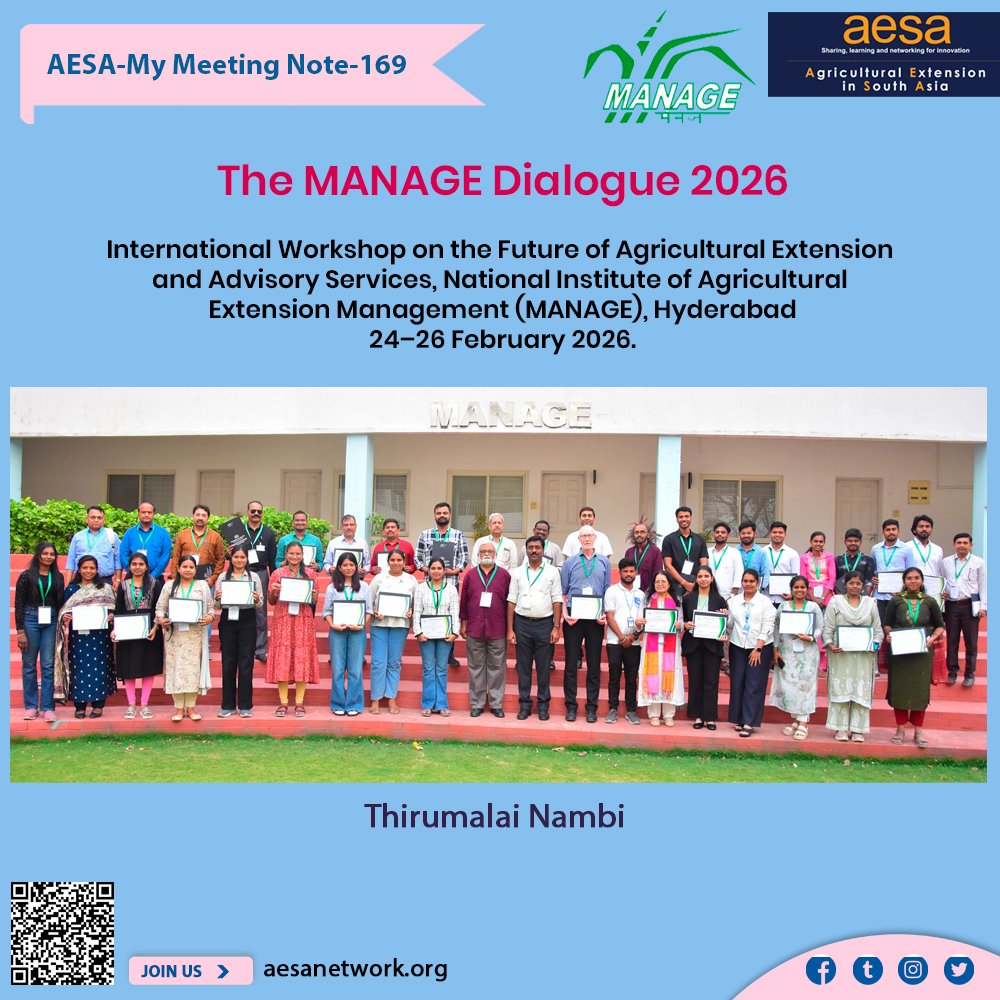




What does the future of agricultural extension look like in a world of climate uncertainty and digital disruption?
Thirumalai Nambi shares his key takeaways from the MANAGE Dialogue 2026 here: aesanetwork.org/manage-dialo…
#AgriculturalExtension #MANAGE2026 #AESA #AdvisoryServices
1
15
New Blog | From Enforcement to Empowerment: Strengthening India's Marine Protected Areas
On #WorldOceanDay2026, Dr. Shivaji and others make the case for community-led MPA governance over top-down enforcement.
Read:
aesanetwork.org/strengthenin…
#MarineProtectedAreas #IndiaFisheries
18
Our #volunteers are shaping AESA's digital outreach!
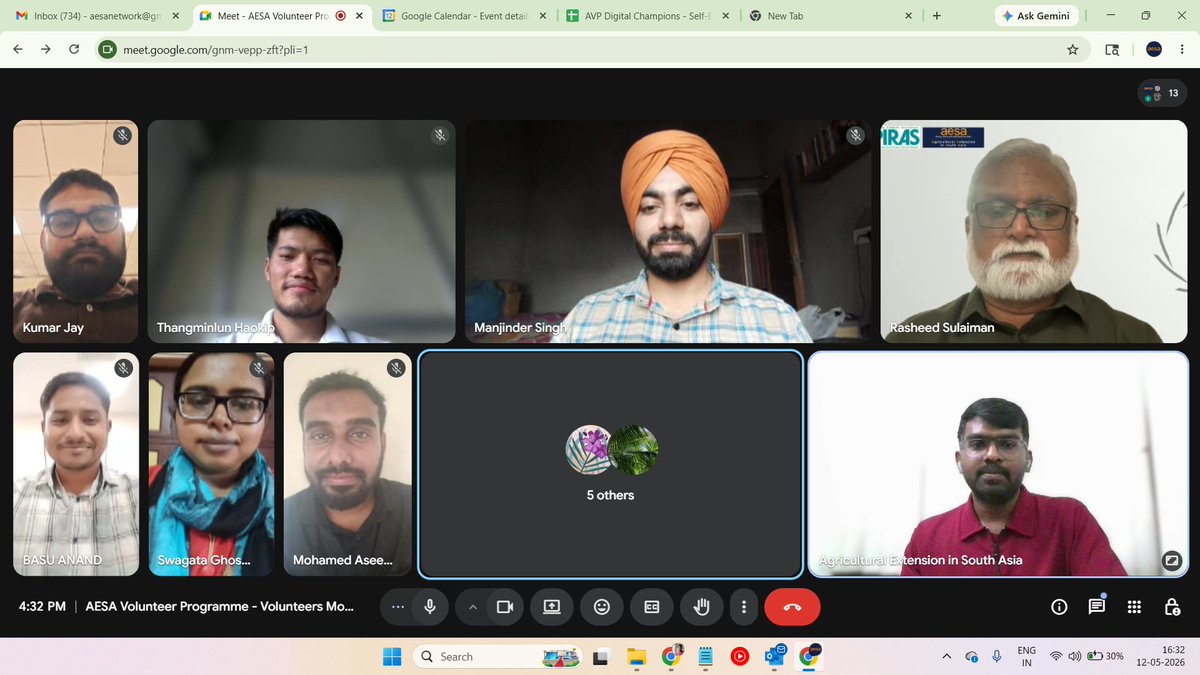
On 12 & 30 May, the #AVP team met to develop a social media strategy, producing crosswords, cheat sheets, videos, data blogs & posters. 🙌
Want to join? 👉 aesanetwork.org/aesa-volunte…
#AESA #SouthAsia #AgriculturalExtension
1
30
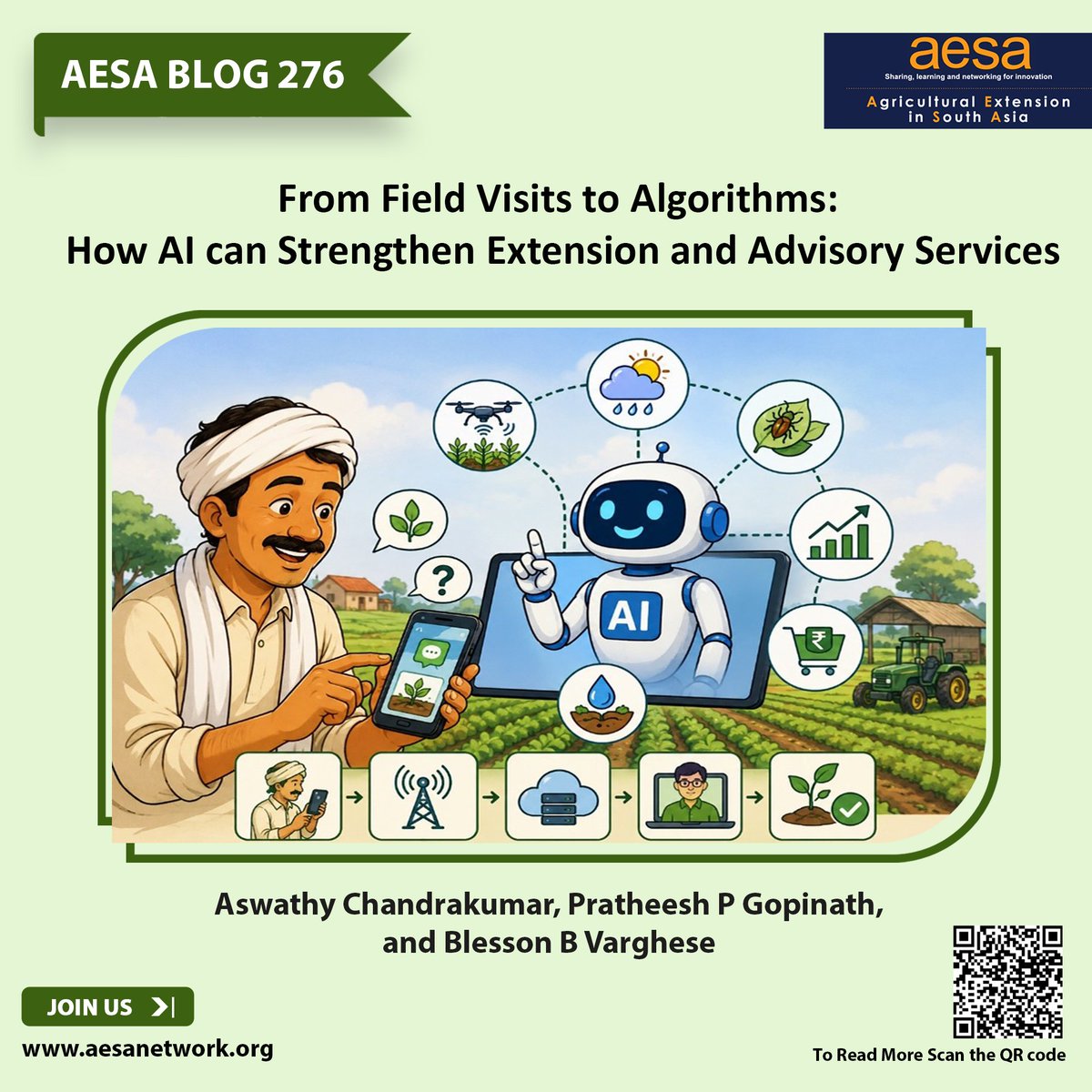
Can AI strengthen extension & advisory services?
Aswathy, Pratheesh & Blesson explore AI's growing role in farm advisory — and why extension agents are more critical than ever.
Read more: aesanetwork.org/how-ai-can-s…
#AI #AgriculturalExtension #AgriTech #Farming
1
1
31
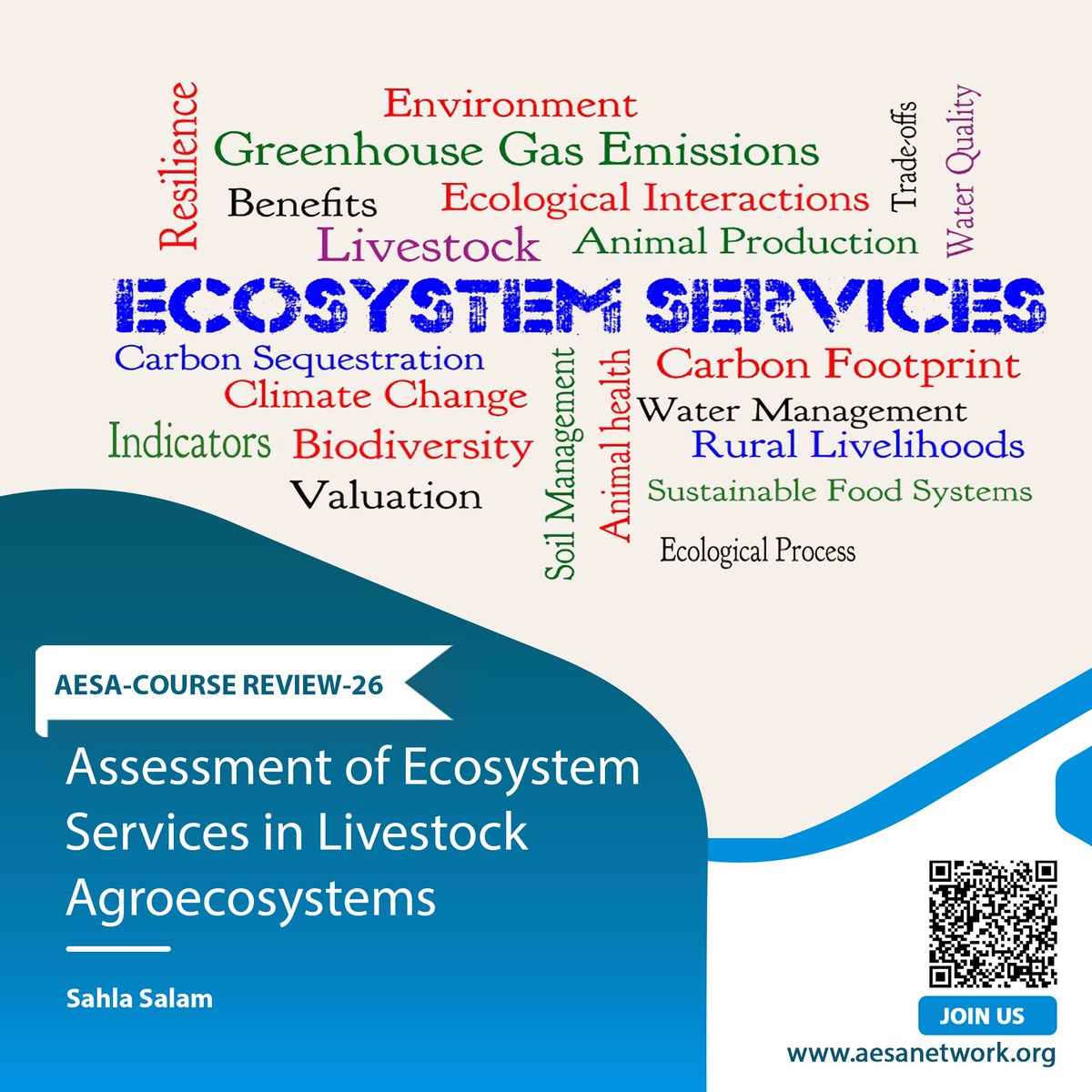
#AESACourseReview
@FAO course on Assessment of Ecosystem Services in Livestock Agroecosystems
Read the full review here: aesanetwork.org/assessment-o…
#OnlineLearning #EcosystemServices #Livestock
12
Agricultural Extension in South Asia (AESA) retweeted

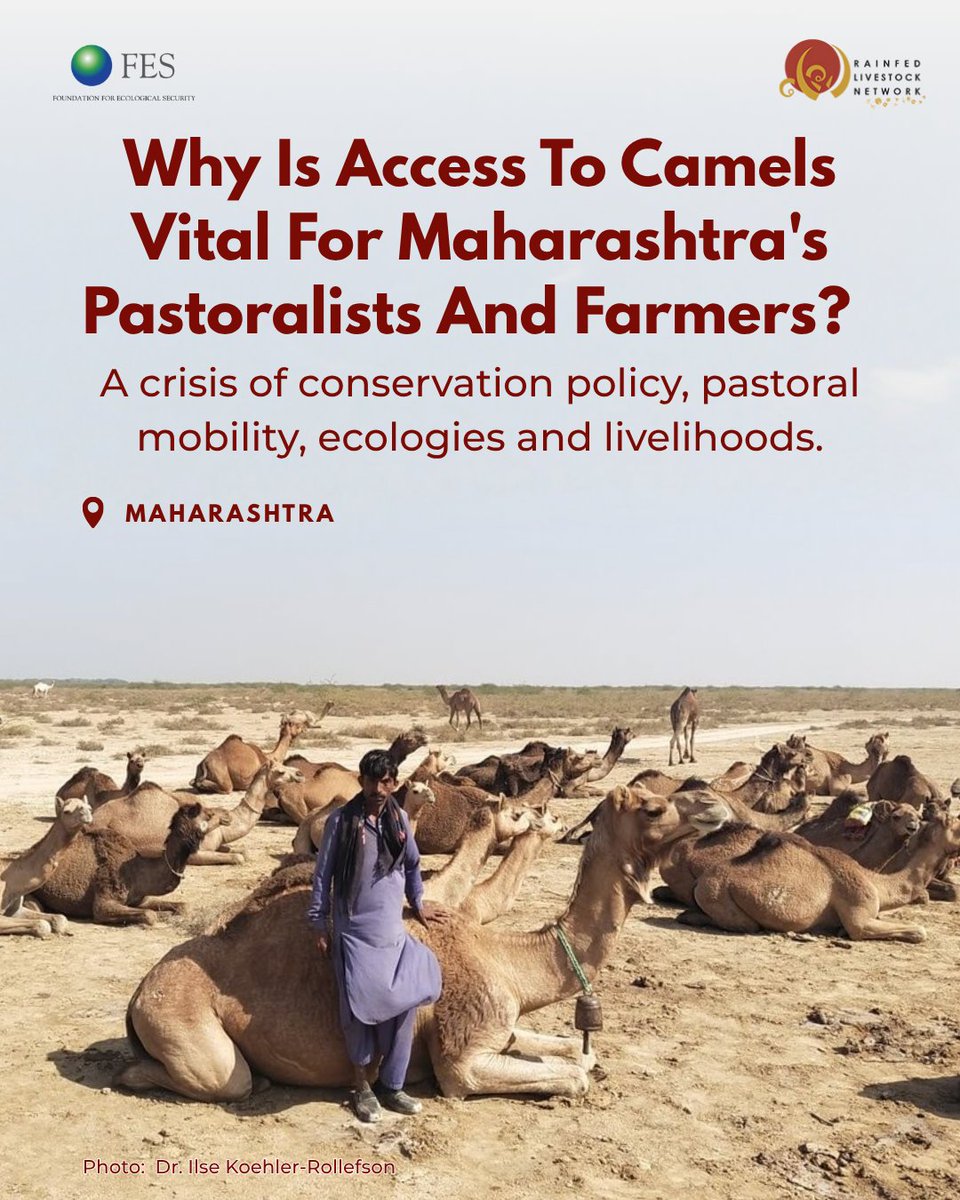
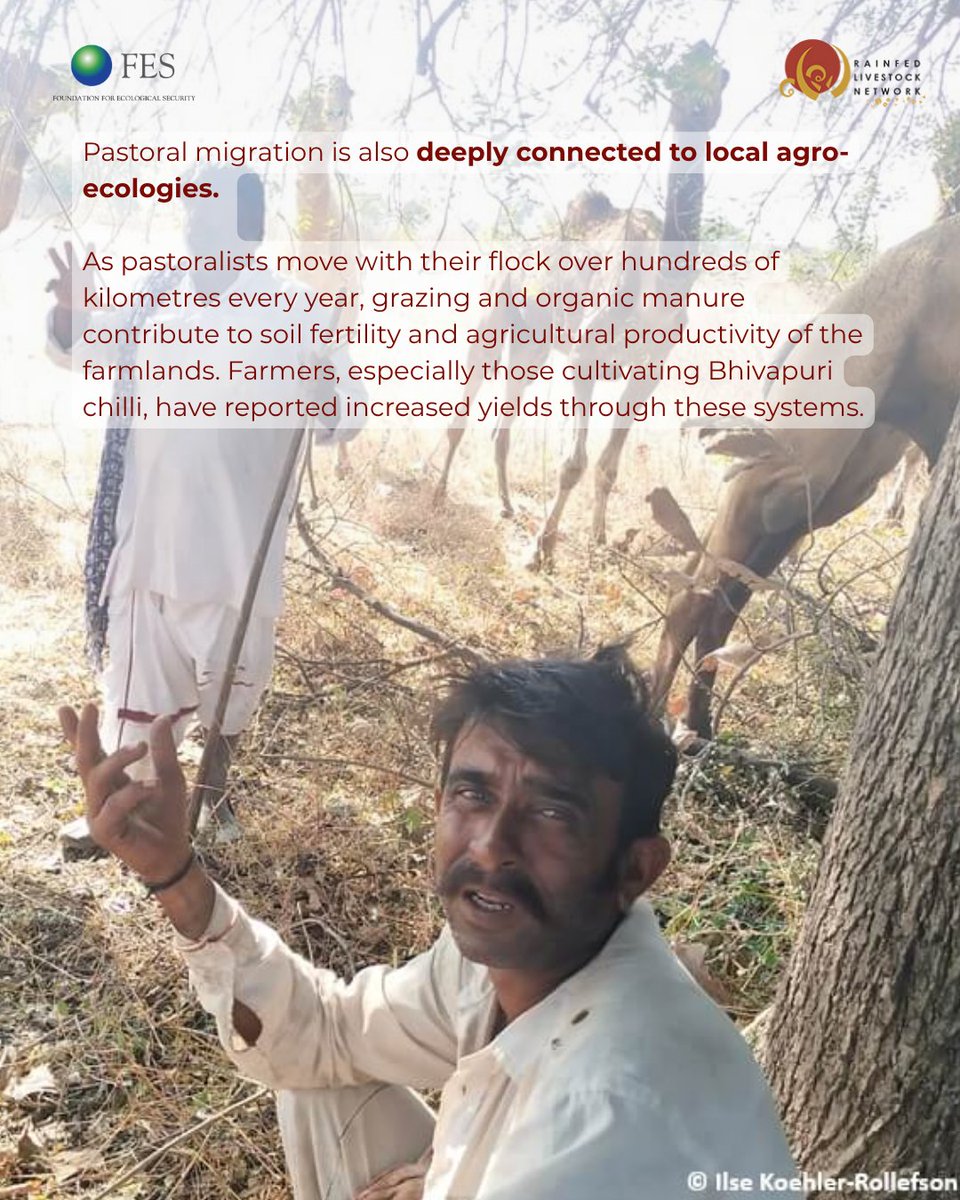
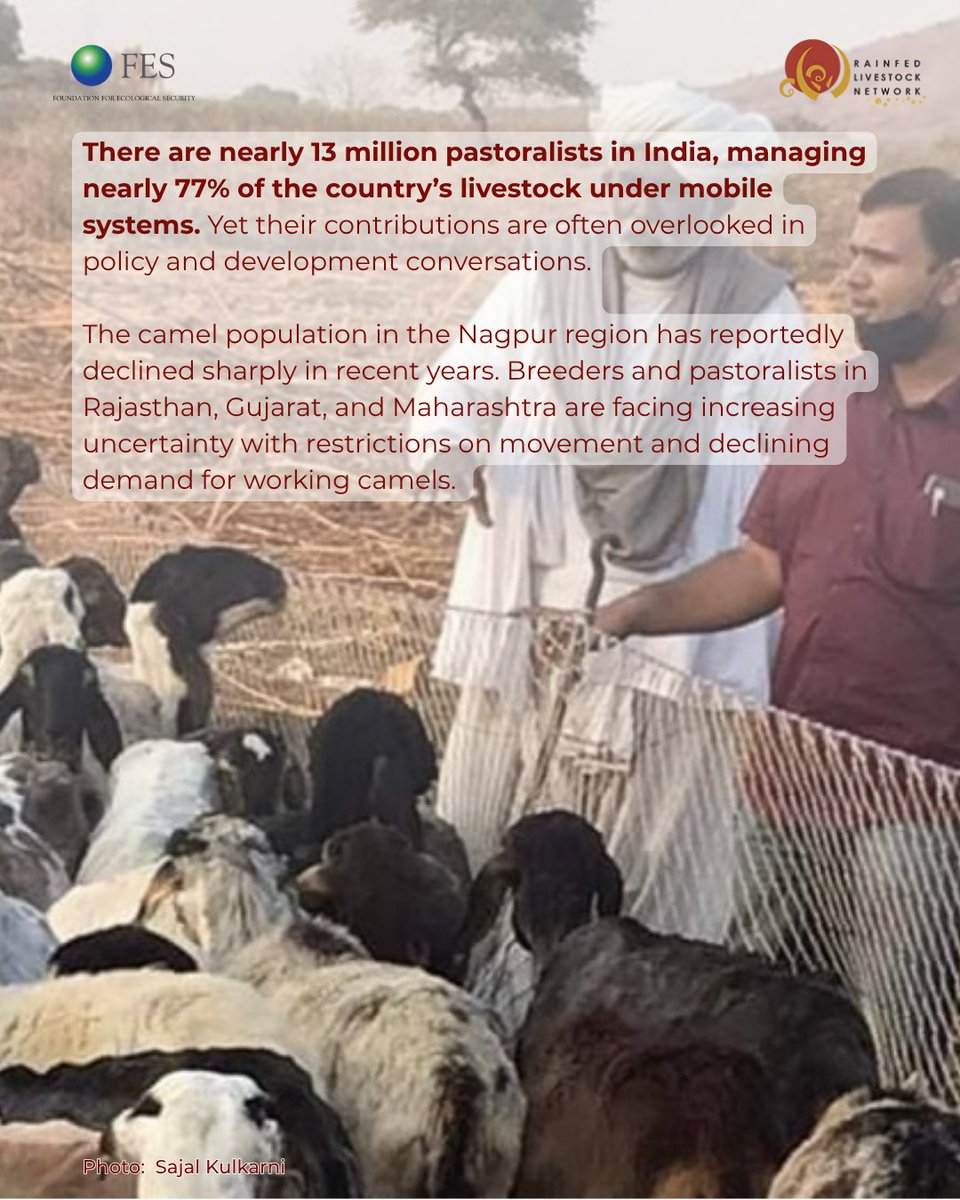
Pastoral systems are deeply connected to ecological resilience, mobility, and Commons stewardship. Pastoral communities contribute significantly to food systems, and rural economies, while sustaining knowledge systems adapted to diverse ecosystems and climates.
In the context of the International Year of Rangeland and Pastoralists, with conservation evolving at a systemic-level, recognising and supporting pastoral livelihoods becomes critical for both communities and landscapes.
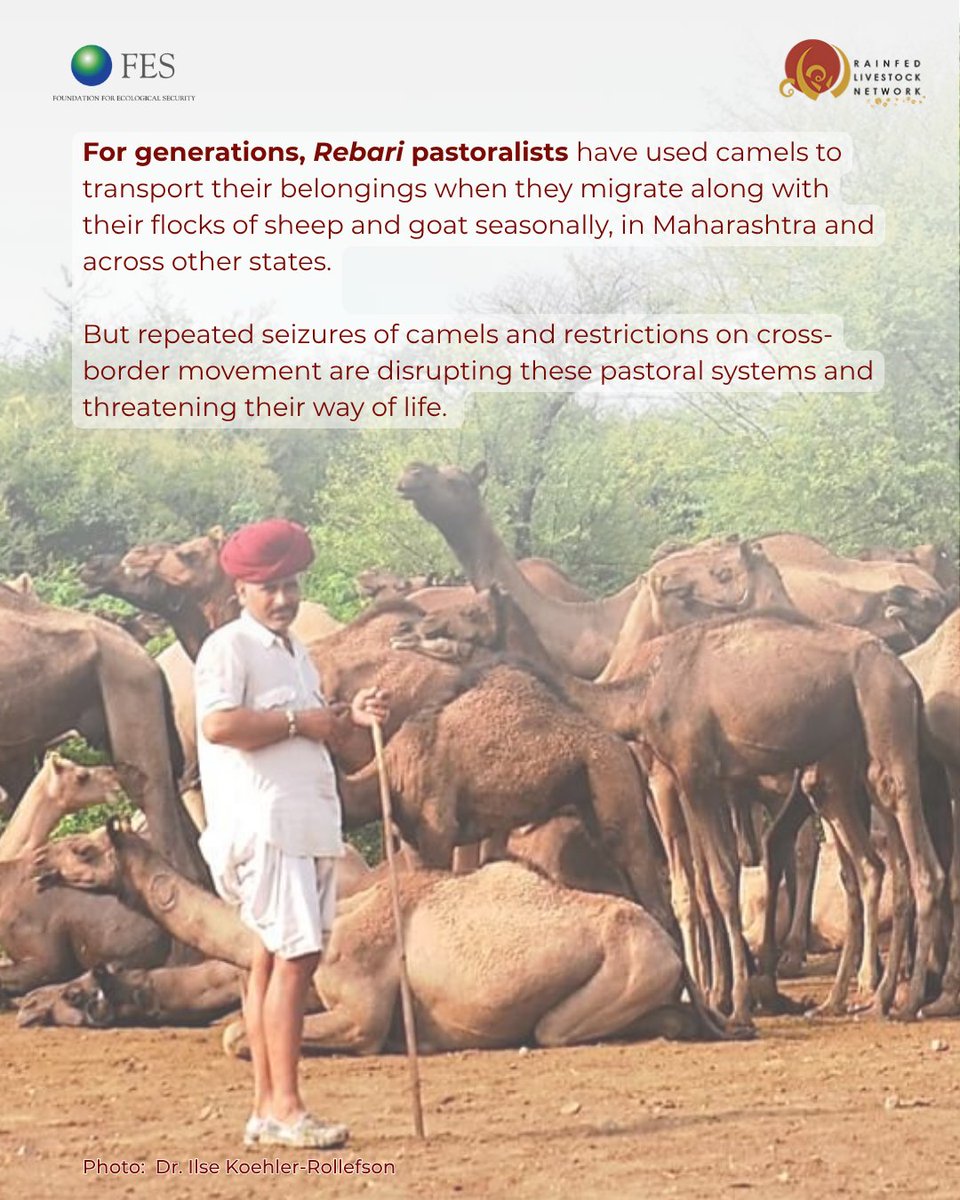
The Rajasthan Camel (Prohibition of Slaughter and Regulation of Temporary Migration or Export) Act, 2015, restricted cross-border camel movement to protect declining camel populations. There have been repeated seizures based on allegations of illegal transport and suspected slaughter. These point to a systemic misunderstanding of pastoral livelihoods and the role of camels.
Movement restrictions and repeated detentions have a bearing on pastoral livelihoods, farming landscapes and camel populations themselves. It becomes increasingly difficult to continue their way of life, affecting mobility, access to grazing areas, flock health, and household incomes.
This article authored by Rainfed Livestock Network members, Dr. Ilse Koehler-Rollefson, Ajinkya Shahane, Sajal Kulkarni and Hanwant Singh Rathore and published on @AESA_Network calls for more grounded and nuanced approaches that recognise camels as essential working animals and support pastoral mobility, livelihoods, and ecological stewardship together.
Read the full article to know more: rln.org.in/why-is-access-to-…
The Rainfed Livestock Network joins the global call that marks the International Year of Rangelands & Pastoralists (IYRP) in 2026, recognising the vital role pastoralists play in sustaining ecosystems, cultures and livelihoods by the UN.
@IYRP2026 #CentreforPeoplesCollectective
1
1
4
82
#AESABookReview
Applied Behaviour and Human Construct–The Glimpse and Glance into Human Psychology
Authors: A. Janaki Rani, M. Ramasubramanian, C. Karthikeyan and A. M. Juno (2025)
Pages: 190
Price: INR 510
Publisher: @notionpress
Read the review here: aesanetwork.org/applied-beha…
20
🌿 On #InternationalTeaDay2026, let’s reflect on the future of India’s small tea growers.
In this blog, Swarup Upadhyaya discusses why rehabilitating ageing small tea gardens is critical 🍃🫖
Read here: aesanetwork.org/rehabilitati…
@FAO @TeaBoardIndia
#TeaSector #SmallTeaGrowers
1
1
144
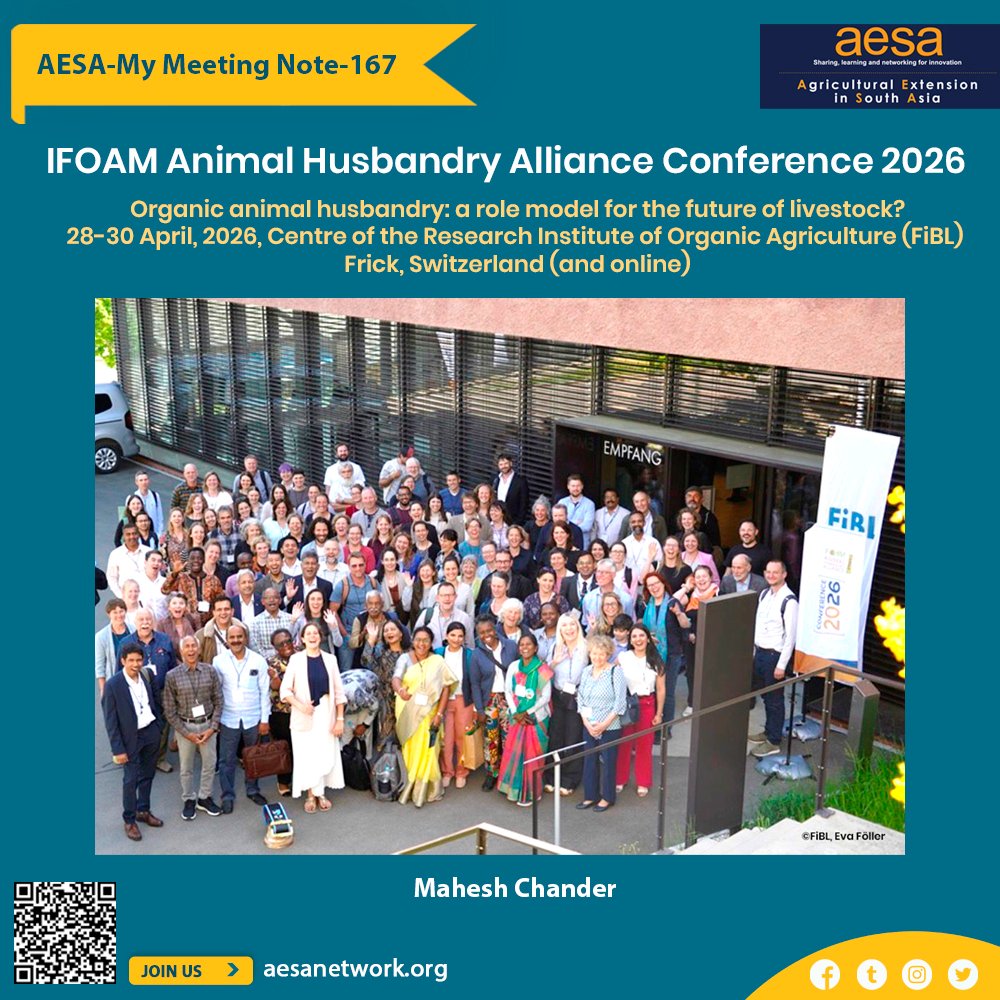
🐄 Is organic livestock farming the future of animal husbandry?
Dr. @MaheshIVRI shares his experience from the @ifoamorganics Animal Husbandry Alliance Conference 2026 on the AESA meeting note:
aesanetwork.org/ifoam-animal…
#IAHA2026 #OrganicAgriculture #Livestock #IFOAM
1
32
Agricultural Extension in South Asia (AESA) retweeted

Big news!
@afaasinfo is proud to join @GFRAS in launching the Global Strategy 2026–2035. We’re moving from isolated projects to connected systems to transform African agrifood systems.
Read the strategy afaas-africa.org/aligning-fo…
#AEAS #Extension #Afaas
1
6
10
321
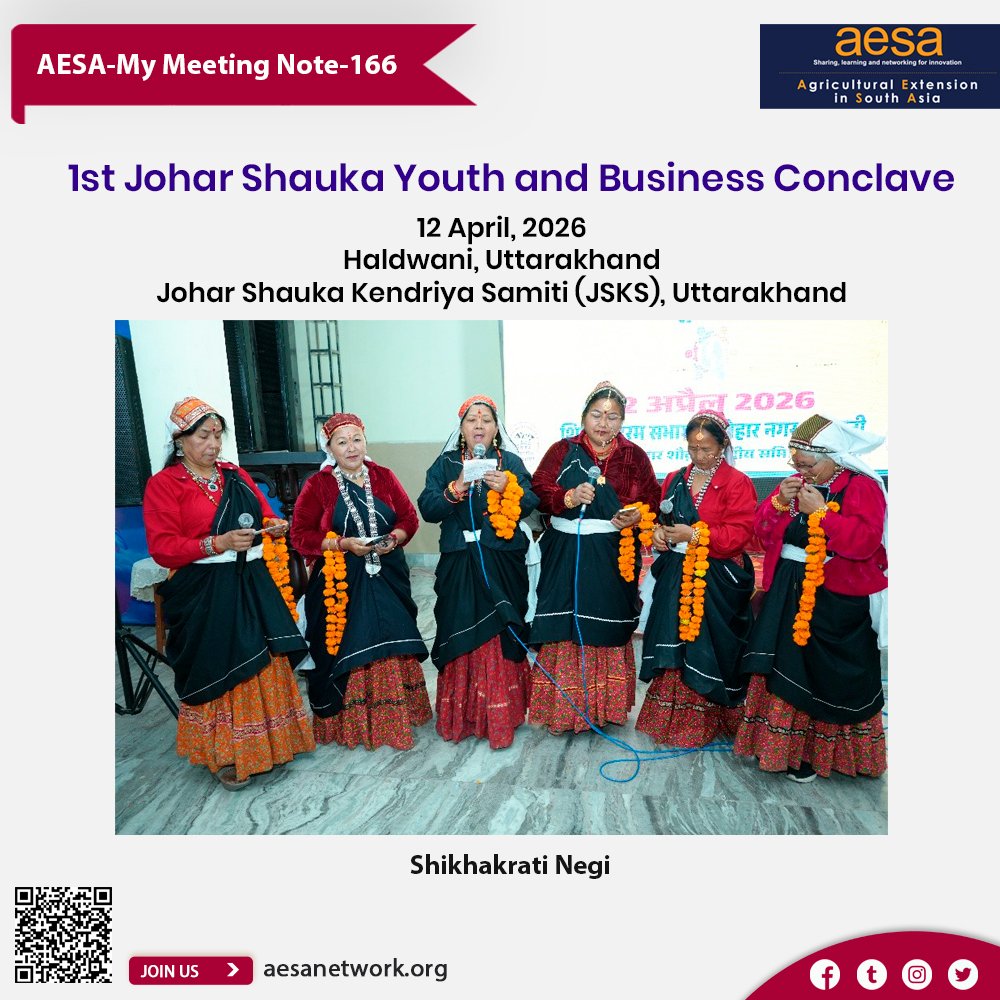
Youth #entrepreneurship, indigenous knowledge, and sustainable mountain #livelihoods took center stage at the 1st Johar Shauka Youth & Business Conclave 2026.
Explore key insights from the AESA meeting note authored by Dr. Shikhakrati Negi. 👇
aesanetwork.org/1st-johar-sh…
1
17
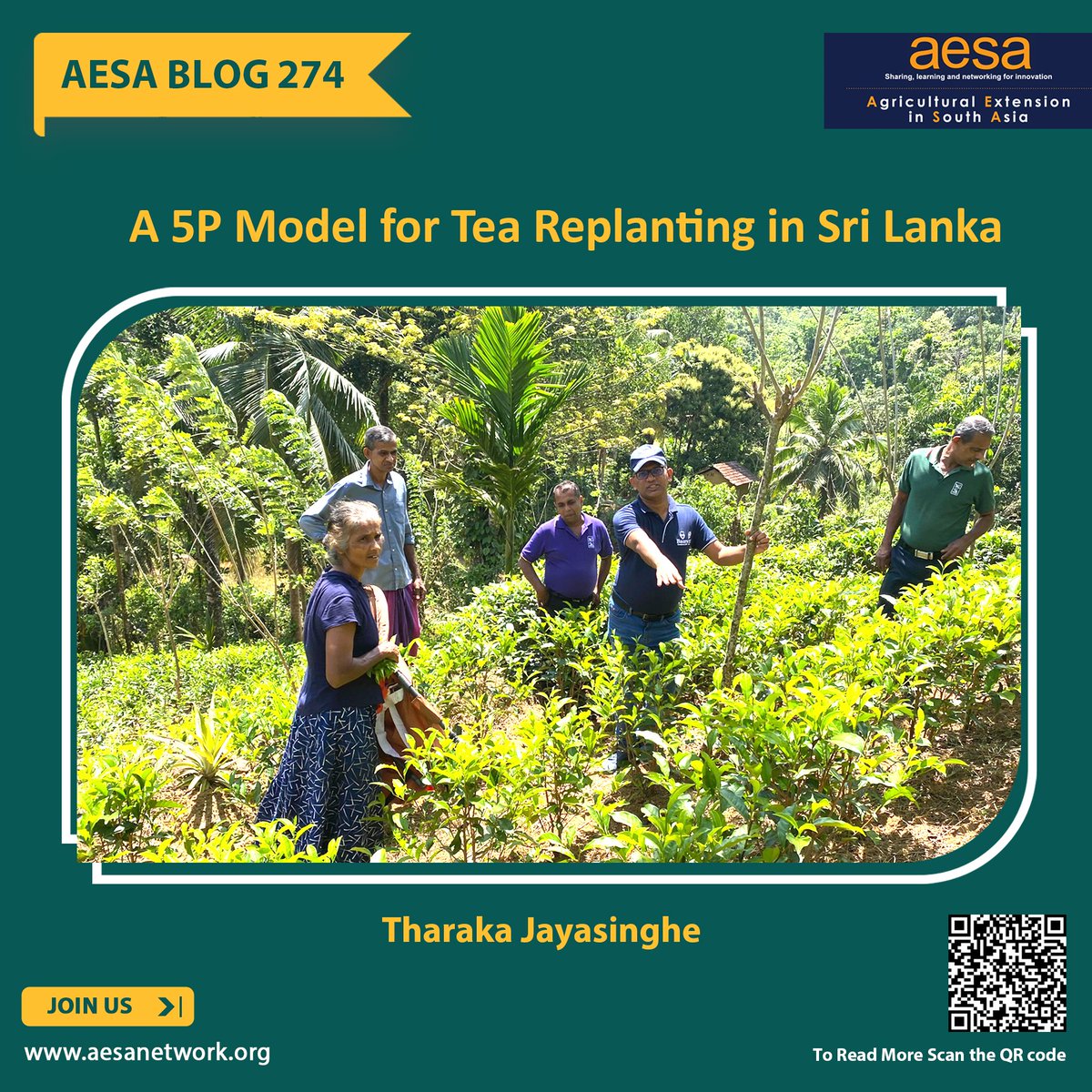
New on AESA: “A 5P Model for Tea Replanting in Sri Lanka”
Read the blog by Tharaka Jayasinghe: aesanetwork.org/5p-model-for…
#AgriculturalExtension #TeaReplanting #SriLanka #AESA
1
1
73
Agricultural Extension in South Asia (AESA) retweeted
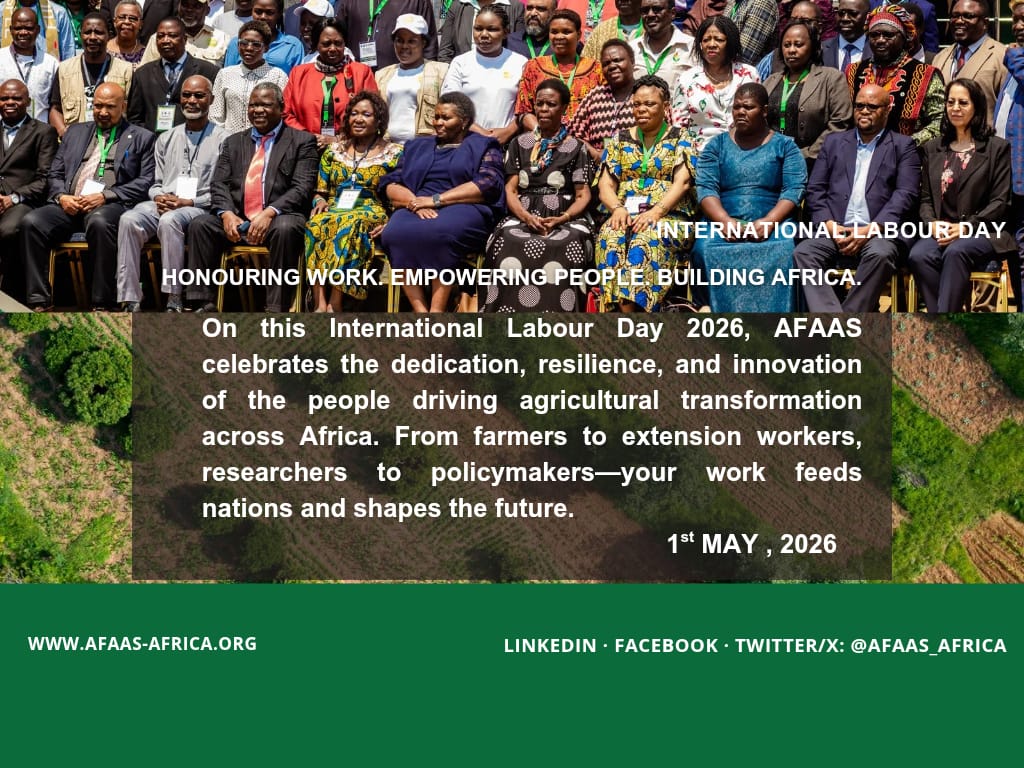
On this International Labour Day 2026, @afaasinfo celebrates the dedication, resilience, and innovation of the people driving agricultural transformation across Africa.#Afaas #LabourDay2026
5
9
222
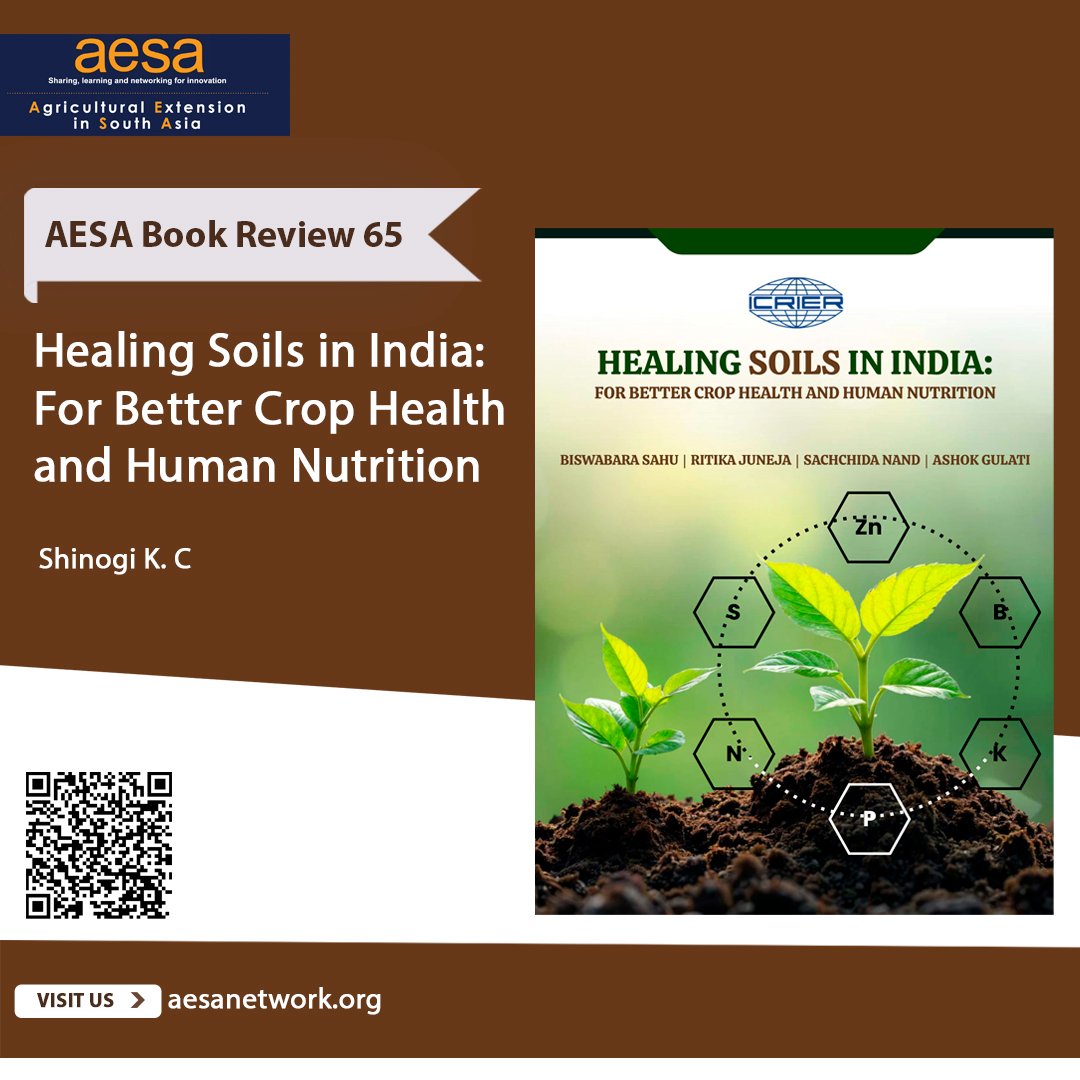
Can healthier soils improve human nutrition?
AESA’s latest book review explores how soil degradation impacts crop quality—and why restoring soil health is key to tackling “hidden hunger” in India.
Read: aesanetwork.org/healing-soil…
#SoilHealth #NutritionSecurity
1
2
2
68
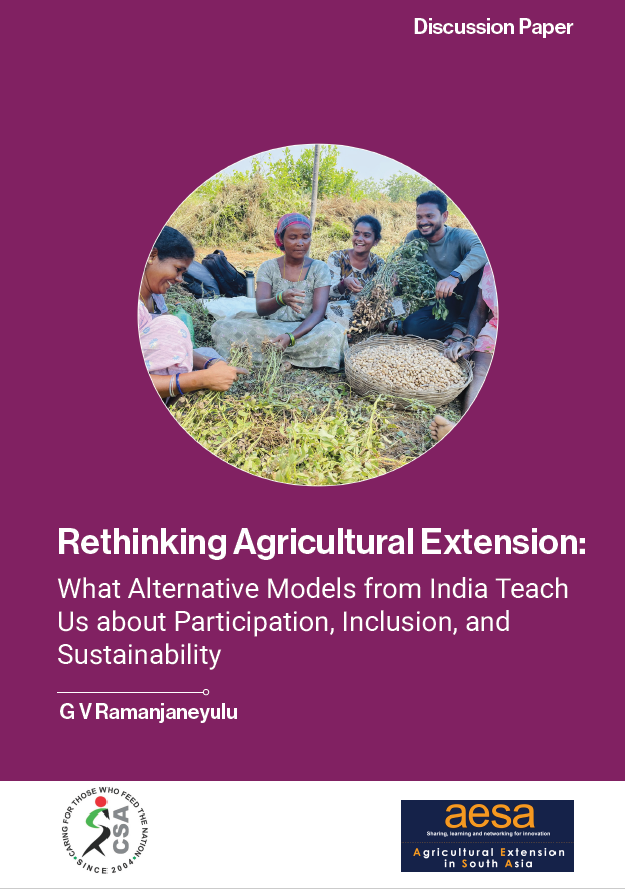
New discussion paper alert!
'Rethinking Agricultural Extension' by Dr Ramoo, published by AESA & @CSAIndia, examines why India's extension system fails smallholders and what alternative models teach us about participation, inclusion & sustainability.
aesanetwork.org/news/aesa-di…
1
33
New course review Alert!
"Knowledge Management for Young Professionals" — a must-read for early-career extension practitioners looking to build smarter, more impactful workflows. 🌾
Read the full review 👉 aesanetwork.org/knowledge-ma…
#KnowledgeManagement #AgriculturalExtension
1
22
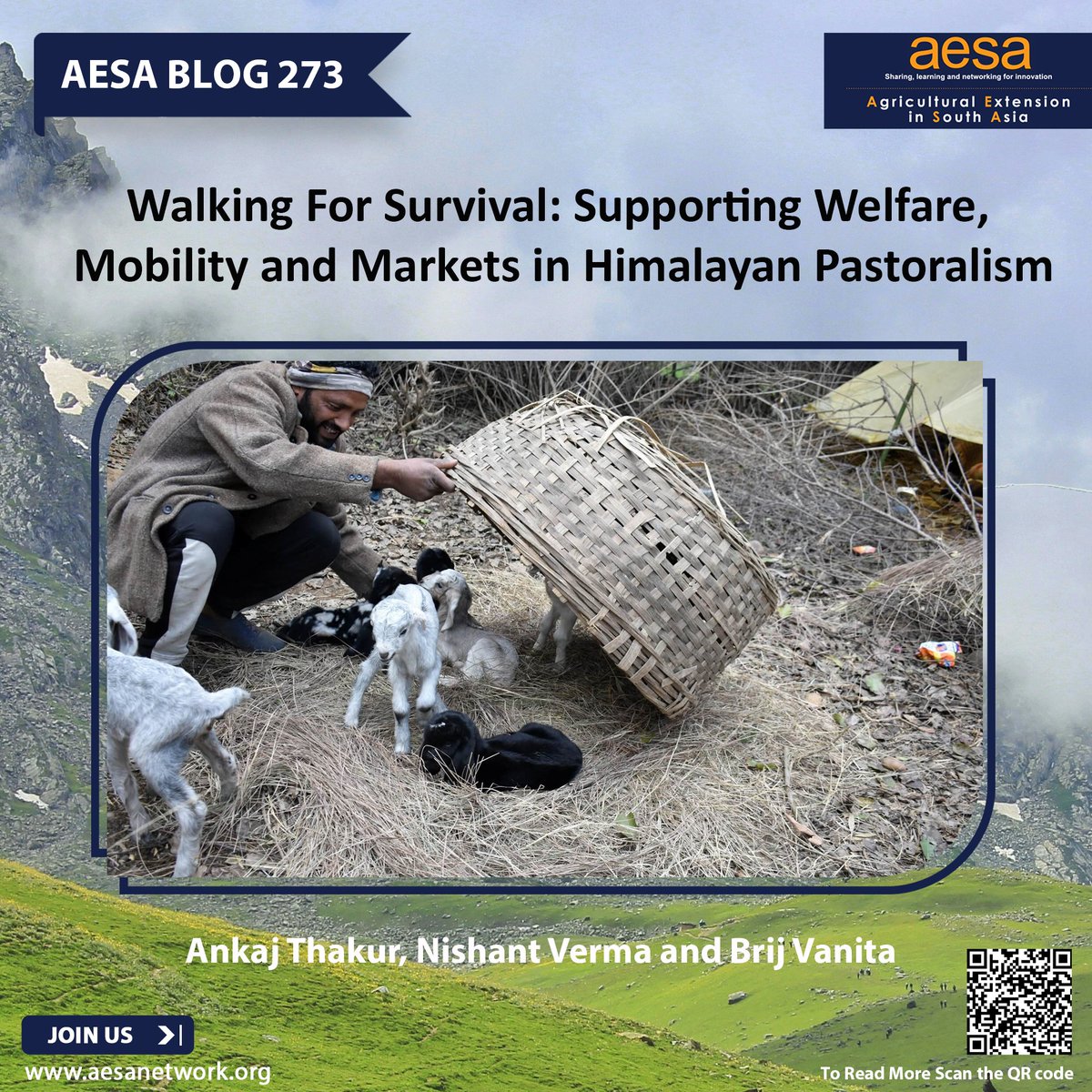
🐐 Gaddi goats walk 300 km across Himalayan altitudes — naturally grazed, low-input, climate-smart. Yet pastoralists earn commodity prices.
Dr Ankaj and others unpack the welfare, mobility & market gaps.
📖 aesanetwork.org/walking-for-…
#Pastoralism #IYRP2026 #LivestockExtension
18
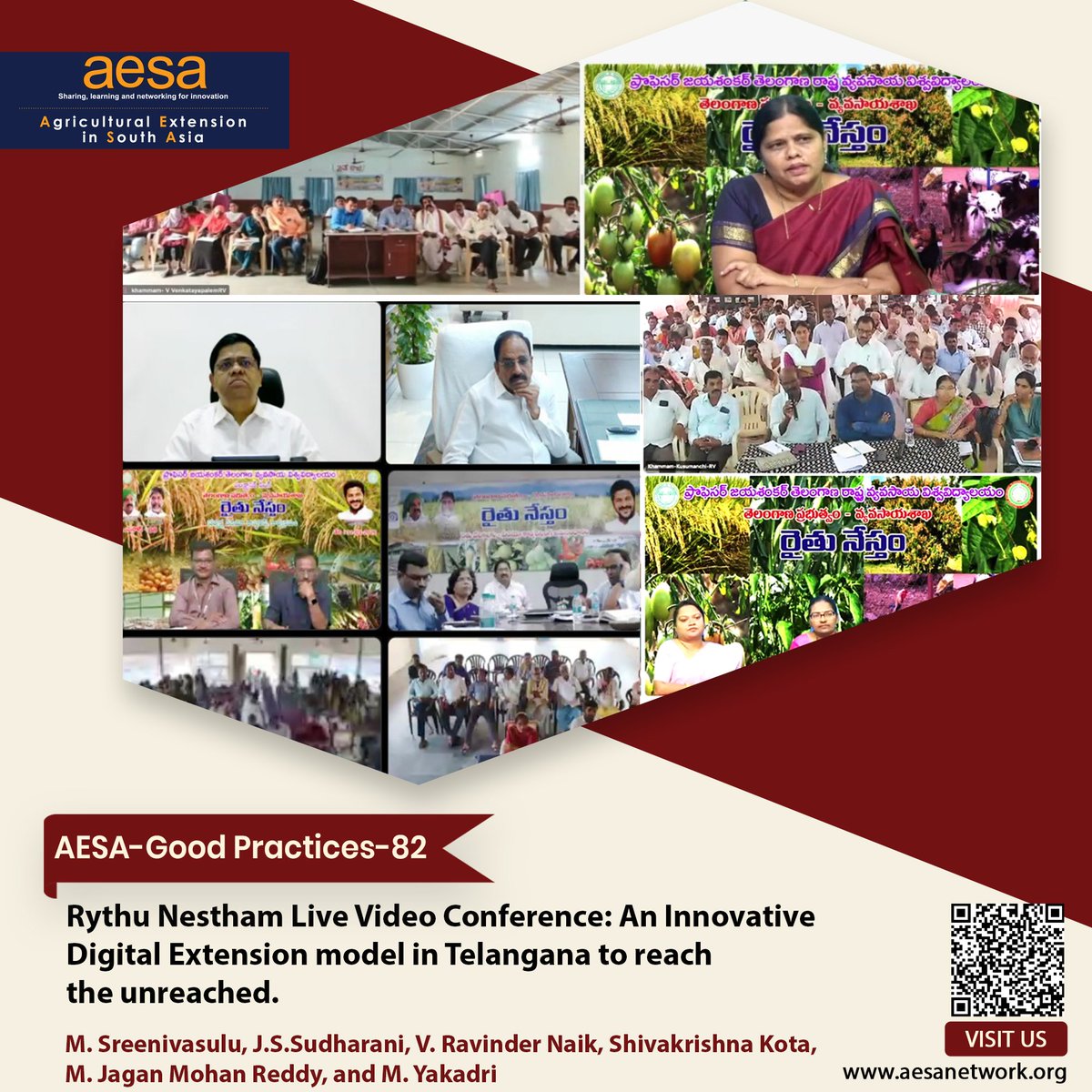
A farmer asks a question from his village. A scientist answers live. He goes back to his field and tries it.
That's Rythu Nestham — and it's reaching 20 lakh farmers in Telangana 🌾
Read how 👇
aesanetwork.org/reaching-far…
#RythuNestham #AgriExtension #Telangana
22
Agricultural Extension in South Asia (AESA) retweeted

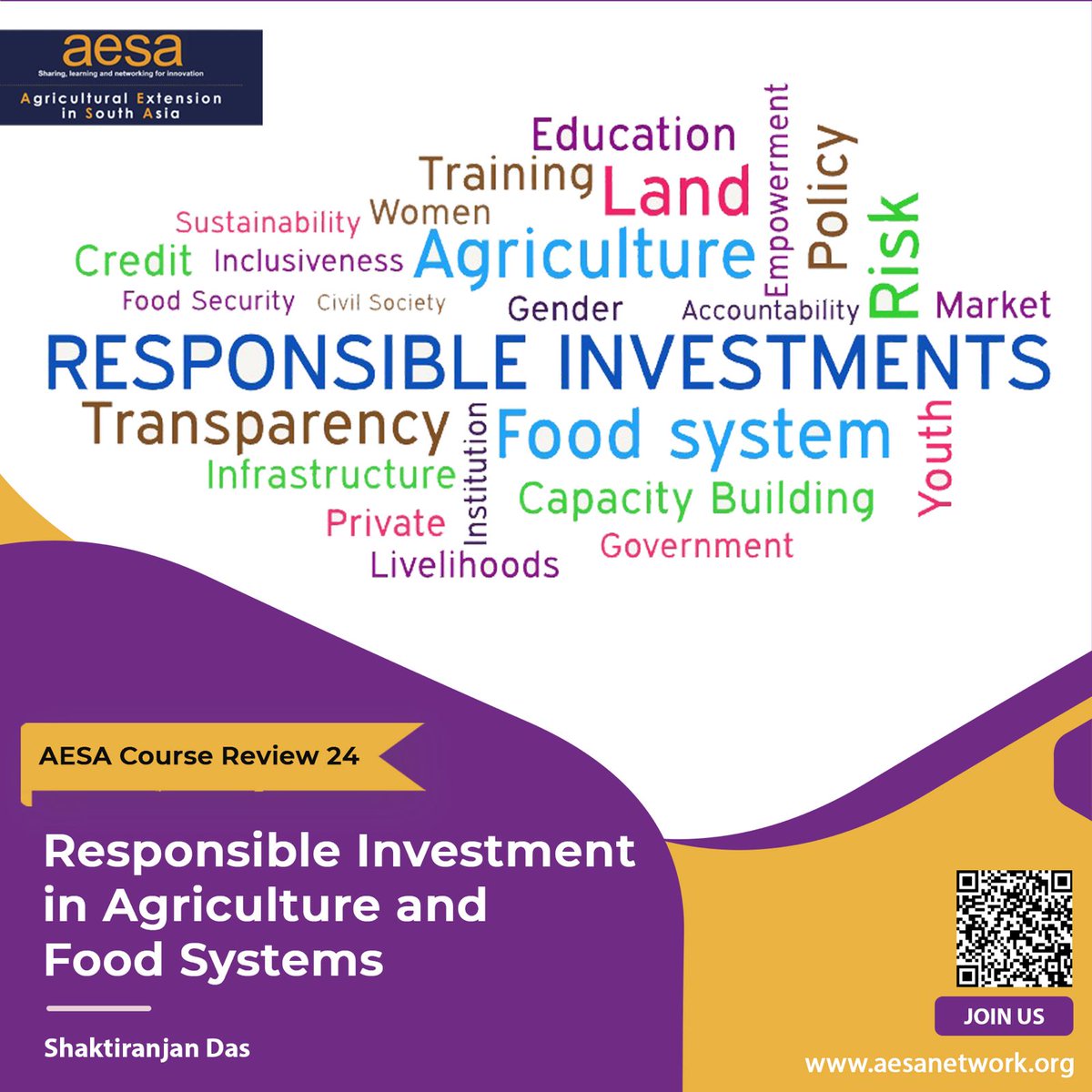
Kindly Check out my Course Review published in @AESA_Network
aesanetwork.org/responsible-…
1
3
20
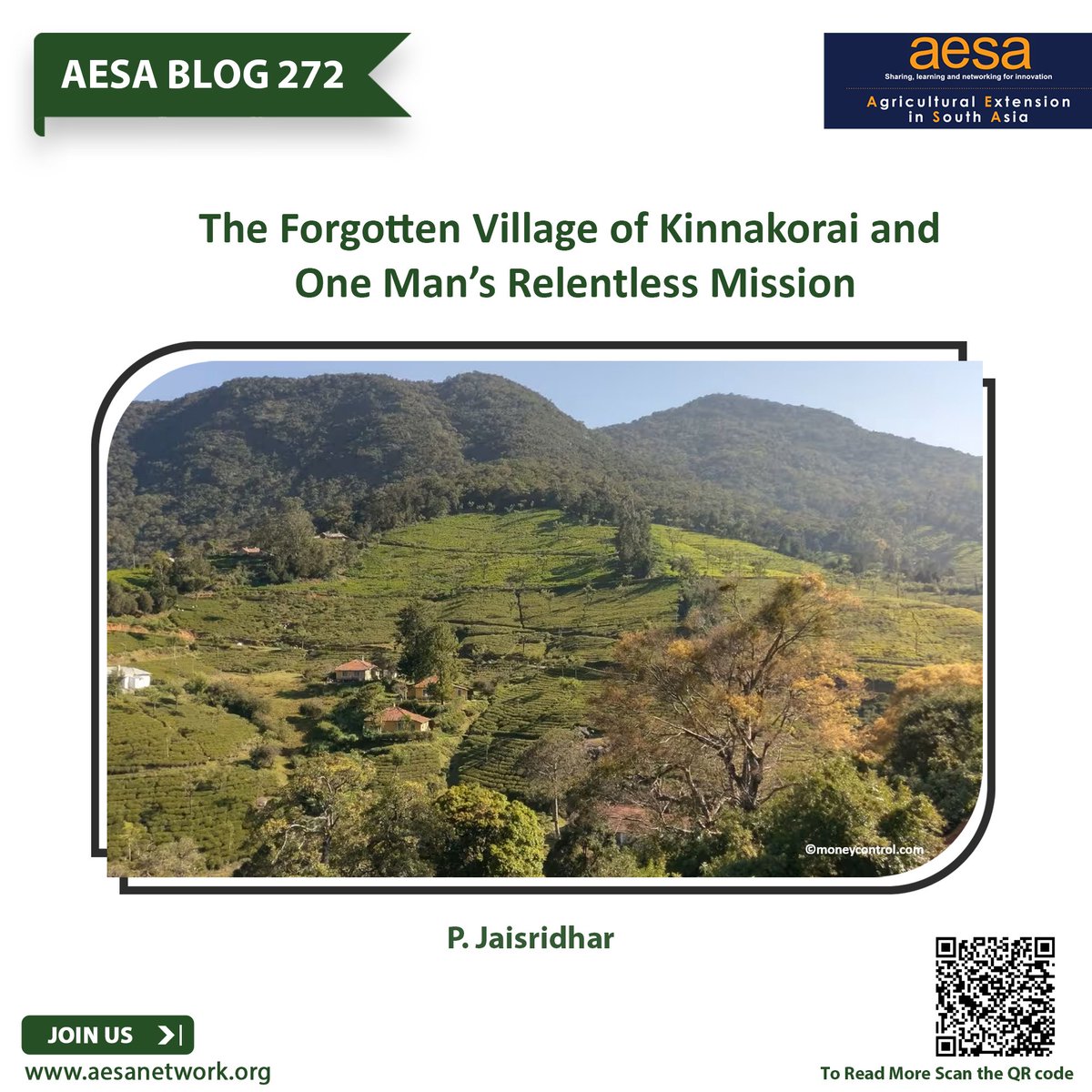
Kinnakorai, a Nilgiris village of 2,000 growing organic tea by tradition, yet invisible to development systems for years.
Dr P. Jaisridhar writes about one farmer's relentless mission to change that.
Read here:
aesanetwork.org/the-forgotte…
#Nilgiris #AgriculturalExtension #Tribal
77