ALT A digital flyer for The Association for Frontotemporal Degeneration (AFTD) shows their logo and encourages staying connected through social media platforms including Facebook, LinkedIn, Instagram, TikTok, Bluesky, YouTube, and their website, with corresponding icons and handles. A contact for AFTD's Helpline and email are also provided for inquiries.
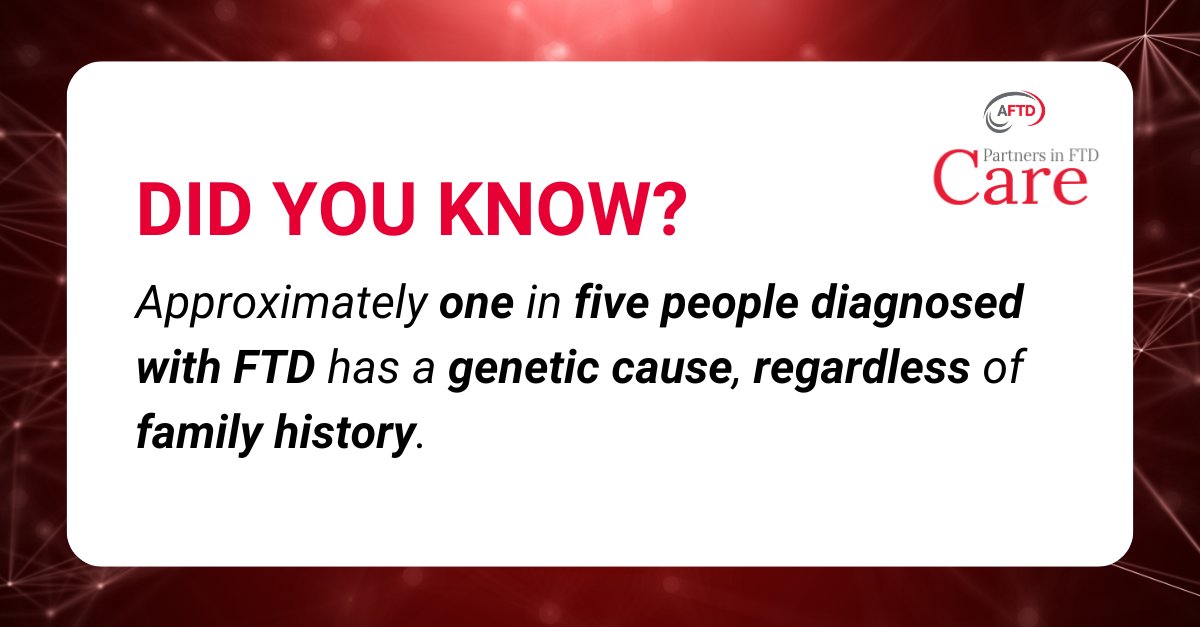
Did you know approximately one in five people diagnosed with FTD has a genetic cause, regardless of family history?
That’s why community providers play a critical role in connecting families affected by FTD to genetic services.
👉 Learn more in April’s edition of Partners in FTD Care: bit.ly/47CD82e
ALT Partners in FTD Care graphic with text stating: 'Did you know? Approximately one in five people diagnosed with FTD has a genetic cause, regardless of family history.'
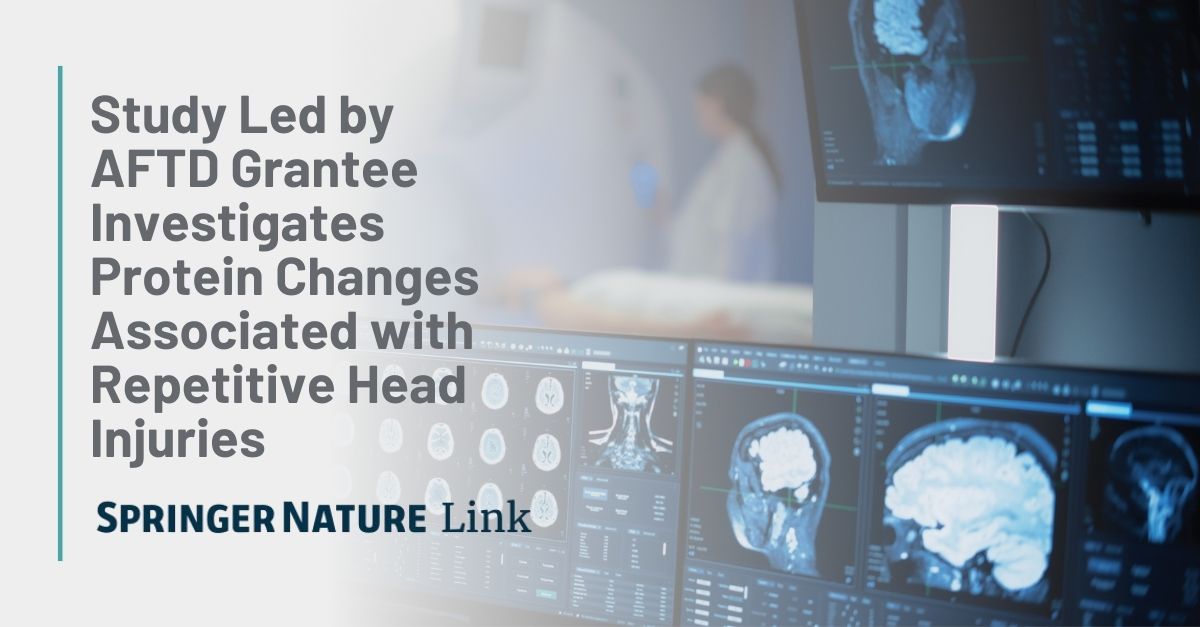
A study published in Molecular Neurodegeneration sets out to find clues that could help detect or better understand #CTE, which shares some features with other disorders like #FTD.
➡️ Learn more: bit.ly/3NQDnzZ
ALT Medical facility with multiple computer screens displaying brain scans. The text on the left reads, "Study Led by AFTD Grantee Investigates Protein Changes Associated with Repetitive Head Injuries." The bottom text reads, "Springer Nature Link.
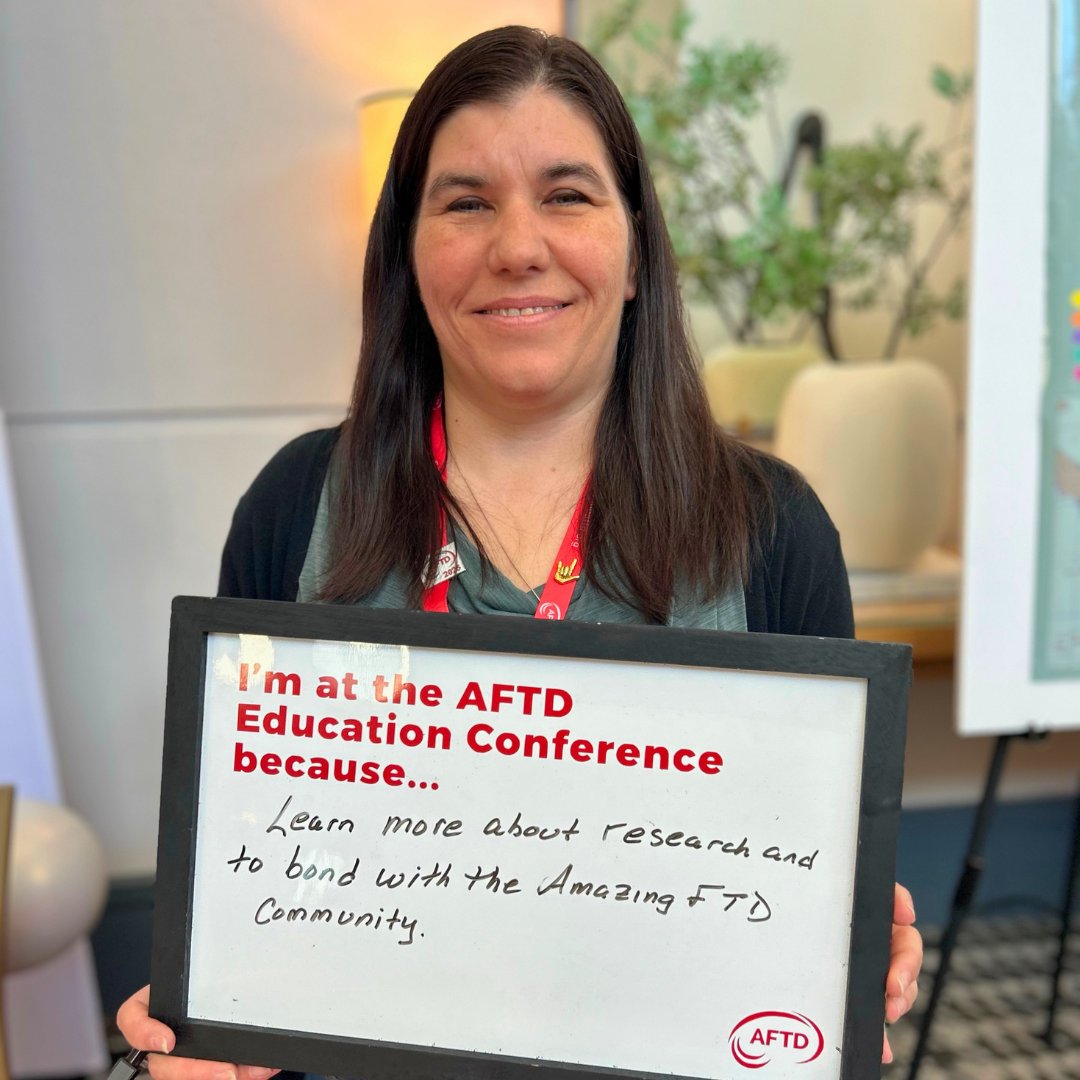
Healthcare professionals and researchers play a vital role in improving recognition and care for people affected by FTD.
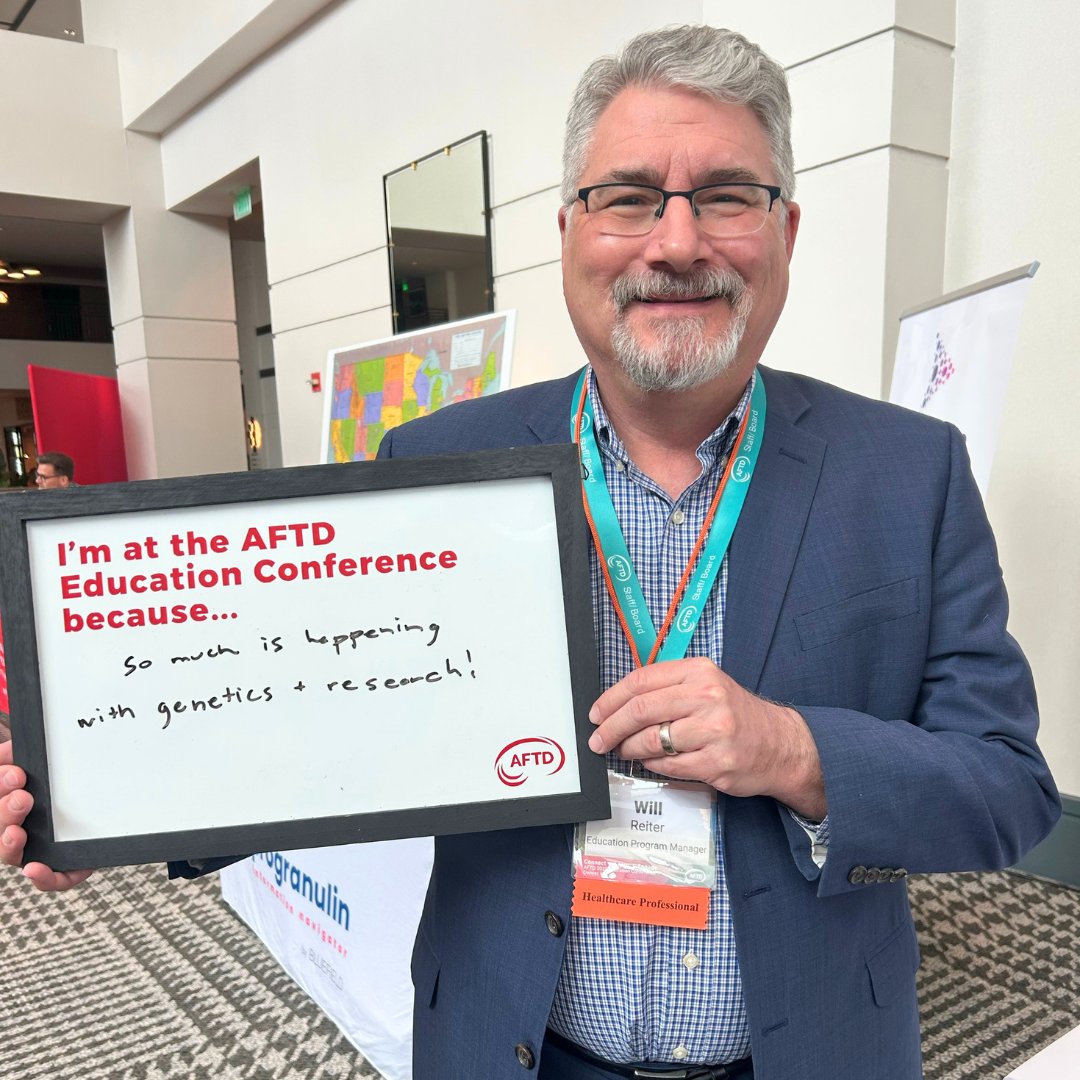
The AFTD 2026 Education Conference offers opportunities to learn from leading experts, hear perspectives from people with lived experience, and connect with colleagues working across FTD research.
Register today: bit.ly/4rZBY8u
Understanding genetic FTD can feel complex, but you don’t have to navigate it alone. ❤️
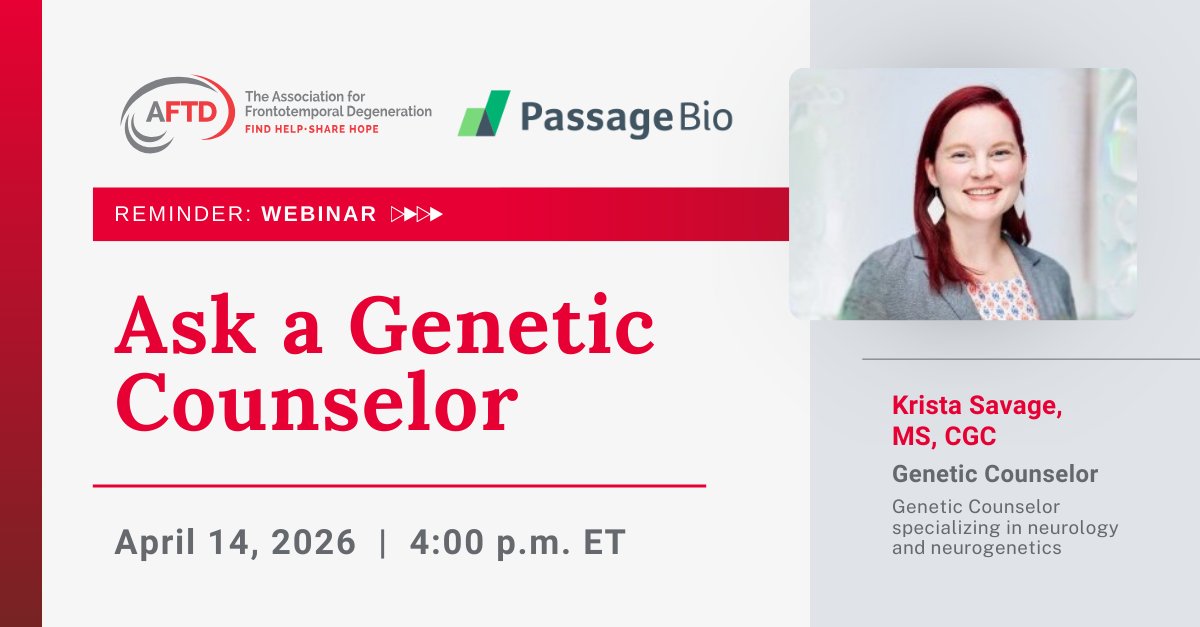
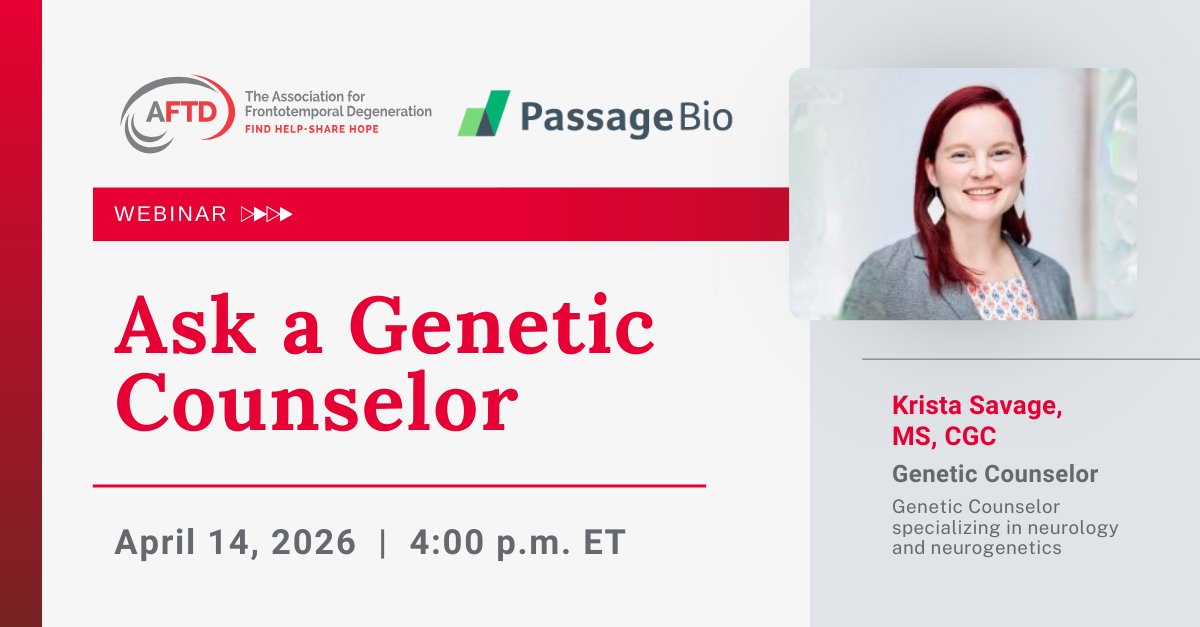
Join AFTD on April 14 at 4 pm for an open-format webinar with genetic counselor Krista Savage. Bring your questions about genetic testing, family risk, and available resources.
🔴 Sponsored by @Passage_Bio
👉 Sign up today: bit.ly/47YenO3
ALT A webinar announcement for "Ask a Genetic Counselor" presented by AFTD and sponsored by Passage Bio. It features a photo of Krista Savage, MS, CGC, a genetic counselor specializing in neurology and neurogenetics. Scheduled for April 14, 2026, at 4:00 p.m. ET.
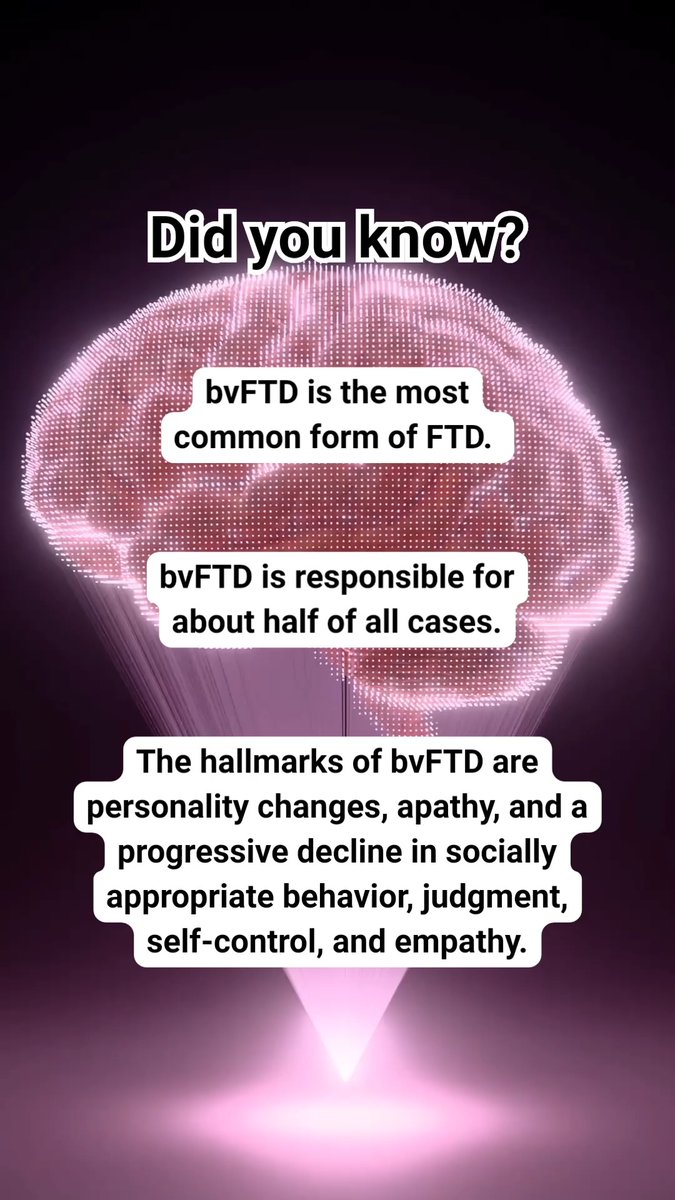
Did you know behavioral variant FTD is the most common form of FTD, accounting for about half of all cases?
The hallmarks of bvFTD are personality changes, apathy, and a progressive decline in socially appropriate behavior, judgment, self-control, and empathy.
🧠 Learn more: bit.ly/40Y4b4n
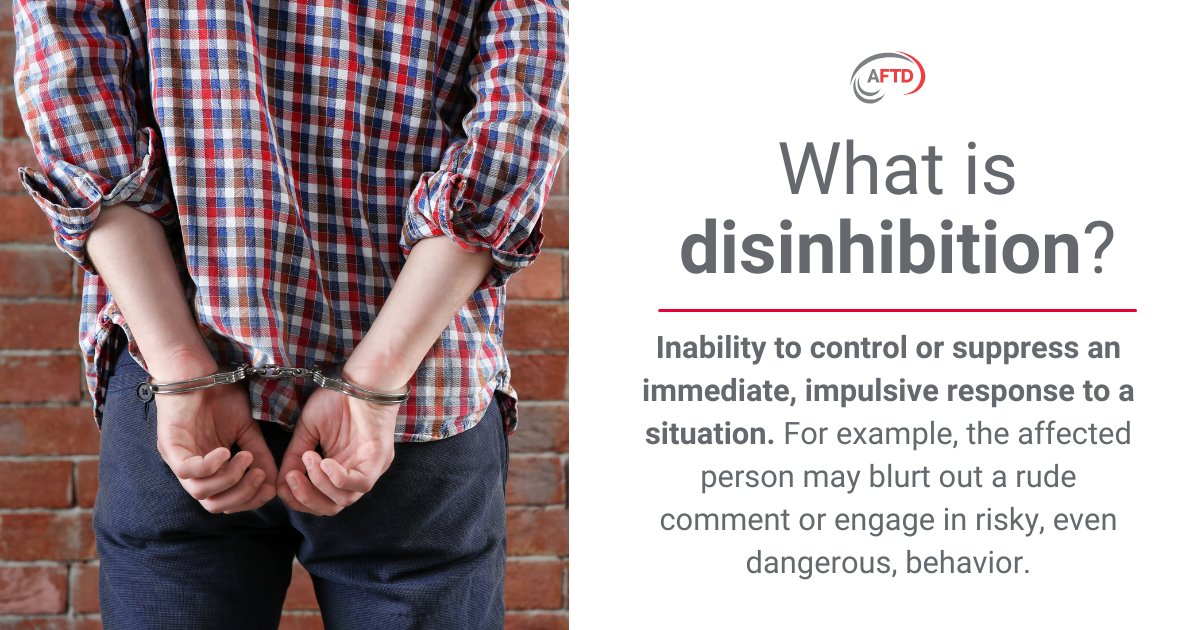
What is disinhibition in frontotemporal degeneration❓
It refers to the inability to control or suppress an immediate, impulsive response to a situation. These changes include socially inappropriate behavior, loss of manners, and impulsive, rash, or careless actions.
🔴 Learn more: bit.ly/4tavt3r
ALT A person in handcuffs stands against a brick wall, wearing a plaid shirt and jeans. Text to the right reads: "What is disinhibition? Inability to control or suppress an immediate, impulsive response to a situation. For example, the affected person may blurt out a rude comment or engage in risky, even dangerous, behavior." The AFTD logo is present.
The California Senate Health Committee unanimously advanced SB 1047, a bipartisan bill to add FTD to the state’s Neurodegenerative Disease Registry.
As Emma Heming Willis shared, this progress reflects the dedication of advocates and families working to raise awareness of FTD across California.
🔴 Learn more: bit.ly/4rSyR1N
ALT AFTD logo above text stating, "California Senate Health committee unanimously advances bipartisan bill to add FTD to the state’s Neurodegenerative Disease Registry.
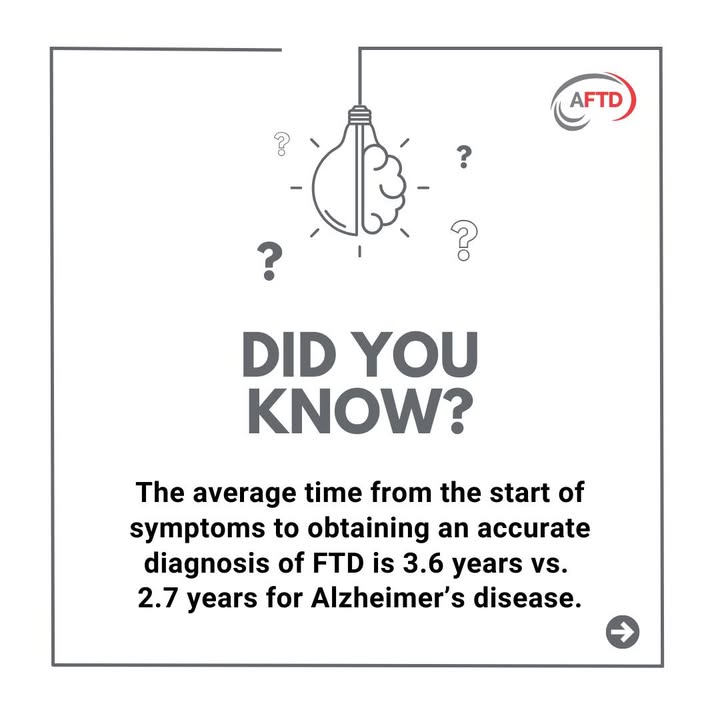
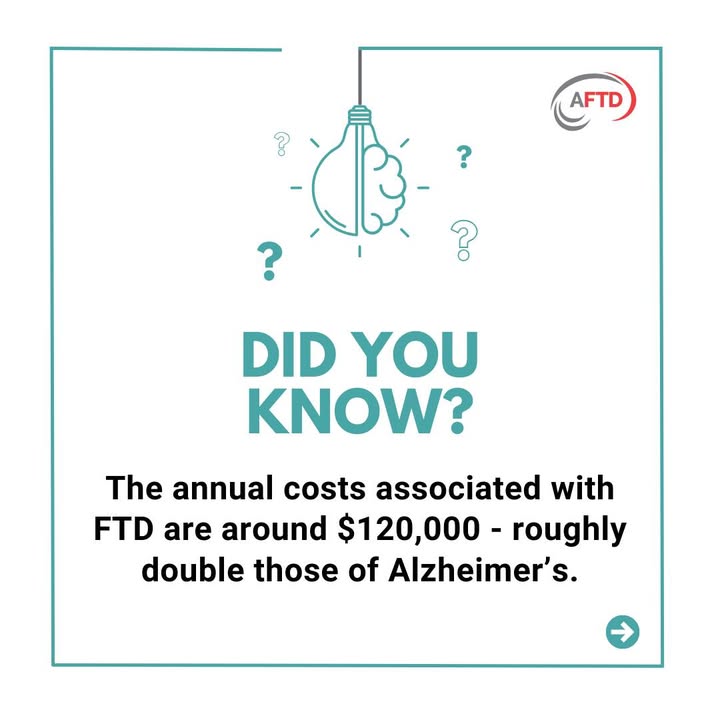
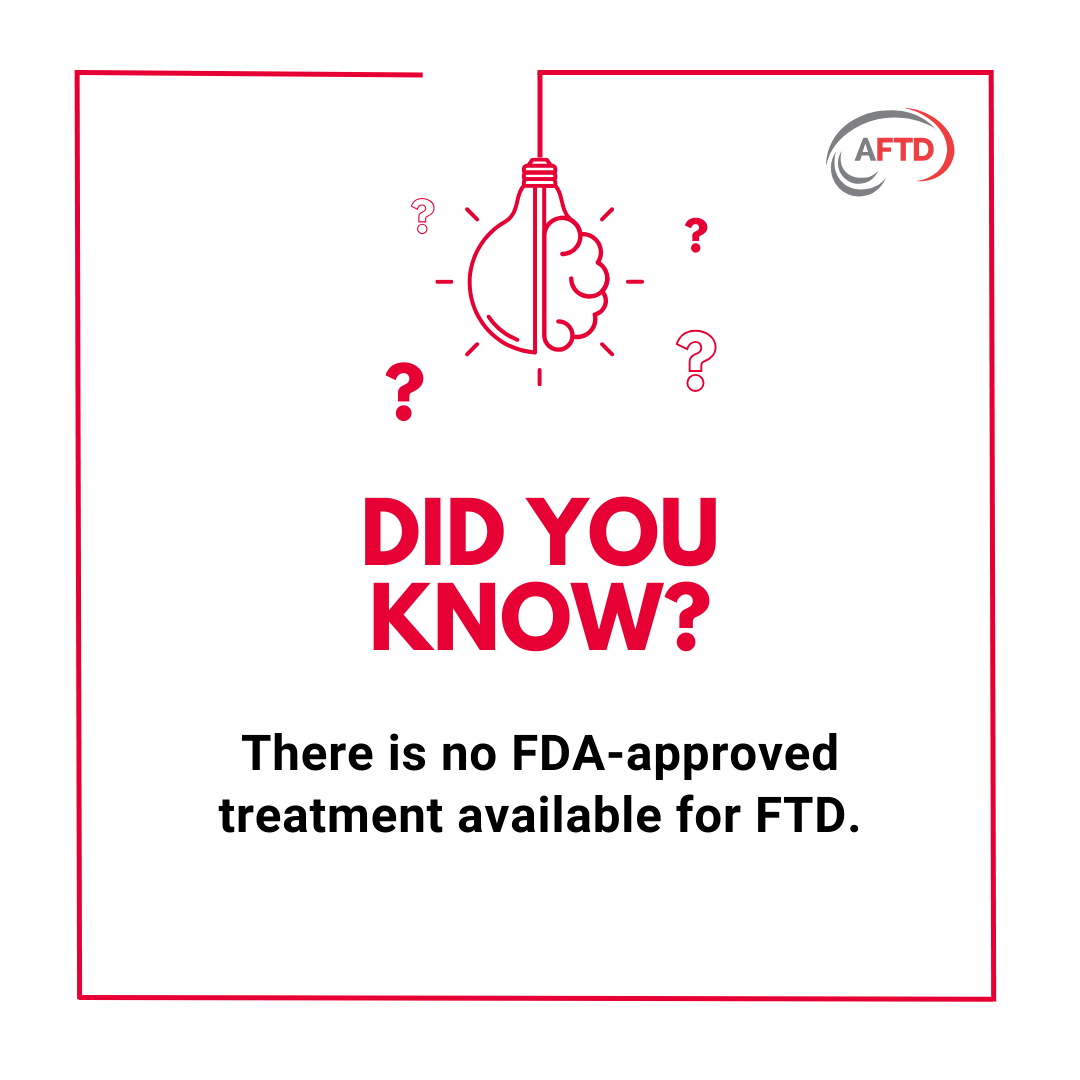
FTD is a devastating disease that impacts thousands of families.
🧠 It’s the most common dementia for people under 60.
⏳ The average time to diagnosis is 3.6 years.
💰 The annual cost of FTD care is double that of Alzheimer’s.
FTD has no cure, no FDA-approved treatment, and takes an immense toll on families. Raising awareness is the first step toward change.
👉 Learn more: bit.ly/4svP1PO
AFTD’s Education Conference is free and accessible because our community shows up.
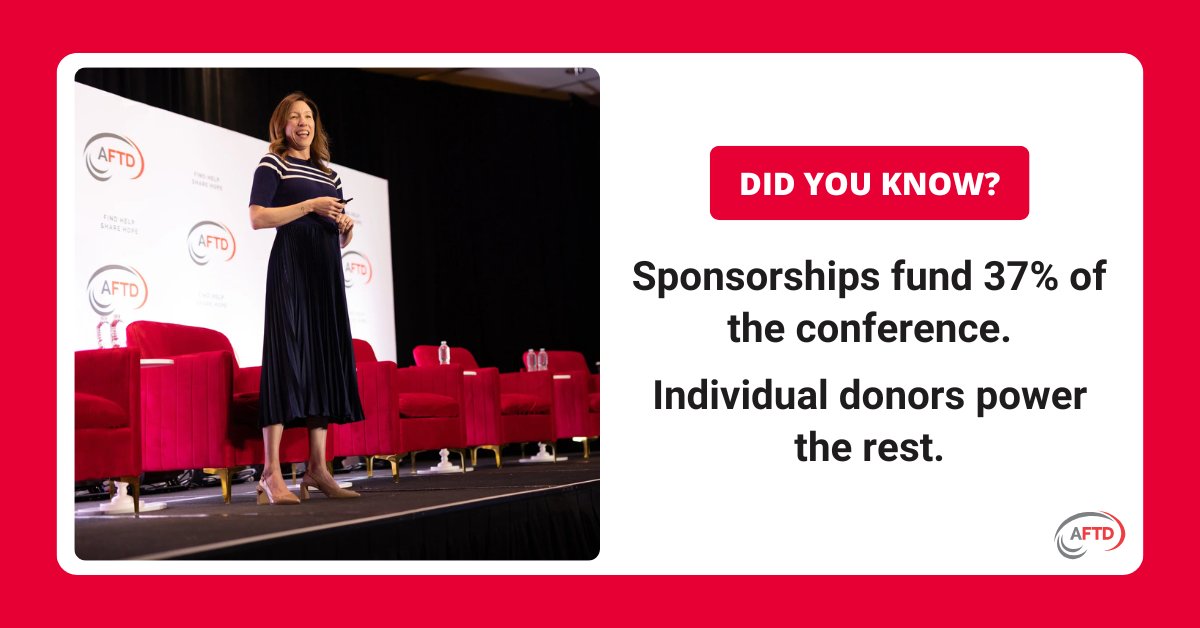
While sponsorships fund 37% of the conference, individual donors make the rest possible — helping provide free registration, travel assistance, and virtual access for people impacted by FTD.
❤️ Support the 2026 Education Conference today: bit.ly/4aB8x6X
ALT An individual is speaking on stage at a conference with several empty red chairs nearby. A slide displays the "AFTD" logo. A text box reads, "Did you know? Sponsorships fund 37% of the conference. Individual donors power the rest."
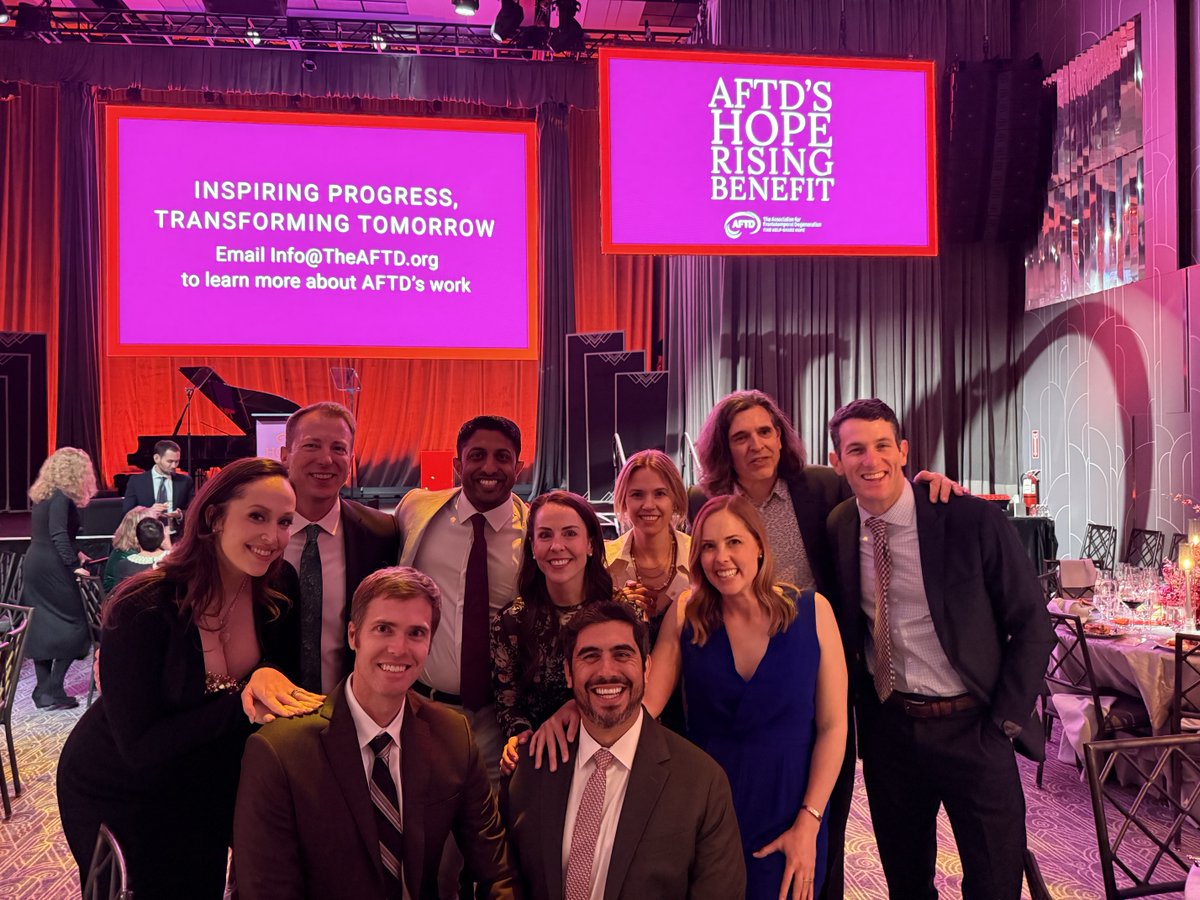
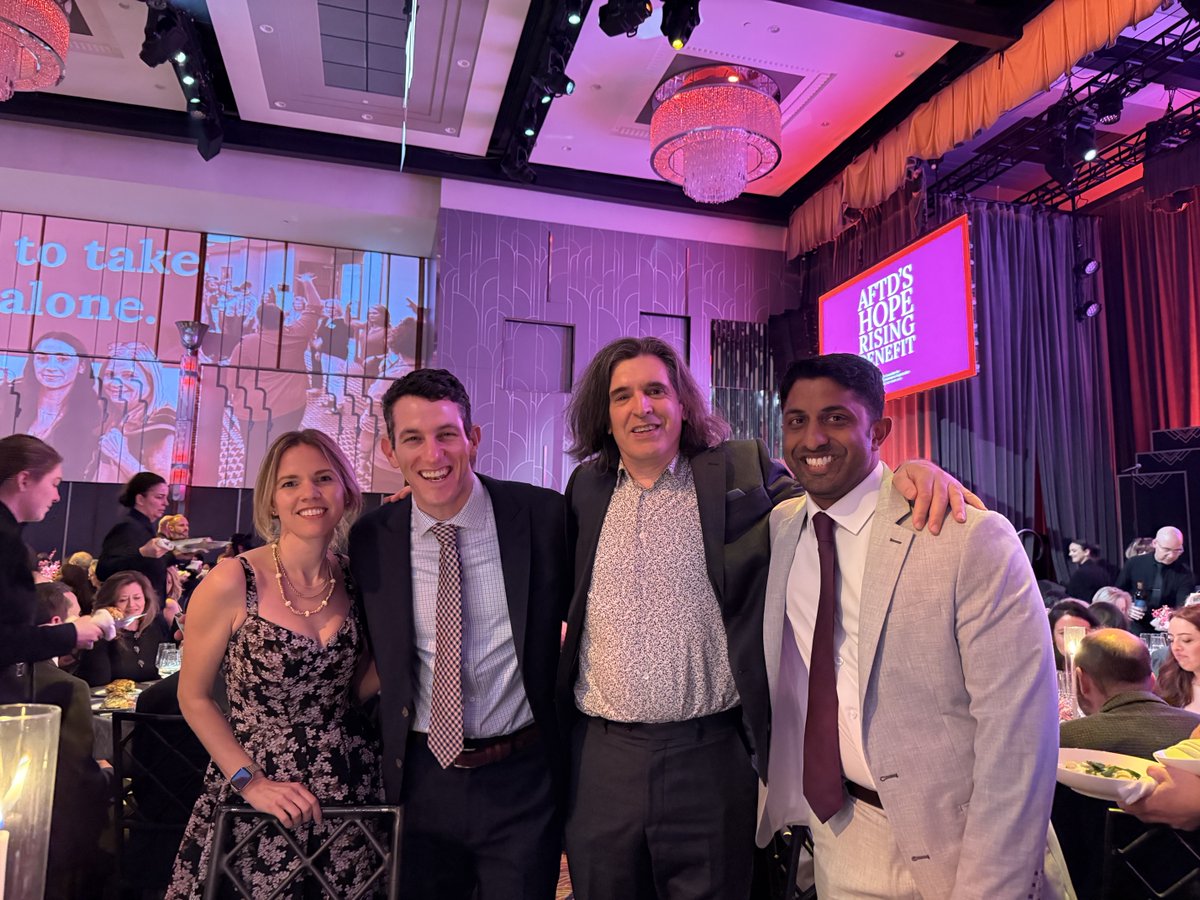
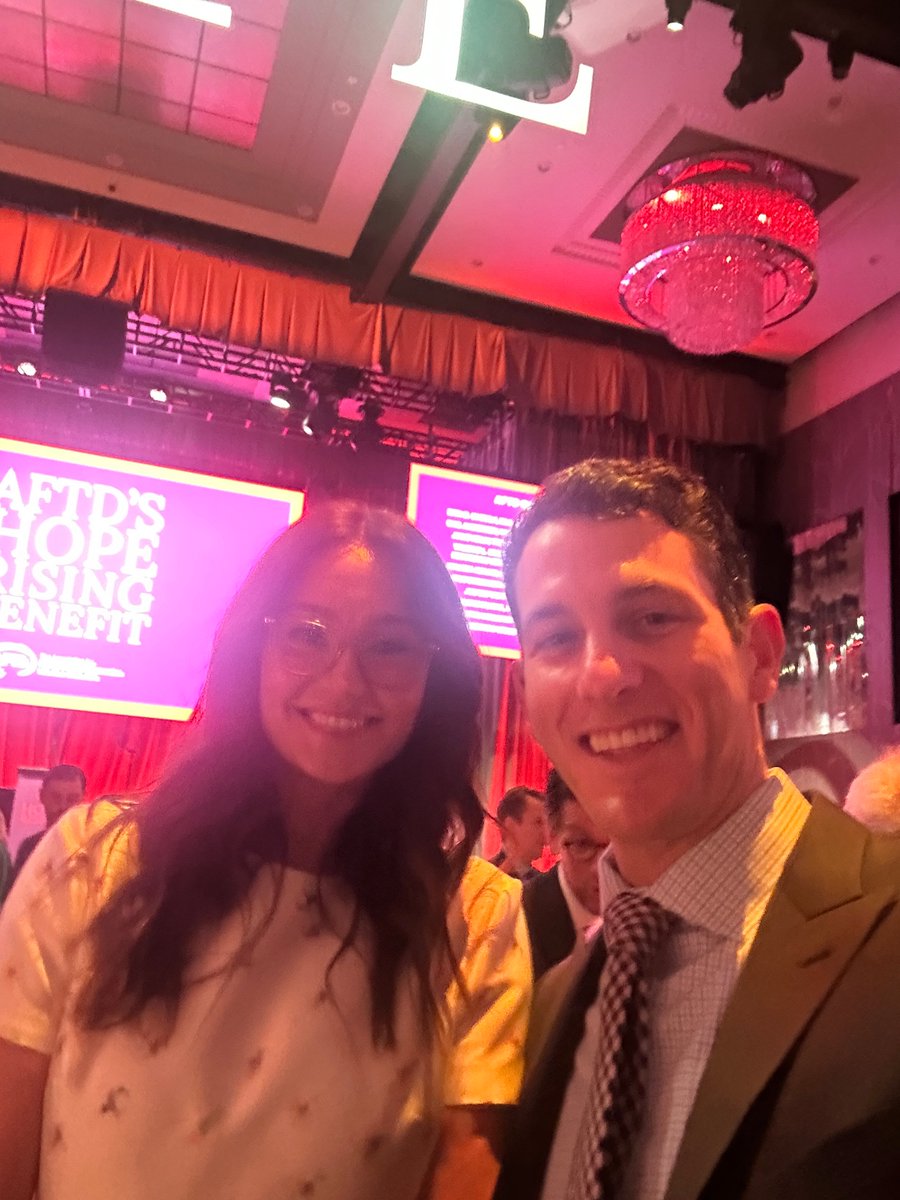
Earlier this month, our VP of Patient Advocacy, Daniel Barvin, MBA attended The Association for Frontotemporal Degeneration’s Hope Rising Benefit in NYC.
This event brought together advocates, researchers, and members of the FTD community united by a shared commitment to advancing awareness, research, and support for patients and families affected by #FTD. Events like Hope Rising highlight the strength of the community and the importance of continued collaboration as we work toward better, more effective treatments.
For more: theaftd.org/hoperising26-ehw…
Join AFTD on April 14 at 4 pm for our “Ask a Genetic Counselor” webinar with Krista Savage. This open-format session will explore genetic testing, familial FTD, and how results may inform you and your loved ones.
Open to anyone with questions, including people diagnosed and care partners.
🔴 Sponsored by @Passage_Bio
👉 Sign up today: bit.ly/47YenO3
ALT A webinar announcement for "Ask a Genetic Counselor" presented by AFTD and sponsored by Passage Bio. It features a photo of Krista Savage, MS, CGC, a genetic counselor specializing in neurology and neurogenetics. Scheduled for April 14, 2026, at 4:00 p.m. ET.
We were honored to attend the #AFTD Hope Rising Benefit and stand alongside patients, advocates, caregivers, researchers, and leaders united in their commitment to the #FrontotemporalDementia (#FTD) community.
Thank you, @AFTDHope, for a wonderful and meaningful evening.
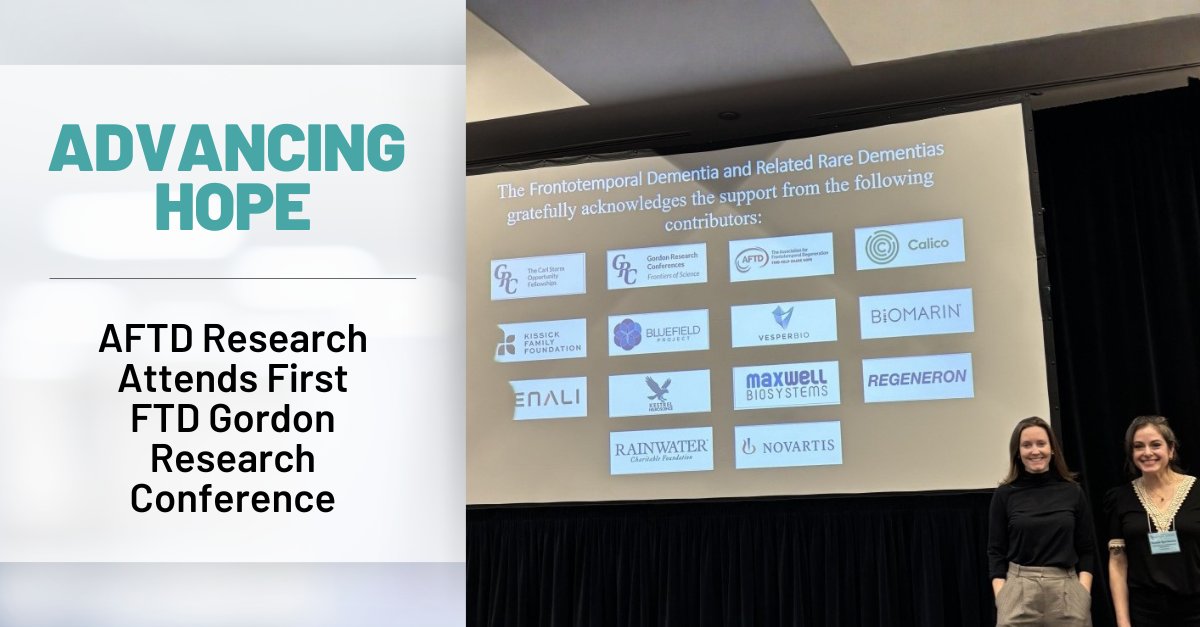
AFTD Research team members recently attended the first FTD Gordon Research Conference, which brought together researchers from academia, industry, and government institutions to share emerging data and ideas.
Meetings like this help advance collaboration and inform future research priorities.
Learn more: bit.ly/3NheKwi
ALT Graphic titled "Advancing Hope: AFTD Research Attends First FTD Gordon Research Conference" with a photo of screen showing sponsors of the first FTD Gordon Research Conference featuring AFTD Research team members.
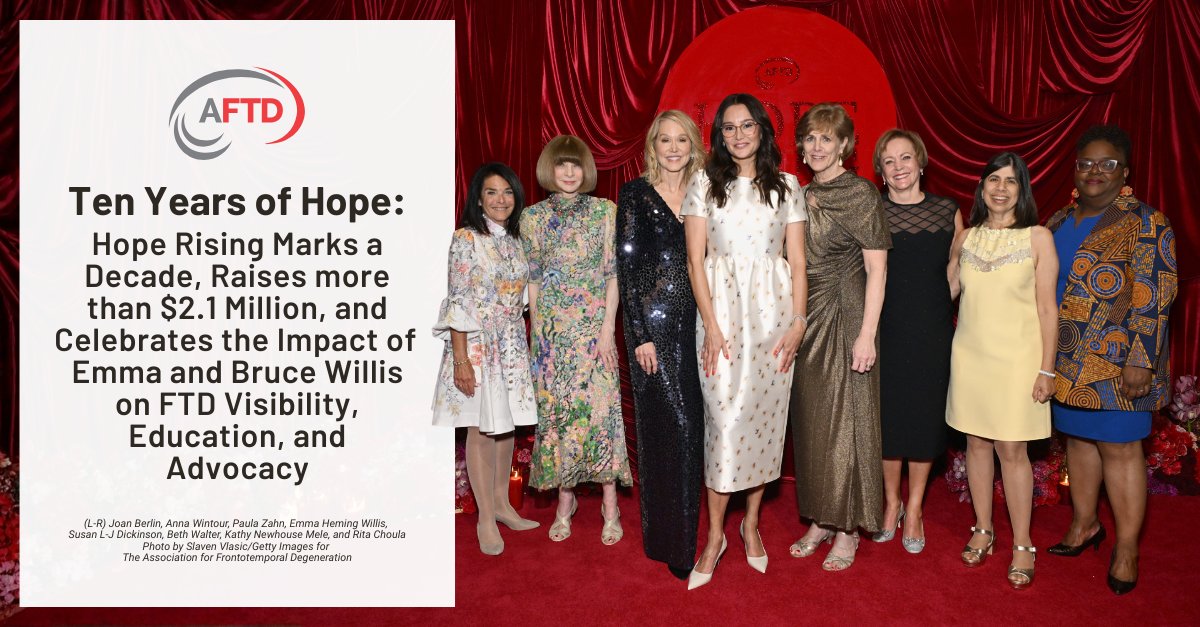
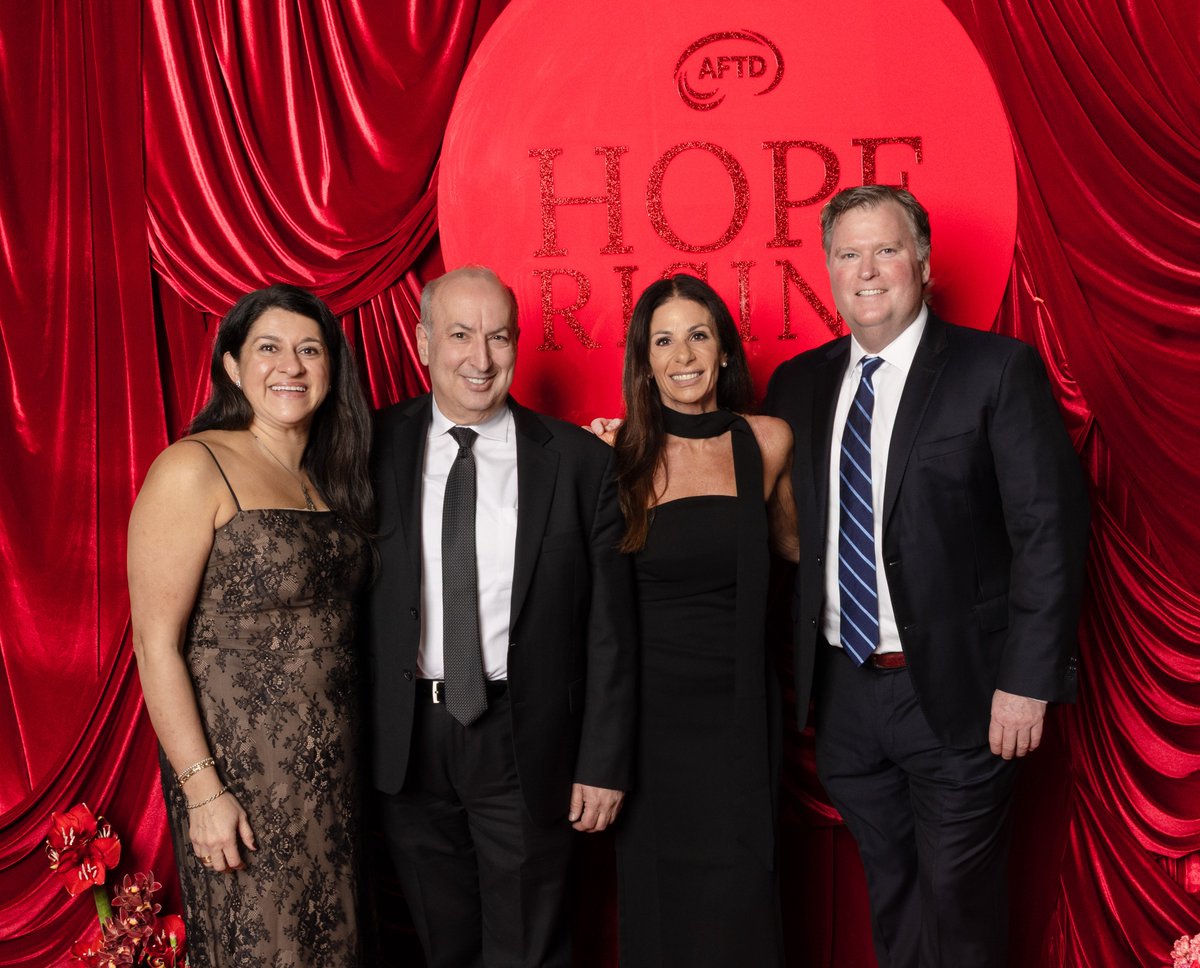
On March 12, nearly 500 members of the FTD community gathered for AFTD’s 10th annual Hope Rising Benefit, raising $2.1 million to support awareness, care, and research.
The evening honored Emma Heming Willis and Bruce Willis with the Susan Newhouse & Si Newhouse Award of Hope.
Emma also announced the launch of the Emma & Bruce Willis Fund for Dementia Research and Caregiver Support, with AFTD receiving its first gift.
🔴 Learn more: bit.ly/4sLanbQ
ALT "Ten Years of Hope: Hope Rising Marks a Decade, Raises more than $2.1 Million, and Celebrates the Impact of Emma and Bruce Willis on FTD Visibility, Education, and Advocacy." The AFTD logo is visible at the top left of the sign.
(L-R) Joan Berlin, Anna Wintour, Paula Zahn, Emma Heming Willis,
Susan L-J Dickinson, Beth Walter, Kathy Newhouse Mele, and Rita Choula
Photo by Slaven Vlasic/Getty Images for
The Association for Frontotemporal Degeneration
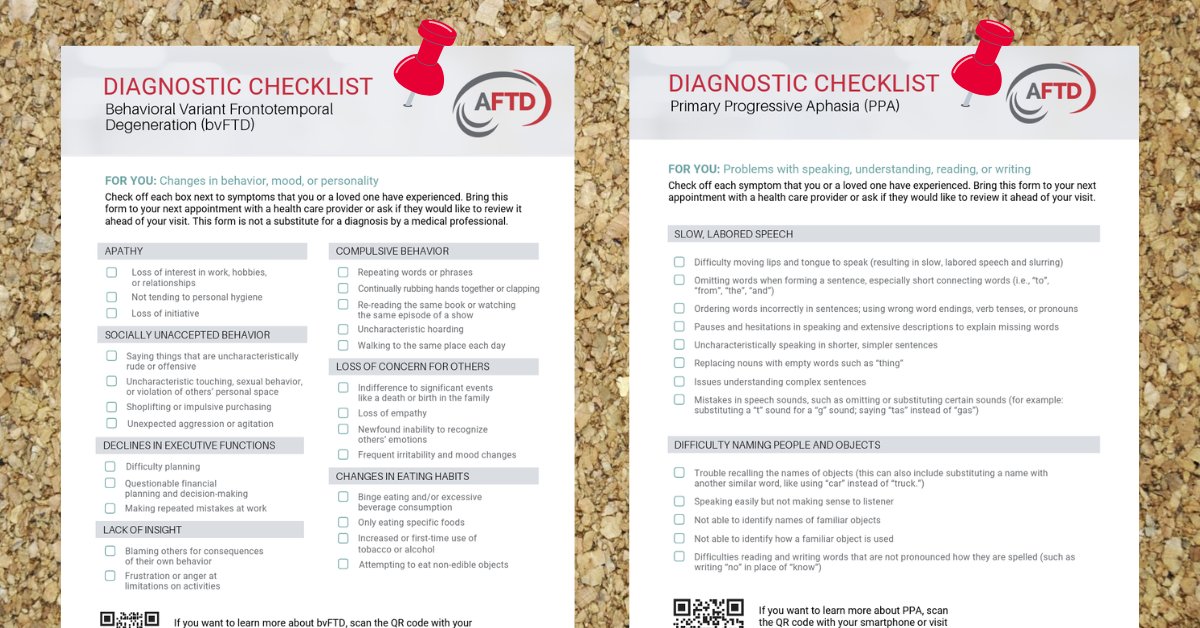
Frontotemporal degeneration is often misdiagnosed or not diagnosed at all.
AFTD developed diagnostic checklists for bvFTD, PPA, FTD-ALS, and PSP to help identify red flags and support evaluation.
📋 Download the checklists: bit.ly/4bopil3
ALT Diagnostic Checklists for Behavioral Variant Frontotemporal Degeneration (bvFTD) and Primary Progressive Aphasia (PPA)
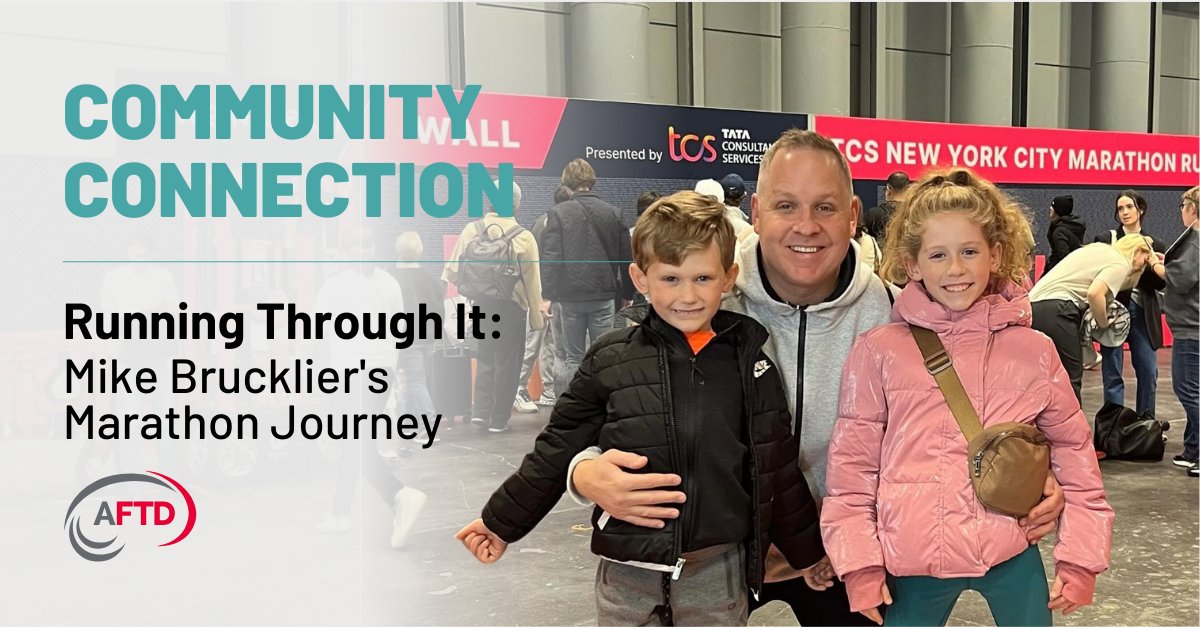
After losing his father and brother to FTD and seeing the disease affect other members of his family, Mike Brucklier has turned to marathon running as a way to support research and raise awareness.
Since 2023, he has run two marathons for AFTD and, with support from his workplace and community, has raised about $41,000 for AFTD’s mission.
👟 Read now: bit.ly/4ur05iI
ALT Mike Brucklier and his two children pose outdoors near a "TCS New York City Marathon" banner. The image includes text: "Community Connection," "Running Through It: Mike Brucklier's Marathon Journey." An AFTD logo is visible.
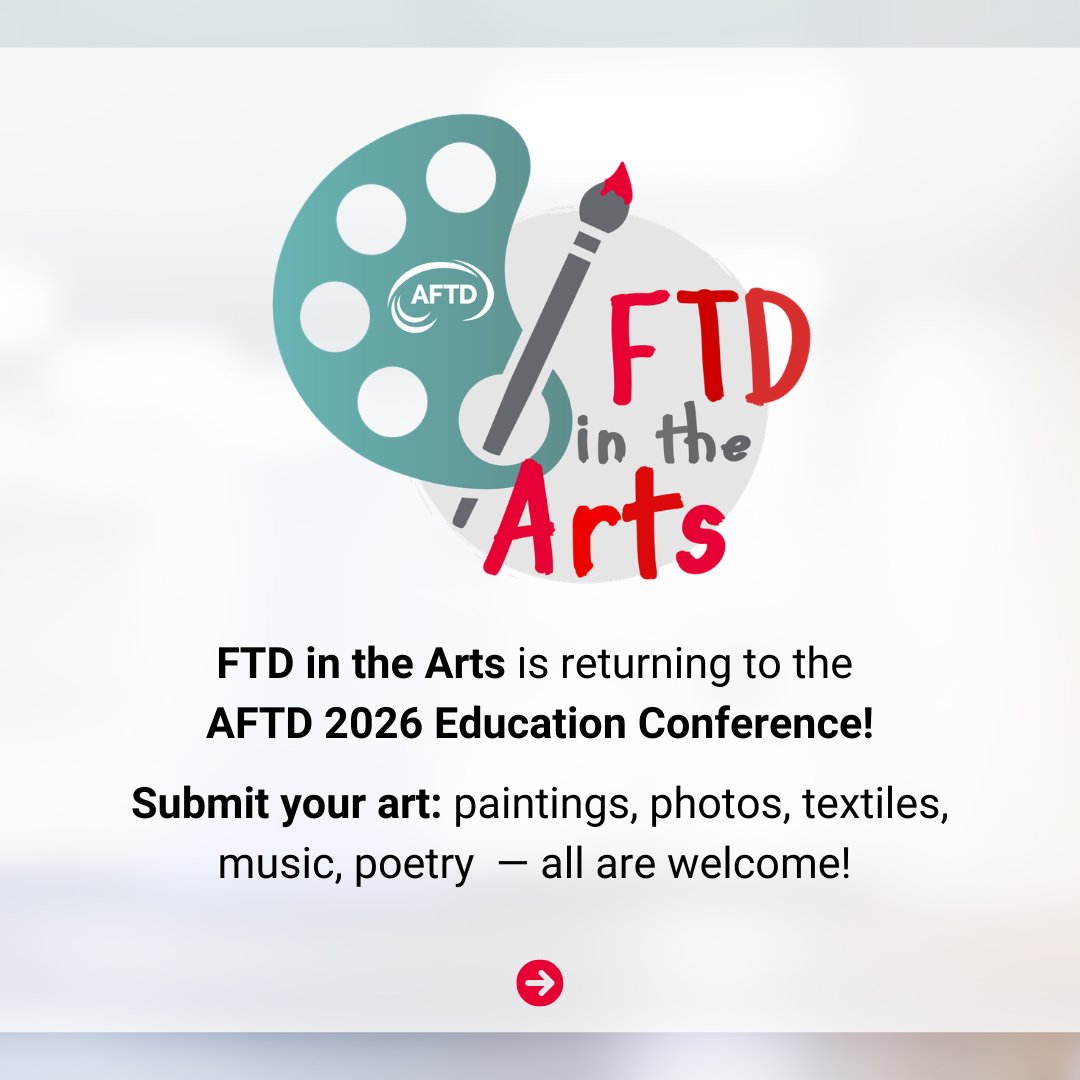
🎨 FTD in the Arts is returning to the AFTD 2026 Education Conference.
We invite people diagnosed, care partners, caregivers, and families to share their creativity and perspective through art. Paintings, photography, poetry, music, textiles, and more are welcome.
Take a look at some of last year’s entries, and feel free to submit your own by March 26: bit.ly/4sGp9An
ALT Promotional graphic for "FTD in the Arts" at the AFTD 2026 Education Conference. Features a palette and paintbrush icon with text inviting submissions of art, including paintings, photos, textiles, music, and poetry.
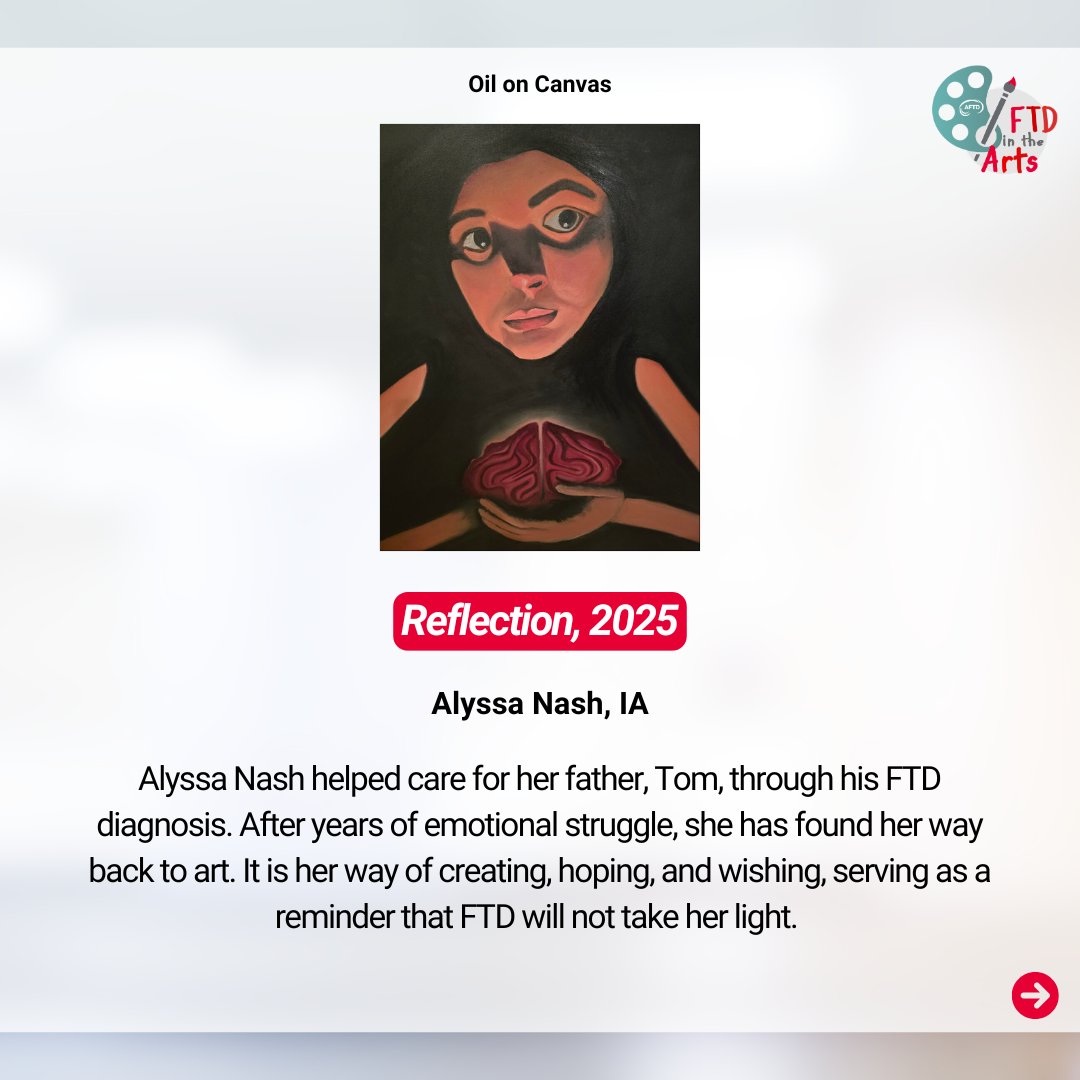
ALT Alyssa Nash, IA
Reflection, 2025
Oil on Canvas
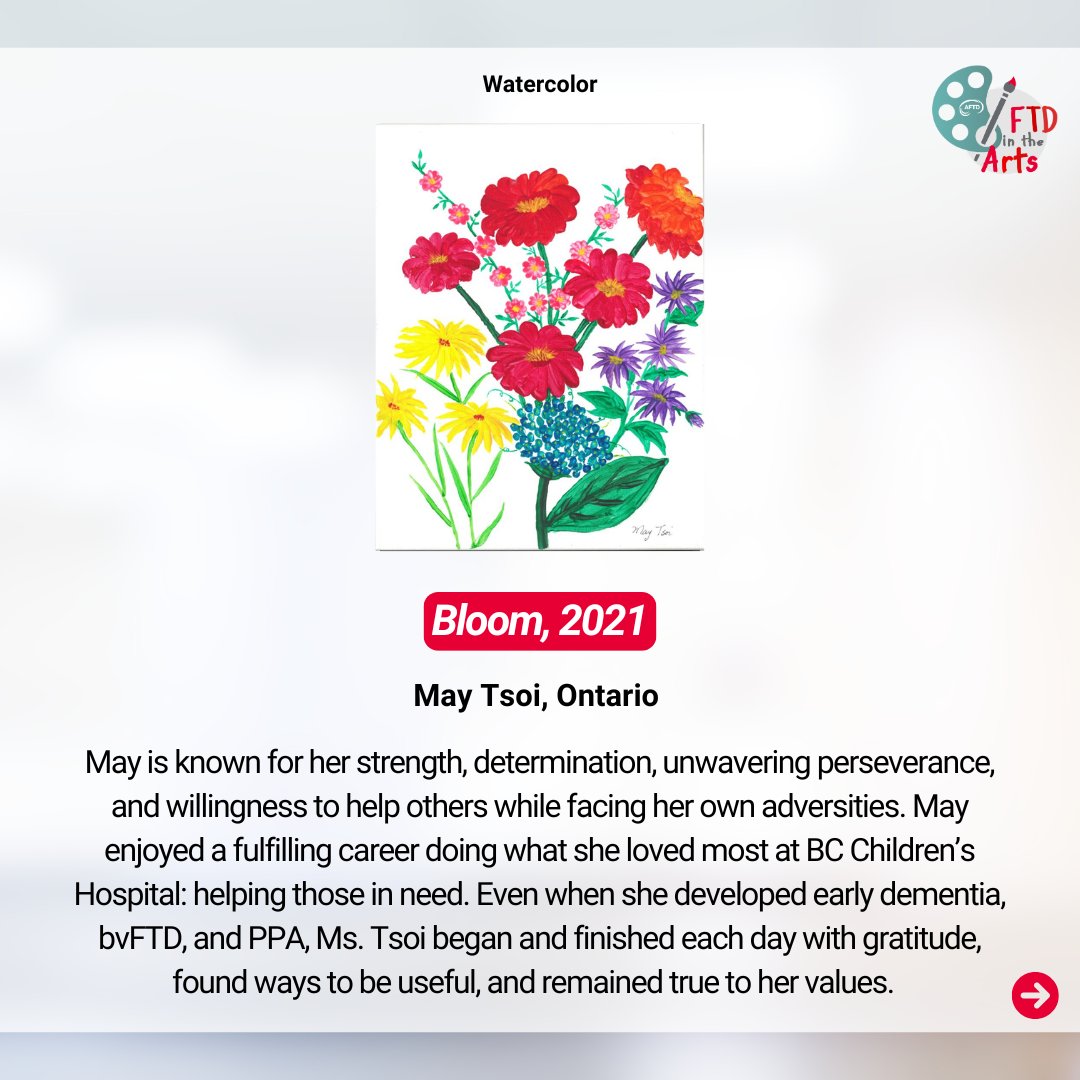
ALT May Tsoi, Ontario
Bloom, 2021
Watercolor
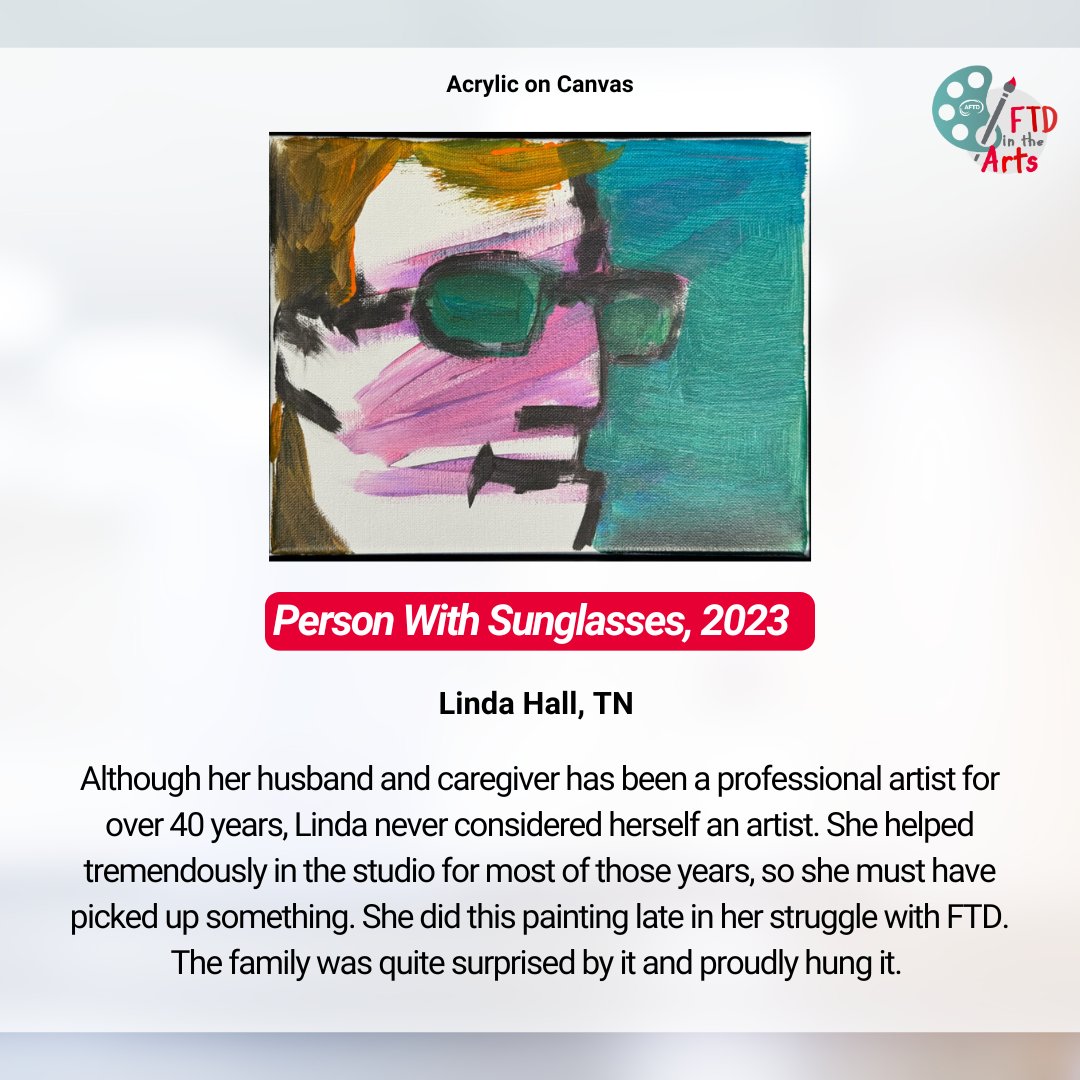
ALT Linda Hall, TN
Person With Sunglasses, 2023
Acrylic on Canvas