
On-Chain Commercial Real Estate | Ex-Merrill & Fidelity
Joined May 2013
- Tweets 1,217
- Following 1,496
- Followers 632
- Likes 4,307
345 Photos and videos





Adam Doerr retweeted

25 Nov 2025
The @Firelightfi dream isn’t just DeFi insurance.
The dream is programmable insurance.
With @Firelightfi, we obviously have plenty of very practical, near-term goals: making DeFi cover actually work at scale, giving LPs a sane risk/return profile, and protecting blue-chip protocols in a credible way. That alone will keep us busy for a while.
But the long-term ambition is bigger: use web3’s full expressive power to build a new kind of insurance primitive. Not just “on-chain paperwork,” but insurance that is composable, granular, and programmatically triggered.
Most insurance workflows today are completely static. You negotiate a bespoke policy, lock it in, and if there’s a claim it goes through a months-long manual review. Now imagine those workflows on-chain.
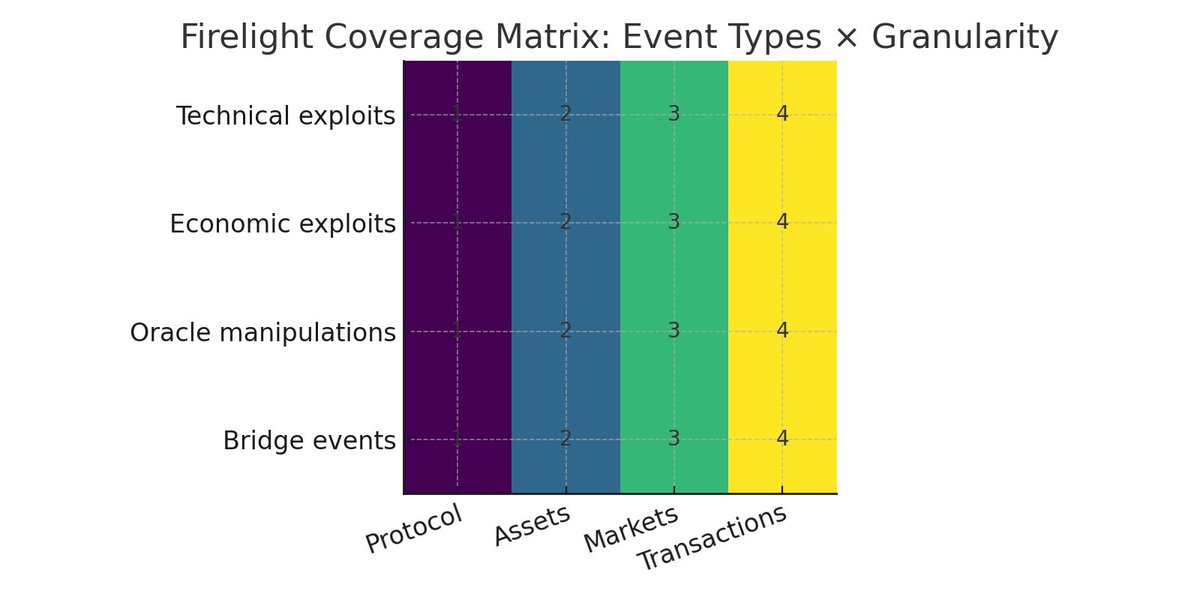
@Firelightfi starts by covering four core classes of DeFi events:
Technical exploits
Economic exploits
Oracle manipulations
Bridge events
Then comes scope. From a DeFi perspective, Firelight thinks in layers:
Protocol → Assets → Markets → Transactions
The deeper you go, the more interesting programmability becomes. At protocol level, it’s basically a big umbrella. At market/pool level, you can start to tailor behavior. At transaction level, things get wild.
Picture a user bridging assets, swapping on the destination chain, and bridging back. The source dApp could talk to Firelight, insure all three transactions before execution, and settle the premium after completion — flash-loan style flows, but for risk.
We’re not there yet with @Firelightfi . But that’s the direction of travel:
From “DeFi cover” → programmable insurance as a first-class web3 primitive.
14
67
215
19,529
Adam Doerr retweeted

24 Nov 2025
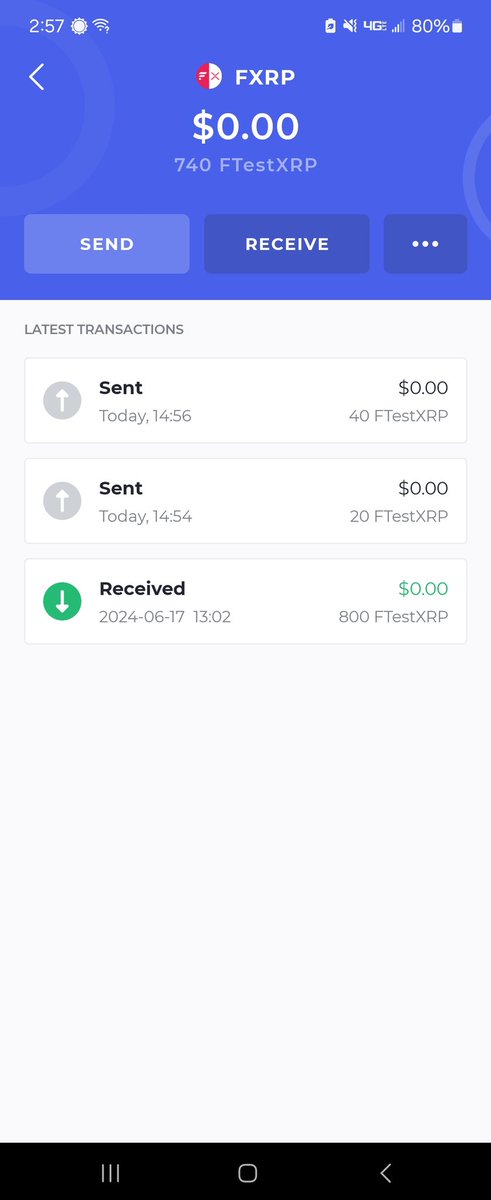
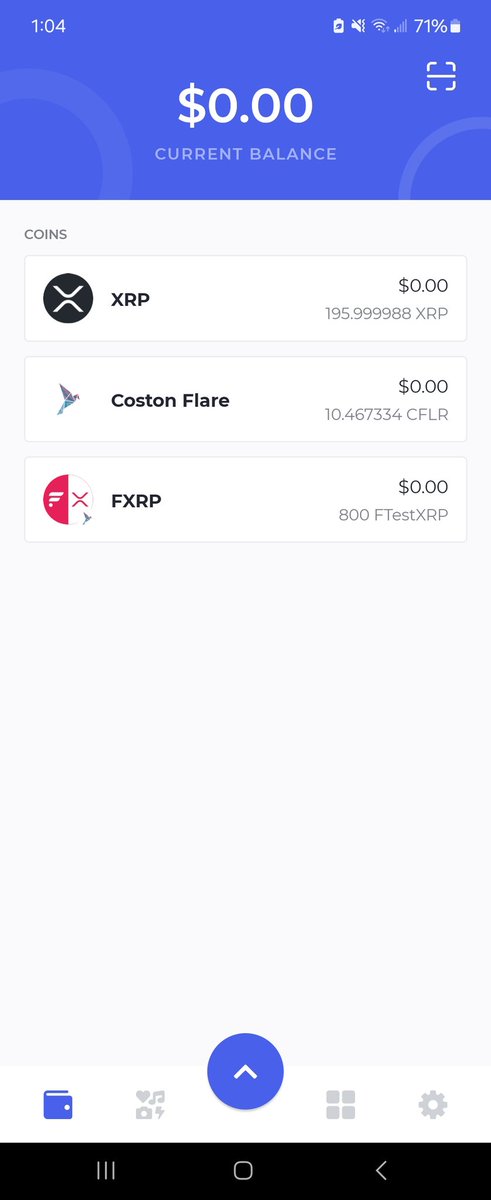
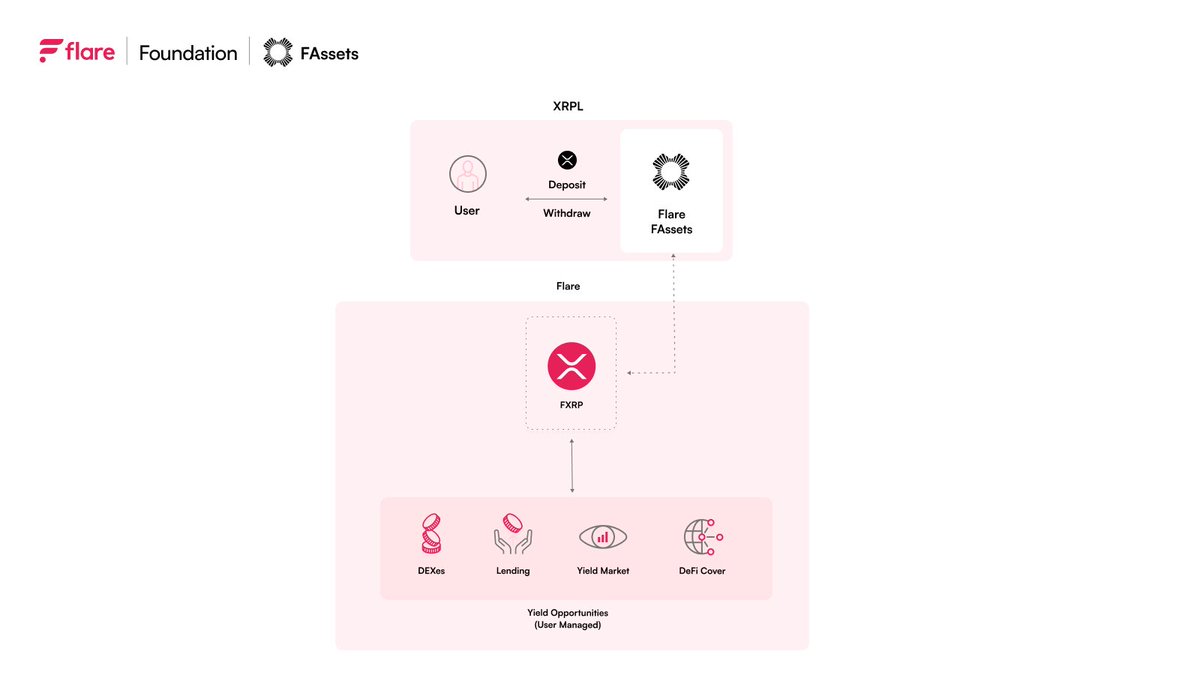
What is FXRP?
It’s XRP, brought on Flare so you can use it in DeFi.
FXRP unlocks utility so you can trade, lend, provide liquidity, and more all without giving up custody of your XRP.
And soon, when you stake through @Firelightfi, that same FXRP will earn yield as stXRP while staying liquid across Flare’s DeFi stack.
27
94
383
35,556
Adam Doerr retweeted

29 Oct 2025
🚀 Would you like a full roadmap for the next $XRP / $FXRP cycle?
XRP/FXRP Investment Strategy Report (2025–2030) is now live on @DefiBullWorld 🪙
✅ Step-by-step XRP accumulation plan
✅ Smart profit-taking strategy
✅ XRPfi yield matrix across XRPL & Flare with $FXRP
✅ Real risk tiers 5-year outlook
💡 Beginner-friendly. Professionally built. 100% free.
👉 Read now: defibullworld.com/blog/mSi0V…
#XRP #XRPL #FXRP #DeFi #FlareNetwork #CryptoStrategy #DefiBullWorld
3
21
69
3,847
Adam Doerr retweeted

31 Oct 2025
Devs are hearing good rumors about upcoming Flare Smart Account implementations. 💪
In its first iteration, FSA can allow for XRPL interactions to trigger onchain operations on Flare.
The flow is like this:
A user on the XRPL sends a normal payment to a special address but includes extra instructions inside the memo field. An operator then uses the FDC to fetch a verified proof that this XRPL payment really happened and sends that proof to a smart contract on @FlareNetworks.
Once verified, the user’s linked smart account on Flare automatically executes whatever actions were written in those original instructions.
Start building with Flare Smart Accounts here:
dev.flare.network/smart-acco…
3
26
84
6,778

14 Aug 2025
Woke up to "f*** this AI slop" as my notification this morning. What's this mean?
TRACTION
1
29
Adam Doerr retweeted

26 Jun 2025
I was listening to the X Space by @SentoraHQ, I believe it was. If I understood them correctly, we are looking at unlocking a lot of capital around the world with @FlareNetworks on an unrecognizable scale. Let's say you hold a million dollars in a non-dividend stock. You could take that stock and leverage the collateral value of that stock to pull out some of it for DeFi and earn a yield or what ever you want to do with your money!
4
9
45
1,880
Adam Doerr retweeted
27 Jun 2025
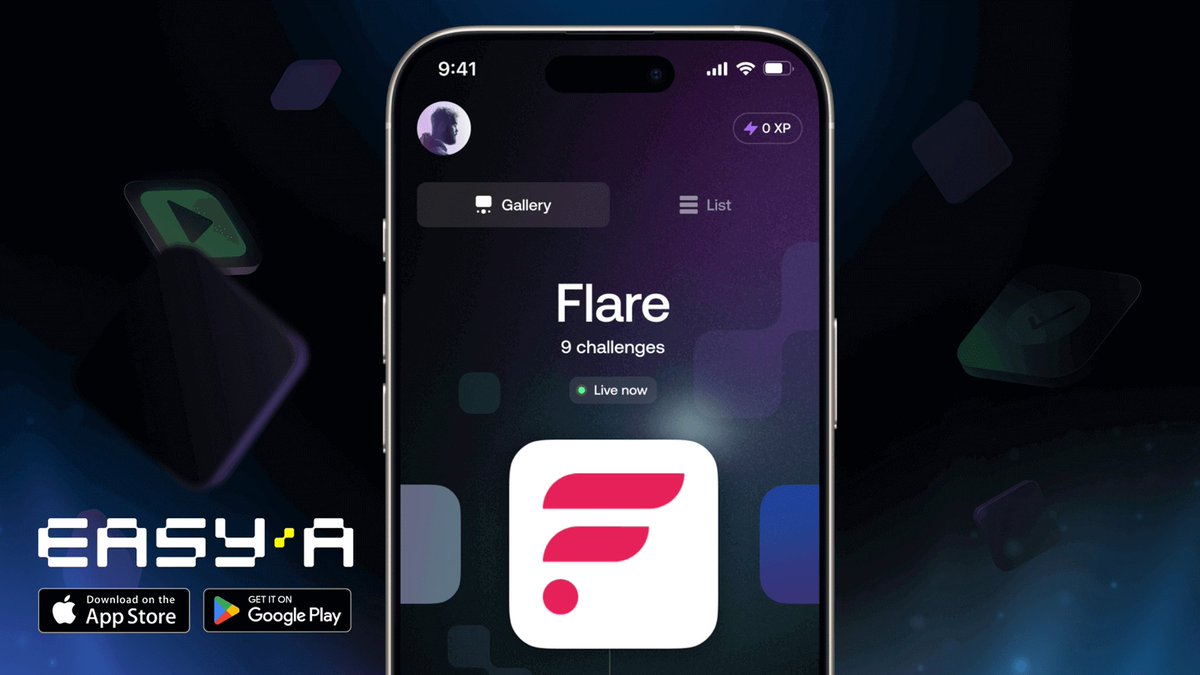
Flare just launched on @easya_app, and 1,000 devs have already started exploring the tech stack 🔥
Challenge 3 is live, have you started your journey yet?
This collab goes beyond mobile: an IRL hackathon is on the way!
26 Jun 2025

A whopping 1,000 new developers have already started learning about @FlareNetworks on EasyA 🚀
Now, it’s time to go deeper into Flare and what its DeFi ecosystem looks like. We’ll start off with FAssets and how they actually work! ☀️
Hop on in 📲
27
109
459
29,631
Adam Doerr retweeted
27 Jun 2025
3
12
46
8,079
15 Jun 2025
I'm learning about @FlareNetworks with @EasyA_App on my #60DaysOfFlare!
Exploring how Flare's enabling XRPFi.
Basically, allowing people to use XRP in DeFi.
23
Adam Doerr retweeted
5 Jun 2025
XRP is one of the most established digital assets, built on a strong foundation in payments and remittances. Now, there’s growing momentum to expand XRP into DeFi - and major players are taking notice.
But not all approaches are equal.
Some new projects are fully custodial and centralized: one party controls the minting, burning, and smart contracts - EVERYTHING. No decentralization. No community involvement. And good luck withdrawing to Xaman or Bifrost without extra fees and friction.
At @FlareNetworks, we offer users a different path.
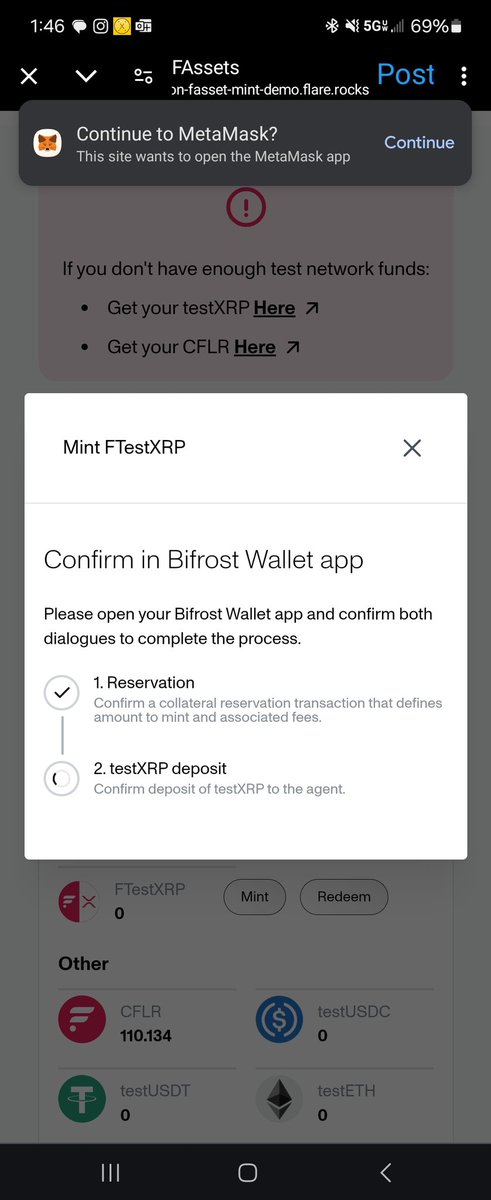
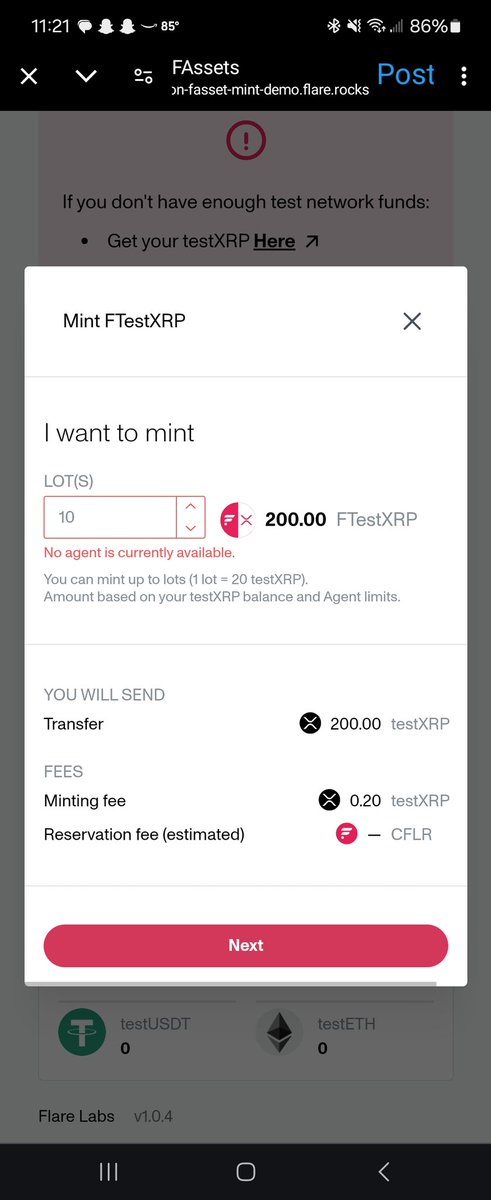
The FAssets system on Flare facilitates non-custodial, over-collateralized bridging of XRP. Smart contracts enforce strict risk controls, and the system is kept honest by independent Agents, Liquidators, and Challengers.
Bridging is just the beginning.
On Flare, XRP holders can lend, borrow, stake, restake, and mint synthetic stablecoins.
This is XRPfi: a new era of utility for XRP, powered by decentralization.
77
346
1,369
111,096
19 May 2025
My biggest money mistake that I don't share in public is that I wish I started investing and talking about investments sooner.
22
11 Mar 2025
Interesting read related to decentralized AI systems and potential solutions.
@FlareNetworks @CommunityFlare thoughts?
@hyperbolic_labs
review.stanfordblockchain.xy…
51
4 Mar 2025
I #StandWithCrypto. More than 1,000,000 people are already advocating for better crypto policy in America. Join the fight to receive email updates on crypto policy, invites to local events, and more. standwithcrypto.org/action/s…
38
27 Nov 2024
Plastics are choking our ocean, harming our communities, and threatening our health. @State_E @johnpodesta @BrendaMallory46, we need the U.S. to support ambitious measures at #INC5 for a strong Global Plastics Treaty. Let’s protect our future. only.one/act/plasticstreaty @onlyone
25
Adam Doerr retweeted
18 Jul 2024
The gates are open 👐
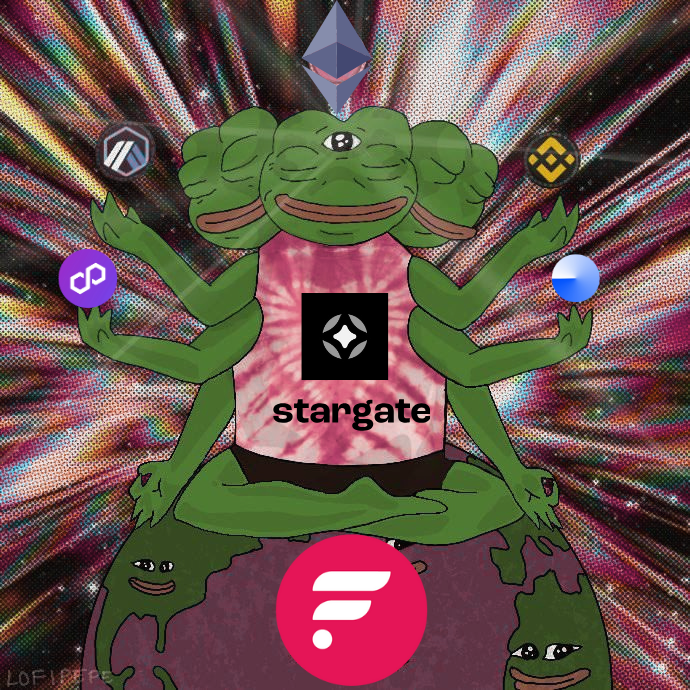
USDC, USDT, and ETH can now move seamlessly from Ethereum, Arbitrum, Polygon, Base, BNB Chain, and more leading chains to @FlareNetworks on Stargate.
See you on the other side ✨
43
263
761
40,665
Adam Doerr retweeted

28 Jun 2024
🔥 TRUMP RESPONDS TO BIDEN’S RAMBLING: “I really don't know what he said at the end of that sentence. I don't think he knows what he said either.”
29
99
580
23,517
Adam Doerr retweeted

27 Jun 2024
#StandWithCrypto is hosting debate watch parties in cities around the U.S.
Stop on by! (link to follow)
72
73
625
58,918
Adam Doerr retweeted

5
51
231
8,735