“None are more hopelessly enslaved than those who falsely believe they are free.” - 👩🏻🎓 Civil & Chemical Engineer
Joined June 2021
- Tweets 67,742
- Following 89
- Followers 6,550
- Likes 25,234
17,502 Photos and videos




Pinned Tweet

2 Jul 2025
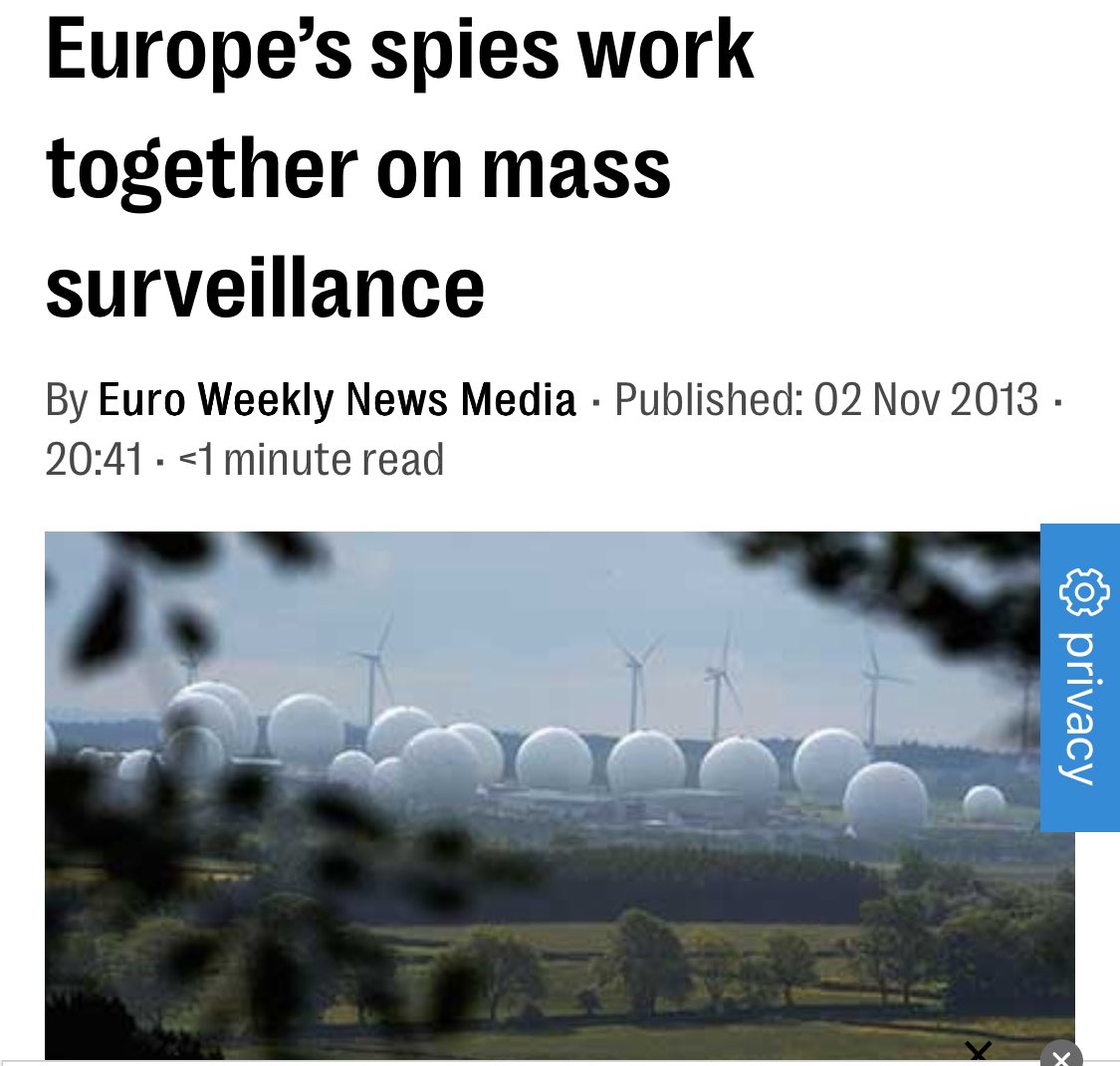
🇪🇺 Since 2013, under the command of the U.N. General Assembly documents have been leaked where the European Commission (EU) is working on a draft of mass surveillance to its own citizens.
All conspiracies, right?
Spy agencies across Western Europe are working together on mass surveillance of Internet and phone traffic comparable to programmes run by their U.S. counterpart denounced by European governments, Britain’s Guardian newspaper reported on Saturday.
The report is potentially embarrassing for governments, especially in Germany and France which have been the most vocal in protesting about U.S. mass surveillance of European communication networks revealed by Snowden since June.
euroweeklynews.com/2013/11/0…
4
38
58
9,240
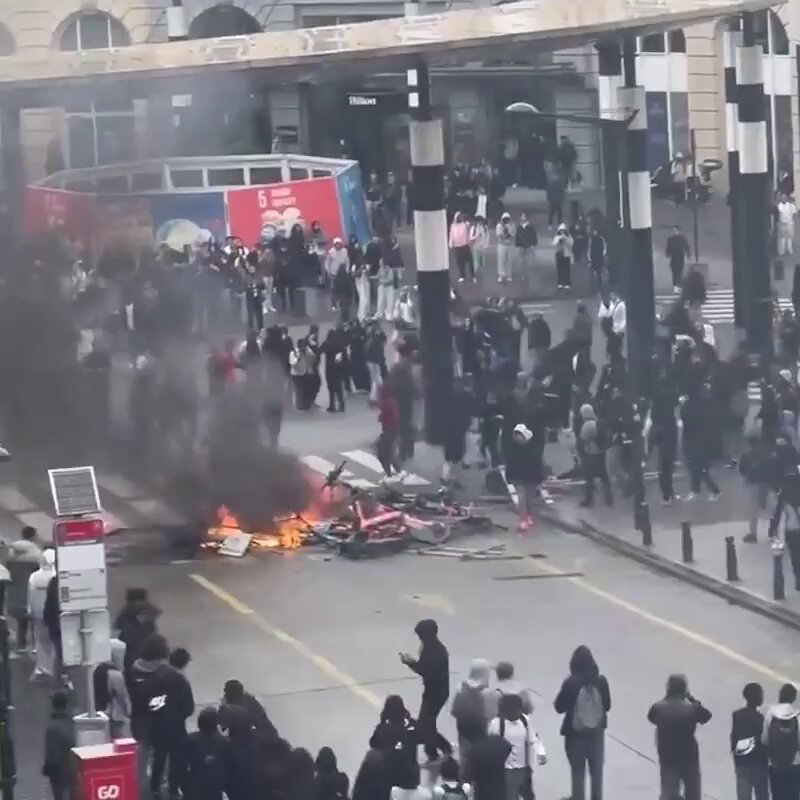
💶 “Europe Is Still Safe” — The Favorite Copium
When they smugly say,
“But statistically, Europe is still safe…”
When they deflect with,
“Europe is still safer than many other places…”
When they reach for nostalgia,
“Europe is still safer than it was in the ’90s…”
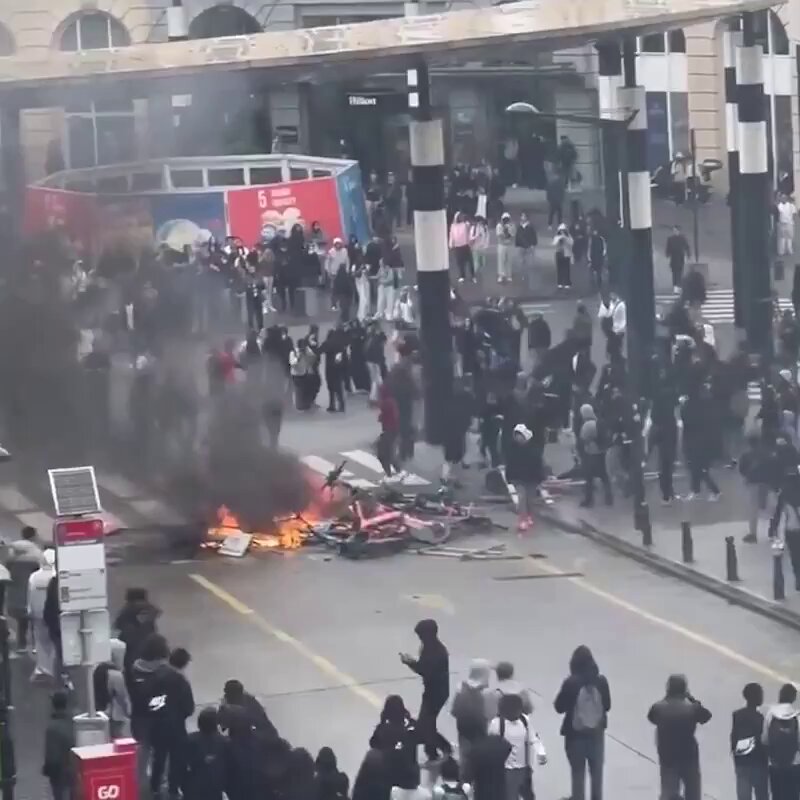
Show them this: Europe this past week. Just this past week.
1
10
10
980
Jun 7
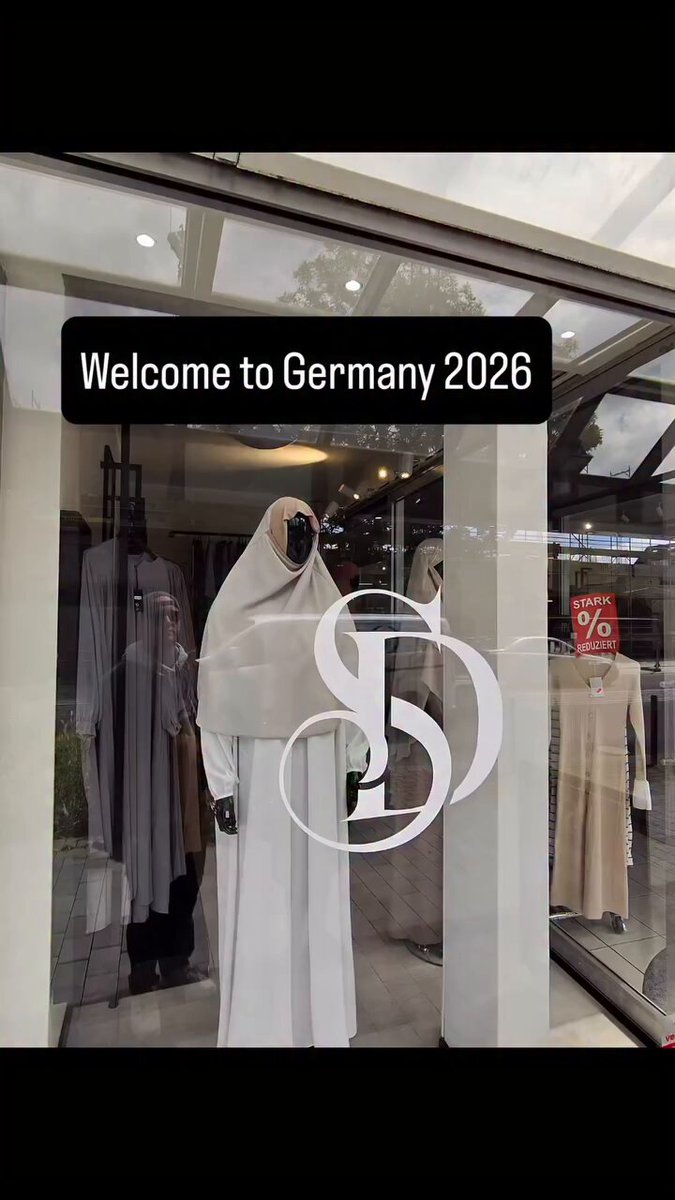
🇩🇪 The Duality of Women’s Rights in Europe – Germany’s 2026 Reality
In 2026 Germany, hijab and burka shops operate openly in major cities, selling garments many view as visible markers of a worldview where women’s bodies must be concealed for male honor and religious modesty. This coexists uneasily with Europe’s self-image as a champion of gender equality, individual autonomy, and secular public space. The contrast raises uncomfortable questions about cultural compatibility, integration failures, and selective application of feminist principles. mariam-col.com
Symbols of Oppression and Iranian Resistance
Hijab and especially full-face coverings like the niqab or burka are not neutral fashion choices everywhere. In Iran, women and girls have risked—and lost—their lives protesting mandatory hijab laws. The 2022 Mahsa Amini protests (“Woman, Life, Freedom”) and subsequent waves, including 2025–2026 demonstrations, saw hundreds to thousands killed by security forces enforcing dress codes. Protesters burned headscarves, faced shootings, and defied a theocratic regime that treats uncovered hair as a threat. en.wikipedia.org
Yet in Europe, these same symbols are imported, commercialized, and often defended as “diversity” or “religious freedom.” Critics argue this imports the very patriarchal norms Iranian women are dying to escape. Many Muslim reformers and ex-Muslims, such as Ayaan Hirsi Ali, document how strict interpretations of Islam correlate with higher rates of control over female sexuality, honor-based violence, and resistance to gender mixing in public. hoover.org
Merkel’s Admission (2010) and the 2015 Reversal
In 2010, Chancellor Angela Merkel declared that Germany’s multicultural experiment—“Multikulti,” the idea of parallel societies living happily side by side—had “utterly failed.” Immigrants needed to integrate, learn German, and accept constitutional values. theguardian.com
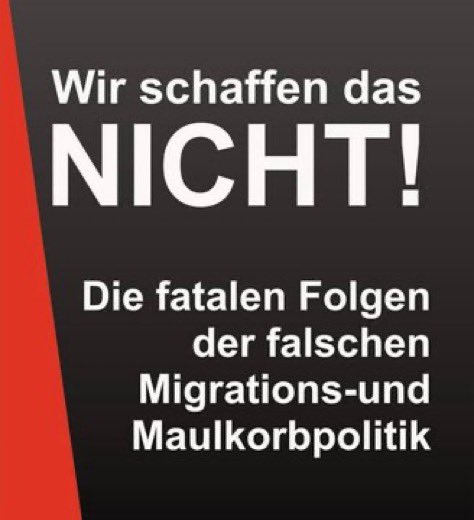
Five years later, in 2015, facing the migrant crisis, she proclaimed “Wir schaffen das” (“We can do this”) and Germany accepted over a million arrivals, predominantly young men from Muslim-majority countries. This policy shift occurred despite earlier warnings. Integration challenges persist: elevated rates of sexual offenses in some statistics involving non-Western migrants (e.g., Germany’s post-2015 rise in “offences against sexual self-determination”), grooming gang scandals in the UK, and parallel societies with lower female labor participation or support for certain gender norms. hoover.org
The Duality: Women’s Rights for Whom?
Europe prides itself on hard-won advances—reproductive rights, workplace equality, freedom from veiling mandates. Many countries have banned full-face veils in public spaces (France, Belgium, Austria, Netherlands, and others as of 2026) citing security, social cohesion, and women’s dignity. en.wikipedia.org Yet progressive voices often frame criticism of imported practices as “Islamophobia” or racism, downplaying data on attitudes toward gender roles, forced marriages, or FGM in some diaspora communities.
Polls and studies show varied integration: Muslim populations in Europe are not monolithic, but aggregate patterns reveal higher conservatism on issues like same-sex rights or female autonomy among more religious subsets, alongside real discrimination faced by Muslim women themselves. The result is selective feminism: condemning Western patriarchy while excusing or relativizing non-Western versions in the name of multiculturalism. This erodes social cohesion and public trust. populismstudies.org
Strong societies require shared values, especially on core human rights like women’s bodily autonomy. Importing large numbers from cultures with documented lower affinity for secular liberalism—without robust selection, assimilation demands, or pauses—tests the limits of any nation’s capacity. Iran’s streets show the human cost of enforced veiling.
🧶
2
6
12
3,055
Jun 7
Europe’s streets, with their modest fashion stores and integration debates, illustrate the policy tension. Ignoring cultural realities in favor of abstract ideals does not build cohesion; it risks diluting the very rights Europeans claim to defend.
The question remains: How long can this contradiction hold before pragmatic recalibration—tighter integration, cultural compatibility screening, and honest debate—becomes unavoidable? Truth-seeking demands acknowledging patterns over narratives.
1
2
142
Jun 7
🏦 PSYCHOPATHS RUN THE SYSTEM
That's the warning from investment banker Catherine Austin Fitts.
The former Wall Street insider says most people can't imagine a world where powerful institutions would seek greater surveillance, control, and influence over everyday life.
Why?
Because healthy people assume everyone shares the same values.
SPOILER: They don't!
Watch the full episode of The Alix Mayer Show out now on YouTube, or anywhere you get your podcasts.
YouTube: youtu.be/PN3ky9pdZZc?si=_s_3…
3
177
Jun 7
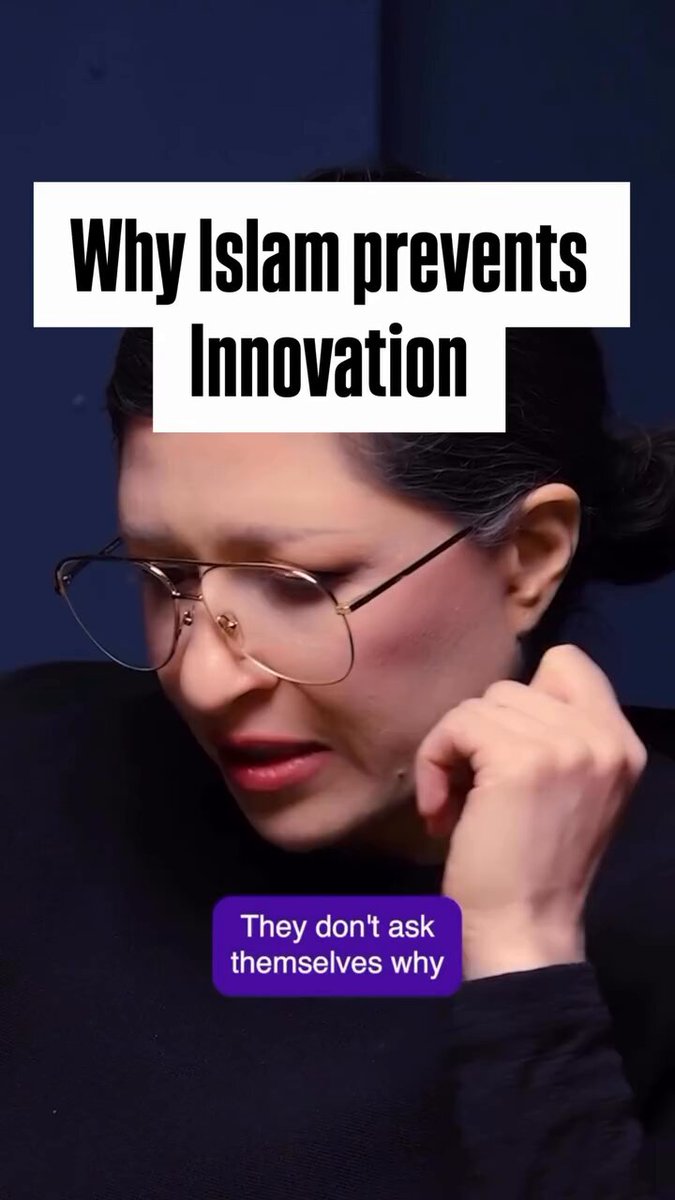
🇪🇺☪️ Why the EU and other authoritarian governments love Islam: total obedience without contradiction
Beliefs are not just random thoughts. Belief systems are frameworks that define what is true, what is moral, what is forbidden, and what can or cannot be questioned. The content of those beliefs matters.
If a society teaches that certain claims are beyond examination, that some conclusions must be accepted regardless of evidence, or that questioning core assumptions is dangerous, this creates tension with scientific reasoning.
Science operates differently:
• Question assumptions
• Test ideas
• Follow evidence
• Update conclusions when reality disagrees
Dogmatic systems often work differently:
• Certain truths are fixed
• Authority outweighs questioning
• Some topics become socially untouchable
Humans can compartmentalize. Someone can be deeply religious and still become an outstanding engineer, scientist, or entrepreneur.
But at a societal level, a legitimate question arises: What happens when large parts of education and culture reward certainty more than curiosity?
Innovation often emerges from challenging yesterday’s “untouchable truths.”
1
6
351
Jun 3
🧒🏻👦🏻Who Are the Real Racists?
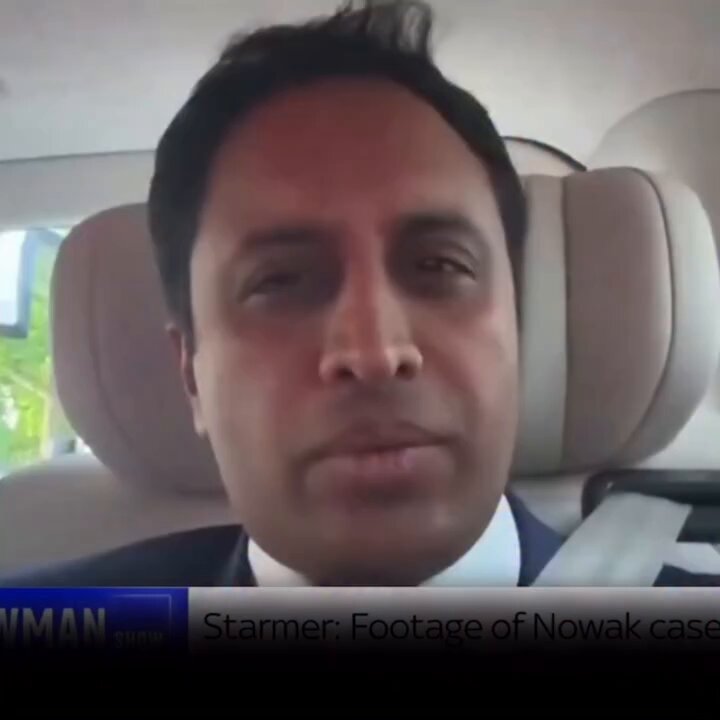
Henry Nowak must become the tipping point for the West.
For years, we have been branded racists, Nazis, and worse—simply for wanting safety, cohesion, and a peaceful society in our own homelands. We are told that noticing patterns of violence and cultural breakdown makes us the villains. Yet the brutal killing of Henry Nowak exposes the ugly truth: if the victim had been anything other than White, this story would have been treated differently. The media outrage would have been immediate, the politicians’ condemnations fierce, and the narrative crystal clear.
Instead, police reportedly believed the killer’s fabricated claim of “racism” and handcuffed a dying 18-year-old rather than rushing to save his life. This is not an isolated failure—it is the predictable result of years of ideological conditioning.
The left has weaponized labels—racist, bigot, far-right—to divide and silence us while advancing an agenda that prioritizes outsiders over citizens. They opened our countries to millions, demanding endless tolerance and generosity. In return, many newcomers along with their enablers now discriminate against us because we are White. They are the real racists: those who judge, attack, and dehumanize based on skin color while screaming “racism” at anyone who defends their own people.
Our governments have abused the goodwill of Western populations for too long. That line has now been crossed.
How many more Henry Nowaks and Iryna Zarutskas must die before we say enough? Iryna was murdered a year ago. How many others have been killed for being White—cases that never made headlines and were quickly buried or reframed?
This must end now.
We will no longer accept being disarmed by guilt, silenced by slurs, or sacrificed on the altar of someone else’s ideology. The West belongs to its people, who have the right to safety and cultural continuity in their ancestral homelands. Anything less is not compassion—it is self-erasure.
The real racists are not those asking for secure borders and lawful societies. They are the ones who cheer when White victims are ignored, excused, or blamed. The time for denial is over.
5
29
64
4,525
Jun 2
🇺🇳 The UN: From Defender of Human Rights to Global Deceiver
No institution wielding such power should operate without direct accountability to the people it claims to serve. The United Nations is a prime example: an unelected body with a history of causing more harm than good, shielded by near-total lack of transparency and zero meaningful accountability.
Mainstream media outlets routinely invoke “UN experts” or “UN human rights experts” as authoritative voices. But who are these individuals? A major new report from UN Watch exposes many as anti-Western ideologues who have accepted millions in funding from China, Russia, Qatar, and aligned radical networks—while using their UN platforms to advance those donors’ interests.
The Pattern Is Clear
Virtually every major supranational policy or pressure campaign pushed on Western nations in recent decades bears the UN’s fingerprints:
• Moves toward centralized global governance
• “15-minute cities” and related urban control models
• Health and climate mandates
• Mass migration policies that many describe as demographic transformation rather than genuine humanitarian efforts
…
Compare the trajectory of the West with that of Eastern authoritarian powers. Western societies have undergone decades of internal erosion—socially, culturally, and economically—while dictatorships in Beijing, Moscow, and elsewhere have consolidated influence through international institutions. The contrast is stark.
The evidence is overwhelming: UN mechanisms often prioritize geopolitical agendas over genuine human rights. Special rapporteurs and experts operate with diplomatic immunity and no real oversight, even when conflicts of interest are blatant.
Time for Reform — or Replacement
Democratic nations cannot continue subsidizing an institution that routinely shields abusers while undermining the free societies that fund it. Greater scrutiny, defunding of compromised programs, and a fundamental rethink of unaccountable global bureaucracies are long overdue.
Link for further research: linktr.ee/unitednationswatch
Video from @HillelNeuer from
@UNWatch
3
5
610
Jun 1
🙇♀️ TOXIC FEMININITY
PSYCHIATRIST SAYS "WOMEN ARE DESTROYING THIS COUNTRY" — AND THE INTERNET IS MELTING DOWN
I’m a woman and I agree with him: just look around and most culprits will be women.
Psychiatrist Dr. Mark McDonald is going viral after appearing on The Edit Alaverdyan Podcast and making one of the most controversial statements of the year.
His claim? "Women are disproportionately destroying this country."
But that's only the beginning. According to McDonald:
- America (and Europe) has become afraid to criticize women
- Society constantly calls out male flaws but ignores female ones
- Weak men are enabling the problem
- Fathers are failing to step up
- And what he calls "toxic femininity" is driving some of the most destructive cultural trends in the country
McDonald argues that many of America's (and Europe’s) biggest problems aren't political at all. They're symptoms of a deeper imbalance between masculine and feminine influence.
The comments immediately exploded:
- "This man just said what millions are thinking."
- "This is one of the most controversial takes I've heard all year."
- "He's identifying a real problem nobody wants to discuss."
- "Blaming women for society's problems is insane."
Now the internet is completely divided over whether Dr. McDonald is exposing a real societal problem, wildly oversimplifying complex issues, or saying something most public figures are afraid to say.
Be honest... who do you think is doing more damage to society right now: toxic/ weak men or toxic women or both?
6
7
20
2,315
Angelus iustitiae retweeted
May 31
I'm sorry, but you can't hate the left enough.
Who gave them the right to destroy our countries and culture so they can remain forever in power? Who gave them the right to steal someone else's money, property, or things because they are too lazy, too dumb, or too greedy?
I'm fed up with the fake high-ground morality of the so-called socialists, who love to live in hyper-capitalist countries with all the comforts that come with it. You can't hate socialists enough.
24
122
585
18,285
May 31
🇪🇺 How the EU Should Be Versus How the Parasites in the EU (and Our Governments) Made It
What if all of Europe worked more like Switzerland?
🚄 Trains among the most punctual in the world.
📈 One of the highest GDPs per capita in Europe.
🗳️ Citizens vote directly on major issues several times per year.
🚔 Consistently ranked among the safest countries globally.
📚 Strong vocational education system with low youth unemployment.
🩺 High-quality healthcare and long life expectancy.
👔 Stable business environment that attracts global companies and investment.
🤐 Political neutrality and a tradition of compromise rather than confrontation.
Of course, Switzerland is smaller, wealthier, and has unique historical advantages. Not everything can simply be copied.
But imagine a Europe with better infrastructure, lower crime, stronger finances, more direct democracy, more political cooperation, and better education.
Would Europe become stronger, wealthier, and more united—or would Swiss-style policies only work in Switzerland?
The biggest mistake was allowing the EU to have a Franco-German mentality.
Let us unite and rectify this. The time is now.
1
2
640
May 30
🇺🇳 The Art of Deniability
The UN admits that it is not its job to verify information. It just collects unverified allegations from activist groups and passes them off as fact.
This is how the UN launders all their information.
6
11
285
May 28
🇩🇰 “To the Western leaders:
- Your time is up!
- Your borders are fading.
- The unity of the Islamic brotherhood is taking form.
The sons of Islam have already pledged that this battle is either a battle of victory or martyrdom.
We reject your flags.
The call for jihad has started and it won’t be long before it is you that will be feasted upon.”
The religion of love and peace!
What more do you need to see?
They are coming for you... they tell you that, and you still ignore it.
Wake up before it’s too late.
17
90
164
22,393
May 25
🤖 AI - Yuval Noah Harari
The people at Davos (WEF) are not asking this question because they are curious. They are asking it because they are building the answer.
An AI that controls the interpretation of law controls the law. An AI that controls the interpretation of scripture controls the religion. An AI that controls the narrative controls what is true.
They told you the plan at the World Economic Forum in 2026, in public, on camera, to a room full of the most powerful people on the planet.
4
3
327
May 24
🤡 You woke?
A 2018 BBC video on wokeness has aged almost too well, because the people in it still feel painfully familiar today.
This reel looks at how an old clip captured a whole cultural type that never really went away.
Funny on the surface, but it says something about modern media, identity politics, and the people still acting like this today.
1
8
346
May 23
🇪🇺 My generosity has been abused by the government (and also by another “government” not even elected by me - the EU), and I’m sick of it.
“For 40 years I have obeyed the law and followed the rules. Not once in my life have I received any of the benefits that have been spoken about here today. If I can’t work, there won’t be a Social Security check waiting for me when I can no longer work.”
Tell me you don’t feel the same. This Cape Cod resident unloaded during a public meeting—and he spoke for millions.
He made it clear: Americans are exhausted from footing the bill, being ignored by their leaders, and then labeled “uncompassionate” for speaking up.
The situation in Europe is no different. I’m tired of being called “uncompassionate,” racist, or extreme for wanting a country where I can live in peace, surrounded by a culture I recognize, speaking the language I grew up with, and enjoying the freedom to live as I choose. That birthright is being eroded by policies that protect the elite while the rest of us bear the costs.
Those who push these policies walk around with bodyguards, live in gated communities, and are shielded 24/7 from the consequences they’ve created for everyone else.
No more. I’m drawing a line in the sand.
1
14
67
3,396
May 22
💭 "There is no left or right. There's only up or down." —Ronald Reagan
So why do our governments always consciously choose the down path of totalitarianism?
1
2
7
132
May 21
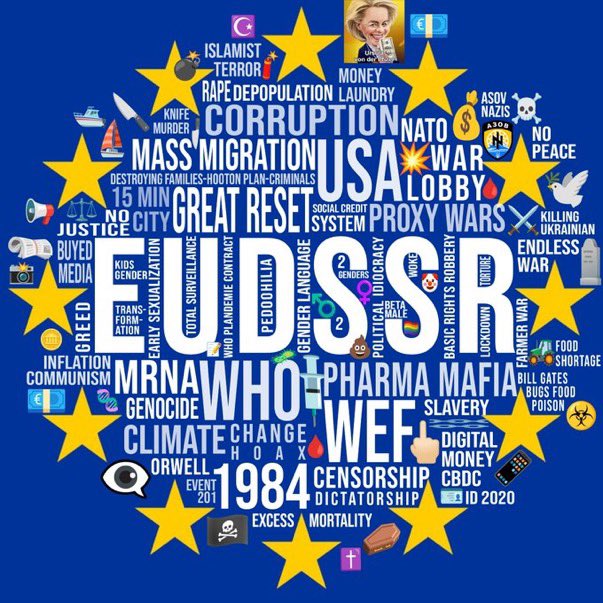
🇪🇺 The European Union was modeled on the Soviet Union.
Both have a parliament.
Both claim to be democratic.
The difference is that in the Soviet Union the parliament had no power to create laws because everything was predetermined by the unelected Politburo.
The EU chose the exact same structure.
Central banks are central planners.
Central planners love this model because it gives them control without accountability.
The solution is not more centralized control with better intentions.
The solution is decentralization, which could be colloquially translated as giving "power to the people."
As many small local banks as possible, as little central planning as possible, and money that no single institution can manipulate.
We do not need a central bank.
1
23
36
4,103
May 20
🇪🇺 We are at war… with Germany again.
Europe is being destroyed from within for the third time by Germany.
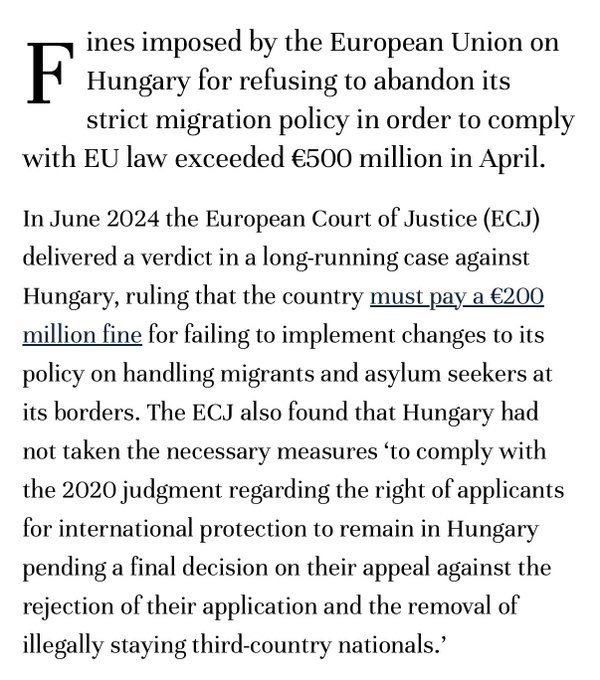
Recently, a huge pushback against illegal immigration passed in the European Parliament, only to be dismantled by Ursula von der Leyen in one act: making illegal immigrants legal.
Of course they gave it a nice name, as usual—slogans and empty words: Talent Partnership, where talents are harvested from Muslim countries.
Europe keeps being used as a warning, a model, and a political weapon, depending on who is speaking.
But when demographics, borders, culture, and safety are pushed into one emotional debate, the truth gets harder to see.
Is the public being given honest data...
Or just fear on one side and silence on the other?

🇪🇺 DE DEPORTATIE-FALLACY:
DE GROTE MIGRATIESCHELM VAN DE EU
De Europese Unie heeft opnieuw haar meesterschap in het “shell game” bewezen: een cynisch spel van politieke goochelkunst om een boze kiezer te kalmeren, terwijl ze exact dezelfde beleid blijft voeren dat die woede veroorzaakt.
Eind maart 2026 stemde het Europees Parlement met veel tromgeroffel voor zogenaamd “strengere” deportatieregels.
Hoofdlijnenmedia riepen het uit als een “historisch keerpunt” in de migratiecrisis. Maar de inkt was nog niet droog of de EU lanceerde alweer nieuwe Talent Partnerships met Bangladesh, Marokko, Egypte, Tunesië en Pakistan. Ziet u het patroon? Allemaal moslimlanden.
En wat doet de Belgische regering? Zoals altijd: braaf volgen, zonder kritische vragen. Een postje in Brussel, ver van de eigen kiezer, blijkt belangrijker dan ons land, onze cultuur, onze veiligheid en onze economie.
Dit is de deportatiefallacy in pure vorm: de belofte van uitzettingen is een rookgordijn om een nog grotere instroom te verbergen.
De stemming in het Europees Parlement op 26 maart 2026 (389 tegen 206) oogde indrukwekkend. Er kwamen “deportatiehubs” in derde landen en versnelde procedures voor afgewezen asielzoekers. Een duidelijke poging om de groeiende conservatieve en nationalistische golf te sussen. Maar zoals elke doorgewinterde Brussel-volger weet: een stemming in het Parlement is nog ver verwijderd van de realiteit op de grond.
Waarom volgen we niet gewoon het voorbeeld van Orbán? Laat ze er niet in in plaats van onze economie verder onder druk te zetten met “hubs” en procedures. Waarom niet gewoon de grenzen sluiten, zoals de VS met zichtbaar succes heeft gedaan?
De juridische hordes, mensenrechtenprocedures en het gebrek aan medewerking van herkomstlanden maken van die hubs waarschijnlijk een illusie — een wortel voor de kiezer om revolte te voorkomen. Terwijl de kiezer werd afgeleid met stoere praat over deportaties, tekende de Commissie op 8 april 2026 een nieuw akkoord met Bangladesh om duizenden extra arbeiders uit dezelfde regio binnen te halen.
Dit is de ultieme hypocrisie: stemmen om illegaal gekomen mensen uit te zetten, terwijl de voordeur wagenwijd opengezet wordt voor duizenden meer uit exact dezelfde landen. Een draaideur waarbij alleen het papierwerk verandert.
De retoriek van “arbeids tekorten” is het favoriete excuus. Maar waarom promoten dezelfde linkse regeringen dan al jaren kleinere gezinnen en abortus? Zou het niet logischer zijn om eigen bevolkingspolitiek te voeren — met grotere families — zodat we het tekort oplossen met mensen die onze cultuur, waarden en geschiedenis delen?
Dit verhaal negeert bovendien de miljoenen werkloze Europeanen en de druk op lonen voor de eigen arbeidersklasse. Door “talent” uit Bangladesh en andere moslimlanden te importeren, lost de EU geen economisch probleem op, maar creëert ze een sociaal probleem. Integratieproblemen, druk op overheidsdiensten, criminaliteit en erosie van nationale identiteit worden genegeerd ten faveure van goedkope arbeid voor multinationals.
Dit hebben we eerder gezien. Met Merkel. En dat is “uitstekend” afgelopen, nietwaar? Hoge criminaliteit, gebrekkige integratie, terreuraanslagen, verpauperde wijken.
De EU negeert bewust de culturele en veiligheidsimplicaties — of erger, omarmt ze. De keuze voor Bangladesh, met zijn groeiende radicale islamistische beweging en politieke instabiliteit, is veelzeggend.
Dit is geen bron van “talent” dat vlot integreert. Veiligheidsrisico’s, cultuurclashes en radicaliseringsgevaar worden weggewuifd door Brusselse ambtenaren die meer bezig zijn met quota dan met de stabiliteit van ons continent.
1
2
9
1,794
May 19
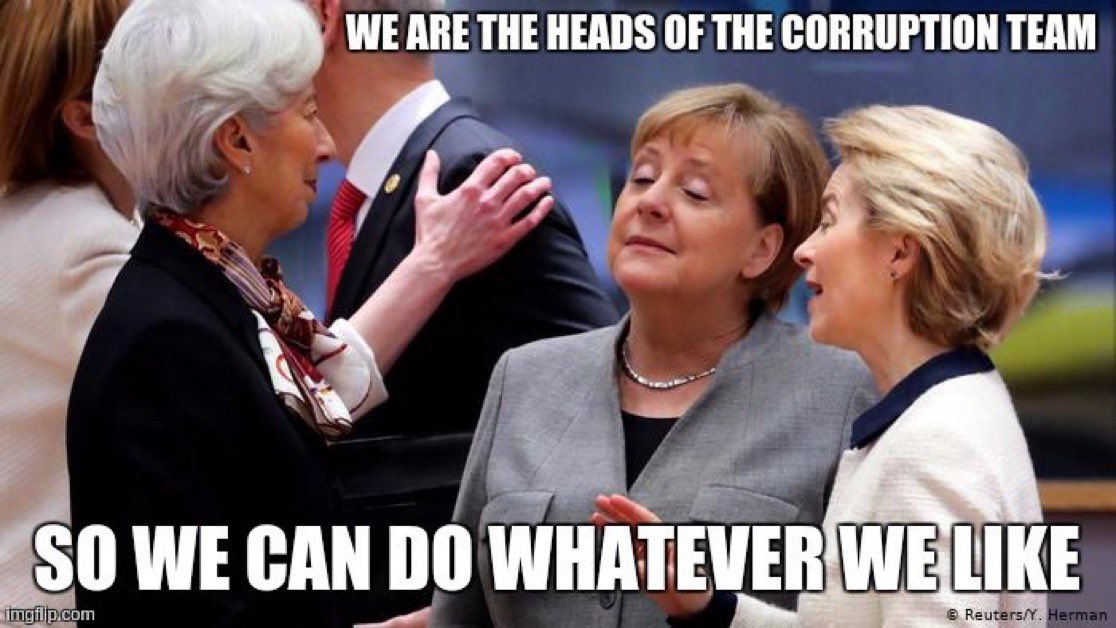
🇪🇺 Angela Merkel: Medal of Horrors for Destroying Europe (the EU always on the bad side of history)
Angela Merkel is one of the most divisive figures in European and EU politics. She stewarded the EU during the financial crisis amid accusations of bias towards Germany at the expense of southern states. Her legacy includes policies that increased Europe’s dependence on Russian energy and her constant appeasement of Vladimir Putin—policies that led to the biggest energy crisis in Europe since the Second World War and the current invasion of illegals destroying our lands and cultures.
Not content with the destruction she caused, this insufferable woman has called on the EU to maintain strong regulations on social media and artificial intelligence, warning that lack of accountability and the rapid spread of lies threaten the foundations of democracy.
Her place is in jail, not receiving honors, as MEPs led by Sebastian Tynkkynen clearly stated and demonstrated during this abhorrent show in Strasbourg (yet the EU isn’t happy wasting money just in Belgium; they need two different countries to make corruption easier).
12
76
151
7,587
May 19
Bellow the video from Merkel calling for censorship and to wave away democracy in Europe (credit @_david_brg ) and also the video where she admitted that open the doors of Europe for illegals was a big mistake.
2
14
22
1,009