
French scientist living in Australia doing #stats on marine and terrestrial species to understand the links between #evolution and #cancer. Part of @CANECEV.
Joined August 2014
- Tweets 2,191
- Following 418
- Followers 345
- Likes 3,199
202 Photos and videos
Pinned Tweet

21 Feb 2024
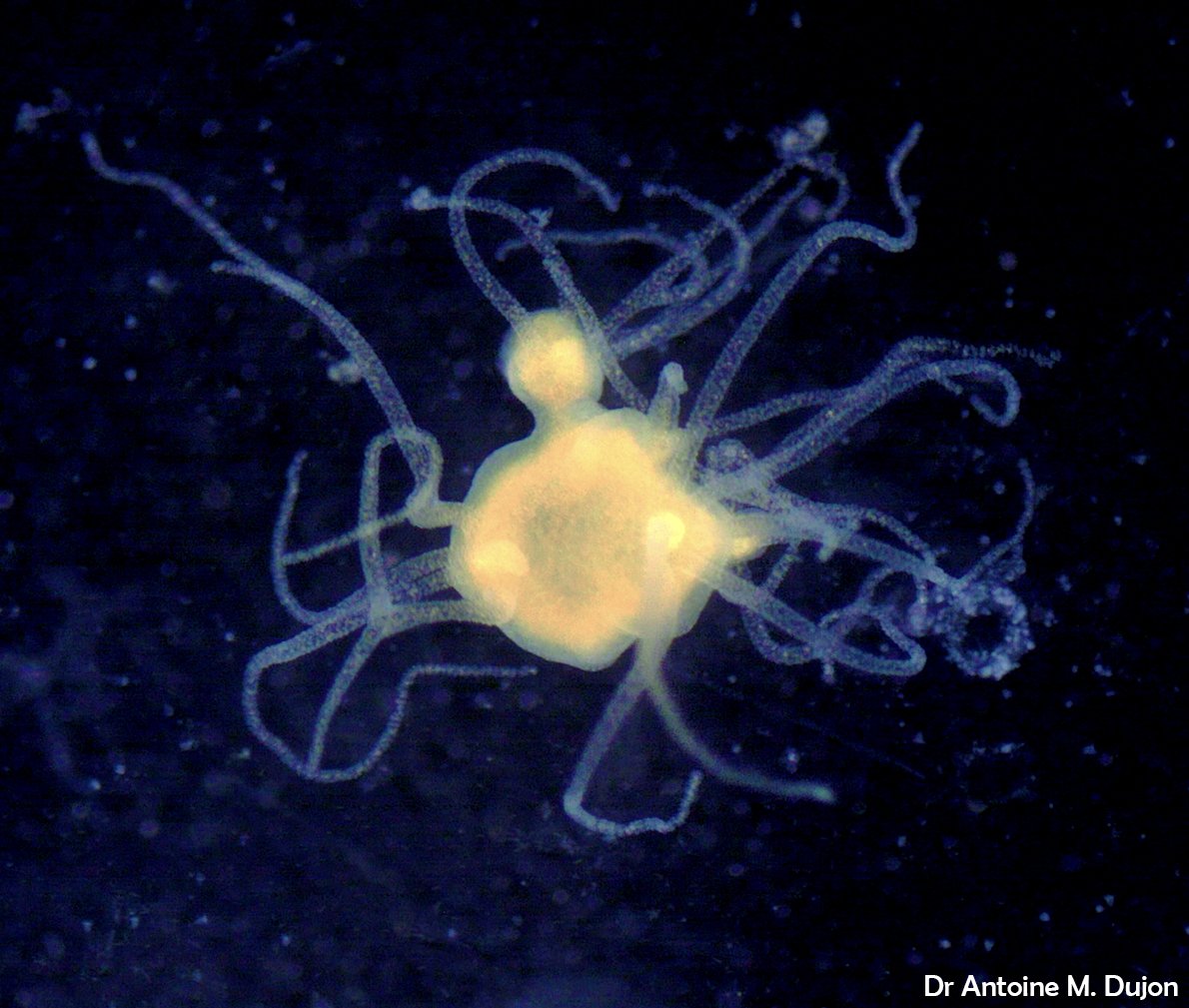
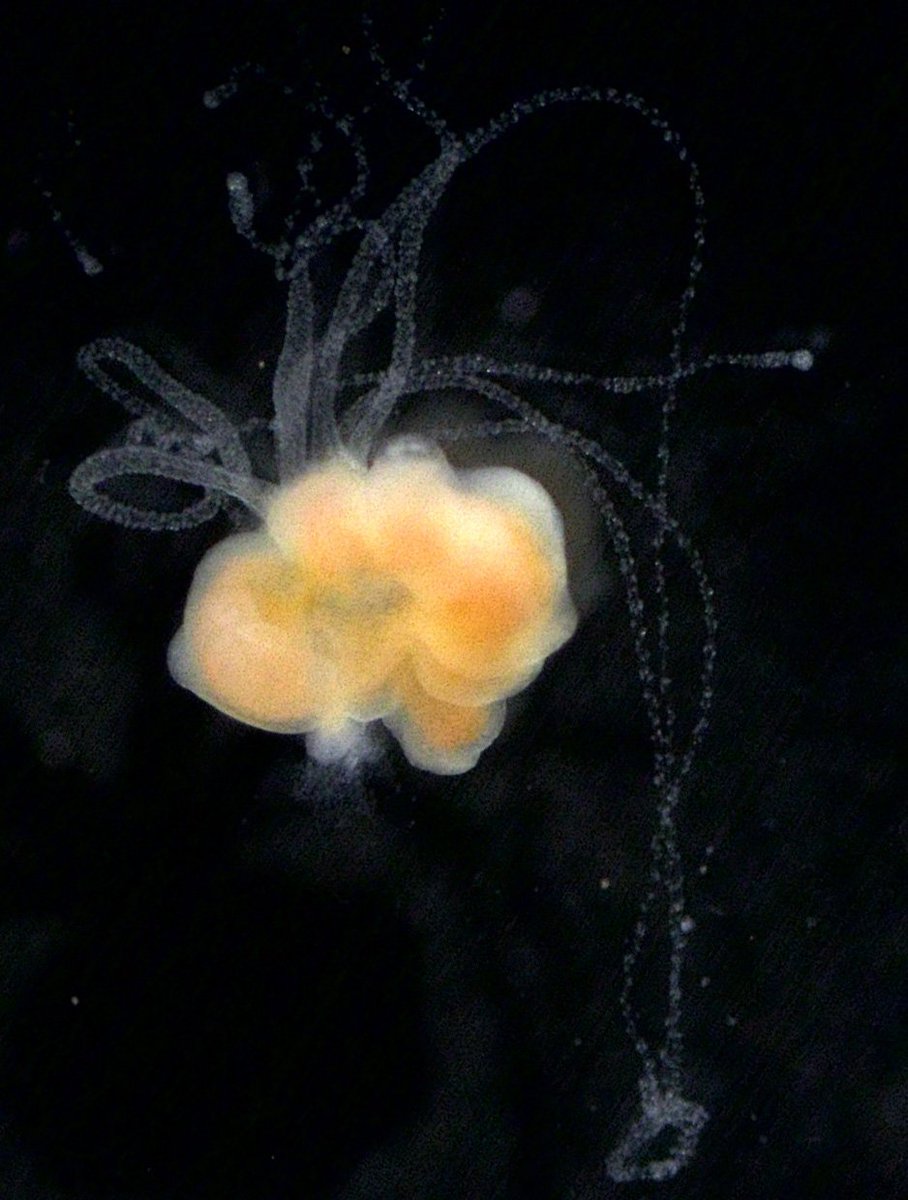
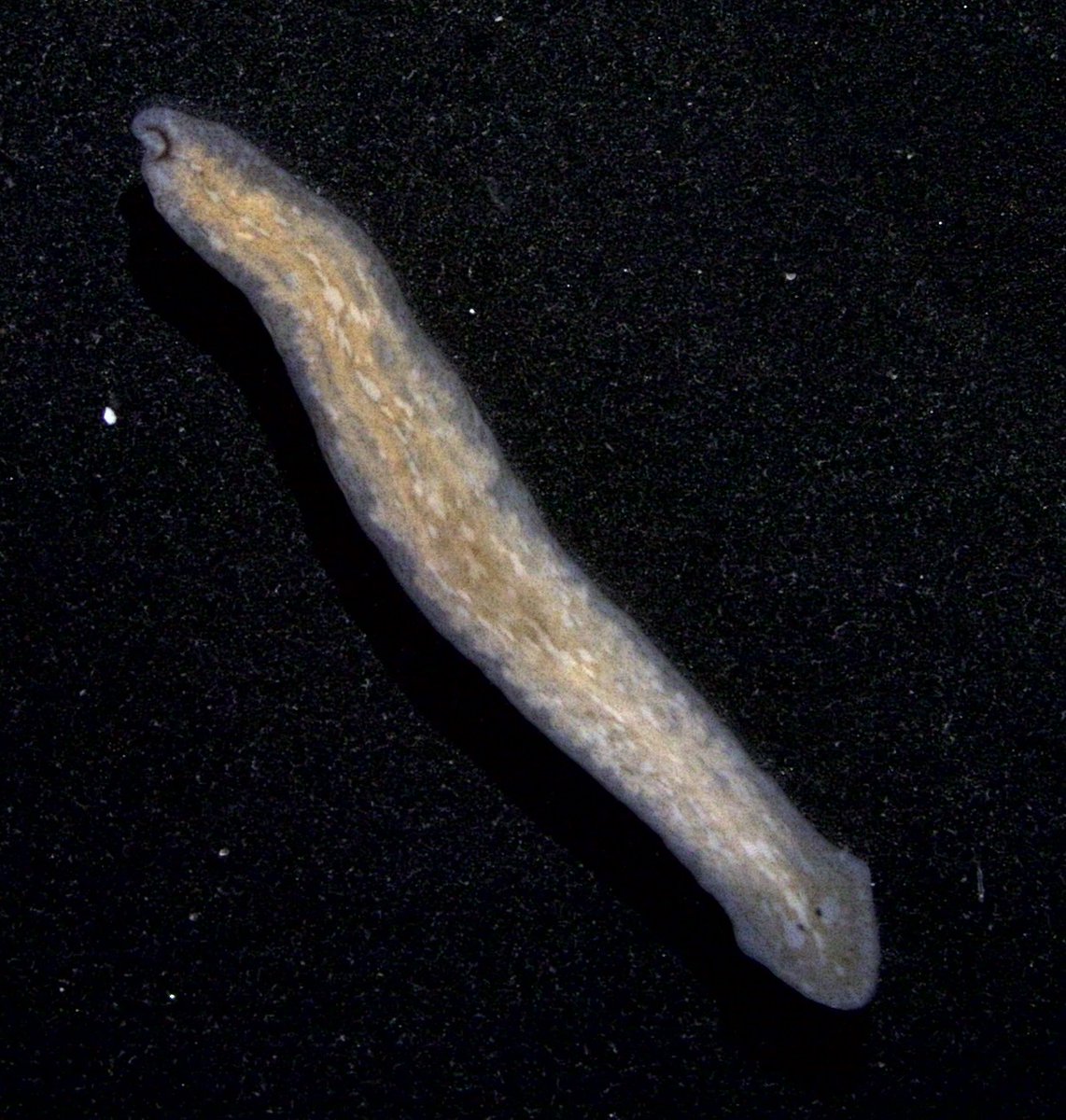
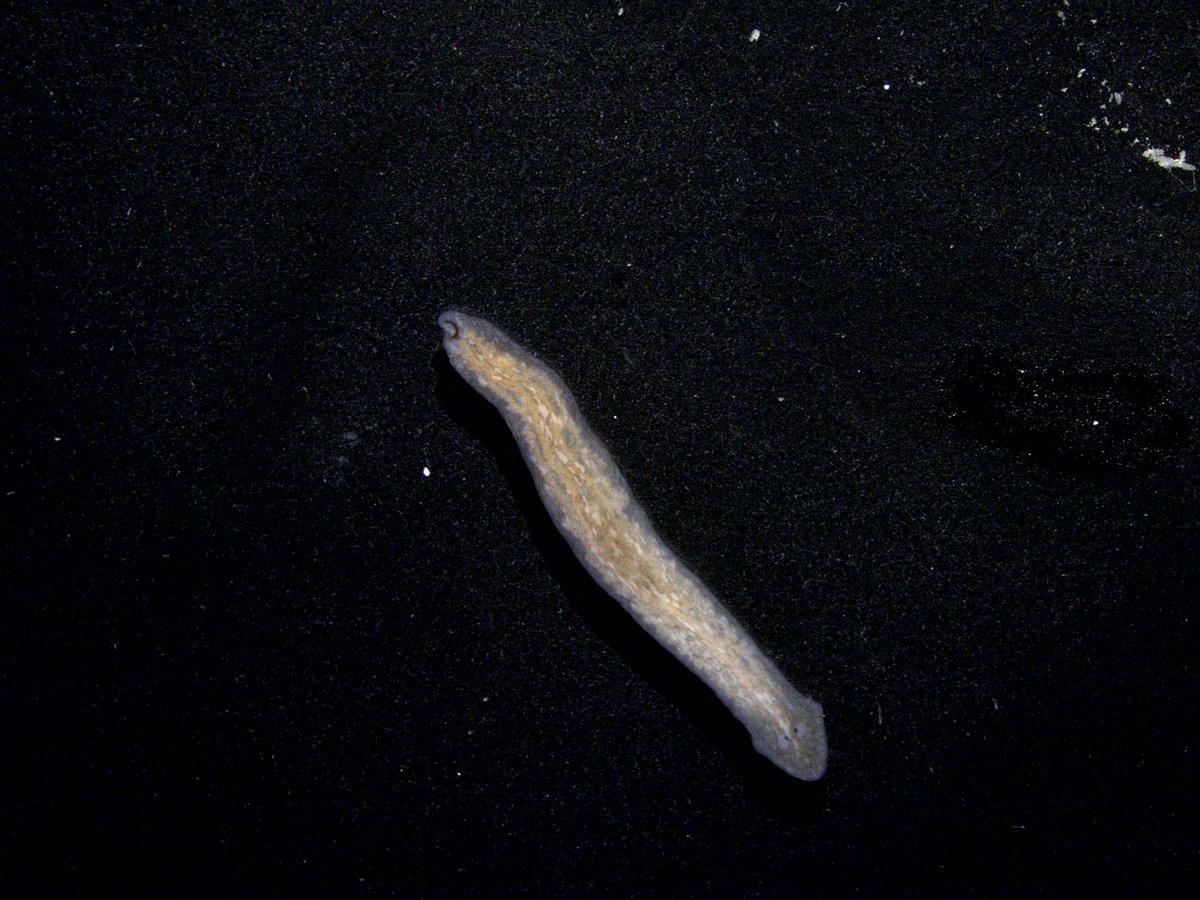
New study in @royalsociety investigating how a short term sublethal exposure to a cancer risk factor affects the behaviour of a freshwater planaria and how it recovers from the damages over time.
Link to the paper:
royalsocietypublishing.org/d…
2
5
7
1,618
Jun 10
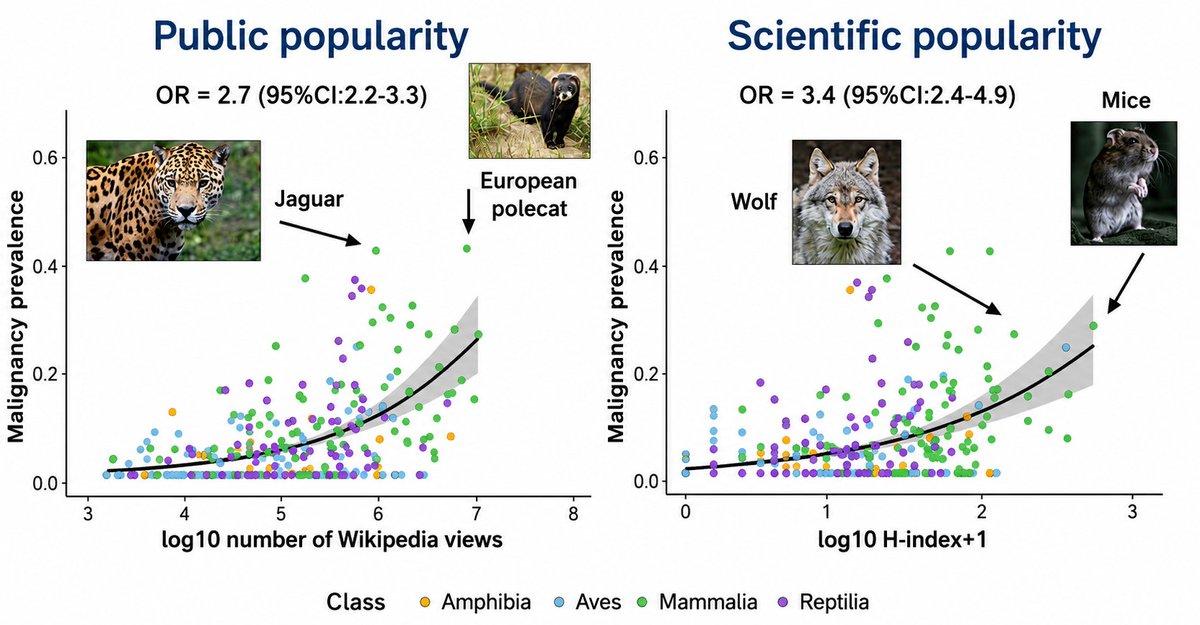
Do popular species really have more cancer, or are we simply better at finding it?
Our new study shows cancer prevalence in captive animals is strongly linked to species popularity, highlighting major sampling bias risk in comparative oncology datasets.
doi.org/10.1098/rspb.2026.05…
1
1
3
71
Apr 26
Don't really have the choice those days. If you want to show your paper is genuine you need at the very minimum to share the raw data and all the code used to generate the analyses. But soon this won't be enough... and I am not too sure how to demonstrate the work is genuine.
Apr 23

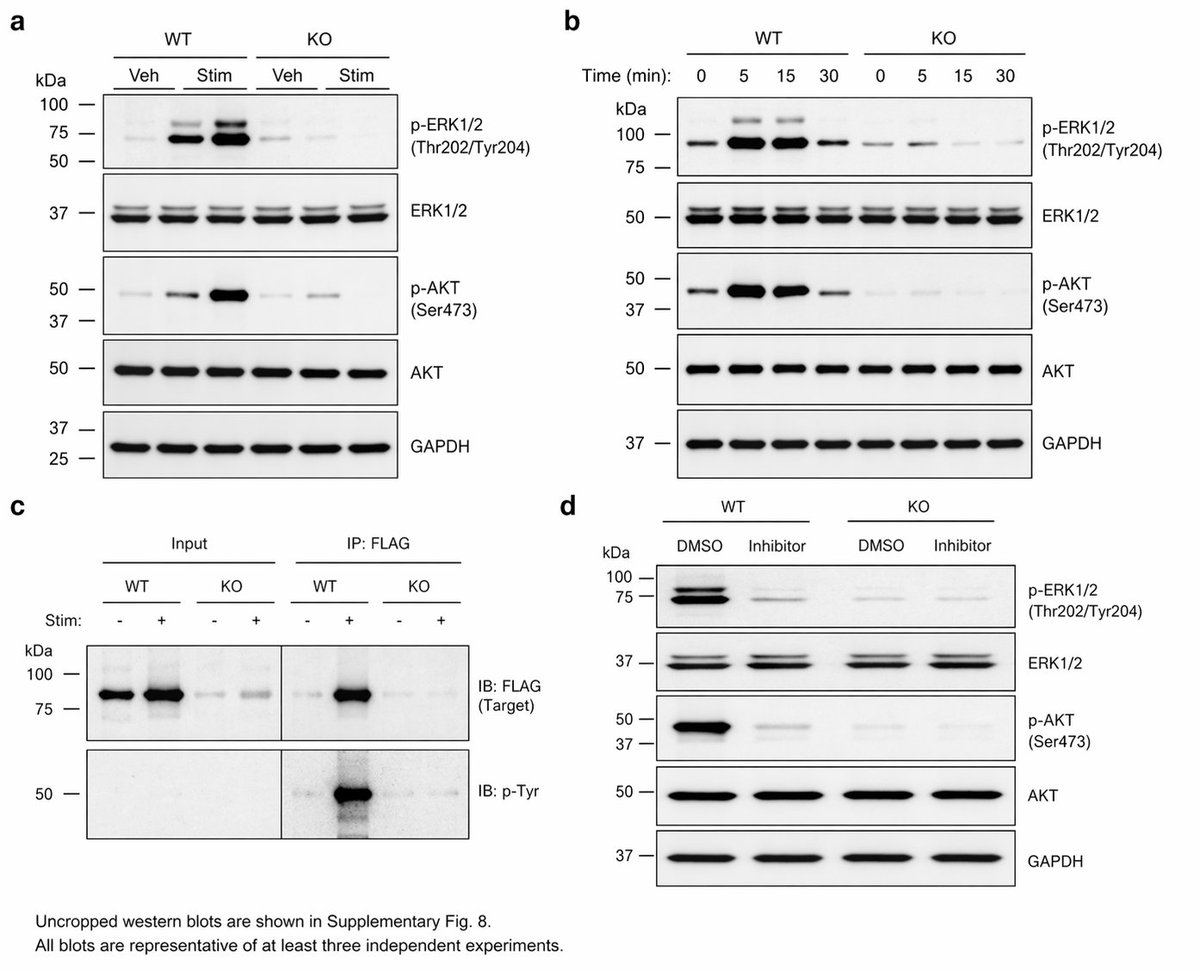
⚠️All of the below images were FABRICATED by ChatGPT Images 2.0, each with a single prompt❗️ ⚠️
47
10 Dec 2025
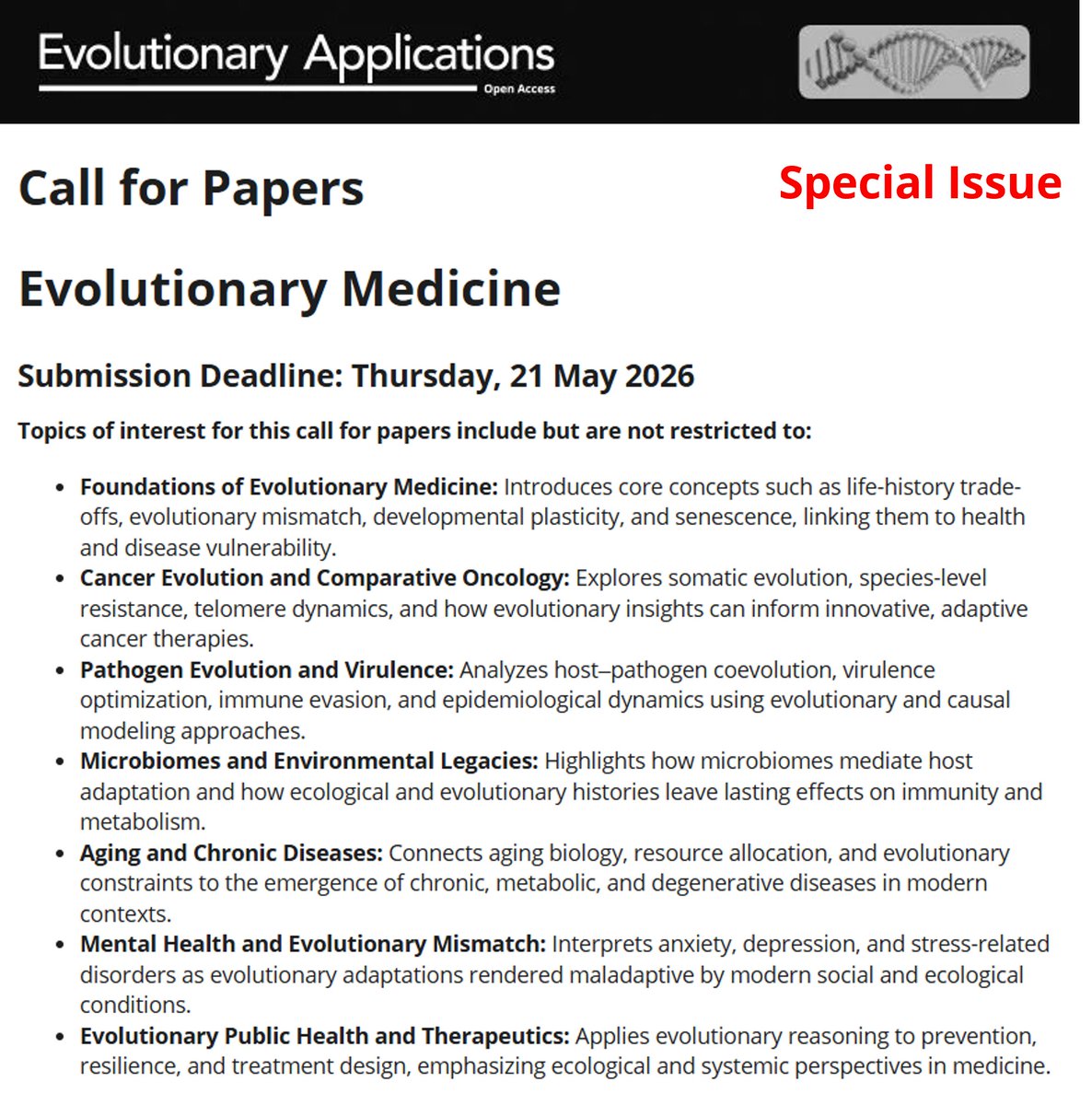
🚨 📰 Evolutionary Applications is launching a special issue on the theme of Evolutionary Medicine for which I am honoured to be an editor. 📰🚨 LINK BELOW 👇 👇👇
1
46
10 Dec 2025
Both original research and synthetic reviews are welcome. Join us in showcasing how evolutionary perspectives can transform medical sciences.
1
1
28
10 Dec 2025
New IScience paper (link to the article bellow):
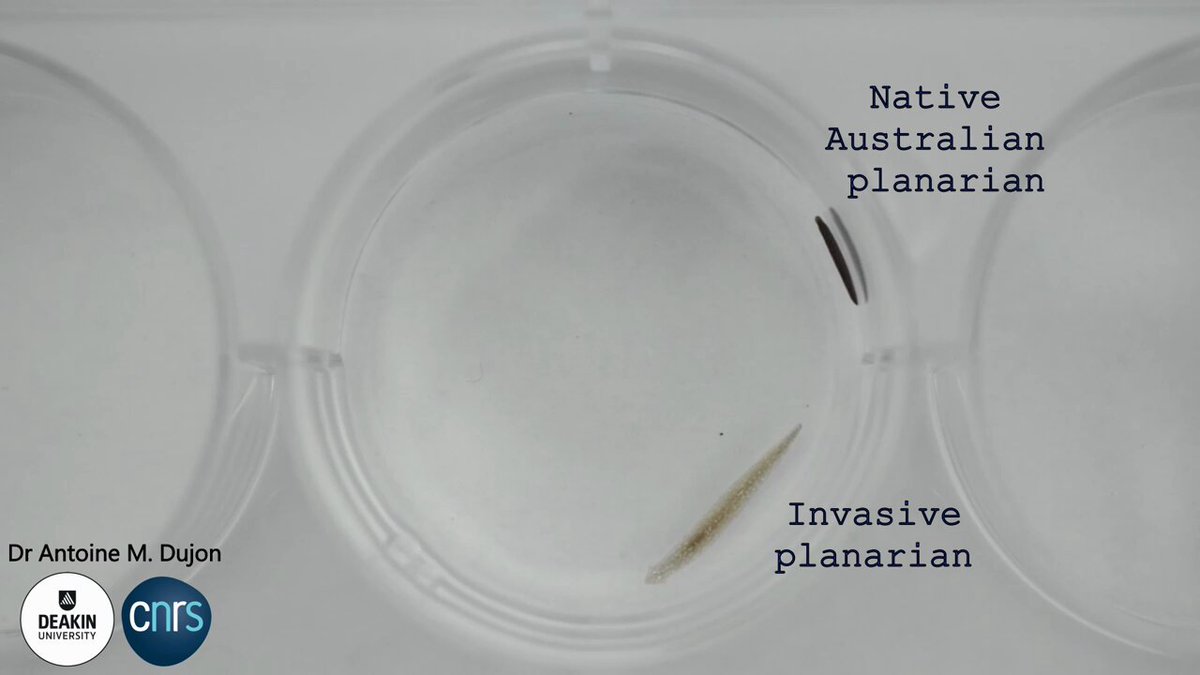
Invasive species that are really good with dealing with DNA damages and repairing them are a problem for our ecosystems and we tested this using freshwater planaria. (1/4)
1
39
10 Dec 2025
We investigated the impact of sublethal DNA damage on the ability of an invasive planaria species, very common in Australian urban ponds, to consume a native Australian species. (3/4)
1
26
10 Dec 2025
We found that even with heavily damaged DNA, the invasive planaria species, while slowed down, is still able to consume the native planaria, highlighting how invasive species that can tolerate DNA damage are still able to persist in the environment and harm native fauna. (4/4)
27
9 Dec 2025
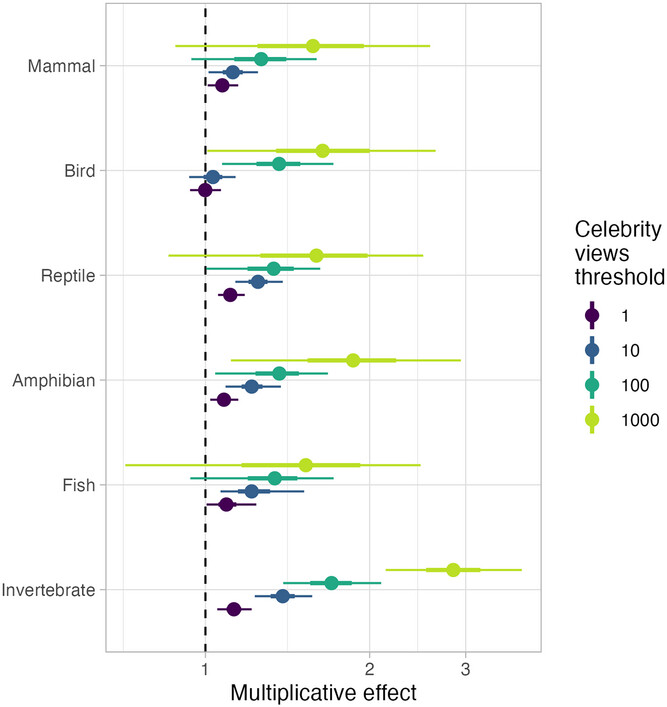
Species named after celebrities receive more attention than others. Big effect for invertebrates!
conbio.onlinelibrary.wiley.c…
19
6 Nov 2025
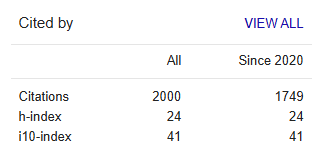
Reached a total of 2,000 citations today. Beyond the satisfaction of hitting a nice round number, it’s rewarding to know that my work is contributing to and being used by other scientists. I aim to do good science and help moving my field forward.
2
34
Antoine Dujon retweeted

29 Sep 2025
The Cost of Fame: Strong Biases in Comparative Oncology of Captive Species biorxiv.org/content/10.1101/… #biorxiv_cancer
2
1
176
29 Sep 2025
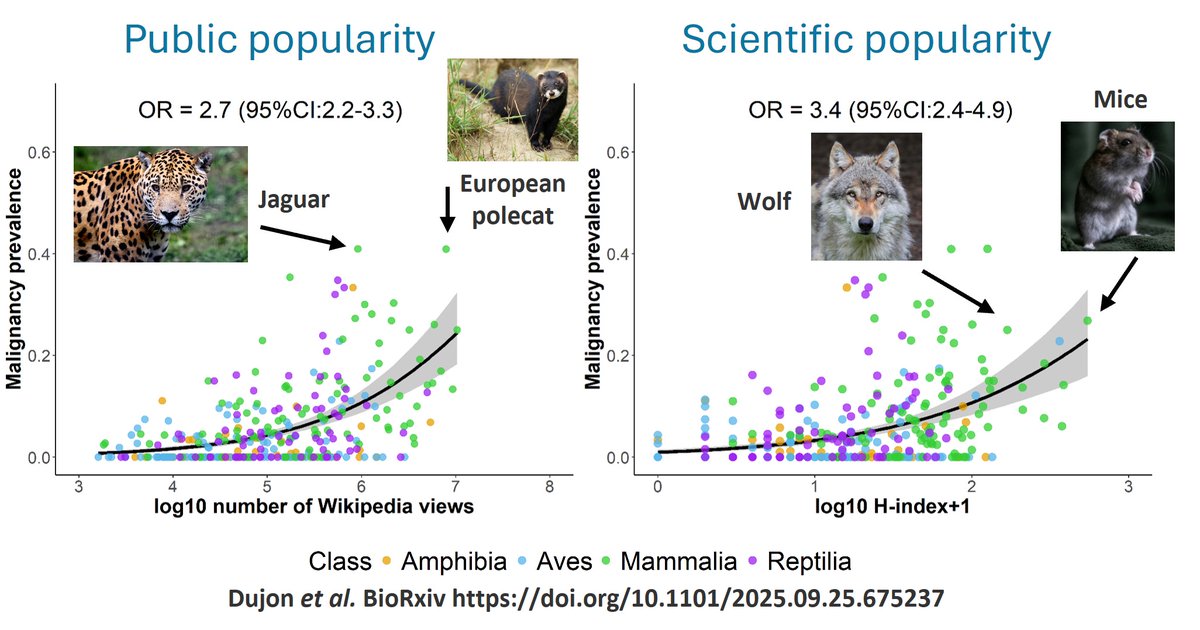
🚨In our latest preprint 🚨 we discovered that tumour prevalence is higher among captive species that enjoy greater public and scientific popularity and this is creating serious bias in comparative oncology studies (link to the paper bellow).
Here is what we found 👇👇👇
1
1
28
29 Sep 2025
(5) Reproduction: Invasive placentation no longer associated with higher cancer mortality rates when the popularity of a species is accounted for.
1
21
29 Sep 2025
(6) Conclusion: We need to control for species popularity in future comparative oncology studies using captive animals. This is something already done in comparative studies looking at drivers of parasite diversity.
20