We welcome all individuals and organizations in the fight against antimicrobial resistance (AMR). #AMResistanceFighters
Joined March 2019
- Tweets 1,551
- Following 129
- Followers 3,856
- Likes 1,363
704 Photos and videos



How do we combat antimicrobial resistance?
1
1
183
The #GlobalActionPlan outlines 6 key priorities:
1️⃣ Strengthen awareness & support behavior change
2️⃣ Improve surveillance & laboratories
3️⃣ Prevent infections
4️⃣ Expand access to diagnostics & treatment
5️⃣ Accelerate research and innovation
6️⃣ Strengthen governance & financing
1
2
162
No single solution can address AMR alone. Coordinated global action starts now.
🔷 #AMResistanceFighters #AMR #GlobalHealth
1
93
What’s new in the updated #GlobalActionPlan on #AMR?
It strengthens a #OneHealth approach that connects human, animal, plant, and environmental health while prioritizing infection prevention.
1
6
254
The plan also calls for equitable access to diagnostics, antimicrobials, and treatment.
Addressing AMR requires system-wide change, not just new medicines.
Learn more from WHO: apps.who.int/gb/ebwha/pdf_fi…
🔷 #AMResistanceFighters #AMR #OneHealth
1
79
Bacterial #AMR directly caused an estimated 1.14 million deaths in 2021 and could cause up to 39 million deaths by 2050 without urgent action.
AMR is not only a future concern. It is an urgent global health threat.
1
4
3
212
The updated #GlobalActionPlan for 2026 to 2036 calls for action to:
➡️ Prevent infections
➡️ Use antimicrobials appropriately
➡️ Strengthen diagnostics, surveillance, and innovation
Learn more from WHO: apps.who.int/gb/ebwha/pdf_fi…
3
58
Why is #AntimicrobialResistance so dangerous?
#AMR happens when bacteria, viruses, fungi, and parasites no longer respond to antimicrobial medicines, making infections harder to treat.
🔷 #AMResistanceFighters #PublicHealth
1
1
3
170
#AMR puts global health at risk.
It affects all countries, drives up healthcare costs, threatens food security, and can impact vulnerable populations the hardest.
1
1
16
We all have a role to play in slowing #AMR.
Learn more about antimicrobial resistance and how you can protect yourself and your family: tinyurl.com/2m9rx6w8
2
22
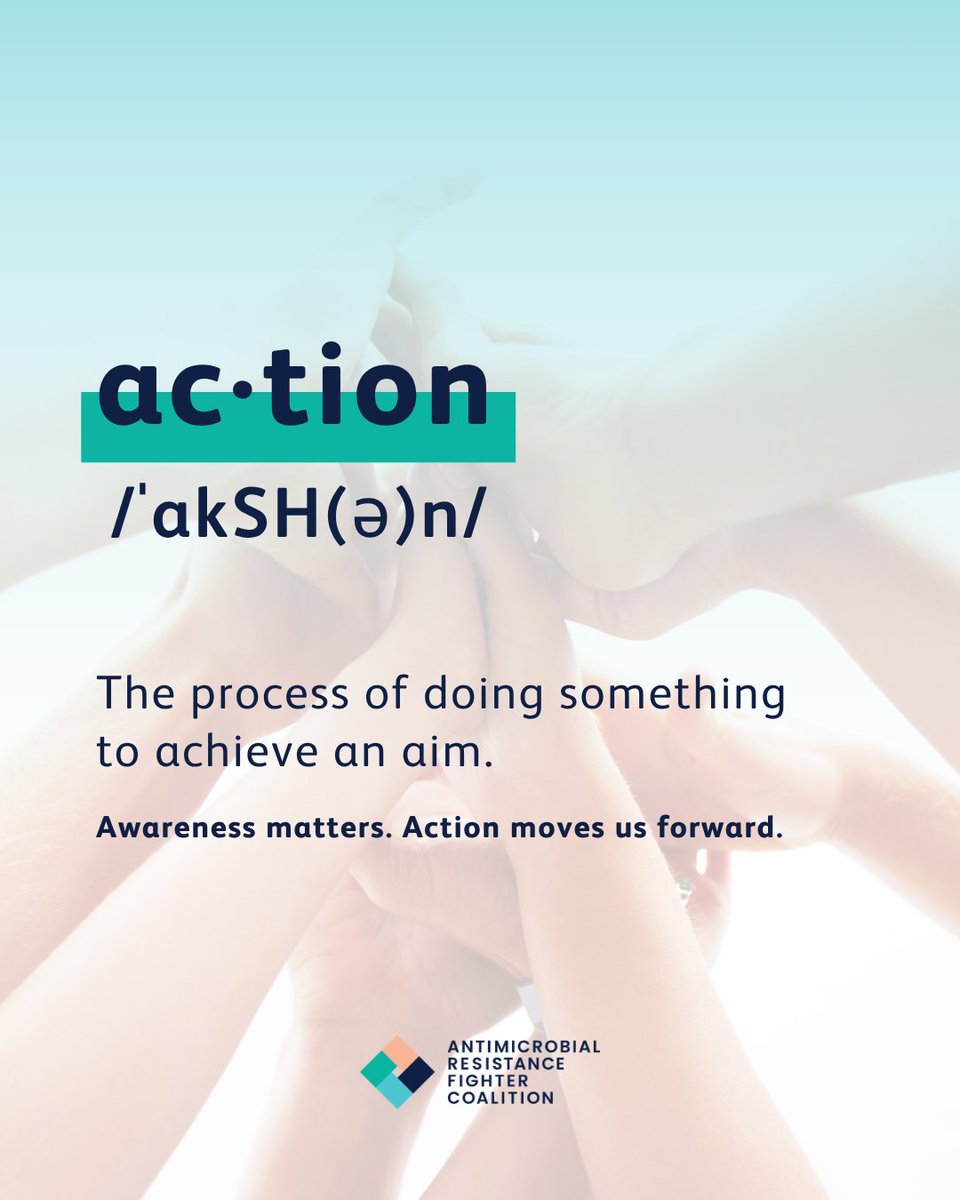
𝐚𝐜·𝐭𝐢𝐨𝐧
/ˈakSH(ə)n/
The process of doing something to achieve an aim.
Awareness matters, but action moves us forward.
Help fight #AMR by learning how you can prevent infections, use antimicrobials responsibly, and advocate for change: tinyurl.com/25vjj77a
1
50
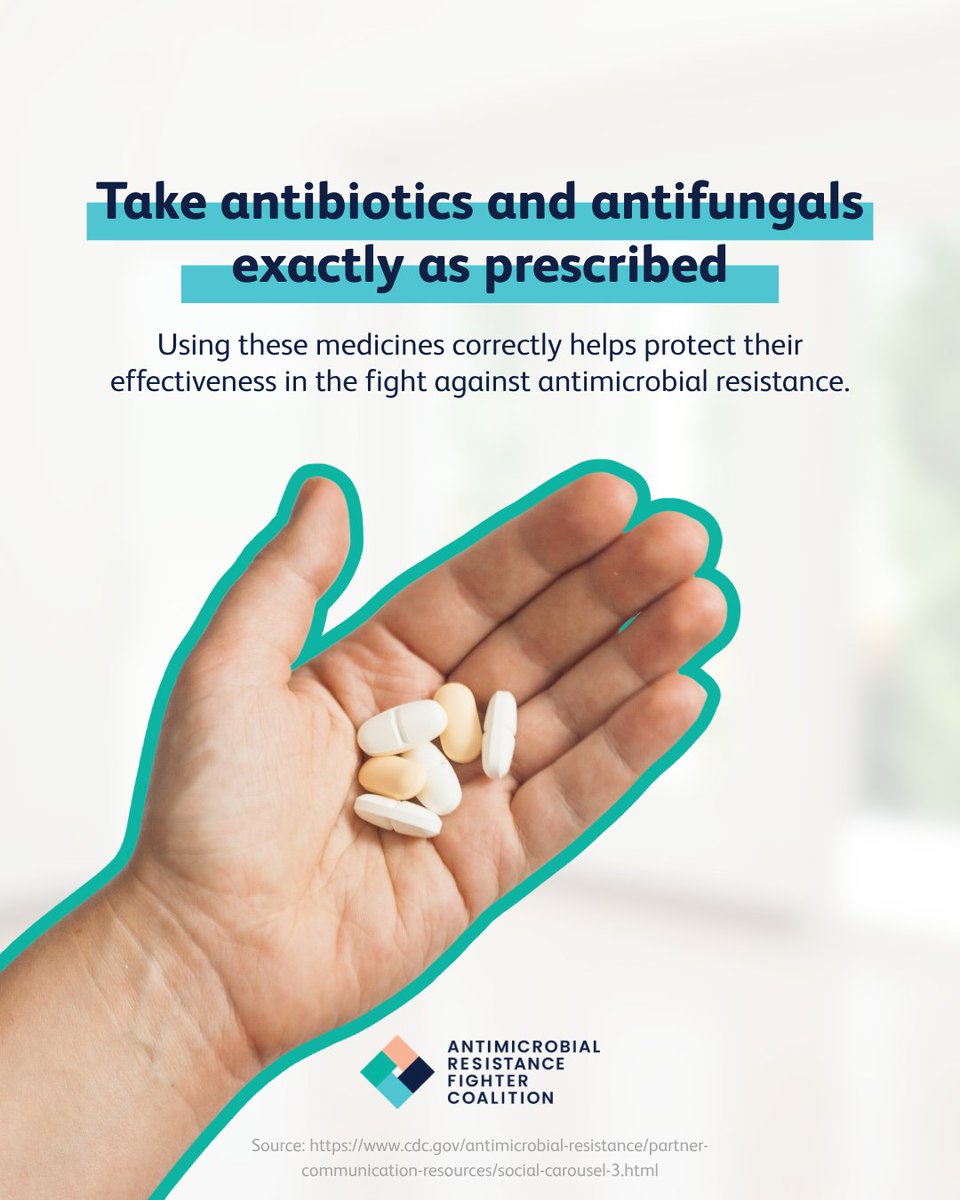
Taking antibiotics and antifungals exactly as prescribed helps protect the medicines we rely on to treat bacterial and fungal infections.
Using them correctly is a simple way to help slow #AntimicrobialResistance.
3
13
178
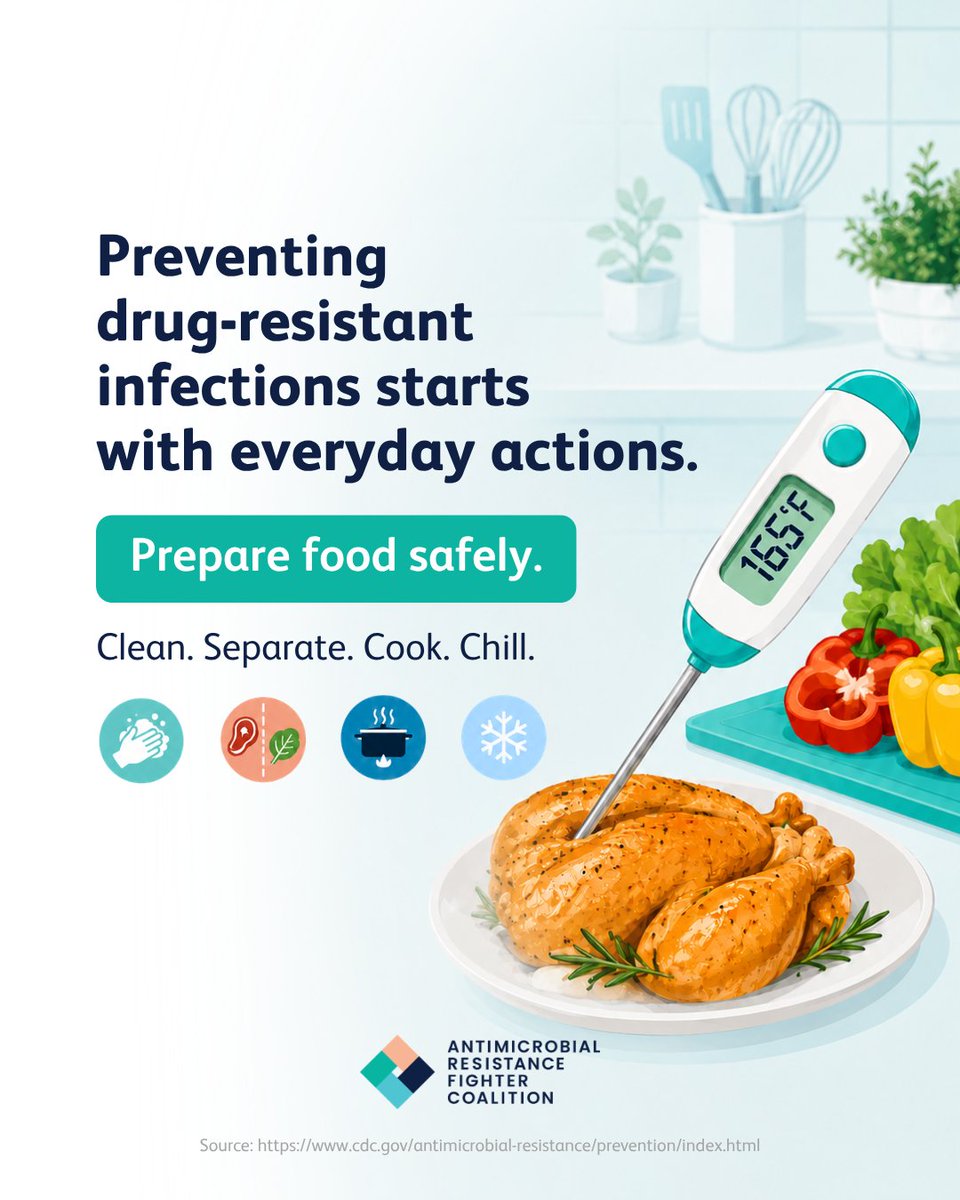
Food safety is part of infection prevention.
Cleaning, separating, cooking, and chilling foods properly can help prevent foodborne infections and support AMR prevention.
Learn more: cdc.gov/antimicrobial-resist…
🔷 #AMResistanceFighters #FoodSafety #InfectionPrevention
2
3
89
𝘕𝘦𝘪𝘴𝘴𝘦𝘳𝘪𝘢 𝘨𝘰𝘯𝘰𝘳𝘳𝘩𝘰𝘦𝘢𝘦 is the bacteria behind gonorrhea, a common sexually transmitted infection.
It is also a growing concern in the fight against #AntimicrobialResistance.
1
2
3
266
Preventing and detecting gonorrhea early matters.
If you are sexually active, CDC recommends having an open conversation with your healthcare provider about whether you should be tested for gonorrhea or other STIs.
1
43
Resistant gonorrhea is a growing AMR threat.
Listen to Superbugs and You, Episode Eight, “The Clap claps back: resistant gonorrhea,” to learn more: antimicrobialresistancefight…
1
38