
Joined January 2016
- Tweets 28,674
- Following 629
- Followers 23,414
- Likes 23,114
468 Photos and videos







Pinned Tweet

1 May 2021
After a year and a half in the making, we are very proud to present to you our project:
Decolonize Palestine, a collection of resources for anyone who wants to learn more about Palestine.
Decolonizepalestine.com
100
3,949
5,973
RT @MosabAbuToha: Breaking:
At least five people were killed in an israeli terror strike on civilians in Jabalia Camp. t.co/7OWOMt…
392
A Man in the Sun 🌞 retweeted

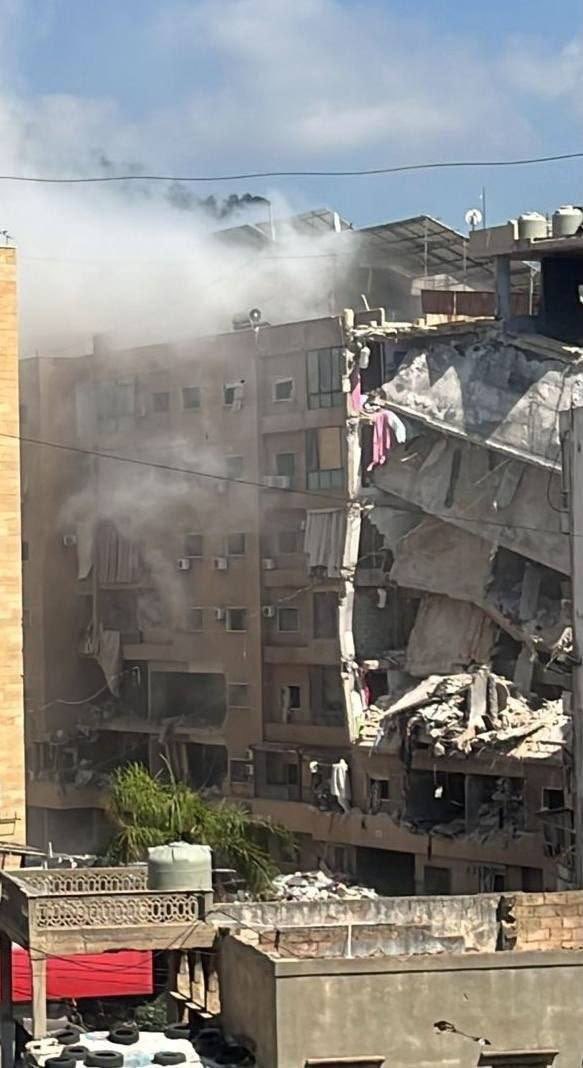
Israeli airstrike targets a building in Beirut southern suburb.

11
80
191
67,067
With a rapidly increasing Hasbara budget, expect an influx of aggressively unfunny, genocidal, islamophobic, and xenophobic astroturfed influencers.
Jun 11

He claimed asylum in Ireland as a gay man fleeing persecution. He has a wife and two kids back home. Irish taxpayers are funding it. The government sees nothing wrong.
24
173
2,595
For context, the Hasbara budget jumped from ~10 million $ in 2023 to 730 million $ in 2026 to try and stop this.

🇮🇱 Unfavorable Views of Israel (Ages 18-34)
🇦🇺 Australia: 87%
🇬🇧 UK: 78%
🇨🇦 Canada: 76%
🇬🇷 Greece: 76%
🇫🇷 France: 74%
🇺🇸 United States: 74%
🇭🇺 Hungary: 72%
🇱🇰 Sri Lanka: 46%
Source: Pew Research Center, Spring 2026 Global Attitudes Survey
1
11
22
879
As usual, the strategy is to start from the assumption that Israel can never do any wrong, and that they just need better PR.
But you know the idiomatic phrase about turds and polishing them.
5
229
These two settlers who were sanctioned?
Super mega settlers.
The hundreds of thousands of others are okay, even encouraged. But these two? Bad news.
Jun 9

Canada continues to oppose the expansion of settlements in the West Bank and East Jerusalem. Today, together with Australia, France, Norway and the U.K., we announced coordinated sanctions targeting those supporting extremist settler violence against Palestinian civilians. As we impose this fifth round of sanctions, we remain committed to a comprehensive, just and lasting peace where Israelis and Palestinians can live in peace and security.
canada.ca/en/global-affairs/…
2
3
9
561
A Man in the Sun 🌞 retweeted

Jun 7
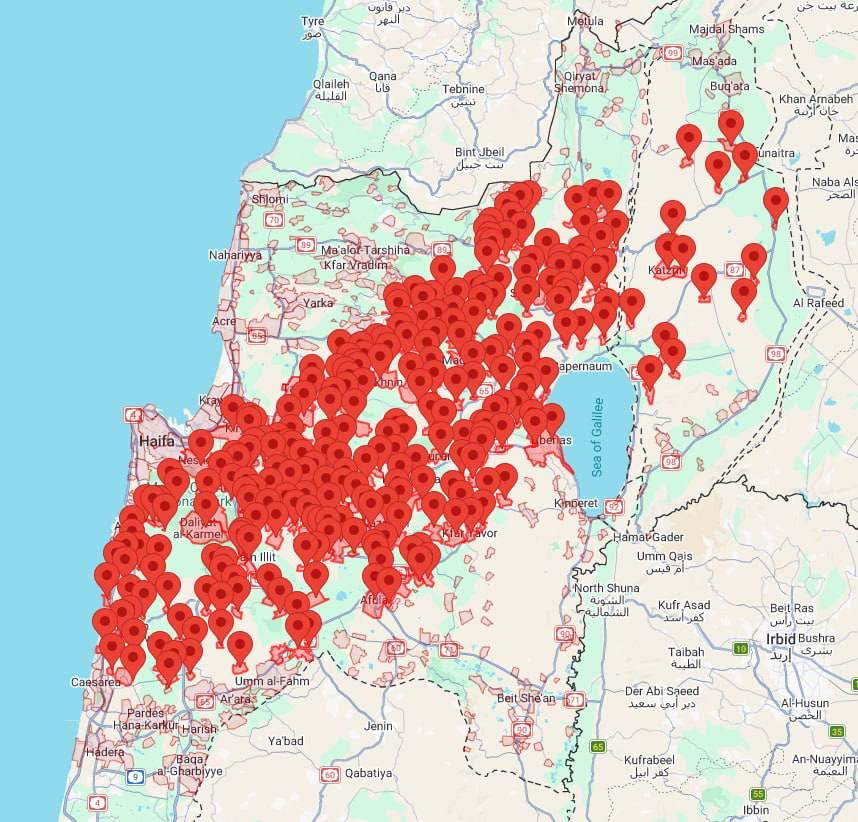
A new wave from Iran headed towards Israeli targets
4
64
211
4,293
A Man in the Sun 🌞 retweeted

BREAKING: Targeted assassination in Beirut's Dahieh by the Zionist regime
Note: Iran officially considers the attack on Dahieh a violation of the ceasefire, and Iran previously warned that if the Zionists attacked Dahieh, northern ‘Israeli’ residents should leave the area.

63
914
2,906
224,063
A Man in the Sun 🌞 retweeted

Jun 7
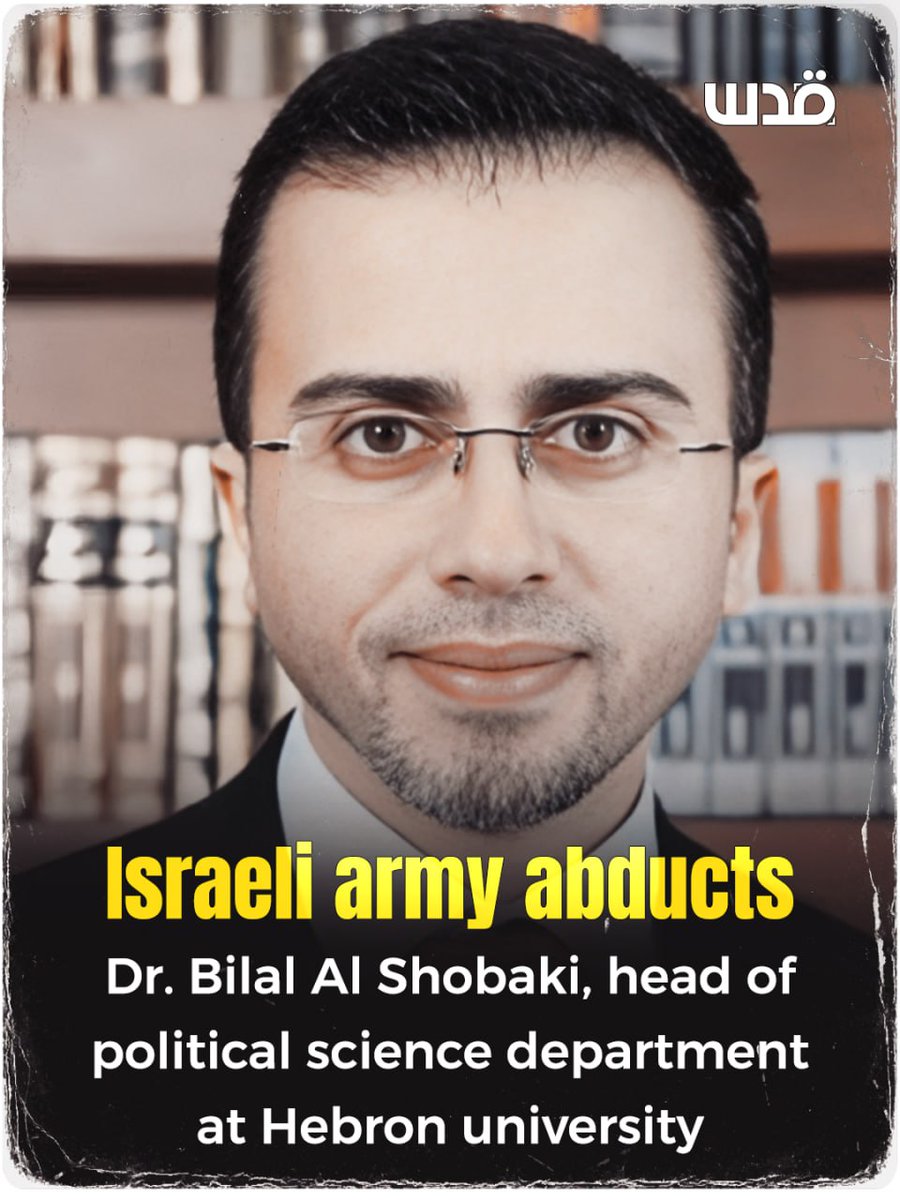
Last night, Israeli occupation forces abducted political analyst and academic Dr. Bilal Al Shobaki, head of the Political Science Department at Hebron University, after raiding his home in the city of Hebron in the southern occupied West Bank.
Local sources said that an Israeli military force stormed Al Shobaki's home at dawn and conducted a thorough search before abducting him, spreading fear and distress among his family.
13
625
658
19,434
I must admit, "Israel day isn't about Israel" was not on my Hasbara bingo card.

NYC's @israeldayon5th is a celebration of Jewish identity, pride and community. It isn't a political statement about the Israeli government.
Mayor Mamdani has announced that he will skip this annual event, making him the first mayor in more than 60 years to turn his back on the world's largest Jewish community outside of Israel and on friends of the Jewish community. This matters.
I look forward to marching.
144
1,304
24,330
A Man in the Sun 🌞 retweeted

Jun 1
Iran's decision to suspend talks and threaten full closure of the Strait of Hormuz in direct response to ongoing Israeli aggression against Lebanon is a major turning point in this war, and one of the clearest indications that the US-Israeli attempt to impose a surrender framework on Lebanon has collided with a regional logic it seems incapable of understanding. Its substance is the criminalisation of sovereignty, whereby Israel seeks to continue advancing its invasion in southern Lebanon and entrenching its occupation, while Beirut is taken hostage to prevent Hizbullah from mounting any defensive response to that occupation.
That the Lebanese government has attempted to convince Hizbullah of the reasonableness of this new equation, and insisted on proceeding with talks with Israel tomorrow, even as Iran suspends its own negotiations in rejection of this same equation, captures the depth of the divergence. The difference is not merely over values or political principles, but over the very meaning of rationality under the simultaneous conditions of imperial and colonial force. One side has internalised US-Israeli power as the permanent horizon of political reality, while the other treats that same power as contingent and contestable.
Iran's refusal is therefore not merely the product of religious solidarity, ideological affinity, or shared strategic culture with Hizbullah, but is better understood as a rejection of the defeatist rationality that presents imperial power as the invisible limit of the possible, the zero point beyond which politics cannot go. What Iran and Hizbullah share is a political ontology grounded in the refusal of this defeatism, and a conception of sovereignty not as formal recognition conferred by power, but as the substantive capacity to reject subordination, even when the cost is very high.
31
644
1,894
108,512
A Man in the Sun 🌞 retweeted

Jun 1
A message from my friend Saja (@Asser141993):
"Little Sewar feeds stray cats even though we can barely find enough food for ourselves💔
We are living through extremely difficult conditions in Gaza and any support or share could help us so much 🤍🙏"
chuffed.org/project/132830-s…

May 30

Dear @Asser141993, pregnant mother of two, trying to survive the genocide in Gaza, is being mass-reported by vicious Zionists. She already lost one account because of them, don't let them do it again. Please follow her, donate, and share her campaign. It's their only lifeline
17
57
106
3,878
A Man in the Sun 🌞 retweeted

May 31
Gaza’s Civil Defense announces that the israelis have slaughtered 29 Palestinian civilians during Eid al-Adha as a result of continued attacks gazaherald.com/2026/05/31/ei…
5
107
113
2,984
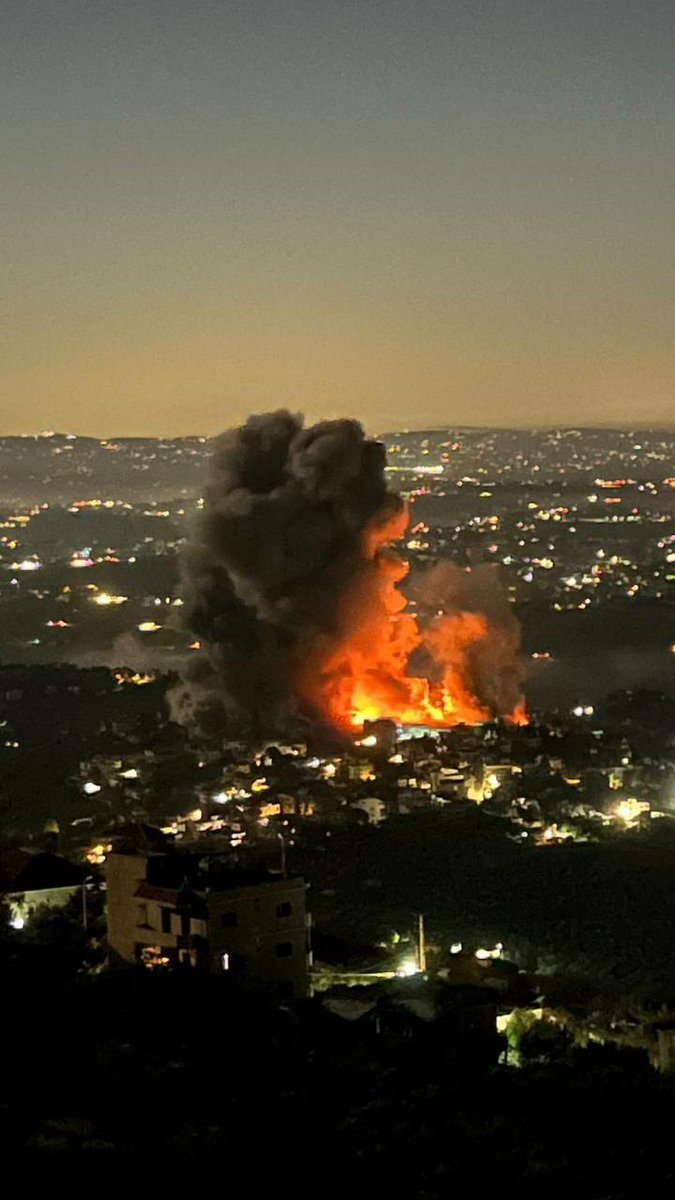
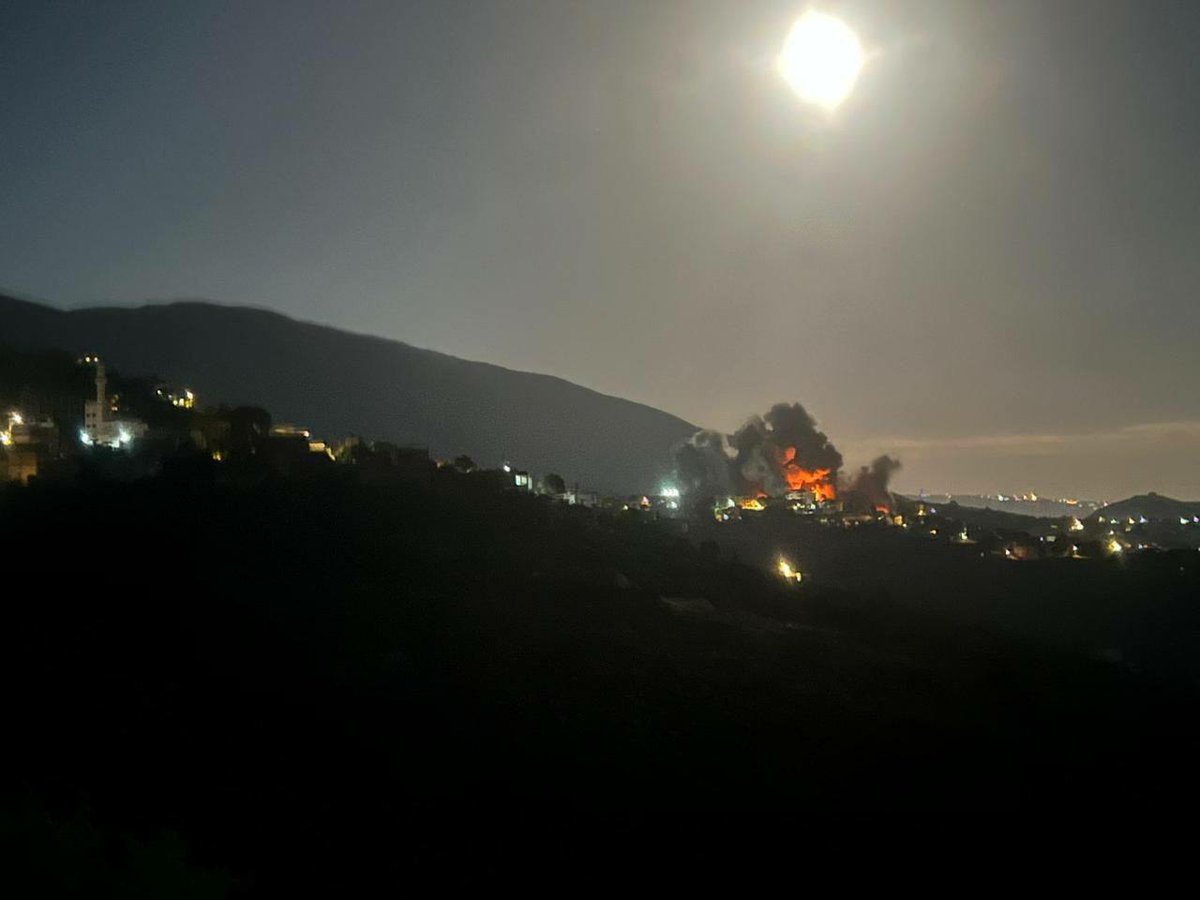
RT @roqchams: Israeli warplanes just bombed my village, Arab Salim, with at least 4 waves of attacks.
327
RT @HadiHtt: Normal news from South Lebanon:
An injured child bleeding and crying on the ground in front of his father and mother murdered…
2,454
You’ve spent a whole week arguing over the "correct" way to support Palestine, left, right, terminology, intentions, but what's the point of any of that when someone like Smotrich can stroll through your streets without a single heckle?
May 31

Israel Day Parade in NYC: Senate Minority Leader Chuck Schumer, far-right Israeli Finance Minister Bezalel Smotrich and other far-right Israeli lawmakers and American politicians march on Fifth Avenue
NYC mayor Zohran Mamdani decided to skip the event | @Etanetan23
Video: Liri Agami
1
4
17
769
Three years into a genocide, and some of you are patting yourselves on the back because a Mayor sent a representative to the genocide-support march rather than attending himself.
5
183
A Man in the Sun 🌞 retweeted

May 29
🚨 الاثنين، الساعة الخامسة مساءً
في مختبر السياسات القادم ينضم إلينا الدكتور هاني المصري (@MasaratPs) والأستاذة وفاء عبد الرحمن (@Filastinyat) مع الميَسر فتحي نمر (@amaninthesun) لنقاش الوضع الداخلي الفلسطيني.
التسجيل ⤵️ crowdcast.io/c/palestine-ele…
1
405
I don't think Americans quite understand that this war was their Suez moment.
You are the defeated enemy in this equation, Mark.
May 23

History teaches us that peace deals are best made after the enemy is defeated or surrendered.
2
4
55
1,852
Netanyahu doesn't represent Israel, the Israeli government doesn't represent Israel, the mountain of war crimes doesn't represent Israel, the genocide supporting population doesn't represent Israel.
The two remaining liberal Zionists with good PR can sometimes represent Israel.
May 20

How is Ben Gvir not the Israeli government. He is literally a minister who controls police forces!
2
20
520