ANTITHESES addresses an urgent need for ethics & humanities research to engage meaningfully with radical disagreement in medical science, practice & policy.
What does exclusion look like in the media today?
Join ANTITHESES 'What About Exclusion?' public event.
📅 13 May, 5–6:30pm
📍Oxford
Journalist & academics unpack how exclusion shapes narratives & why it matters.
Register antitheses.net/events/what-a…#Media#Journalism#oxfordevents
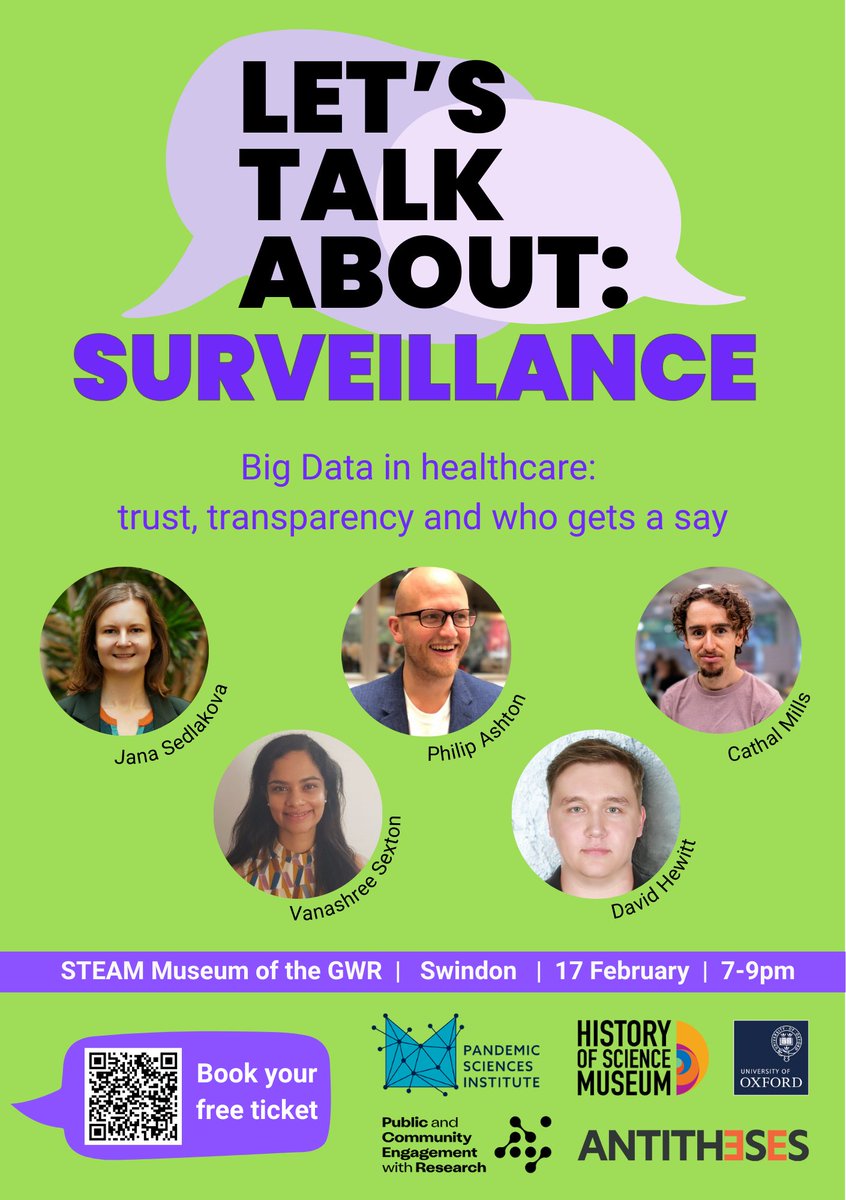
Let’s Talk About: Surveillance
How should we track disease & who gets a say? Join us at the Festival of Tomorrow for a conversation on data, trust & transparency in healthcare.
@HSMOxford@_JanaSedlakova_
📍STEAM Museum,Swindon
📅 17 Feb,7pm
🎟️Free tickets tickets.ox.ac.uk/WebStore/sh…
ALT Poster with a bright green background titled “LET’S TALK ABOUT: SURVEILLANCE” in large bold black and purple text inside overlapping speech bubbles. Subtitle reads: “Big Data in healthcare: trust, transparency and who gets a say.”
Five circular headshots of speakers are shown with names curved alongside their photos: Jana Sedlakova, Philip Ashton, Cathal Mills, Vanashree Sexton, and David Hewitt.
Event details in a purple banner: “STEAM Museum of the GWR | Swindon | 17 February | 7–9pm.”
Logos at the bottom include Pandemic Sciences Institute, History of Science Museum, University of Oxford, Public and Community Engagement with Research, and ANTITHESES.
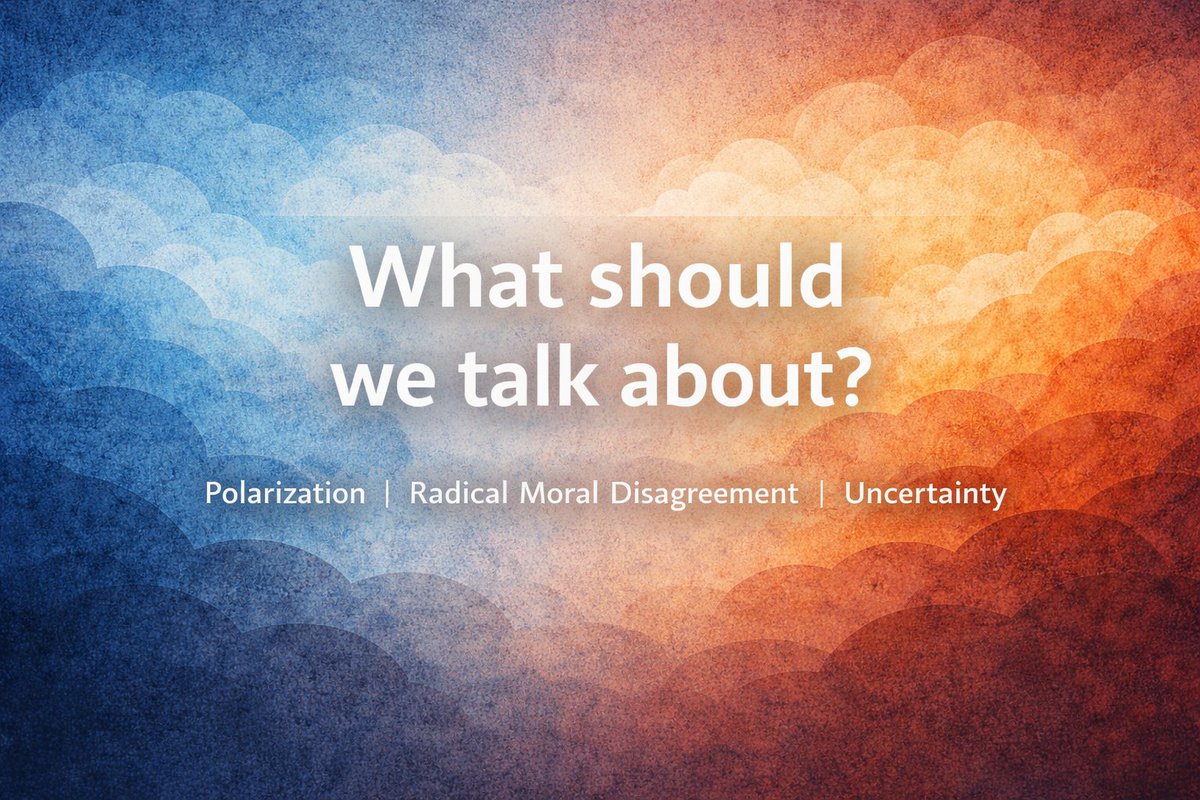
What should we talk about?
In my new position with the @ANTITH3SES at @Ethox_Centre of the @UniofOxford , I will be working on this seemingly simple question that gains importance and complexity in the context of polarization, radical moral disagreements, and uncertainty. I am particularly interested in developing new methods and tools to engage with these disagreements in health-related topics and bridge diverse actors across science, the public and policy.
You are welcome to pause, reflect on the seemingly simple question and share your thoughts about what we should talk about and how we should even approach this question.
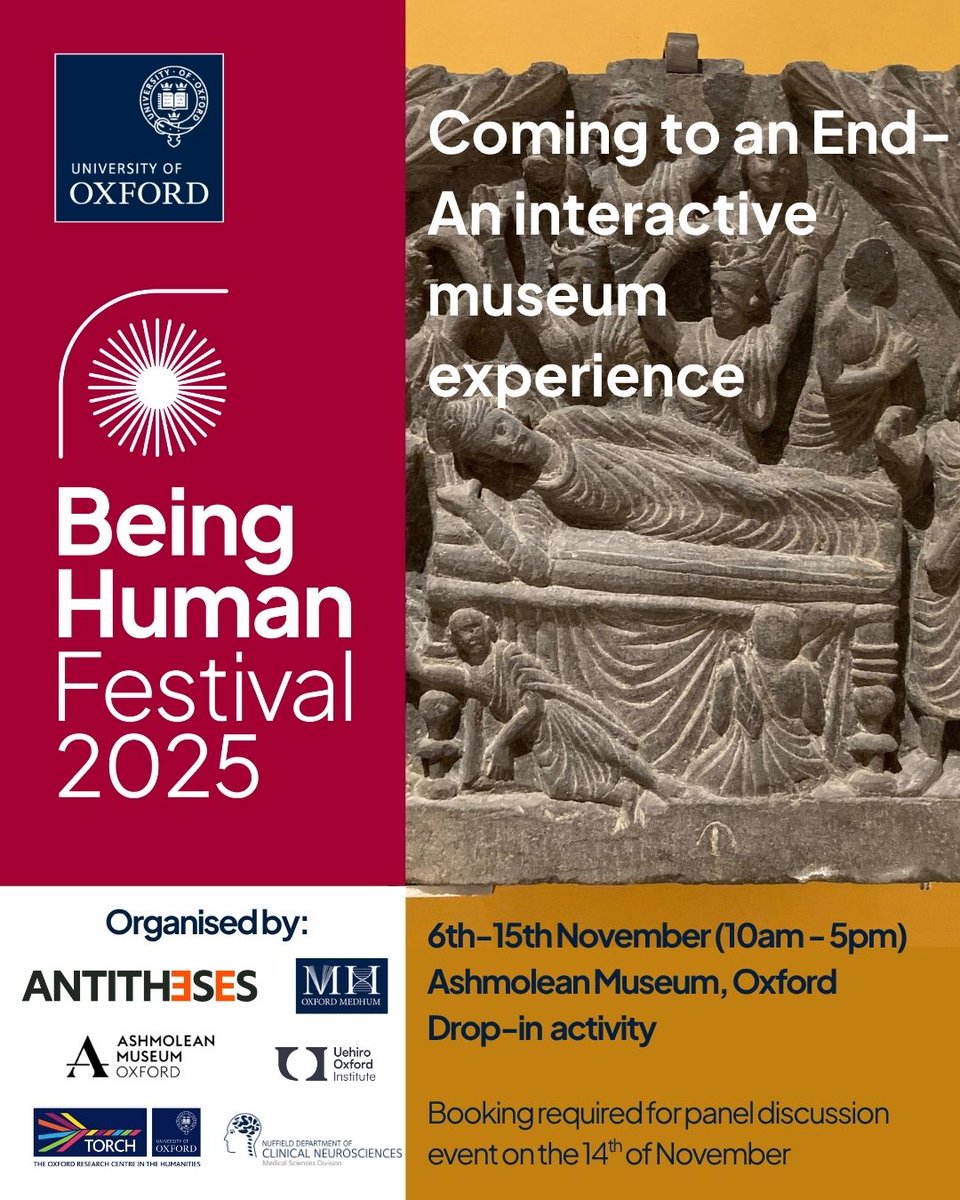
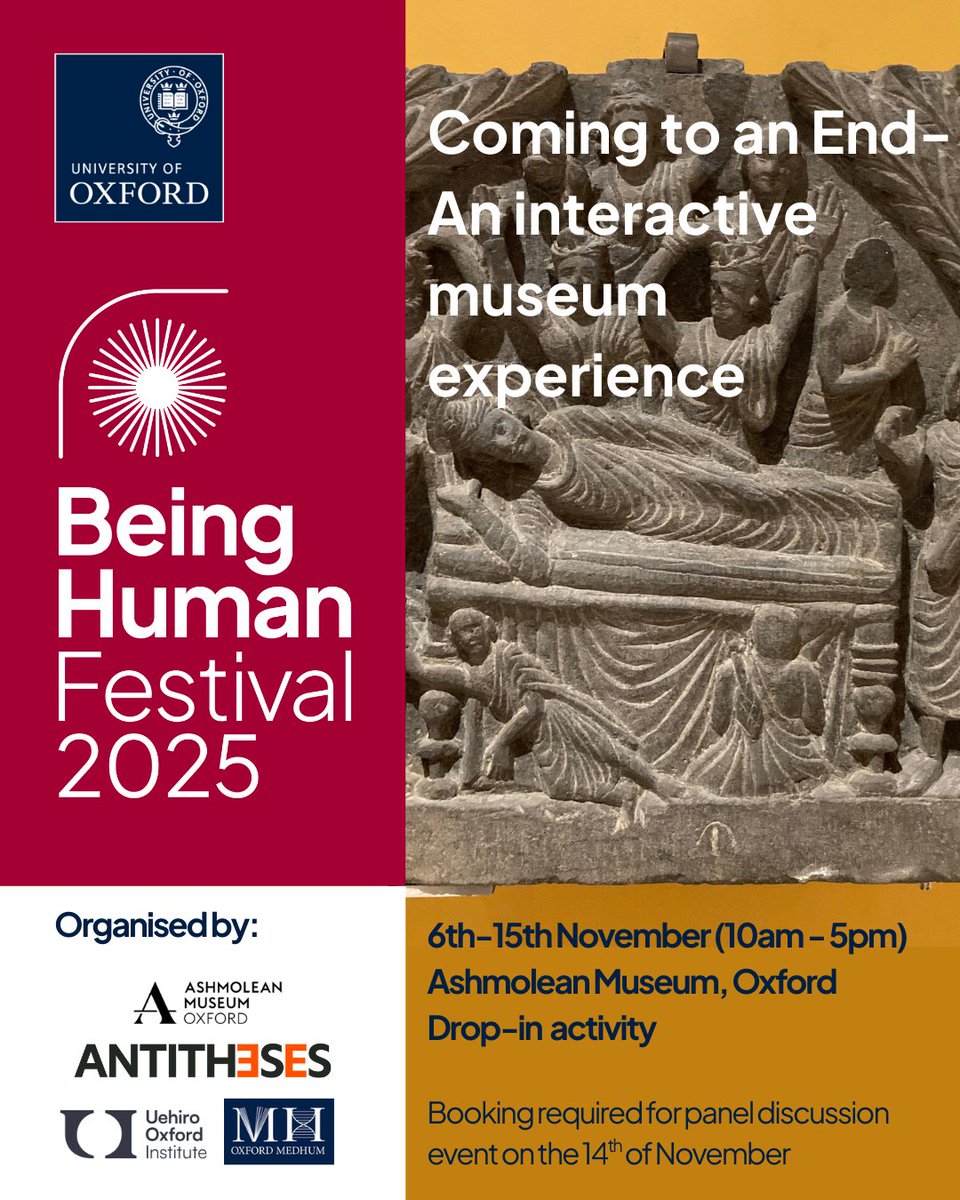
We are excited to announce that 'Coming to End: An interactive museum experience' has launched at the @AshmoleanMuseum
Participate in this self guided trail on Death & Dying. Free & everyone welcome
📣Booking needed for panel discussion event on 14th Nov.
antitheses.net/events/coming…
ALT Poster with logos of the University of Oxford, Being Human Festival and organisers. Thursday, 06 November 2025 to Saturday, 15 November 2025, 10am - 5pm. Location: Ashmolean Museum. Booking is required for the panel discussion event on the 14th of November.
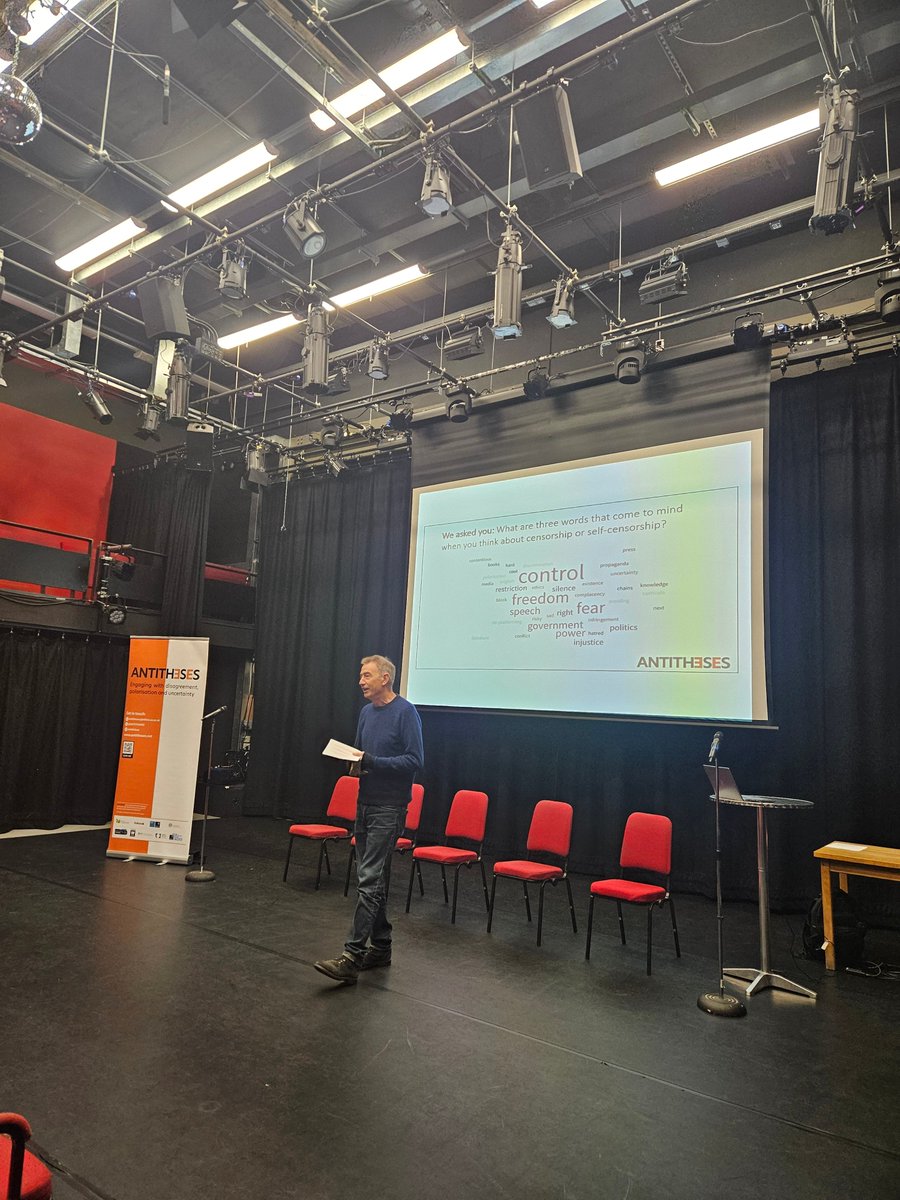
'What about Exclusion?' event on Censorship & Self-censorship. We truly appreciated the audience engagement with the panel— the questions & insights helped create such enriching discussions 👏
Stay tuned for more from this series next year💫
#antitheses#ethics#censorship
ALT Photo of a person in front of a screen
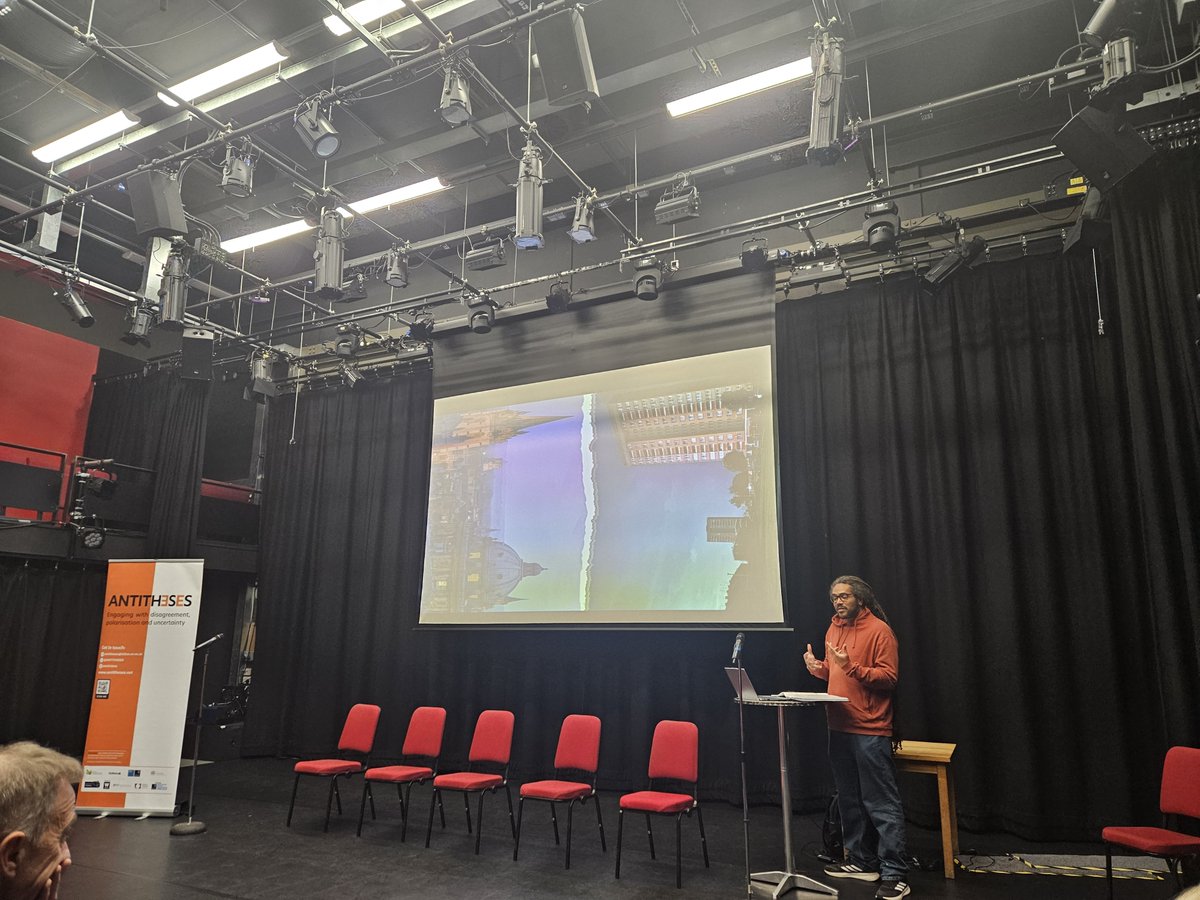
ALT Photo of a person in front of a screen presenting their slide
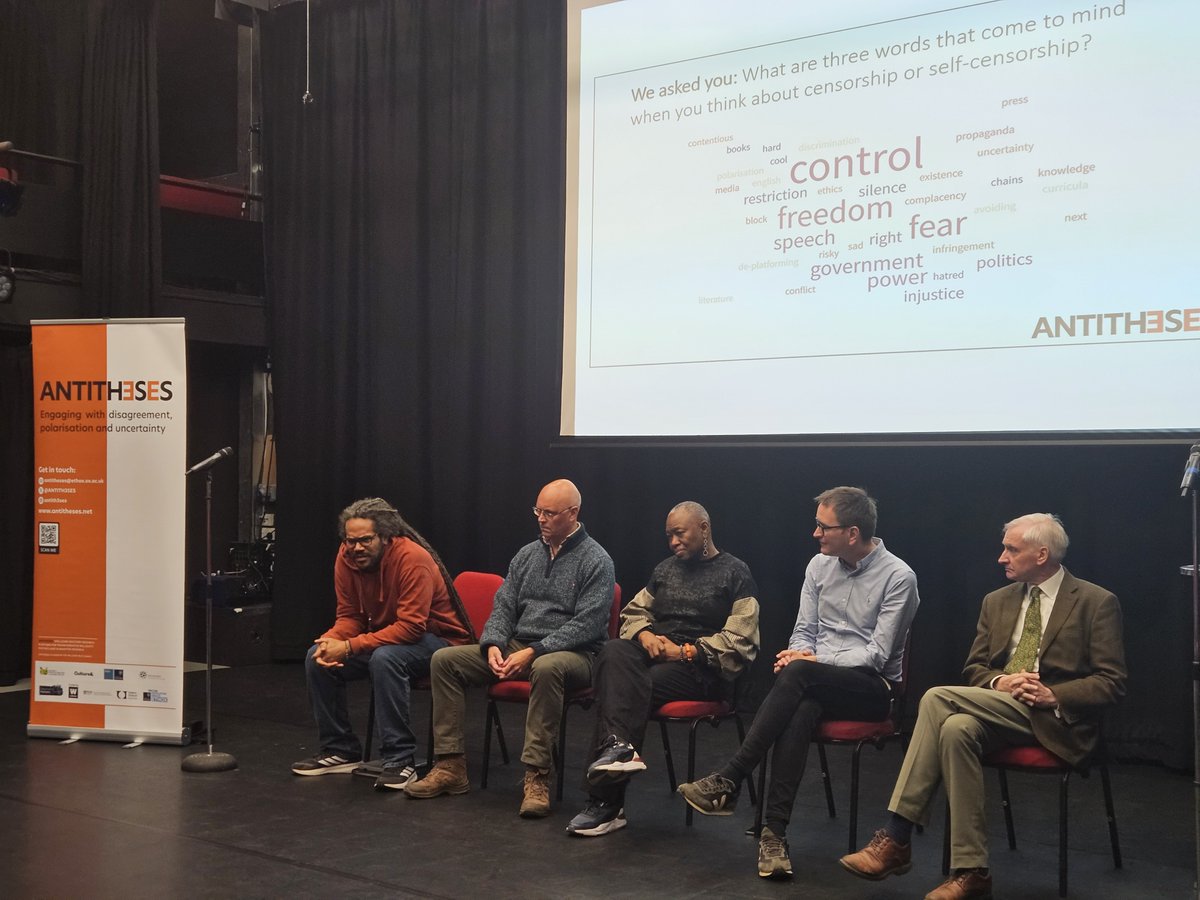
ALT Photo of a panel with 5 members sitting down on chairs
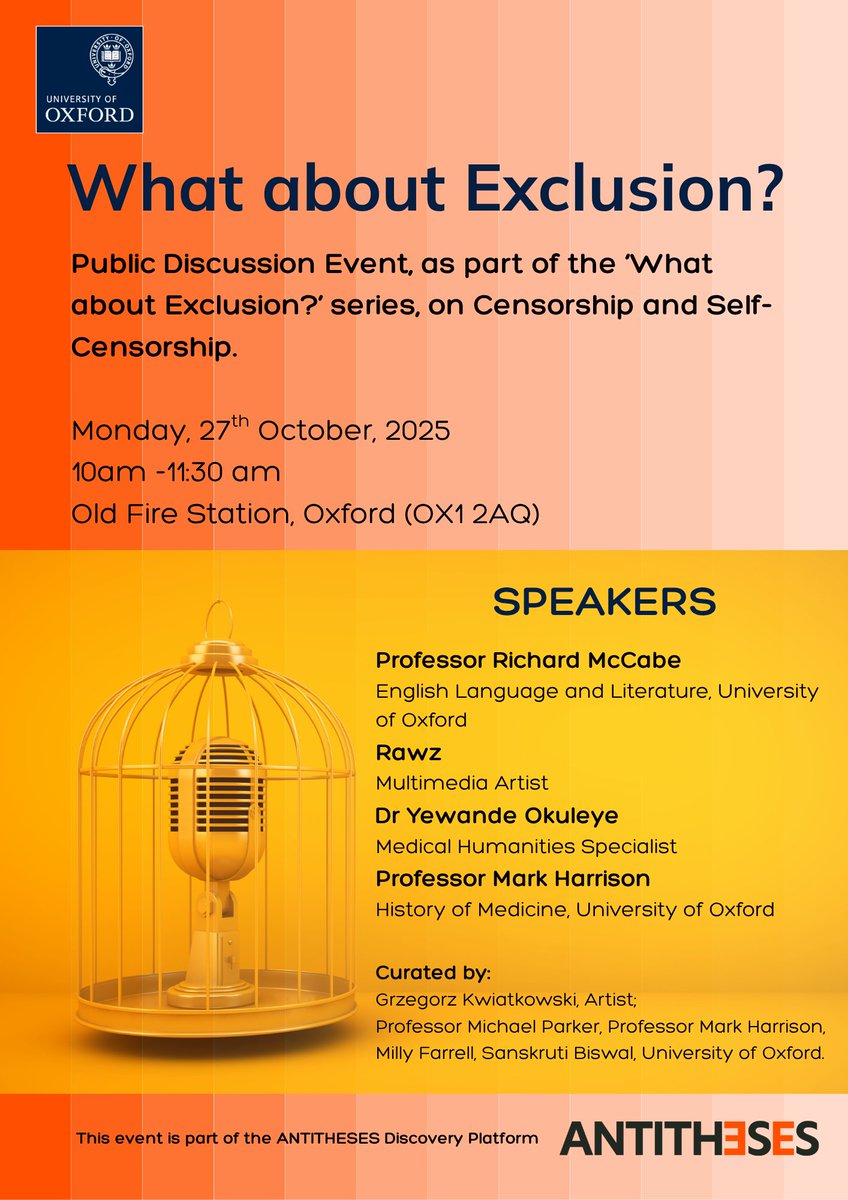
Few more days to go for our 'What about Exclusion?' event. Come along to hear the reflections from a panel of artists & researchers on the implications of censorship and self-censorship.
Free registration- antitheses.net/events/what-a…
➡️10am, 27th Oct
#censorship#antitheses#oxford
ALT Poster of 'What about Exclusion?'. Public Discussion Event, as part of the ‘What about Exclusion?’ series, on Censorship and Self-Censorship. Monday, 27th October, 2025 10am -11:30 am Old Fire Station, Oxford (OX1 2AQ). Curated by: Grzegorz Kwiatkowski, Artist; Professor Michael Parker, Professor Mark Harrison, Milly Farrell, Sanskruti Biswal, University of Oxford.
ALT Poster with logos of the University of Oxford, Being Human Festival and organisers. Thursday, 06 November 2025 to Saturday, 15 November 2025, 10am - 5pm. Location: Ashmolean Museum.
Booking is required for the panel discussion event on the 14th of November.
We also have a panel discussion event to complement the trail, on the 14th of November, from 1-2pm.
Please book if you wish to attend the discussion➡️tinyurl.com/bapze797
Recommended for 16
40% of people sometimes or often avoid the news, says @risj_oxford's Digital News Report 2025.
Top reasons:
😔 Negative effect on mood - 39%
🥴 News burnout - 31%
🕯️ Too much war - 30%
🏛️ Too much politics - 29%
🤬 Arguments - 18%
🤷 Hard to understand - 9%
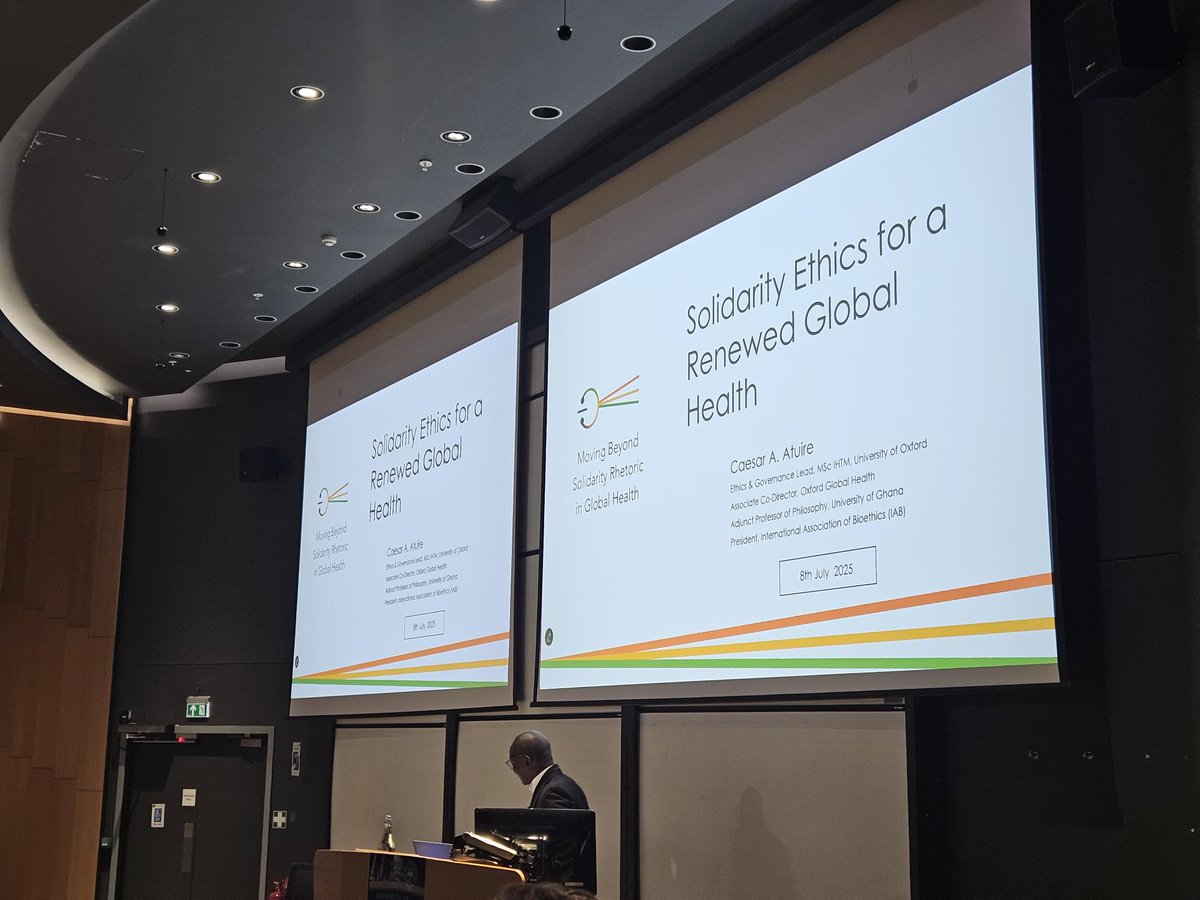
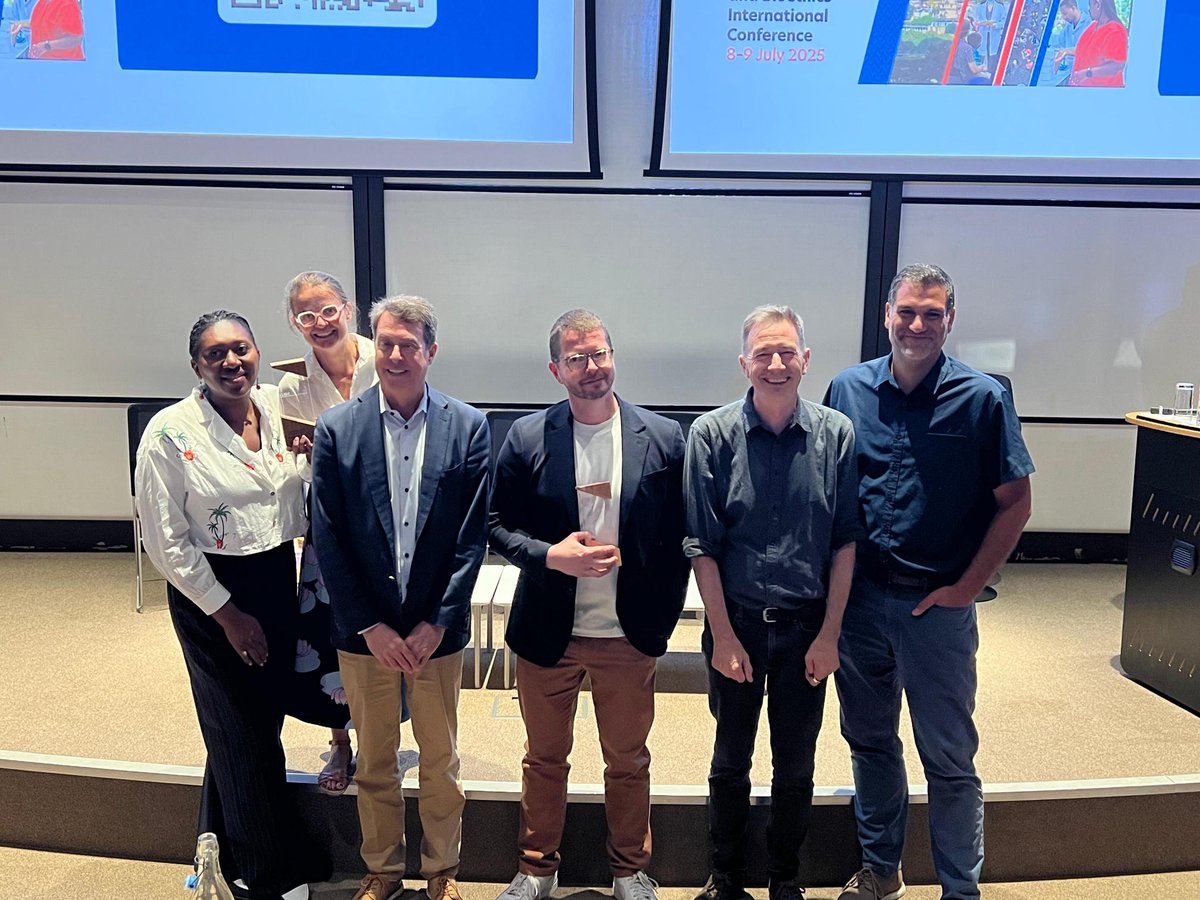
As the Oxford Global Health & Bioethics 2025 Conference has come to a close, we thank everyone who attended & supported the event👏We were delighted to be joined by 270 attendees travelling from across 42 countries to Oxford.
Thanks to our co-organisers @bermaninstitute#Ethics
ALT Photo of slideshow with the title- Solidarity Ethics for a Renewed Global Health
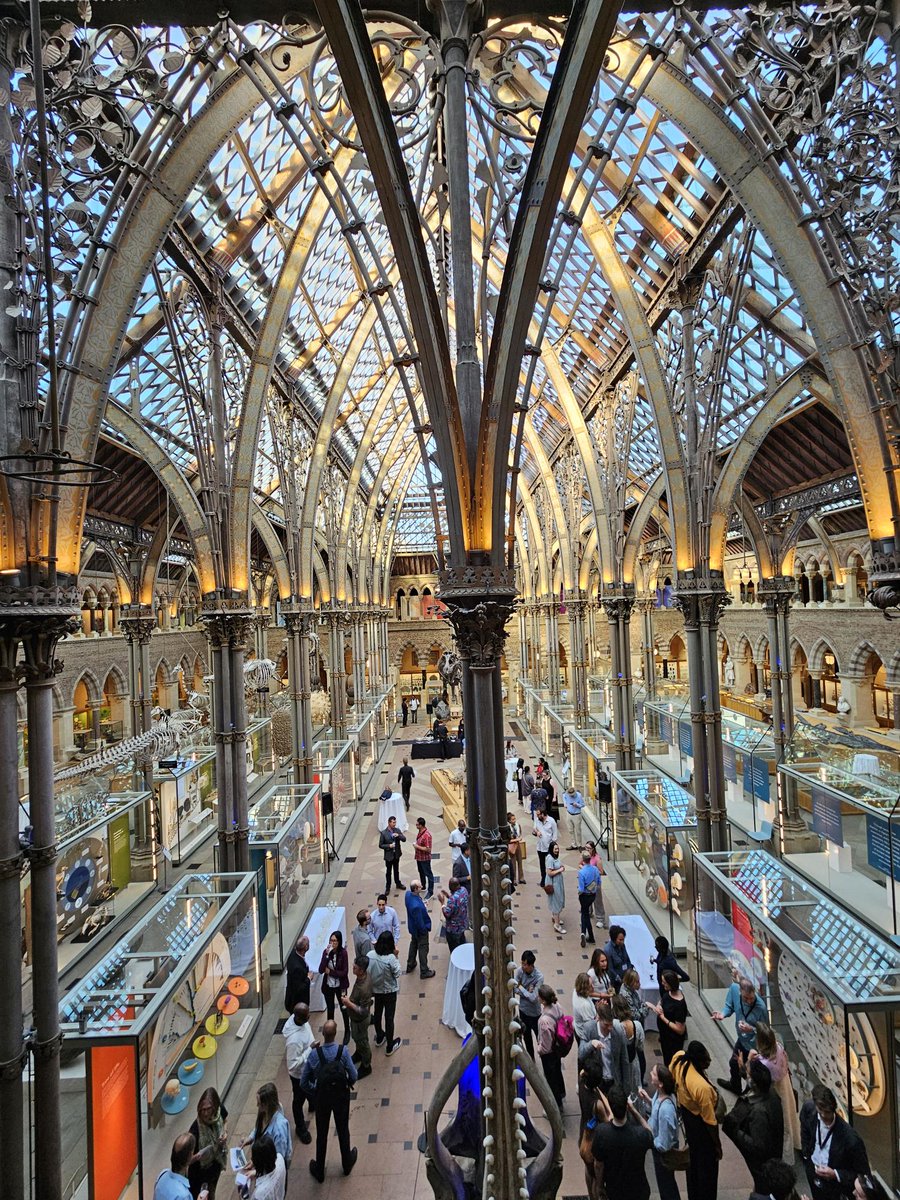
ALT Photo of an indoor space with multiple people standing
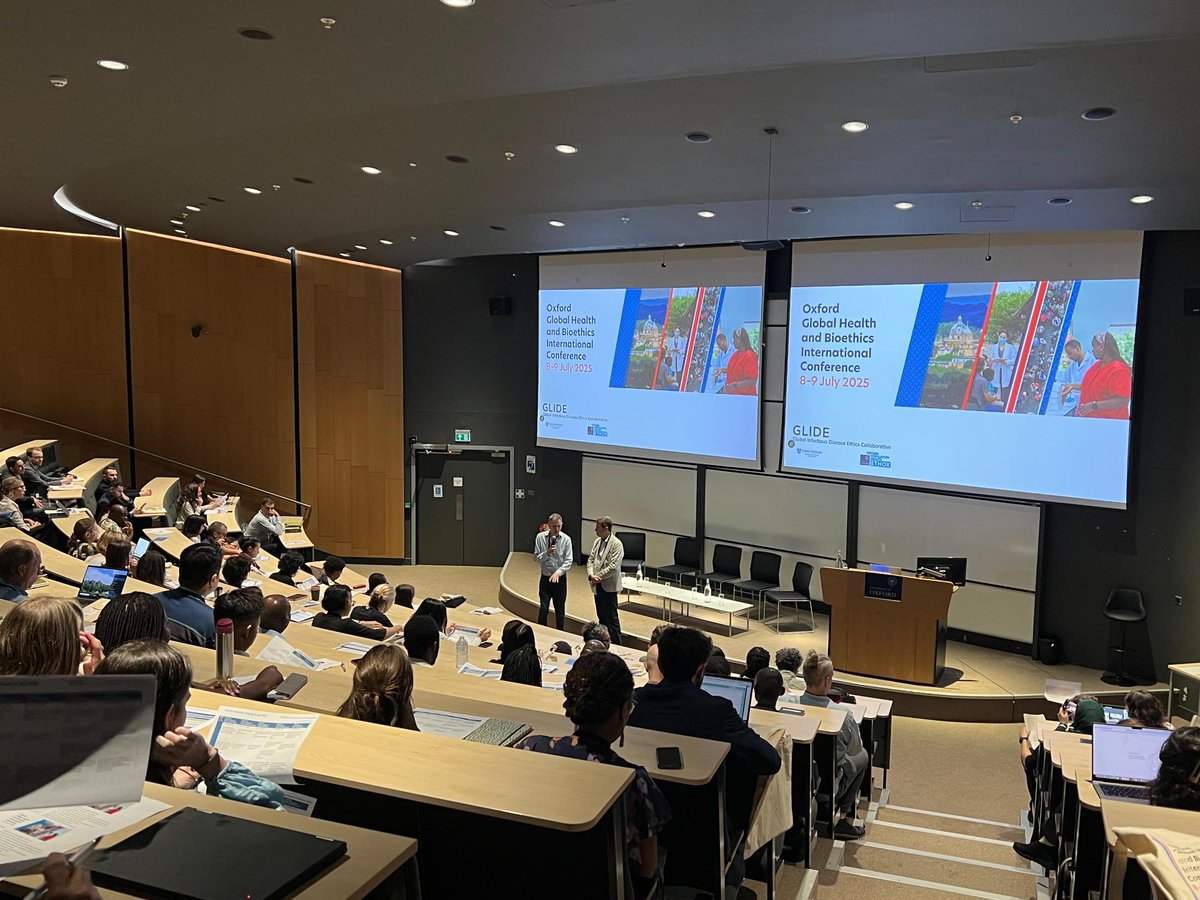
ALT Photo of a lecture theatre with slides in the front
Ethics in Film 2025:
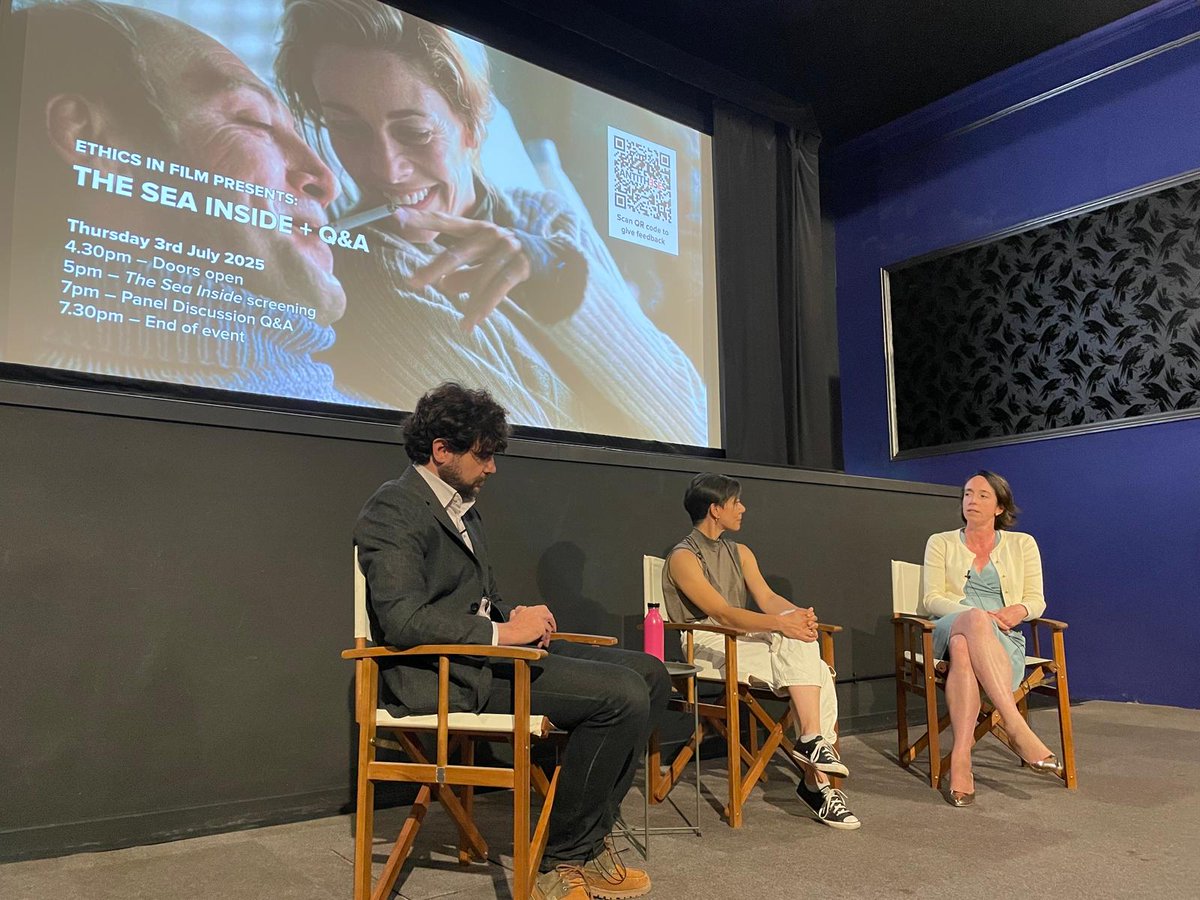
Thank you to our speakers Dr Alberto Giubilini & Dr Victoria Bradley, and Chair, Dr Angeliki Kerasidou for holding such an insightful and open discussion on the sensitive topic of end-of-life. Many thanks to all those who attended!
@AlbertoGiubili1#Ethics
ALT 3 presenters sitting and discussing. Screen in the background with poster of the movie 'The Sea Inside'
Blog on 'UK End of Life Bill: exploring dissensus through discussion'. We explored alternative ways of framing the conversation on assisted dying, focusing on finding shared values & meaning rather than debate & division.
#AssistedDying#endoflife#Ethicsantitheses.net/blog/uk-end-o…
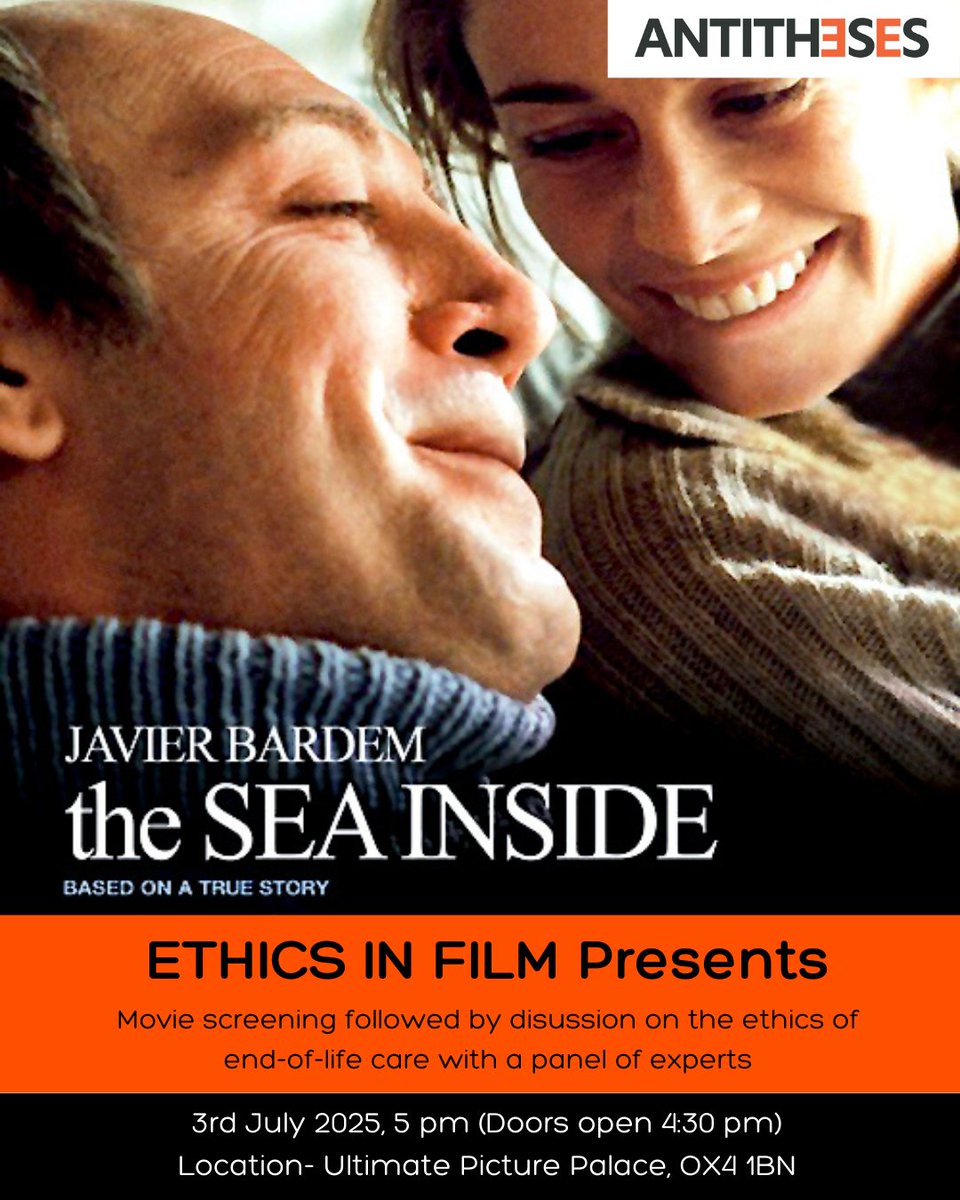
Ethics in Film booking open! 🎥😊
Grab your tickets to attend a screening of 'The Sea Inside' & post movie discussion with our panel of experts, on the ethics of death, dying & end-of-life care.
In association with @ReubenCollege
🗓️3rd July
🎟️uppcinema.com/show/ethics-in…#antitheses
ALT Poster of film 'The Sea Inside'. Doors open 4:30 pm
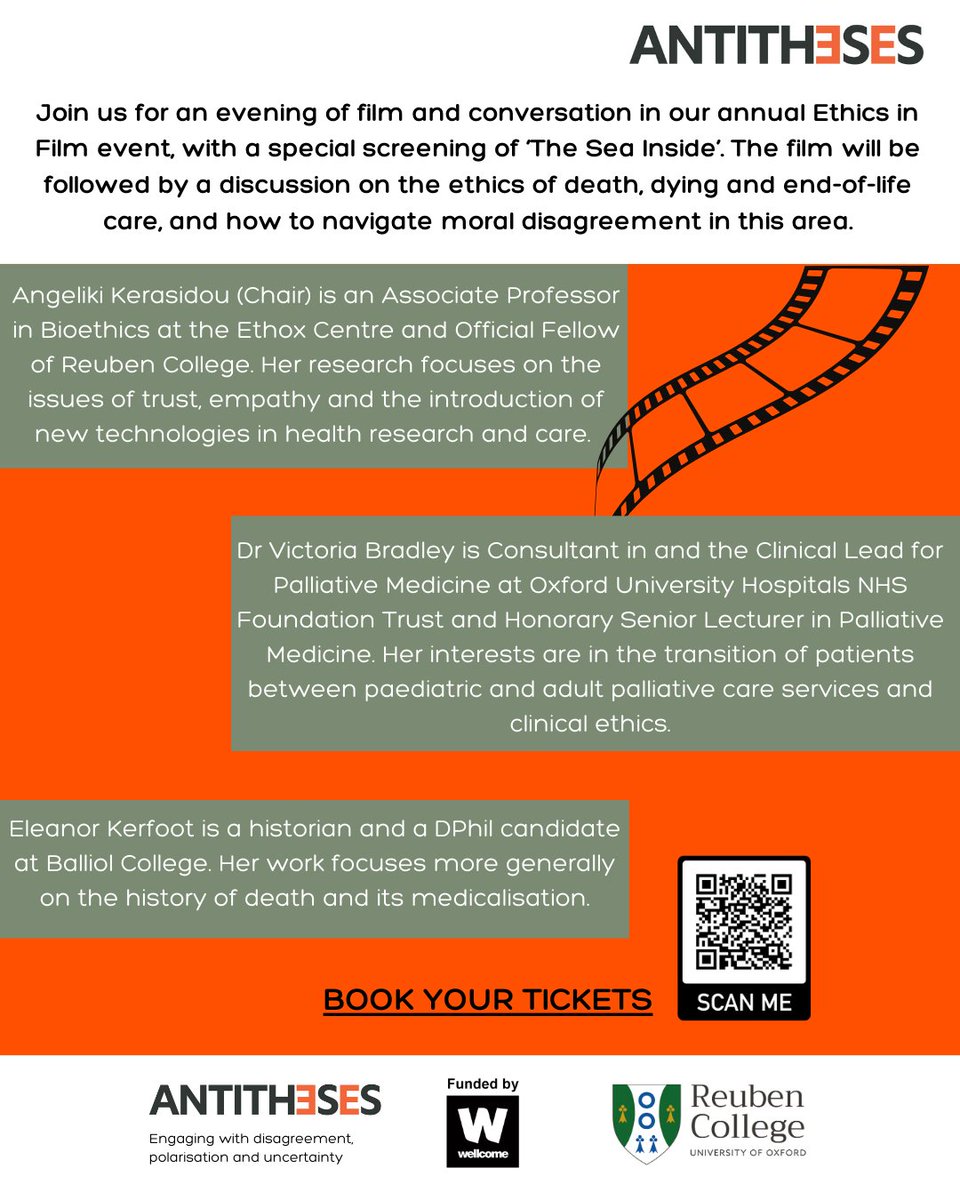
ALT Join us for an evening of film and conversation in our annual Ethics in Film event, with a special screening of ‘The Sea Inside’. The film will be followed by a discussion on the ethics of death, dying and end-of-life care, and how to navigate moral disagreement in this area. Panellist bios- 1) Angeliki Kerasidou (Chair) is an Associate Professor in Bioethics at the Ethox Centre and Official Fellow of Reuben College. Her research focuses on the issues of trust, empathy and the introduction of new technologies in health research and care. 2) Dr Victoria Bradley is Consultant in and the Clinical Lead for Palliative Medicine at Oxford University Hospitals NHS Foundation Trust and Honorary Senior Lecturer in Palliative Medicine. Her interests are in the transition of patients between paediatric and adult palliative care services and clinical ethics. 3) Eleanor Kerfoot is a historian and a DPhil candidate at Balliol College. Her work focuses more generally on the history of death and its me
Come work with us!
We are hiring a researcher in bioethics to work on a project called ‘What Should We Talk About?', an activity of @ANTITH3SES platform.
Apply here shorturl.at/BYRsr
➡️Deadline: 14th July
➡️Fixed-term for 2 years
#JobAlert#ethics
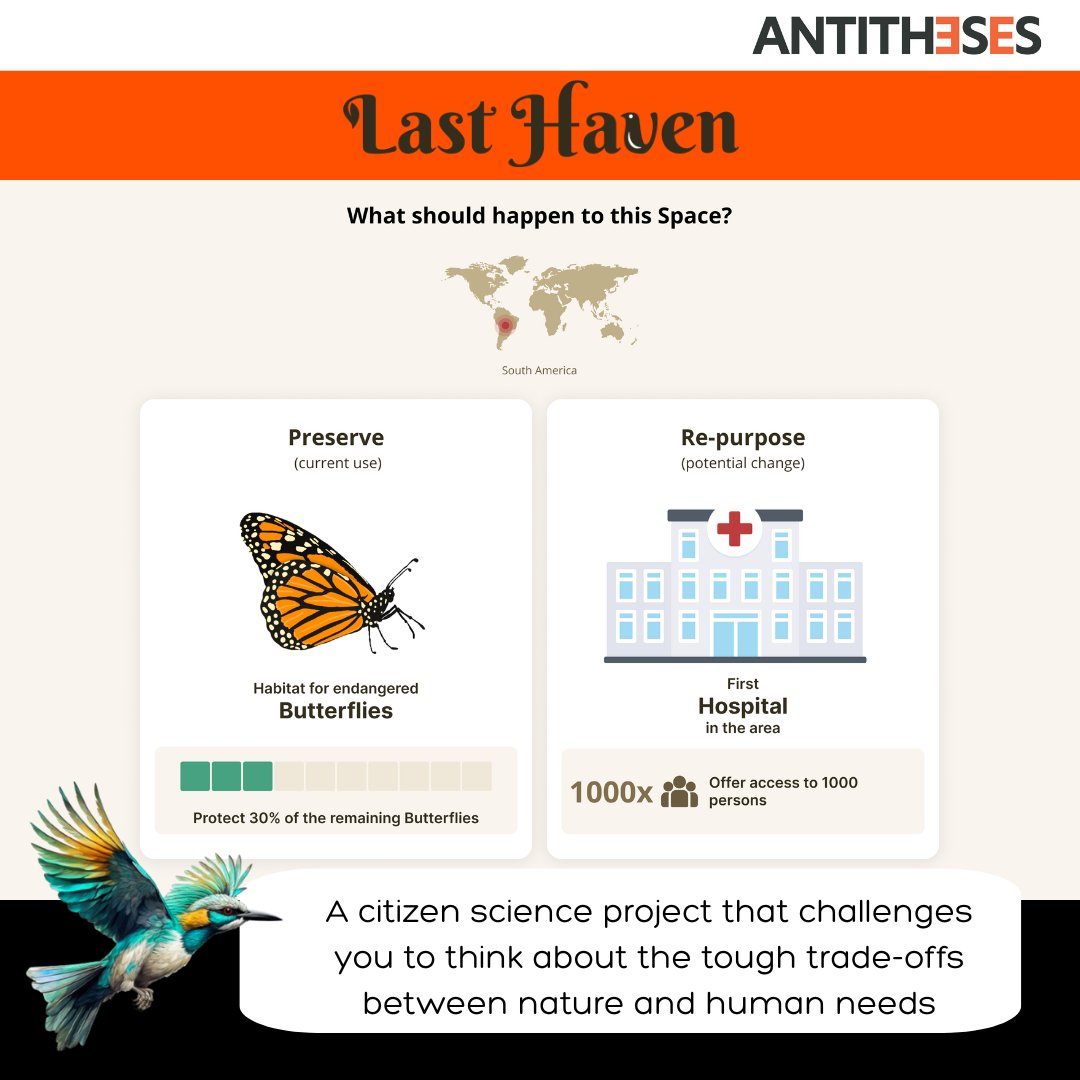
Glad to see that @guardian published my letter on one of the most urgent dilemmas we face today: how to balance housing needs with protecting nature.
📄 theguardian.com/politics/202…
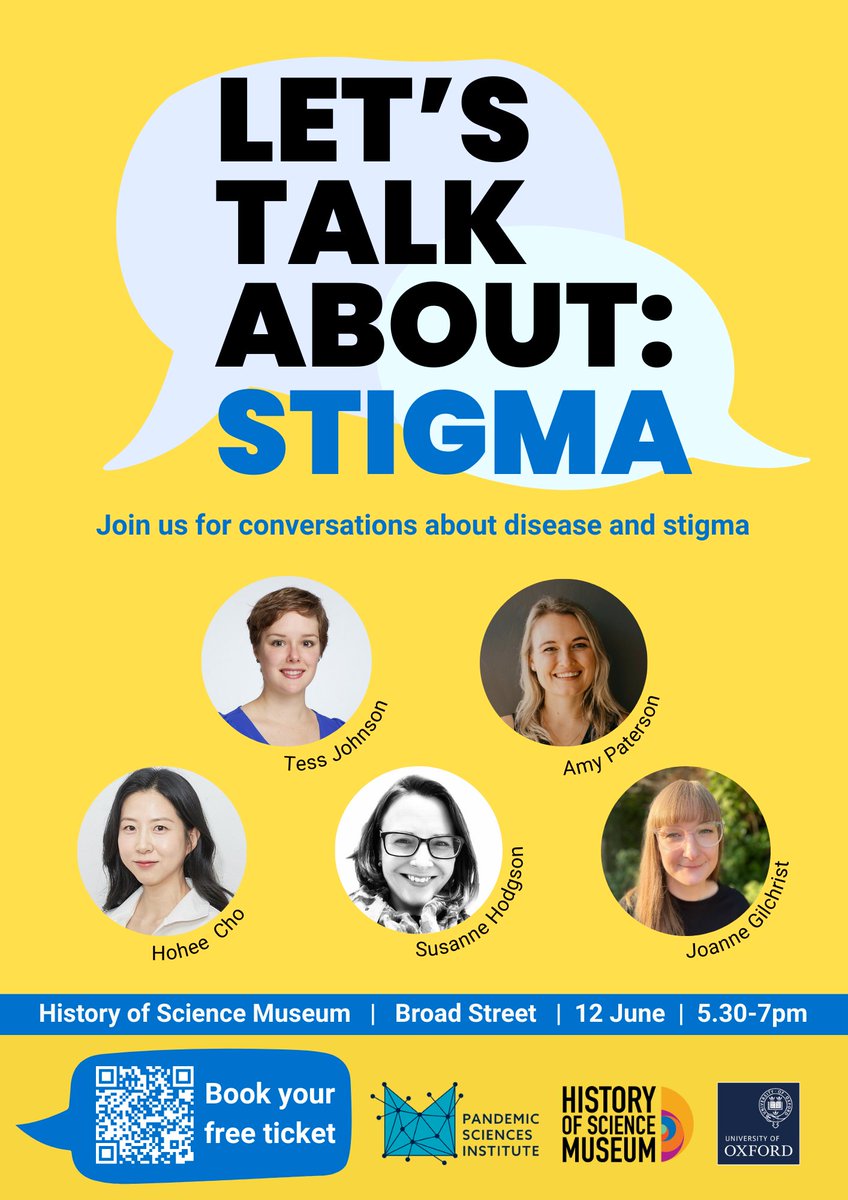
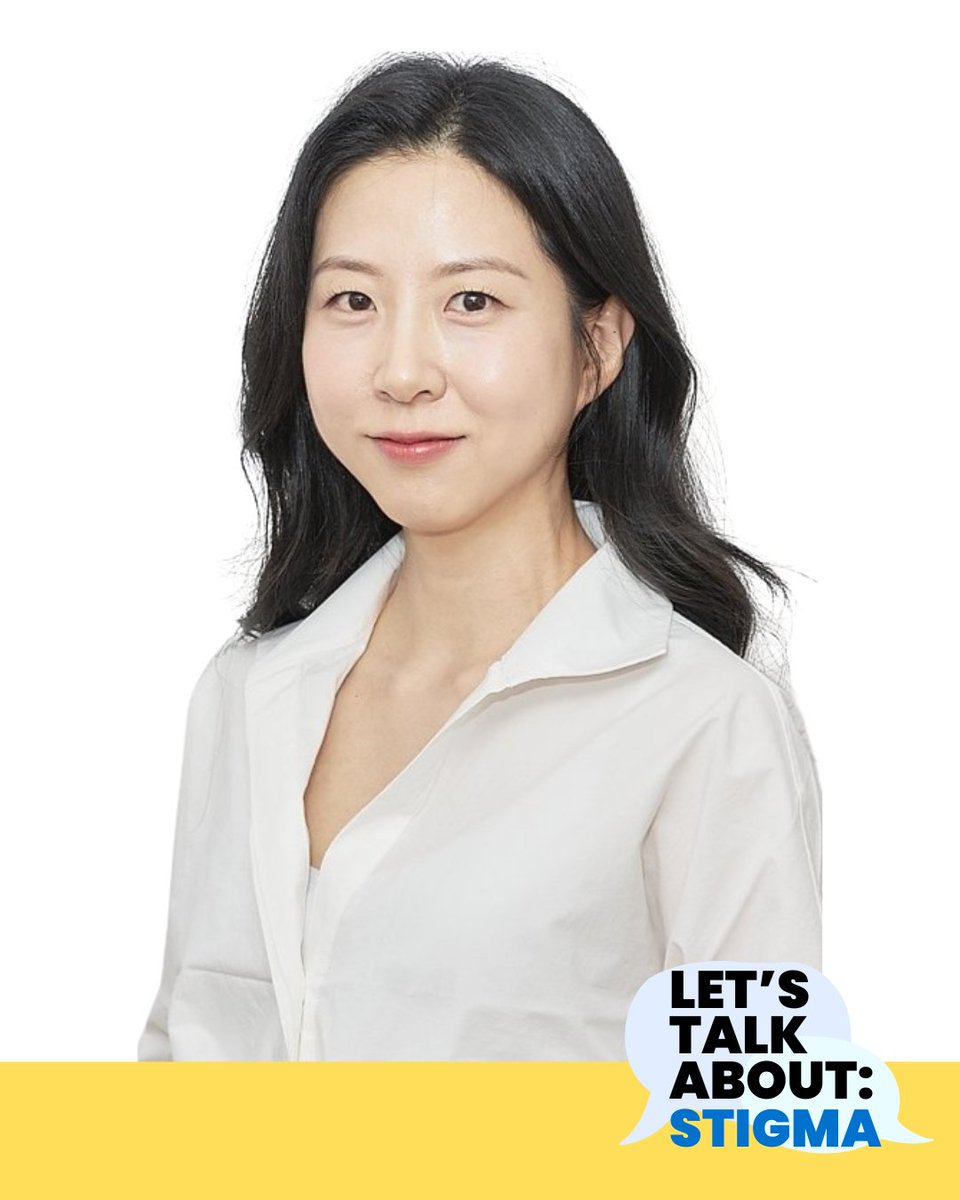
"Stigma often stems from fear. The degree of stigma in a society can be an indicator of how deeply the associated disease is feared."
Join Dr @hoheecho at our upcoming event 'Let's Talk About: Stigma', 12th June.
🎟️ ow.ly/6LQk50VZ2QV@Ethox_Centre@PSIOxford
ALT A professional headshot of Hohee with a yellow banner across the bottom that reads 'Let's talk about: stigma'.