
Blockchain Forensics | On-Chain Intelligence | Fraud | Cybercrime | AML | Source of Funds | Civil & Criminal Cases
Joined June 2023
- Tweets 110
- Following 160
- Followers 67
- Likes 202
46 Photos and videos





Jun 16
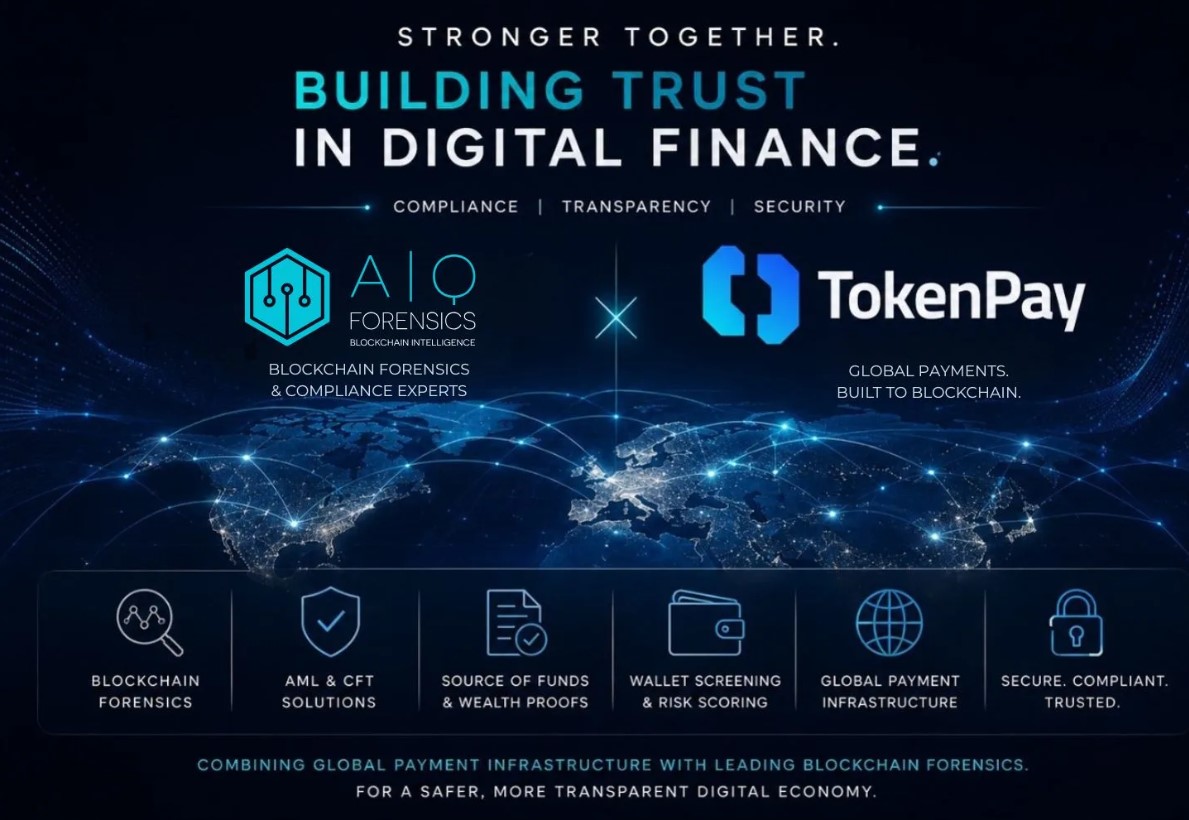
TokenPay x AQ Forensics
Wir freuen uns über die strategische Partnerschaft mit TokenPay.
Gemeinsam setzen wir uns für mehr Sicherheit, Transparenz und Vertrauen im Digital-Asset-Bereich ein.
aq-forensics.com/blogs/token…
#AQForensics #TokenPay #Bundesblock #BlockchainForensics
1
12
Jun 15
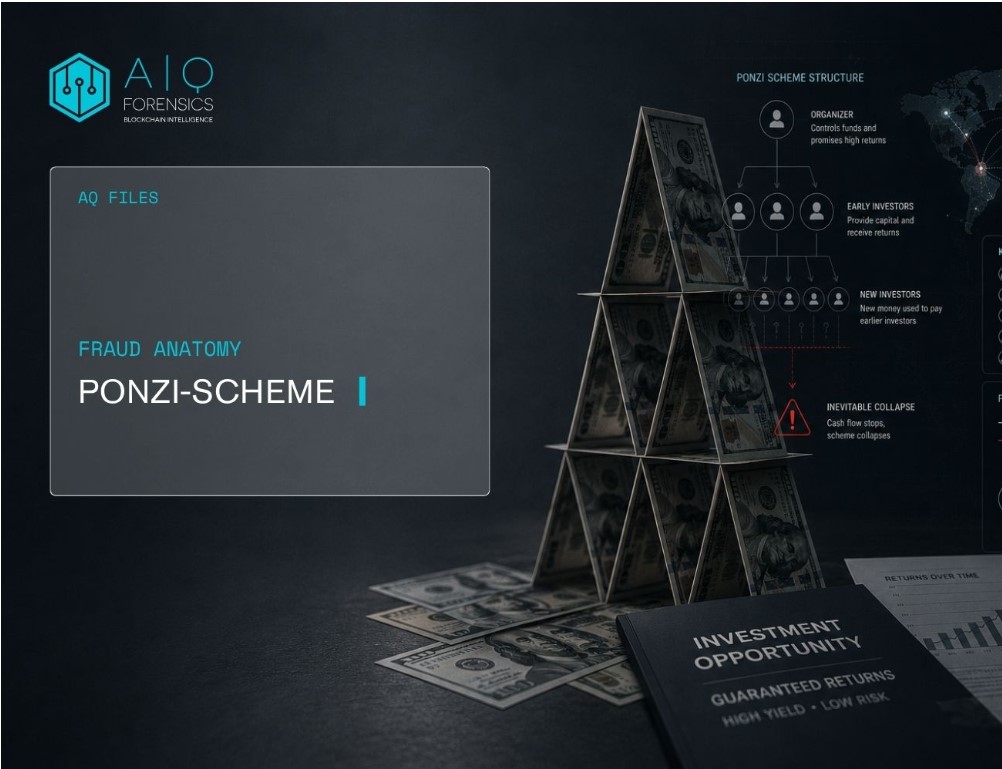
Moderne Krypto-Ponzi-Systeme tarnen sich oft als KI-, Web3- oder Token-Projekt.
Entscheidend sind nicht die Versprechen, sondern die Zahlungsflüsse: Wallets, Sammeladressen, Ausschüttungen, Weiterleitungen. Analyse:
aq-forensics.com/blogs/anato…
#CryptoFraud #AML
1
14
Jun 9
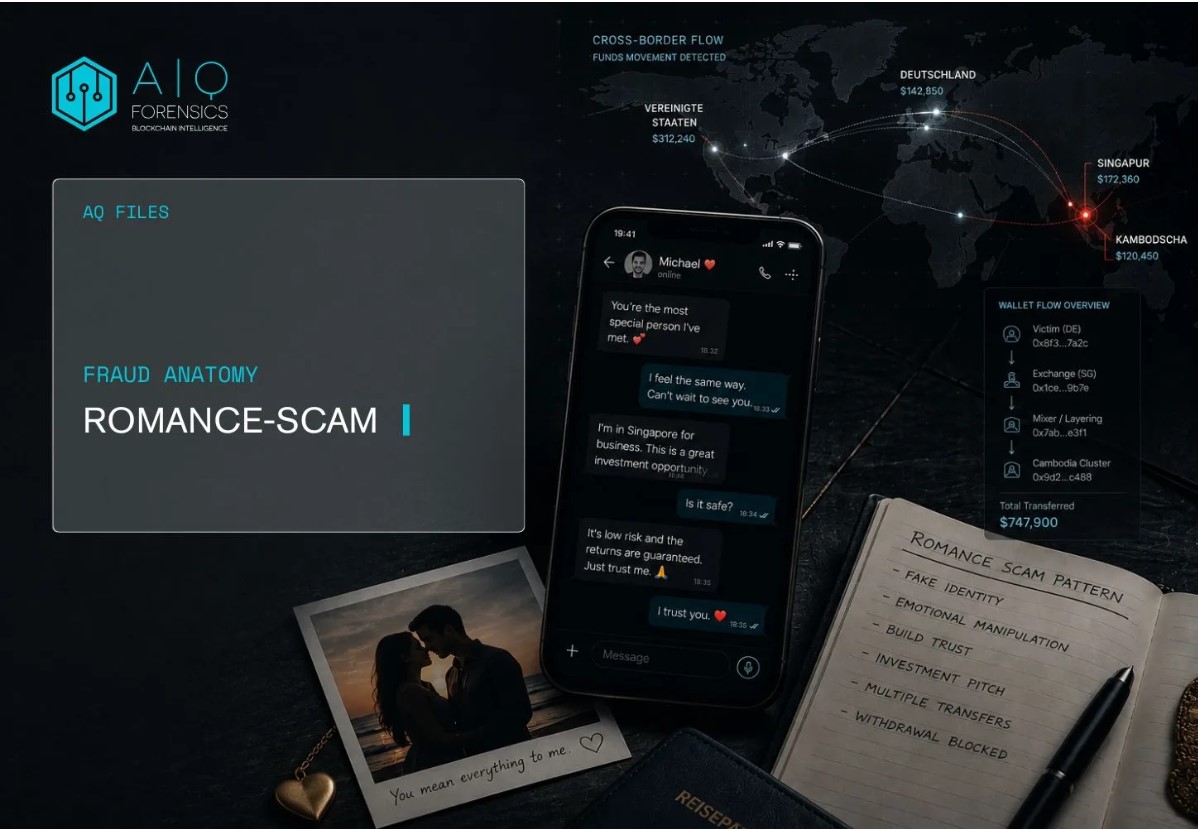
„Ich dachte, er liebt mich.“
Ein Satz, den Ermittler nach Romance Scams immer wieder hören.
Wie die Täter vorgehen:
🔗 aq-forensics.com/blogs/anato…
#RomanceScam #CryptoFraud #BlockchainForensics
1
27
Jun 6
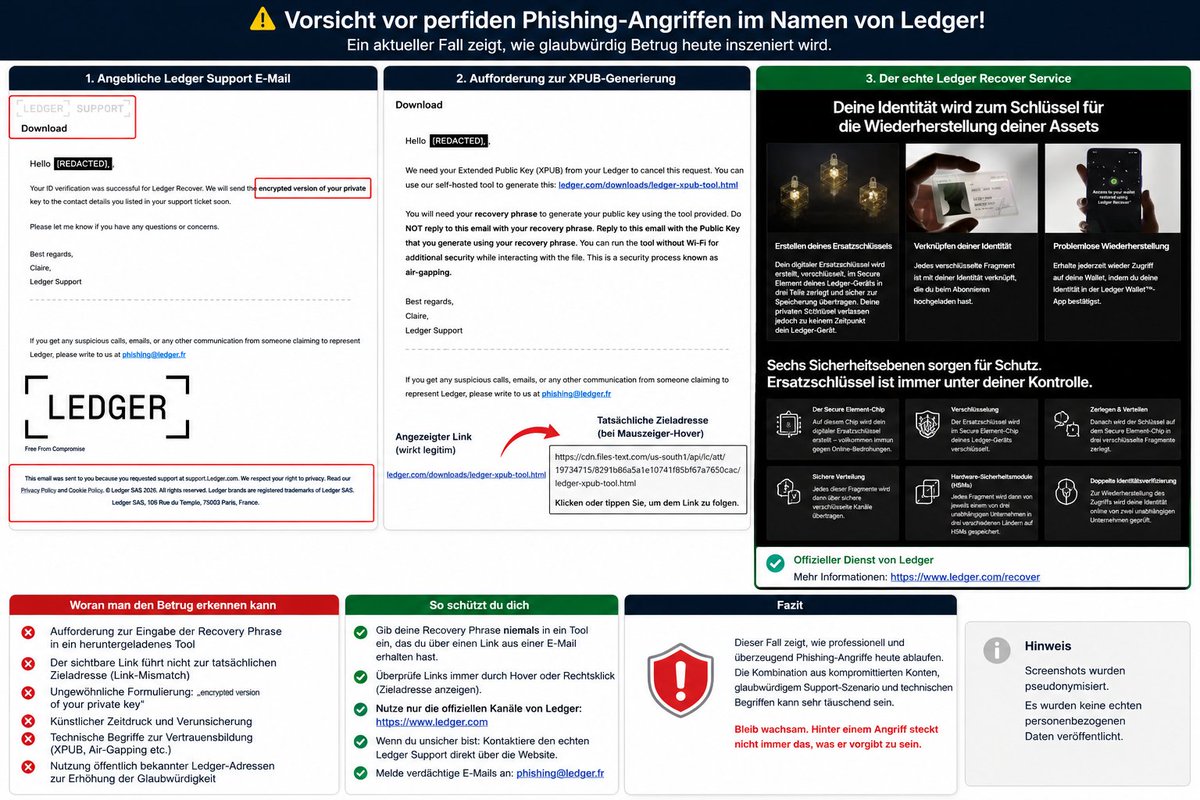
🚨 Phishing im Namen von Ledger:
Kompromittiertes E-Mail-Konto, anschließend angebliche Ledger-Recover-Mails.
⚠️ Niemals eine Seed Phrase in Tools eingeben, die per E-Mail verlinkt werden.
#Ledger #Phishing #CryptoSecurity
1
2
1
120
Jun 5
Nach Krypto-Betrug zählt Tempo und Struktur.
Beweise sichern, Transaktionen dokumentieren, Exchanges einbinden und Behördenanschluss schaffen. @ChangeNOW_io spricht mit AQ Forensics über reale Fälle und operative Blockchain-Forensik.
youtube.com/watch?v=i2JAQSAT…
#CryptoFraud #AML
40
AQ Forensics retweeted

Jun 3
There's nowhere left to hide in crypto.
We have concluded that during the NFK Media-organised webcast roundtable with @ThomasJeegers (@relai_app), Albert Quehenberger (@AQ_Forensics), and @FlorianWimmerAT (@blockpit_io).
To begin with, from 2027, up to 50 countries, including offshore havens such as the Seychelles and Cayman Islands, will automatically share crypto transaction data with each other.
If you've ever used a regulated exchange, your local tax authority will eventually know about it.
Next, as opposed to traditional finance where only large balances or high-value transfers get flagged, CARF covers everything.
Buys, sells, swaps, deposits, and withdrawals.
Regardless of the amount.
Also, the on-chain traceability doesn't equal to knowing who you are but that's changing.
Blockchain data has always been transparent and pseudonymous. CARF bridges that gap by linking on-chain activity to real KYC identities held by exchanges, and this gives authorities a full picture for the first time.
Unfortunately, the criminals will simply move to no-KYC methods, while "top 2% or top 5% of interesting cases where real money is to be made" will face more paperwork and may possibly encounter real safety risks.
(as seen in France, where a tax authority data leak led to over 100 Bitcoin-related kidnappings in a single year)
The real enforcement wave hits around 2028, since authorities will receive the first data in May 2027, but sorting through it takes time (done approx. by September).
Expect mass letters and enforcement actions to ramp up in 2028, targeting the top holders first.
1
1
2
188
Jun 3
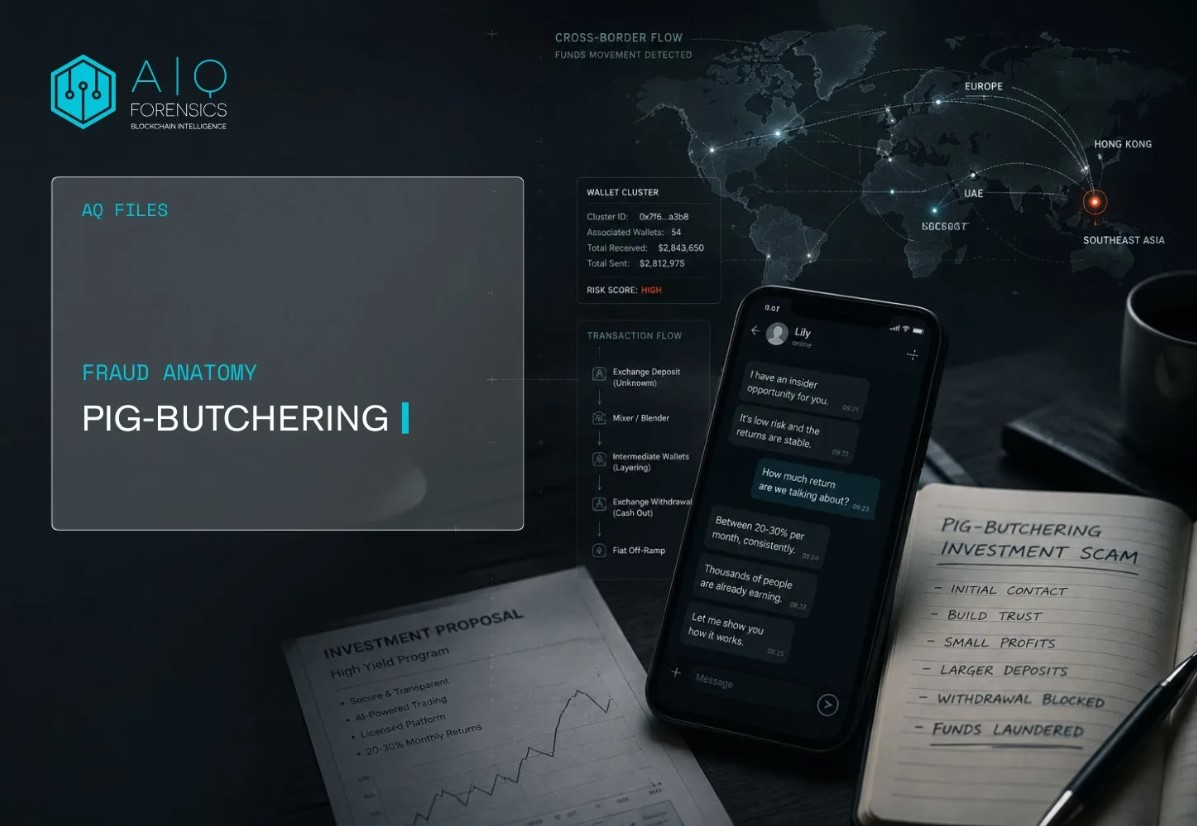
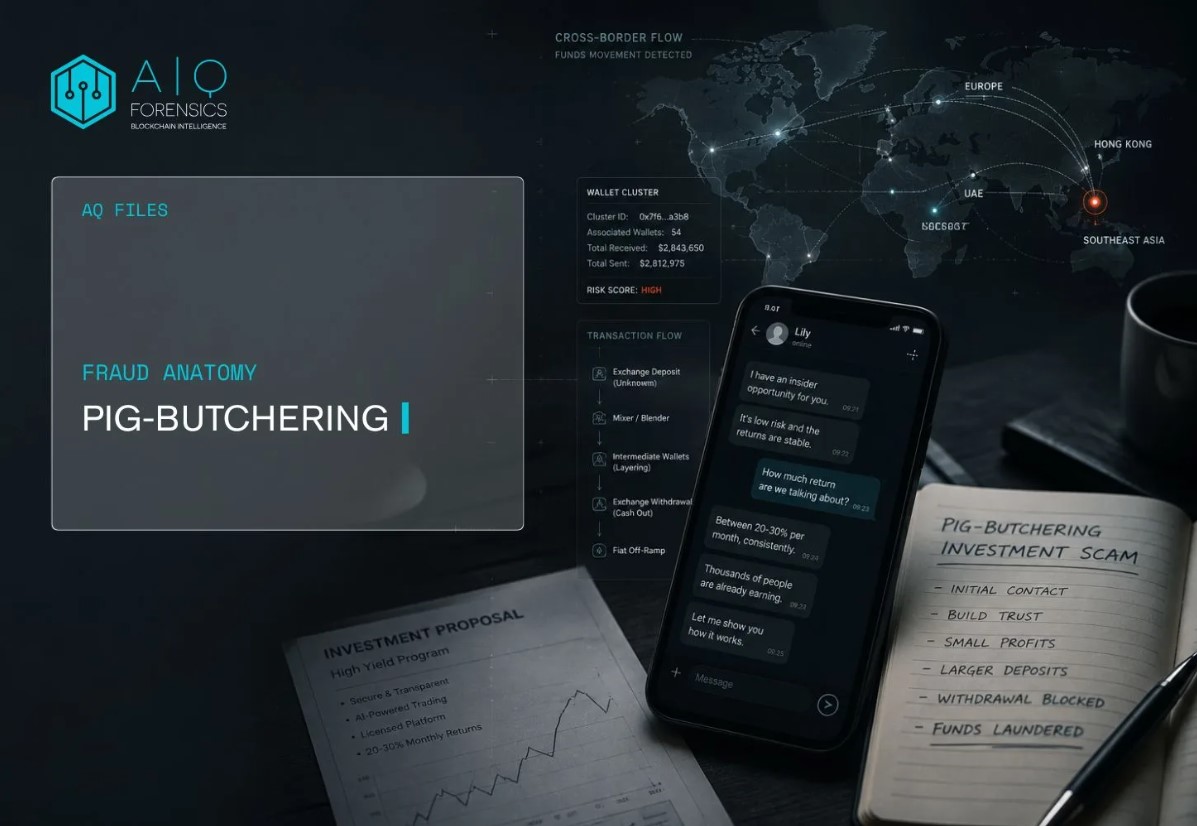
Pig Butchering beginnt oft nicht mit einem Investmentangebot, sondern mit Vertrauen.
Warnsignale:
1. Nähe ohne echtes Treffen
2. „Sichere“ Krypto-Gewinne
3. Auszahlung nur gegen Gebühren
4. Gewinne sichtbar, aber nicht auszahlbar
aq-forensics.com/blogs/analy….
26
Jun 2
Looking forward to joining the World Venture Forum 2026 in Kitzbühel 🇦🇹 from 6–11 July.
Excited to connect with entrepreneurs, investors, and innovators from around the world.
Join us and save 15%
🔗 b2match.com/e/world-venture-…
🎟️ WVF26_JOINME
#WVF2026 #Innovation #Entrepreneurship
19
Jun 1
Pig Butchering ist kein einfacher Investmentbetrug.
Täter kombinieren:
- Vertrauensaufbau
- Fake-Trading-Plattformen
- Testauszahlungen
- Wallet-Rotation
- blockierte Auszahlungen
- angebliche Steuer- oder AML-Gebühren
AQ Forensics Analyse:
aq-forensics.com/blogs/analy…
#KryptoBetrug
1
35
AQ Forensics retweeted

May 29
Episode 2 of the Blockchain Security Series
Albert of @AQ_Forensics and our CSO @deeepmoist discussed the return of stolen funds with our compliance department, evidence collection and why law enforcement support is critical to recovery.
Watch here 👇 youtube.com/watch?v=i2JAQSAT…
7
4
114
2,562
May 22
Happy Bitcoin Pizza Day 🍕₿
Vor 15 Jahren wurden 10.000 BTC für zwei Pizzen bezahlt.
Heute ist Bitcoin digitales Gold. 🚀
#Bitcoin #BTC #BitcoinPizzaDay #Crypto #Blockchain
1
30
AQ Forensics retweeted
Apr 30
Bitcoin-focused roundtable discussion. We are live!
I am moderating a conversation with three guests:
- @ThomasJeegers (CFO and COO at @relai_app)
- Albert Quehenberger (Founder and CEO at @AQ_Forensics)
- @FlorianWimmerAT (Co-Founder and CEO at @blockpit_io)
We are discussing such dimensions of Bitcoin as custody, tax, forensics, and regulations.
Feel free to share your questions and interact with other participants in the chat.
x.com/i/broadcasts/1qxoNeWQp…
2
10
235
AQ Forensics retweeted
May 20
New webcast roundtable is out!
I moderated an Institutional Bitcoin panel with expert speakers:
- Thomas Jeegers (@ThomasJeegers), CFO & COO at @relai_app
- Albert Quehenberger, Founder & CEO at @AQ_Forensics
- Florian Wimmer (@FlorianWimmerAT), Co-Founder & CEO at @blockpit_io
Timestamps:
00:00 Highlights
00:43 Introduction
05:00 Self-custody vs institutional custody in a post-ETF world
11:53 IFRS, DAC8, CARF, US 1099-DA obligations
28:45 OECD's Crypto-Asset Reporting Framework & on-chain traceability
56:50 What every Bitcoin business should do in Q2-Q3 2026
1:00:00 Q&A: Jurisdiction to hold Bitcoin for tax, economic & compliance
1:03:03 Q&A: How Bitcoin companies should survive compliance
1:05:16 Q&A: Why your Bitcoin treasury isn't bigger
1:08:25 Ending
All links are down below.
1
3
6
212
AQ Forensics retweeted

May 11
Geheimdienst-Insider packt aus: So funktioniert der globale Krypto-Diebstahl 🕵️♂️
Wie werden Milliarden auf der Blockchain gestohlen – und wie findet man sie wieder?
Albert Quehenberger von @AQ_Forensics gibt im neuen 21talk exklusive Einblicke in die Welt der Krypto-Forensik und die Jagd nach gestohlenen Bitcoin.
Link in den Kommentaren 👇💬

2
5
24
1,125
AQ Forensics retweeted
May 8
NOWeffect Secures!
Episode 4, Our CSO - @deeepmoist and CEO of @AQ_Forensics - Albert Quehenberger unpack how greed, fear, and love drive crypto fraud, plus red flags, fund tracing, and security habits that help you stay safer.
Full Interview: youtube.com/watch?v=EkrNfibk…
1
1
6
521
Apr 17
🚀Wo Krypto-Forensik echten Impact schafft
🔍 Aufklärung komplexer Betrugsfälle
💰 >4 BTC im letzten Monat recovered
⚖️ Frühe Sicherstellung von Assets – oft vor Behörden
🧠 Analyse selbst komplexer Mixer (z. B. 2.200 ETH)
aq-forensics.com
#CryptoRecovery #OnChain
1
20
AQ Forensics retweeted
11 Jul 2025
Crypto investigations are something people don't speak too often about.
Albert Quehenberger (AQ Forensics) shared a few interesting stories with me.
Watch on YouTube: youtube.com/@nfk_podcast?si=…
Listen on Spotify: open.spotify.com/episode/33N…
1
3
77
AQ Forensics retweeted

We’re pleased to announce AQ FORENSICS as a VI3NNA Congress partner.
As a leading Austrian blockchain forensics provider, AQ FORENSICS supports individuals, companies, banks, law firms, and authorities in investigating cryptocurrency-related incidents.
@AQ_Forensics
1
1
4
64
1 Dec 2025
Our successful collaboration with ChangeNOW.io has led to the recovery of 100,000 USD in Bitcoin — a result that demonstrates what becomes possible when responsibility is not just claimed but lived.
28 Nov 2025

How ChangeNOW helped recover nearly $100,000 in stolen BTC!
Crypto-related attacks are becoming more sophisticated each year, but effective recovery is still possible. Together with @AQ_Forensics and Albert Quehenberger, ChangeNOW traced nearly $100,000 in stolen BTC across multiple chains and secured its return.
Read more ⬇️
changenow.io/blog/bitcoin-re…
1
53
AQ Forensics retweeted

13 Nov 2025
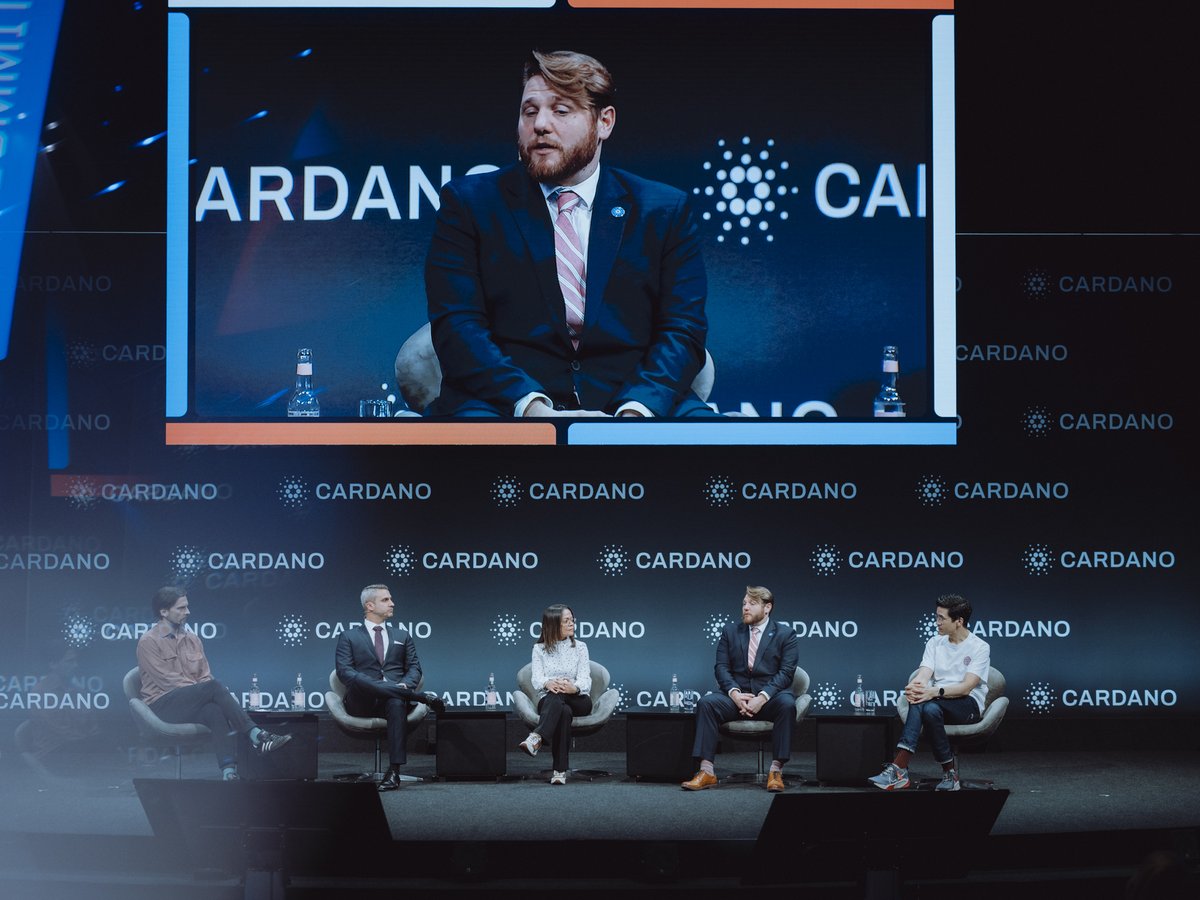
“We are not owning our data; we are renting a platform that owns our data. With DIDs, we will actually own our own data.”
A vision for verifiable identity by 2030.
Panelists from Animoca Brands, PCCW Global, AQ Forensics, and the Cardano Foundation explored what it will take to bring decentralized ID to the mainstream.
5
22
159
6,817