
Where GCC cross-border capital moves, settles, and scales. CBB Category 3. Bahrain.
Joined March 2024
- Tweets 65
- Following 13
- Followers 586
- Likes 60
26 Photos and videos






ARP Digital retweeted
1/4
Capital moves in three directions.
Between fiat and digital. Across corridors. Into local currency.
FLOW is the platform ARP Digital built for all three.
4
2
8
144
1/4
Capital moves in three directions.
Between fiat and digital. Across corridors. Into local currency.
FLOW is the platform ARP Digital built for all three.
4
2
8
144
3/4
FLOW Send - cross-border B2B settlement across GCC, South Asia, and Southeast Asia corridors.
Where settlement still costs more and takes longer than it should.
1
2
44
4/4
FLOW Receive - virtual assets converted and settled in local currency.
For a new generation of digital asset clients that needs a regulated GCC counterparty.
↓ Link in reply
2
53
1/3
Crypto runs 24/7. GCC fiat liquidity mostly doesn't.
For market makers and exchanges, accessing BHD, OMR, KWD and GCC rails at institutional depth, with a regulated counterparty, has been the gap.🧵
2
1
31
2/3
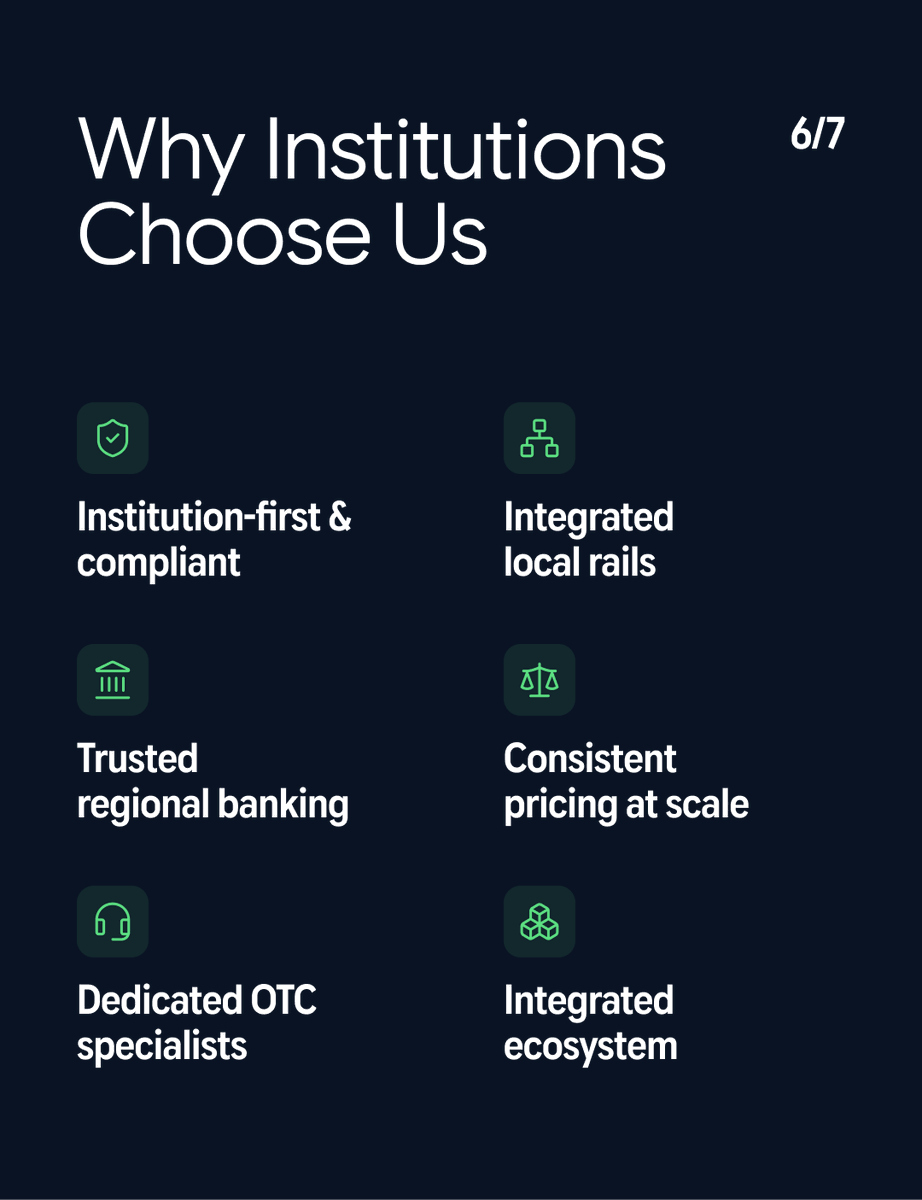
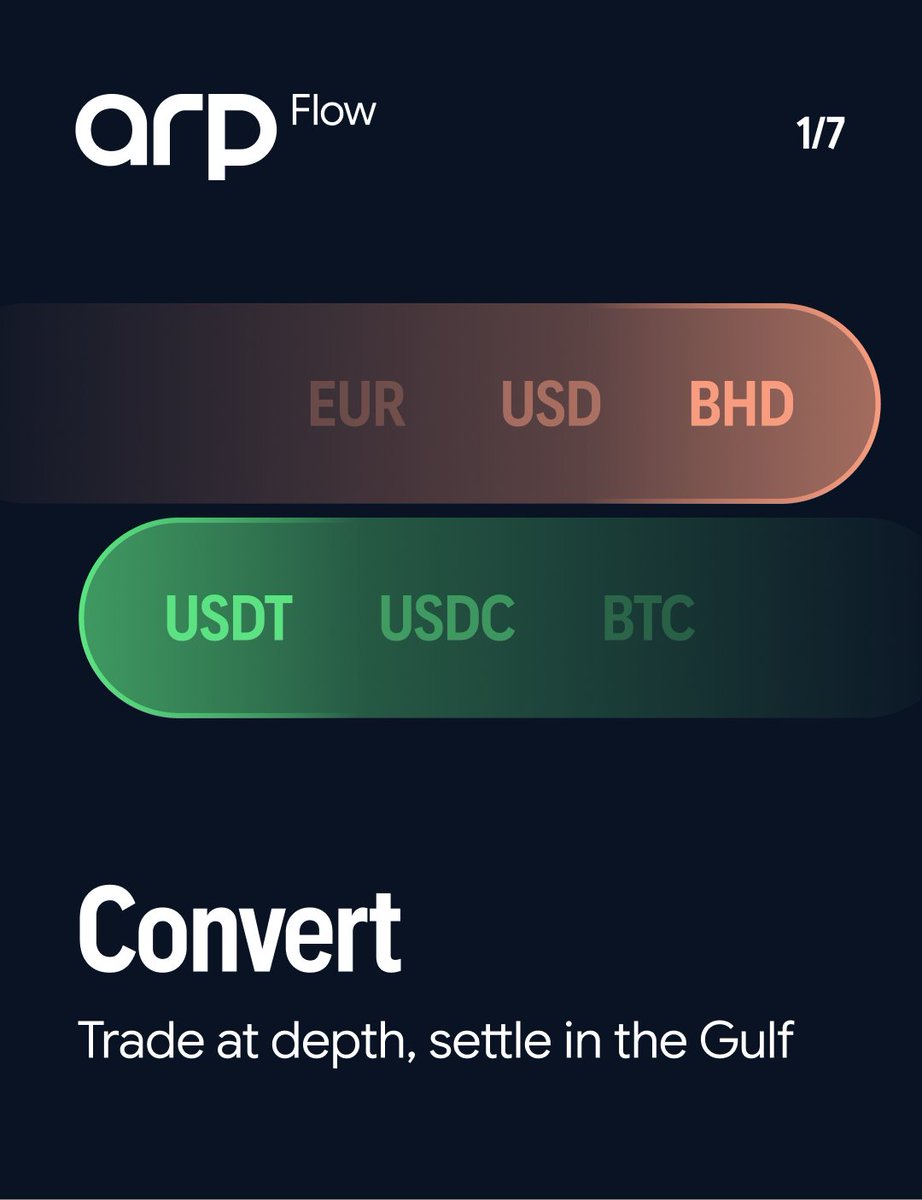
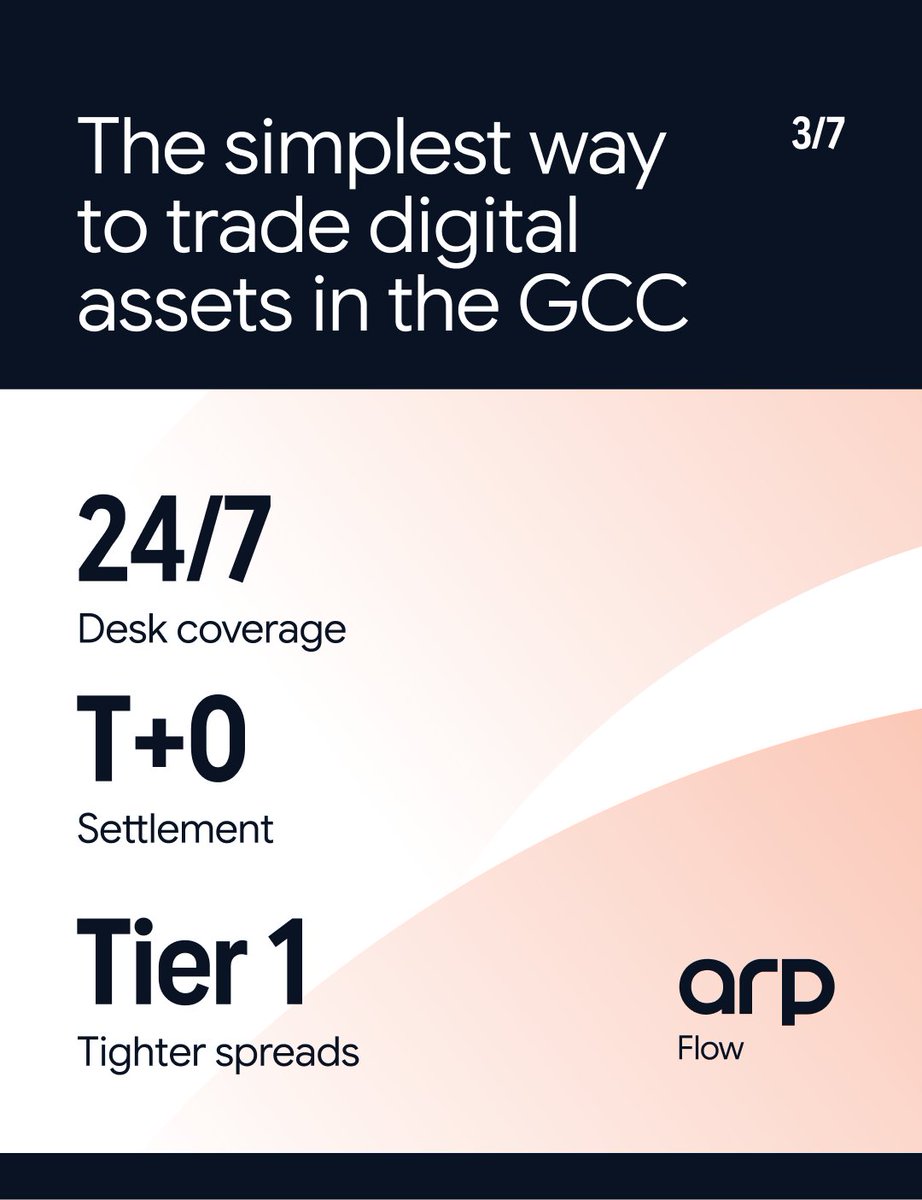
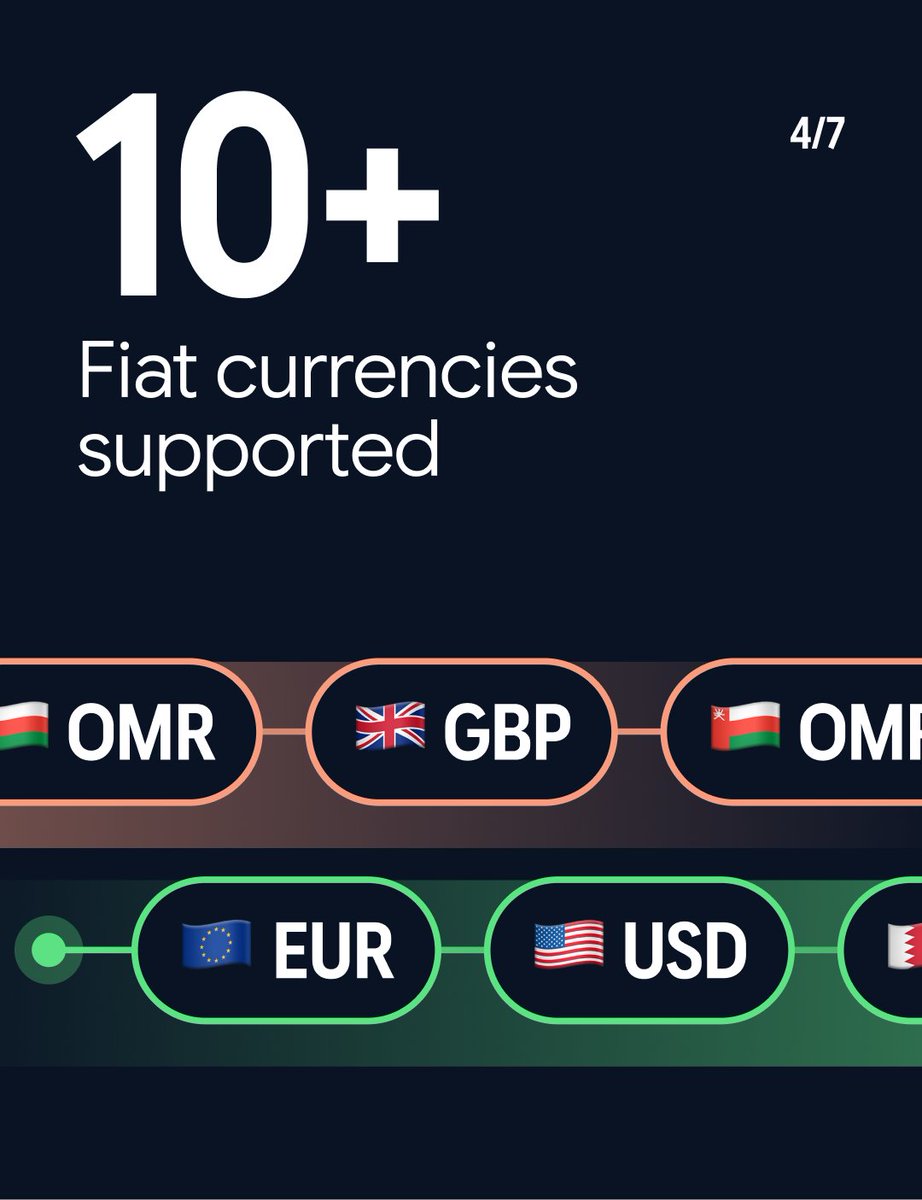
FLOW Convert - the GCC's institutional fiat↔digital assets desk:
24/7. No business-hours constraint.
T 0 settlement in fiat or stablecoin.
10 currencies
1
1
46
3/3
Backed by Tier 1 GCC banking relationships most digital asset desks can't access.
Tighter spreads. Real settlement capability. Regulated.
↓ Link in reply
1
34

May 25
The GCC sits at the centre of global trade.
The infrastructure to move capital through it at scale didn't exist.
That's the problem we woke up to build.
1
29
ARP Digital retweeted

May 19
Every fintech and PSP on the network now has a single regulated counterparty for GCC settlement.
Read the full announcement: fblks.co/arp-digital-x-fireb…
1
1
281
ARP Digital retweeted
May 19
.@ARPdigital_io operates under a Category 3 Capital Markets license from the Central Bank of Bahrain.
$3.5B processed. 450 institutional counterparties. 4x YoY volume growth in 2025.
1
1
2
189
ARP Digital retweeted
May 19
GCC payment corridors are now live on the 𝗙𝗶𝗿𝗲𝗯𝗹𝗼𝗰𝗸𝘀 𝗡𝗲𝘁𝘄𝗼𝗿𝗸 𝗳𝗼𝗿 𝗣𝗮𝘆𝗺𝗲𝗻𝘁𝘀.
@ARPdigital_io joins as the regulated corridor settlement partner.

3
2
9
1,010
May 18
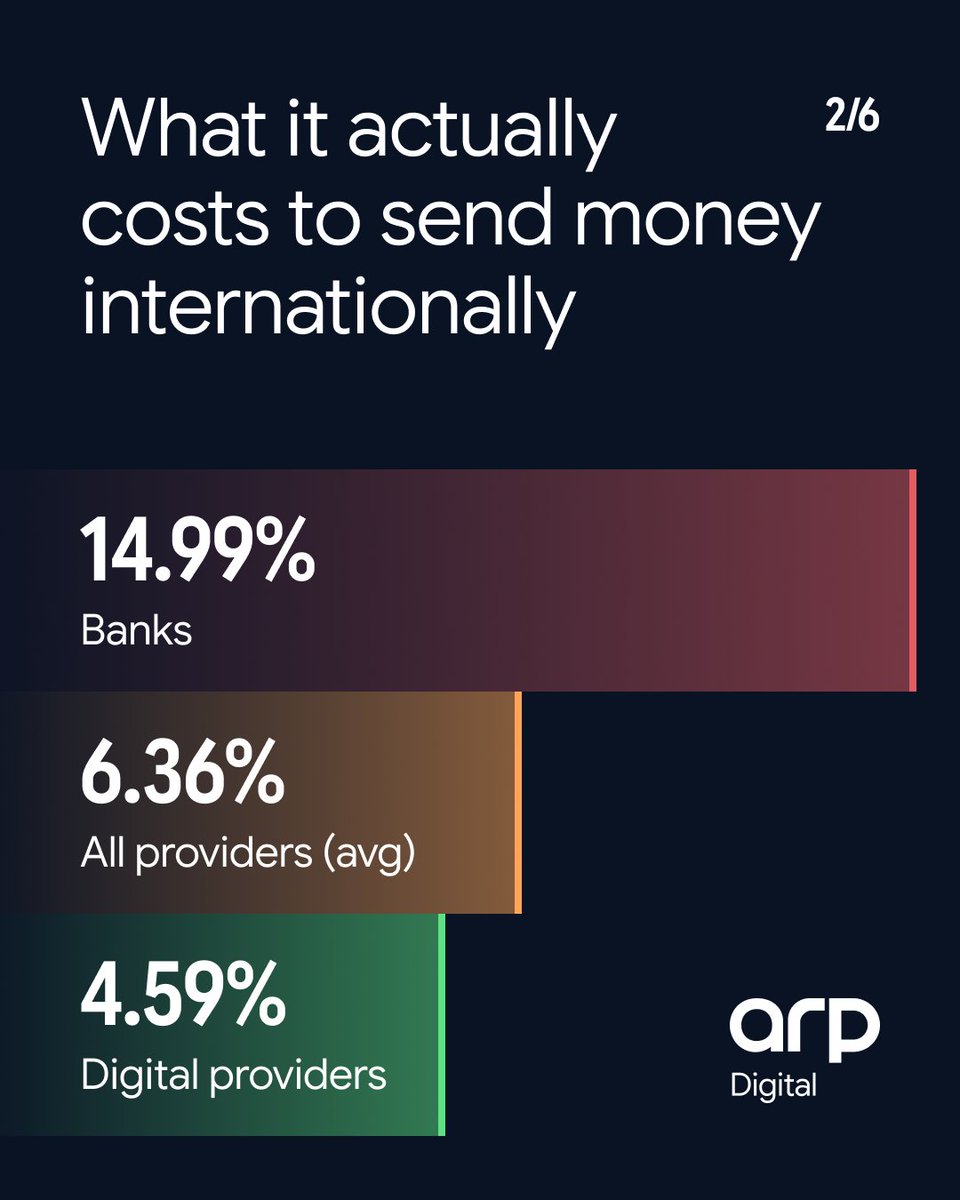
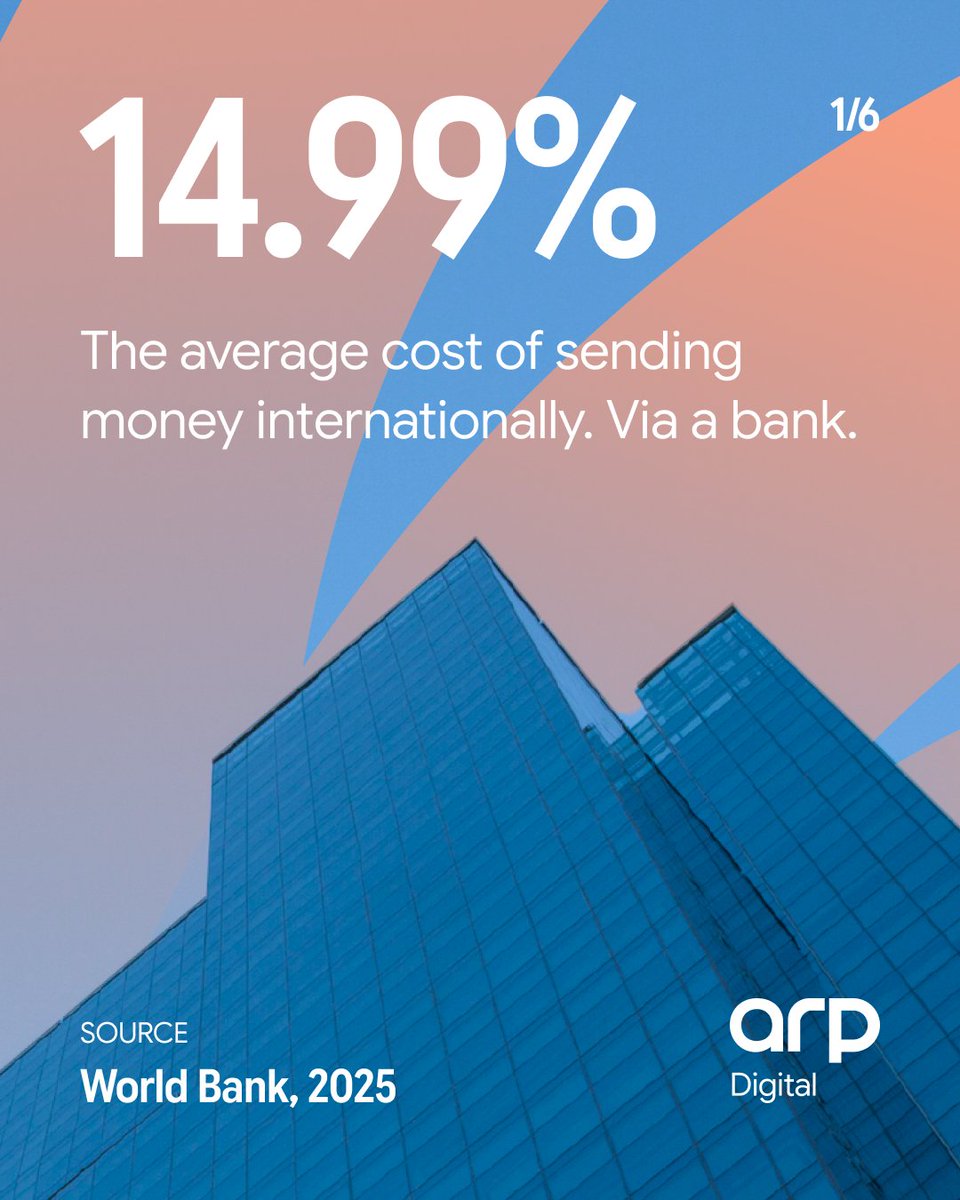
14.99%.
That's what a bank charges on average to send money internationally.
Thread on what this actually costs GCC businesses 🧵
2
1
48
May 18
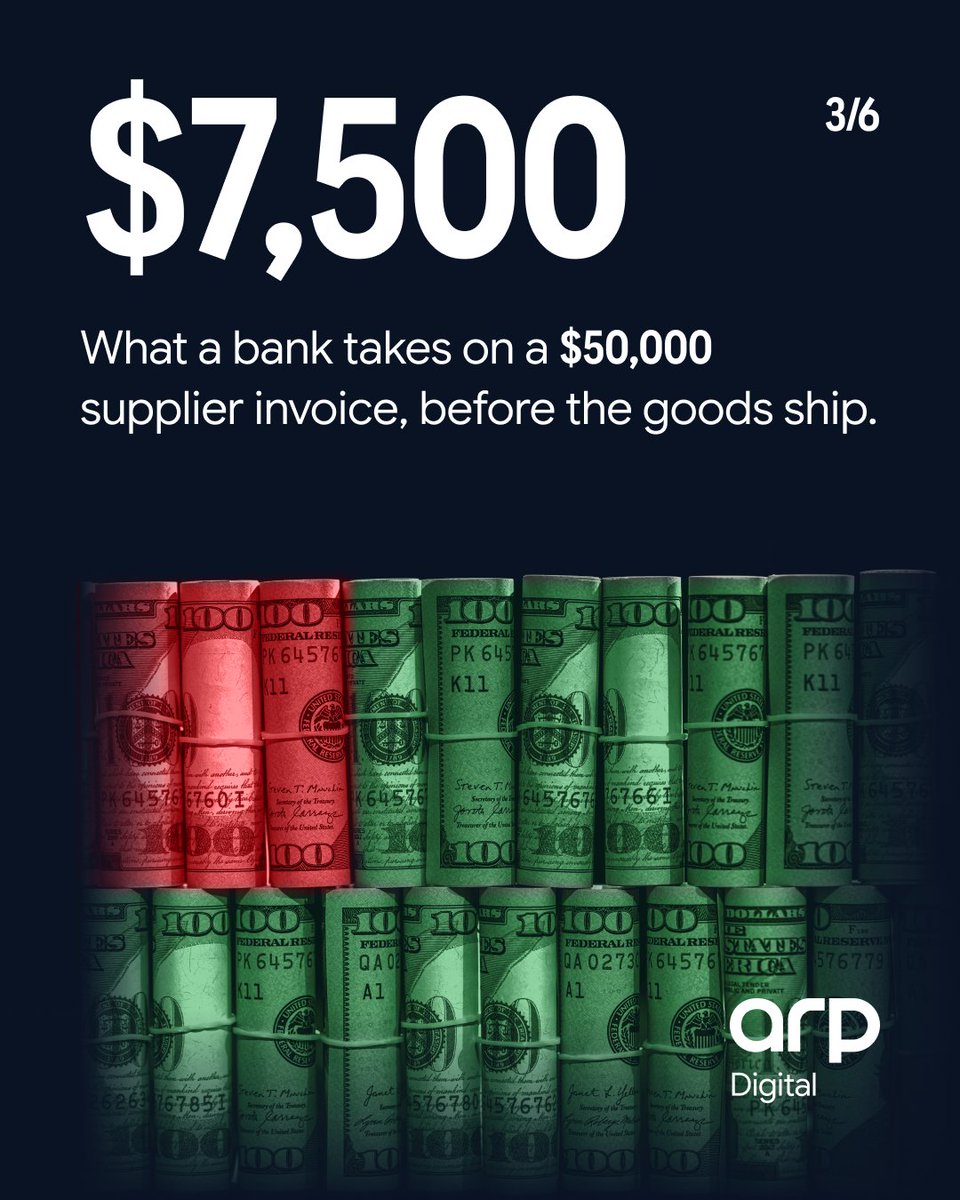
On a $50,000 supplier invoice, the bank rate alone is $7,500 in transfer costs.
Before the goods ship.
1
1
41
May 18
The fee your bank shows you isn't the full number.
Fee FX spread delay = the real cost.
What does a single transfer actually cost your operation, end to end?
1
31
May 12
1/4
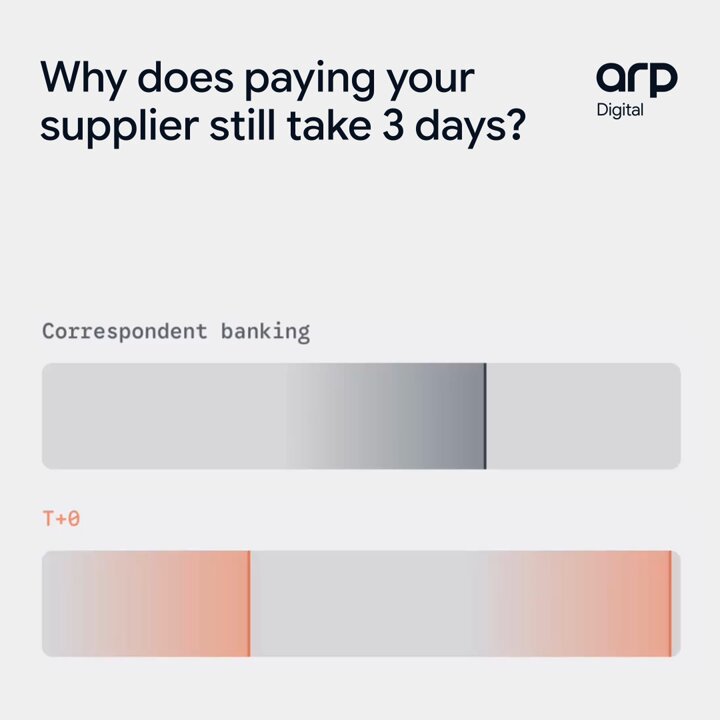
Tuesday: wire initiated to Shanghai.
Friday: wire lands.
The domestic transfer from the same bank cleared in 10 seconds. 🧵
1
1
57
May 12
3/4
Two or three correspondent banks.
Each one adds time.
None tells you where the money is.
Your supplier is following up by Thursday.
1
1
27
May 12
4/4
The gap between what regional infrastructure can do and what trade infrastructure actually does, that's where most businesses absorb the cost.
Which corridor is the slowest for you?
1
22