
Advanced Rocket Research Center (short for #ARRC) is a sounding #rocket research center organized by several #universities in #Taiwan. 🇹🇼🚀 #NCTU
Joined July 2019
- Tweets 82
- Following 6
- Followers 453
- Likes 5
69 Photos and videos

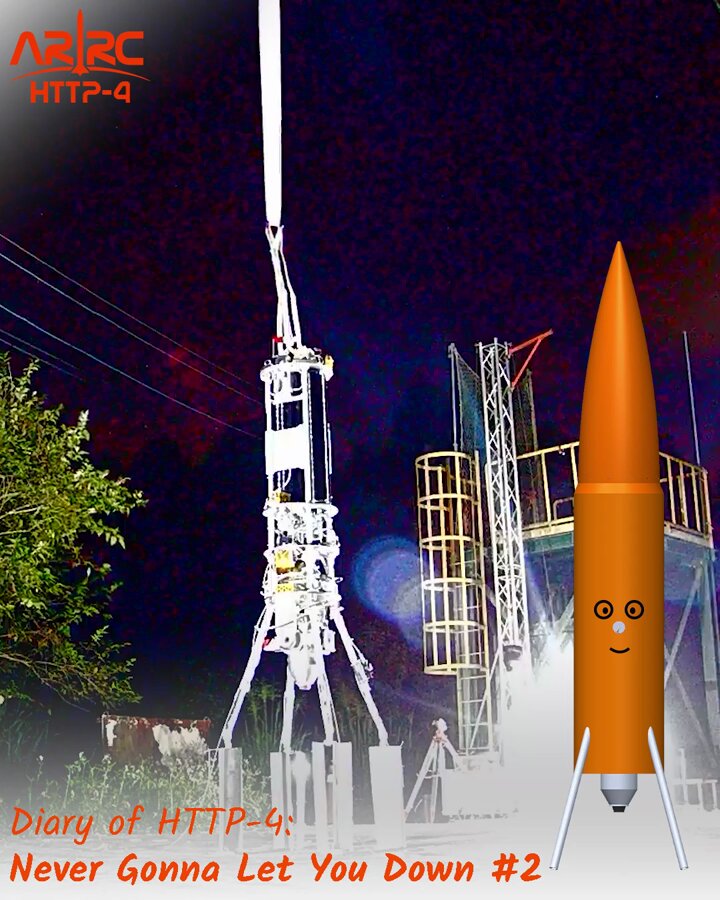
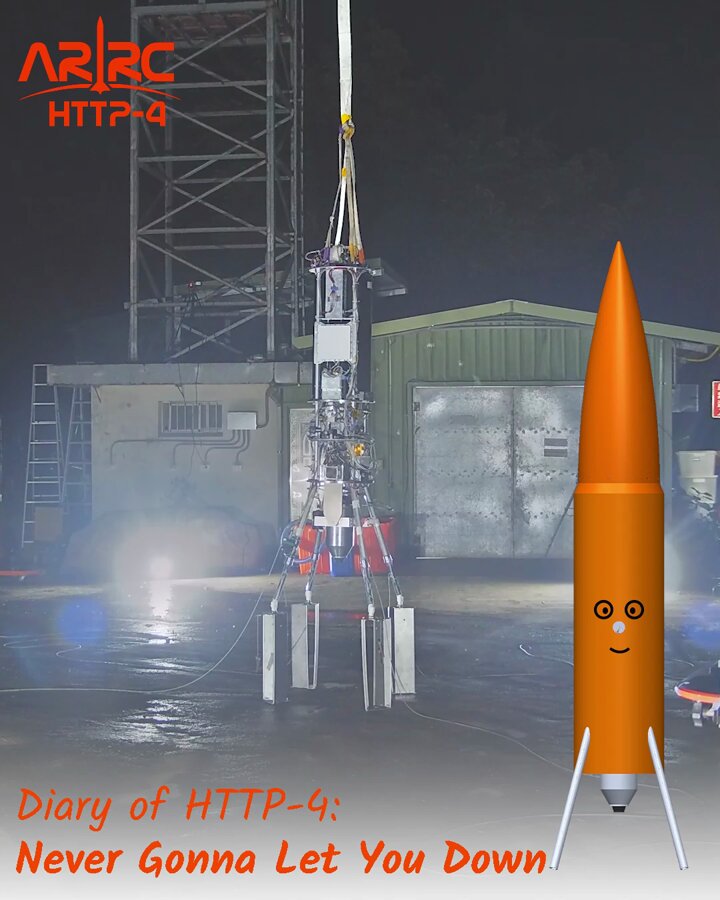


May 22
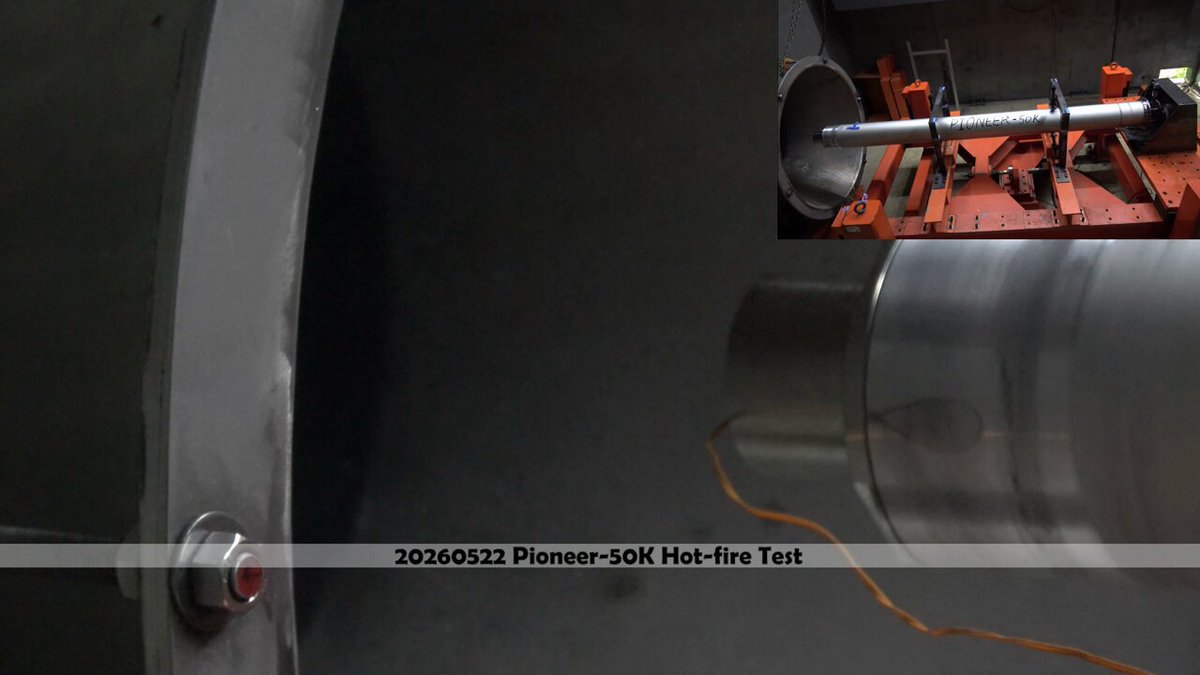
The first ground test of the Pioneer-50K solid rocket propulsion system, developed for future Rocket Taiwan Cup, has been successfully completed!
It will be integrated into the SST3 rocket for this year’s Rocket Taiwan Cup exhibition category.
2
3
140
Apr 12
In liquid rocket engines, regenerative cooling is a common design. We utilized a self-developed optimization algorithm for the regenerative cooling design and fabricated the components using metal 3D printing technology.
4
12
770
24 Dec 2025
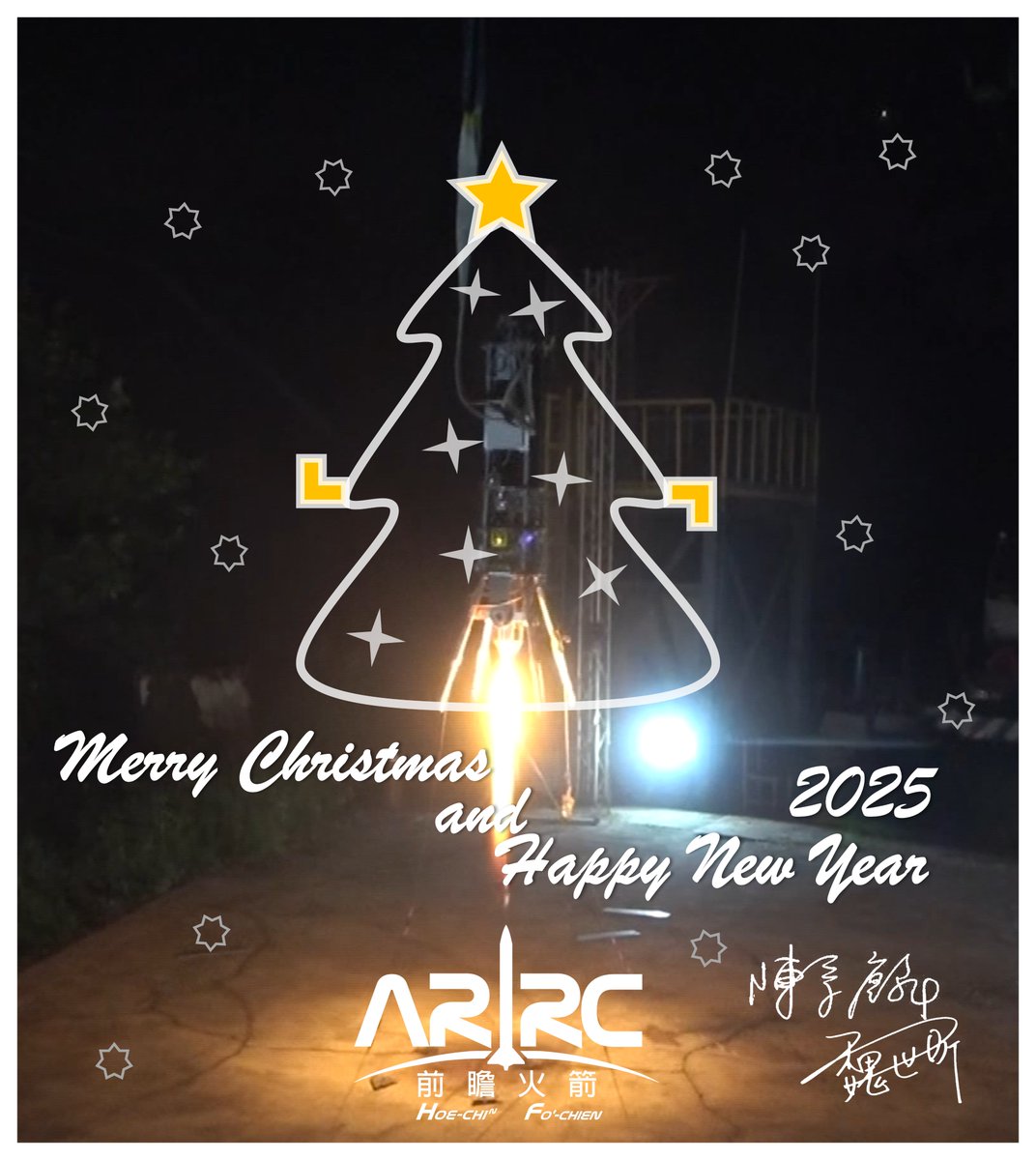
This year, we’ve completed multiple tests, including liquid rocket engine tests, Asfaloth-2 flight test, and HTTP-4 hover flight test.
From every test, we gathered lessons and turned them into momentum for the next step.
Wishing everyone a Merry Christmas and a Happy New Year!
3
66
6 Nov 2025
【"Never Gonna Let You Down #3" | HTTP-4 Tethered Hovering Flight Test-3】
The planned landing test was unsuccessful due to the rocket becoming entangled with the upper tether line. The rocket needs to be inspected and tested again.
2
2
238
21 Jul 2025
C* value serves as one of the indicators of its combustion efficiency. Improving combustion efficiency is often achieved through adjustments to propellant injector design. As C* approaches 100%, combustion becomes more complete, resulting in a noticeable change in flame color.
2
7
181
10 Jan 2025
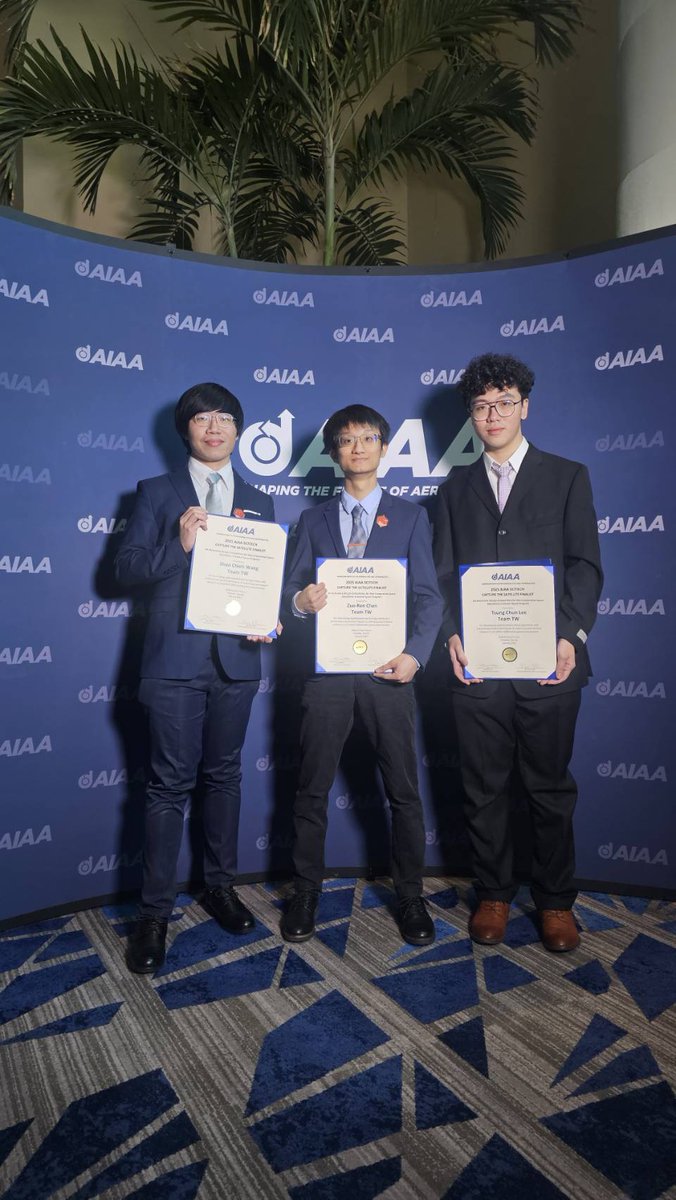
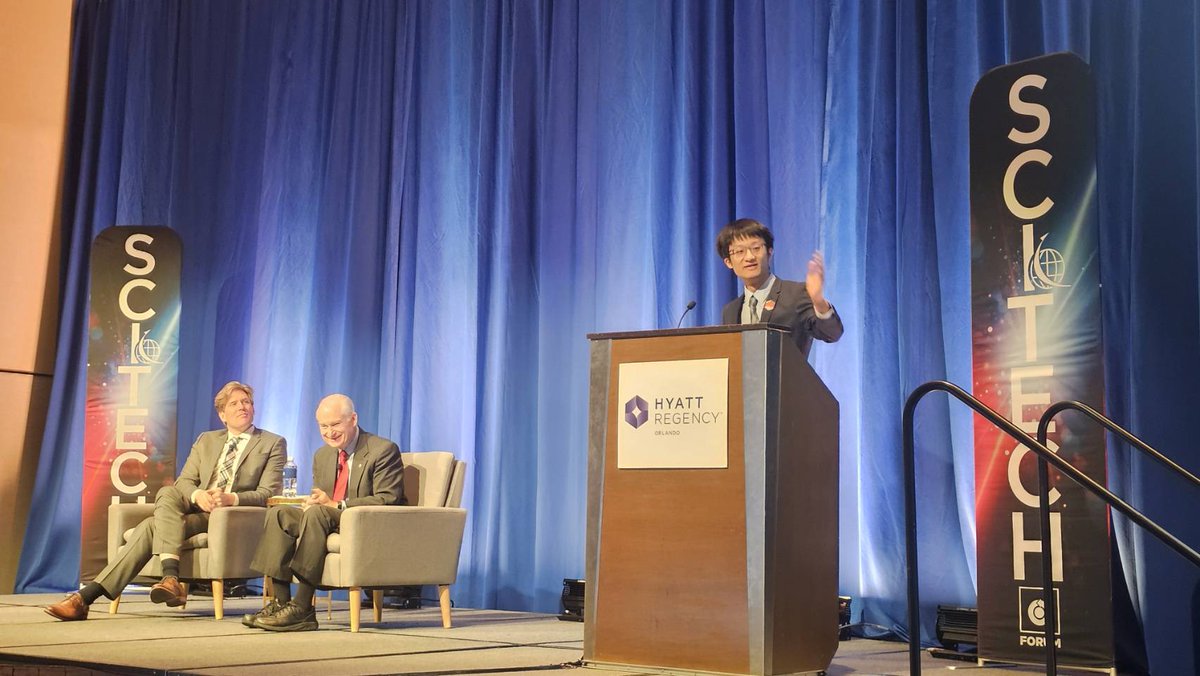
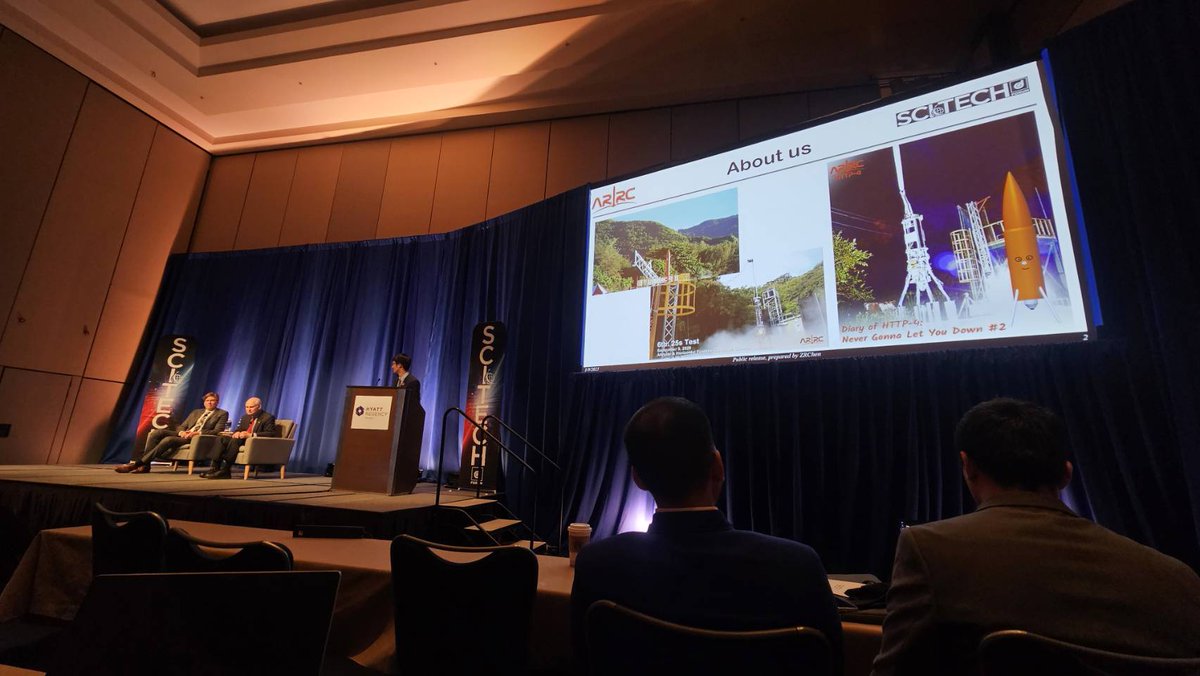
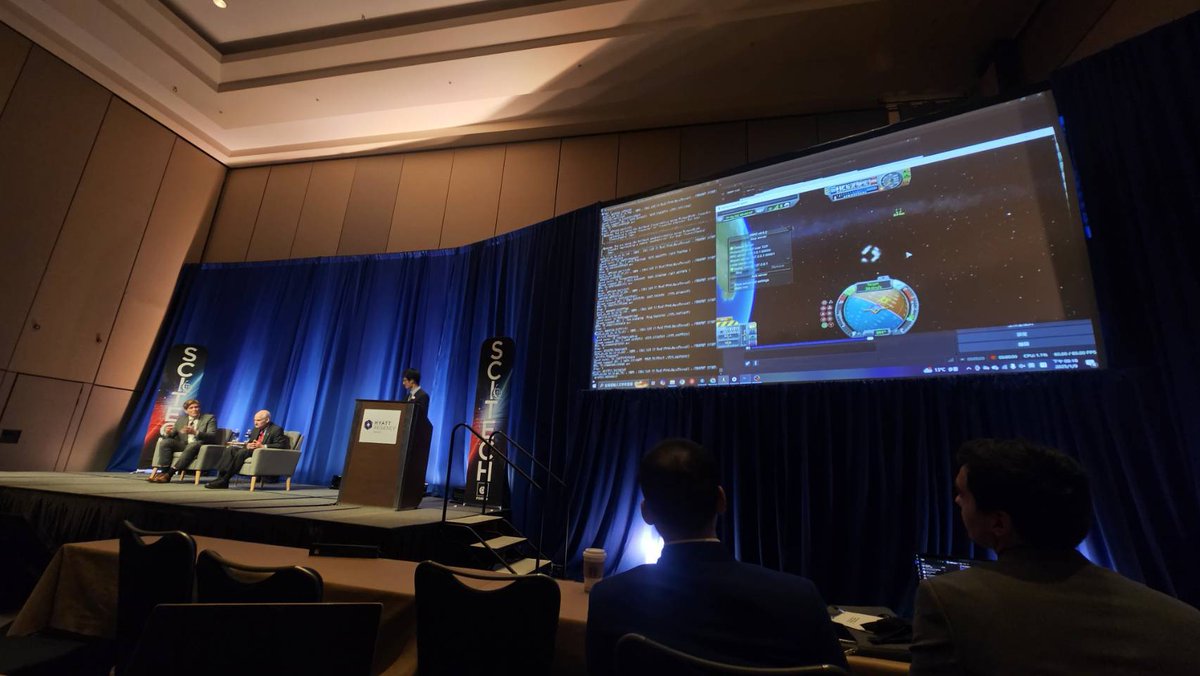
Three ARRC members participated in the Capture the Satellite Challenge at AIAA SciTech Forum and won third place. There are in total 34 teams signed up into the challange. Congratulation to Teams from KAIST and MIT-UPM who won the first and second place.
1
4
136
10 Jan 2025
The software design challenge is based on MIT Lincoln Laboratory’s Kerbal Space Program Differential Games open-source library. We employed Nonlinear Model Predictive Control to maneuver our agent satellite to capture a target satellite while evading another guard satellite.
1
82
25 Dec 2024
For the first time, ARRC attempted a 120-second hybrid rocket engine hot-fire test.
To verify the limits of the hybrid rocket engine and evaluate the feasibility of its application in launch vehicles, several tests are still ongoing.
4
12
6,116
24 Dec 2024
"Sometimes, one dream is enough to light up the whole sky.”- October Sky by Homer Hickam
In addition to completing two HTTP-4 hovering flight tests and one Asfaloth flight test this year, it officially entered the liquid rocket system.
Merry Christmas and Happy New Year!
3
173
26 Oct 2024
Our liquid rocket engine project has two design directions. Different from the previous test of hypergolic liquid rocket engine, this test uses hydrogen peroxide and hydrocarbon fuel as the first step toward entering high-thrust liquid rocket engines in the future.
1
5
206
25 Oct 2024
HTTP-4 2nd flight test completed!!
This test lasted 25 seconds of flight time and was equipped with an M-path to confirm the control performance of the landing speed. The next step is to try the hopping test.
#HTTP4
1
4
10
340
25 Oct 2024
The guidance, navigation, and control (GNC) algorithm was computed on the flight computer in real time to command the single-engine dual-axis thrust vector control (TVC) system, dual swing cold-gas reaction control system (RCS), and adaptive thrust control valve.
1
172
30 Jun 2024
【液態火箭引擎計畫 | Hypergolic Propulsion】
Hydrogen peroxide hypergolic liquid rocket engine test!
#LRE #Hypergolic
2
9
380
16 Jan 2024
【"Never Gonna Let You Down" HTTP-4 繫留懸浮飛行測試 | HTTP-4 Tethered Hovering Flight Test】
HTTP-4 first flight test completed!!
3
9
82
5,525
27 Dec 2023
To make the Tsuâ-Ing hybrid engine closer to the requirements of the Asfaloth sounding rocket, the solid fuel design can be adjusted to achieve a shorter engine length and lighter engine weight, for which the first hot-fire test was conducted.
#Asfaloth
1
2
12
407
24 Dec 2023
“We had to start somewhere, either succeed or fail, and then build what we knew as we went along.” - Rocket Boys (October Sky) by Homer Hickam
It's a pity this year; we will continue to work hard to prepare for the subsequent flight testing.
Merry Christmas and Happy New Year!
2
1
5
1,223
10 Sep 2023
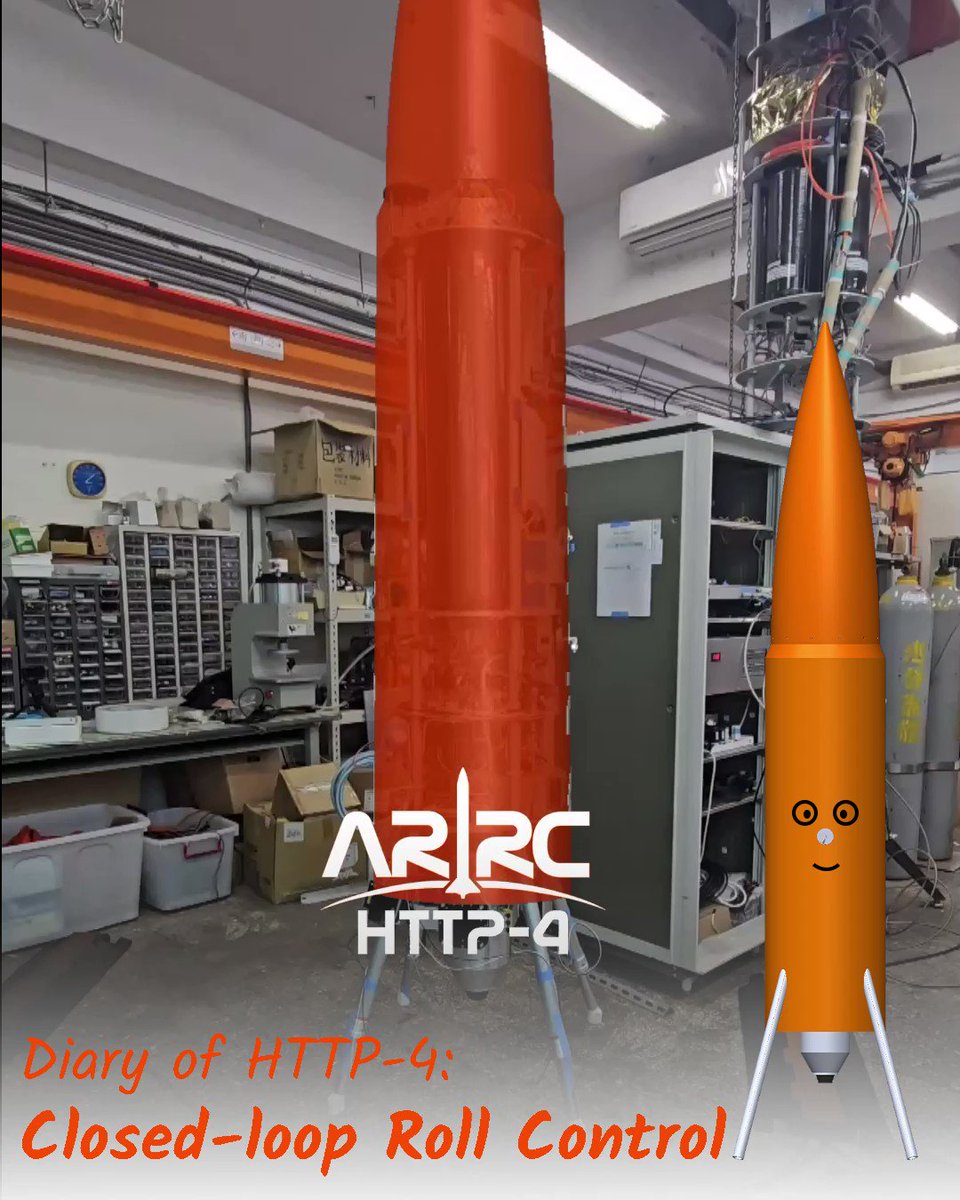
HTTP-4 is the first rocket in ARRC which facilitates active roll control with a cold-gas reaction control system (RCS). The attitude estimation for closed-loop feedback control is provided by an IMU. The test results show that they agree well with the 6-DOF simulations.
2
22
1,106
23 Aug 2023
HTTP-4 rocket is equipped with reaction control system (RCS) for roll control purpose. Two vernier thrusters enable the control of roll torque. Both cold-gas nozzles can generate a thrust of 3 N. Many integrated tests were peromed to investgate the roll control performance.
3
11
364
8 Aug 2023
A hot-fire test of a Class L sugar rocket motor, with a maximum thrust of 170 kg, will support the @Formosa Fox team's rocket flight test this year.
#Formosanfox
1
10
262