Joined December 2024
- Tweets 147
- Following 134
- Followers 687
- Likes 477
75 Photos and videos

Pinned Tweet

Feb 17
This isn’t just another drop.
It’s a transition. ⚡️
The first line of historic artworks
moving from legacy systems → onto the blockchain.
ARTEFACT 3.0
begins tokenization at a level the market hasn’t seen before.
Not hype.
Infrastructure. 🏛️
Not copies.
On-chain ownership. 🔐
Now get ready for 2.0
a digital gateway to a collection
built to define a new era of ownership.
Spring 2026 🌱
We reveal:
📅 Official Platform 2.0 launch date
🌍 PUBLIC SALE
Don’t just follow.
Don’t just watch.
Step into the first line
39
4
49
38,178
Jun 14
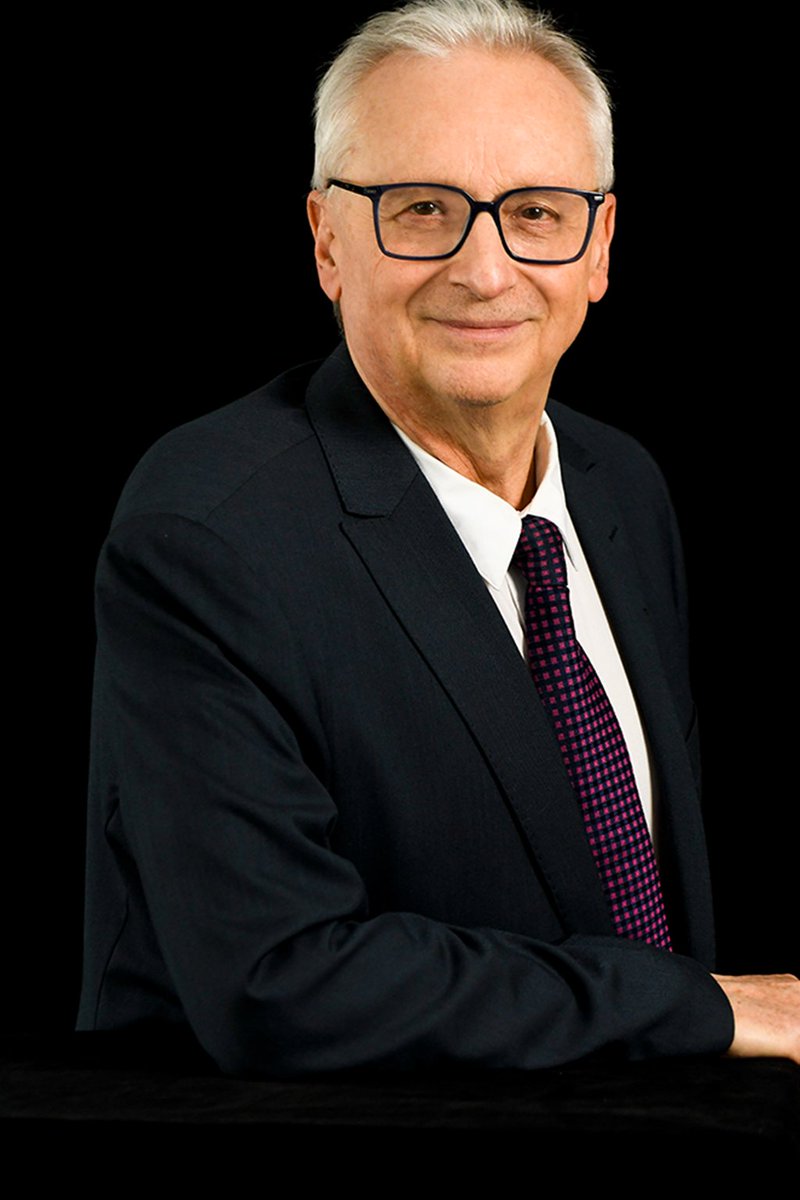
We are proud to introduce another outstanding figure joining the ARTEFACT project as Chairman of the Academic & Innovation Council 🎓
Prof. Tomasz Krzyżyński
➡️Former Rector of the Koszalin University of Technology and long-time member of the Presidium of KRASP
➡️Professor of Technical Sciences, expert in innovation, academic strategy, and scientific development
➡️Supervisor and reviewer of dozens of doctoral, habilitation, and professorship proceedings
➡️Member of prestigious national and international scientific organizations, including Societas Humboldtiana Polonorum, AMS, EUROMECH, and GAMM
➡️Pioneer and coordinator of 4 international Leonardo da Vinci programme projects, carried out in cooperation with high-tech enterprises and research institutes in Germany and the Netherlands
➡️Coordinator of strategic initiatives supporting innovation, academic entrepreneurship, and knowledge transfer between science and technology
➡️Creator and co-author of scientific infrastructure development projects funded by European programs
➡️Active expert and evaluator collaborating with NCN, NCBR, and NAWA
Within the ARTEFACT structure, Professor Tomasz Krzyżyński serves as Chairman of the Academic & Innovation Council, responsible for strategic supervision, methodological standards, and the innovative development direction of the project.
It is the experience of individuals of this caliber that builds the institutional foundation of ARTEFACT 💹
3
2
3
226
May 13
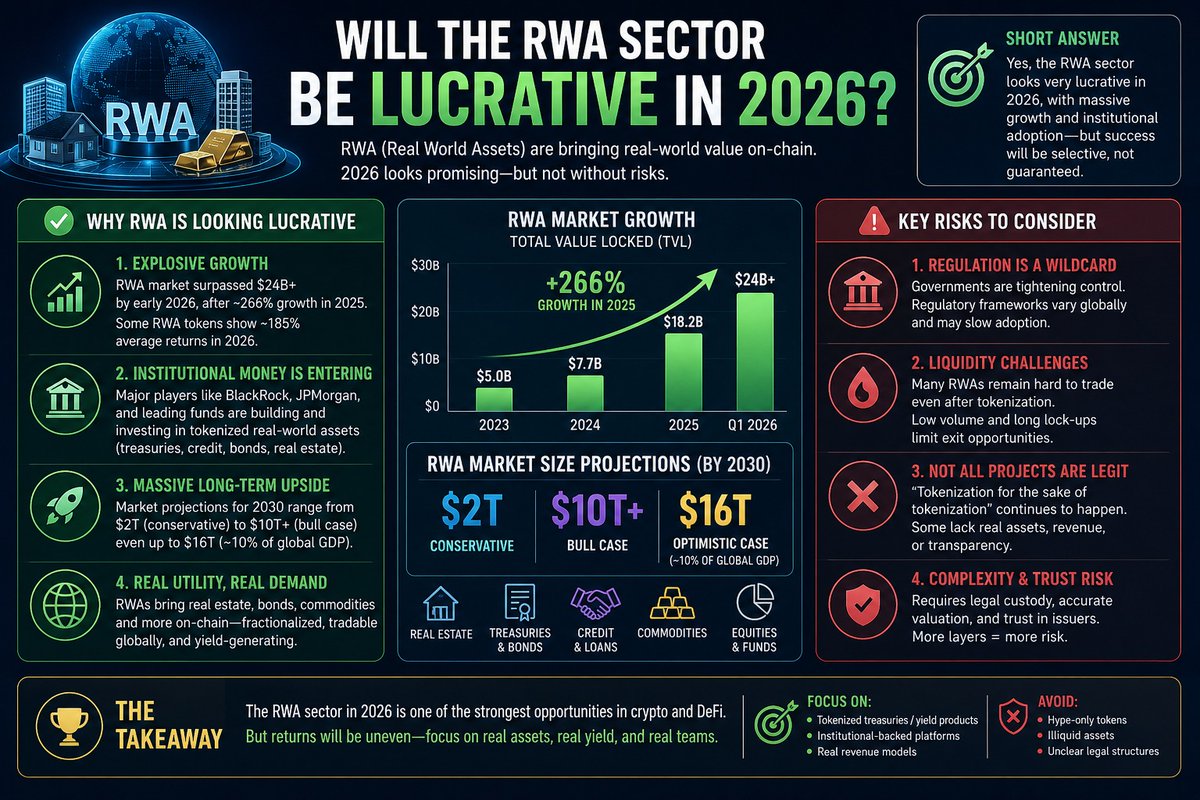
Will the RWA sector become one of the most lucrative markets by 2026?🕐
The momentum behind Real World Assets is no longer speculative — it is becoming a structural shift in how value is created, tokenized, and distributed across global markets. Projects that combine utility, sustainable economics, and real business foundations are likely to define the next phase of growth in Web3📊
ARTEFACT represents exactly that vision:
🟩 Real assets
🟩 Real yield
🟩 A real team
What sets ARTEFACT apart is its focus on delivering the key fundamentals the RWA sector requires: strong expertise, a scalable business model, and deflationary tokenomics designed to create long-term value.
In this model, demand is not driven by hype alone — it is supported by the underlying business ecosystem and real market utility.
As the RWA narrative continues to mature, projects capable of connecting blockchain technology with tangible economic value may emerge as the strongest players by 2026.
#RWA #RealWorldAssets #Web3 #Blockchain #Tokenization #Crypto #DeFi #ARTEFACT #DigitalAssets #FutureOfFinance
4
3
7
110
May 5
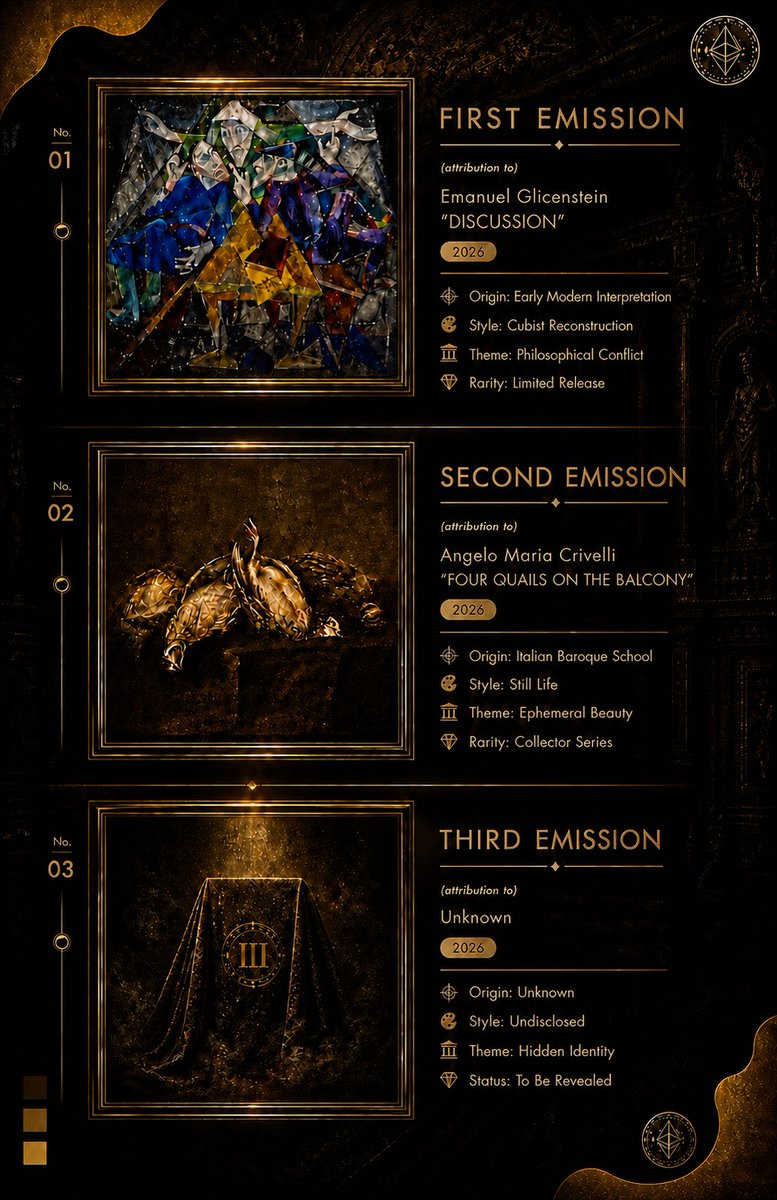
First Drop.
3 of 42 artworks from ARTEFACT will be unveiled in 2026. This is only the beginning.
Full rights. One collection.
The rest remains in the shadows.
🎨🧩🌐
1
2
5
97
May 1
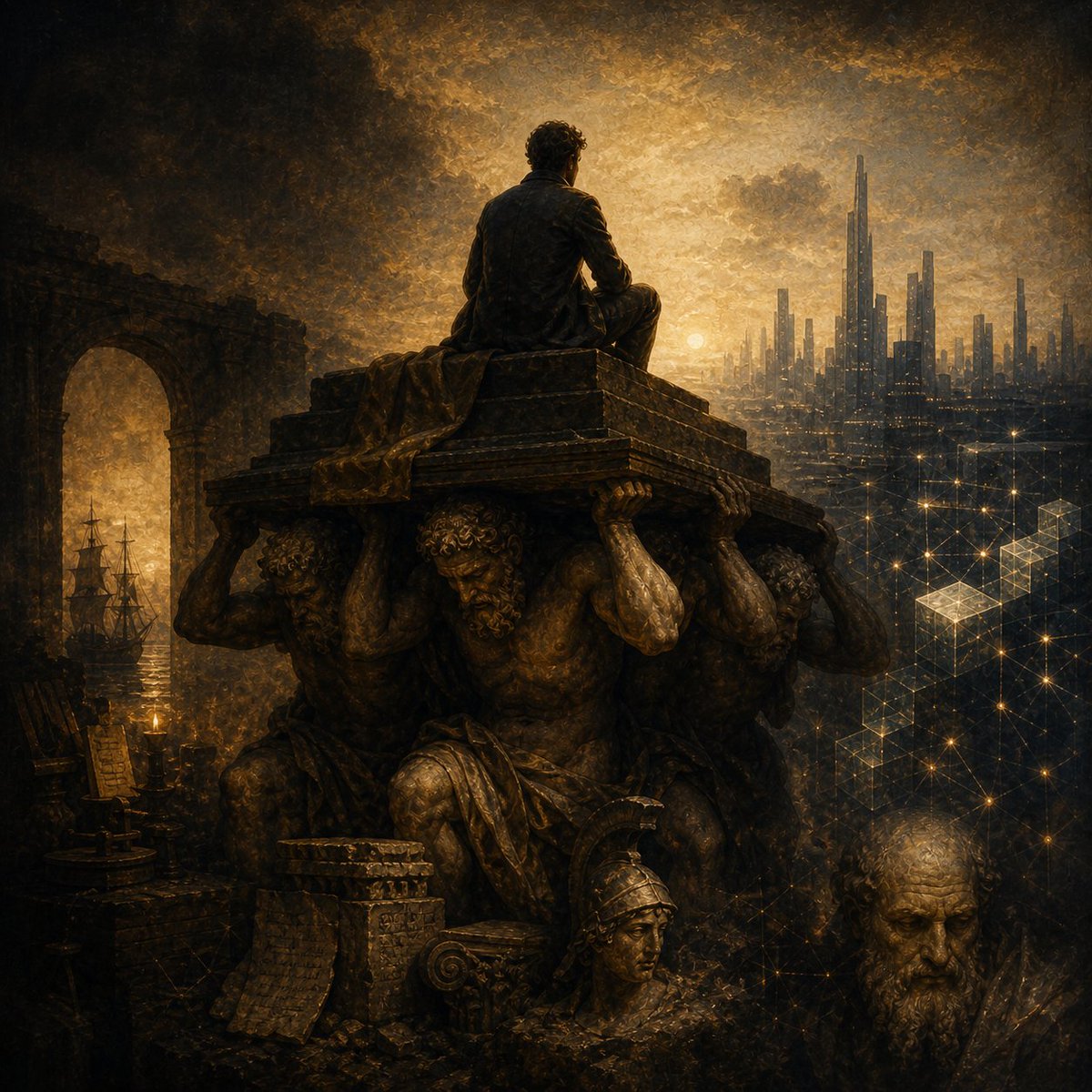
Novelty is often ignorance dressed up in elegance.
What you call the future
is built upon the past⌛️
Blockchain is not the beginning.
It is another layer.📊
Umberto Eco was right:
you can only see further
when you know on whose shoulders you stand.
Artefact does not follow trends.
Artefact chooses a perspective🪙
4
7
72
Apr 25
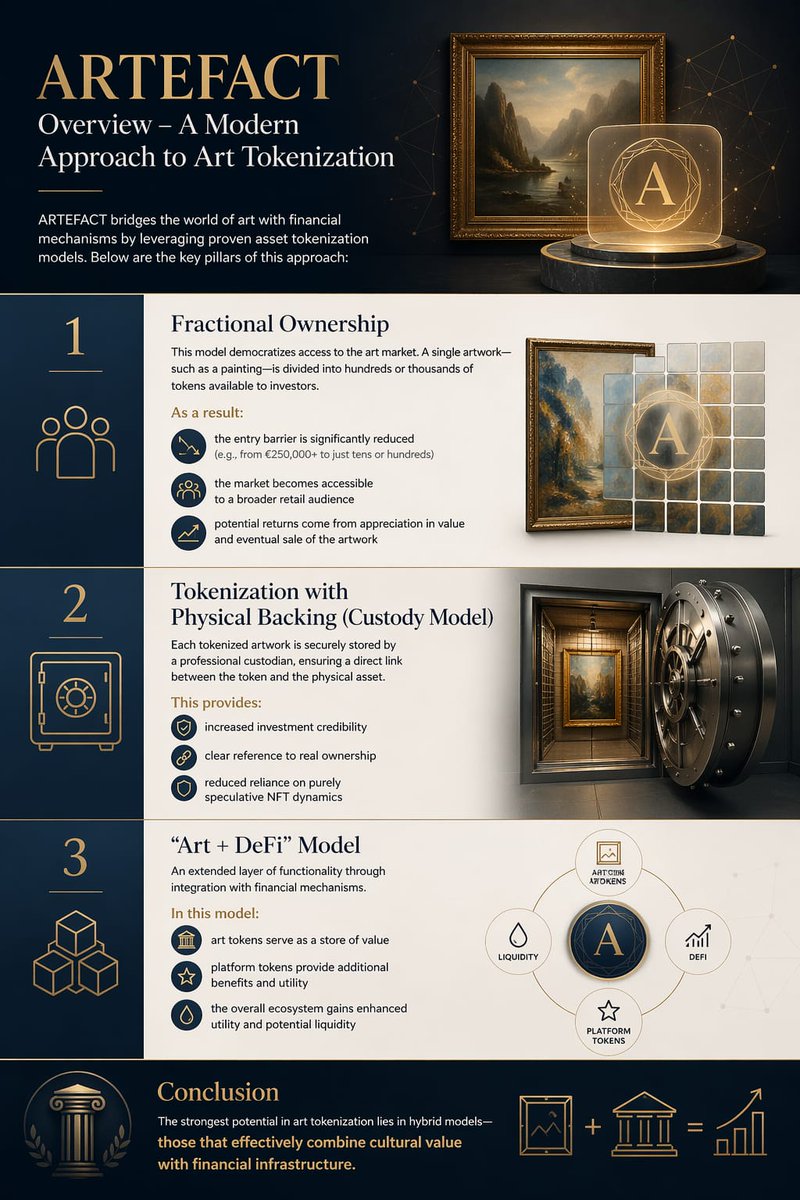
ARTEFACT Overview – A Modern Approach to Art Tokenization
ARTEFACT bridges the world of art with financial mechanisms by leveraging proven asset tokenization models. Below are the key pillars of this approach:
1. Fractional Ownership
This model democratizes access to the art market. A single artwork—such as a painting—is divided into hundreds or thousands of tokens available to investors.
As a result:
✅the entry barrier is significantly reduced (e.g., from €250,000 to just tens or hundreds),
✅the market becomes accessible to a broader retail audience
✅ potential returns come from appreciation in value and eventual sale of the artwork.
2. Tokenization with Physical Backing (Custody Model)
Each tokenized artwork is securely stored by a professional custodian, ensuring a direct link between the token and the physical asset.
This provides:
✅increased investment credibility,
✅ clear reference to real ownership,
✅reduced reliance on purely speculative NFT dynamics.
3. “Art DeFi” Model
An extended layer of functionality through integration with financial mechanisms.
In this model:
✅art tokens serve as a store of value,
✅platform tokens provide additional benefits and utility,
✅the overall ecosystem gains enhanced utility and potential liquidity.
Conclusion
The strongest potential in art tokenization lies in hybrid models—those that effectively combine cultural value with financial infrastructure.
1
3
4
86
Apr 19
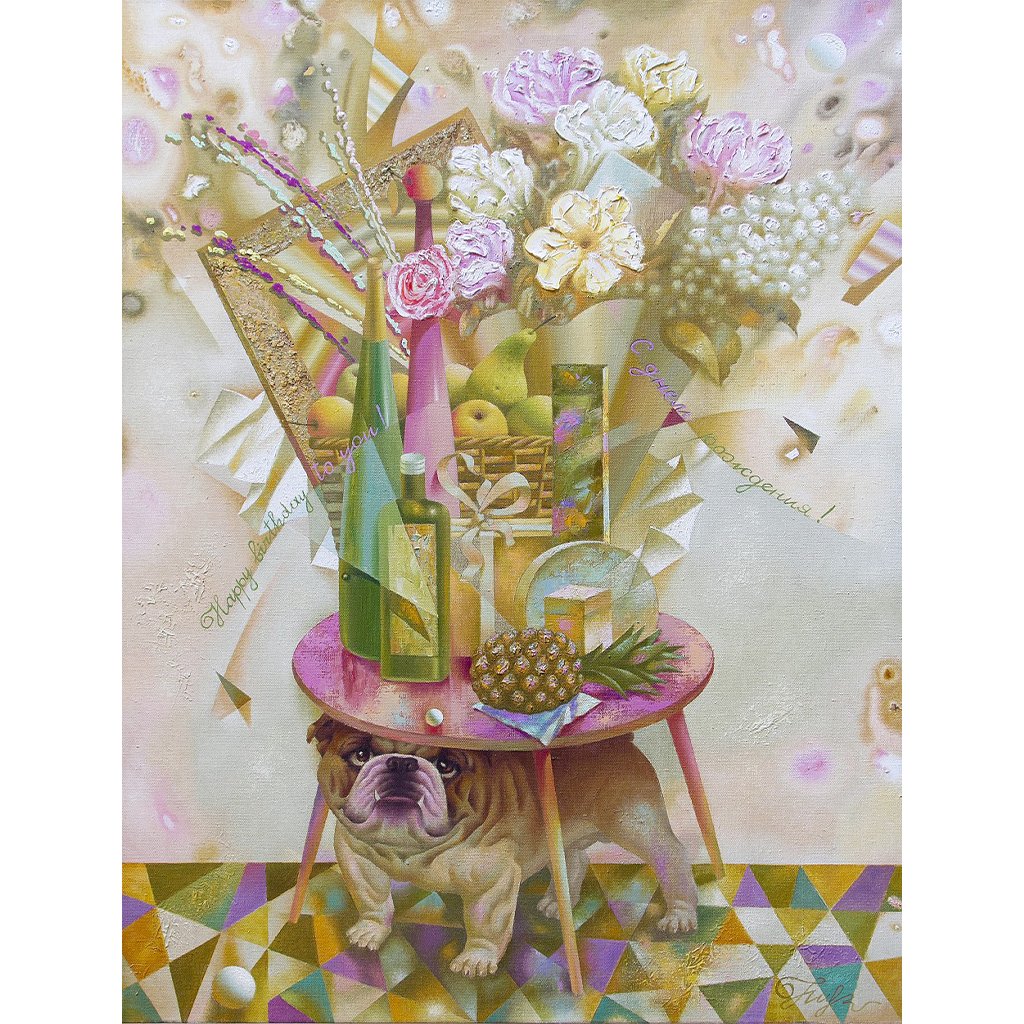
Few people know this, but Ivana Trump owns a painting by Eduard Nikonorov in her private collection...🧐
🧐A work created at a time when his art was primarily circulated among Europe’s elite circles.
💎Today, his works find their way into the hands of discerning collectors who understand their long-term value.
💎Our collection also includes a significant number of works by Nikonorov, which we will be systematically releasing on the ARTEFACT platform.
🔥We are now revealing one of Eduard Nikonorov’s paintings.
🚀The title, full documentation, and details will be available exclusively on the 2.0 platform.
4
7
109
ART-E-FACT retweeted

Feb 24
Everyone talks a big RWA game. Very few actually bring real-world assets on-chain at scale.
Tokenized art. Structured rollout. Platform 2.0.
This could get bigger than people expect!
Got my eyes on @ARTF_ARTEFACT
Feb 17

This isn’t just another drop.
It’s a transition. ⚡️
The first line of historic artworks
moving from legacy systems → onto the blockchain.
ARTEFACT 3.0
begins tokenization at a level the market hasn’t seen before.
Not hype.
Infrastructure. 🏛️
Not copies.
On-chain ownership. 🔐
Now get ready for 2.0
a digital gateway to a collection
built to define a new era of ownership.
Spring 2026 🌱
We reveal:
📅 Official Platform 2.0 launch date
🌍 PUBLIC SALE
Don’t just follow.
Don’t just watch.
Step into the first line
6
19
35
7,863

Most people will wait for Public Sale but the smart ones position before it.
Tokenized art with actual historical value isn’t something you see every cycle.
ARTEFACT 2.0 feels early 👀 👇🏻
Feb 17
This isn’t just another drop.
It’s a transition. ⚡️
The first line of historic artworks
moving from legacy systems → onto the blockchain.
ARTEFACT 3.0
begins tokenization at a level the market hasn’t seen before.
Not hype.
Infrastructure. 🏛️
Not copies.
On-chain ownership. 🔐
Now get ready for 2.0
a digital gateway to a collection
built to define a new era of ownership.
Spring 2026 🌱
We reveal:
📅 Official Platform 2.0 launch date
🌍 PUBLIC SALE
Don’t just follow.
Don’t just watch.
Step into the first line
35
18
103
6,340
ART-E-FACT retweeted

Feb 20
Ownership is evolving.
From physical vaults to on-chain transparency.
If ARTEFACT executes properly, this isn’t just a launch-
it’s infrastructure for a new asset class.
That’s why I’m paying attention.
Feb 17
This isn’t just another drop.
It’s a transition. ⚡️
The first line of historic artworks
moving from legacy systems → onto the blockchain.
ARTEFACT 3.0
begins tokenization at a level the market hasn’t seen before.
Not hype.
Infrastructure. 🏛️
Not copies.
On-chain ownership. 🔐
Now get ready for 2.0
a digital gateway to a collection
built to define a new era of ownership.
Spring 2026 🌱
We reveal:
📅 Official Platform 2.0 launch date
🌍 PUBLIC SALE
Don’t just follow.
Don’t just watch.
Step into the first line
12
18
39
14,229
Mar 26
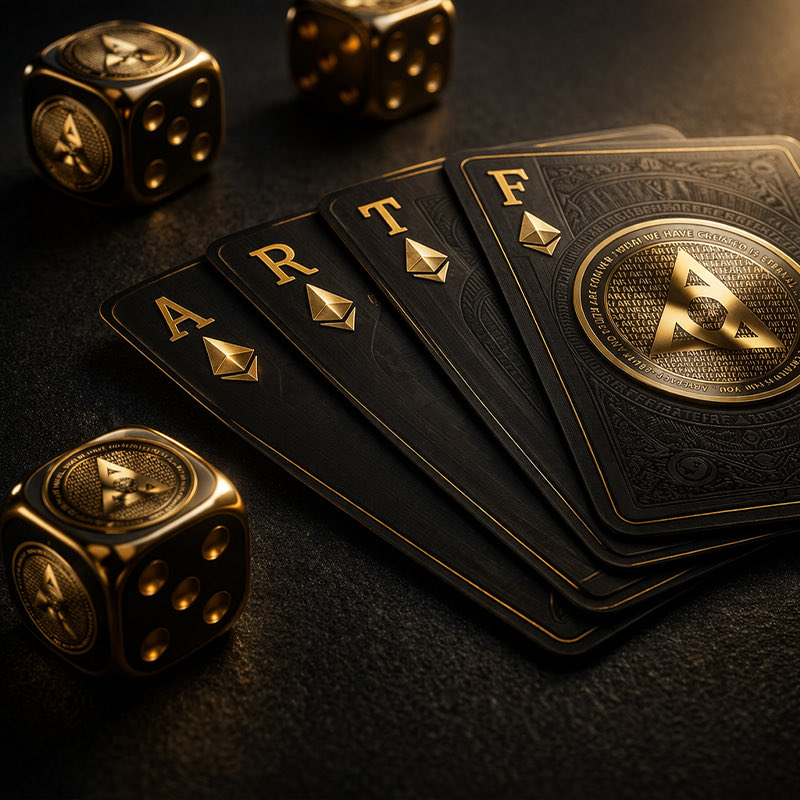
Art is not a roll of the dice nor a draw from a deck of cards. 🎲🃏
It is not chance that determines its value, but the creator’s intention, experience, and courage.
Chance may inspire — but it is the human who gives it meaning. 🎨
3
5
87
ART-E-FACT retweeted

Feb 17
For a long time, access to high value art has been limited. It mostly stayed within small, closed circles.
Blockchain begins to change that dynamic. Not by replicating works, but by creating new ways to own and interact with them.
If this launch unfolds the way they’re hinting, @ARTF_ARTEFACT 2.0 could become an important step.
It may help bring historic collections onto the blockchain.
Spring 2026 is starting to look very interesting.
Feb 17
This isn’t just another drop.
It’s a transition. ⚡️
The first line of historic artworks
moving from legacy systems → onto the blockchain.
ARTEFACT 3.0
begins tokenization at a level the market hasn’t seen before.
Not hype.
Infrastructure. 🏛️
Not copies.
On-chain ownership. 🔐
Now get ready for 2.0
a digital gateway to a collection
built to define a new era of ownership.
Spring 2026 🌱
We reveal:
📅 Official Platform 2.0 launch date
🌍 PUBLIC SALE
Don’t just follow.
Don’t just watch.
Step into the first line
22
10
48
6,764
Mar 13
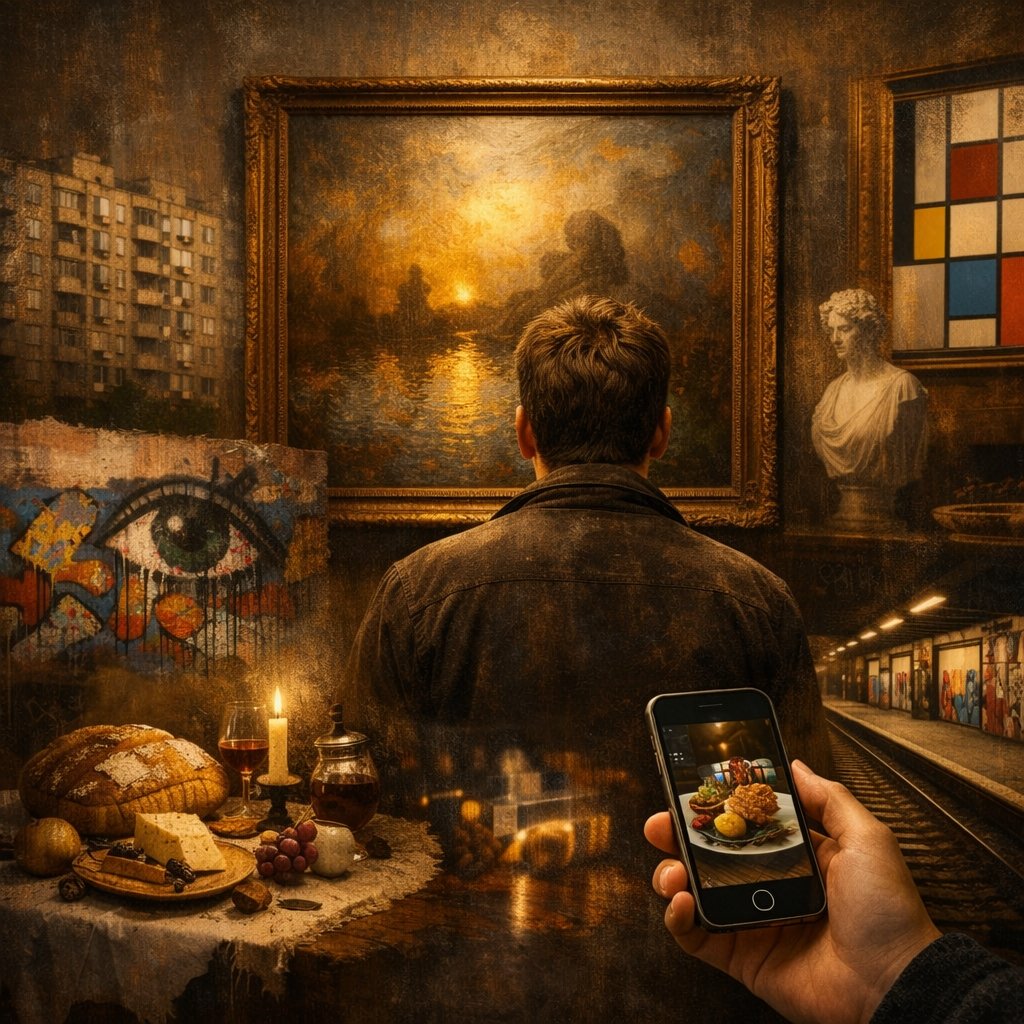
You stand in front of a painting.
You don't know who painted it.
You don't know when.
And something moves inside you
before you even have time to ask why.
This is the moment Heinrich Wölfflin tried to describe🧑🎨
The primal experience of form
before knowledge, context, or auction prices enter the room📊
He wrote that if we removed all the names from art,
something even more important would remain:
the “way of seeing” of an entire era.
Not the vision of one artist
but the vision of a whole time.
And suddenly you realise:
➡️ a prefabricated concrete block and Piet Mondrian share the same way of seeing.
➡️ an iPhone photo of food and the still lifes of Jean‑Baptiste‑Siméon Chardin share the same obsession with light and composition.
➡️ graffiti on a railway wall can say as much about us
as a painting hanging in a museum.
Art does not begin when you enter a gallery.
It begins the moment you see something
and feel it
before you understand it.
1
3
8
122
ART-E-FACT retweeted

Feb 17
If ARTEFACT 2.0 delivers what they’re building,
we’re looking at a serious shift in how fine art enters blockchain.
Early positioning matters.
Feb 17
This isn’t just another drop.
It’s a transition. ⚡️
The first line of historic artworks
moving from legacy systems → onto the blockchain.
ARTEFACT 3.0
begins tokenization at a level the market hasn’t seen before.
Not hype.
Infrastructure. 🏛️
Not copies.
On-chain ownership. 🔐
Now get ready for 2.0
a digital gateway to a collection
built to define a new era of ownership.
Spring 2026 🌱
We reveal:
📅 Official Platform 2.0 launch date
🌍 PUBLIC SALE
Don’t just follow.
Don’t just watch.
Step into the first line
23
4
92
22,864
Mar 4
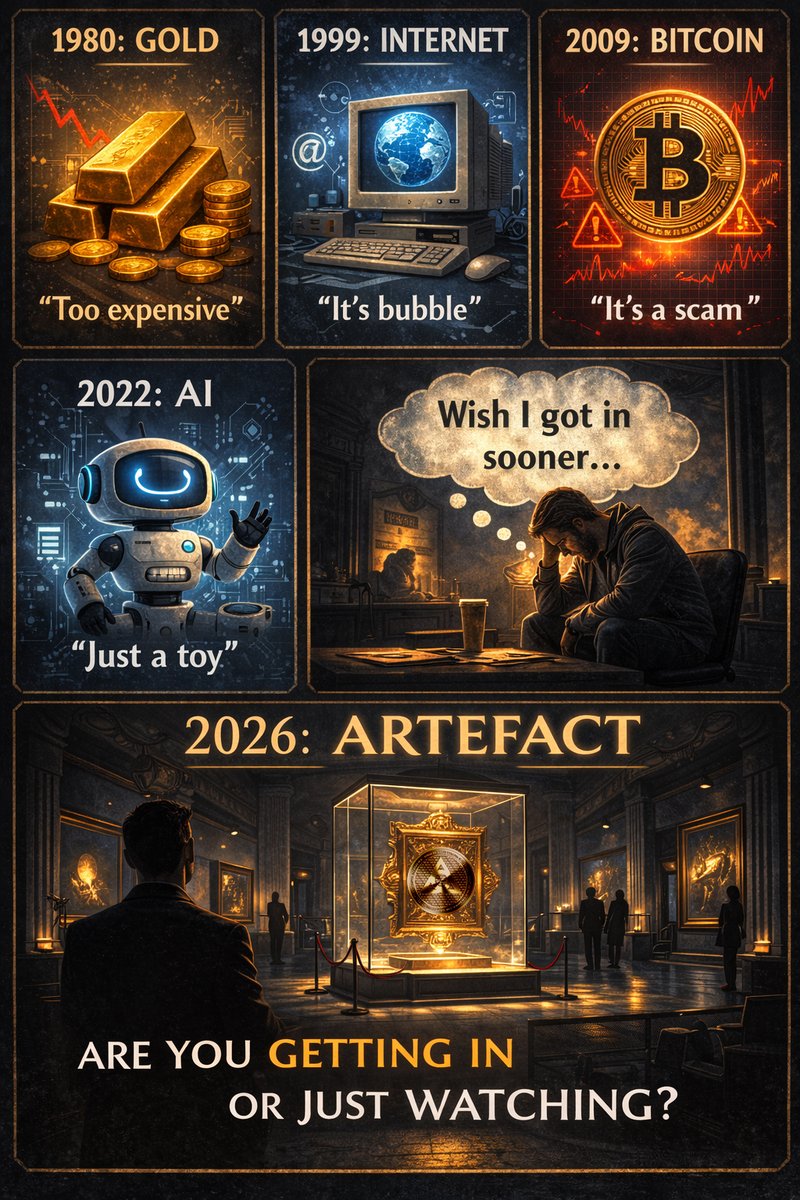
How many opportunities are you going to pass on?
1980: Gold 🪙 — “Too expensive.”
1999: Internet 🌐 — “It’s a bubble.”
2009: Bitcoin ₿ — “It’s a scam.”
2022: AI 🤖 — “Just a toy.”
🤷🏿♂️Now everyone says: “I wish I got in earlier…”
Don’t be that guy... Learn from history...
🔱2026: ARTEFACT 🔱
Are you getting in now — or will you be watching others build fortunes again?
🔥Your move🔥
1
3
7
154
Feb 21
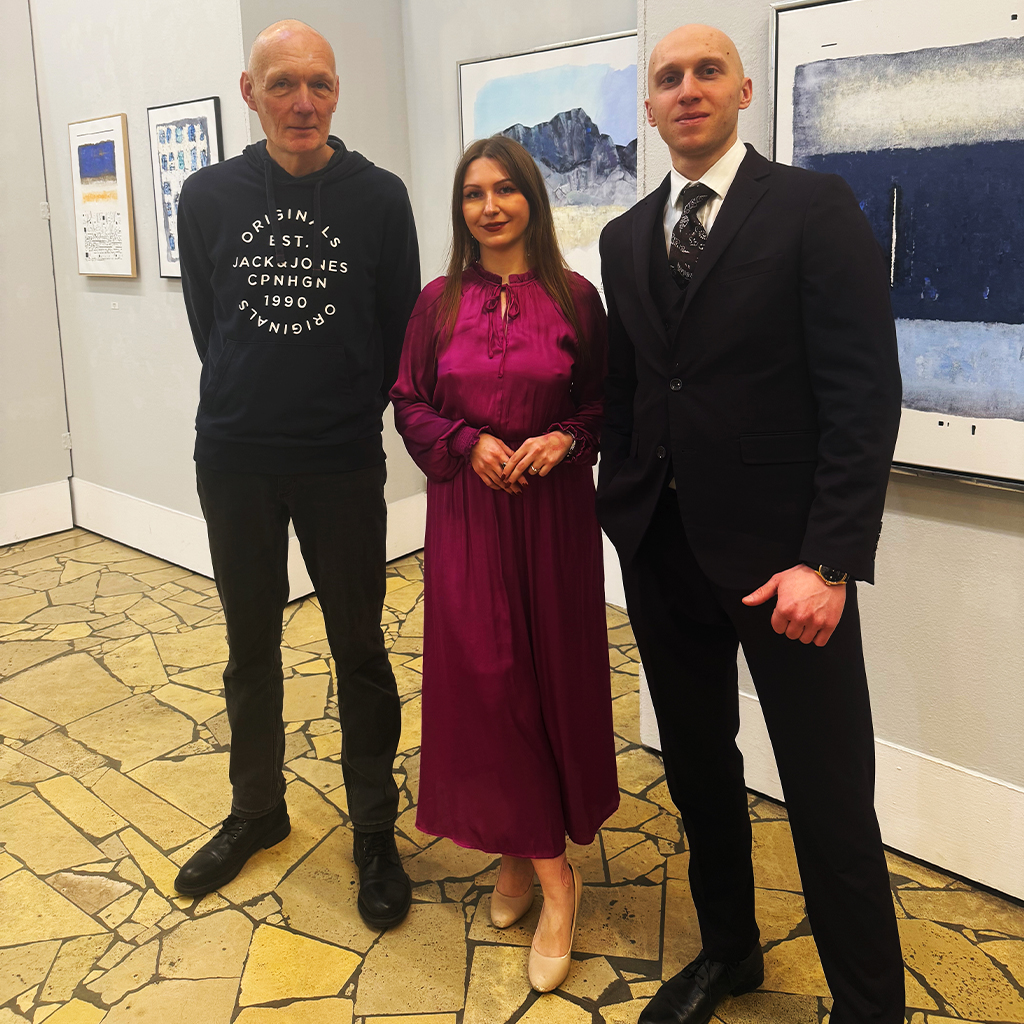
✨Tonight is more than just an opening. It is a moment when people, thoughts, energy, and creative courage come together.
🎭At the Contemporary Art Gallery in Kołobrzeg, we have opened an exhibition entitled:
"Reality and Its Interpretations"
👨🎨by Mariusz Qan Włodarczyk.
🖼️This is not just painting. It is an invitation to mindfulness... To pause... To confront your own way of seeing the world...🚀
🤝 Thank you to everyone who joined us today, your presence proves that art still matters, that even in a world of noise there is space for silence and reflection. Special thanks to the Director Klaudia Lubszczyk for her openness, courage, and genuine support in creating not just a venue, but a true space for dialogue.
2
8
168
Feb 15
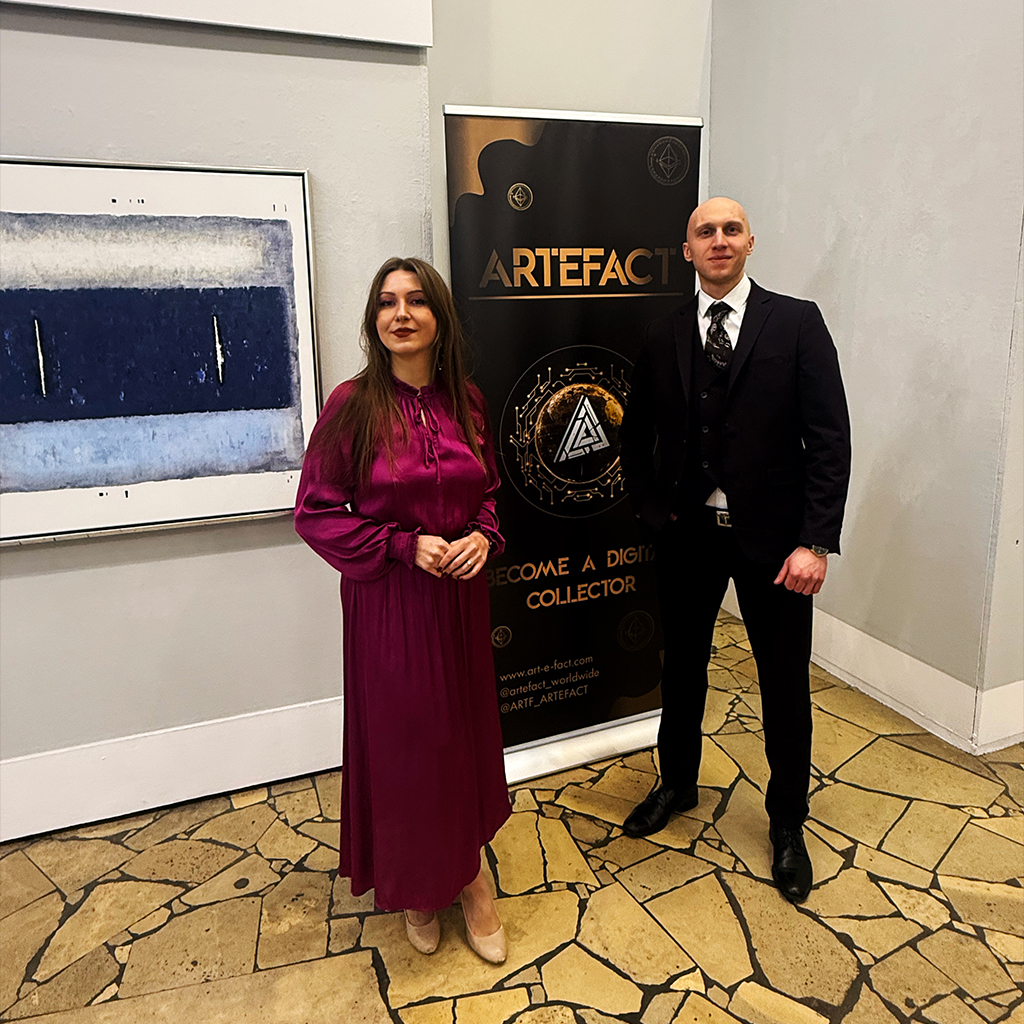
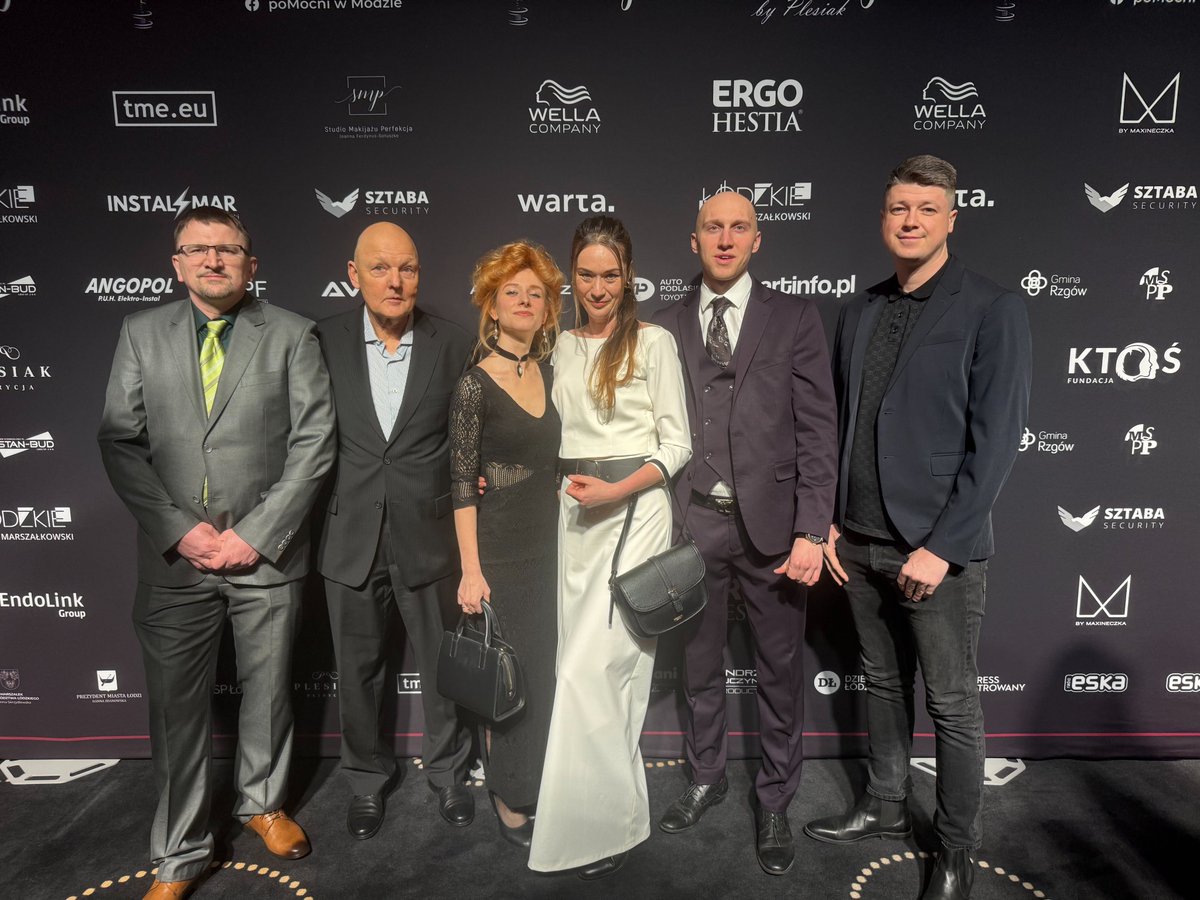
🔷We are currently in Łódź at the Hilton Hotel participating in the charity event.
🩶"Pomocni w Modzie" organized by Plesiak🩶
🔷The photograph features the ARTEFACT management team together with Agnieszka Knap and Aleksandra Koper
15
2
20
525
Feb 13
‼️February 14 ‼️
🤍Charity gala🤍
"Pomocni w Modzie" by Plesiak
Will take place at DoubleTree by Hilton in Łódź
As ARTEFACT, we are donating a artwork from our collection, which will be sold at a charity auction.
🖼️ Eduard NIKONOROV - Still Life with a White Mug
🧑⚖️ You can also find the entire auction at this link:
artinfo.pl/katalogi-aukcyjne…
3
2
8
272
Feb 10
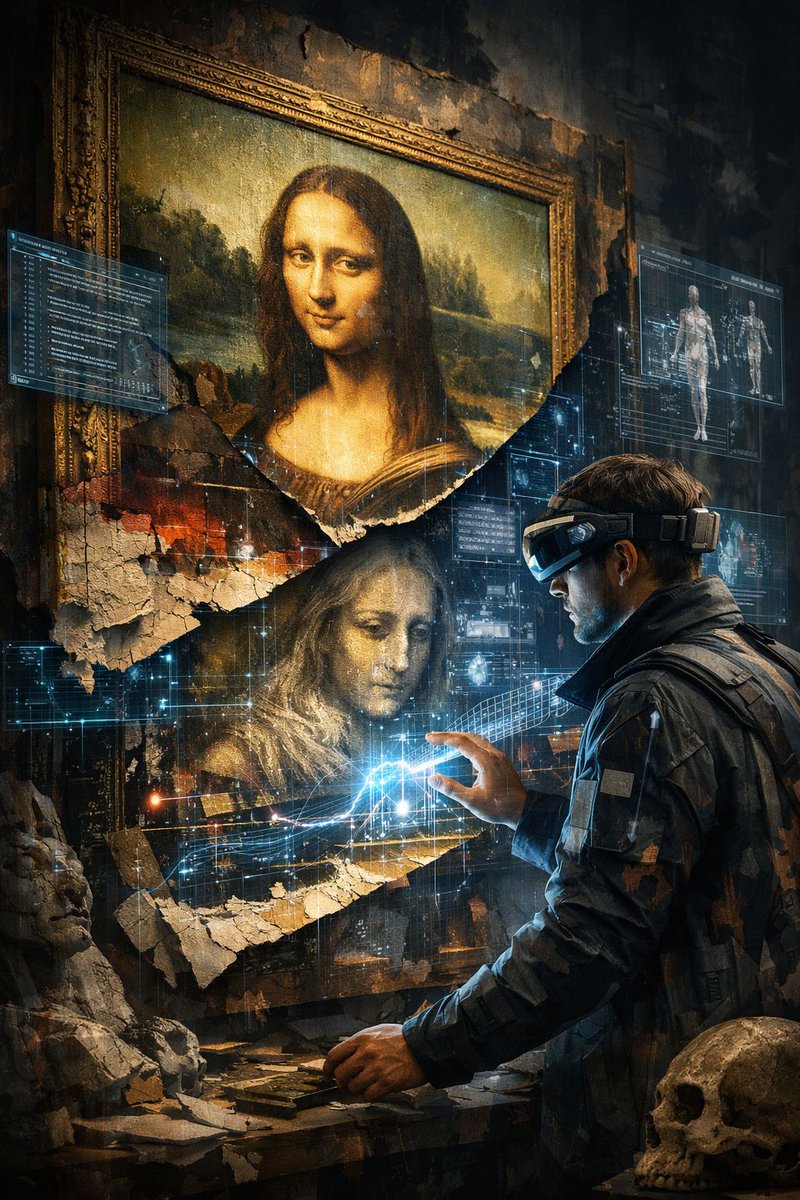
👁️Imagine an archaeologist of the future.
They don't hold a brush or a chisel, they hold an algorithm.
Instead of the dust of time, they peel away layers of data.
🎨In 2026, art works in a similar way.
The work does not end on the canvas it begins beneath it.
AI, multispectral scans, and 3D models reveal lines that the human eye cannot see.
Sometimes it turns out that a “well-known masterpiece” hides a different story.
Sometimes, that the story we knew was only a draft.
📊Digital and physical art merge into one experience.
And the viewer is no longer a spectator, they are an explorer.
📊The market will change. Facts will be questioned.
But the truth? It always likes to come out into the open.
👑ARTEFACT
Because the future of art is not about looking.
It's about discovering.📷👁️
4
3
5
167
Feb 1
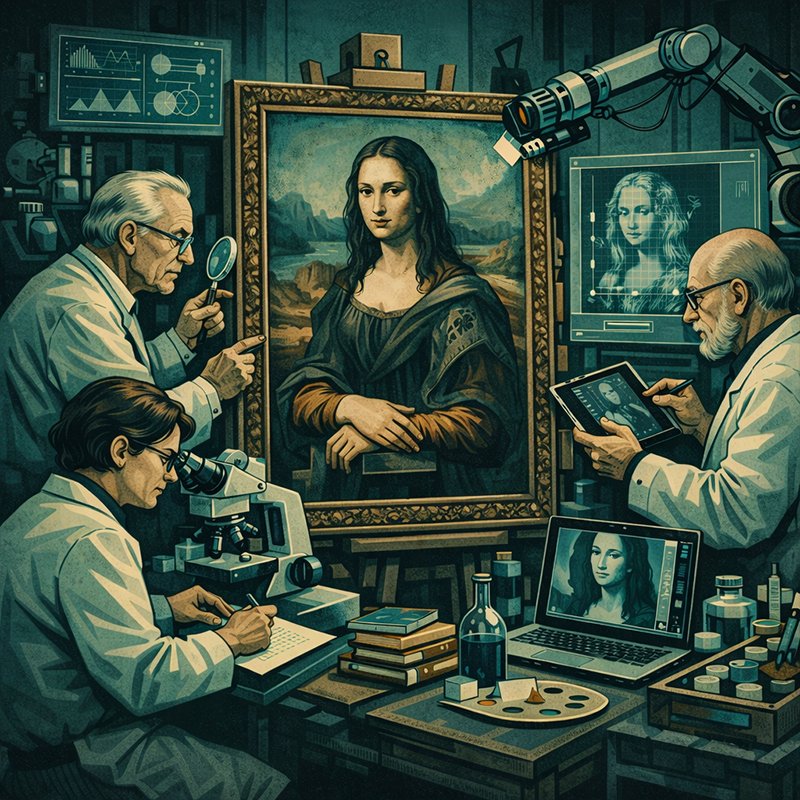
Preliminary Artwork Evaluation typically involves several key steps aimed at assessing an object’s condition and authenticity. In practice, the process unfolds as follows:
👉Visual Inspection – Experts thoroughly examine the artwork, focusing on its overall condition, surface, frame, signatures, seals, or date markings. They check for damage, cracks, losses, stains, or signs of restoration.
👉Assessment of Technique and Materials – Materials used (e.g., type of paint, substrate, frame) are analyzed to determine whether they align with the artwork’s period of creation and are authentic.
👉Verification of Signatures and Distinctive Features – Signatures, markings, or other distinctive characteristics are checked for consistency with the artist’s original style.
👉Documentation photographic – Detailed photographs are taken for further analysis and comparison.
👉Preliminary Authenticity Assessment – Based on visual inspection and available documentation, experts evaluate whether the work is likely original or requires more detailed testing (e.g., laboratory analysis).
In summary, a preliminary evaluation is primarily a visual and documentary assessment of an artwork, enabling initial determination of its condition and authenticity📊
1
3
6
243