
Dr Andrew Gunn 🎓 Political Economist of Higher Education. Lecturer @OfficialUoM 🐝. Views my own. RT≠Endorsement.
Joined May 2010
- Tweets 3,316
- Following 2,237
- Followers 1,628
- Likes 7,656
318 Photos and videos




Pinned Tweet

1 Mar 2023
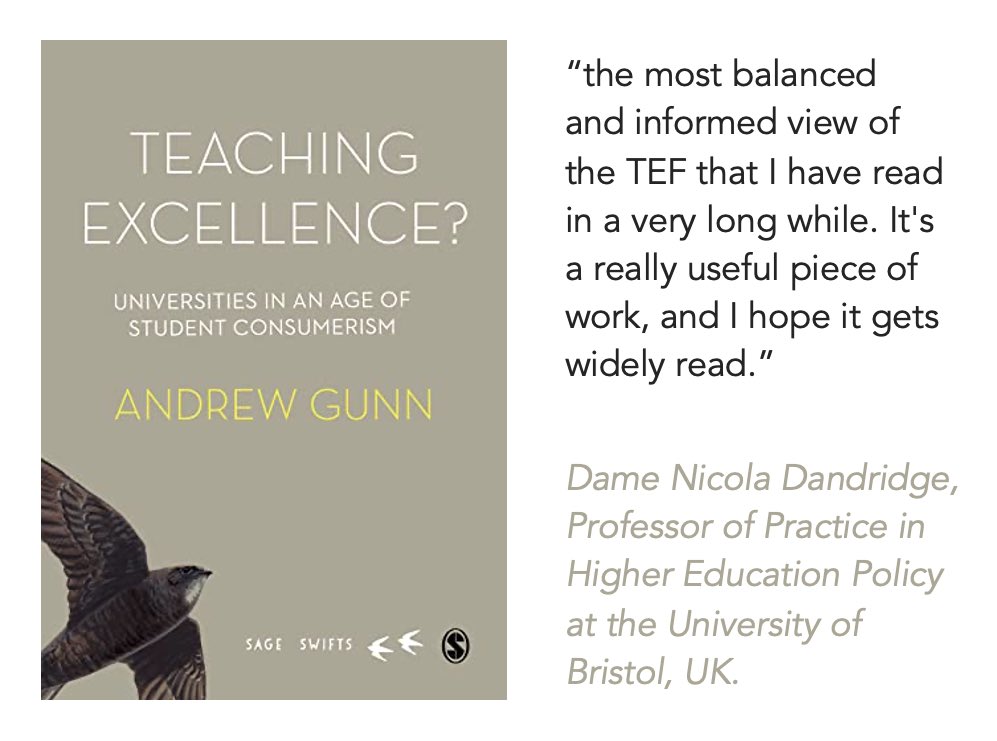
Why does UK #HigherEd have a Teaching Excellence Framework? My new book ‘Teaching Excellence? Universities in an Age of Student Consumerism’ tells the #TEF story amazon.co.uk/Teaching-Excell… blackwells.co.uk/bookshop/pr… @SAGEPublishers @EducationUoM
4
20
3,481
Andrew Gunn 🇺🇦 retweeted

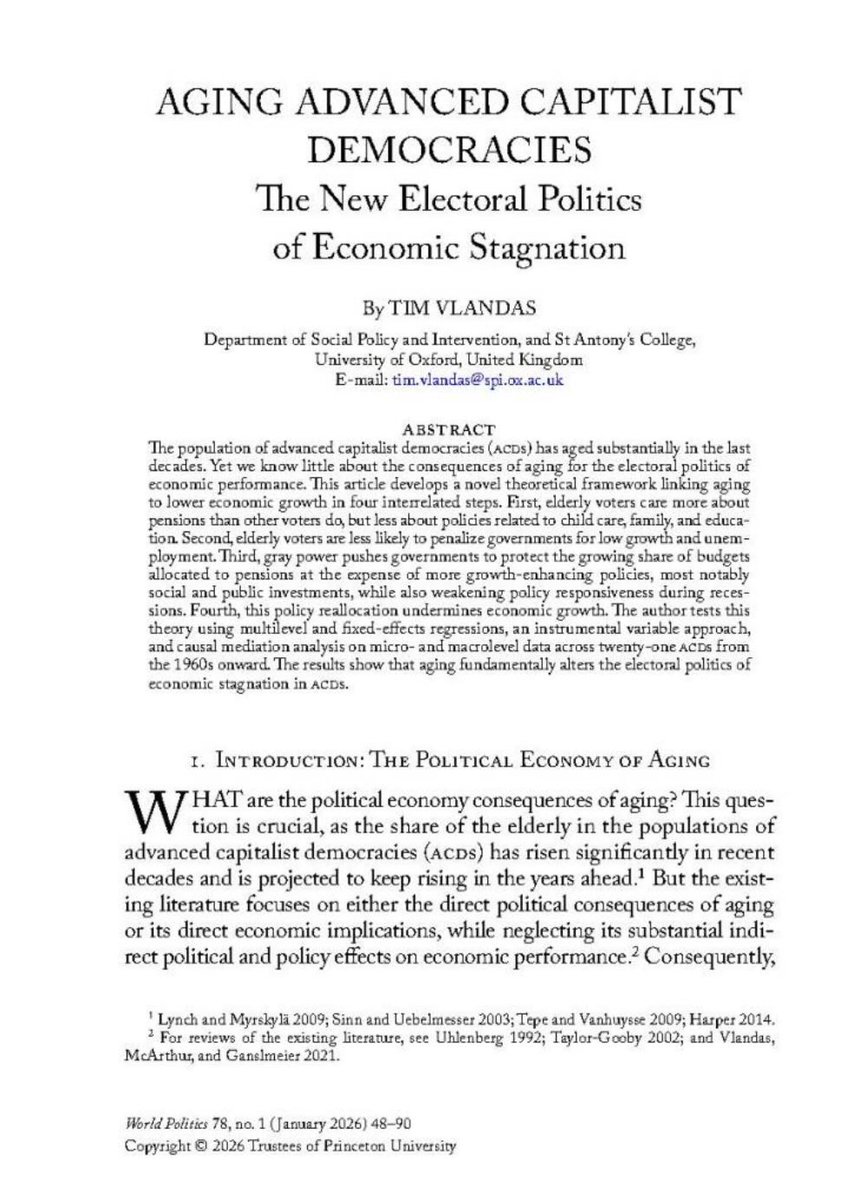
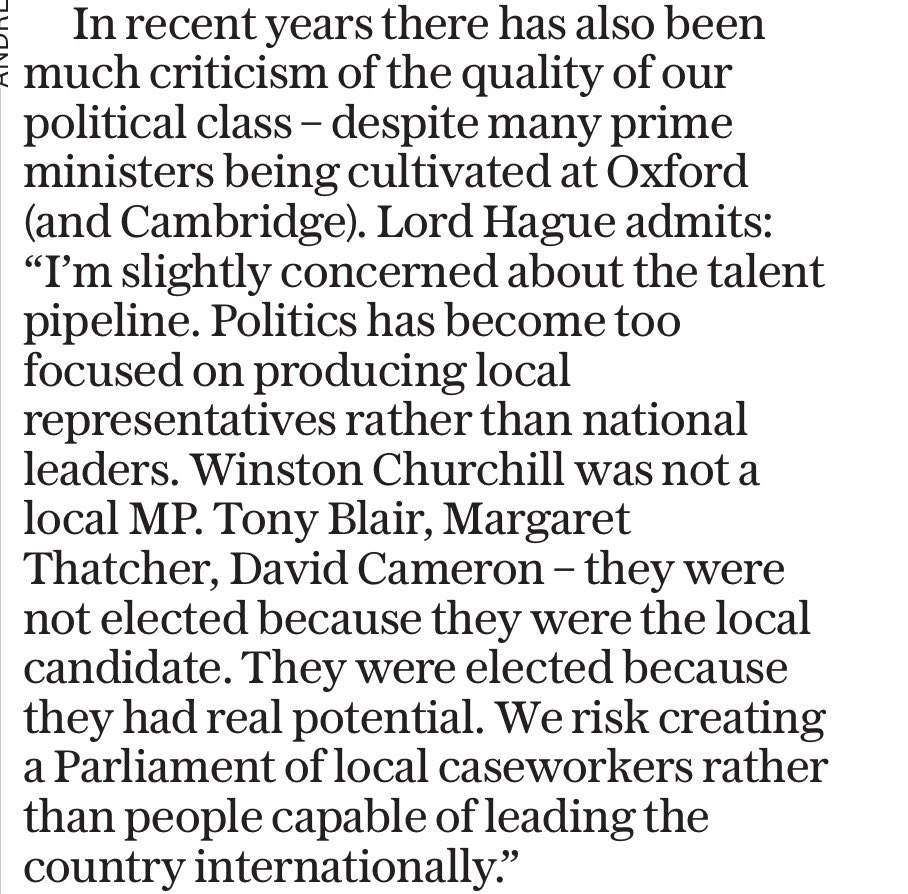
Hello, median voter theorem in ageing societies, my old friend …
Jun 14

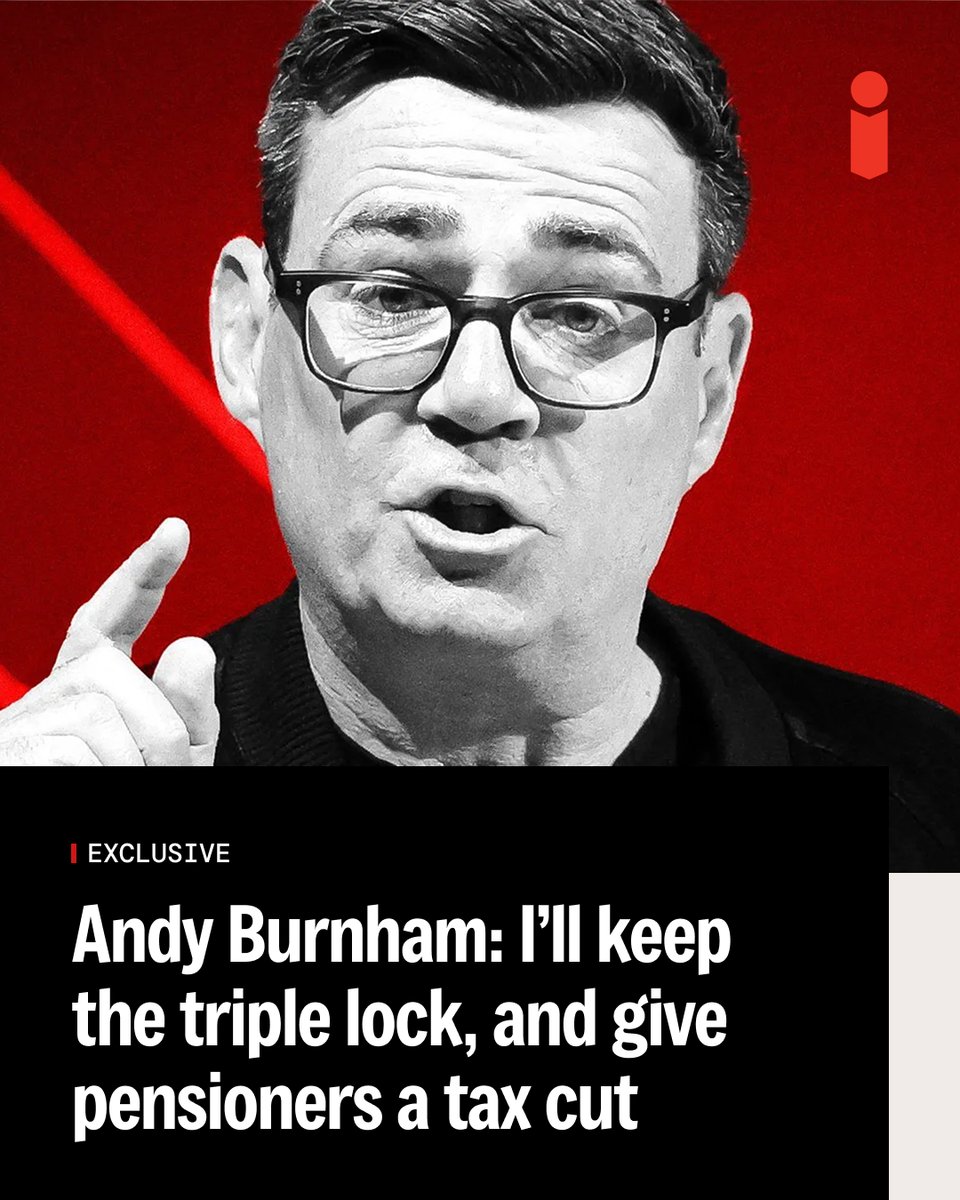
In an exclusive interview with The i Paper, Burnham says ripping up Labour's manifesto commitment would be 'very damaging' - despite calls for it to be ditched
Read more: trib.al/DierEiO
3
36
163
28,839
Andrew Gunn 🇺🇦 retweeted

Jun 6
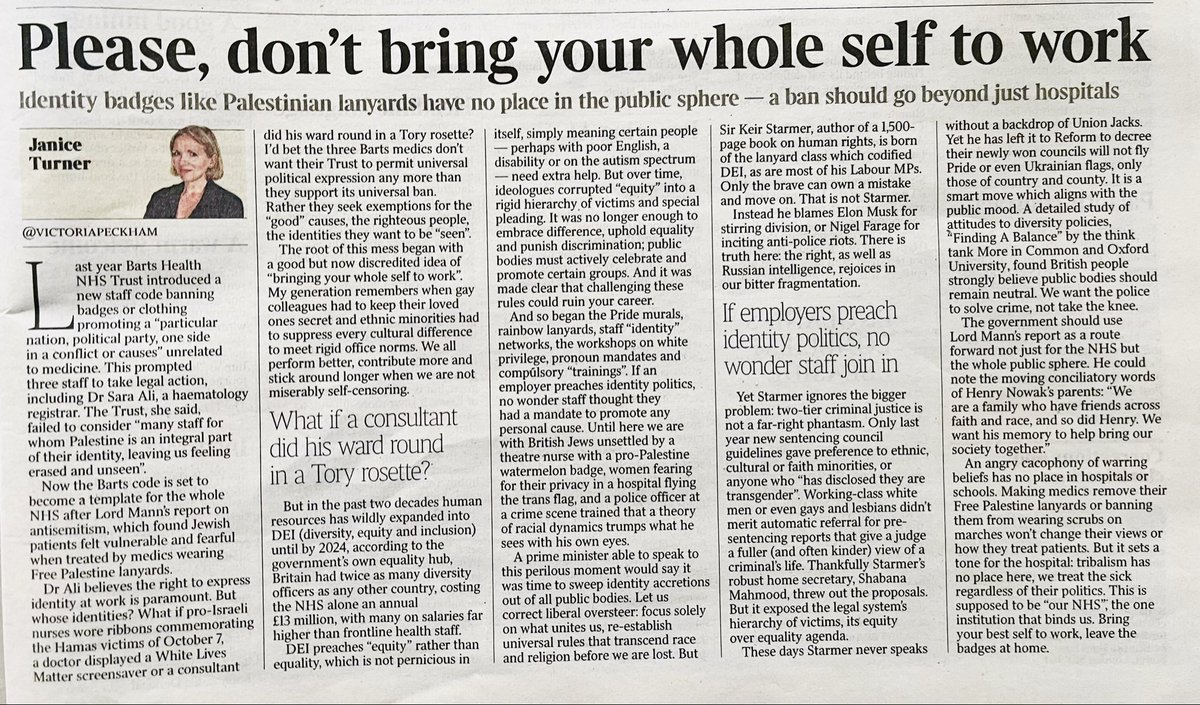
Keep your politics out of work. The always excellent @VictoriaPeckham in The Times 6/6/26
8
107
365
30,207
Andrew Gunn 🇺🇦 retweeted

May 30
The Milburn review could be be the most consequential report since Beveridge.
It's full of devasting inductments of state failure; things civil servants have wanted to say for years but never dared.
My column on why this could rewire the welfare state.
times-comment.com/am12
28
54
198
40,151
Andrew Gunn 🇺🇦 retweeted

May 29
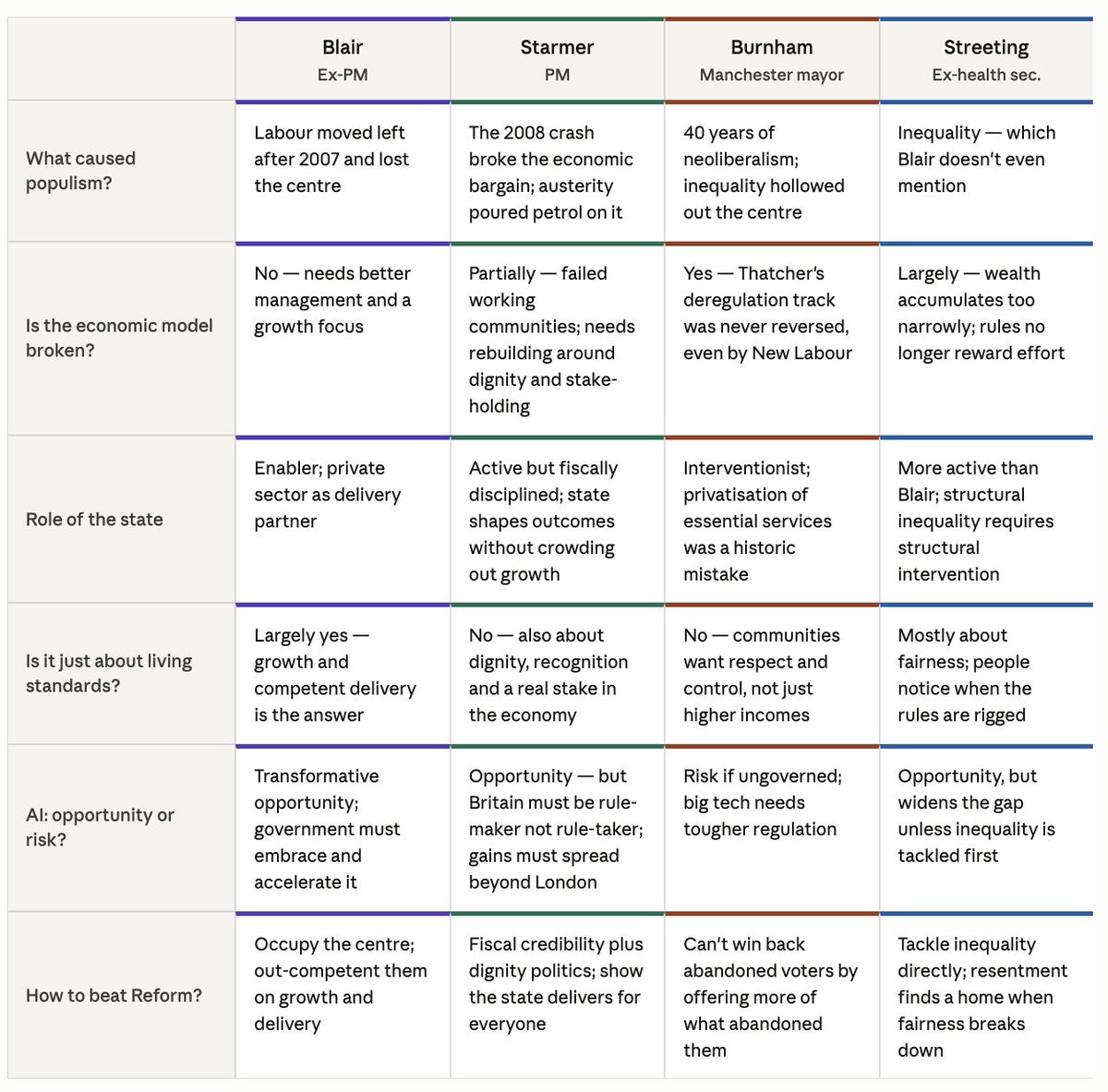
Blair, Burnham, Streeting and Starmer all wrote essays this week. Here’s a summary of what they said for those who can’t be bothered to spend an hour reading about Labour’s favourite pastime: fighting about what it means to be Labour.
Blair's thesis is that Labour lost its nerve after 2007 and needs to rediscover the radical centre. Markets work, the private sector is your friend, competent technocratic government is still the answer, and the biggest transformative force on the horizon is AI, which he sees as a positive revolution that a serious centre-left government should embrace. Miss that wave and you miss everything. TLDR; the model isn't broken. Labour just needs to run it properly and stop indulging the perennial delusion that losing votes to the right means the country secretly wants you to go left.
Burnham, Streeting and Starmer think this misses the point. And they broadly agree on the diagnosis but disagree on the cure.
All three locate the origin of Britain's political unravelling in 2008, not 2007. The financial crisis broke the implicit bargain of modern capitalism: work hard, things get better. When that bargain collapsed and the banks got bailed out while wages stagnated for a decade, people got poorer – but also angry in a deeper, harder-to-satisfy way. And then austerity poured petrol on everything.
The more philosophically interesting disagreement is about what the crisis was actually a crisis of. Blair frames it as a delivery failure: the wrong policies and the wrong positioning. Starmer and Burnham both reach for ‘dignity’. The idea that whole communities (post-industrial, working class, people who didn't go to university) were made to feel invisible. That implies a fundamentally different kind of politics.
Burnham argues that New Labour never actually took Britain off the Thatcherite track. He blames deregulation, privatisation, leaving things to the market for the cost of living crisis. The centre failed people. You can't win them back by reasserting it more confidently. On AI, Burnham calls for tougher regulation of big tech and signals that an active, interventionist state would govern how AI develops rather than leaving it to the market. For Burnham, ungoverned AI is just the latest mechanism by which powerful interests extract value from everyone else.
Streeting is more moderate but lands in similar territory. Inequality is the organising fact of contemporary politics, and treating it as secondary is what produced the crisis in the first place. When the rules stop rewarding effort fairly, resentment grows.
Starmer agrees Britain should be an AI superpower, but where Blair frames AI as an opportunity to be seized, Starmer frames it as a force to be governed. The question isn't just whether AI grows the economy but whether Britain is a rule-maker or a rule-taker, and whether the gains flow to Blyth and Castleford or just to London.
The deepest difference, underneath all of this, is a question about whether the post-war and post-Thatcher economic settlement is fixable or finished. Blair thinks it needs better management and AI is the tool that makes better management possible. The others think the settlement itself was the problem, and are open to the possibility that AI (if ungoverned) compounds it by concentrating power further.
29
101
603
83,743
Andrew Gunn 🇺🇦 retweeted

May 2
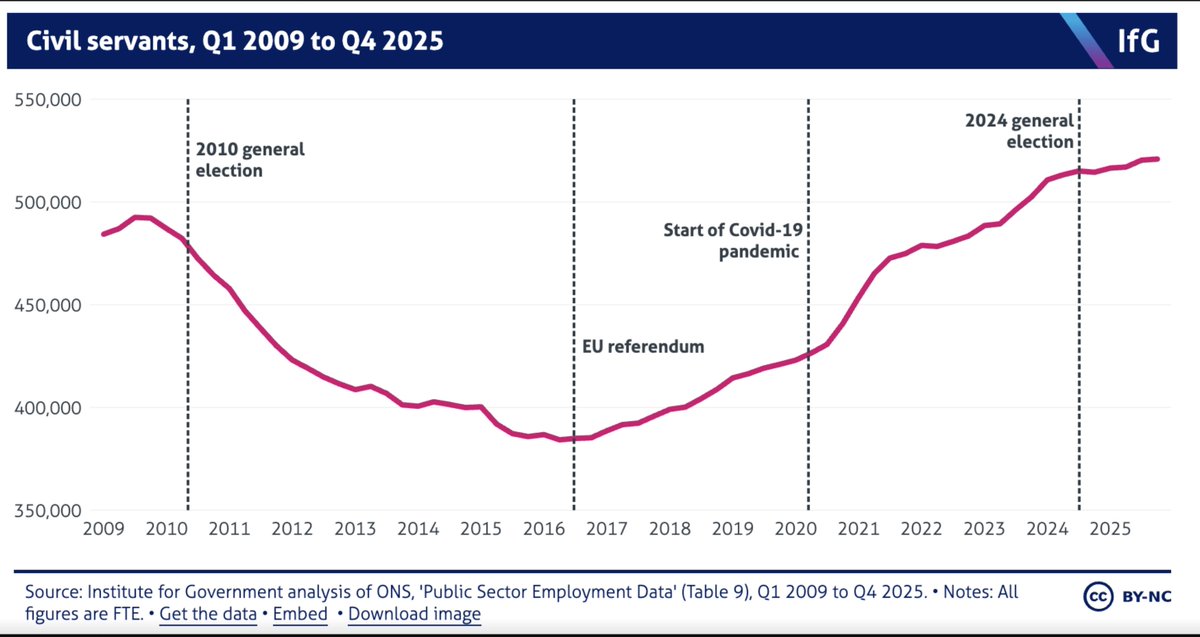
It’s funny, when you consider that Brexiteers used to complain that the EU was too bureaucratic, to learn that the UK civil service has ballooned since 2016 from 385,000 to 516,000. That increase of 130,000 compares with an entire EU staff of just 60,000!
open.substack.com/pub/nixons…
56
440
1,084
64,881
Andrew Gunn 🇺🇦 retweeted

Why academics in Hong Kong are obsessed with metrics timeshighereducation.com/opi…
3
3
294
Andrew Gunn 🇺🇦 retweeted
The tension between nationalism and internationalism in Hong Kong tandfonline.com/doi/full/10.…
1
2
266
Andrew Gunn 🇺🇦 retweeted

Apr 16
A very nice comment about our podcast.
As a general reflection, I think there is a hunger out there for 'straightforward political history' and more 'traditional' methods of exploring topics.
Personally, I think pressure for 'teaching innovation' often leads to dull gimmickry.

2
6
84
4,613
Andrew Gunn 🇺🇦 retweeted

Apr 14
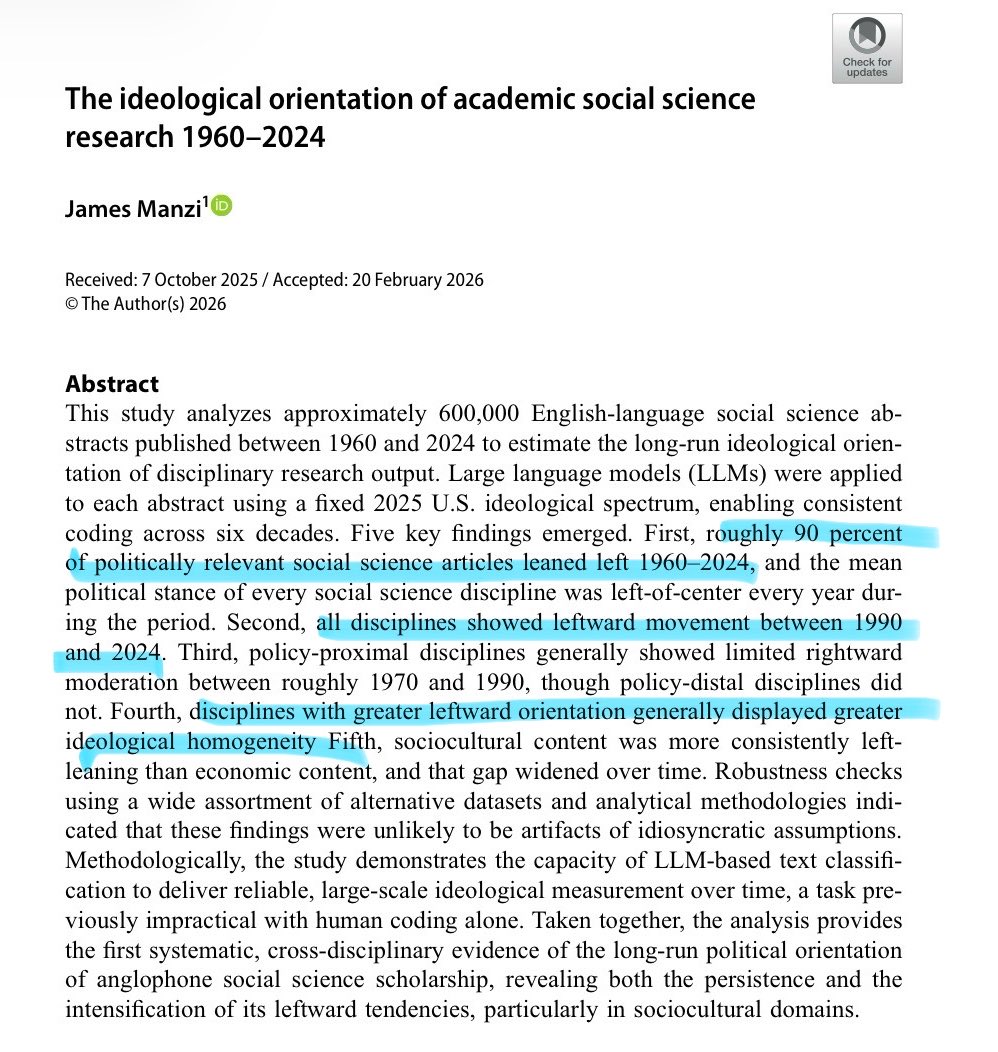
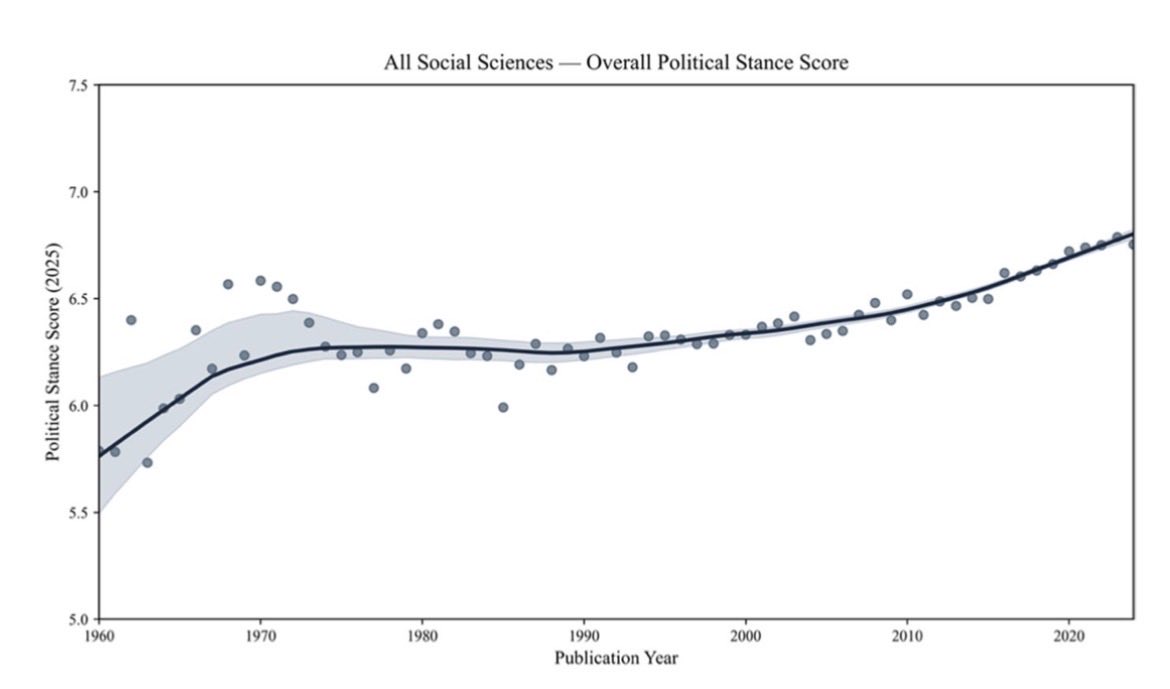
2026 study analyzing 600K social science abstracts finds leftward shift:
🔹90% of politically relevant social science research leaned left 1960-2024
🔹All disciplines showed leftward movement between 1990 & 2024
🔹Disciplines w/greater leftward orientation displayed greater ideological homogeneity

anyone who says "academia went far left" has spent little time at a university department meeting or senate.
in fact, anyone who says "academia" isn't on any university payroll.
20
92
461
40,352
Andrew Gunn 🇺🇦 retweeted

Apr 14
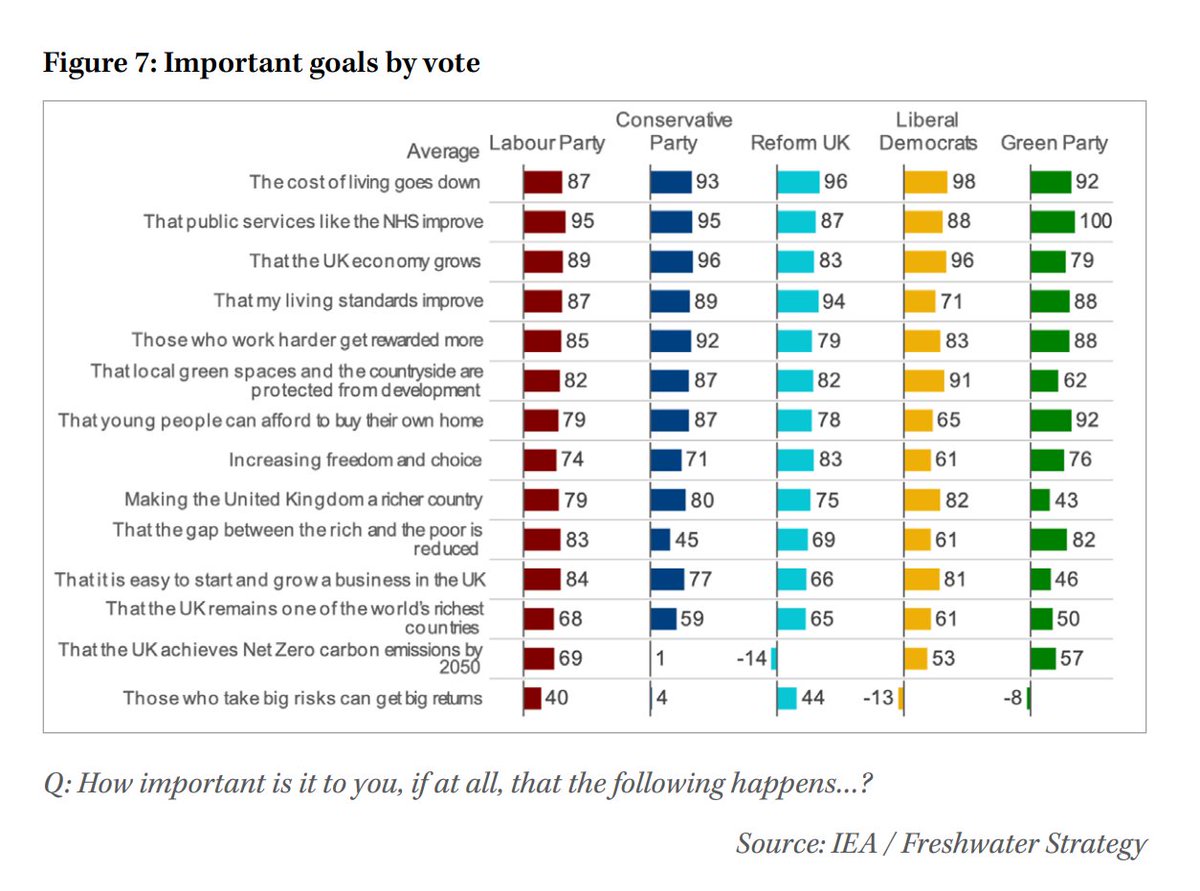
Striking finding in new @iealondon paper - only 57% of Green voters list Net Zero by 2050 as an important national goal - and not particularly bothered about protecting green spaces, either. Maybe they should rebrand as the Reds?
24
42
188
37,298
Apr 14
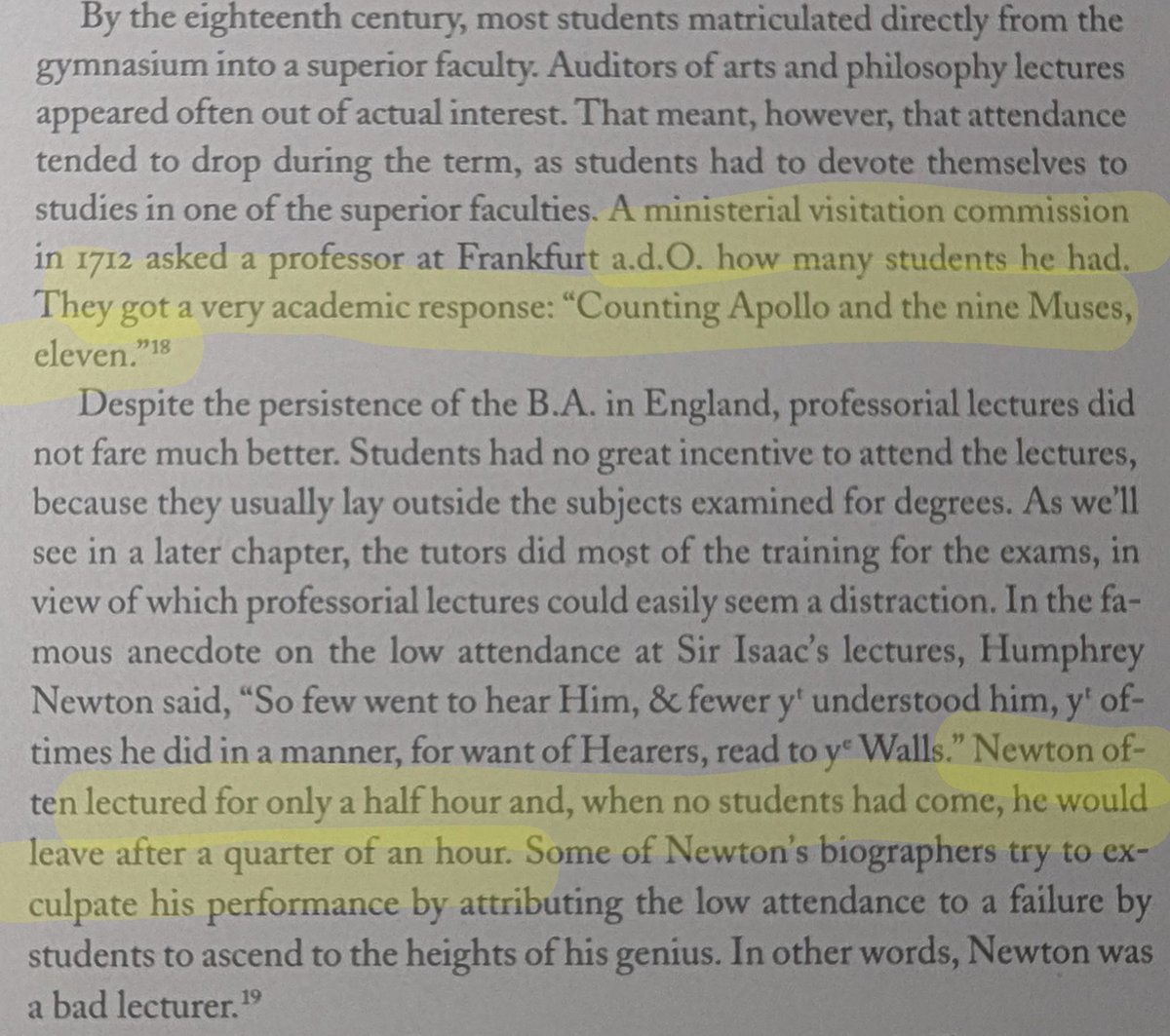
Nothing changes ….

6. Academics trying to get out of teaching: Sir Isaac Newton
1
111
Andrew Gunn 🇺🇦 retweeted

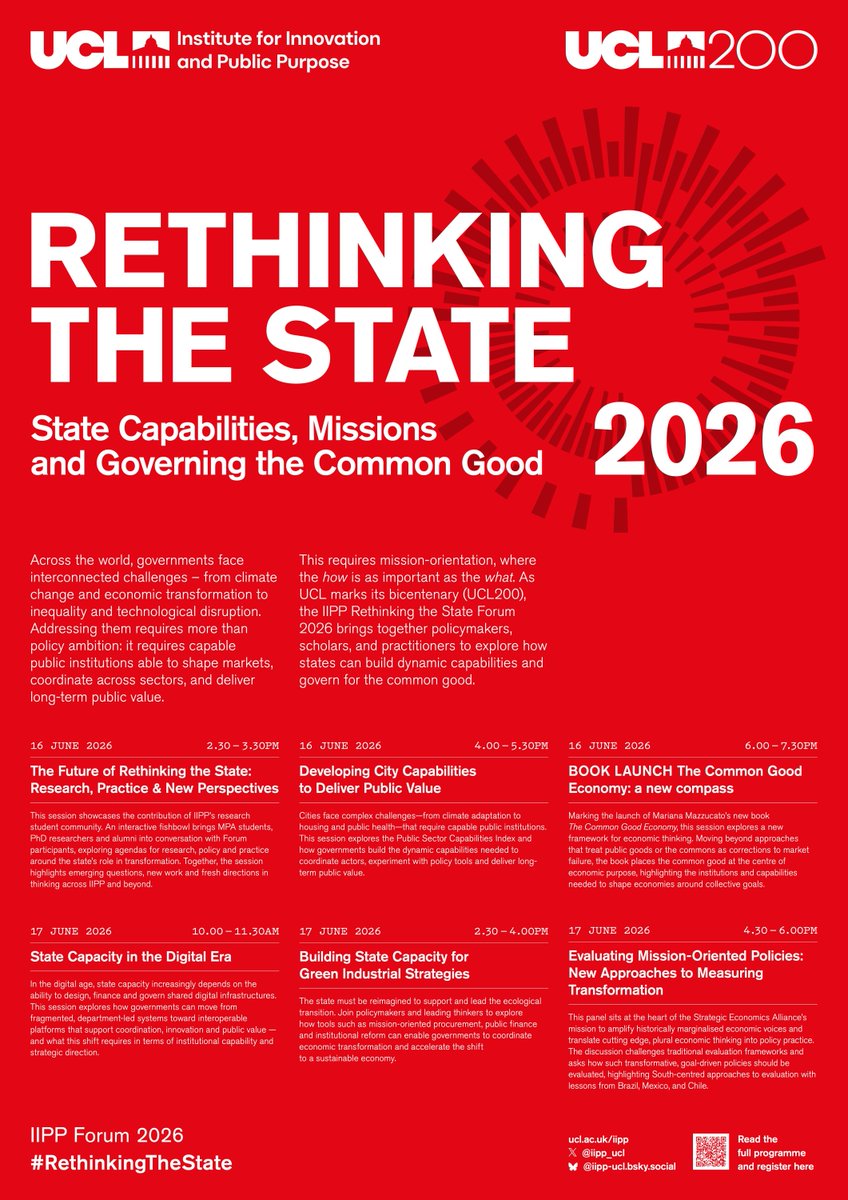
🚀 What does it take to build capable public institutions today?
Join us at the fourth annual UCL IIPP FORUM 2026, 16–17 June in London.
🔗 Learn more and register here buff.ly/fZlA7M2
1
21
72
3,652
Andrew Gunn 🇺🇦 retweeted

The British Government is a complicated beast. Dozens of departments, hundreds of public bodies, more corporations than one can count...
Such is its complexity that there isn't an org chart for it.
Well, there wasn't...
Introducing ⚙️Machinery of Government⚙️

100
426
2,923
1,115,130
Andrew Gunn 🇺🇦 retweeted

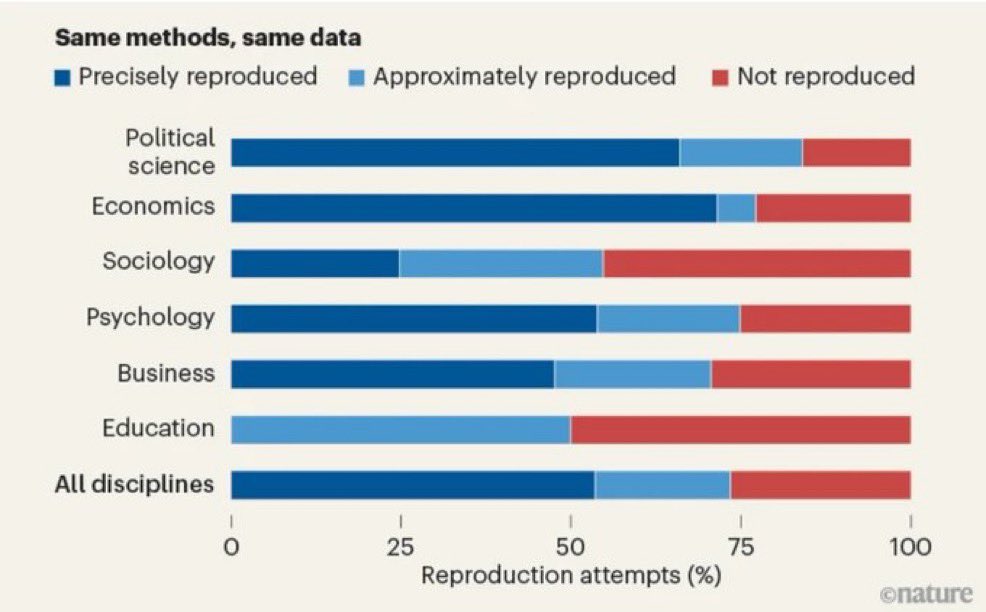
Education research the least likely to replicate according to a huge new paper published by Nature
99
599
2,496
592,310

Andrew Gunn 🇺🇦 retweeted

Mar 9
Today is the 250th anniversary of Adam Smith’s The Wealth of Nations, one of the most important books ever. If you don’t have the stamina to read it all, we made a film about him a few years ago. My favourite part is when his metaphor of “the man of system” comes alive.
41
577
2,311
128,367
Andrew Gunn 🇺🇦 retweeted

Feb 9
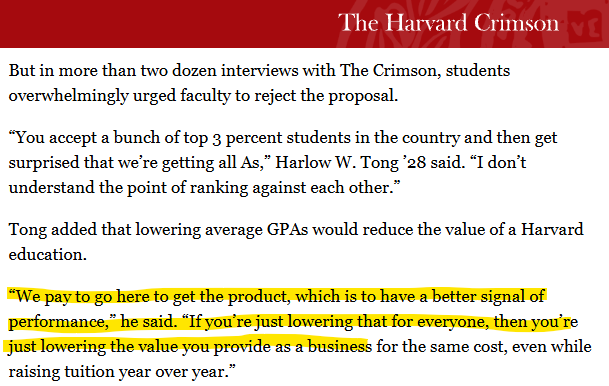
This student does not understand the economics/signaling value of higher education.
(A committee of Harvard faculty has proposed capping the percentage of A's per class at 20%.)
1
1
2
329
Andrew Gunn 🇺🇦 retweeted

Jan 12
Good architecture is a posterchild public good: non-rival and non-excludable. Had great fun using the economics toolbox to study why developments look rather underwhelming and simulate what policies could lead to more beautiful cities. Plus, so cool to work with my amazing former and current @LSEGeography PhDstudents... github.com/Ahlfeldt/DPs/blob…

2
28
151
15,790
Andrew Gunn 🇺🇦 retweeted

Jan 12
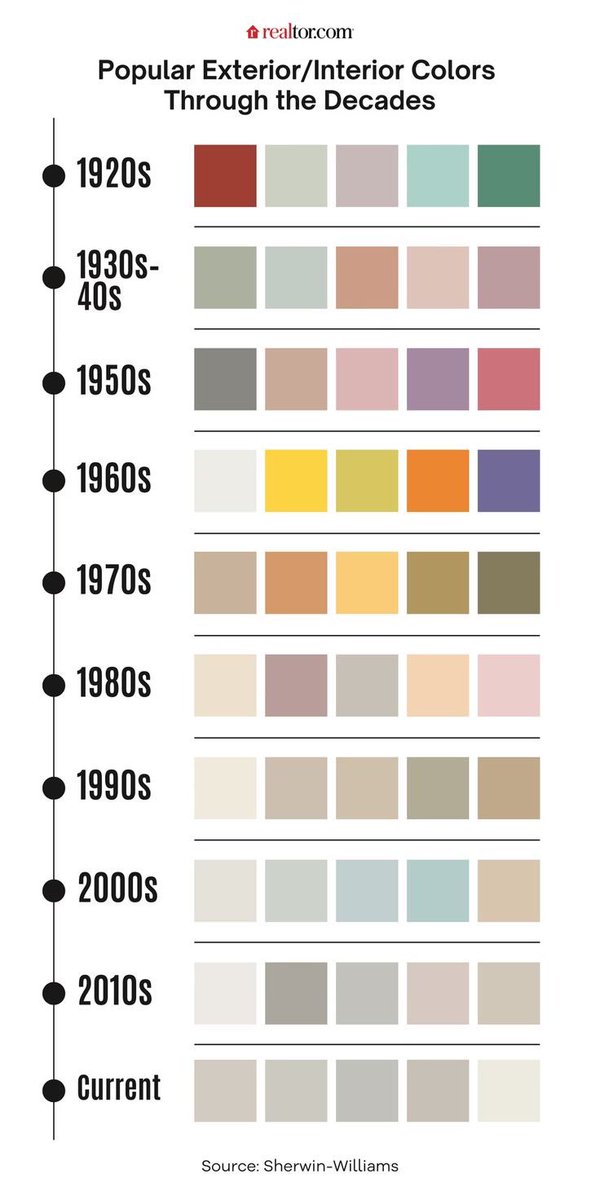
You can see the soul drain from society in real time.
1,468
9,511
62,919
3,815,762
Andrew Gunn 🇺🇦 retweeted

Jan 12
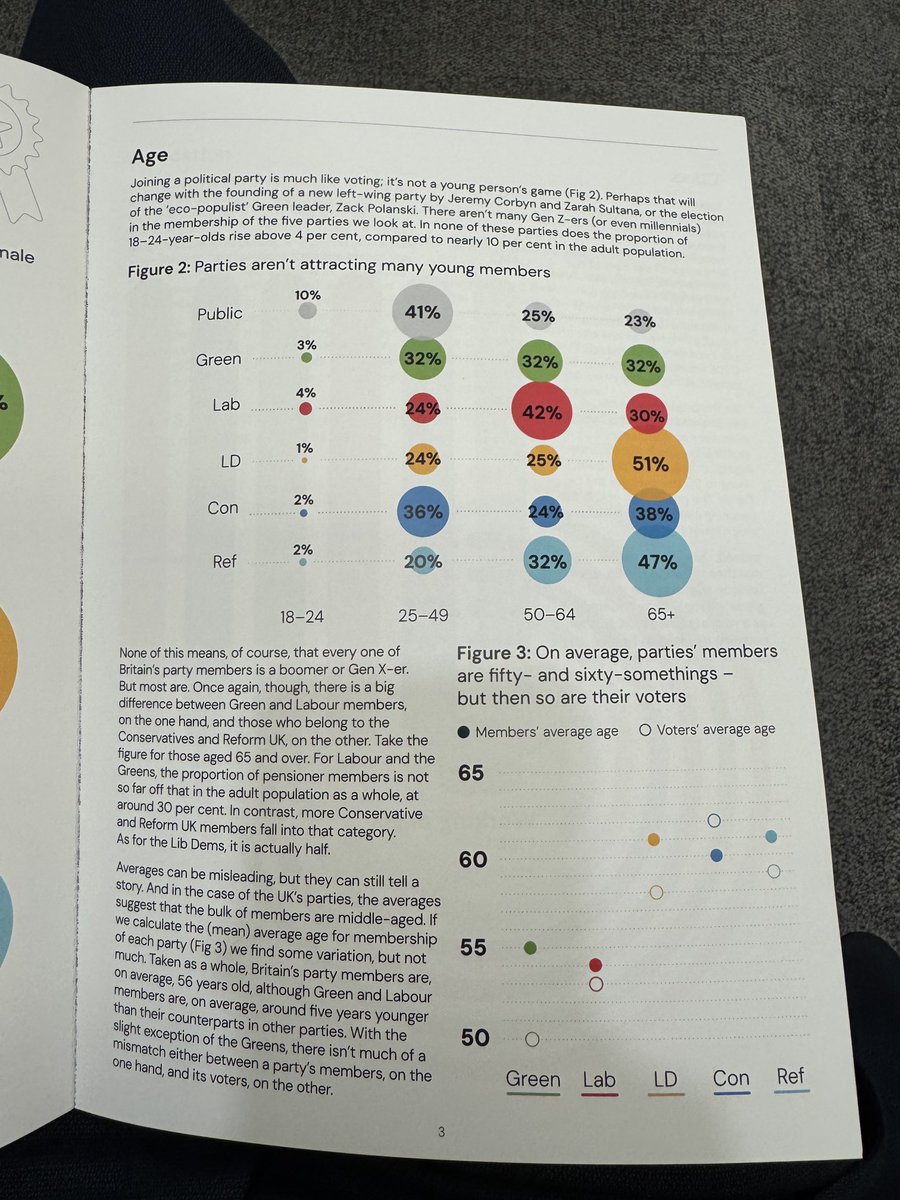
Quite literally, our political parties are aging and dying (research by Tim Bale et al @QMUL)
16
18
53
34,634