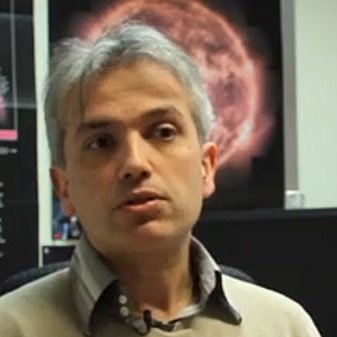
I am an astrophysicist, director of research at @CEA_officiel, expert of the Sun, stars and their impacts on (exo)planets @CEAIRFU @INSU_CNRS
Joined February 2020
- Tweets 74
- Following 46
- Followers 159
- Likes 8
9 Photos and videos

Dr. Allan Sacha Brun retweeted

19 Feb 2025
Flyby success! @ESASolarOrbiter swept past Venus last night, using the planet's gravity to adjust its orbit and grant it a new view of the Sun's polar regions. Everything went as planned 🕹️🛰️✅
18 Feb 2025

ESA mission control will guide @ESASolarOrbiter through a close encounter with Venus tonight. The gravity assist manouevre will 'tilt' the spacecraft's orbit around the Sun and grant it a unique view of our star's enigmatic polar regions. 🕵️♀️ ☀️
esa.int/Enabling_Support/Ope…
2
17
129
19,462
Dr. Allan Sacha Brun retweeted

27 Dec 2024
Parker Solar Probe has made history.
After seven days of silence, Parker has resumed communication with Earth, confirming it's healthy after soaring just 3.8 million miles from the solar surface — the closest a human-made object has ever been to a star.
go.nasa.gov/40cucNU
162
818
3,468
768,518

20 Dec 2024
Very nice collaborative work masterly led by Valeriy on the occurrence of superflares in solar-type stars, in this busy solar activity year it is quite timely.
Superflares once per Century mps.mpg.de/superflares-once-…
1
1
224
28 Oct 2024
insu.cnrs.fr/fr/cnrsinfo/le-…
Very nice work with Louis and Ana on red giant star magnetism. and how one can explain their low amplitude.
70
26 Oct 2024
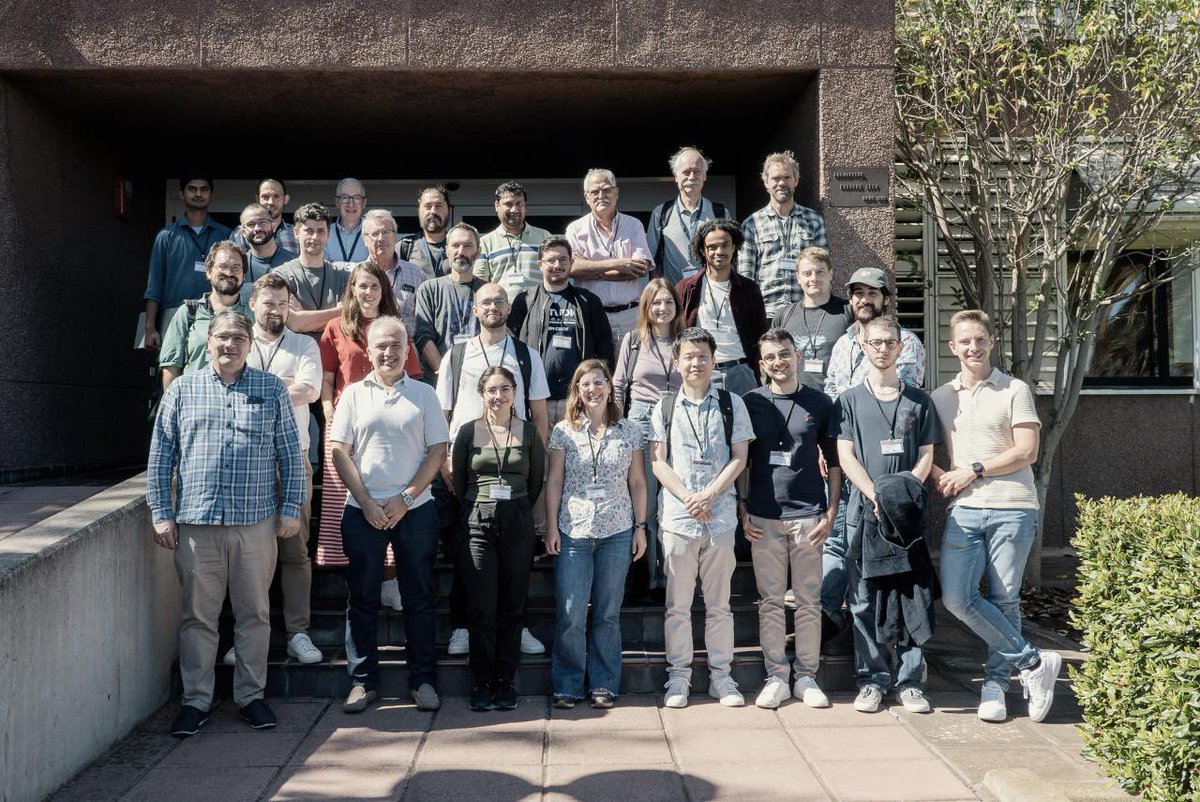
Great Whole Sun workshop at IAC, Big thank you to Valentin, Fernando, Daniel, Ernest and the solar team. Looking forward to Whole Sun @ IPa next March 3-21 2025.
1
9
333
Dr. Allan Sacha Brun retweeted

4 Oct 2024
📽️Europe's eclipse-making double-satellite mission Proba-3 has a 29 November launch date! Watch to learn about the mission set to open up new views of our Sun's surrounding atmosphere esa.int/ESA_Multimedia/Video…
1
4
17
1,890
Dr. Allan Sacha Brun retweeted

9 Jul 2024
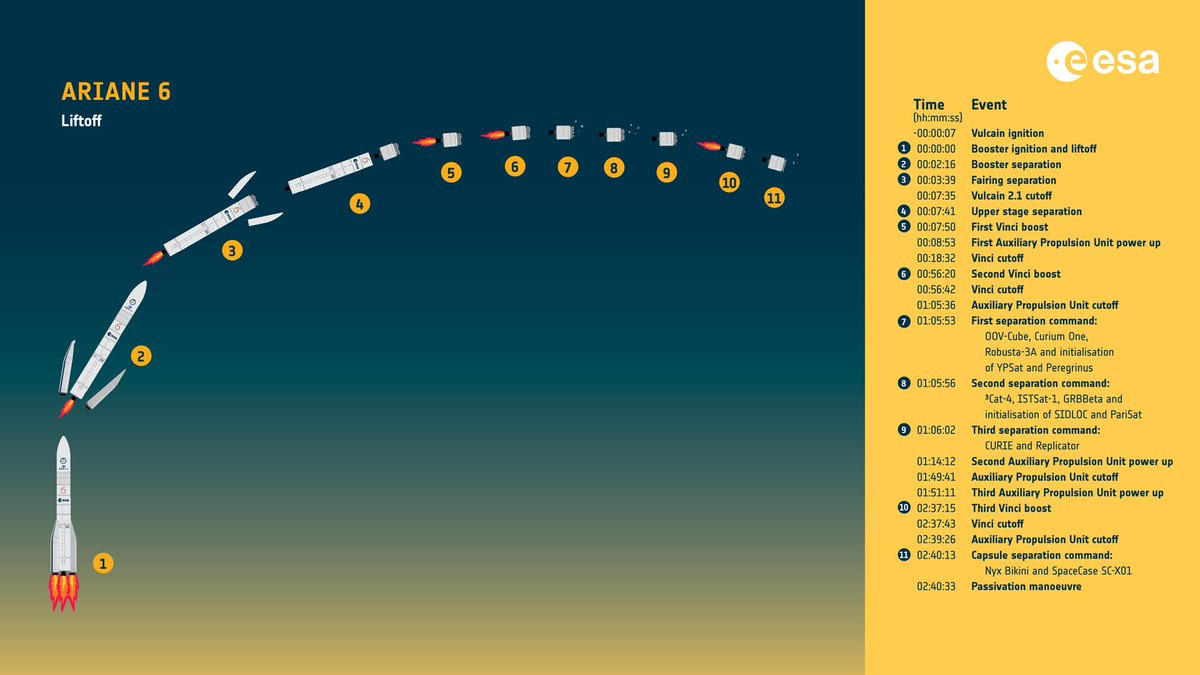
#Ariane6 first flight: Phase 2 complete! 2️⃣✅🎉
With the reignition of the upper stage & deployment of all CubeSats, Ariane 6 has completed it mission. This 2nd phase of the first flight consists of events 6 to 9 in this infographic: Ariane 6 has proven its brand new upper stage reignites in orbit and can deploy multiple varied missions into orbit.
4
60
240
30,189
21 May 2024
So happy with the selection of JEDI and to be part of the adventure. Congratulations to Don and the whole JEDI team for a fantastic job. Even more fun and top space weather science to come with JEDI instrument and Vigil mission, looking forward to it.

Studying the Light Side with JEDI 🌞
We've selected the Joint EUV coronal Diagnostic Investigation (JEDI) to travel through space on @esa's upcoming Vigil mission. JEDI will capture images of the Sun in extreme ultraviolet light: go.nasa.gov/3URuaHl
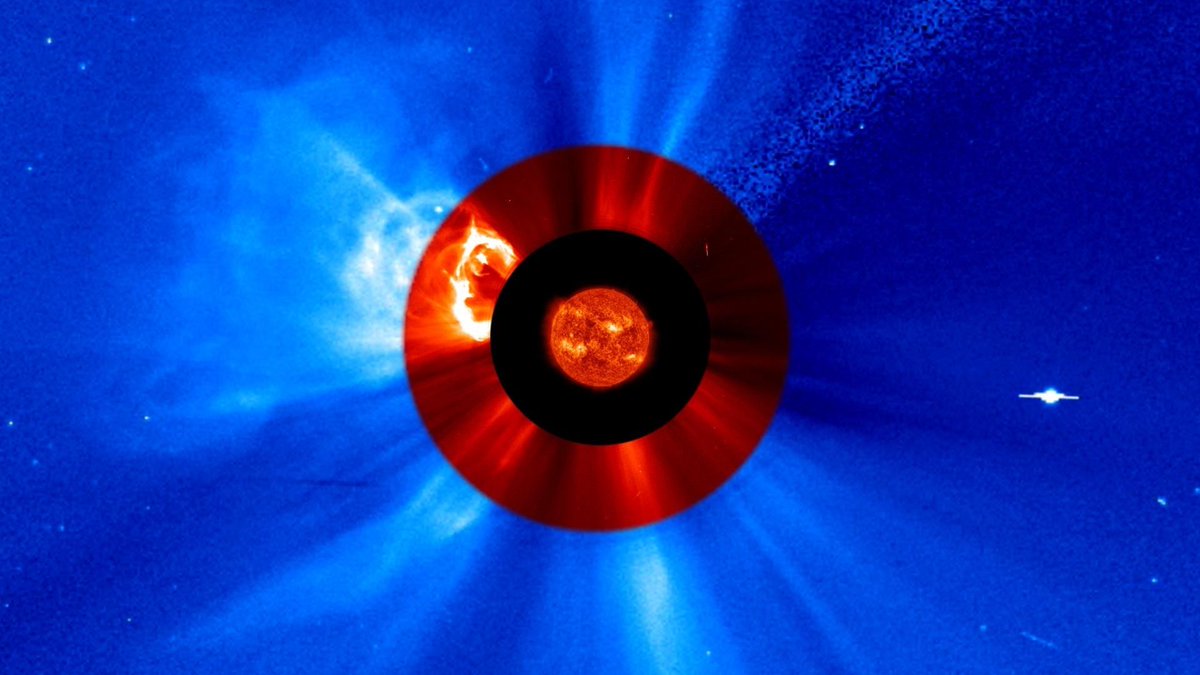
ALT The Joint EUV coronal Diagnostic Investigation (JEDI) will fly aboard the European Space Agency’s Vigil space weather mission and capture new views that will help researchers connect features on the Sun’s surface to those in the Sun’s outer atmosphere, the corona. Credits: NASA
1
202
11 May 2024
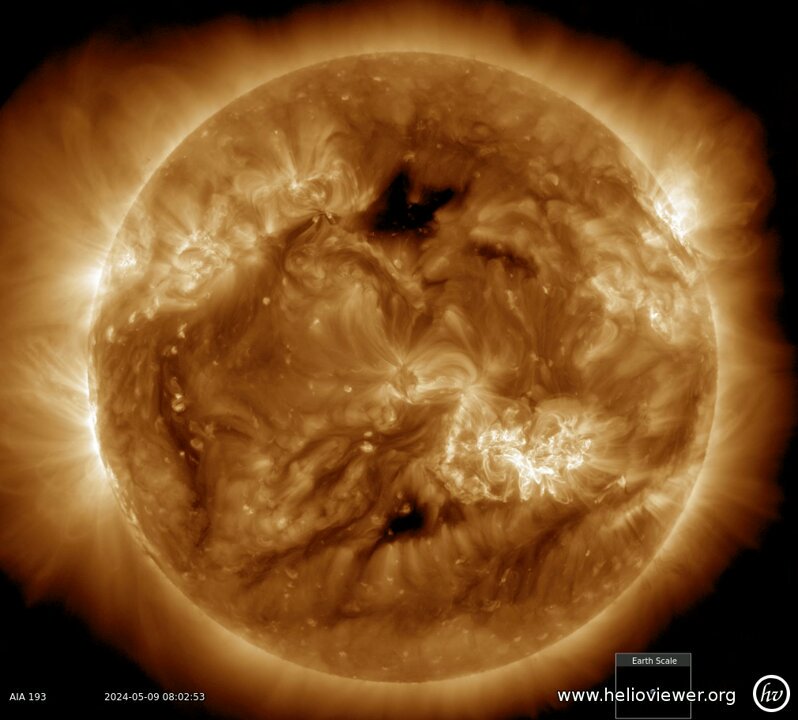
So many X flares, the Sun is making quite a show! Beautiful show also on Earth, with bright Aurorae all the way to southern France. Here, a movie of the last 48 hours of the Sun, quite impressive.
2
185
Dr. Allan Sacha Brun retweeted

9 May 2024
It is a *mess* out there.
94
621
2,870
1,130,524
6 May 2024
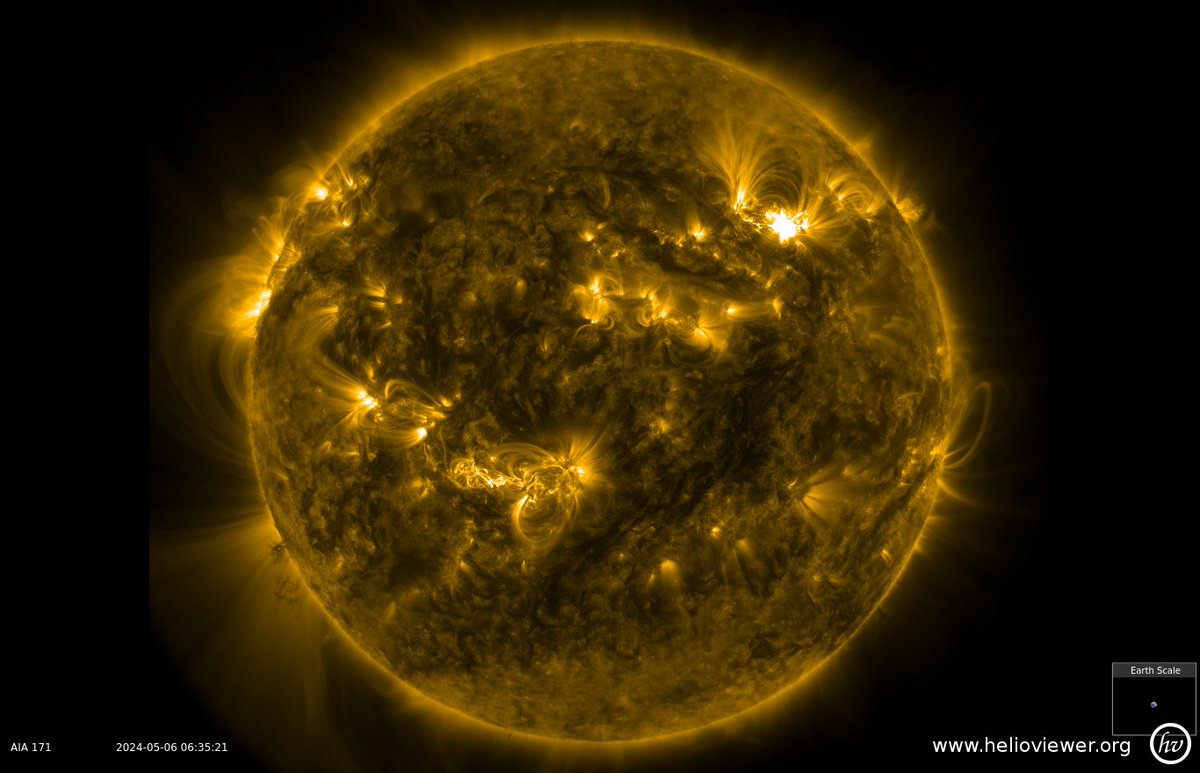
What an active Sun over the last 24-48h. We just got a X4.5 flare after many M7-9 and several X…
4
96
9 Apr 2024
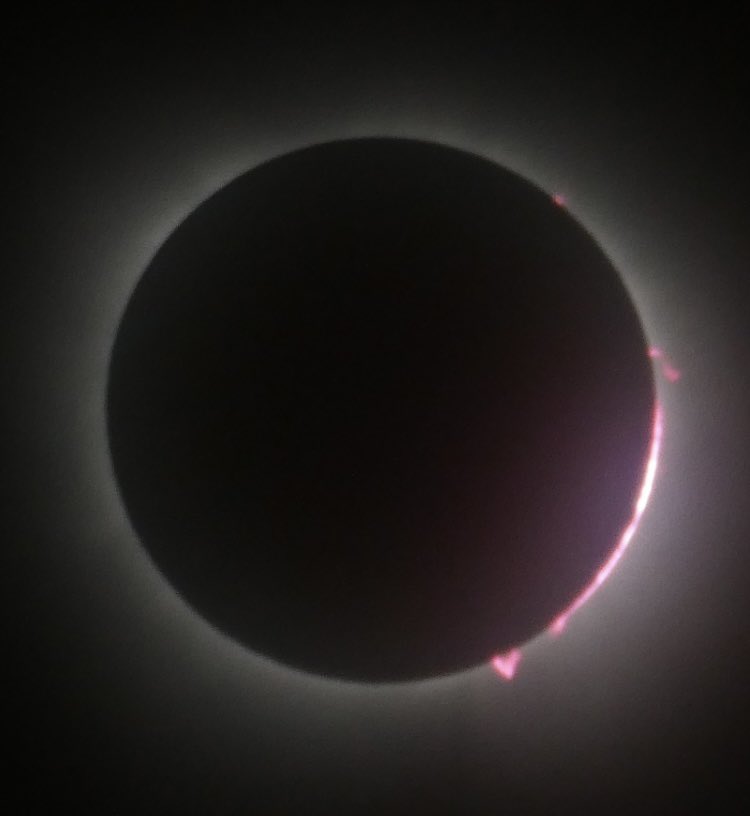
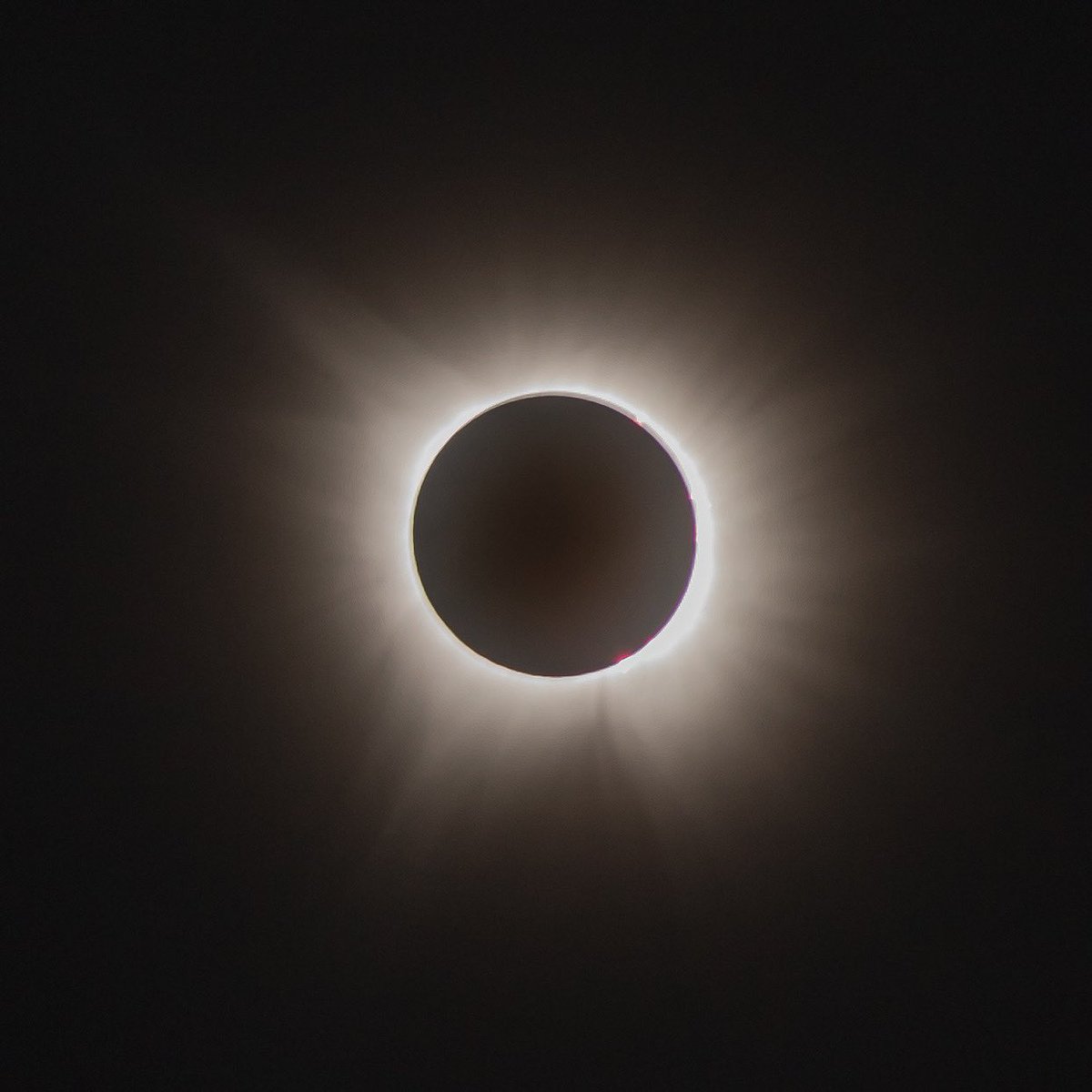
Great total solar eclipse in Texas, beautiful prominence on the bottom right and complex corona as we near maximum of solar cycle 25. thx to colleagues (Eric and Aditi) for sharing their beautiful pictures with me ☀️
3
12
462
Dr. Allan Sacha Brun retweeted
23 Feb 2024
AR 3590 will become increasingly magnetically connected with Earth. Any 'Energetic Solar Particles' following the magnetic field lines stretching out from the Sun are likely to impact Earth and satellites in orbit.
Info and updates at:
x.com/esaspaceweather/status…
23 Feb 2024

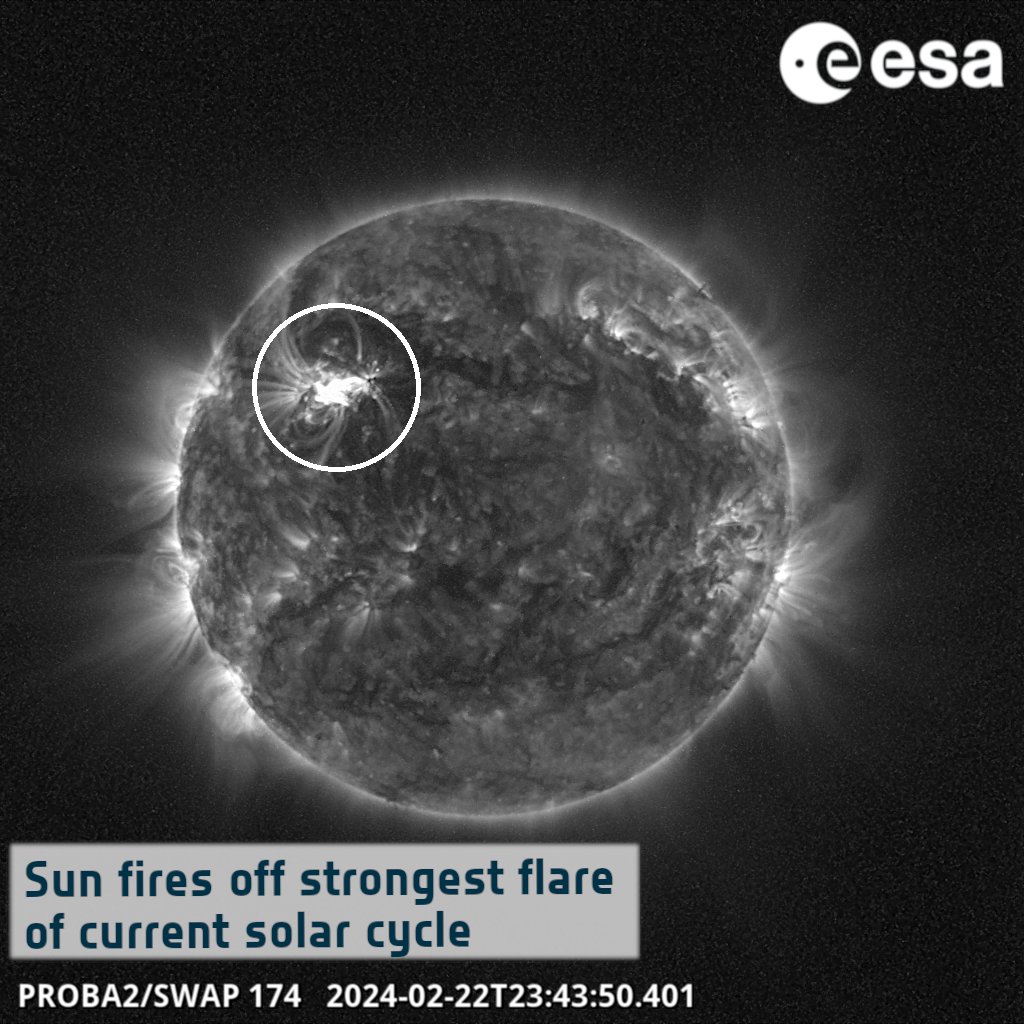
❗️Strongest flare of solar cycle 25❗️
✨X6.3✨
⭕️Peak 22 Feb 22:34 UTC
⭕️Origin NOAA AR 3590
This AR is making itself known with 3 X-class flares in the last 36 hrs! We'll be keeping an eye on it as rotates towards the centre of the 🌞disk👀
🌐swe.ssa.esa.int/current-spac…
4
16
5,722
Dr. Allan Sacha Brun retweeted
23 Feb 2024
A highly active region of the Sun recently fired off three of the strongest type of solar flare (X-class).
The largest, an ‘X6.3’ flare released at 23:43 CET last night was the strongest solar flare observed during the current solar cycle.
#SolarFlare #SpaceWeather
4
58
248
31,524
Dr. Allan Sacha Brun retweeted

29 Jan 2024
Interesting new analysis of Sun-like dynamo simulations, showing a minimum of the magnetic field slightly above the solar Rossby number! Note that Weakened Magnetic Braking appears to halt the rotational evolution *before* stars reach the bottom of the "V" arxiv.org/abs/2401.14460

ALT Figure 4 from Noraz 2024.
1
2
10
372
Dr. Allan Sacha Brun retweeted

23 Jan 2024
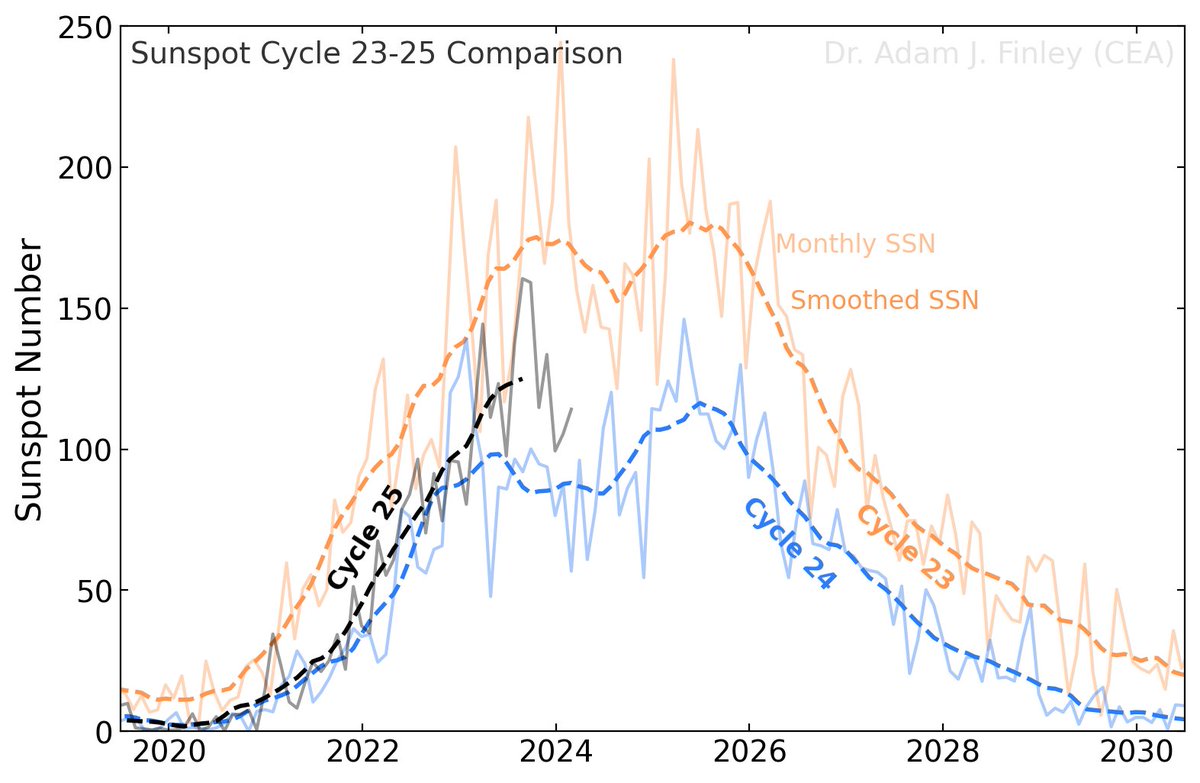
A good occasion to look where we are in the Sun's magnetic activity cycle? Here I compare the current sunspot cycle (25) to the last two: cycle 23 from 1996-2008, and 24 from 2008-2019. This cycle may have a similar shape, peaking in 2023 and again in 2025? Only time will tell!
23 Jan 2024

New Paper Day!! Are we able to estimate the magnetic field generation inside stars like the Sun using only measurements of their surface magnetism and differential rotation? We test one such hypothesis with a global convective dynamo simulation! arxiv.org/abs/2401.10984 (1/6)
11
26
11,731
31 Jan 2024
Solar-type magnetism vs time, a new story is emerging, with possibly a minimum of activity near solar (on convection and rotation) conditions. Read more on this interesting outcome published by @Qnorastraz - arxiv.org/pdf/2401.14460.pdf
1
55
Dr. Allan Sacha Brun retweeted

30 Mar 2023
Researchers attempt to shed light on the Sun to trace its origins and ours.
Read more ➡️ bit.ly/3JWHswK
#HorizonEU
2
1
645