
Father, analyst, combinatorist, AI, applied mathematics, graph and number theory enjoyer. University of Memphis math alum. All views are my own.
Joined July 2012
- Tweets 6,304
- Following 915
- Followers 1,139
- Likes 5,514
218 Photos and videos







Avery Carr retweeted

Jun 13
I honestly don't know how reasonable this is. It is possible, but I'd guess lower than this. In part the trouble is that we never know how hard an unsolved problem actually is until it's solved!
1
1
15
611

Jun 13
I will say there are a whole lot of Erdős problems that have not been solved. And could potentially be a lot harder than the handful that have been solved. The top 10 list from T.F. Bloom is a good list. In other words, I don’t believe Erdős problems are trivial in the least.

1/ If you are interested in really pushing the boundary of what results the models can get, I encourage you to move from Erdős problems etc and focus on this:
2
255
Avery Carr retweeted

1
2
1,007
Avery Carr retweeted

Jun 9
In the future, all critical software will be formally verified.

As we discussed with @VitalikButerin on our Fireside, formal verification is a big positive outcome from AI that will more than counterbalance the effects of AI finding new bugs.
I am strongly supportive of math AI tools like Aristotle from @HarmonicMath driving this forward.
7
8
46
6,294
Avery Carr retweeted

We live in interesting times, and now a little episode from my life lives in the Times as well… @nytimes @NYTScience
nytimes.com/2026/06/08/scien…
4
16
92
16,813
Avery Carr retweeted

Jun 8
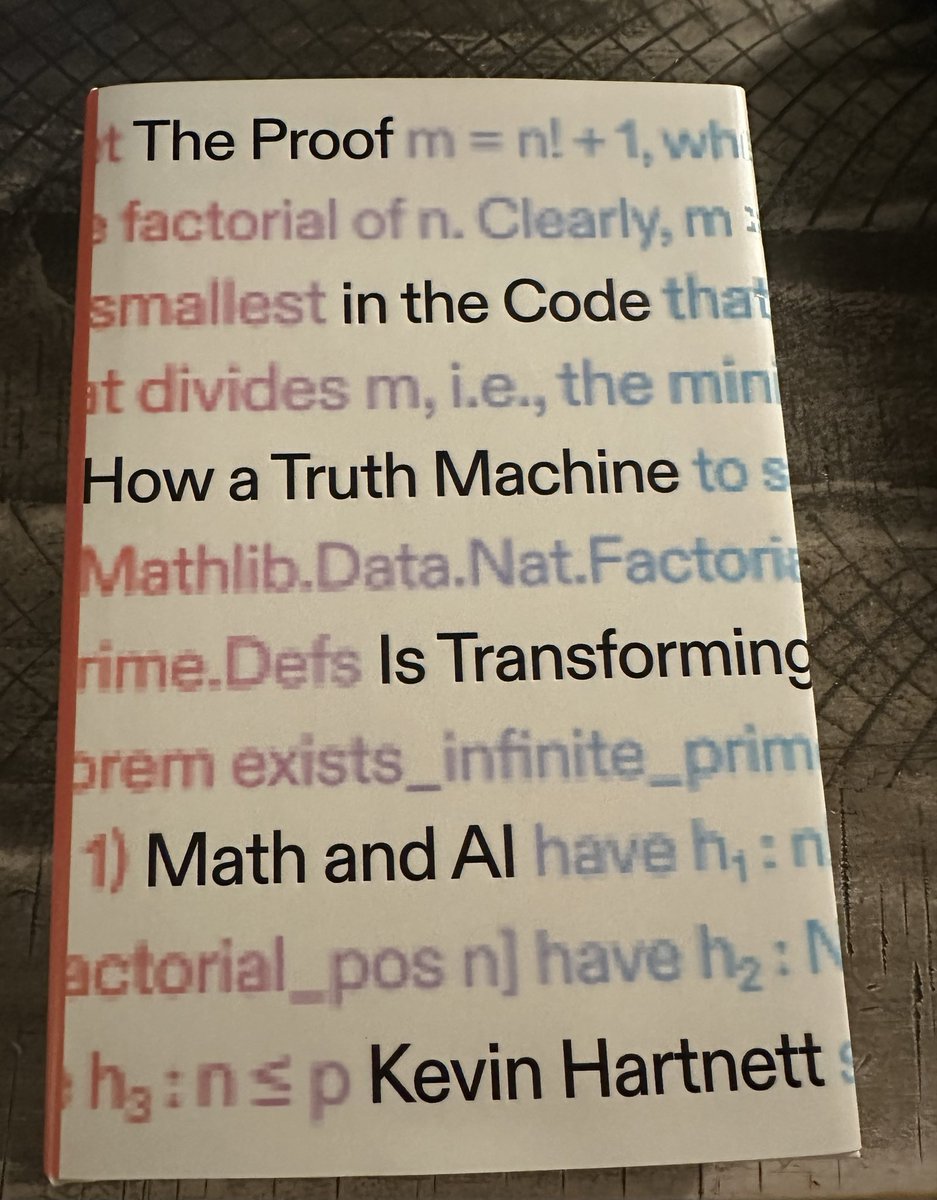
Terry Tao has become the foremost proponent of AI and Lean for math research. Today, @QuantaMagazine is running an excerpt from my book, "The Proof in the Code," about a project where Tao made the leap into this new way of working—his unconventional 2024 'equational theories' effort to map relationships between arithmetic laws.
4
13
144
13,561
Jun 6
Mathematical knowledge buckled away… often thought of night and day.
2
76
Jun 4
Mathematics is not dead. Mathematics hasn’t fallen. And mathematics is still a human endeavor. Suppose the opposite. AI does it all. Where does such an intelligence find a basis for meaning? Is the basis what humans find meaningful?
3
1
8
798
Avery Carr retweeted

totally. I am however a big fan of moving into the direction of "Kolmogorov Appendix" that I mentioned a while ago, where you show the "minimal prompt" that allows the model to recover your result. Details TBD (and there are many!)
3
4
85
7,936
Avery Carr retweeted
Mathematics -is- a human endeavour.
There is something which maybe you're calling mathematics that has nothing to do with humans, some 'platonic otherworld' of abstract ideas. But what I call mathematics is the human attempt to explore and understand this world.

There are two main points in the Leiden declaration, one good, one bad imho:
> Good: science is underfunded, mathematics included. We need more researchers, not less, and with the advent of AGI we will need even more. If AGI is a magical wand, someone still needs to wield it. Researchers are the best prepared for this.
> Bad: 'mathematics is a human enterprise it disturbs existing incentive structures'. Mathematics is a not a human endeavor per se. It is definitely so within academia, but science is free for all. If AI can make math progress faster, then it is only for good of mathematics. It definitely does disturb existing incentive structures (grants, who proves what first, peer review), but these are not optimal to begin with and it's a good time to rethink it.
Academic mathematicians in the last 50 years have started thinking that mathematics is done solely by university-affiliated academics. This was true for around the last 100 years, but wasn't true before, and it seems won't be true for long.
And this is a good change. Good for science, good for mathematics, but perhaps bad for existing academics within their status quo incentives. But they will adapt, and mathematics will only flourish more.
In the end the goal should be to expand mathematics (and generally science) as vastly as possible. Abundance of proofs, abundance of explanations, thanks to LLMs, is a great thing for progress.
15
26
227
23,835
Avery Carr retweeted

Jun 3
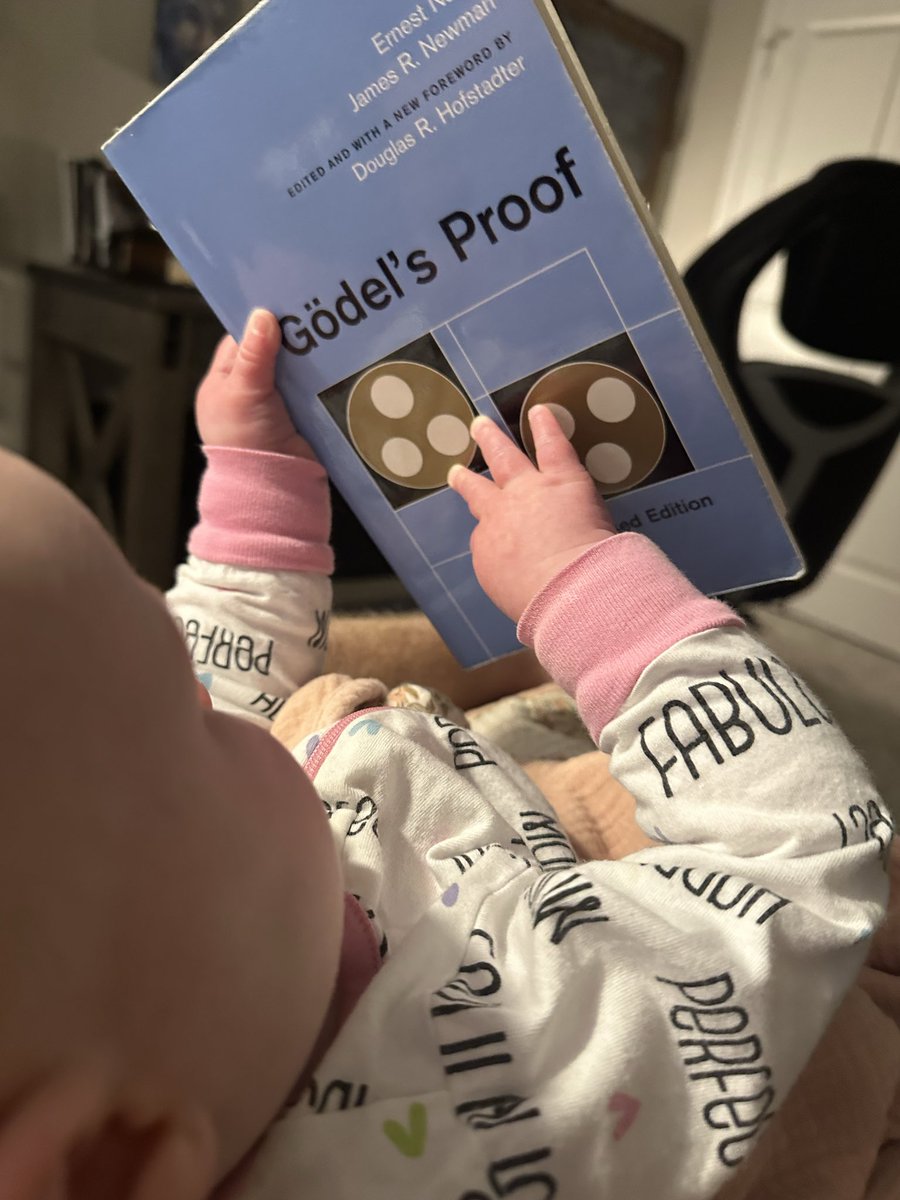
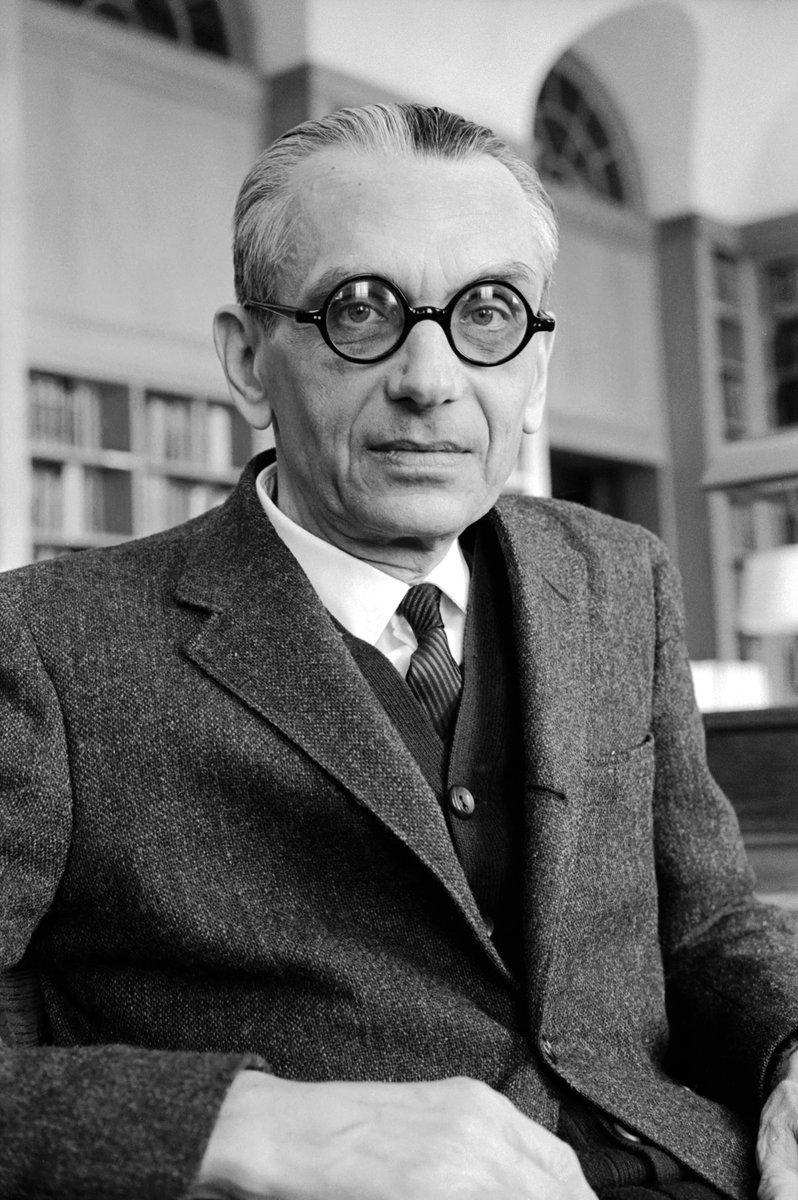
Either mathematics is too big for the human mind, or the human mind is more than a machine.
- Kurt Gödel
6
29
131
3,989
Avery Carr retweeted
I have signed the Leiden declaration, and encourage everyone to read it and reflect.
Even if some of the points are impossible to achieve in reality, they are a good set of guidelines to try and do what is best for humanity.
leidendeclaration.ai/
9
22
109
20,707
Avery Carr retweeted
A beautiful example of an "optimal stopping problem" – Feynman's restaurant problem – with a great backstory behind it. This is a fun, well written article, and a fun math problem too.
doi.org/10.1073/pnas.2509612…
7
137
778
118,920
Jun 2
What in the Isaac Asimov?
Jun 2

A group of researchers have proposed rules to prevent artificial intelligence from overpowering humans in math
spklr.io/6018EMQmm
2
51
Avery Carr retweeted

Jun 1
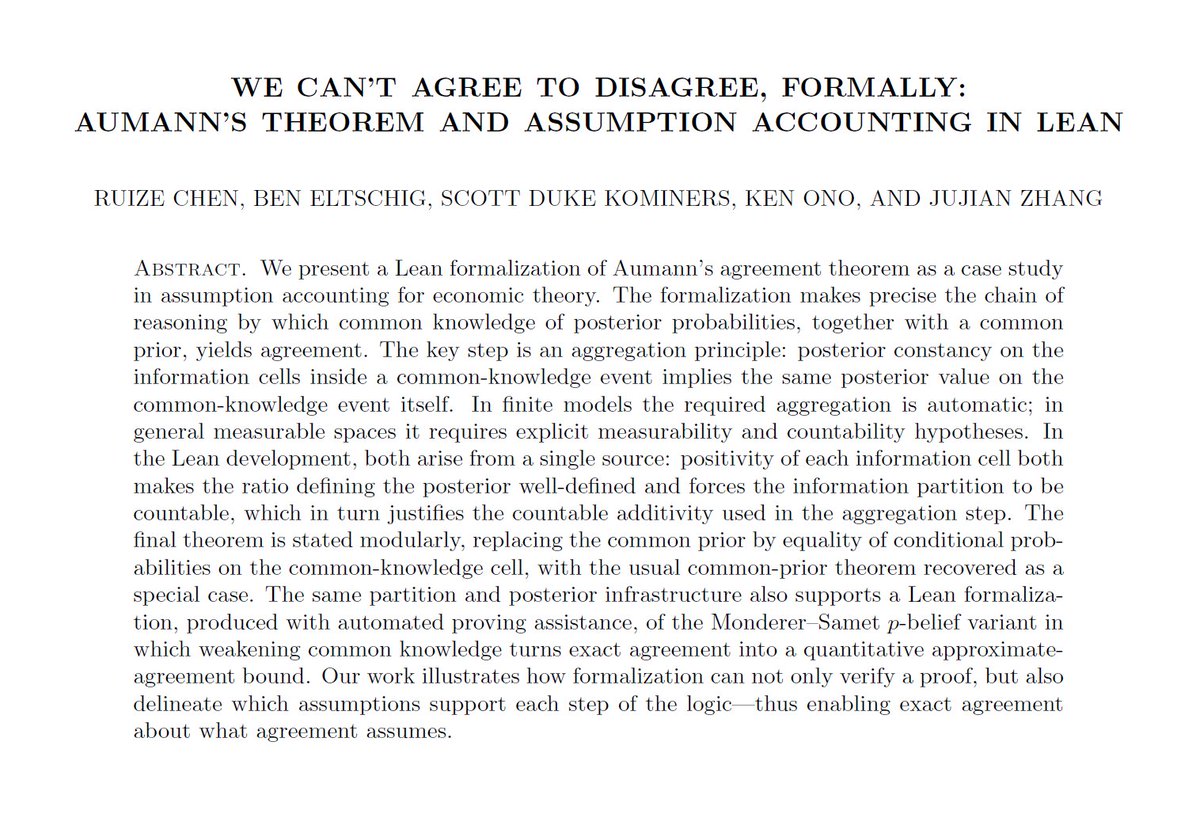
Mathematically, Aumann’s theorem means I have to agree to agree with Scott! 🤝 Happy to bring formal verification to economics. Catch our exclusive in @FortuneMagazine. @axiommathai @leanprover
Jun 1

Super excited to share joint work with @axiommathai that kicks off a broader project of formalization in economics.
Aumann's celebrated theorem says we can't "agree to disagree."
But what does that actually mean – formally? 👀
3
5
51
8,691
Avery Carr retweeted

Jun 1
Super excited to share joint work with @axiommathai that kicks off a broader project of formalization in economics.
Aumann's celebrated theorem says we can't "agree to disagree."
But what does that actually mean – formally? 👀
12
47
242
85,582
Jun 1
Most researchers in the maths and sciences don’t care as much about recognition as the joy of finding things out. Dr. Rainer Weiss encouraged me to do so in many correspondences.
a Nobel Prize winner tells you the Secret ..#rainerweiss #nobelprize youtube.com/shorts/u9o8g-wDf…
1
1
223
Jun 1
He took a genuine interest in some work I presented to him a couple of years ago after nearly 8 years of email correspondences that resulted in a zoom meeting to discuss. @stevenstrogatz I posted this because it reminded me of your post from earlier.
1
1
180
Avery Carr retweeted

3 May 2020
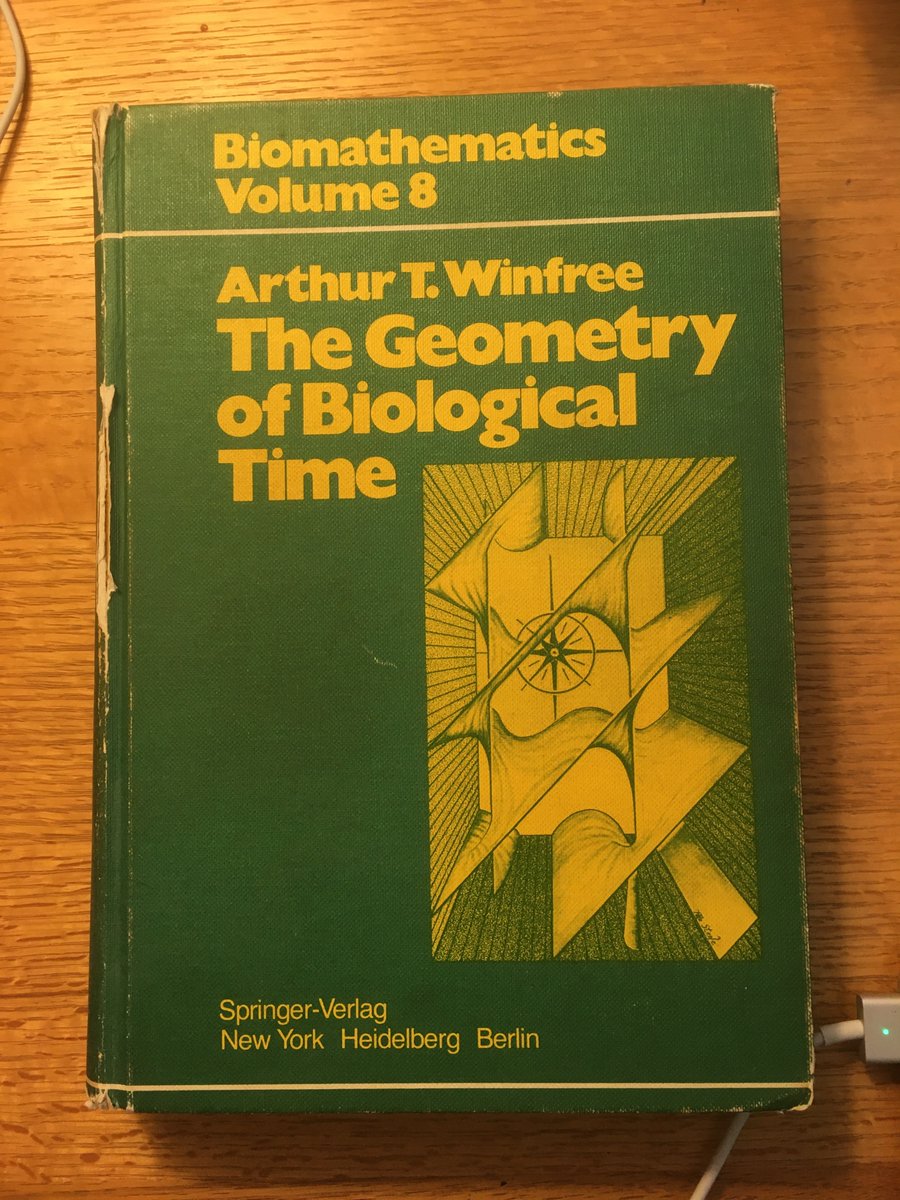
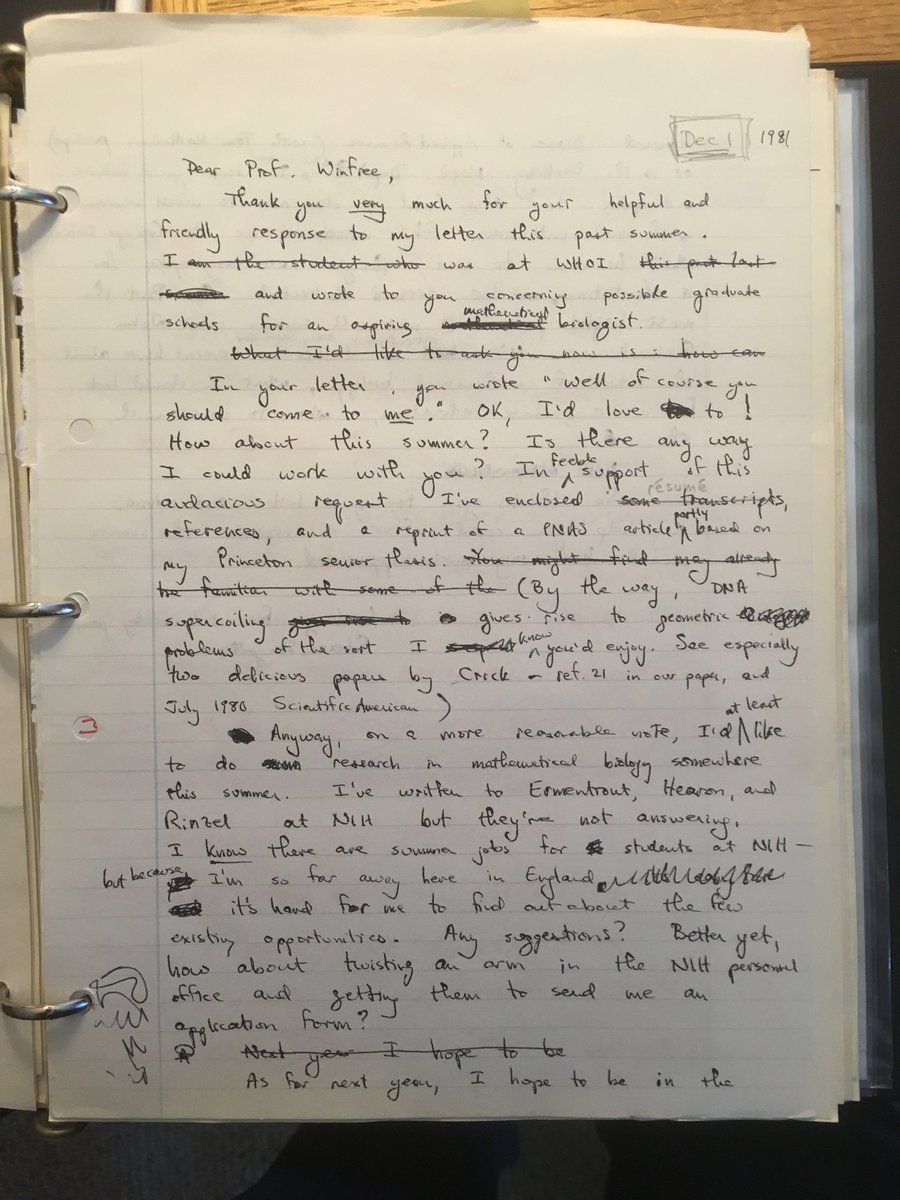
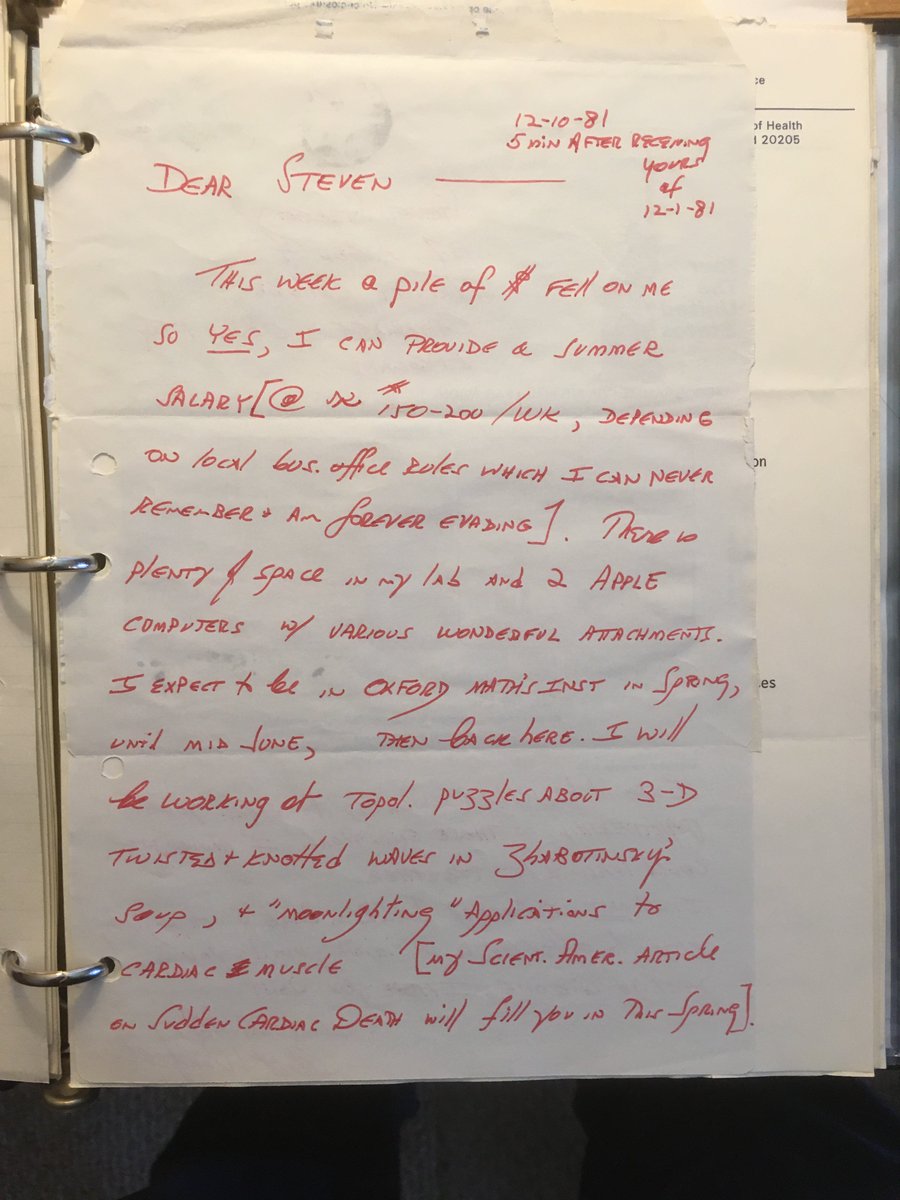
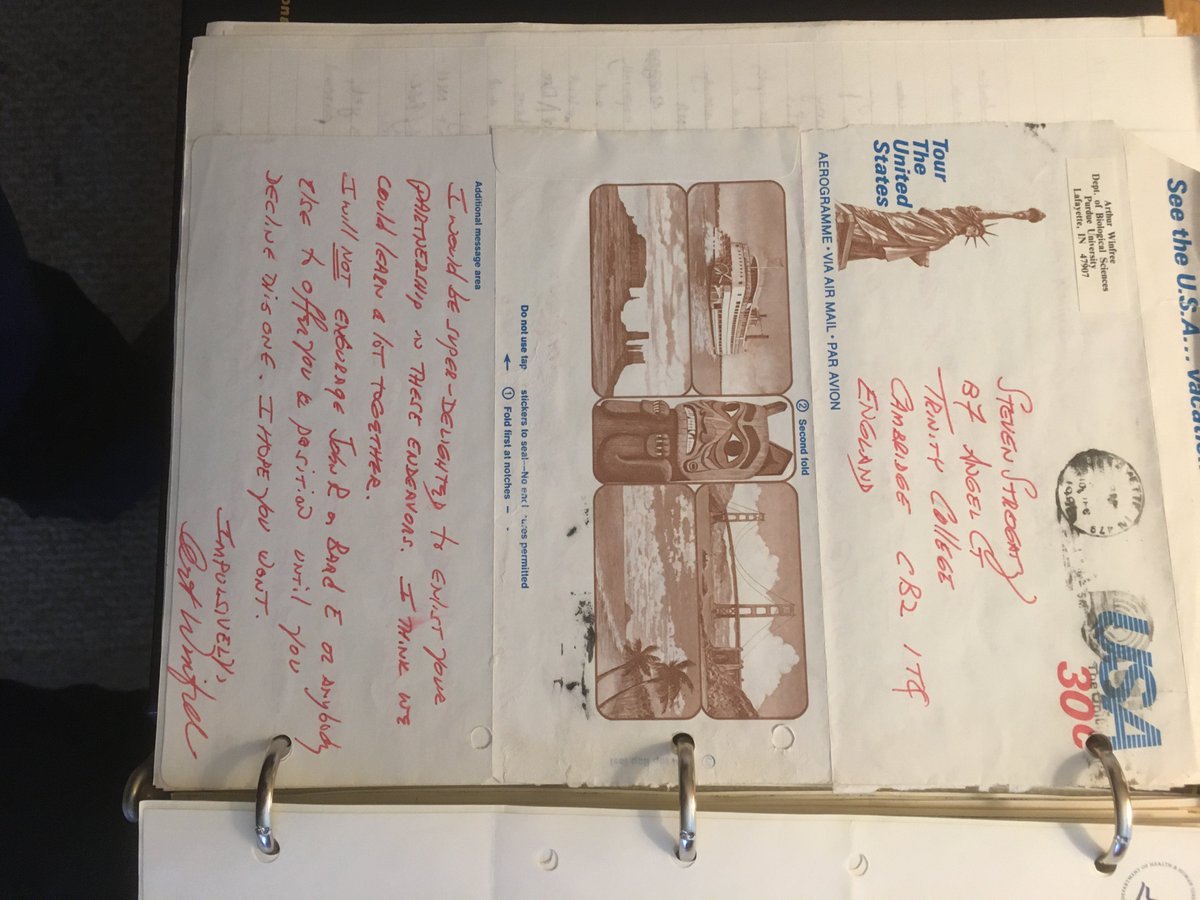
A book and a letter that changed my life. After I read The Geometry of Biological Time, I wrote to its author and asked if I could come work with him. His reply, scrawled in his characteristic magic marker, led to his becoming my most important mentor.
53
310
2,899