
Official Twitter account of Atherosclerosis Plus, an open access journal published by Elsevier. Facebook Page: facebook.com/Atherosclerosis…
Joined June 2021
- Tweets 448
- Following 157
- Followers 493
- Likes 240
141 Photos and videos
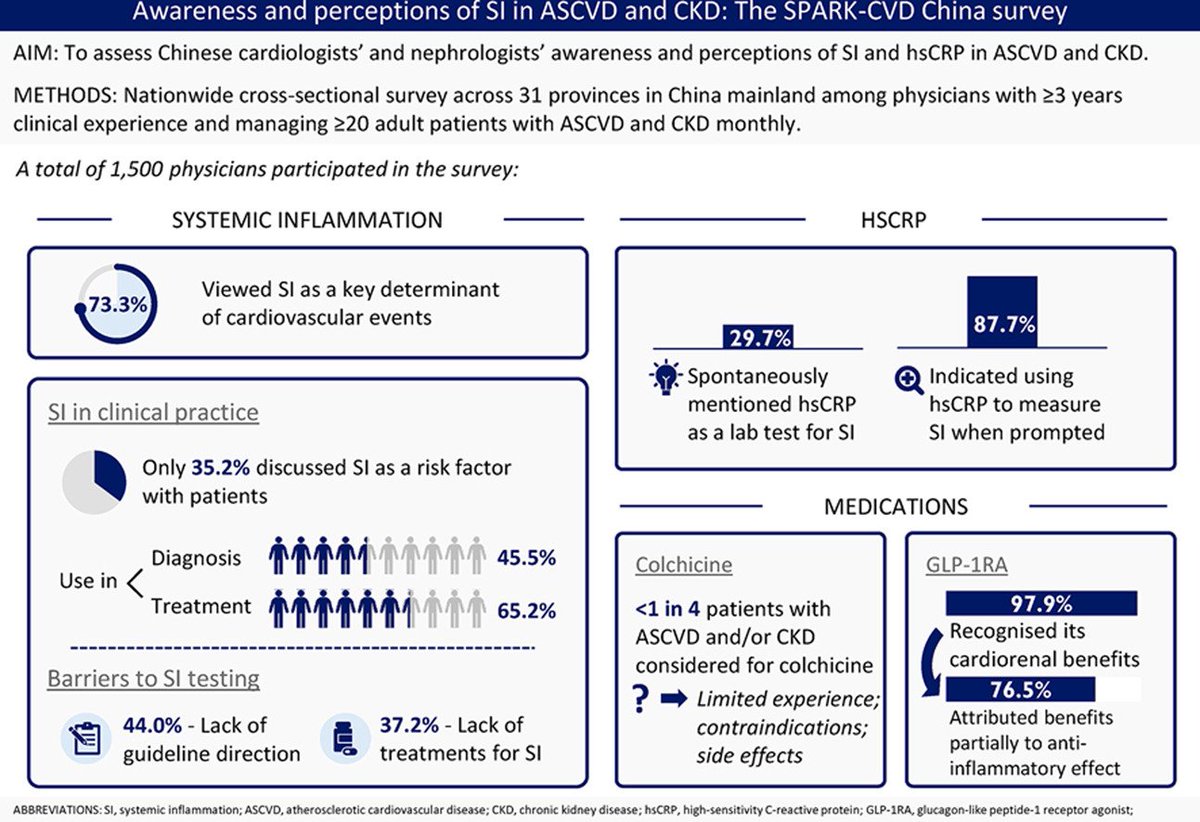


The SPARK-CVD China survey highlights a gap between awareness and practice in systemic inflammation (SI) testing in ASCVD and CKD.
73% of physicians recognized SI as a key driver of CV, only 35% discussed it with patients!
🔗doi.org/10.1016/j.athplu.202…
1
3
6
558
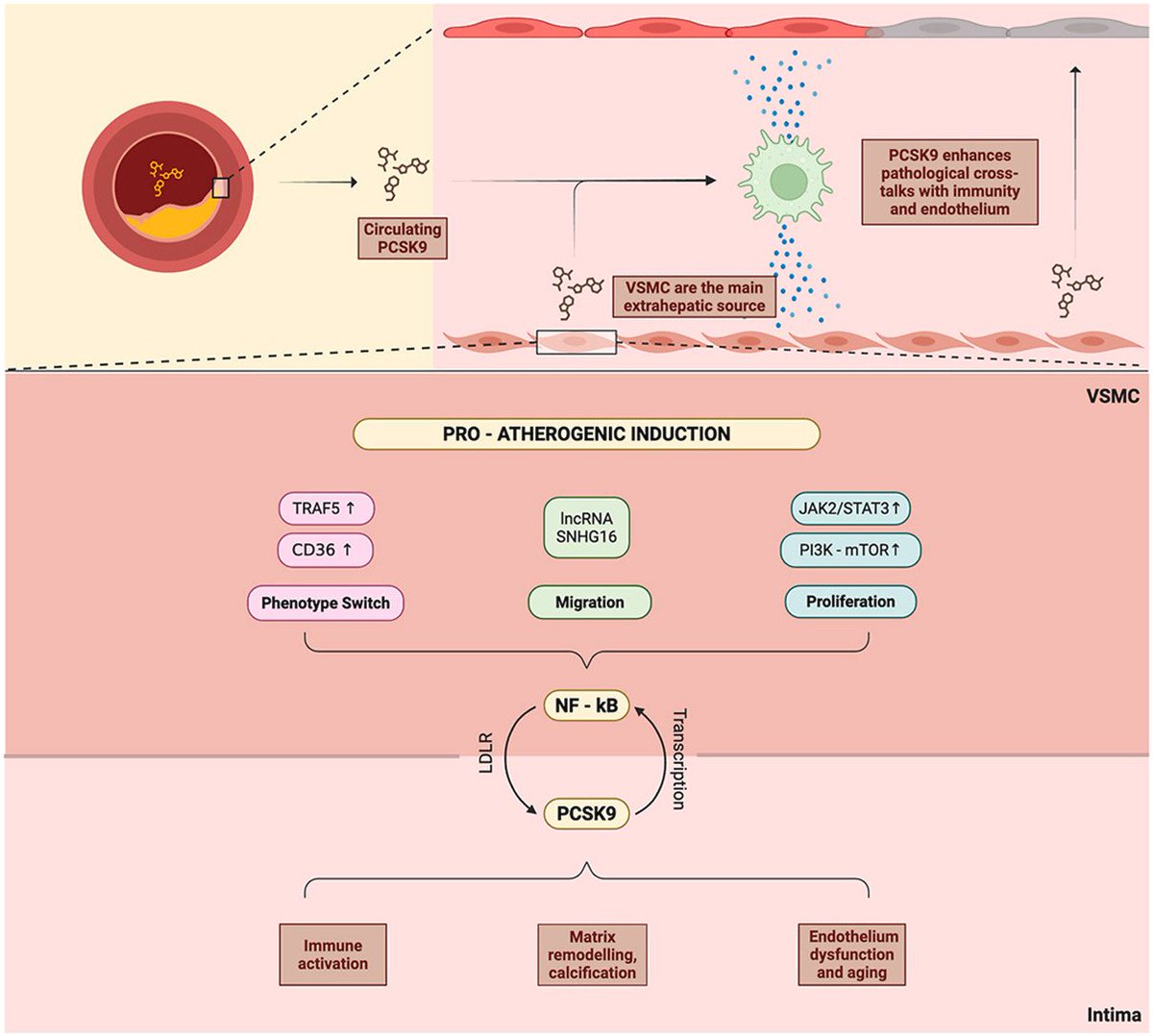
Beyond lipid regulation, VSMC-derived PCSK9 drives vascular inflammation, phenotypic switching, and plaque progression. PCSK9 inhibition may stabilize plaques beyond LDL lowering.
🔗doi.org/10.1016/j.athplu.202…
@society_eas
3
16
792
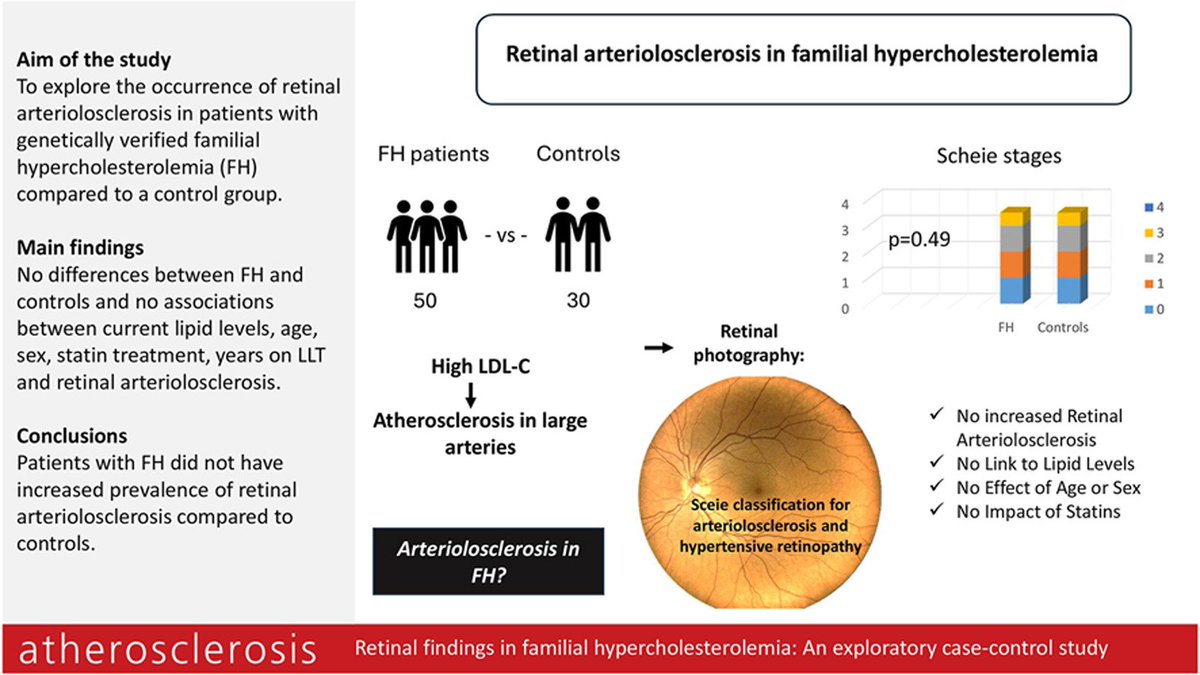
Langslet et al. explored retinal arteriolosclerosis in patients with genetically verified familial hypercholesterolemia. Despite lifelong LDL-C exposure, FH was not associated with increased retinal arteriolosclerosis vs controls.
🔗doi.org/10.1016/j.athplu.202…
#FH #Atherosclerosis
2
12
440
📢 Call for Papers | Atherosclerosis Plus
How do sex differences influence ASCVD biology, clinical manifestations and response to therapy?
Contribute to Special Issue: Gender difference in ASCVD and therapeutic treatments of dyslipidemia
sciencedirect.com/journal/at…
2
4
340
Great news for Atherosclerosis Plus!
Our journal has received a CiteScore 2025 of 3.7.
Thank you to all authors, reviewers, readers, and editors for contributing to the journal’s growing impact.
#Atherosclerosis #CardiovascularResearch #OpenAccess #CiteScore
1
7
442
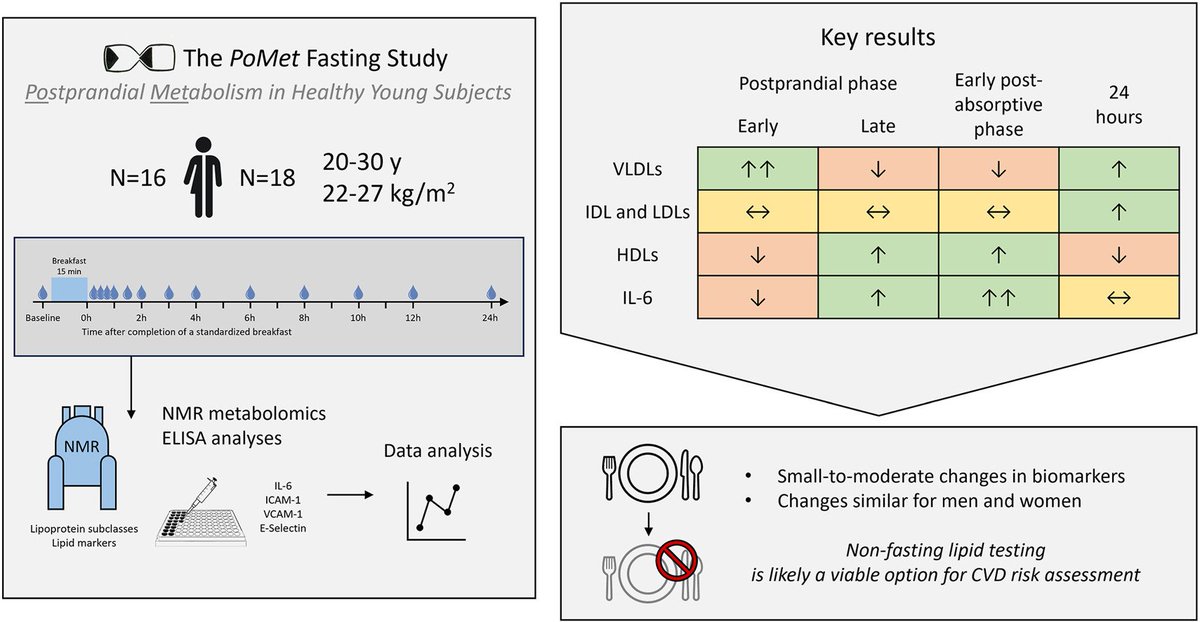
How does time since last meal affect lipoprotein and inflammatory biomarkers?
In healthy young adults, Jensen et al. found that six VLDL particle subclasses rose 11–429% within 2–4h after breakfast, with IL-6 increasing ~325% at 10h.
🔗 doi.org/10.1016/j.athplu.202…
@society_eas
2
17
829
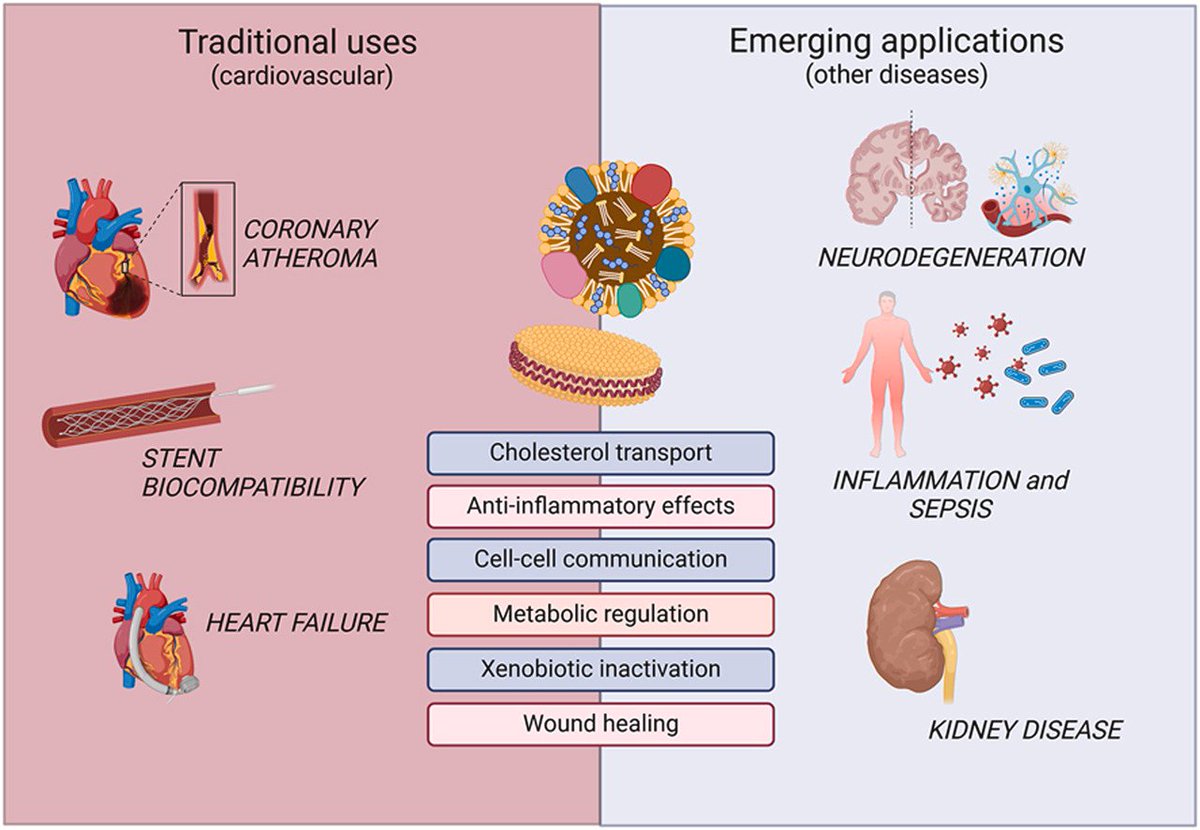
From the archive: HDL-replacement therapy remains a fascinating translational field.
This review discusses traditional and emerging clinical applications of HDL-based approaches, from lipid biology to therapeutic perspectives.
🔗doi.org/10.1016/j.athplu.202…
1
2
9
521
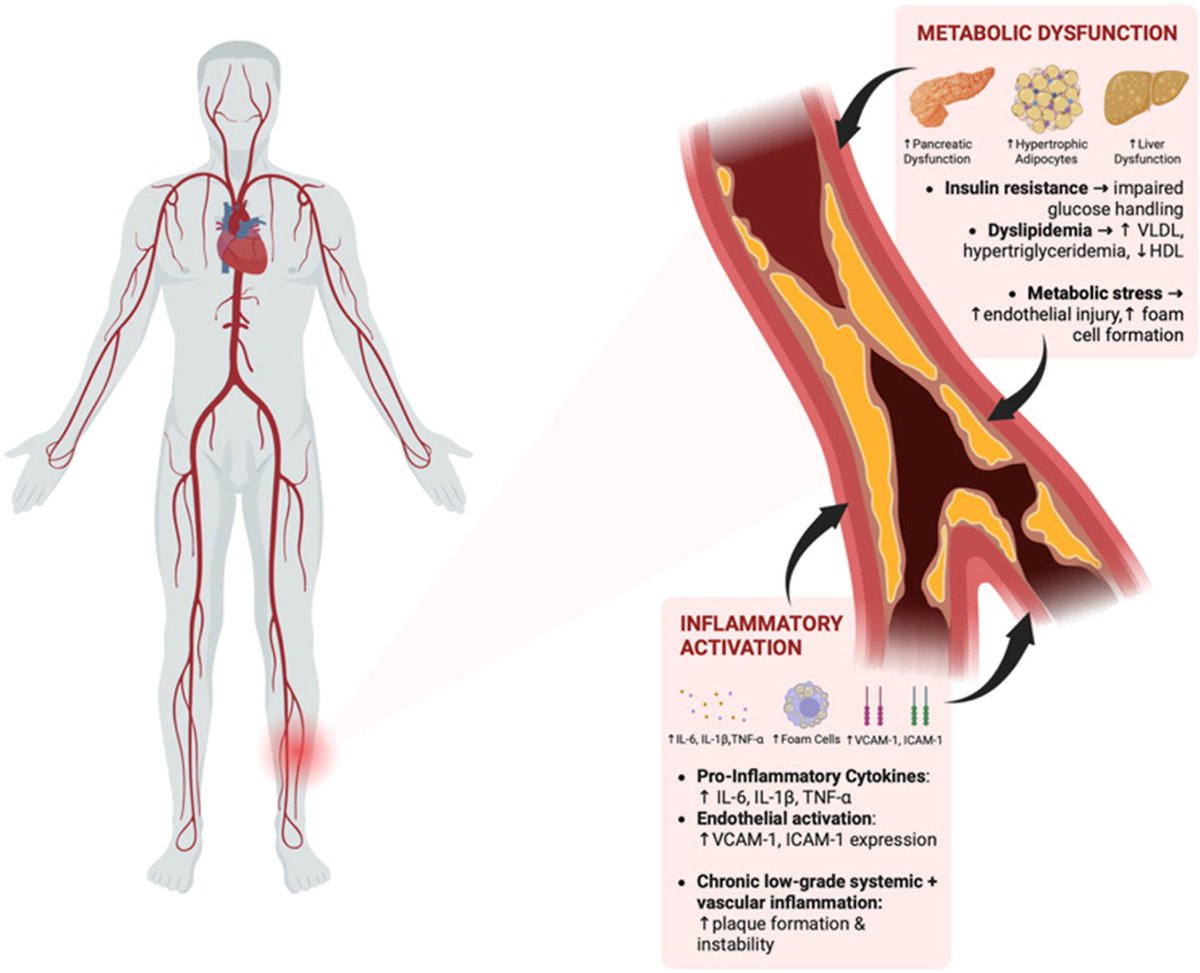
Inflammation and metabolic dysfunction are key drivers of atherosclerosis. A new study in Ath Plus shows that the C-reactive protein–triglyceride–glucose index is independently associated with peripheral artery disease in U.S. adults.
🔗doi.org/10.1016/j.athplu.202…
@society_eas
1
8
17
749
Atherosclerosis Plus retweeted

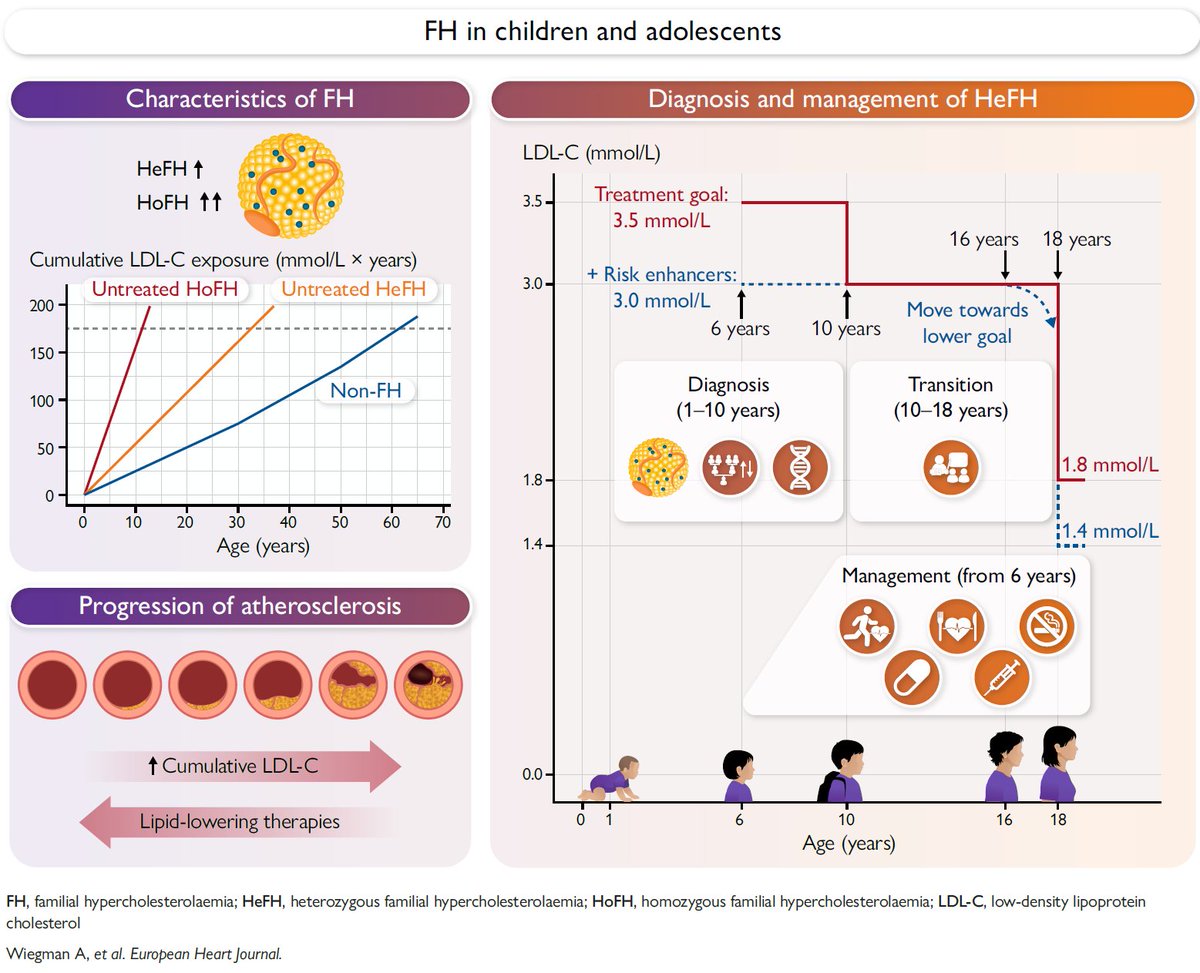
Familial hypercholesterolaemia (FH) is a common genetic disorder characterized by lifelong elevated low-density lipoprotein cholesterol (LDL-C) concentrations, which increase the risk of premature atherosclerotic cardiovascular disease (ASCVD).
FH affects around 1 in 300 people worldwide, while the more severe form, Homozygous FH (HoFH), affects about 1 in 300,000 people and can lead to serious cardiovascular complications already in childhood.
🚨 Early diagnosis and treatment can dramatically improve — and even normalize — life expectancy. Yet, fewer than 10% of affected children in Europe are currently identified.
The European Atherosclerosis Society (EAS) consensus statement on FH in children and adolescents highlights:
✔️ Improved diagnostic criteria
✔️ Earlier treatment initiation — sometimes from age 6
✔️ Lower LDL-C treatment targets
✔️ New lipid-lowering therapies
✔️ Updated treatment algorithms
✔️ Better transition from paediatric to adult care
The statement emphasizes one key message: reducing lifelong exposure to high LDL-C is critical to protecting cardiovascular health from an early age.
Read the full publication: eas.to/consensus-fhinchildre…
To the press release: eas.to/consensus-fhinchildre…
To the key messages: eas-society.org/publications…
2
46
125
30,784
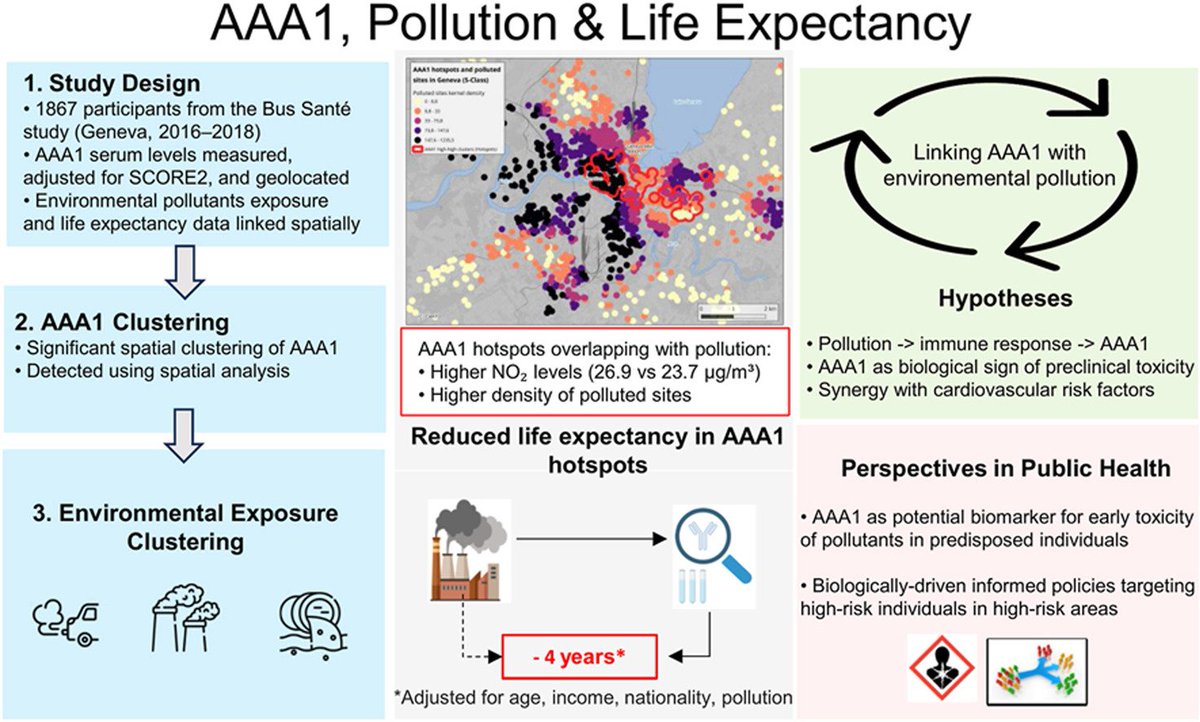
Can environmental pollution shape cardiovascular risk through autoimmunity?
This new geospatial study shows that hotspots of anti-apoA-I autoantibodies overlap with areas of higher air/soil pollution and lower life expectancy in Geneva.
🔗doi.org/10.1016/j.athplu.202…
@society_eas
1
1
3
277
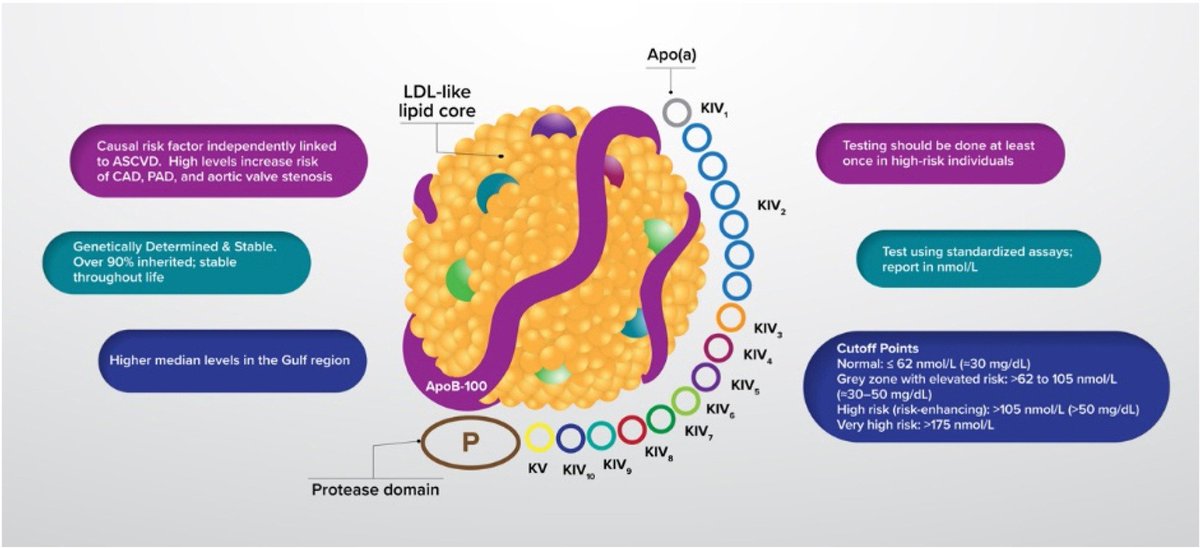
New Expert Consensus on Lipoprotein(a) in the Gulf Countries highlights the urgent need to integrate #Lp(a) into cardiovascular risk assessment!
🔗doi.org/10.1016/j.athplu.202…
@society_eas
2
9
34
4,812
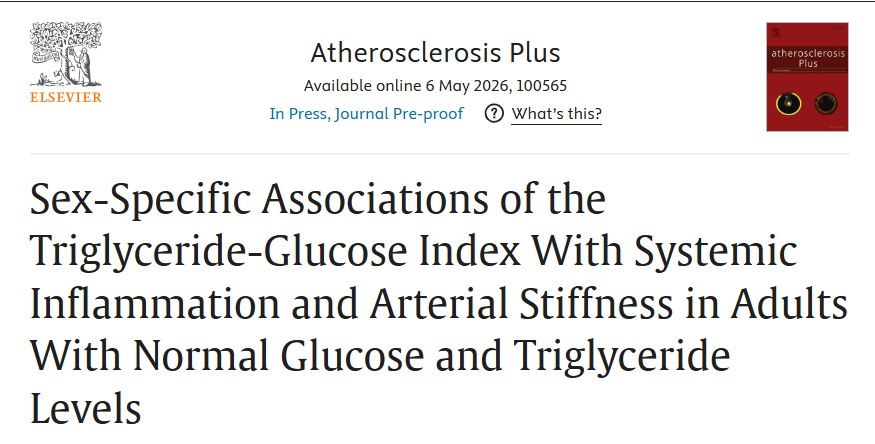
Even among adults with normal glucose and TG levels, a higher #TyG index is linked to systemic inflammation and arterial stiffness — especially in women. #TyG as an early marker of cardiometabolic risk.
doi.org/10.1016/j.athplu.202…
@society_eas
1
4
383
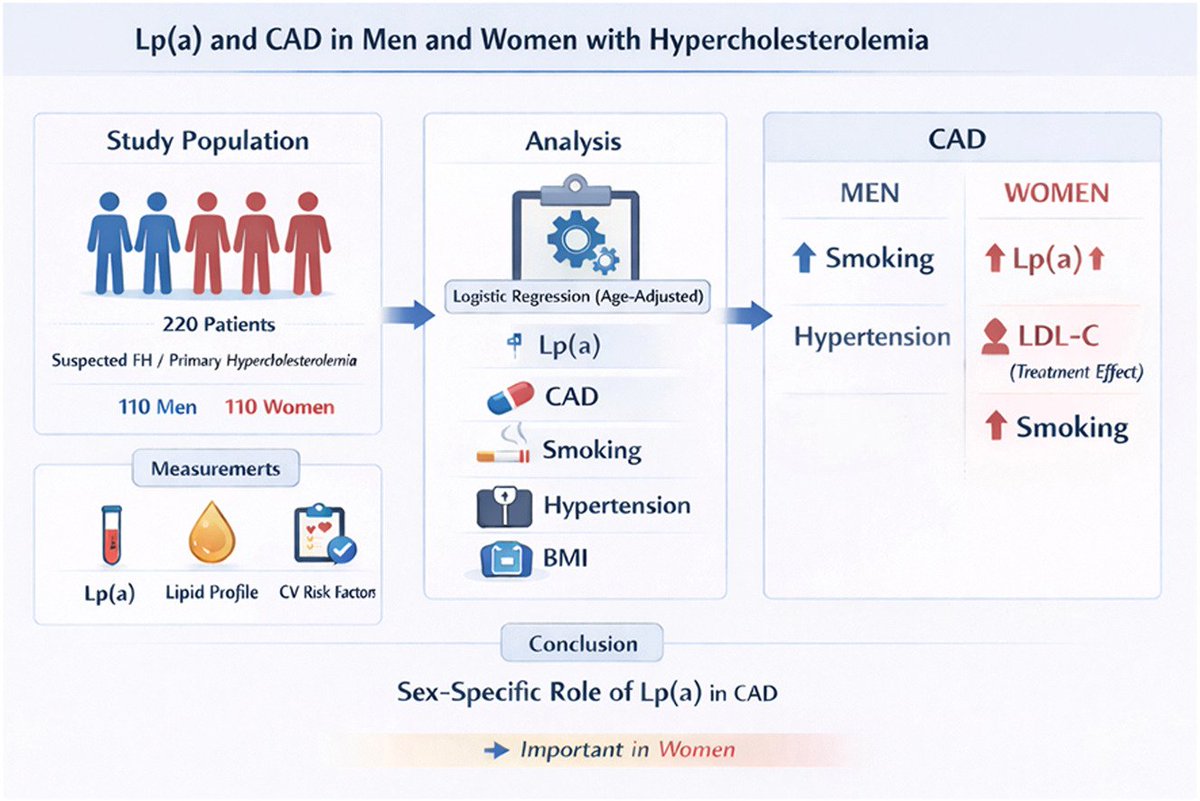
Same condition, different risks.
In hypercholesterolemia, Lp(a) is a key driver of CAD in women—but not in men, where smoking and hypertension prevail.
🔗doi.org/10.1016/j.athplu.202…
@society_eas
1
16
37
3,510
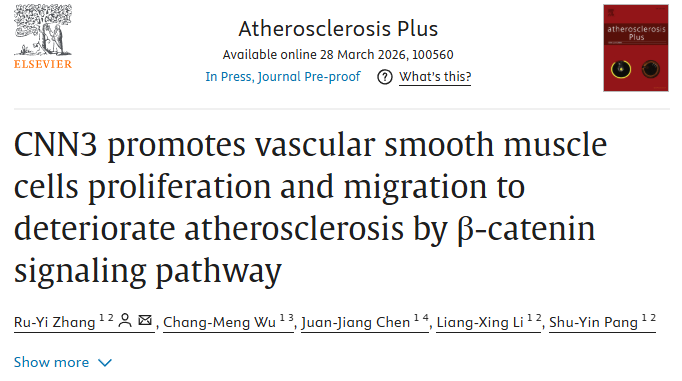
CNN3 emerges as a key player in atherosclerosis: it is increased in plaques and in patients’ blood, and promotes VSMC proliferation and migration. Circulating CNN3 also shows promise as a diagnostic biomarker
🔗doi.org/10.1016/j.athplu.202…
3
6
382
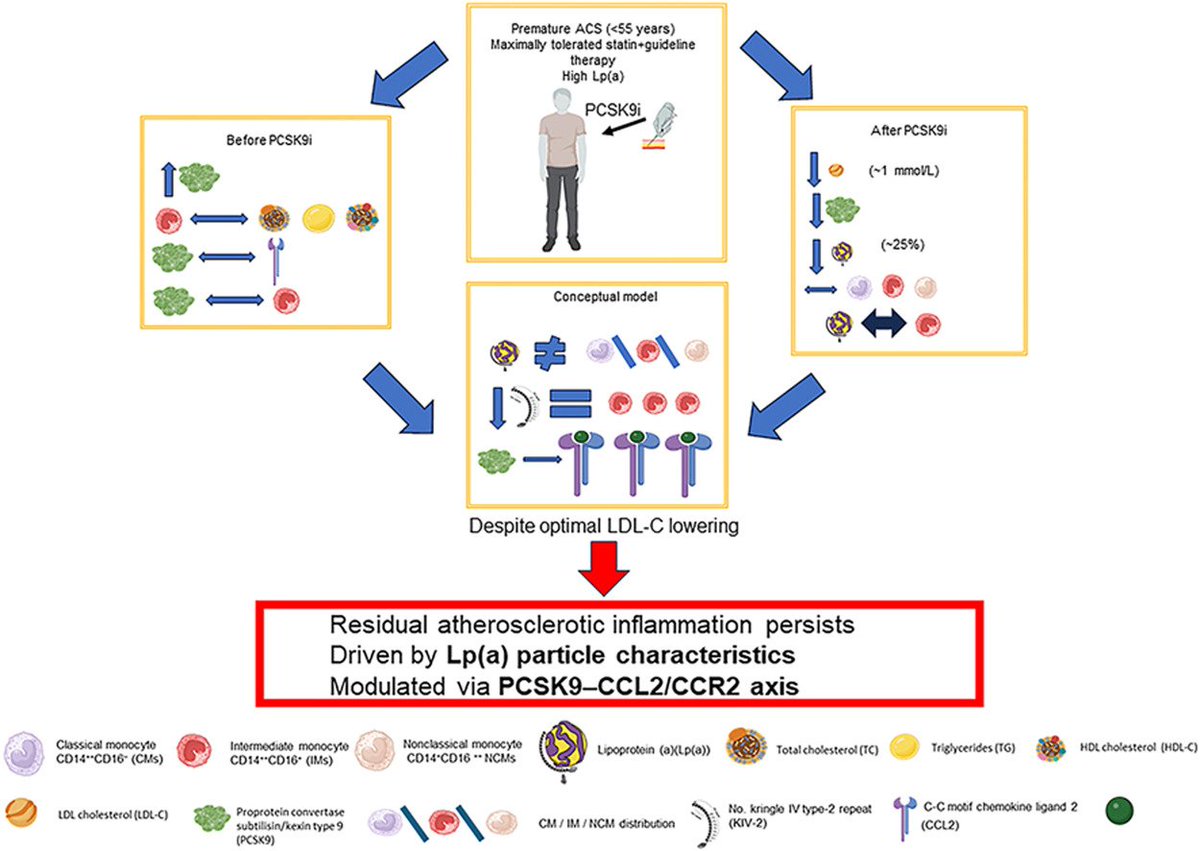
PCSK9 inhibition does not alter monocyte subset distribution in high-risk patients, but reshapes monocyte–lipoprotein interactions. An Lp(a)–intermediate monocyte link emerges, while KIV-2 repeats appear to drive inflammation more than Lp(a) levels.
doi.org/10.1016/j.athplu.202…
2
6
594
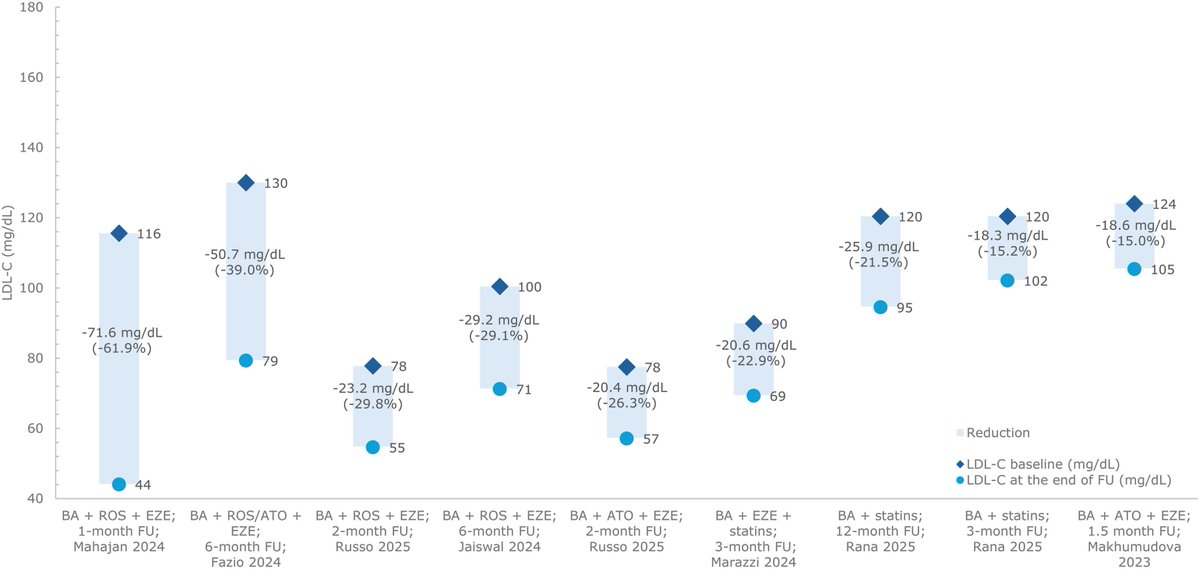
Real-world evidence confirms bempedoic acid delivers ≥20% LDL-C reduction, consistent with RCTs. Effective both with statins and in statin-intolerant patients. No new safety signals observed. doi.org/10.1016/j.athplu.202…
@society_eas
4
8
628
Calciprotein particles (CPPs), formed during calcium–phosphate overload, impair autophagic flux in vascular cells via lysosomal dysfunction. A mechanistic link between chronic mineral stress and vascular dysfunction
doi.org/10.1016/j.athplu.202…
@society_eas
3
3
226
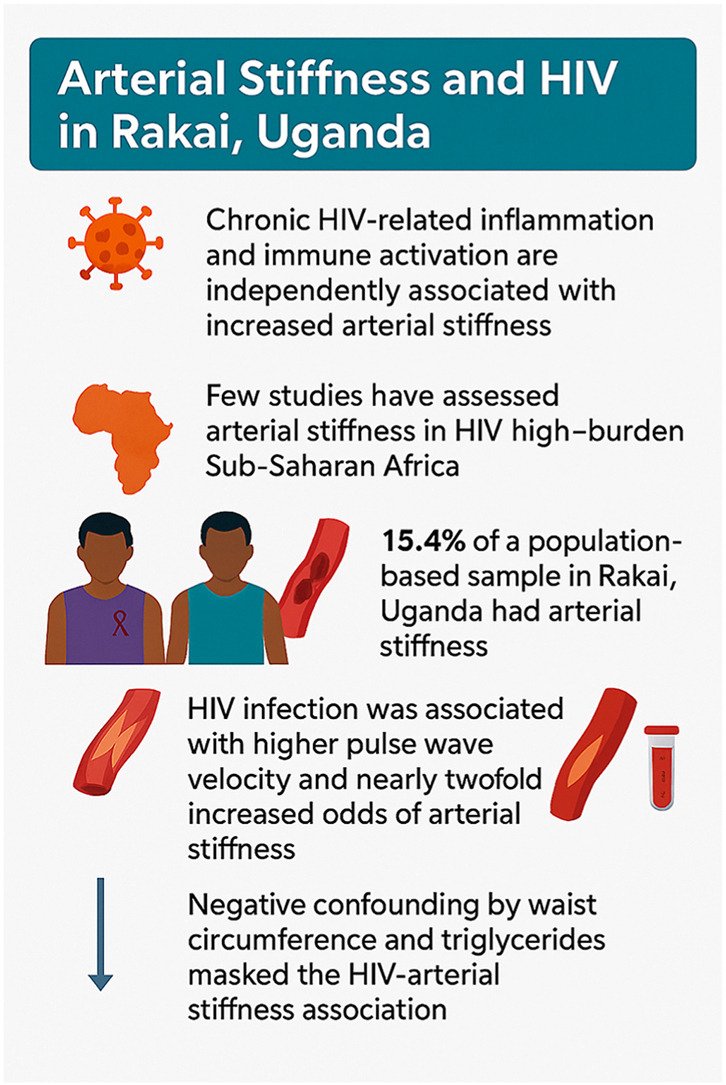
HIV is no longer just a chronic infection—it’s a cardiovascular risk factor. This population-based study in Uganda finds higher arterial stiffness and ~2x increased odds among PLWH. Time to integrate CVD screening into HIV care.
doi.org/10.1016/j.athplu.202…
1
1
2
292
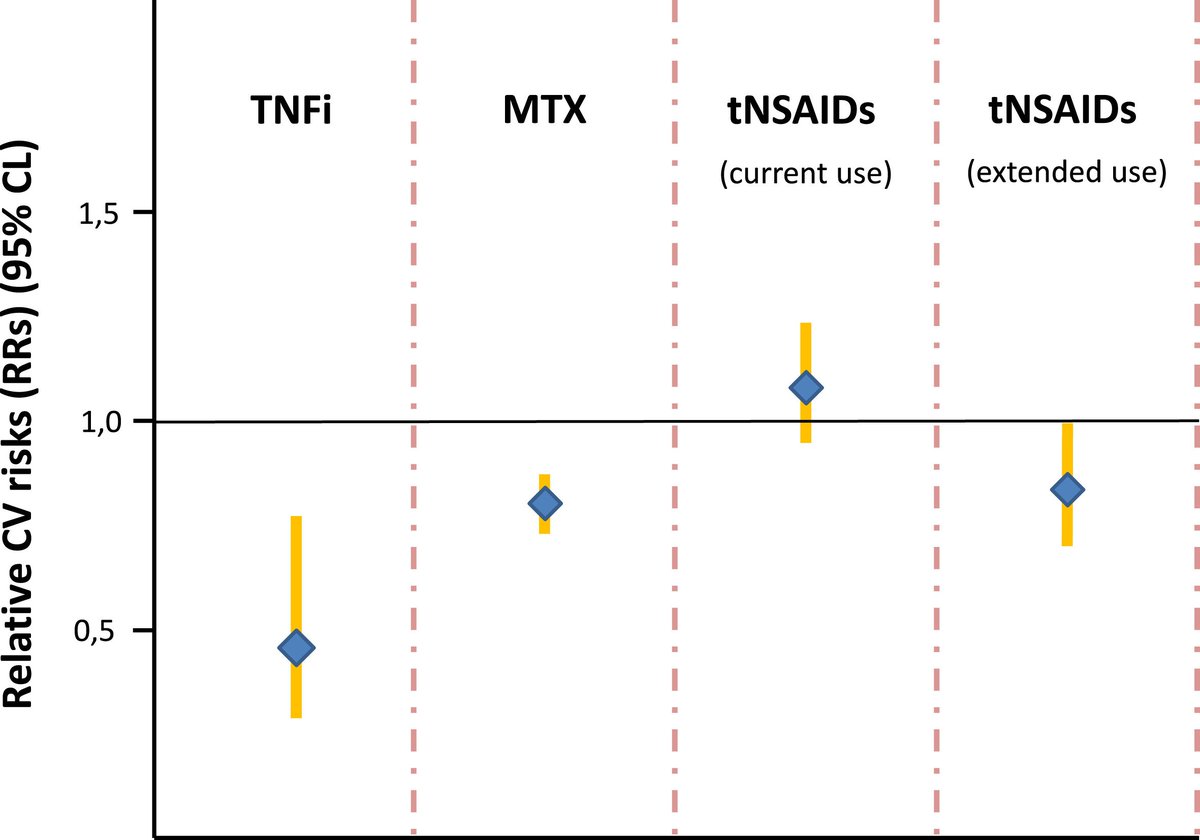
Is there a link between non-steroidal anti-inflammatory drugs and cardiovascular risk in patients with inflammatory arthritis?
🔗doi.org/10.1016/j.athplu.202…
@society_eas
3
6
736