Maryam Marof Arwin Leader And Founder Of 👉awcswo.org ||👉purplesaturdays.org Email:info@awcswo.org || 👉Email:info@purplesaturdays.org
Joined March 2022
- Tweets 4,314
- Following 716
- Followers 8,450
- Likes 5,089
1,175 Photos and videos
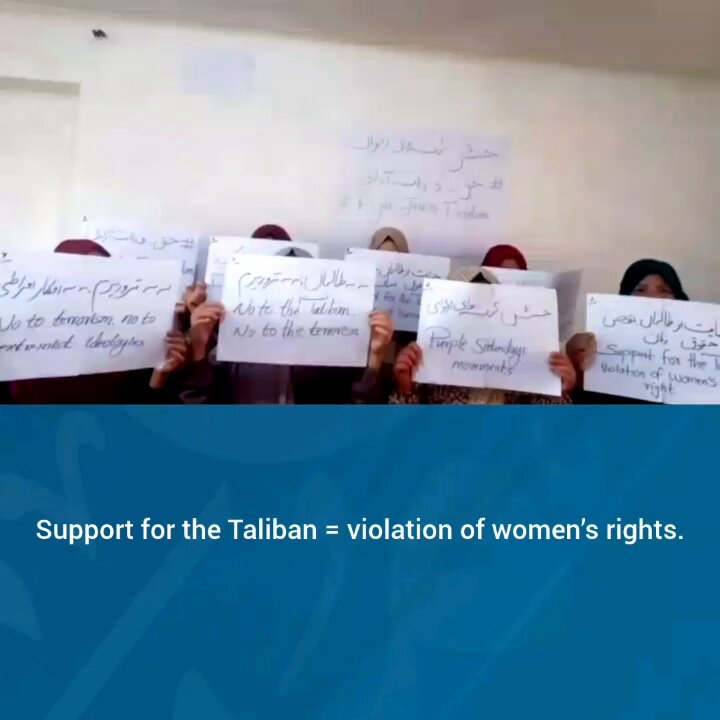
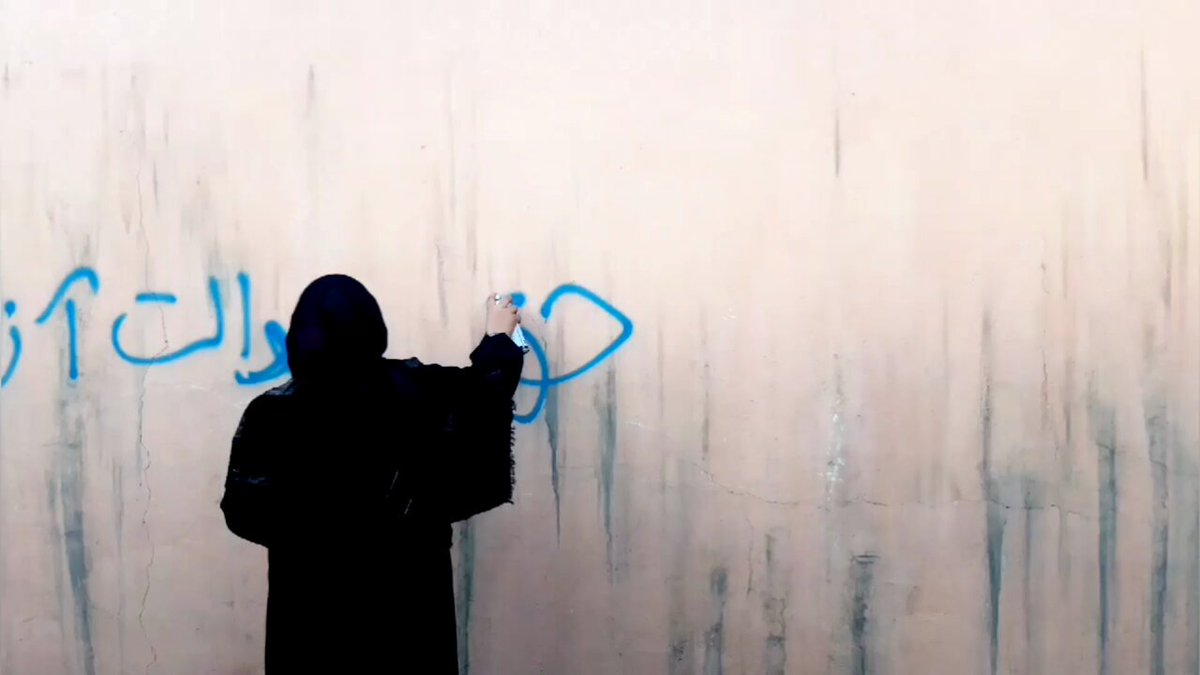
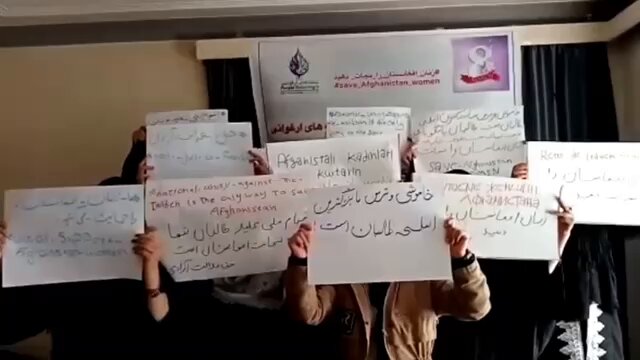
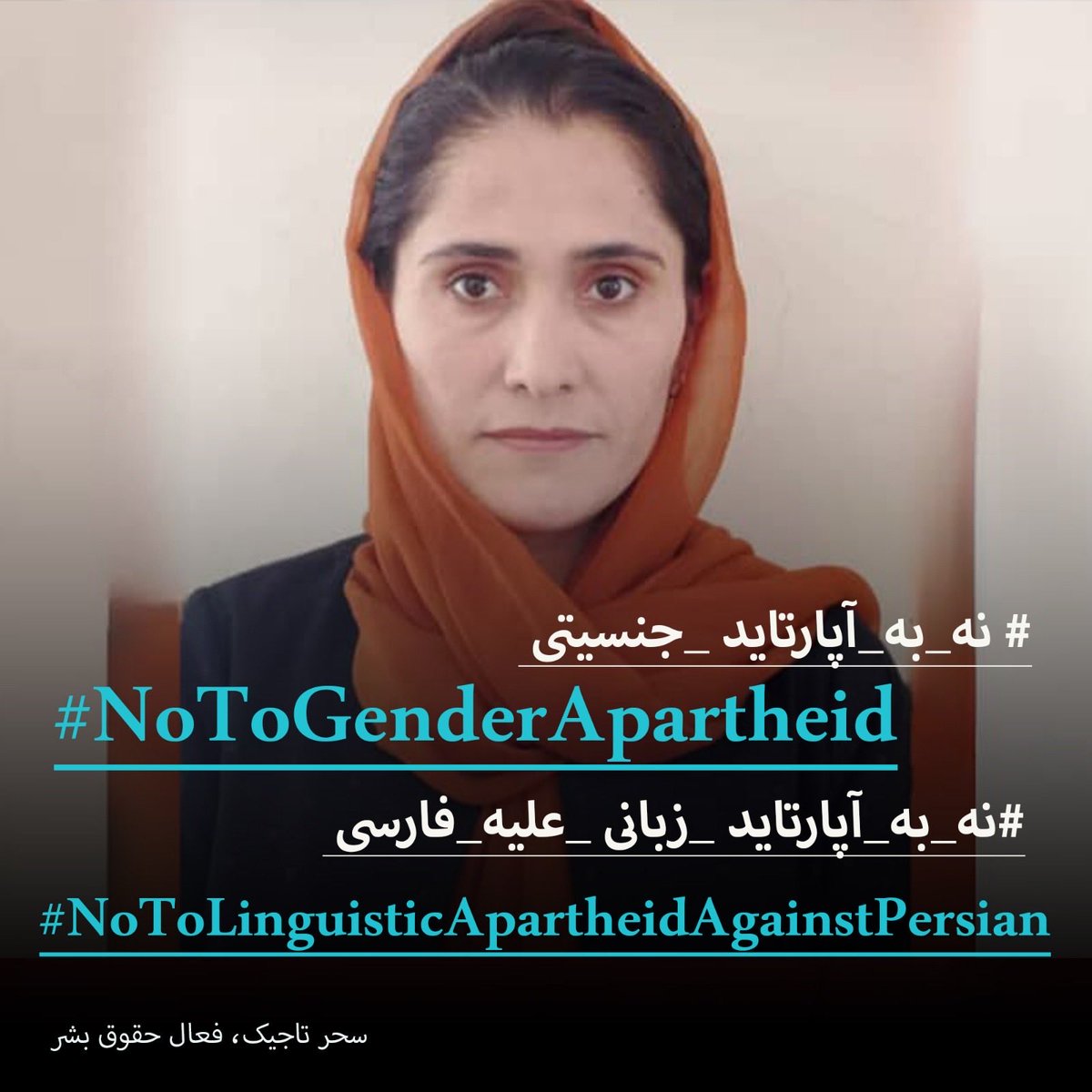
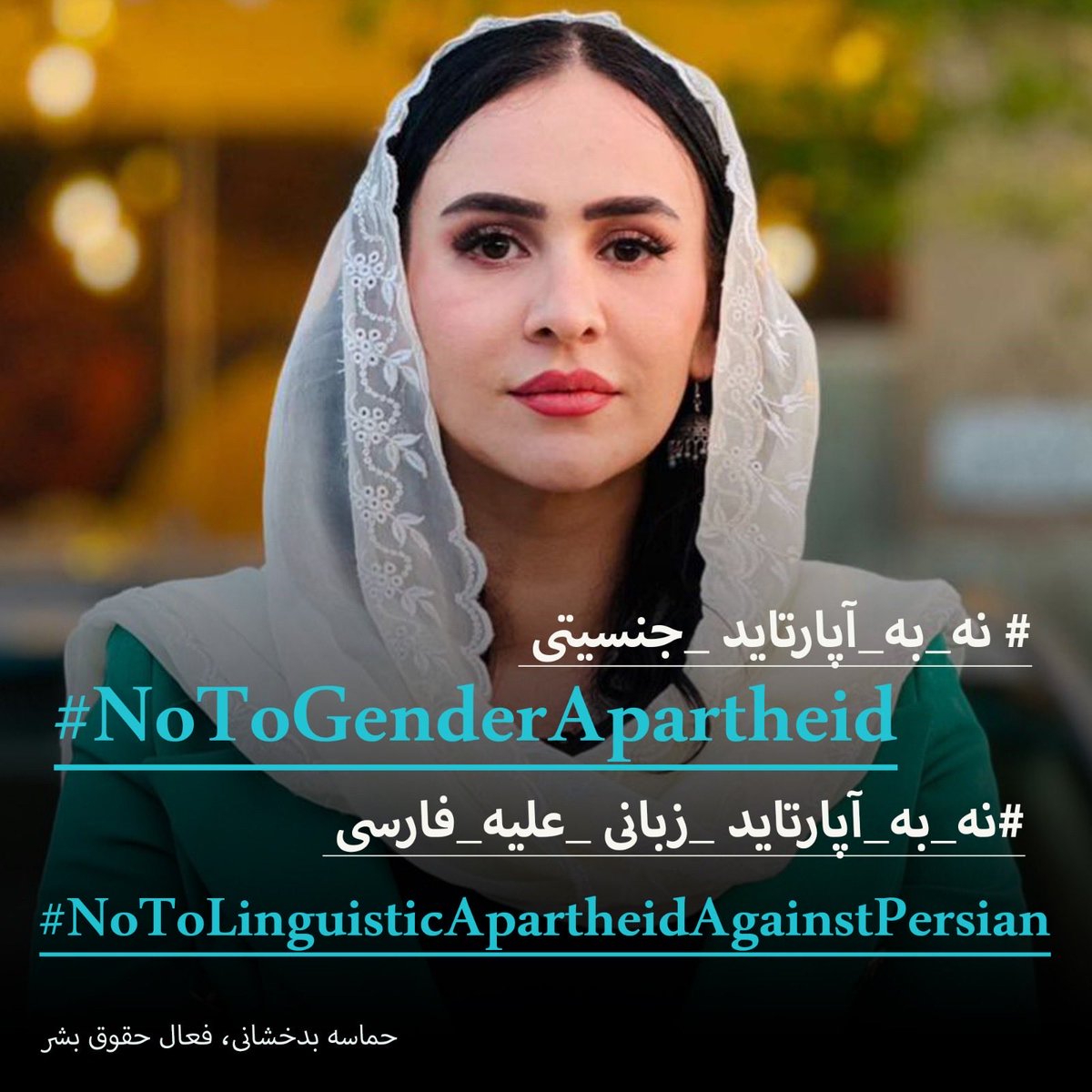
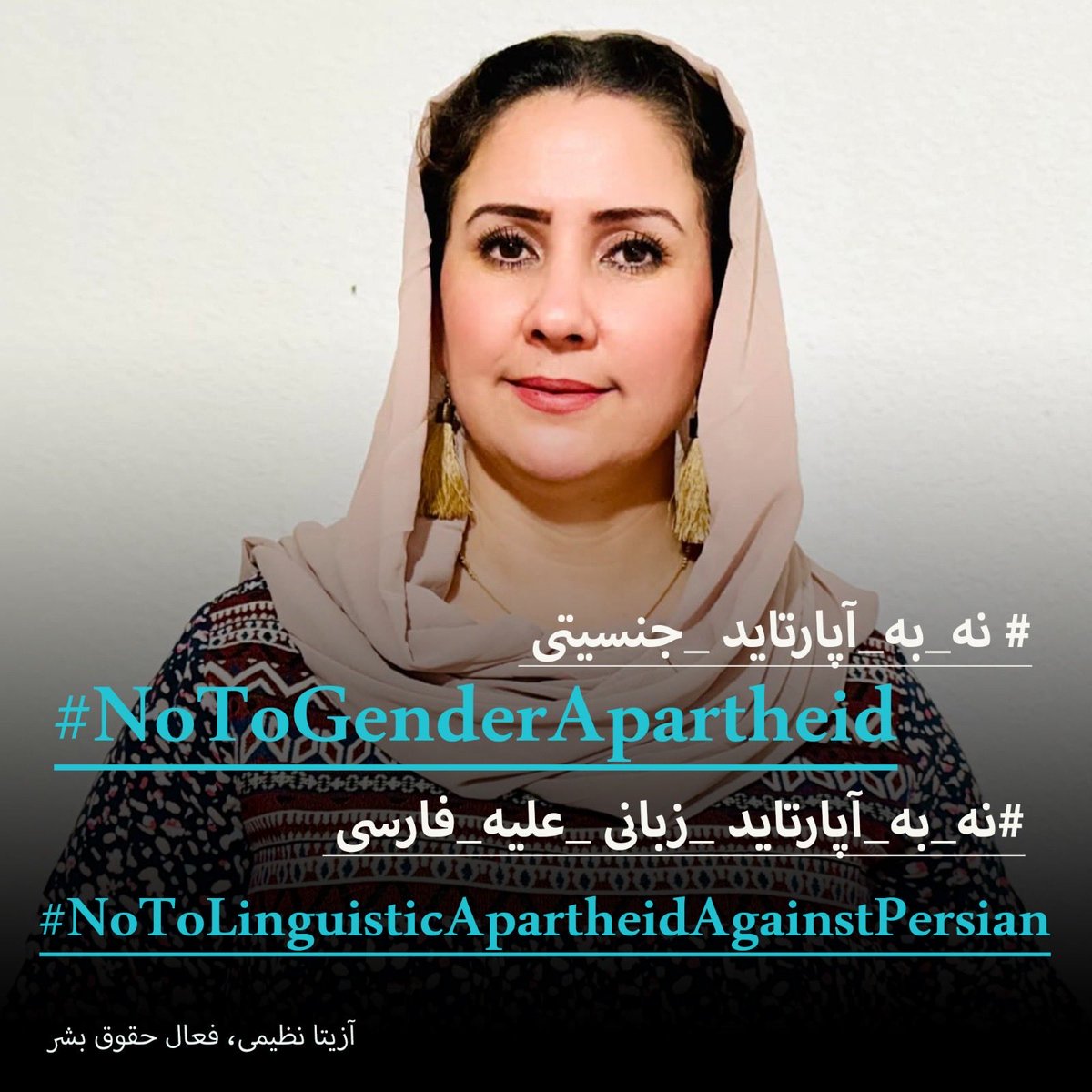

The Purple Saturdays Movement has strongly condemned the Taliban’s arbitrary arrest of women in Herat on the charge of not wearing the group’s preferred chadari.
They have also emphasized that “chadari is not part of the culture and identity of the people of Afghanistan.”
They further stressed that the arrest of women on the pretext of “improper hijab” constitutes a clear violation of women of Afghanistan’s human dignity, fundamental freedoms, and their right to choose their own clothing.
Read more..
8am.media/fa/forced-veiling-…
14
19
367
Statement of the Purple Saturdays Movement on the Arbitrary Detention of Women in Herat Province
The Purple Saturdays Movement strongly condemns the unlawful, widespread, and targeted detention of women in Herat Province and calls for the immediate, unconditional, and safe release of all women who have been arbitrarily detained.
The detention of women in Herat, similar to previous arrests carried out in western Kabul and predominantly Tajik-populated areas, forms part of a systematic, discriminatory, repressive, and ideologically driven policy pursued by the Taliban. This practice constitutes a clear and grave violation of fundamental human rights and reflects the Taliban’s fear, insecurity, and inability to suppress the presence, awareness, resilience, and resistance of women of Afghanistan. Despite relentless restrictions, persecution, intimidation, and threats, women of Afghanistan continue to stand firmly against the Taliban’s anti-human, exclusionary, and oppressive policies.
The arrests in Herat also represent a continuation of the Taliban’s strategy of political coercion and leverage against the international community. Through this approach, the Taliban have transformed women of Afghanistan and their fundamental rights and freedoms into instruments of political bargaining, concession-seeking, and international pressure. At the same time, they seek to reduce international scrutiny and accountability for their ongoing human rights violations.
We emphasize that the Taliban-imposed dress code, including the mandatory chadari and other forms of enforced attire, is neither an authentic representation of the culture and identity of the people of Afghanistan nor consistent with the principles of dignity, justice, and personal choice recognized within Islamic values. The detention of women under the pretext of “improper hijab” constitutes a blatant violation of human dignity, fundamental freedoms, and the right of women of Afghanistan to choose their attire and exercise personal autonomy. Such conduct lacks any legal, moral, or religious justification.
The mass detention of women in Herat, occurring alongside the alarming increase in mysterious killings of women across Afghanistan, raises serious concerns regarding the targeted nature of these abuses and the Taliban’s role in fostering and sustaining an environment of violence, fear, and impunity against women. These developments warrant urgent and independent international investigation.
We call upon the international community, international human rights organizations, governments, and the United Nations Assistance Mission in Afghanistan (UNAMA) not to remain silent in the face of this escalating crisis. These grave violations must not be normalized, ignored, or treated as routine developments. Instead, they should serve as grounds for increased international pressure, stronger accountability mechanisms, and coordinated action aimed at ending the Taliban’s systematic repression and arbitrary detention of women.
Women of Afghanistan must not be abandoned. Their struggle for dignity, freedom, equality, and justice is a universal human rights cause that demands urgent international solidarity, meaningful accountability, and decisive action.
#Right_Justice_Freedom
Date: 7 June 2026
@UN @UNHumanRights @UN_Women @SR_Afghanistan @antonioguterres @SR_Afghanistan @Europarl_EN @heatherbarr1 @hrw @Europarl_EN @JuliaKloeckner @vonderleyen @faiq_naseer
5
10
12
373
The Women of Afghanistan: A Story of Courage in the Face of Oppression
From the Streets to History: The Women of Afghanistan Standing for Rights, Justice, and Freedom
The resistance of the women of Afghanistan continues as a living and enduring reality despite systemic repression, sweeping restrictions, and an increasingly hostile environment. This resistance is not merely an isolated reaction to recent events. It is a conscious, collective, and deeply rooted movement shaped by the historical experiences of generations of women across Afghanistan.
Today, the women of Afghanistan face circumstances in which many of their fundamental rights, including access to education, employment, public life, and civic participation, have been severely restricted. Yet they have neither abandoned their demands nor retreated from advocating for their rights. Their resilience has given rise to a new form of civic resistance. This resistance manifests itself through silent acts of defiance, symbolic presence, and powerful voices raised against injustice.
The slogan “Rights, Justice, Freedom” is far more than an emotional expression. It represents a clear political and human demand: the recognition of women's full humanity and the dismantling of all forms of institutionalized discrimination.
Within this context, the women of Afghanistan continue to call for global solidarity, not merely in words but through meaningful action aimed at ending what many human rights advocates and experts describe as gender apartheid. Their appeal is a call for the international community to stand firmly on the side of justice, equality, and human dignity.
Despite serious threats, intimidation, arbitrary detention, and the constant risk of retaliation, the women of Afghanistan continue to take to the streets. Their presence in public spaces is not a simple act. It is a deliberate and courageous decision made in an environment where every step may carry profound personal consequences.
They march despite threats. They raise their voices despite intimidation. They write and chant “Rights, Justice, Freedom” and “Death to the Taliban,” knowing that such acts may place their liberty, safety, and even their lives at risk. Their courage reflects an unwavering commitment to human dignity and fundamental freedoms.
The women of Afghanistan believe that equality and democracy are not abstract ideals. They must be reflected in laws, institutions, educational opportunities, and everyday life. The persistence of this resistance demonstrates that the aspiration for change remains alive and unwavering despite every attempt to suppress it.
By writing and chanting “Rights, Justice, Freedom,” the women of Afghanistan affirm a fundamental truth: these are not privileges to be granted at the discretion of those in power. They are universal human rights that belong to every individual without discrimination.
Their struggle is a testament to extraordinary courage and determination. Even in the face of grave danger, the women of Afghanistan continue to demand visibility, dignity, and equal rights. Their voices remind the world that the pursuit of freedom, justice, and human dignity cannot be permanently silenced, no matter how severe the repression or how high the cost.
Their resistance is not only a struggle for women's rights. It is a struggle for the future of Afghanistan itself, a future founded on equality, democracy, justice, and respect for the inherent dignity of all human beings.
#right_justice_freedom
#حق_عدالت_آزادی
#NoToGenderApartheid
@UN @UN_Women @UNHumanRights @UN_HRC @antonioguterres @SR_Afghanistan @Europarl_EN @amnesty @hrw @IntlCrimCourt @vonderleyen @heatherbarr1 @unwomenchief
8
8
10
458
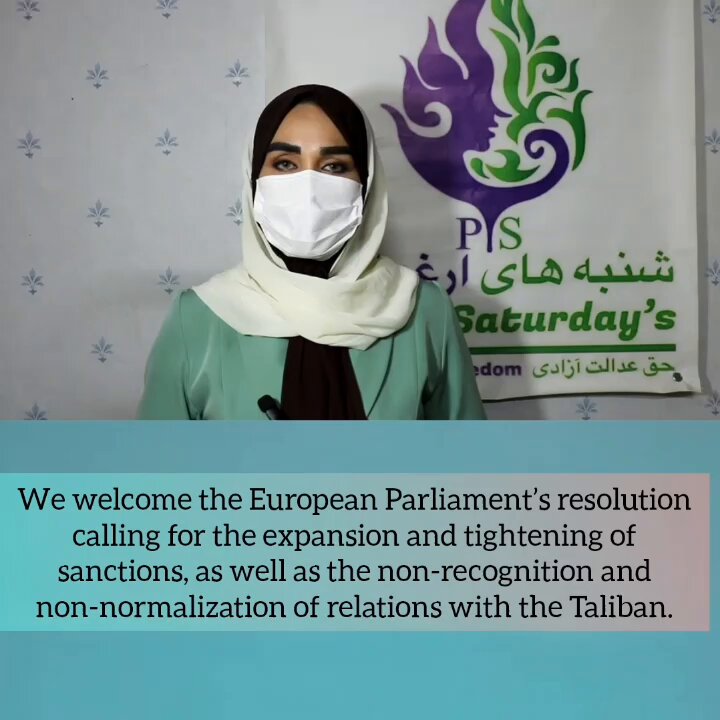
We welcome the European Parliament’s resolution calling for the expansion of sanctions against the Taliban.
We regard the European Parliament’s responsible stance, which emphasizes intensified sanctions against the Taliban and reaffirms the policy of non-recognition and non-normalization of relations with this group, as a positive and meaningful step toward the protection of human rights, particularly the rights of women.
At the same time, we strongly condemn the invitation extended by the European Commission to a Taliban delegation to visit Brussels. We consider this invitation a deeply concerning contradiction to the spirit and substance of the resolution, and we call for its immediate cancellation, especially in response to the so-called “Couples Separation Regulation,” which institutionalizes widespread discrimination and injustice against women and effectively legitimizes forced marriage and child marriage.
We further emphasize that inviting the Taliban, at any level or under any pretext, amounts to appeasement of this group and risks contributing to the escalation and deepening of its crimes against humanity, the worsening human rights crisis, and the continued suffering of the people of Afghanistan, particularly women.
We therefore call upon international human rights institutions and organizations, including UNICEF, UN Women, the United Nations, OHCHR, Amnesty International, and Human Rights Watch, to take serious and concrete action against the Taliban’s inhumane policies and crimes, especially the “Couples Separation Regulation.” We urge these bodies to move beyond statements and condemnations by preparing official reports, documenting violations, pursuing legal accountability mechanisms, and launching a strong and coordinated international campaign against these abuses.
Accordingly, we stress the urgent necessity of expanding targeted and systematic sanctions against the Taliban and its leadership. We call for the broader expansion of sanctions lists and comprehensive travel bans covering all officials responsible within this structure, as well as the acceleration and effective pursuit of arrest warrants against other Taliban leaders through international justice mechanisms. Such measures are critically necessary to ensure accountability for widespread and ongoing human rights violations and to end the cycle of impunity at the international level.
#Right_Justice_Freedom
Purple Saturdays Movement
@UN
@UNHumanRights
@amnesty
@hrw
@UN_Women
@Europarl_EN
@UNICEF
@SR_Afghanistan
@heatherbarr1
3
12
19
569
The Taliban’s policies toward women reflect a systematic and structured approach aimed at excluding women from public life and restricting their access to education, employment, and social participation. This is not a set of isolated measures, but a coordinated system that enforces gender segregation and institutionalizes inequality.
By framing these restrictions as cultural or moral necessity, an environment has been created in which discrimination is normalized and the visibility of human rights violations is significantly reduced. This process poses a serious threat to the fundamental principles of equality, human dignity, and justice.
These actions constitute grave and continuous violations of international human rights obligations and can be understood as gender apartheid against Afghan women. The long-term consequences of such policies extend far beyond the present, deeply affecting the social, economic, and moral future of Afghan society.
Sustained international attention and concrete action to protect women’s rights, restore equal opportunities, and ensure accountability for these systematic violations are an urgent necessity for Afghan society. International institutions, including the United Nations, human rights organizations, and states committed to human rights, must not remain silent in the face of appeasement policies or the normalization of engagement with the Taliban, while the group’s ongoing and expanding abuses continue.
Justice and accountability for Taliban leaders is an essential and non-negotiable requirement.
#right_justice_freedom
#NoToGenderApartheid
#AWCSWO
@heatherbarr1 @SR_Afghanistan @UN_Women @UN @Europarl_EN @AFIntlBrk @HashteSubhDaily @Etilaatroz @Limportant_fr
4
16
16
690
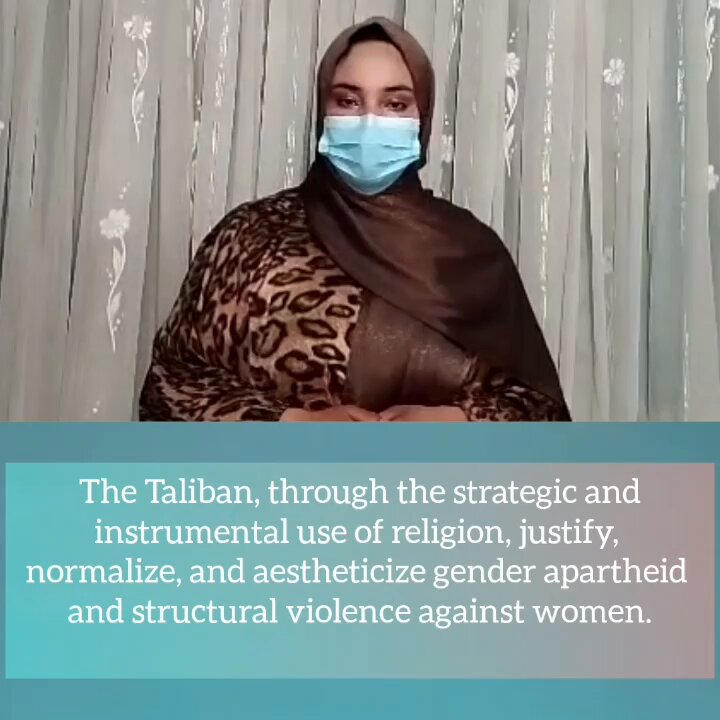
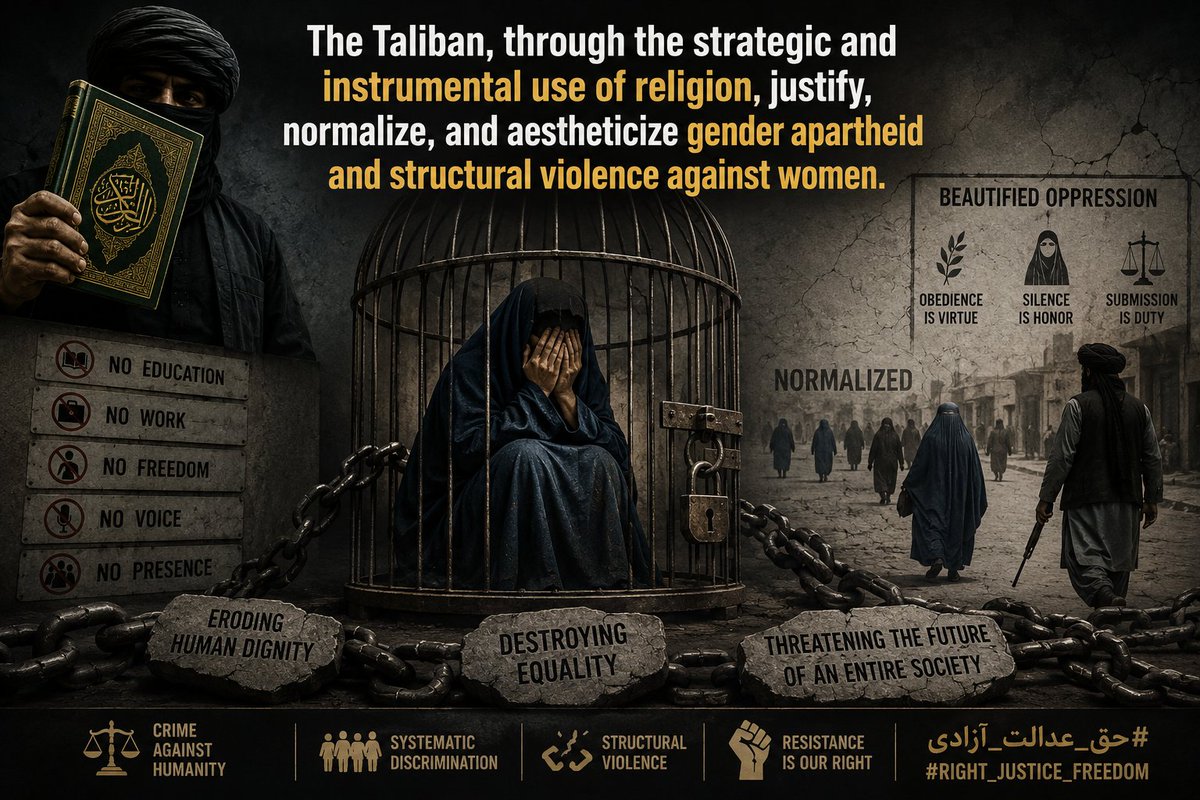
We express deep concern that the Taliban, through the deliberate and instrumental use of religion, has established a systematic regime based on gender apartheid and structural violence against women. By strategically exploiting religion, this group justifies, normalizes, and aestheticizes gender apartheid and structural violence against women.
The Taliban have transformed religion into an ideological tool for controlling women’s bodies, behavior, and social presence, thereby engaging in a broad process of semantic reengineering. In this process, discrimination, exclusion, and repression of women are not only justified but are also deliberately “aestheticized” and redefined as moral values and as legitimate and acceptable norms.
The Taliban’s coherent policies aimed at normalizing and “aestheticizing” violence and the exclusion of women from public life have systematically weakened societal sensitivity. Consequently, clear violations of women’s human rights have gradually shifted from being perceived as “unacceptable” to being regarded as “normal” and “tolerable.” This process not only undermines the dignity of women but also erodes the moral and social foundations of society.
We emphasize that the Taliban have systematically dismantled the principle of equality in Afghanistan. The organized exclusion of women from education, employment, and social participation is not a temporary policy; rather, it is part of a deliberate project aimed at redefining power structures, reproducing discrimination, and consolidating domination.
These actions constitute a clear case of crimes against humanity and entail profound, long-term, and irreparable consequences for Afghan society. The continuation of this situation threatens not only the future of women but also the future of the entire society.
We call on the international community, human rights institutions, and all responsible actors not to remain silent in the face of this process, and to take practical, effective, and enforceable measures to halt this systematic cycle of discrimination and violence—measures that are both preventive and ensure accountability for those responsible for these violations.
#right_justice_freedom
#NoToGenderApartheid
#AWCSWO
@UN @UN_Women @UNHumanRights @EUCourtPress @Europarl_EN @EU_Commission @antonioguterres @SR_Afghanistan @heatherbarr1
6
14
21
4,347
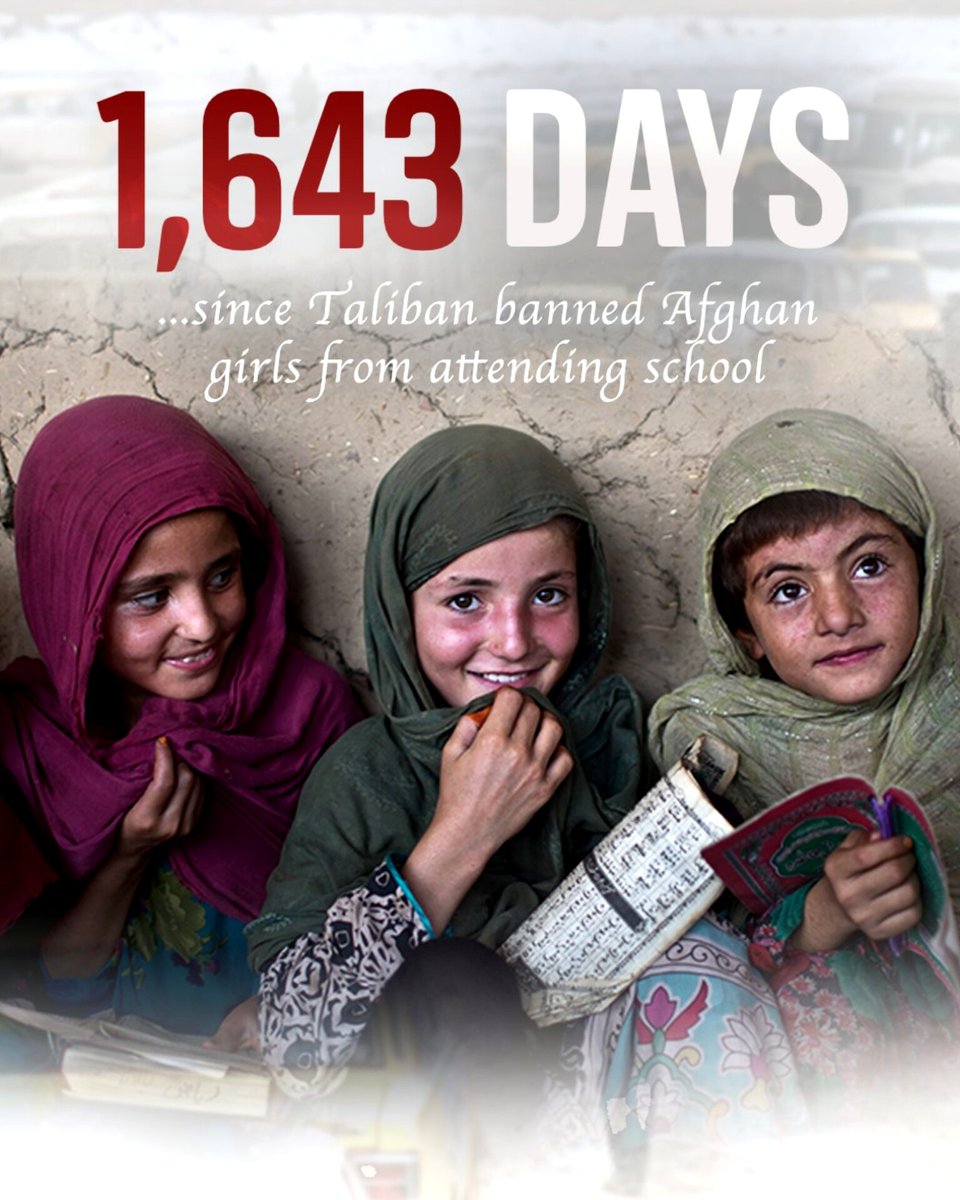
1,644 Days of Deprivation: Millions of Girls in Afghanistan Denied Their Right to Education—A Violation of One of the Most Fundamental Human Rights for Women and Girls in Afghanistan
The widespread and systematic denial of educational access for girls in Afghanistan represents a stark and unequivocal violation of fundamental human rights in the contemporary era. This deprivation not only threatens the individual futures of millions of girls but also undermines Afghanistan’s prospects for development, stability, and social progress.
Education is an essential and inalienable right for all human beings. Denying girls this right equates to stripping away opportunities for personal growth, social participation, and the nurturing of talents that could play a decisive role in shaping a better future.
The continuation of this situation carries profound humanitarian, cultural, and economic consequences, placing Afghan society at increasing risk of enduring crises.
Over the past nearly five years, women and girls in Afghanistan have fought for their right to education, facing numerous threats and risks imposed by the Taliban. They call for meaningful and robust support and intervention from the international community and the United Nations to end gender apartheid against women in Afghanistan.
Emphasizing the urgent need to uphold human rights and the dignity of women and girls, we call for the immediate cessation of this deprivation, the application of international and domestic pressure on the Taliban, the provision of equal access to education, and the establishment of safe and equitable conditions for the education of all girls in Afghanistan.
#EducationIsAHumanRight
#right_justice_freedom
#حق_عدالت_آزادی
@antonioguterres
@UNAMAnews
@EUCouncil
@TWennesland
@Europarl_EN
@EU_Commission
@realDonaldTrump
@EUinAfghanistan
@MELANIATRUMP
4
8
12
429
Raise your voice of opposition to the Taliban through the celebration of Nowruz.
Members of the Purple Saturdays Movement, in a public statement, have described the celebration of the New Year (Nowruz) as a symbol of cultural resistance against the restrictions imposed by the Taliban. They have called on the people of Afghanistan to commemorate this occasion in a conscious and dignified manner.
The members of this movement have strongly criticized the Taliban’s ban on Nowruz celebrations. They state that by prohibiting this ancient and historical festival in Afghanistan, and by replacing joy, poetry, art, music, and culture with violence, repression, gender apartheid against women, linguistic discrimination against Dari Persian speakers, corporal punishment, hate propagation, and systemic abuses, the Taliban seek to undermine and erase essential elements of the country’s cultural and historical identity. Such policies, they warn, are driving the nation toward a fragile and deeply distressing humanitarian and cultural crisis.
awna.af/?p=51499
1
5
8
322
March 8: The Taliban Have Transformed Afghanistan into a "Forbidden-stan" for Women:
Afghanistan women mark International Women’s Day at a time when the Taliban—by imposing a system of gender apartheid and an inhumane, ruthless approach that signals a complete regression to the 1990s—have turned Afghanistan into a "Forbidden-stan" (Mamnoostan) for women; a place where being a woman is deemed a crime and their presence in society is met with comprehensive prohibitions.
Gender apartheid is the official policy of the Taliban. We express our sincere gratitude and appreciation for the realistic and courageous stance of those nations that have refused to recognize the Taliban’s self-proclaimed government and have instead supported the women of Afghanistan, human rights values, and justice. We call upon them to support the struggles of Afghanistan women, the prosecution of Taliban leaders, and an end to the "engagement policy" with this group, while playing an active and pioneering role in this endeavor.
We demand increased pressure on countries that support the Taliban and the restoration of Afghanistan's diplomatic missions that have been usurped by this group. We view the escalation of regional and global conflicts and tensions with deep concern, emphasizing that this situation not only poses a serious threat to global peace and security but also marginalizes the issue of women by normalizing violence and human rights violations—a condition that, more than ever, provides the ground for increased repression of women and the Taliban's crimes against humanity.
Ideological, criminal, and terrorist regimes and groups like the Taliban share a common message: "No" to women, "No" to freedom, "No" to democracy, and "No" to equality. Therefore, we warn that the Taliban, alongside their "transborder jihad," seek to export gender apartheid beyond Afghanistan's borders. Should the Taliban’s self-proclaimed rule continue, gender apartheid will certainly not remain confined to Afghanistan.
We believe that the fight against gender apartheid is a collective struggle to defend humanity, justice, and a future free from discrimination and oppression. The freedom of women is the yardstick for the freedom of society; no society is free and no justice is complete if its women are in chains. Gender apartheid will not be stopped unless we stand together, united and resolute, against it today.
#Right_Justice_Freedom
Purple Saturdays Movement
17
32
876
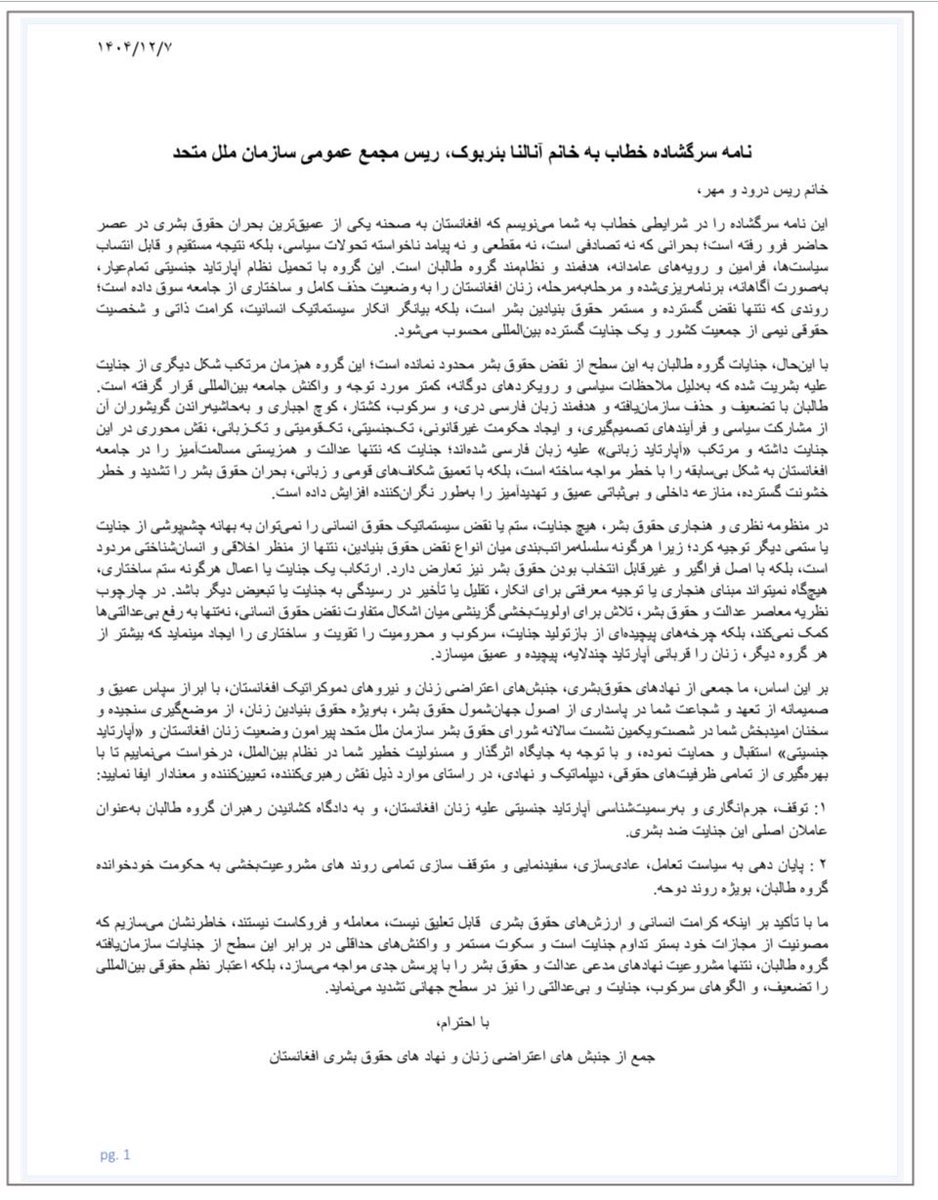
Open letter from Afghanistan women activists to UN General Assembly President Annalena Baerbock:
Afghanistan faces severe gender apartheid under Taliban rule—systematic exclusion of women from education, work, movement, and public life.
They urge immediate action: end all gender persecution, create international accountability mechanisms.
Criticize weak verbal responses; demand real protection and prioritization of Afghanistan women’s rights.
#Right_Justice_Freedom
@UN_PGA @heatherbarr1 @unwomenafghan
5
31
50
1,629
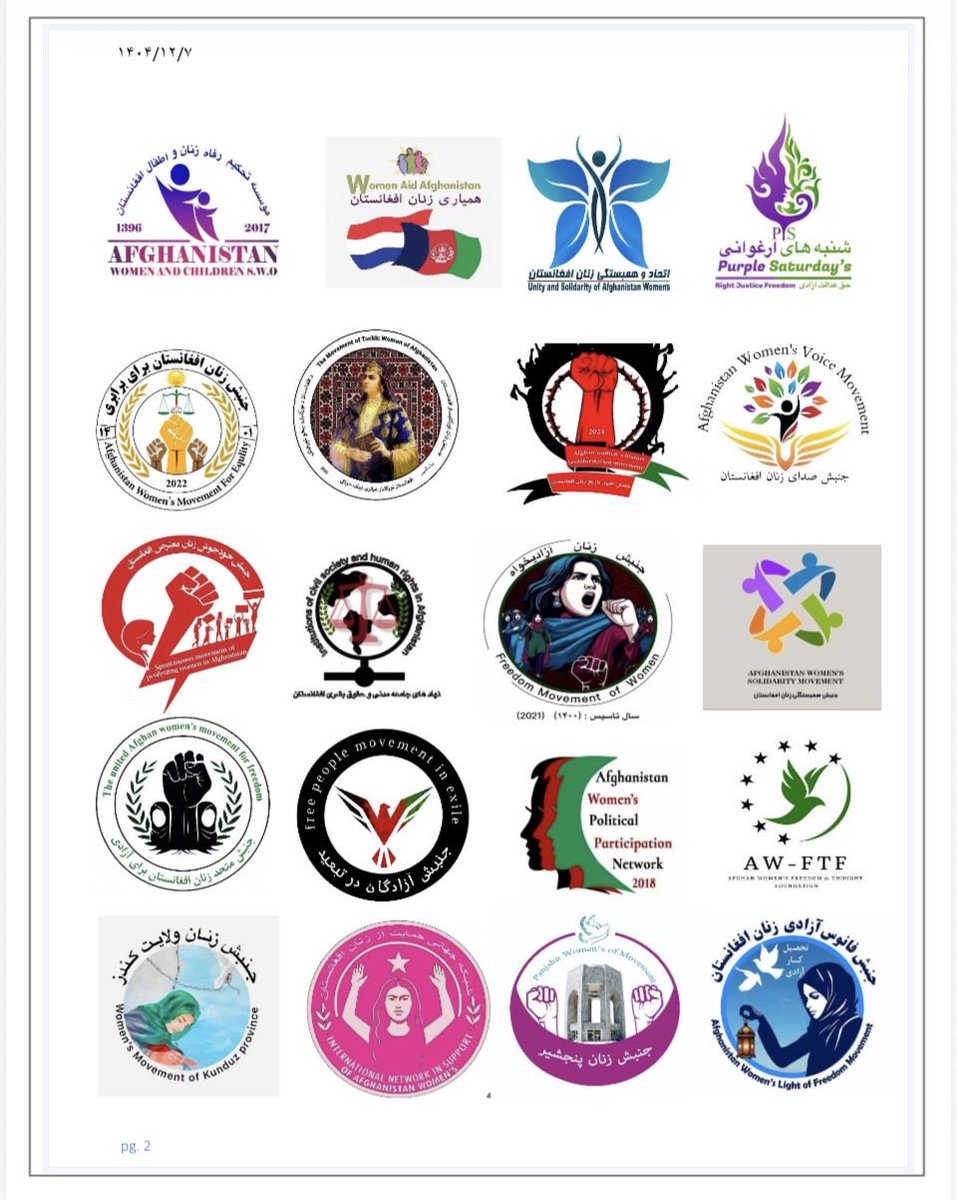
نامه سرگشاده فعالان زن افغان به رئیس مجمع عمومی سازمان ملل، آنالنا بائربوک:
ALT نامه سرگشاده فعالان زن افغان به رئیس مجمع عمومی سازمان ملل، آنالنا بائربوک:
ALT نامه سرگشاده فعالان زن افغان به رئیس مجمع عمومی سازمان ملل، آنالنا بائربوک:
ALT نامه سرگشاده فعالان زن افغان به رئیس مجمع عمومی سازمان ملل، آنالنا بائربوک:
6
12
384
Open Letter to Ms. Annalena Baerbock, President of the General Assembly of the United Nations :
Dear Madam President,
With this open letter, we address you at a time when Afghanistan is experiencing one of the most severe crises in the history of human rights. The current situation is neither accidental nor superficial; it is a deliberate, systematic, and institutionalized policy of gender apartheid. This is evident in the complete exclusion of women from public life, education, employment, travel, and even the most basic social interactions—policies enforced by the Taliban with full intent and design.
The suffering inflicted upon Afghan women is not limited to sporadic violations; it constitutes a comprehensive and structural system of gender-based persecution. The Taliban have institutionalized discrimination and oppression against women to an extent that has drawn global condemnation as one of the most extreme forms of gender apartheid in the contemporary world. This includes the erasure of women from all spheres of public life, the prohibition of education beyond primary levels for girls, severe restrictions on movement, forced veiling, and the criminalization of many ordinary activities for women.
In this context, we believe that the international community—particularly the United Nations system—bears a special responsibility. The systematic denial of women’s rights in Afghanistan is not merely a domestic Afghan issue; it is a grave violation of international human rights norms and obligations that the international community has committed itself to uphold.
We are deeply concerned that, despite repeated condemnations, the international response has often remained at the level of verbal statements without sufficient practical consequences or pressure on the Taliban. We therefore urge you, as President of the UN General Assembly, and through you the entire international community, to take concrete and effective steps in the following areas:
1. Immediate and unconditional cessation of all forms of gender-based persecution and apartheid against Afghan women, including the lifting of bans on education, work, freedom of movement, and participation in public life.
2. Implementation of accountability mechanisms, including the establishment of independent international investigative and fact-finding missions, documentation of crimes, and referral of systematic violations to relevant international judicial bodies.
We emphasize that tolerance of or engagement with a system that institutionalizes gender apartheid—under the guise of humanitarian aid, dialogue, or political pragmatism—is unacceptable and incompatible with the principles of human rights and the UN Charter.
We respectfully request that you place special focus on the situation of Afghan women in your presidency of the General Assembly, raise this issue prominently in international forums, and advocate for decisive action so that the voices of Afghan women are not only heard but lead to real protection and change.
We believe that silence or inaction in the face of such systematic and intentional crimes against humanity will have long-term consequences for the credibility of the international human rights system.
With utmost respect,
Collective of Afghan Women Protesting Human Rights Violations and Gender Apartheid in Afghanistan
@UN_PGA @unwomenafghan @heatherbarr1
ALT Ps
ALT Ps
15
21
1,093
Afghanistan Womens And Children S.W.O retweeted

Feb 9
«L'inaction de la communauté internationale face aux talibans revient à accepter la normalisation de la discrimination, de la violence et de l'exclusion systématique des femmes de la vie publique en Afghanistan» @AWCSWO
7
190
287
6,624
1
6
238
The systematic exclusion of women from social, political, educational, and economic spheres, and the normalization of violence and deprivation against them under Taliban rule in Afghanistan, constitutes one of the most severe contemporary human rights crises.
These policies have not only resulted in the deliberate marginalization of half of the country’s population, but have also institutionalized structural violence against women, with profound, long-lasting, and destructive consequences for Afghanistan society as a whole.
In the absence of any protective legal framework, the Taliban have shut down or effectively dismantled all institutions advocating for women’s rights and independent human rights organizations. As a result, women and girls who are victims of domestic, sexual, and social violence are entirely deprived of access to justice mechanisms and have no safe and independent avenues to file complaints, seek support, or pursue accountability. This situation has strengthened the cycle of impunity for perpetrators and intensified violations of women’s rights.
At the same time, field evidence and credible reports indicate an unprecedented rise in underage marriages, forced marriages, child marriage, and harmful practices such as baad (the practice of giving girls to settle disputes). These practices, which already constitute clear violations of the rights of women and children under normal circumstances, have in the current context become survival strategies for families facing poverty, insecurity, and instability. The continuation of this trend poses severe threats to the physical and psychological well-being of girls and places the future of an entire generation at serious risk.
Taken together, these policies and practices demonstrate the emergence of a deep and systemic human rights crisis in Afghanistan that targets not only women, but also the country’s social fabric, human development, and long-term stability. Failure by the international community to respond to this situation amounts to accepting the normalization of discrimination, violence, and the systematic exclusion of women from public life in Afghanistan.
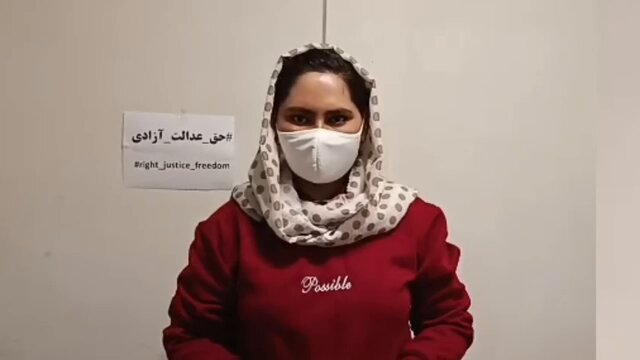
Clip: Heela Shinwari, member of the Purple Saturdays Movement in Jalalabad
#Right_Justice_Freedom
2
43
95
5,144
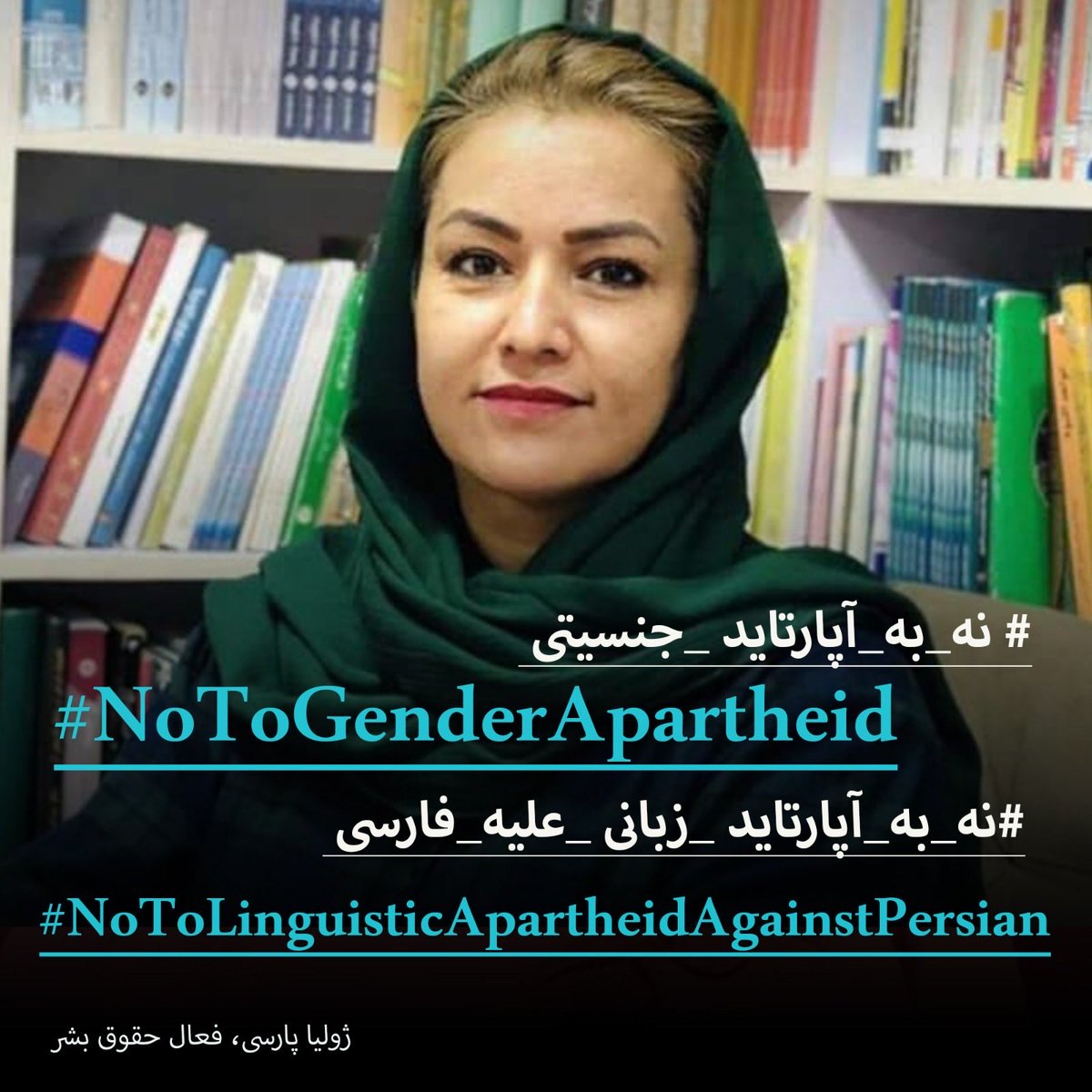
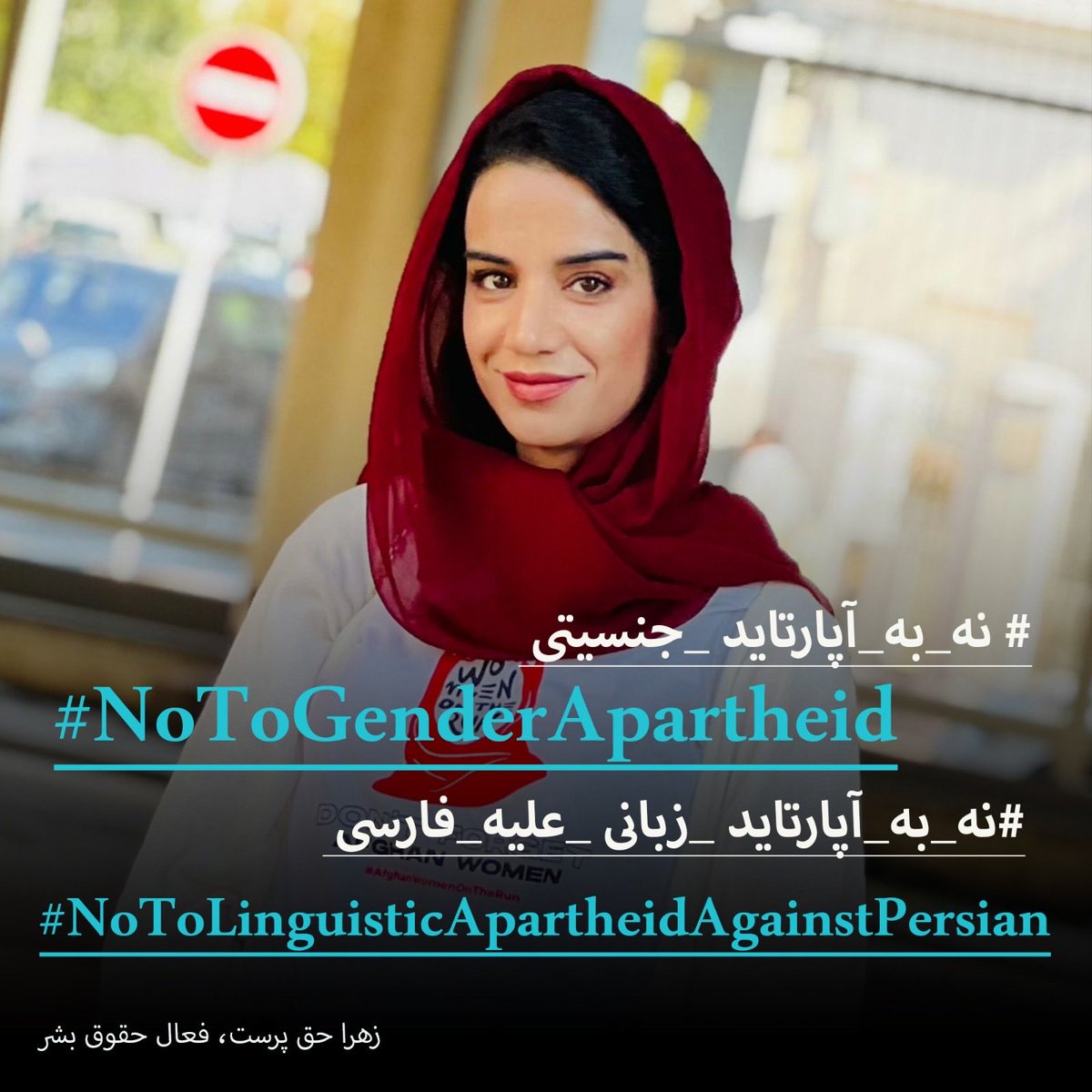
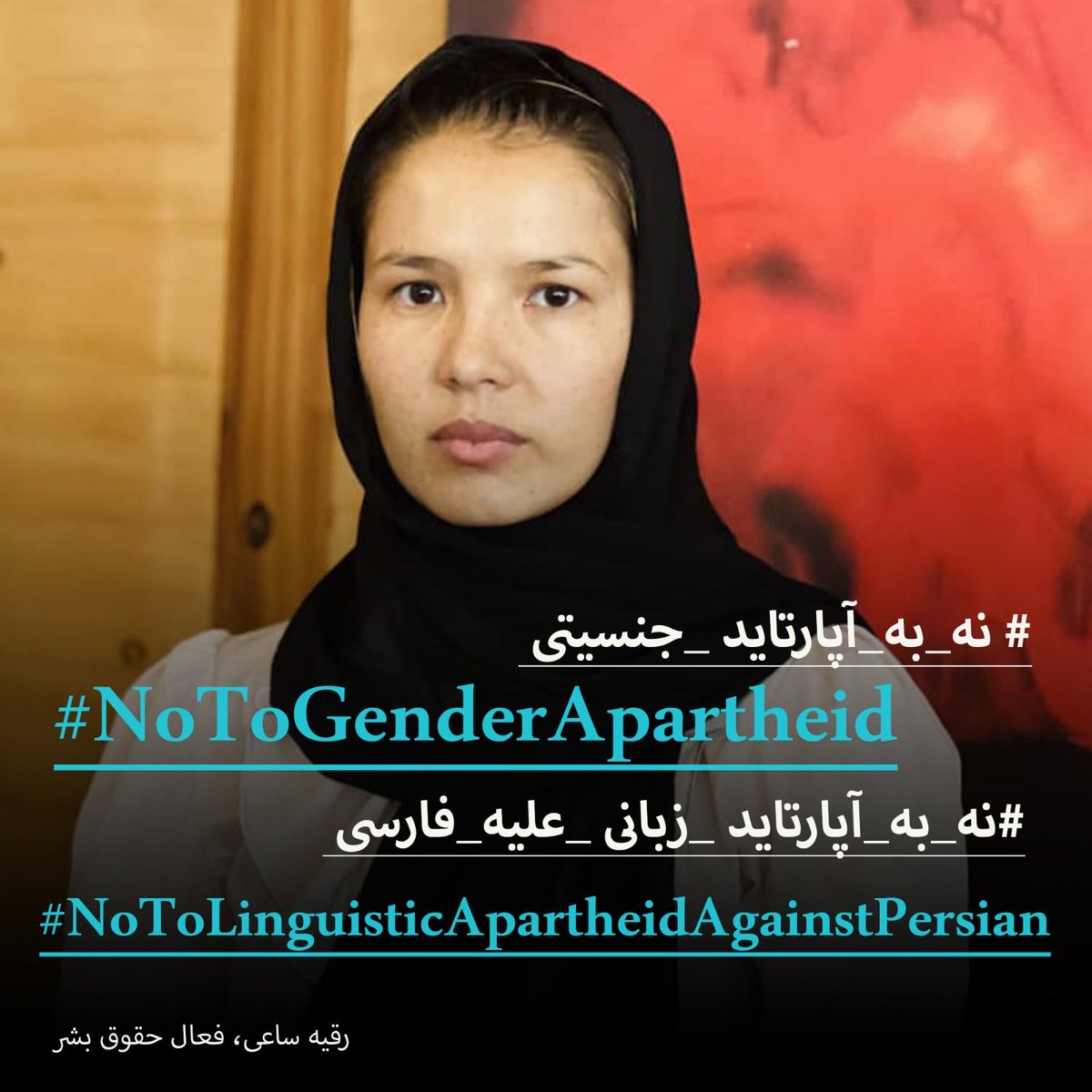
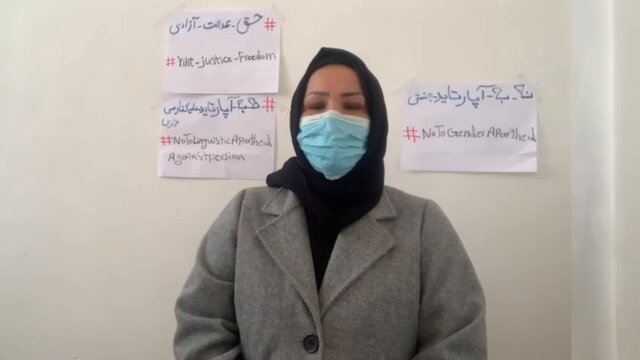
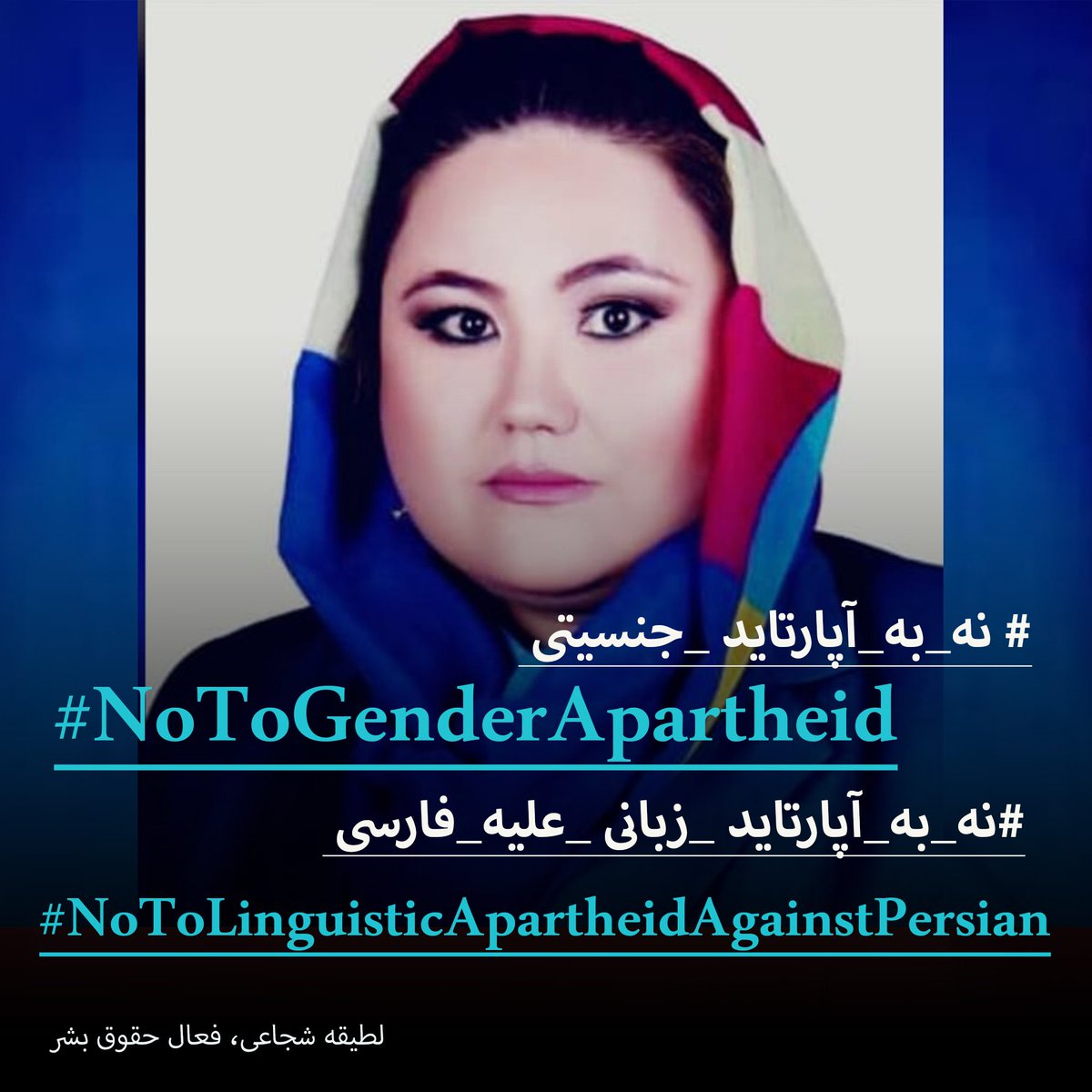
Day Six: Joint Campaign Against Gender Apartheid and Linguistic Apartheid :
Over the past nearly five years, the Taliban have instituted a system of structural and intentional discrimination, committing gender apartheid against women and linguistic apartheid against the Persian language in Afghanistan. By banning girls’ education, restricting women’s participation in society, issuing dozens of repressive decrees, and completely removing them from public life, the group has systematically and extensively violated women’s fundamental rights and human dignity, stripping them of their social and civic roles.
Through the continuation of gender apartheid and the creation of an atmosphere of fear and intimidation, the Taliban have arbitrarily detained, tortured, sexually abused, and, in numerous cases, mysteriously killed hundreds of women, including protesting women and civil activists. The recent arrests of Khadija Ahmadzada, an athlete, and Nazira Rashidi, a journalist, constitute further examples of this organized repression and have sparked serious concern.
We firmly condemn the arbitrary and repressive detention of women by the Taliban and call for the immediate and unconditional release of Khadija Ahmadzada and Nazira Rashidi. We also emphasize the urgent need for independent, transparent, and accountable investigations into the targeted and mysterious killings of women in Afghanistan, and we call on the United Nations Assistance Mission in Afghanistan (UNAMA) and international human rights organizations to take swift, effective, and responsible action in response to these organized crimes, and to strengthen international pressure on the Taliban in a meaningful, practical, and sustained manner.
The disregard for these crimes and the lack of political will to adopt effective measures against the Taliban have emboldened the group. Not only have they intensified gender apartheid, but they have also carried out targeted policies against the Persian language, thereby committing linguistic apartheid.
By enforcing a mono-lingual and mono-ethnic administrative structure, removing Persian from official correspondence, altering public signs and place names, restricting Persian-language media, destroying cultural heritage, and deliberately reducing educational content in Persian, the Taliban have implemented a systematic policy of linguistic and cultural erasure. These measures, accompanied by security pressures, forced displacement, land confiscation, administrative discrimination, and coerced demographic changes against Persian speakers—constitute clear instances of crimes against humanity, ethnic discrimination, and cultural destruction.
These policies are not isolated actions; rather, they form part of a broader plan by the Taliban for social engineering, identity elimination, and the consolidation of discriminatory dominance, a process that has deepened the human rights crisis and may even pave the way for internal conflict and the collapse of Afghanistan’s social fabric.
Therefore, we, a collective of protesting women, human rights defenders, and democratic forces, on the sixth day of the campaign “Joint Struggle Against Gender Apartheid and Linguistic Apartheid”, call upon the international community, the United Nations, and global human rights organizations to awaken to the gravity of the situation and to take swift, effective, and visible steps in response to organized crimes, gender apartheid against women, linguistic apartheid against the Persian language, and the ongoing identity erasure in Afghanistan by the Taliban.
#NoToGenderApartheid
#NoToLinguisticApartheidAgainstPersian
#FreeNaziraRashidi
#FreeKhadijaAhmadzada
Date: January 19, 2026
6
10
440
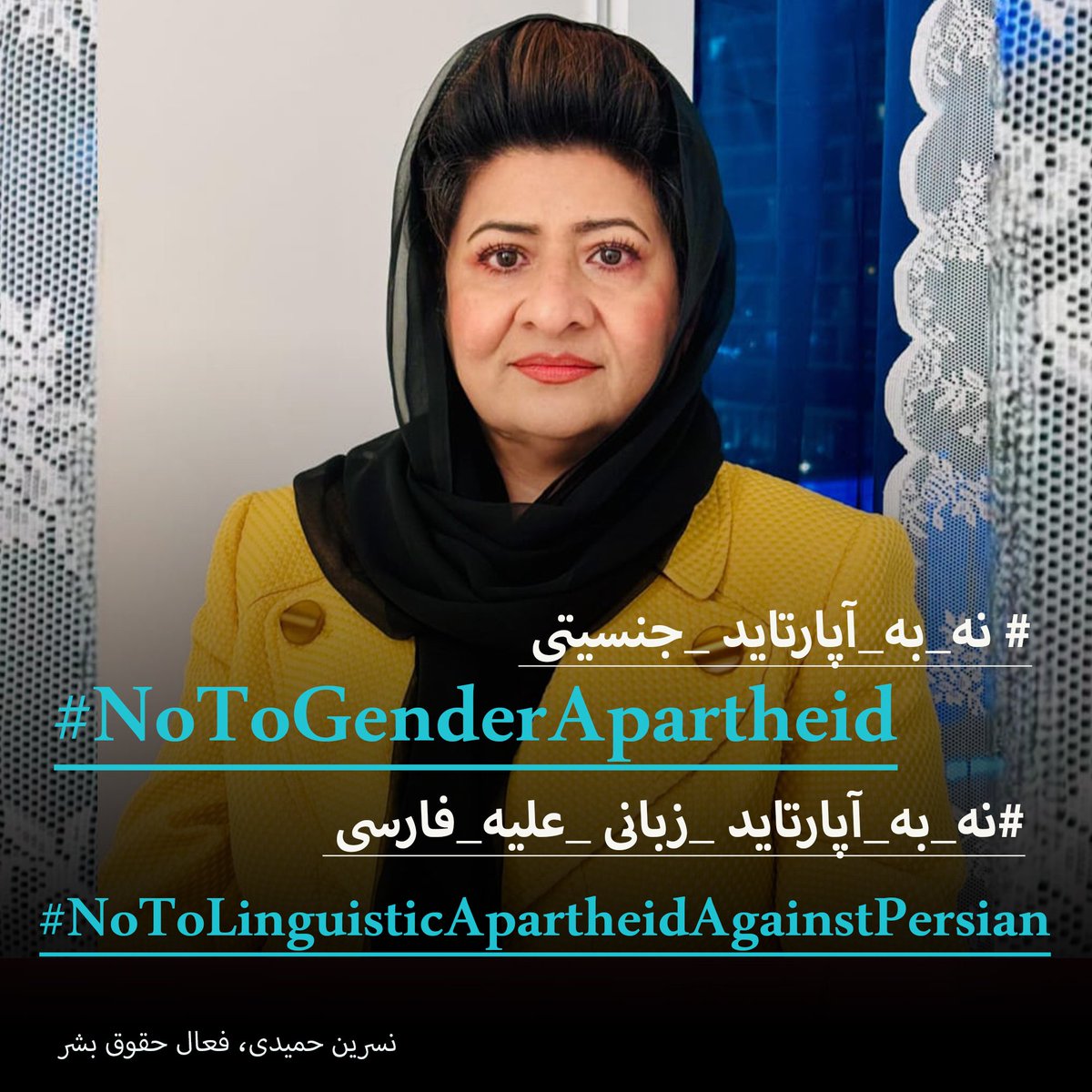
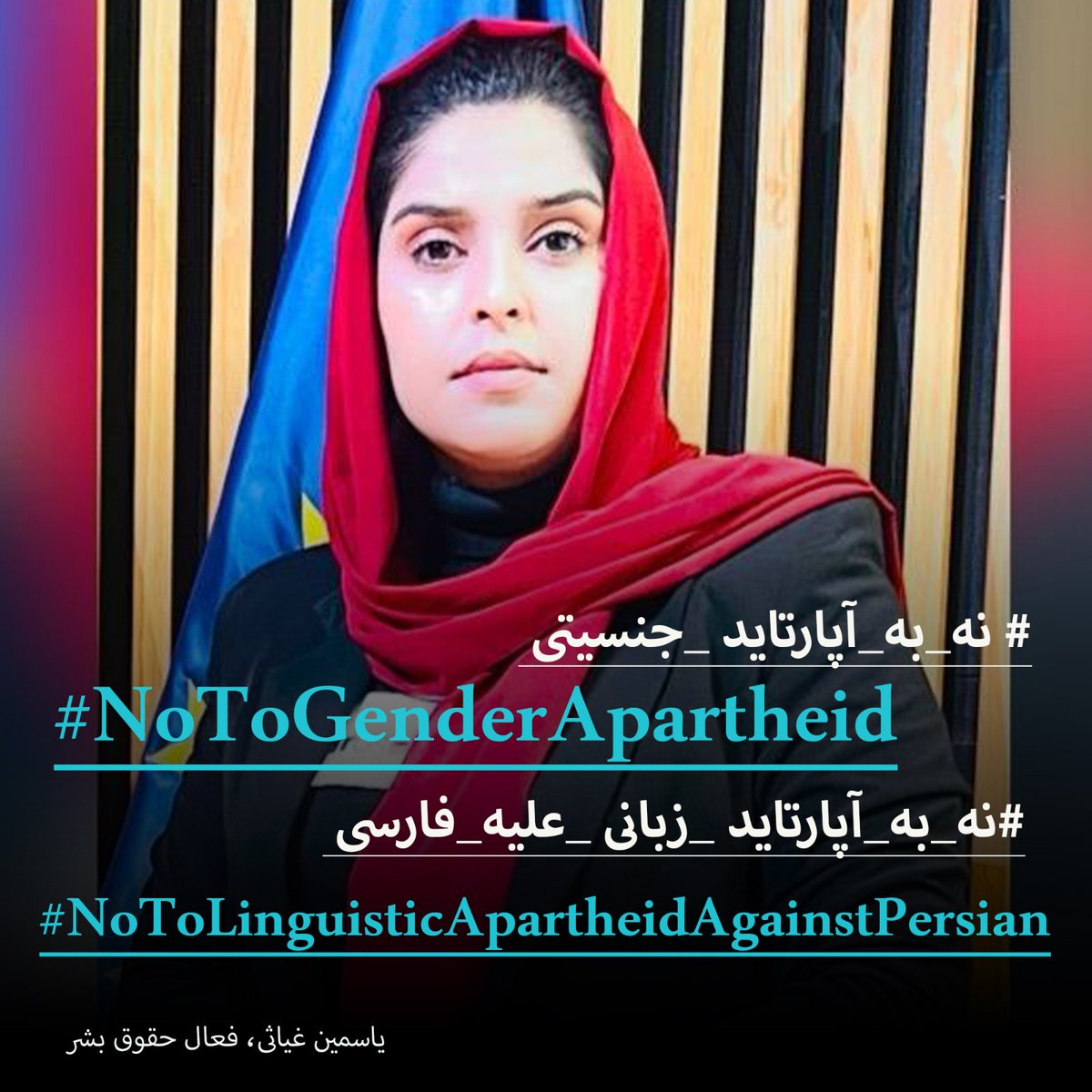
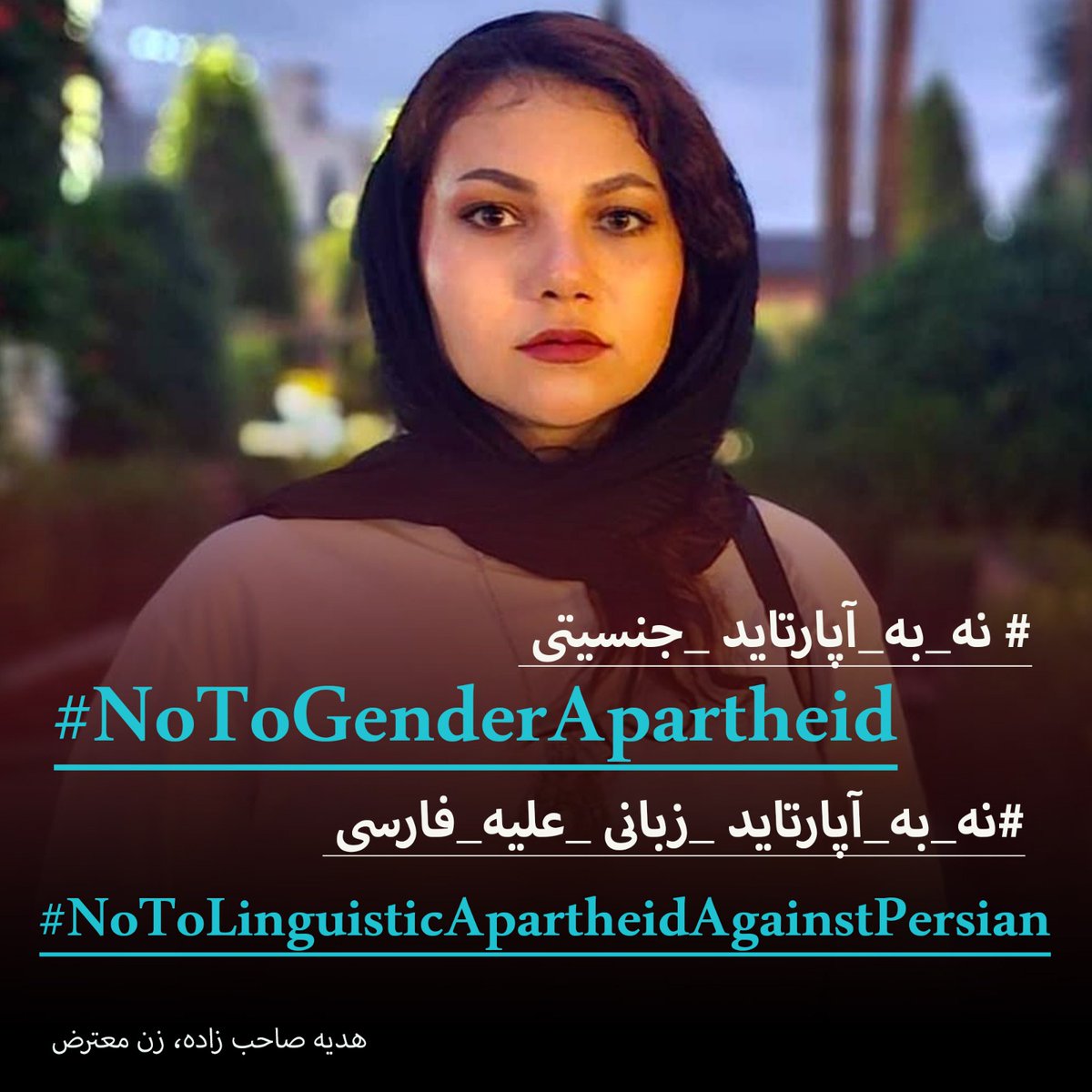
Joint Campaign Against Gender Apartheid and Linguistic Apartheid
Within the normative and theoretical framework of human rights, no form of atrocity, oppression, or systematic violation of fundamental human rights can be justified by overlooking or downplaying another form of atrocity or oppression. Any attempt to establish a hierarchy among different types of fundamental rights violations is not only ethically and anthropologically indefensible but also fundamentally incompatible with the universal and non-selective nature of human rights.
On this basis, concerns regarding the potential impact of articulating the concept of “linguistic apartheid” on the level of attention given to “gender apartheid” must not lead to the reproduction of mechanisms of marginalization or the denial of structural discrimination. The commission of one atrocity or the imposition of any form of structural oppression can never provide normative grounds or epistemic justification for denying, minimizing, or postponing the addressing of another atrocity or form of discrimination. In contemporary theories of justice and human rights, any effort to create hierarchies or selective prioritization among different forms of human rights violations not only fails to remedy injustice but also generates complex cycles of reproducing violence, repression, and deprivation.
“Gender apartheid against women” and “linguistic apartheid against Persian–Dari” by the Taliban constitute two distinct yet deeply interlinked crimes; each targets a different dimension of social life, and together they construct a system that places not only women and Persian–Dari speakers but society as a whole in a condition of powerlessness, silence, and erasure.
The simultaneity of these two crimes has multiplied the severity and scope of harm in Afghanistan, rendering it multilayered, intricate, and intensified, and elevating the Taliban’s pattern of repression from the level of “human rights violations” to the level of “crimes against humanity.” This creates a different legal and political threshold for the international community.
We believe that the more extensively the intersections between gender apartheid and linguistic apartheid are documented and emphasized, the clearer, more comprehensive, and more accurate the international community’s understanding of the nature of the Taliban’s apartheid and repressive regime will become. This clarification not only does not weaken the struggle against gender apartheid, but in fact deepens the understanding of the Taliban’s multilayered atrocities and discriminatory mechanisms. Accurately illustrating this interconnection accelerates the activation of legal mechanisms such as fact-finding commissions, enhances the capacity for pursuing justice at national and international levels, mobilizes global institutions, prevents the continuation of these atrocities, and increases the likelihood of a faster and more decisive response from the international community.
Therefore, we, a collective of human rights defenders, leaders of protest movements, protesting women, civil society activists, and democratic forces of Afghanistan, by launching a one-week campaign entitled “Joint Struggle Against Gender Apartheid and Linguistic Apartheid in Afghanistan,” aim, in addition to raising awareness regarding the harms of these crimes against humanity and presenting the depth of the crisis in Afghanistan, to call on the international community, the United Nations, and human rights institutions to exert effective pressure and take urgent and responsible action to stop the Taliban’s atrocities and hold them accountable.
#حق_عدالت_آزادی
#right_justice_freedom
#نه_به_آپارتاید_جنسیتی
#NoToGenderApartheid
#نه_به_آپارتاید_زبانی_علیه_فارسی
#NoToLinguisticApartheidAgainstPersian
Date: 14 January 2026
2
3
18
706