Lab @unlincoln | Providing applicable science to help landowners and management agencies balance the needs of ag landscapes while creating healthy ecosystems
- Tweets 1,220
- Following 941
- Followers 1,029
- Likes 3,724

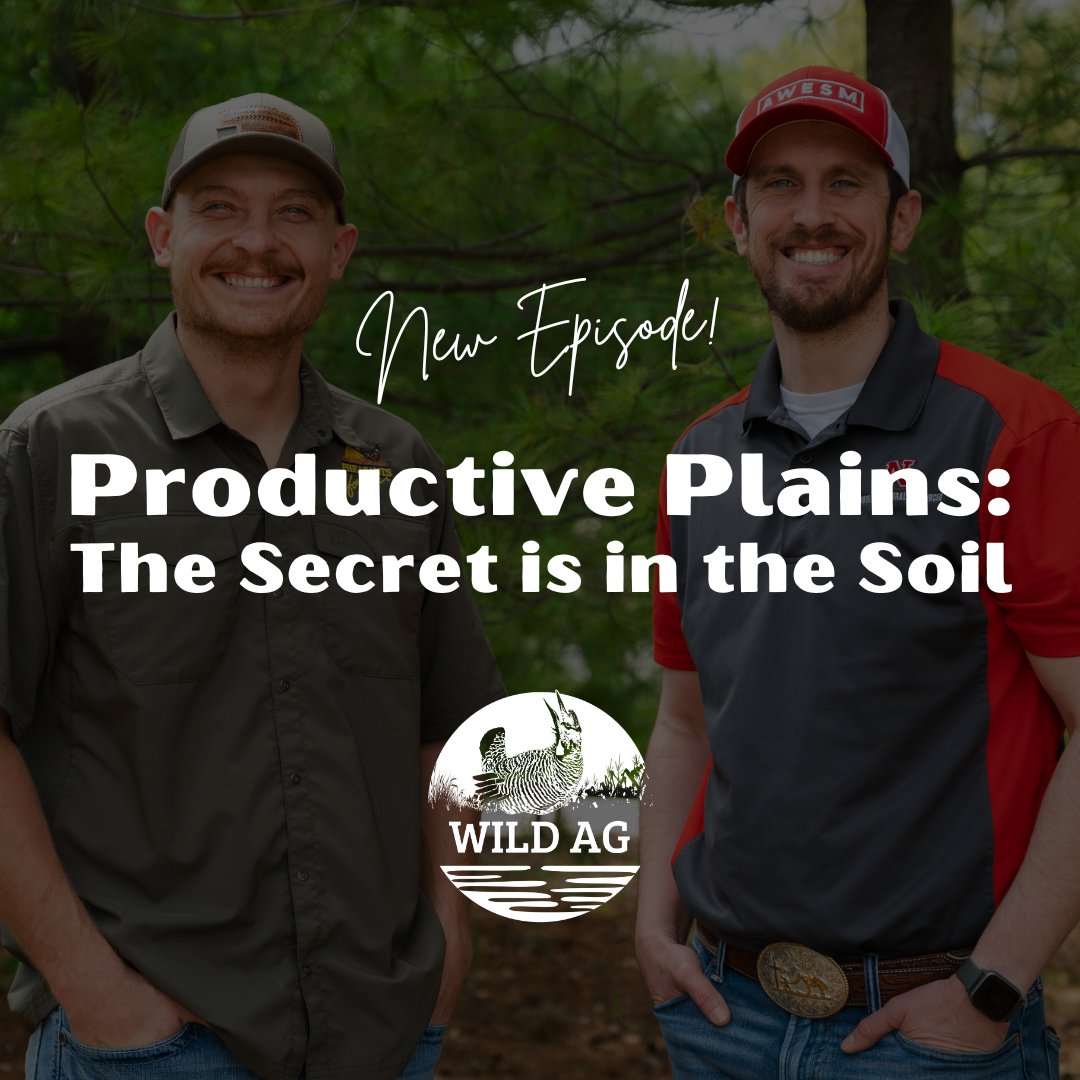

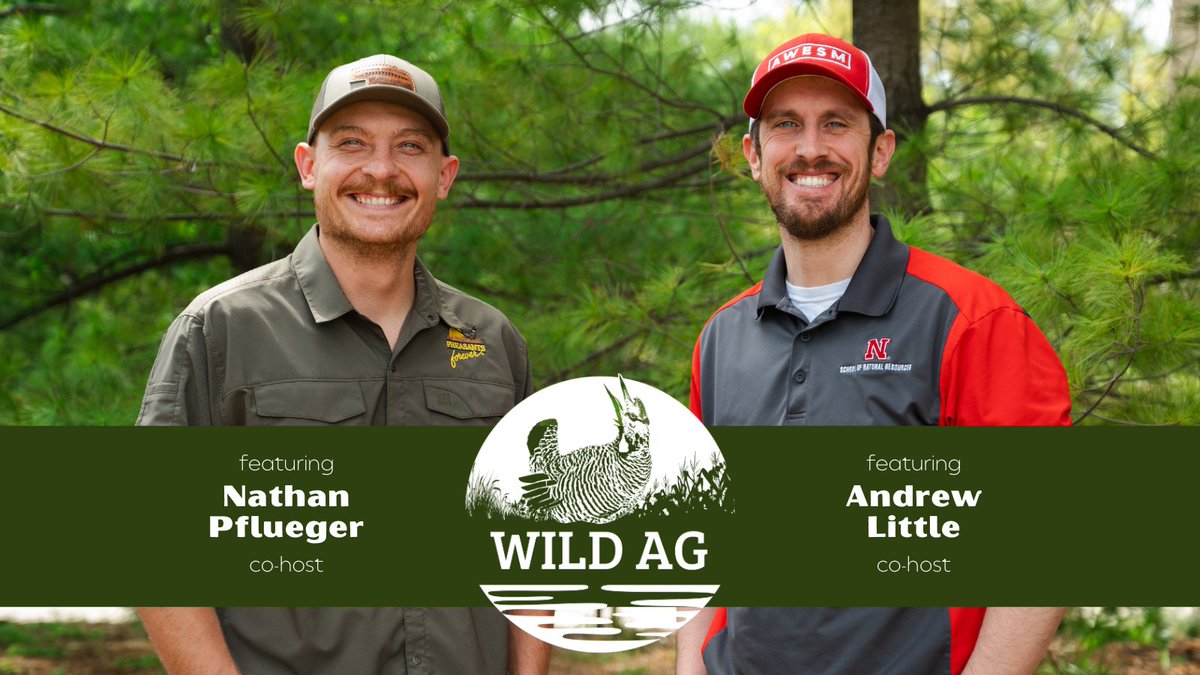
ALT WildAg co-hosts, Nathan Pflueger and Andrew Little
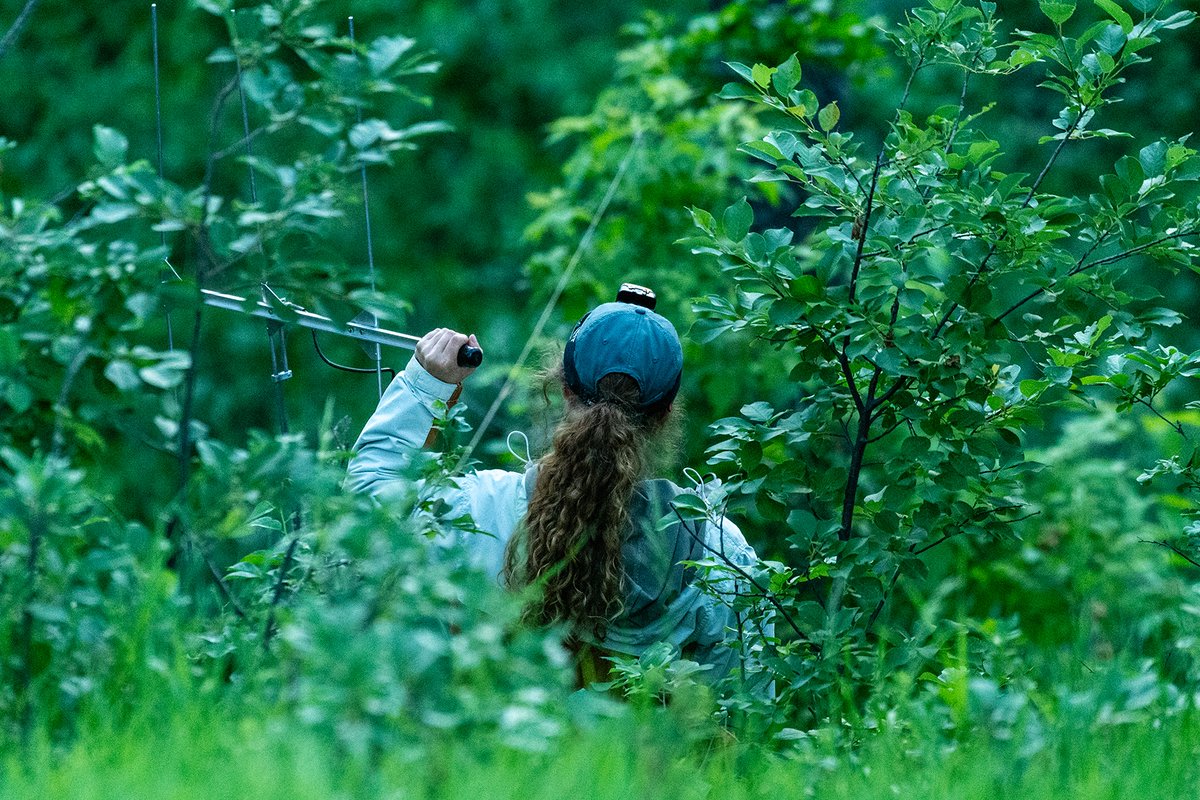
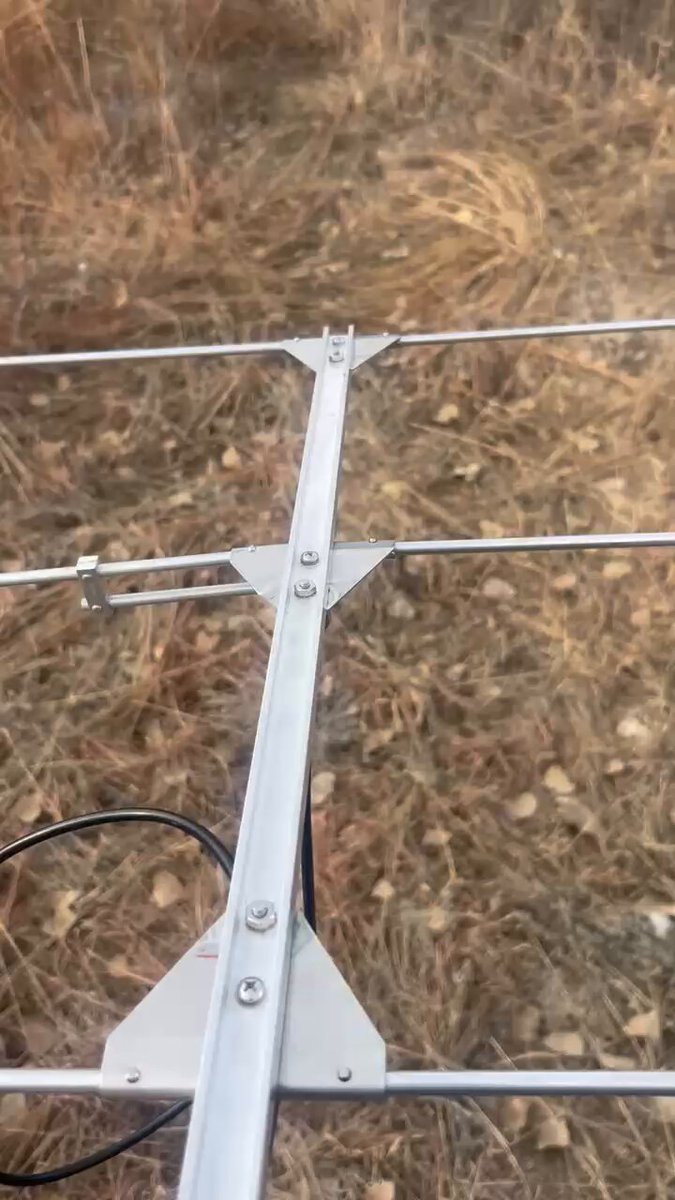
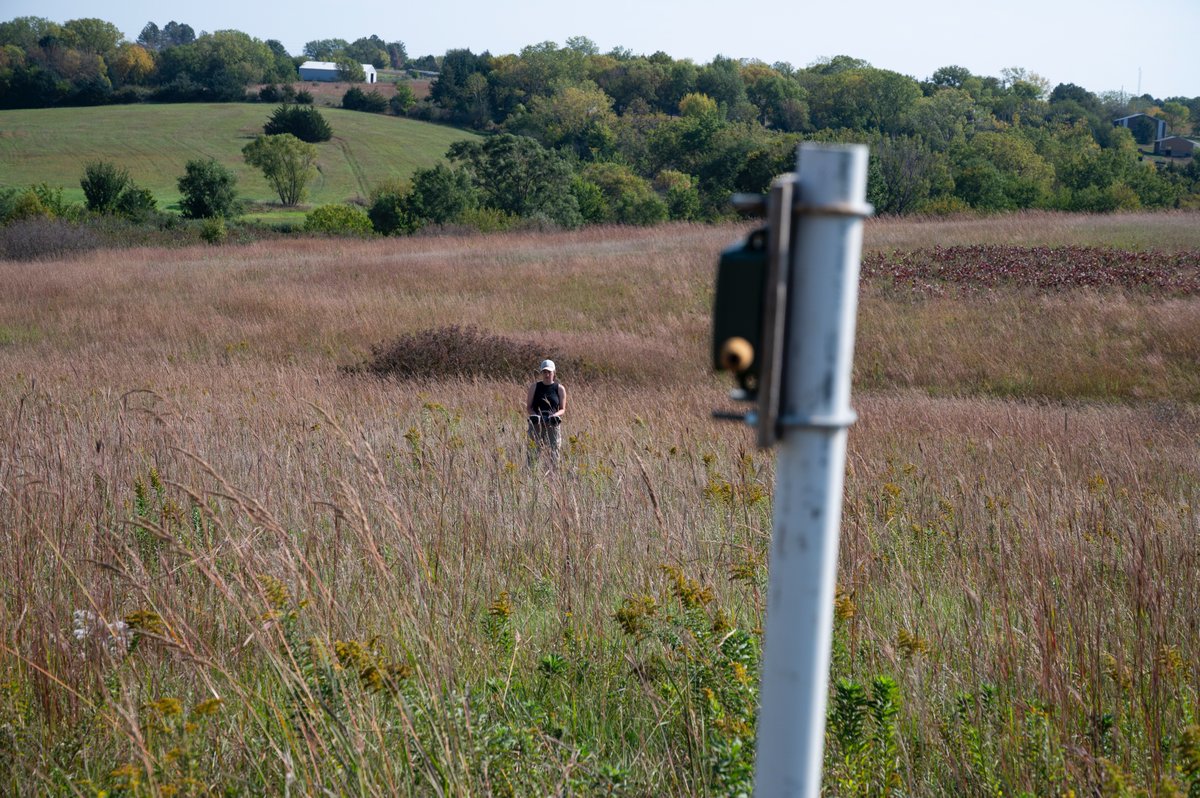
ALT A woman holding a Yagi antenna in a forested area

ALT Graphic of a clip board with pencil. Text reads, "We want your feedback."
ALT Graphic of a clip board with pencil. Text reads, "We want your feedback."
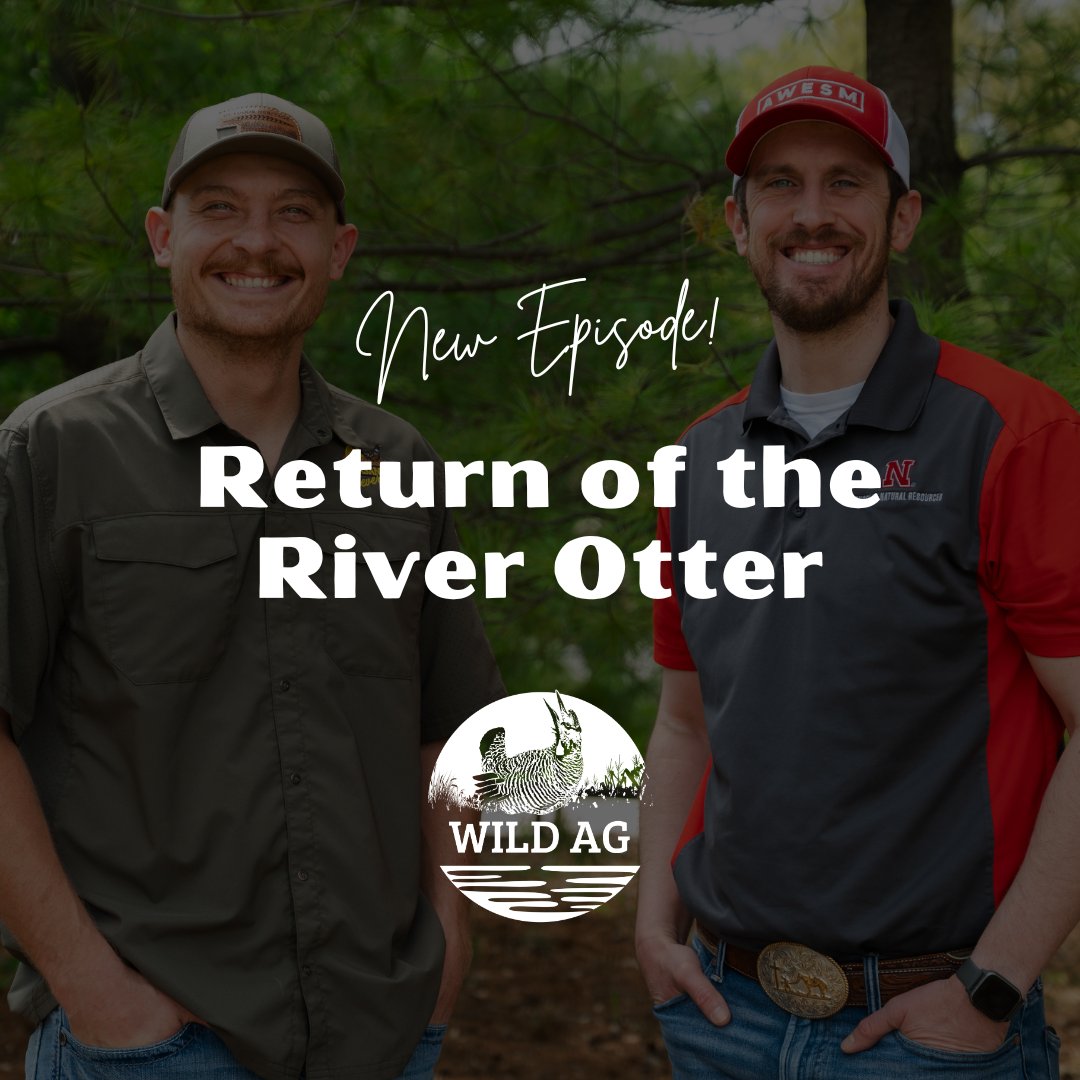
ALT WildAg podcast logo overlaid on a photo of co-hosts Andy and Nathan. Text reads, "New episode! Return of the river otter."
ALT WildAg podcast logo on a green background. Text reads, "Upcoming episode! Return of the river otter."
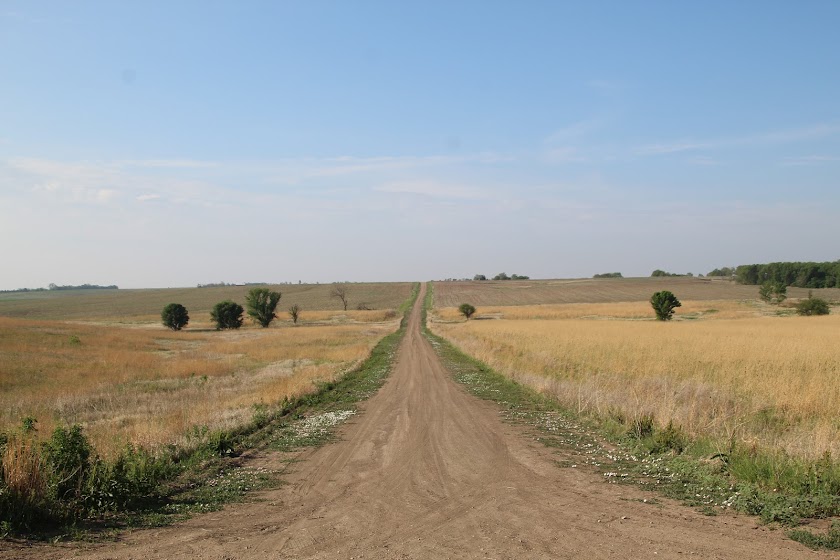
ALT Two adjacent fields with differing levels of management and disturbance
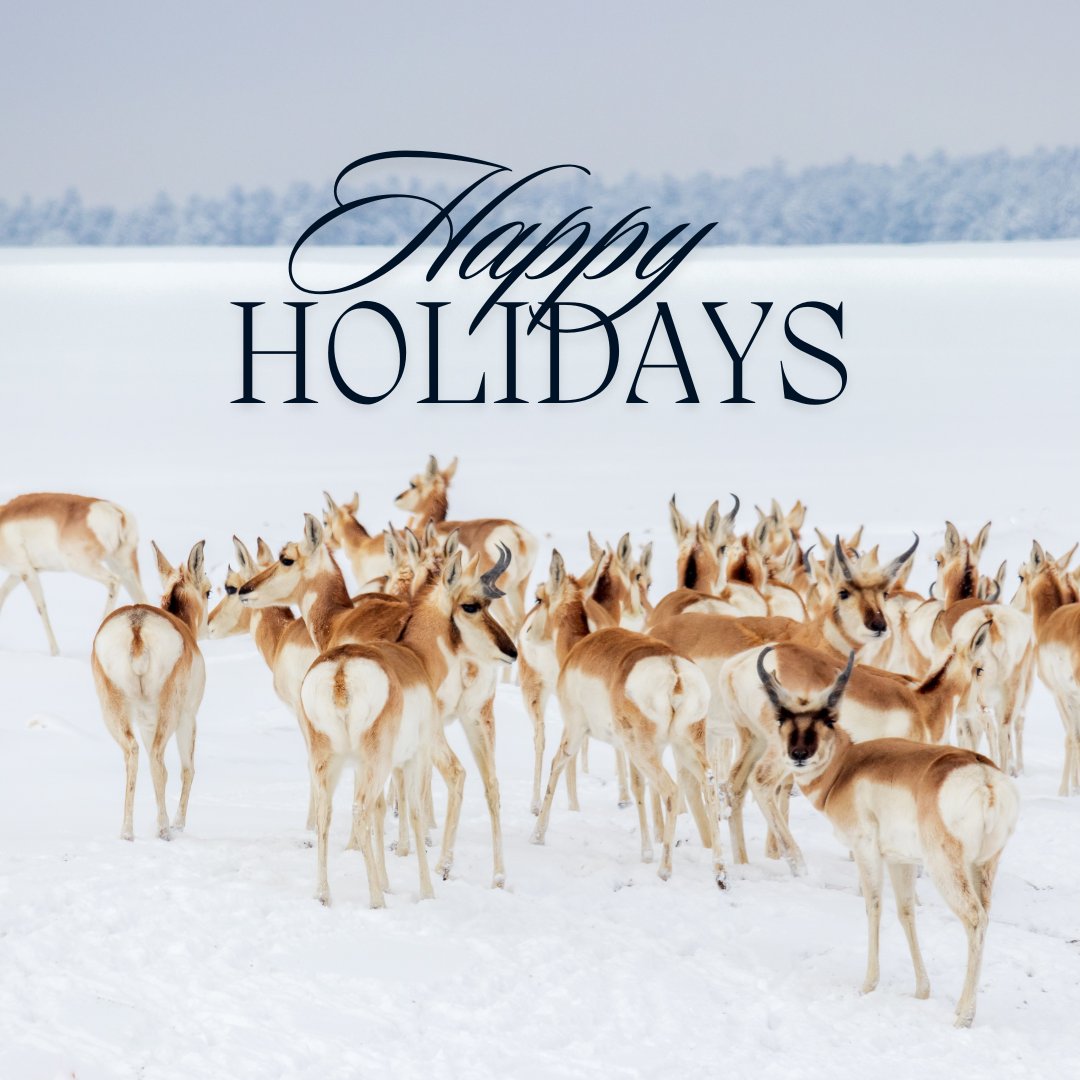
ALT Pronghorn herd in the snow. Text reads, "Happy holidays."

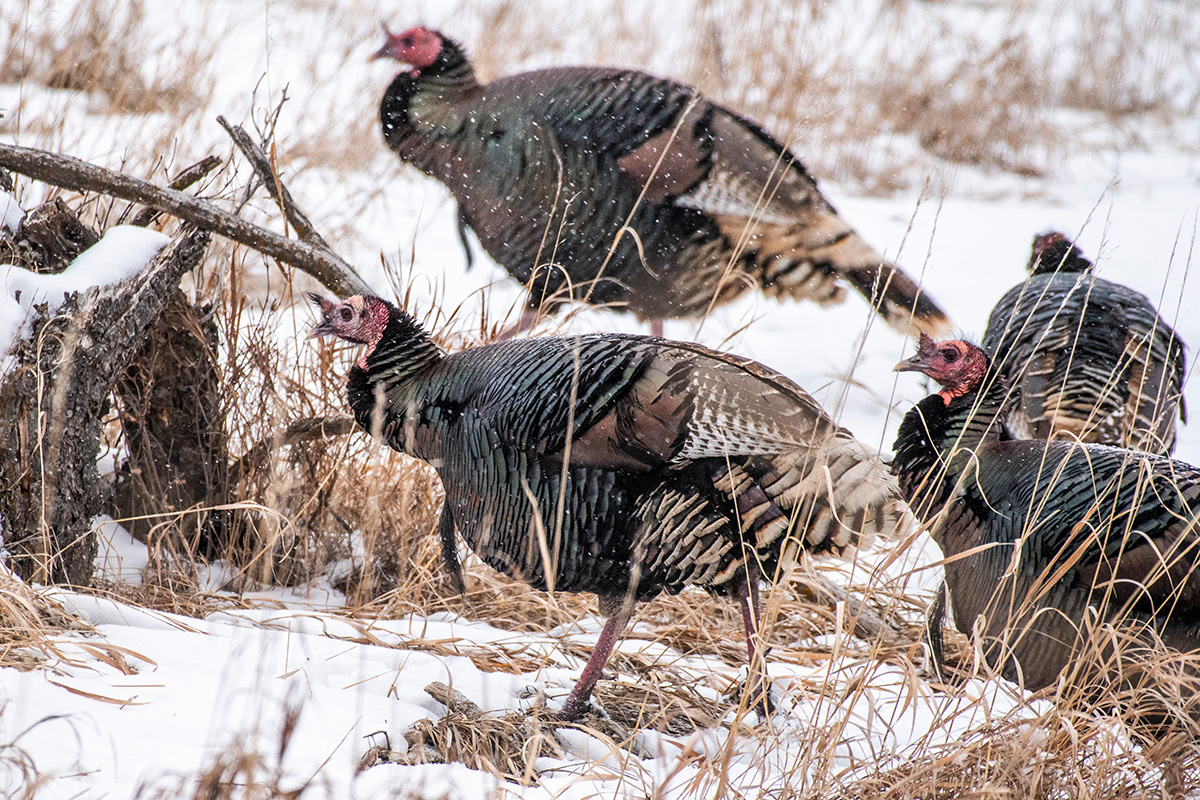
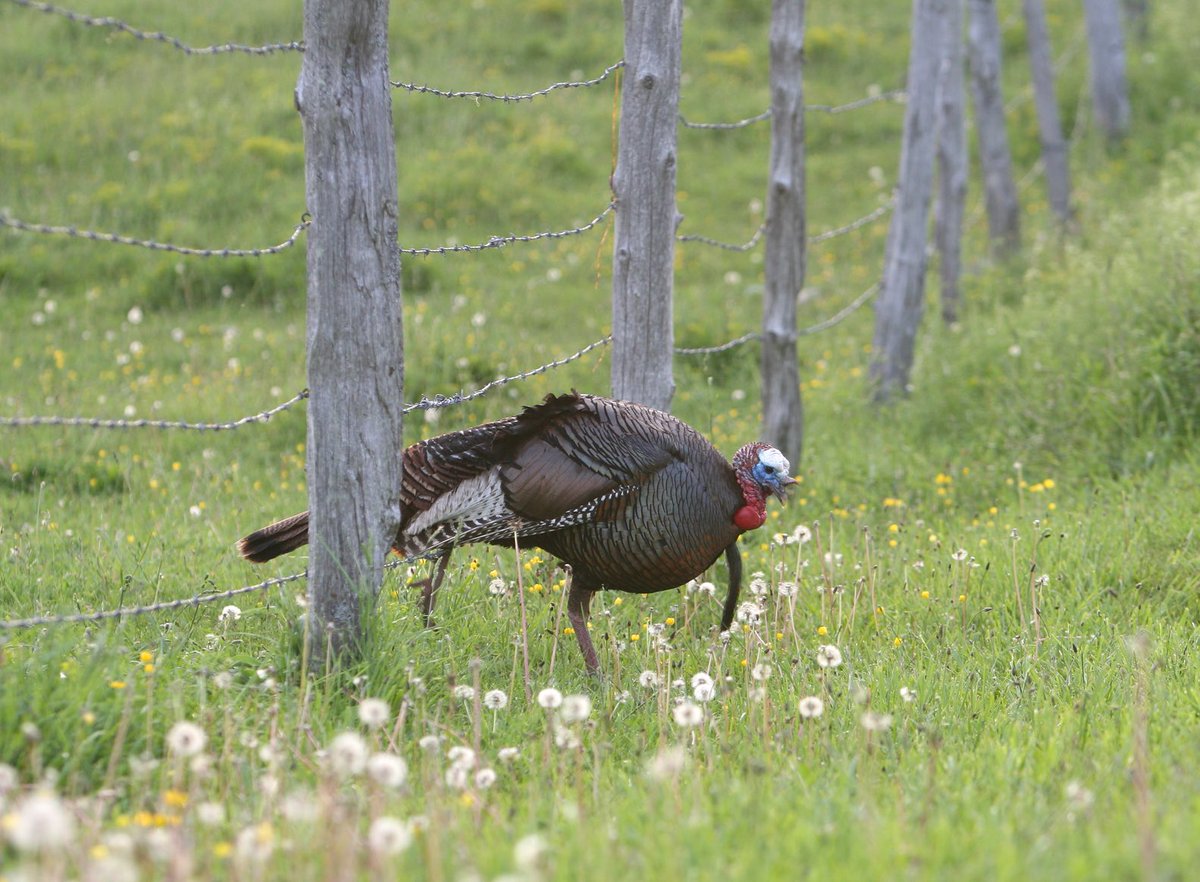
ALT Wild Turkeys (Merriam's subspecies of Meleagris gallopavo) in Pine Ridge of Dawes County.


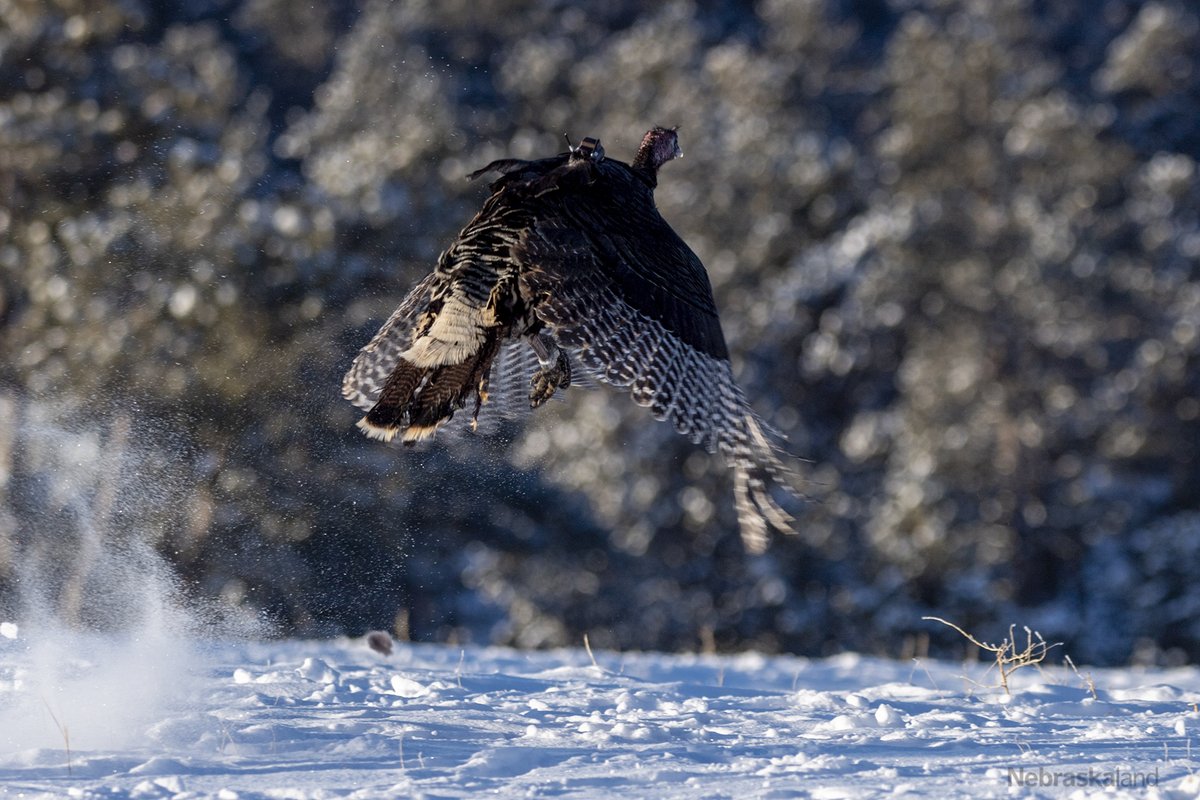
ALT A wild turkey fitted with a backpack-style GPS transmitter flies off into the snow
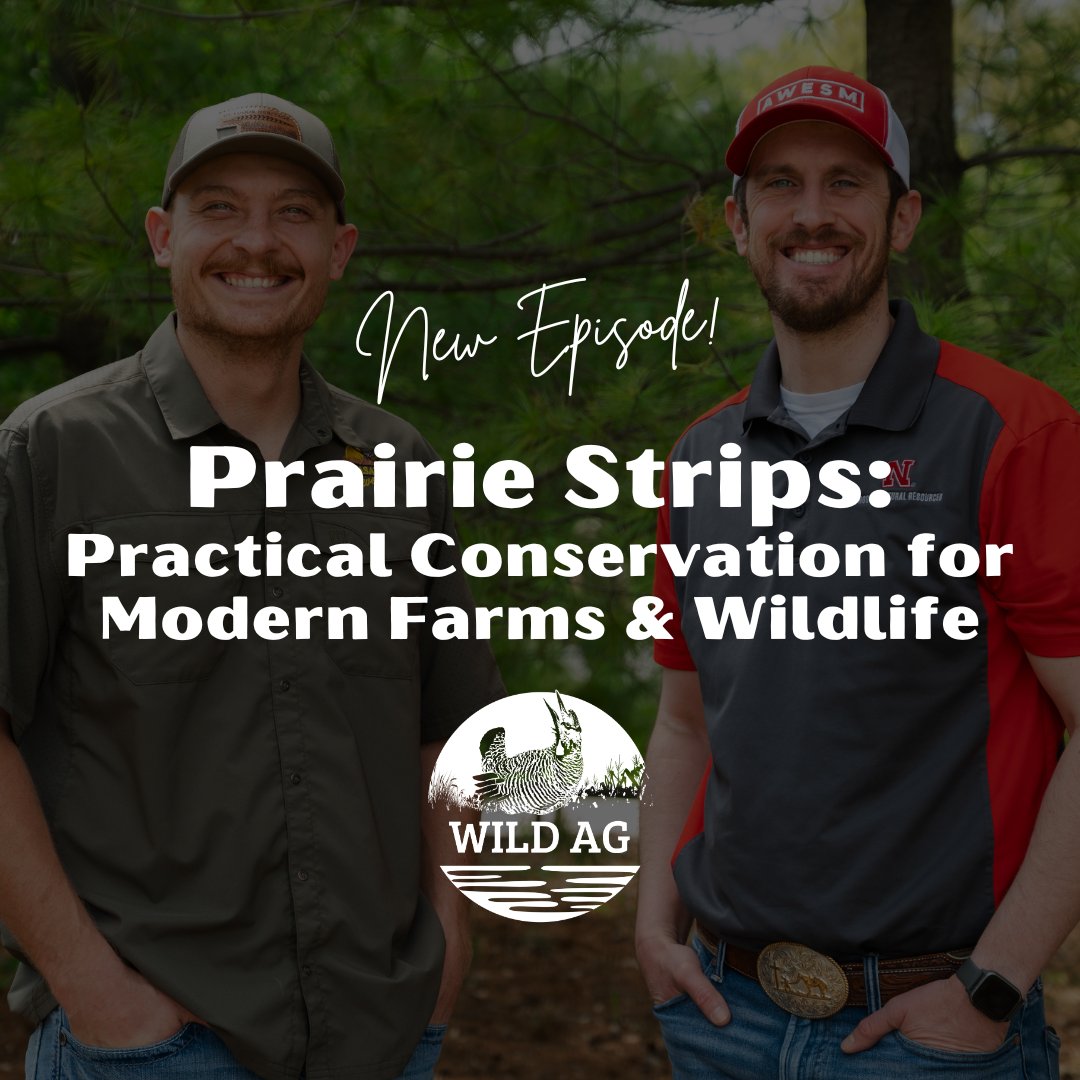
ALT WildAg podcast logo overlaid on a photo of co-hosts Andy and Nathan. Text reads, "New episode! Prairie strips: practical conservation for modern farms and wildlife."
ALT A golden field full of thick grasses
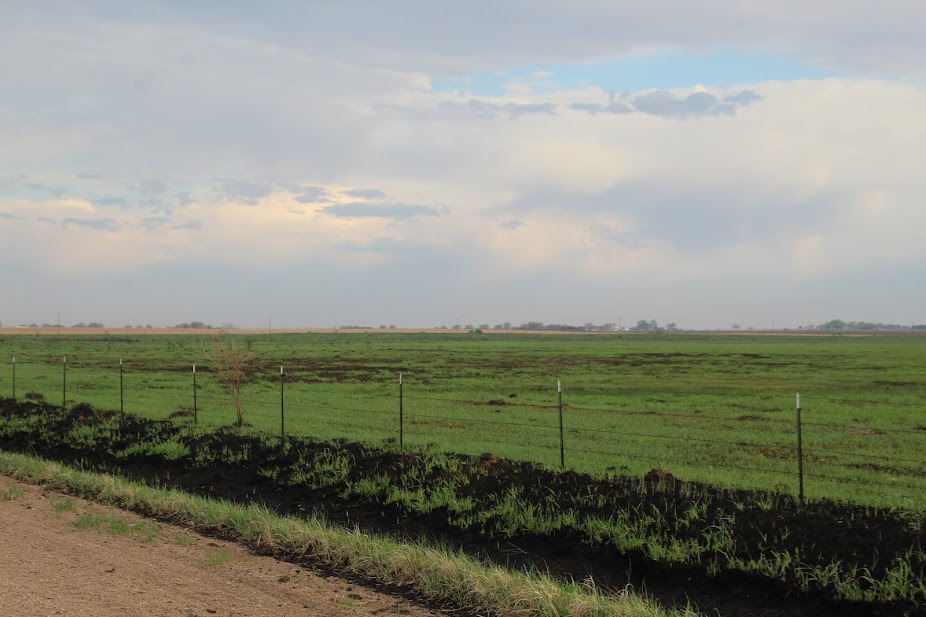
ALT The same field after a burn; the grass is short and vivid green with some burned patches still showing through
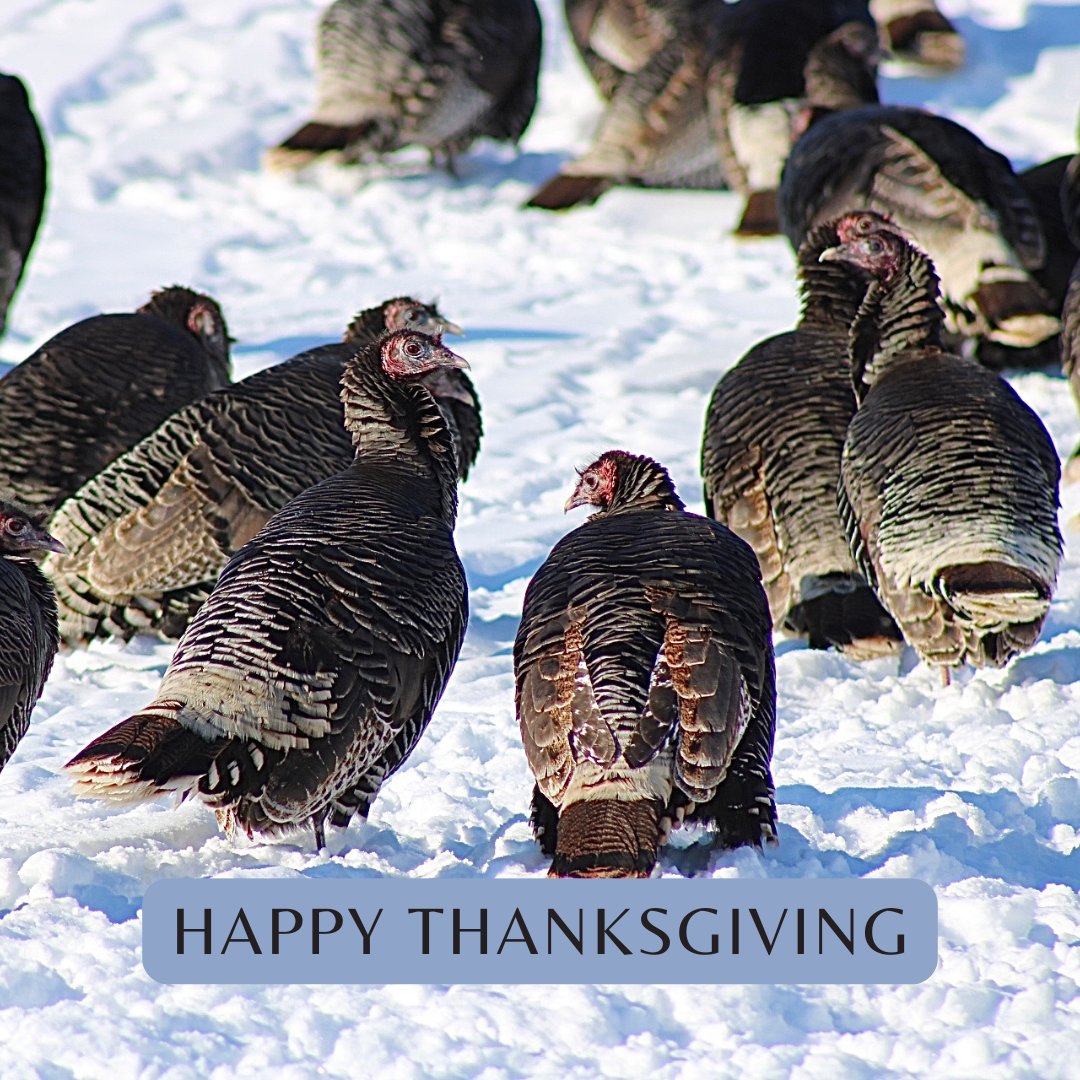
ALT Wild turkeys in the snow. Text reads, "Happy Thanksgiving."
ALT WildAg podcast logo on a green background. Text reads, "Upcoming episode! Prairie strips: practical conservation for modern farms and wildlife."

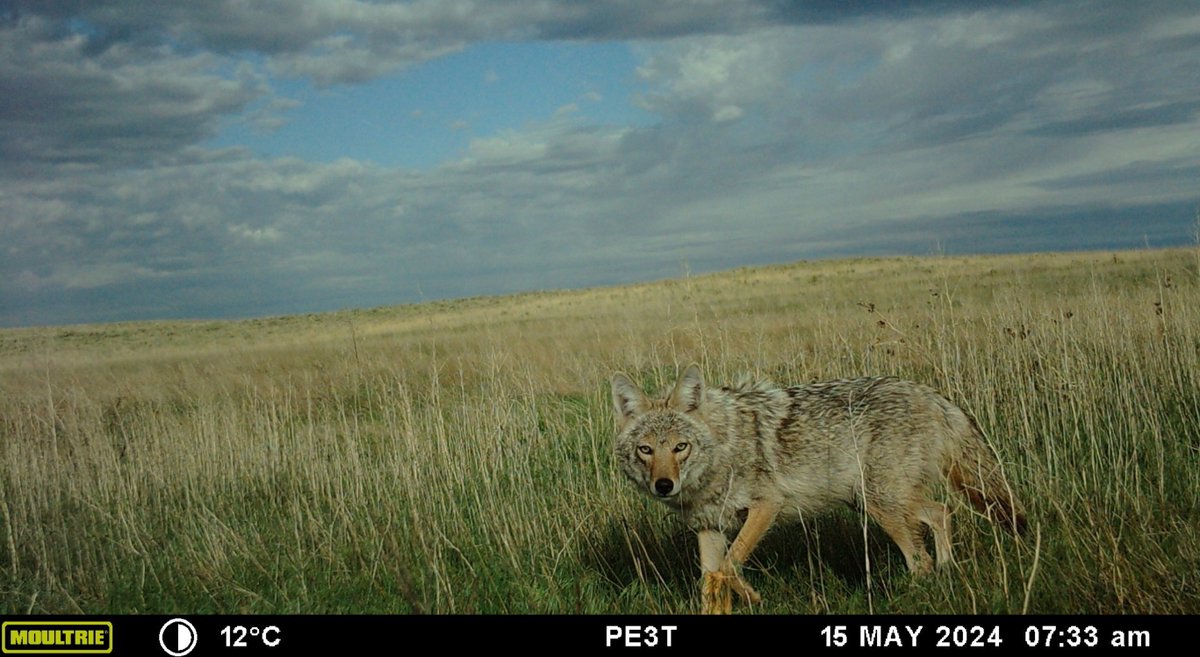
ALT Camera trap photo of a coyote in a Nebraska field