
Joined April 2025
- Tweets 29,839
- Following 1,478
- Followers 968
- Likes 10,648
4,904 Photos and videos
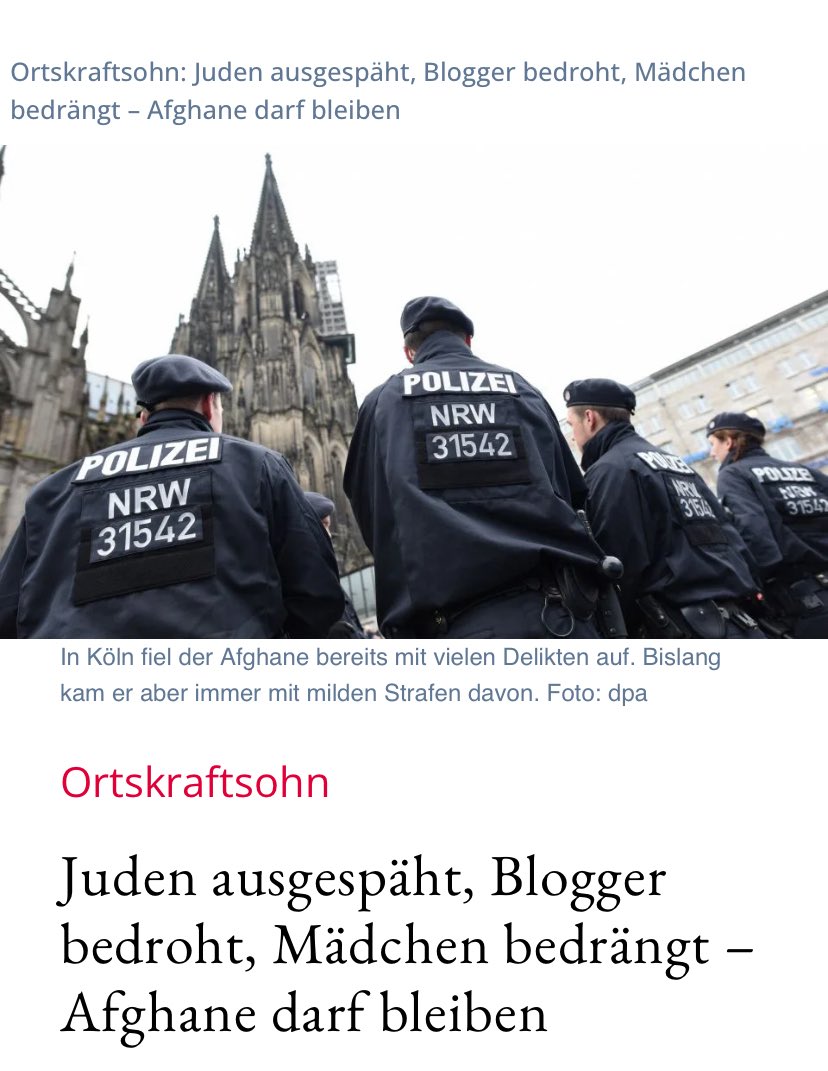



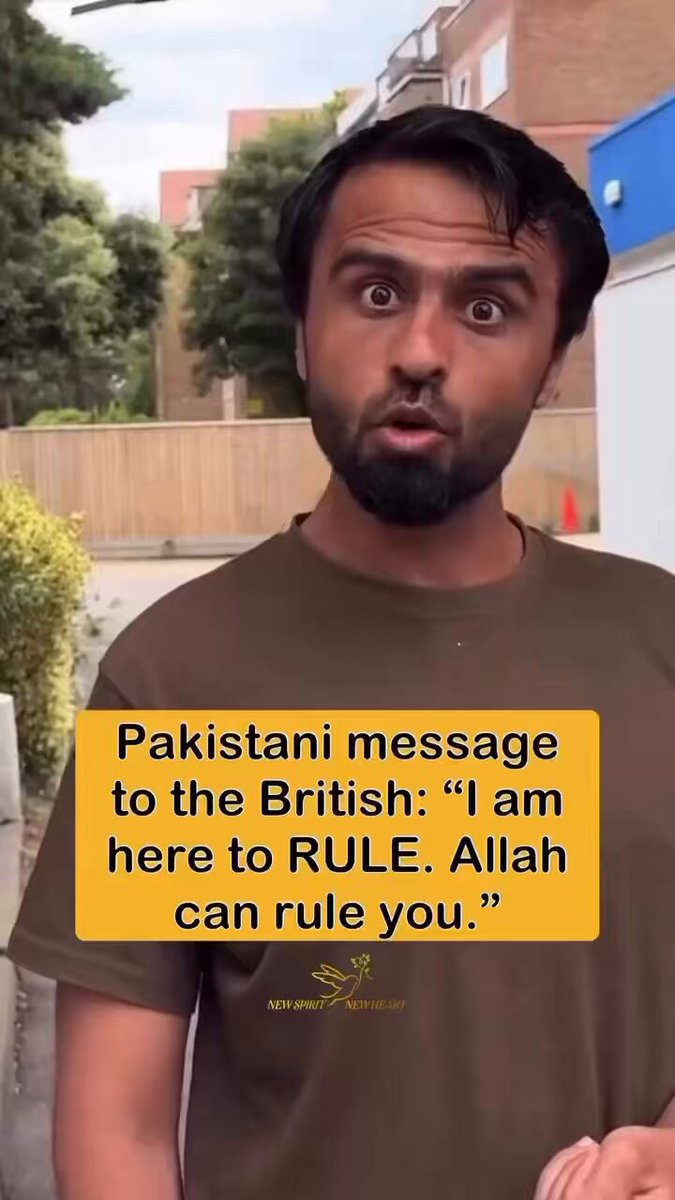



Ein Afghane kommt als Sohn einer früheren „Ortskraft“ mit sieben Verwandten nach Deutschland. Hier soll er eine Synagoge ausgespäht, einem Blogger mit Enthauptung gedroht und mehrere Mädchen sexuell bedrängt haben. Für eine Abschiebung reicht das dem Amtsgericht Köln nicht aus. @_FriedrichMerz bitte um Erklärung …
8
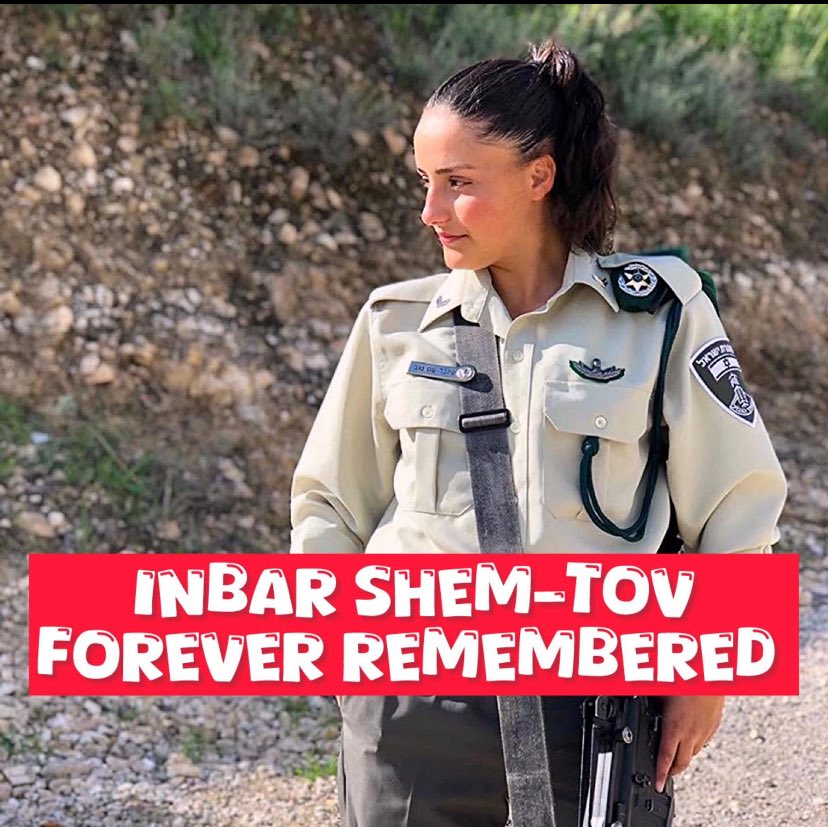
Never forget October 7.
Remembering Inbar Shem-Tov and honoring all victims, survivors, and families affected. 🕯️ #NeverForget #October7
1
1
9
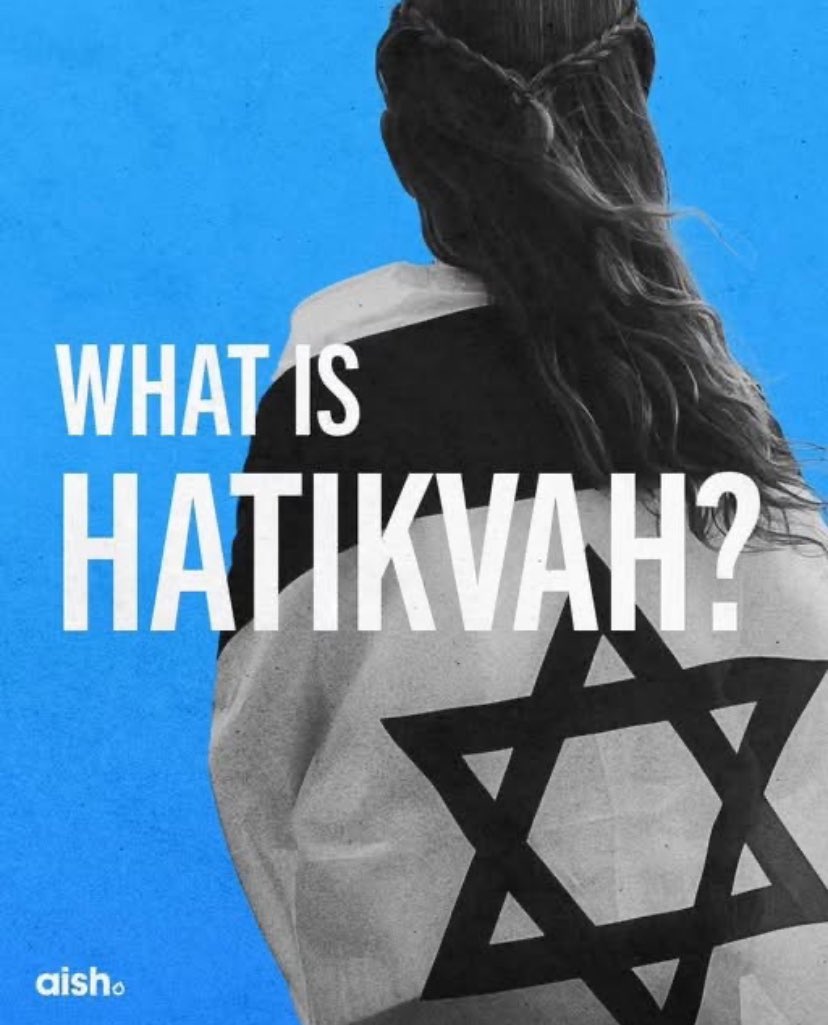
Hatikvah, which means "The Hope" is the Israeli national anthem.
It was written in 1878 by Naftali Hertz Imber, an Eastern European Jew who emigrated to Ottoman Palestine, and was first published as part of a collection of poems in 1886. The melody, written by Shmuel Cohen was added in 1888.
Apparently, Theodor Herzl, the father of political Zionism, hated the song, and it wasn't adopted as the movement's official anthem until 1933, long after his death. Although that didn't stop people from singing it.
Hatikvah was sung in the face of Nazi and Stalinist oppression, and was often the last words uttered by Jews executed by the British Colonial government during their brief reign in the Middle East.
Hatikvah was only Israael's de facto national anthem until its official adoption in 2004, yet it has been a rallying cry - and, as the name implies, a song of hope - for Jews from around the world for most of the last century.
1
2
14
🚨 An old woman was violently robbed of her gold necklace by a man of North African appearance inside the Saint-Charles-Borromée Cathedral in Saint-Étienne
HaShem send these bastards back to hell!
Amen 🙏
1
16
Pure Demon …

Meet L.A.-based resident Dylan Keese-Forster.
Dylan thinks it’s ok to cut down the Israeli flag at a private eatery, climbing on top of the bar to do it.
This brazen vandalism and hate should never be tolerated.
2
1
38

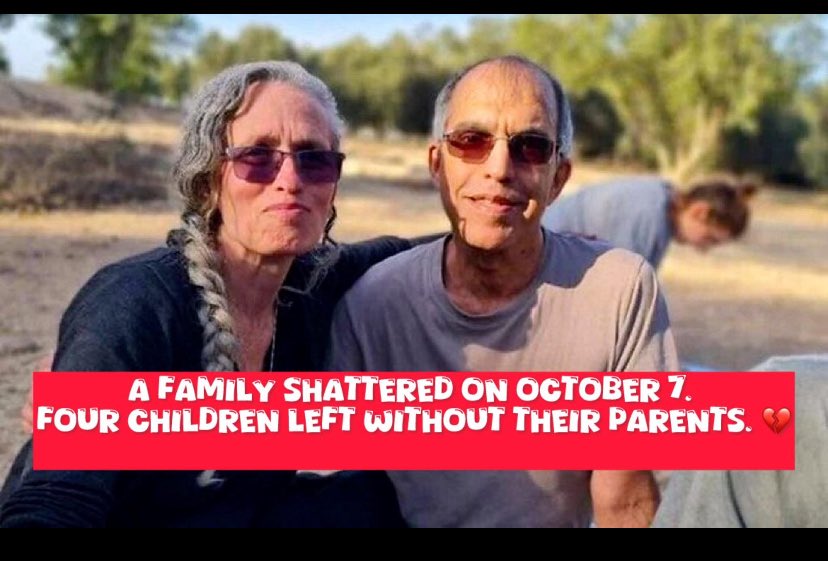
Four children lost their parents on October 7. A heartbreaking reminder of the human cost of violence against civilians. 💔🙏
1
14
King David retweeted

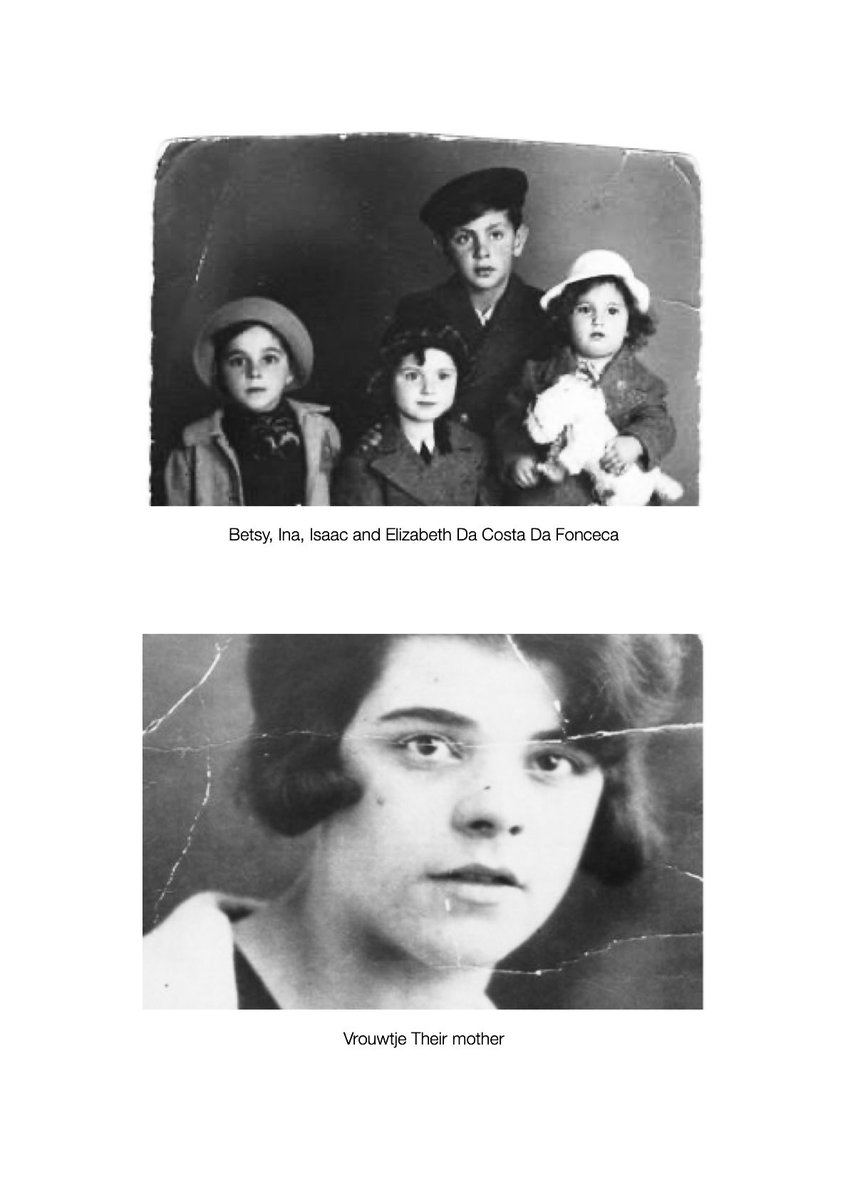
My cousins. I have been to Auschwitz recently to honour their memory. Vrouwtje their mother is pictured below.
1
1
1
29
THE EVIDENCE WAS NEVER THE PROBLEM. BELIEVING JEWISH VICTIMS WAS.
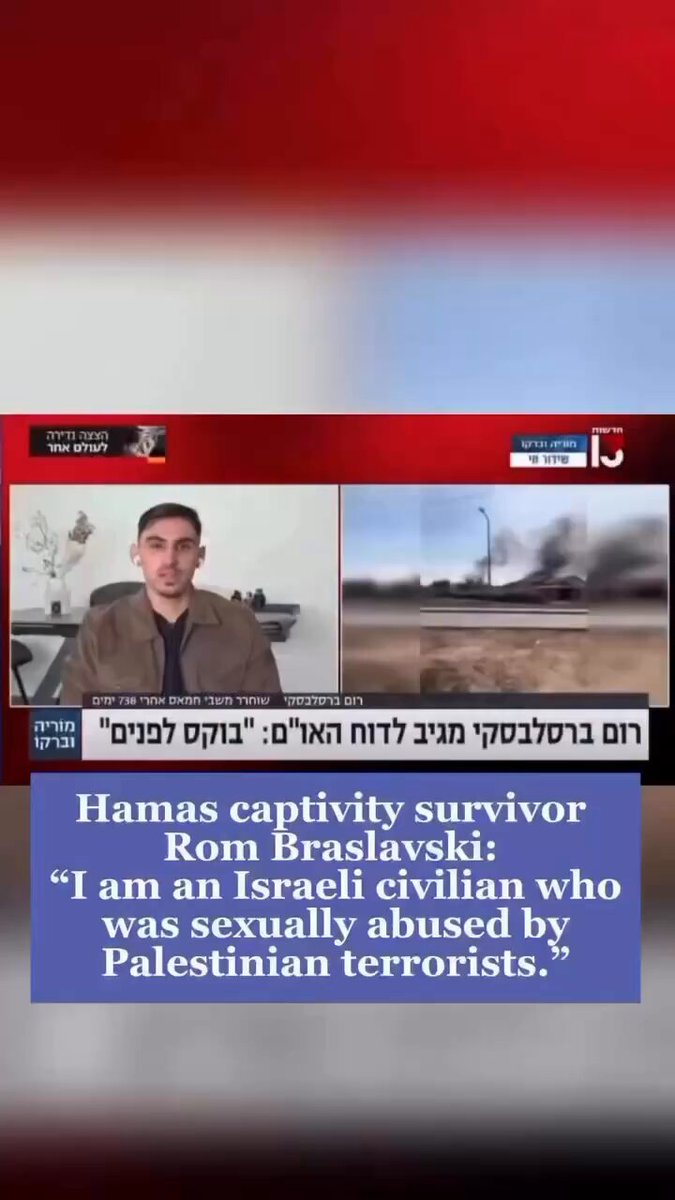
As Rom Braslavski speaks publicly about the sexual abuse he endured in Hamas captivity, the United Nations has chosen this moment to place Israel on a blacklist of perpetrators of conflict-related sexual violence.
Think about that.
After the testimonies.
After the forensic evidence.
After the eyewitness accounts.
After the investigations.
After the survivors came home and told the world what happened.
The victims are still the ones being doubted.
Rom survived 738 days in Hamas captivity.
He is now speaking publicly about the abuse he endured.
12
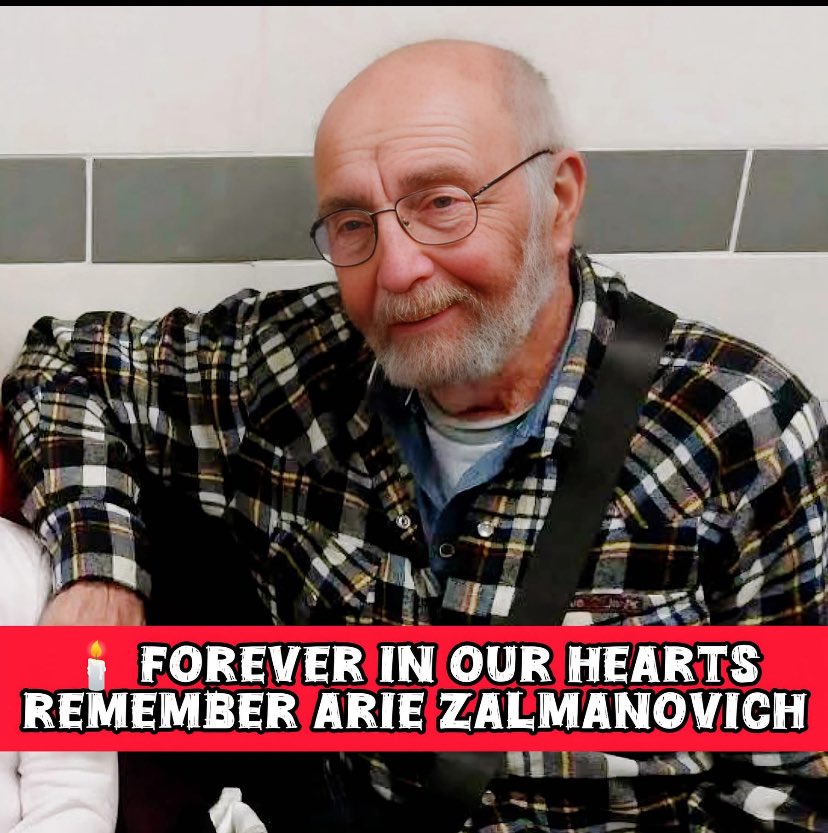
🕯️ Remember Arie (Zalman) Zalmanovich, 85.
A beloved father, grandfather, and friend whose life touched many. Though gone, his memory and the love he shared will never fade. 🎗️
5
40
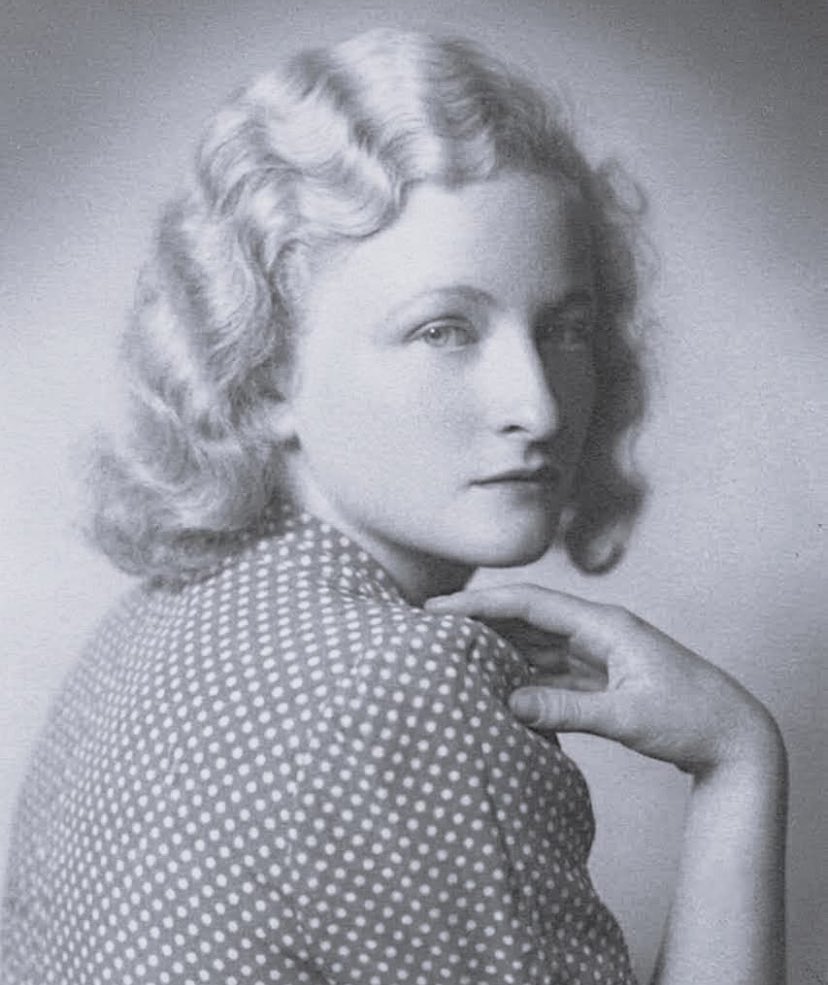
She was a 20-year-old girl who vanished in Auschwitz with her entire family during the Holocaust tragedy.
Hana Kürschnerová was born on 17 March 1924 in Prague, Czechoslovakia, into a Jewish family, daughter of Oskar Kürschner, a dentist, and Růžena Kürschnerová (née Bondyová). Her early life unfolded in a cultured Prague household, shaped by education, family stability, and the growing shadow of political unrest across Europe.
In 1943, Hana and her parents were deported to the Terezín Ghetto, a transit and confinement camp used by Nazi Germany to concentrate Jewish populations from across occupied territories. Life in Terezín was marked by overcrowding, hunger, forced labor, and uncertainty, yet also by attempts to preserve cultural and intellectual life under extreme conditions.
Despite the harsh realities of the ghetto, Oskar Kürschner’s profession as a dentist likely contributed to the family’s temporary survival there. Skilled professionals were sometimes retained longer in Terezín due to administrative and medical needs within the camp system.
On 23 October 1944, Hana and her parents were transported in one of the final deportations from Terezín to the Auschwitz-Birkenau complex, part of the larger machinery of the The Holocaust. Historical records indicate they most likely perished shortly after arrival, on 25 October 1944, like so many others from the same transport.
Hana was just 20 years old. Her story stands as a fragment of a much larger history of loss, reminding us that behind each name was a life interrupted—families, professions, and futures erased within a system of industrialized persecution.
57
🇱🇧🇮🇱 Eine Umfrage, die im April 2026 vom Statistics Lebanon durchgeführt wurde, ergab, dass 83 % der libanesischen Christen eine politische Vereinbarung oder Einigung mit Israel unterstützen – der höchste Unterstützungsgrad unter allen großen Gemeinschaften im Land. Dieselbe Umfrage fand eine Unterstützung von 67 % unter den Sunniten und 34 % unter den Schiiten.
17
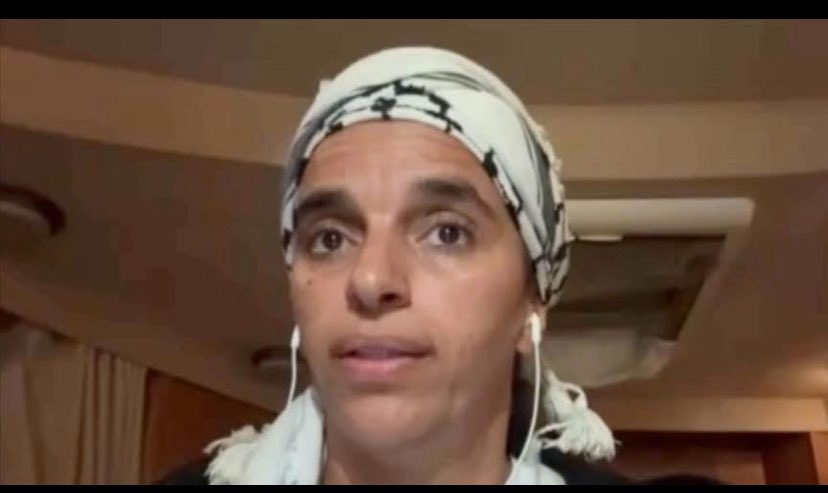
🧐Malika Baouya, eine 48-jährige dreifache Mutter aus Nizza und Aktivistin der Bewegung „White Coats for Gaza“, behauptet, auch sie sei von israelischen Soldaten wiederholt und auf empörendste Weise geschändet worden. Natürlich konnten diese einer solch überirdischen Schönheit nicht widerstehen.
Die französische Zeitung *Le Monde* beschreibt Madame Baouyas sexuelle Fantasien wie folgt: „Malika schläft kaum noch. Jedes Mal, wenn sie die Augen schließt, träumt sie von Soldaten ...“
Hier gibt es noch ein weiteres kurioses Detail. Bereits im Herbst 2025 hatte Malika Baouya geschildert, wie sie von israelischen Soldaten beinahe vergewaltigt worden wäre. Dennoch beschloss sie im Frühjahr 2026, das Ganze noch einmal zu erleben. Nur um ganz sicherzugehen ...
Auf die Frage, ob sie erneut nach Gaza segeln würde, antwortete Malika ohne Zögern: „Natürlich!“
🤣🤦♀️
1
1
6
57