
UTSA grad.student, English teacher, husband, dad...
Joined January 2020
- Tweets 137
- Following 129
- Followers 55
- Likes 142
51 Photos and videos










Aaron P retweeted

2 Mar 2024
I voted early last week. If you haven't voted yet, please be sure to do so!

"With approximately 750,000 current public school employees 500,000 public school retirees, educators could be the largest block of voters in our state if we would just show up and vote!" - TASA Exec Director @KBrownTASA. More: tasanet.org/educators-its-ti… #txed #Vote #GetOutTheVote
5
10
64
5,002
Aaron P retweeted

16 Jan 2024
Please enjoy our first spring newsletter! smore.com/1z6ac @swisd @castschools #wearecaststem #wearesw #gopublic #destinationsouthwest #theresnoplacelikecaststem
ALT CAST STEM Newsletter
1
1
107

Aaron P retweeted

12 Oct 2023
October is National Bullying Prevention Month and Dragons stomp out bullying.
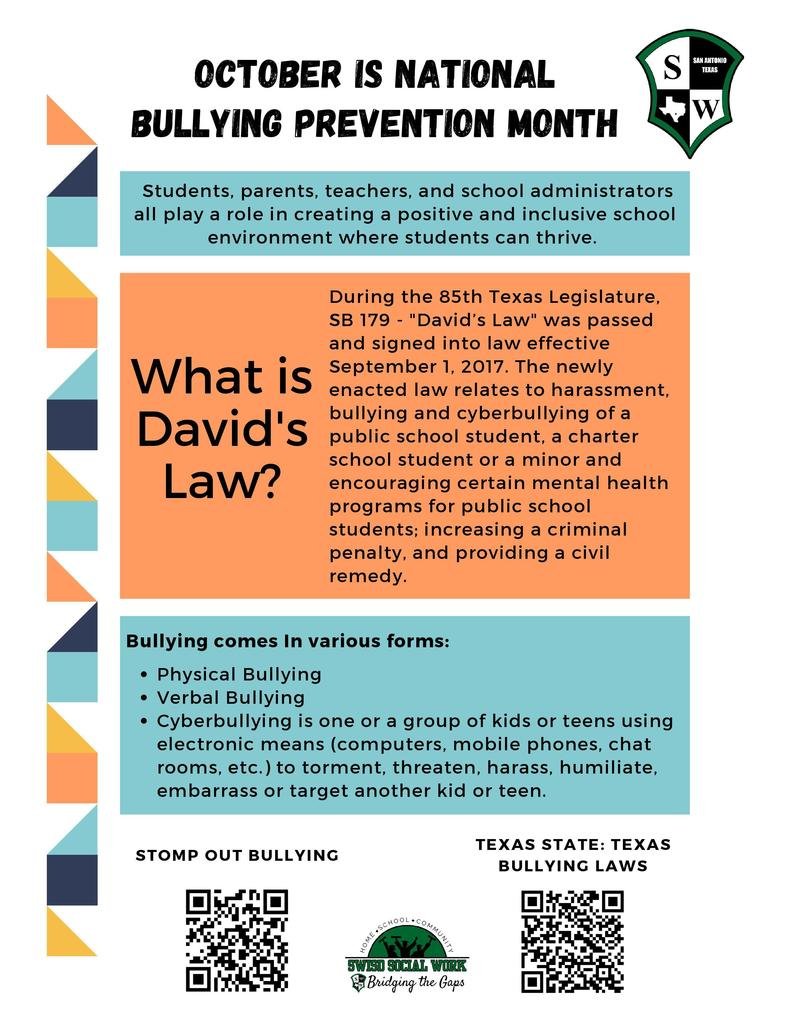
ALT national bullying month
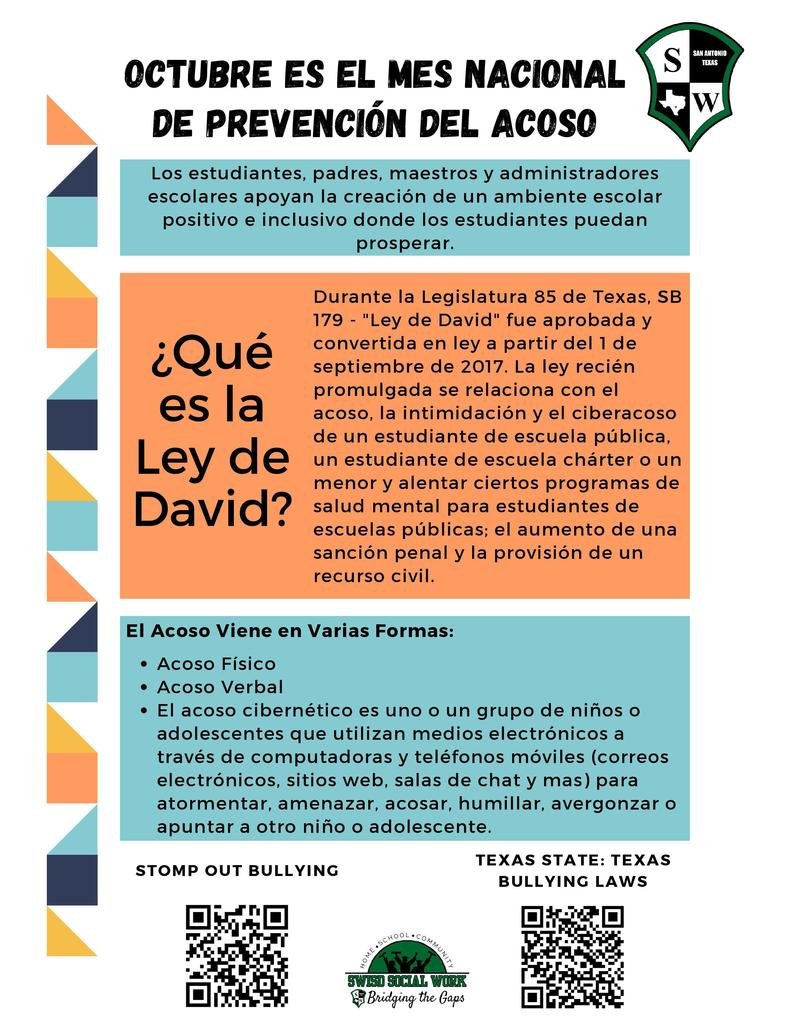
ALT national bullying month spanish
4
5
787
Aaron P retweeted

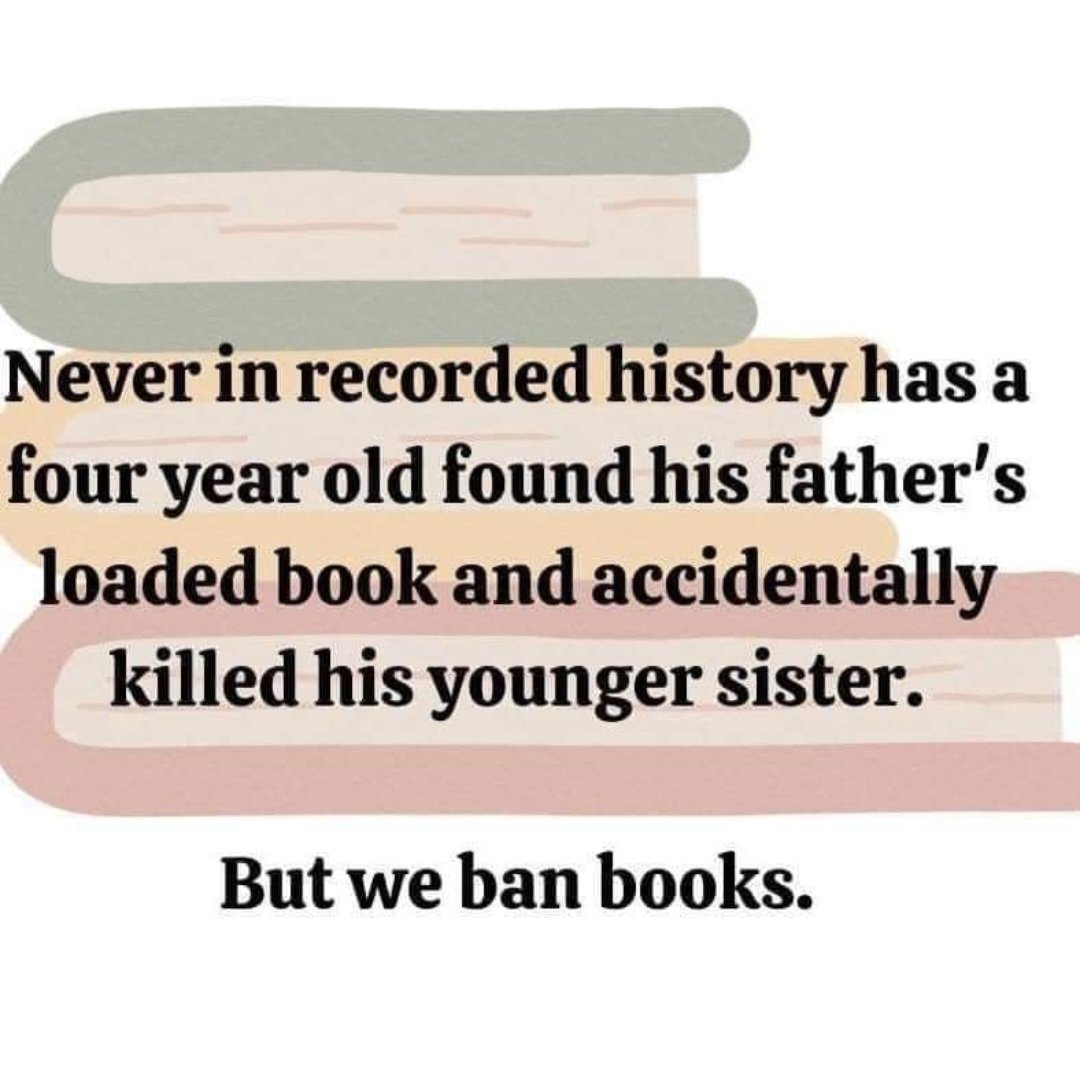
It’s the start of #BannedBooksWeek! NCTE has an Intellectual Freedom Center that includes position statements, book rationales, and a place to put you in touch with someone in our office if you are dealing with a censorship challenge in your school. ncte.org/resources/ncte-inte…
1
46
62
11,063
Aaron P retweeted

7 Sep 2023
My Administration is canceling all remaining oil and gas leases issued under the last administration in the Arctic Refuge and proposing to protect 13 million acres in the Western Arctic.
There's more to do, but we’re taking action to meet the moment for future generations.
19,591
6,866
50,642
9,147,862

6 Sep 2023
I don't think Seinfeld will be an easy sell in today's classroom, but I appreciate the idea.
29 Aug 2023

For one high school English teacher, the best way to get students comfortable with writing about their opinions is to take lessons from the master of griping: Jerry Seinfeld. on.wsj.com/3qHYNnz
47
Aaron P retweeted

16 Aug 2023
OLDBOY is now back at the Alamo and in stunning 4K. Get your tickets for Park Chan-Wook's powerful tale of revenge: drafthouse.com/show/oldboy-2…

1
1
393
If you want to improve reading fluency, teach students to write by hand. Research shows a correlation between the two.
edut.to/47tiZK7
3
113
267
54,591
12 Aug 2023
There's a considerable amount of heavy lifting at first, but that leads to stronger teachers.

Project Based Learning provides opportunities for students to become better decision-makers as they focus on “real” decisions that matter and can impact others. bit.ly/2TGYOT3
#PBLWorks #PBL #successskills #decisionmaking
41
3 Aug 2023
Some food for thought as we head into mid-August.
#UTSATeacherEd
edutopia.org/article/qualiti…
1
1
42
1 Aug 2023
AI is a massively recurring topic among professional development right now. Familiarize yourself.
#UTSATeacherEd
31 Jul 2023

100 Prompts for Teachers to Ask ChatGPT
alicekeeler.com/2023/03/09/1… #AI
72
26 Jul 2023
Teaching how to self advocate begins with building compassion.
#UTSATeacherEd

How do you get little kids to care about community service? Connect them with slightly bigger kids who are already making a difference! 💪
2
60
25 Jul 2023
I'm begrudgingly waiting for what's next.
Abbott: Hold my beer...
#UTSATeacherEd
DeSantis’s crusade to de-legitimize the horrors of slavery is white supremacy in government | Tayo Bero theguardian.com/commentisfre…
1
63
25 Jul 2023
Teachers need to be informed with the language to refute this nonsensical vitriol. Read Gloria Ladson-Billings now.
#UTSATeacherEd
40
22 Jul 2023
Serious business.

2
63
20 Jul 2023
Come join us!
19 Jul 2023

How about some icecream to curve that summer heat? Join us at CAST STEM to sign up, or get information and enjoy some refreshing ice cream during your visit! We can't wait to see you! @swisd @CASTschools #wearesw #igniteyoursuccess #gopublic #theresnoplacelikecaststem

1
91
20 Jul 2023
Trying to get my head around thinking of ways to problem solve my own involvement in schools.
#UTSATeacherEd
19 Jul 2023

#EducationalDesignersUnited 018, "A Case for #ProblemBasedLearning"
#DanWillingham blew my mind when he opened his book this way:
“Contrary to popular belief, the brain is not designed for thinking. It’s designed to save you from having to think, because the brain is not actually good at thinking. Thinking is slow and unreliable. Nevertheless, people enjoy mental work if it is successful. People like to solve problems, but not work on unsolvable problems.”
Whoa. Stop the show. That’s a paradigm shifting statement, is it not?
If that's true, should we be even remotely surprised that most kids don’t like classroom learning?
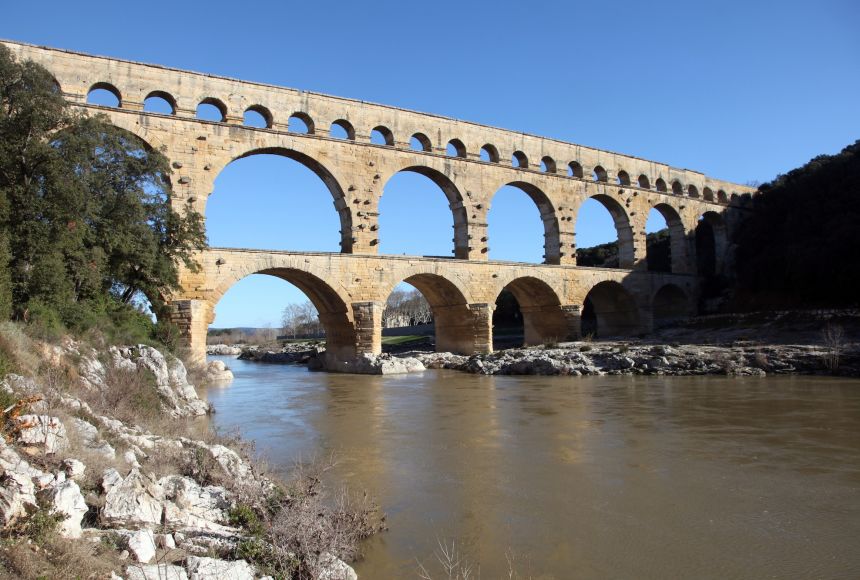
We’re problem solvers - that’s just what we’re built for. From aqueducts (how do we get fresh water here from hundreds of miles away?), to concrete (how do we keep the aqueduct from falling down?) to filtration systems (how do we make sure this water is drinkable?), we solve problems in every single realm of society.
I can go down a thousand different invention paths - humans have solved lots of problems!
So shouldn’t we do everything we can to help our students become better problem solvers?
#CallToAction: Friends - help us out here. Use the comments section and link to the best resources on #PBL that you know about. Articles, videos, books, conferences, whatever. Let’s figure this out for our students. Let’s try and turn more “learning” into “problem solving” if we can. It’s a tough hill to climb, I know. Finding just the right problems takes time and effort, I know. But isn’t it worth the effort?
Getting kids to be better problem solvers should be the problem WE want to solve, as #EducationalDesignersUnited!
We're a tribe, here to share and learn from each other.
Join in and #PayItForward - we are #EducationalDesignersUnited!
Michael
---------------------
Resources
Willingham, D. T. (2021). Why don't students like school?: A cognitive scientist answers questions about how the mind works and what it means for the classroom. John Wiley & Sons.
Duch, B. J., Groh, S. E., & Allen, D. E. (2001). The power of problem-based learning: a practical" how to" for teaching undergraduate courses in any discipline. Stylus Publishing, LLC.
@edutopia - “Solving Real-World Issues Through Problem-Based Learning”: edutopia.org/video/solving-r…
@openculture - “How Did Roman Aqueducts Work?: The Most Impressive Achievement of Ancient Rome’s Infrastructure, Explained: openculture.com/2022/04/how-…
71