
Husband, dad, cyclist, software engineer, drummer, student of YouTube, watcher of documentaries, intender of puns.
Joined February 2009
- Tweets 3,462
- Following 607
- Followers 533
- Likes 2,982
363 Photos and videos











May 8
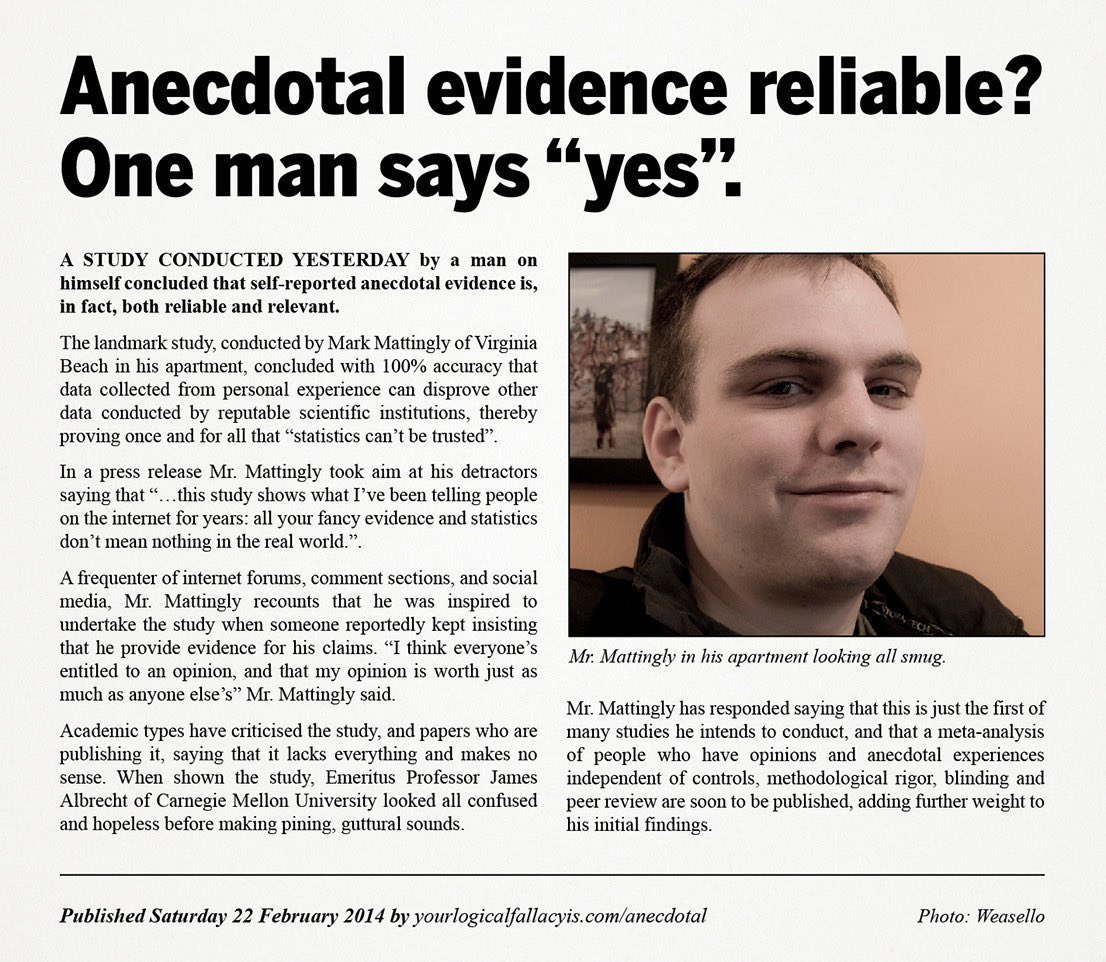
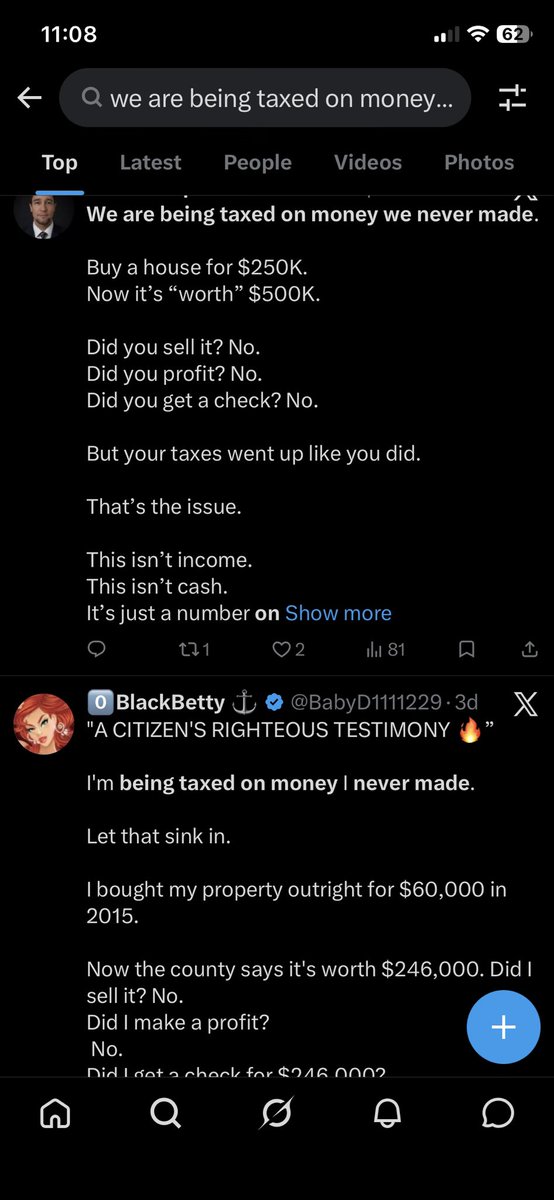
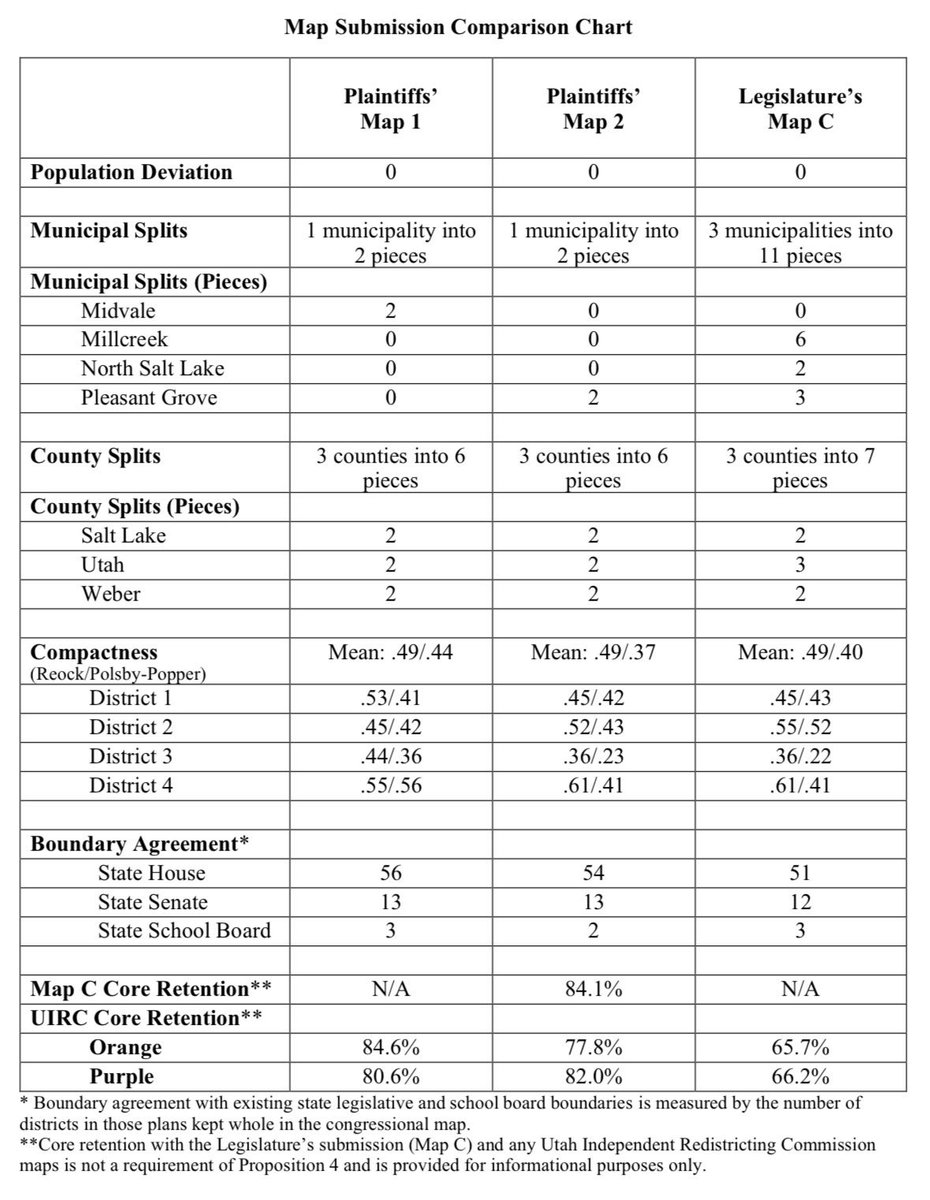
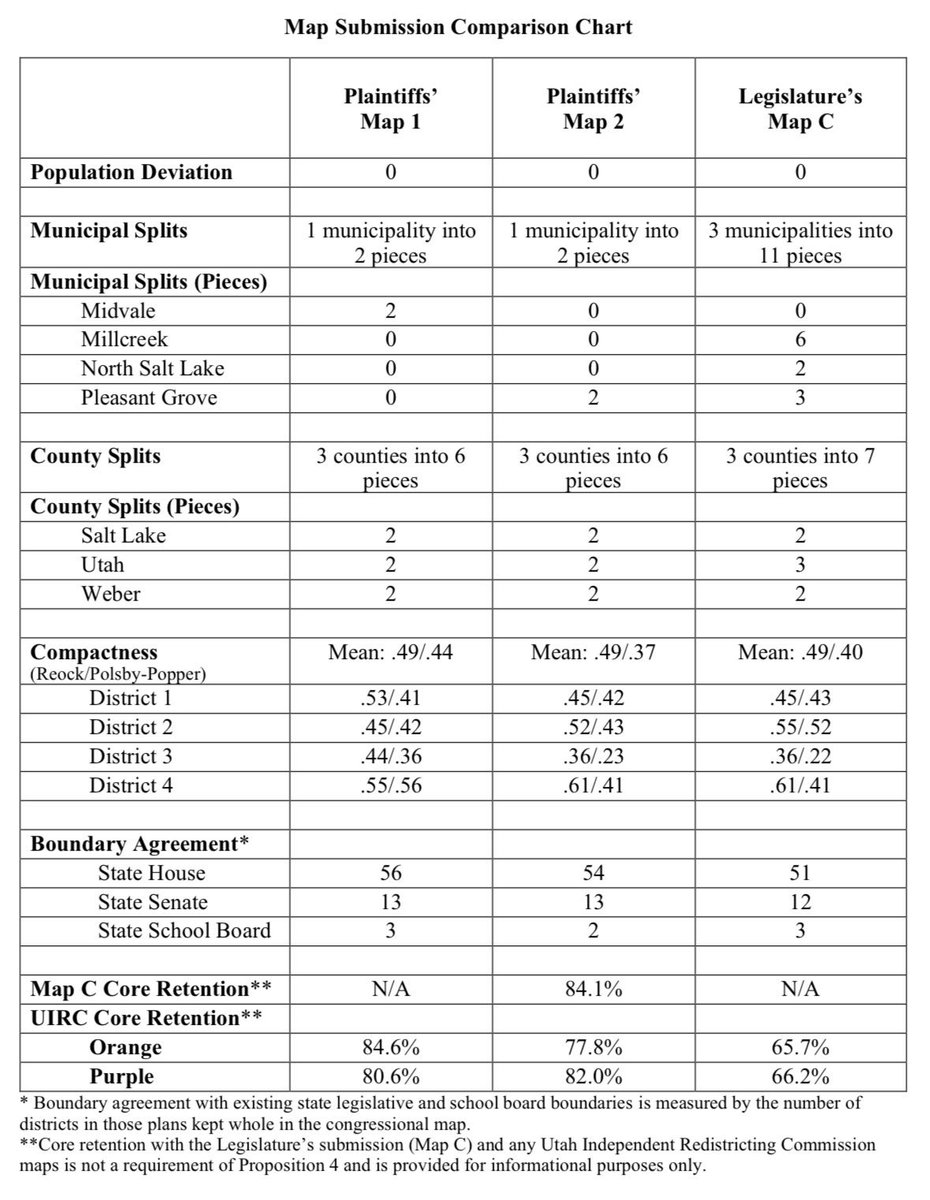
Strong points to consider.

48
May 7
In an effort to appease the citizens of Utah, Stratos released new renderings of the data center to be built in Box Elder County.
1
1
74
Aaron Hardy retweeted

Apr 17
OMG TIL: When you use new Promise(resolve => ...), after you call resolve(foo), as you know, resolve is a no-op. Further calls do nothing. You'd think, therefore, also, that holding a reference to resolve long-term doesn't really hold onto anything, because it's a no-op function, why would it be holding onto anything?
Well it turns out, in fact, it holds a reference to the `Promise`, which in turn holds the resolved value, `foo`. So the value `foo` leaks if you never discard `resolve`.
This could obviously be fixed by having resolve null itself out after the first call. But the spec is extremely prescriptive of the exact algorithm here, and it doesn't explicitly say to null out the resolver after it is used, so none of the implementations do it.
And so, if you hold onto a resolve function after calling it, you are leaking memory.
Fun additional fact: Say you do `Promise.race([foo, bar])`. Say that you do this many times, with many different promises for `foo` that resolve promptly, but `bar` never resolves. Maybe `bar` is some sort of global shutdown signal.
Well, in this case, every single resolution of the `foo` promise gets attached to the persistent `bar` promise. They all leak, until `bar` finally resolves.
WTF!?!
18
13
355
34,622
Mar 7
Trying to get AI to fix its slop code.

115
Jan 10
I want to make a clear statement to my international friends that I do not support what our president is trying to do here. It’s gross and the people that support it should be ashamed.
Jan 9

President of the United States, Donald Trump: STOP your psychological warfare against the people of Greenland 🇬🇱
#StandWithGreenland 🇬🇱
3
288
19 Dec 2025
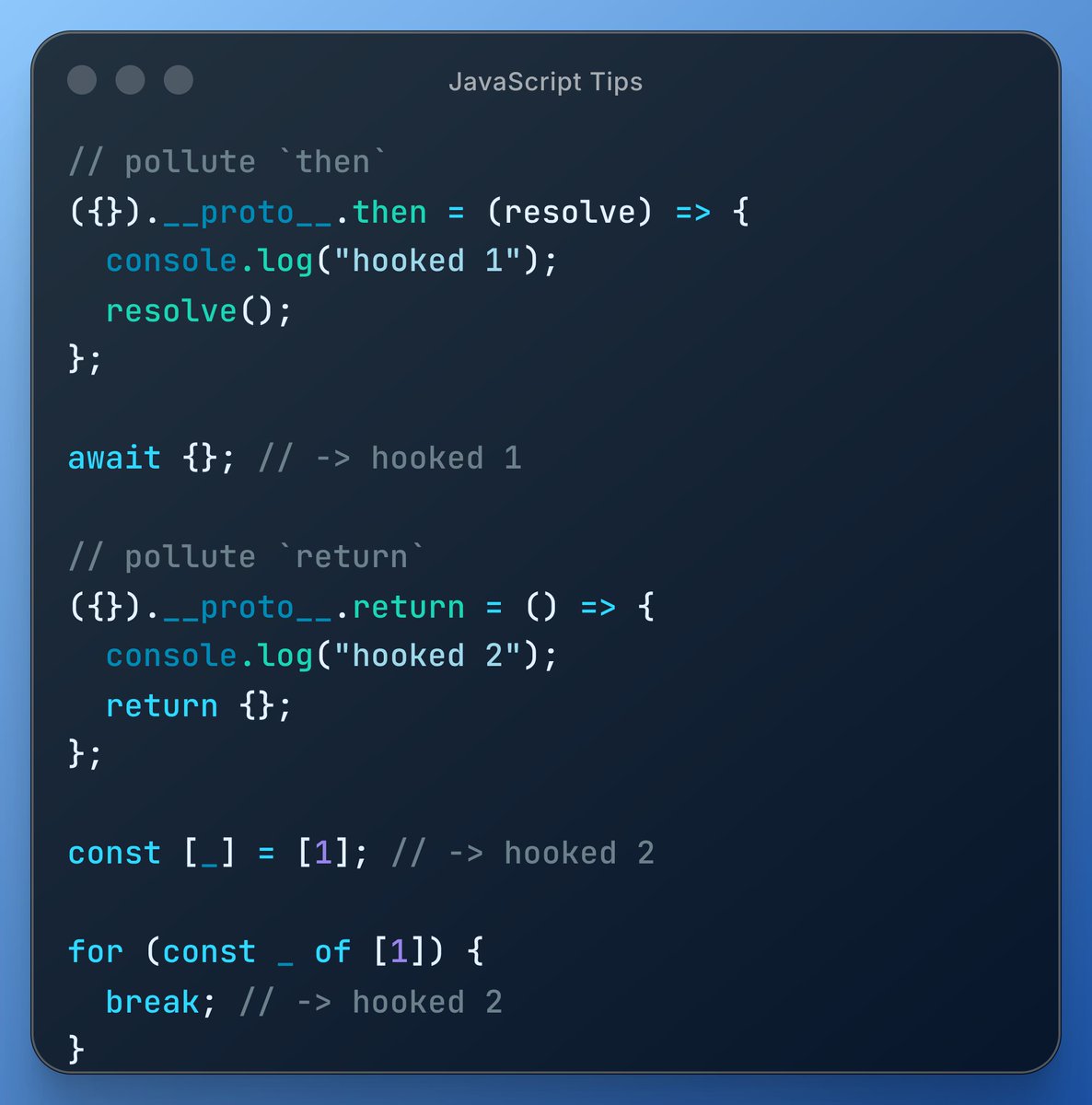
Okay, this is a new one for me. Wtf.

Not only can you pollute `then`, but you can also pollute `return`!
Both behaviors are specified in the ECMAScript spec.
1
166
Aaron Hardy retweeted

8 Dec 2025
What it's like to watch AI fix a bug
431
2,518
20,735
883,769
25 Sep 2025
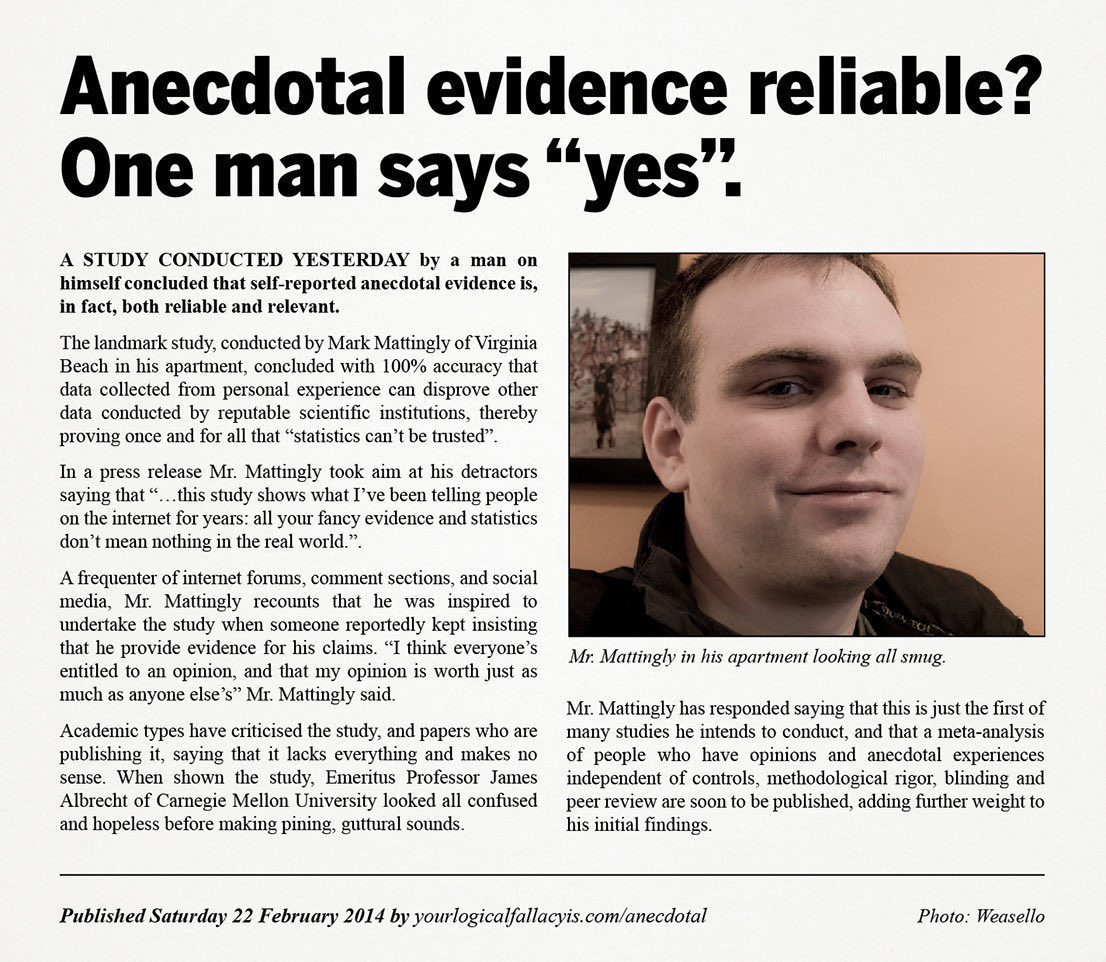
This resonates. You reap what you measure.
22 Sep 2025

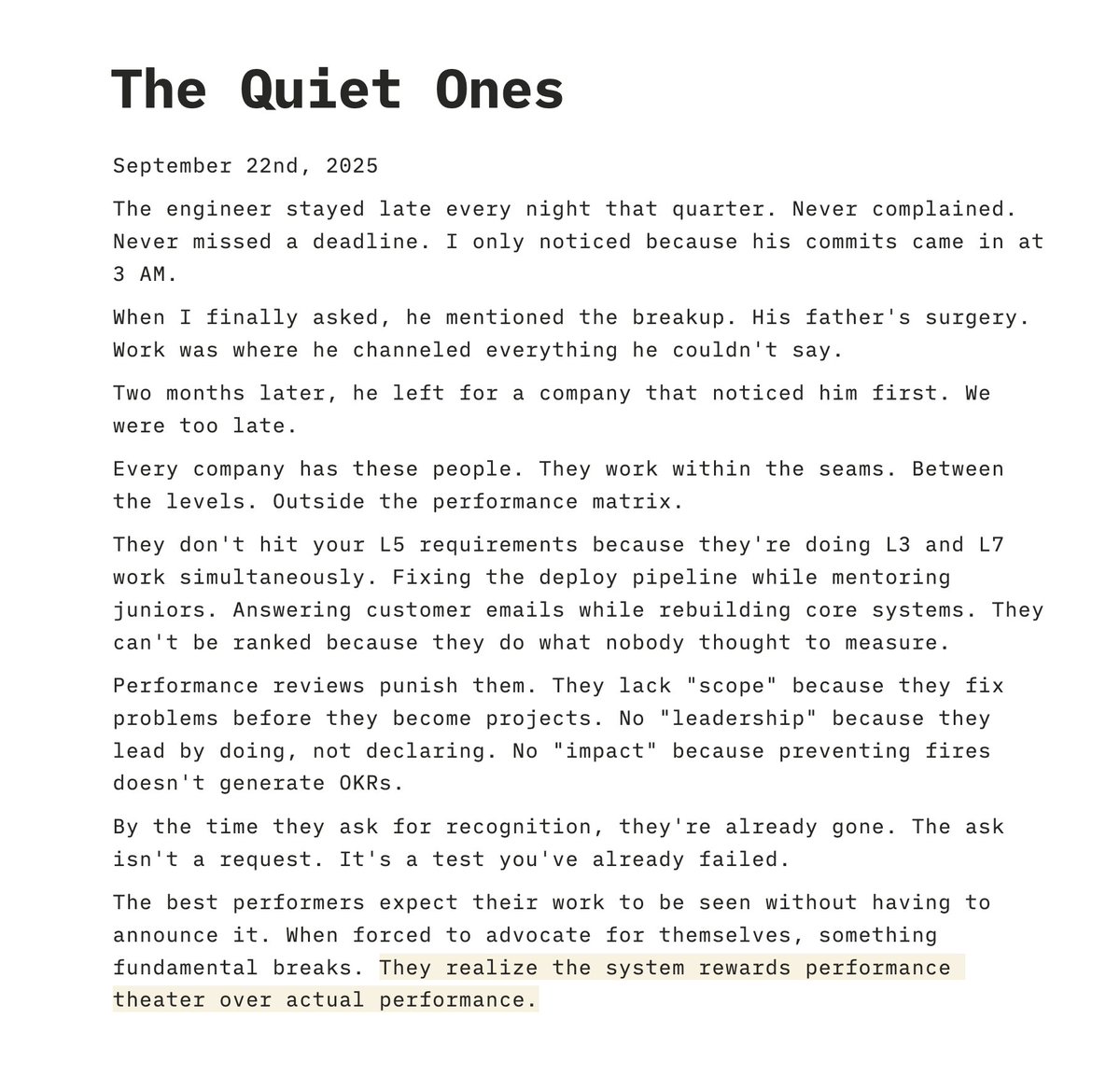
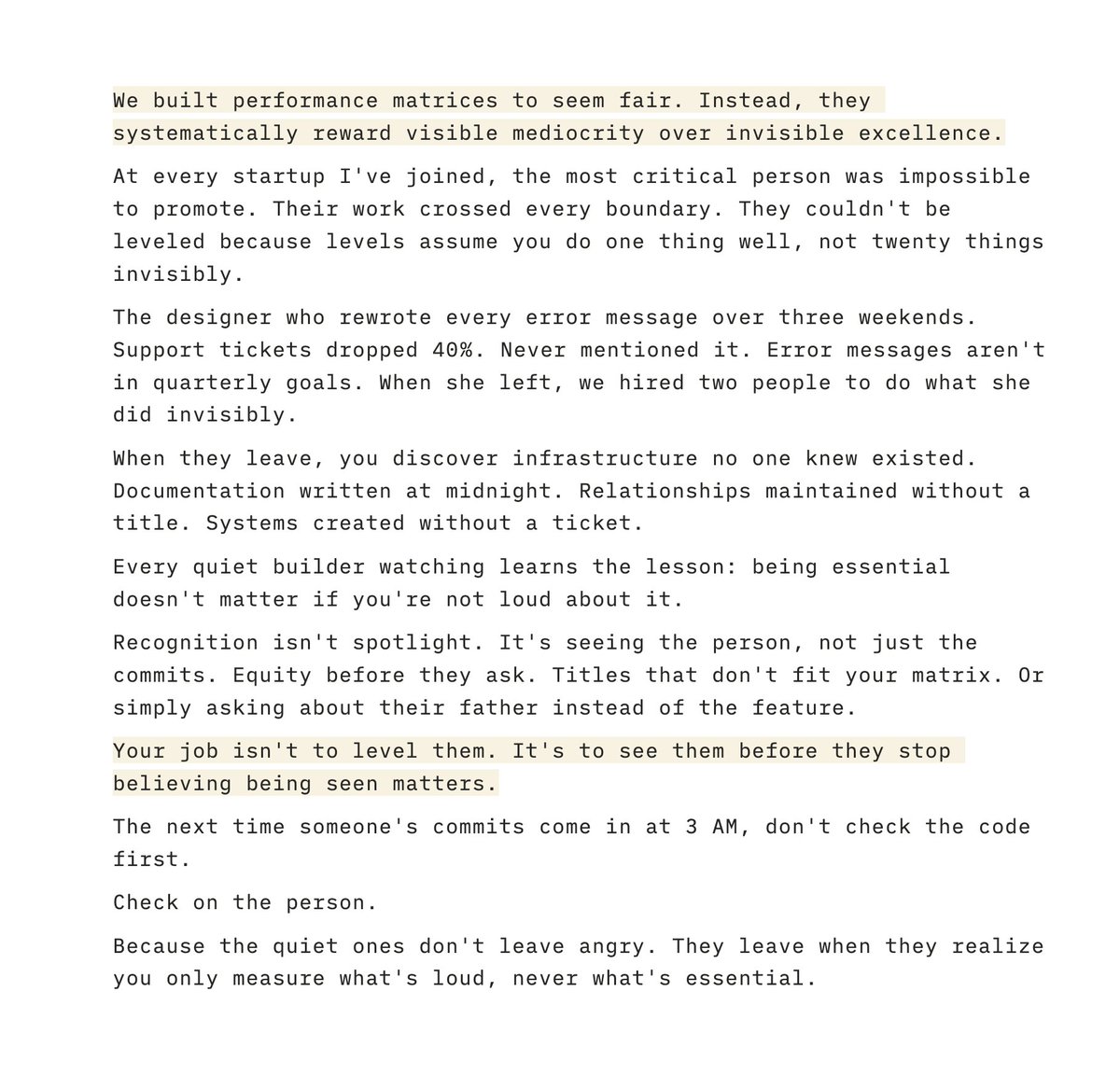
In today's 996 chest-thumping culture, don't forget about the quiet ones keeping your company together..
1
1
231
1 Sep 2025
Are we there yet? I feel like we’re close.
17 Jul 2021

I yearn for someone to monitor all my work emails, calls, and Slack conversations and then writes documentation or files a bug for every question that gets asked about the product. I try to do this myself, but the struggle is real.
1
1
165
9 Apr 2025
Question: A SaaS company has a name for which the .com domain is unavailable. What would be your next choice of domain name?
100%
companyname.io
0%
joincompanyname.com
2 votes • Final results
1
1
116
18 Feb 2025
The pre-release of Penpal v7 is here! Among many new features, it adds support for workers. If you use Penpal, please take it for a spin and let me know how it goes.
Announcement:
github.com/Aaronius/penpal/d…
Documentation:
github.com/Aaronius/penpal/b…
#penpal #javascript
2
181
13 Feb 2025
Transparency is when we discover which companies actually mean anything they’re saying.
13 Feb 2025

OpenAI scrubs diversity commitment web page from its site tcrn.ch/4gEAI50
1
1
211
12 Dec 2024
Are any of you using window.open() on new projects? If so, why are you needing to open a new window and why is <a target="_blank"> insufficient? I'm trying to figure out if I should add support in github.com/Aaronius/penpal. Thanks. #javascript #webdevelopment
111