
If socialism is the answer, why are millions immigrating from socialist countries to the US, but few if any Americans are migrating to socialist countries
Joined January 2010
- Tweets 51,930
- Following 630
- Followers 2,072
- Likes 764,550
992 Photos and videos















Pinned Tweet

Jun 11
COHSF uses gift cards as an enticement to get people to show up to their protest. I wonder where the funding for these gift cards came from, could it be SF Gov? 🤬
Jun 11

There was a protest in front of City Hall about funding in the Tenderloin that I posted on my Instagram. Later, a person sent me a video that those protesters were paid in gift cards. Check out the videos.
82
Abby Normal 🥀 retweeted

“When Ms. Williamson was indicted last year, her attorney said that federal agents first approached her during the Biden administration. She was working for Mr. Newsom at the time, and the agents asked her if she would cooperate in an investigation of the governor.”nytimes.com/2026/06/15/us/ne… via @NYTimes
2
48
131
8,386
Abby Normal 🥀 retweeted

As I have reported several times and now acknowledged by the Governor of California...Gavin and his wife are under federal investigation... what he failed to tell you... This began during the Biden Admin. Kind of a big detail.
534
10,046
44,050
1,720,352
Abby Normal 🥀 retweeted

Jun 14
Agreed
Jun 14

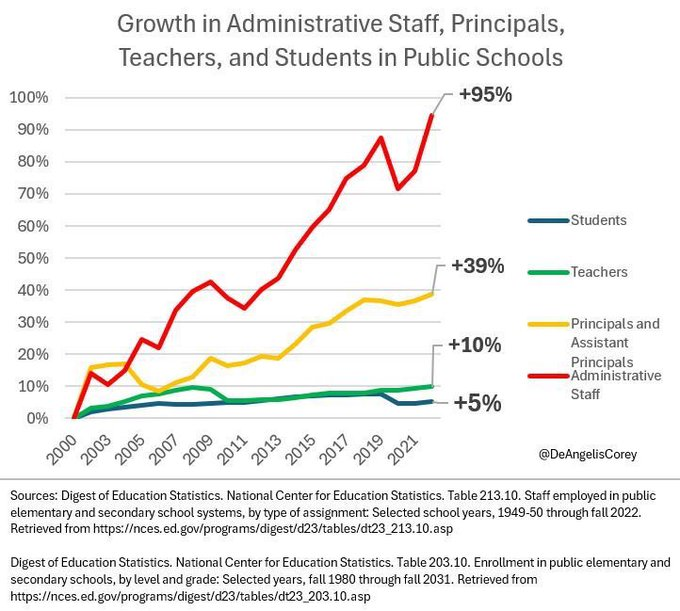
Maybe we don't have a public school funding problem ...
Maybe we have too many administrative staff?
Clearly adding more admin staff hasn't improved the numbers, so maybe go back to the 1960s ratio.
140
795
3,623
84,482
Abby Normal 🥀 retweeted

Jun 14
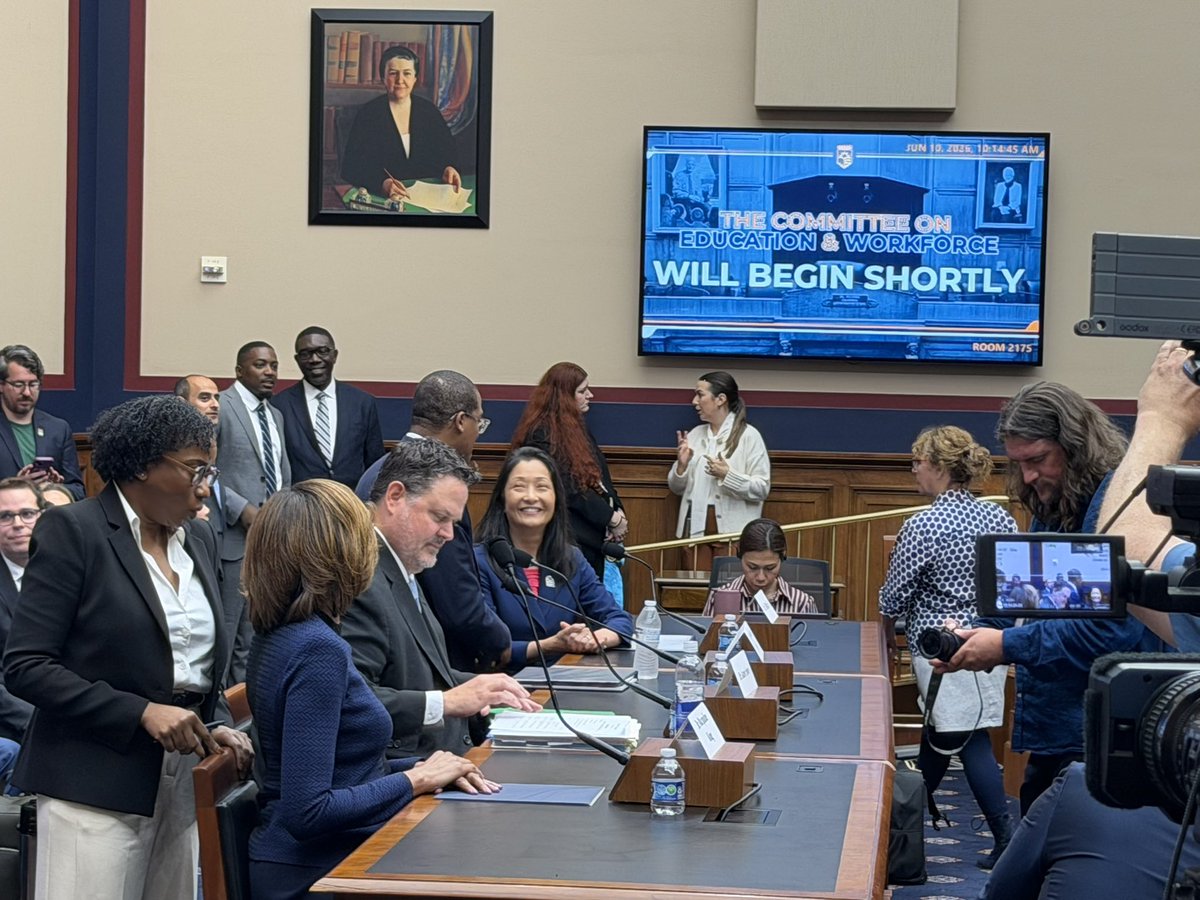
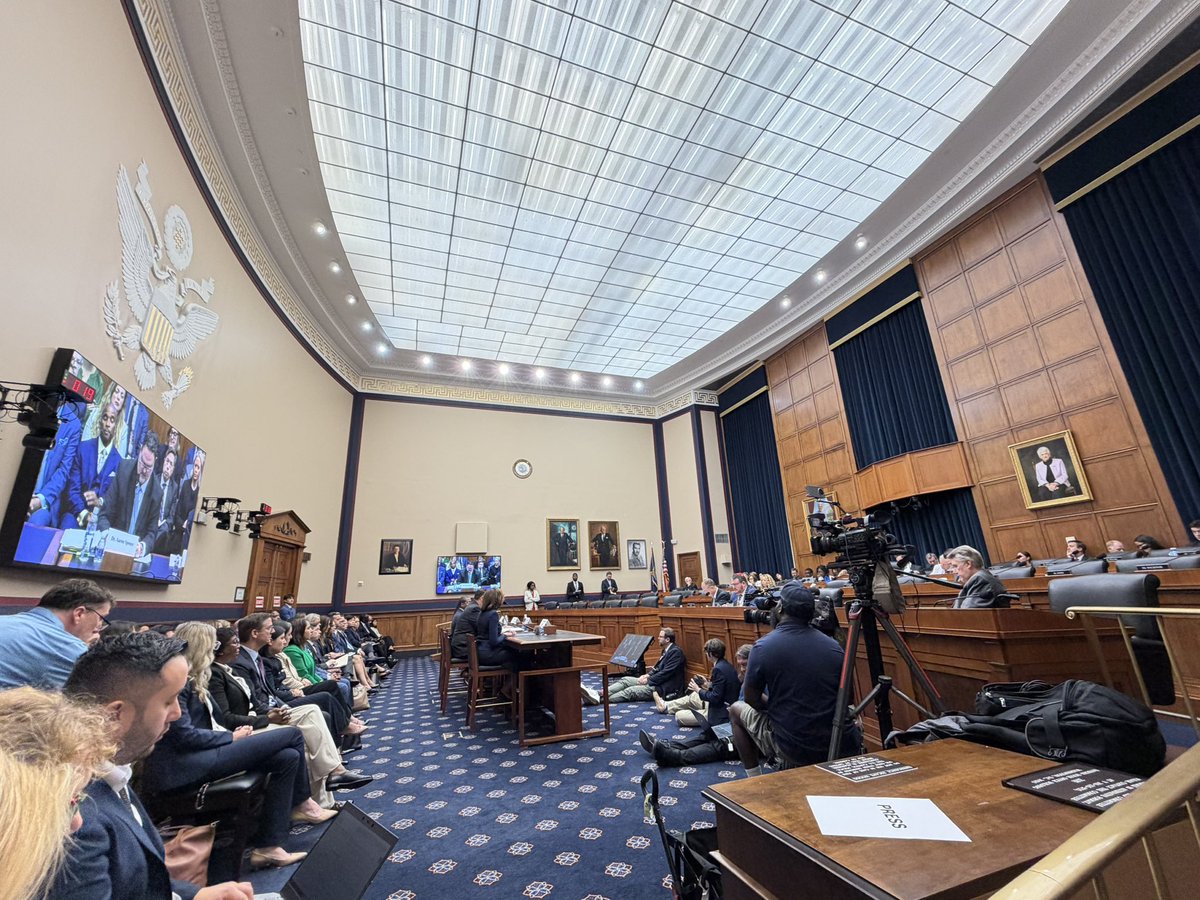
“Why does SF Unified appear consumed with far-left ideology rather than giving kids the tools they need to succeed in college, jobs and civic life?” - bc it’s led by teacher’s union which actually doesn’t represent teachers nor students
“Why are just 53% of the district’s students proficient in language arts and why do even fewer –– 46% –– show proficiency in math, per data from October?” - bc merit and competence is racist & even after boe recall, policy failures continue


2
22
82
2,769
Abby Normal 🥀 retweeted

Jun 14
If Connie Chan wins Pelosi's House seat, Mayor Daniel Lurie gets to appoint her replacement on the Board of Supervisors, shifting it in a more moderate direction.
A more moderate BOS, or one more meaningless vote in Congress? What's in San Francisco's best interest? 🤔

State Sen. Scott Wiener has long been the front-runner to fill Nancy Pelosi’s seat in Congress. But voter data from the primary shows Connie Chan has a shot.
📝: @FitzTheReporter sfstandard.com/2026/06/12/mo…
25
4
109
33,629
Abby Normal 🥀 retweeted

Jun 13
The 49ers mourn the passing of former LB Aldon Smith.
📰 49rs.co/4a0Qjv8


491
2,266
11,796
2,067,586
Abby Normal 🥀 retweeted

Jun 13
The Great Highway Compromise (open for all on weekdays and closure on weekends) needs your help now more than ever.
As we look ahead to the citizens initiative to measure, the deadline is early July, we need all hands on deck.
The next few weeks will be critical, and your help can make a real impact.
Can we count on you to join us?
📍 Saturday, June 13: 26th Ave & Vicente, 11:00 AM- 4:00 PM.
📍 Sunday, June 14: 30th Ave & Geary, 12:00 PM - 5:00 PM
I will be helping on both days.
If you can't volunteer, please share our signature locations with neighbors, friends, and family living in San Francisco. We appreciate your help 🙏
Let's keep the momentum going and finish strong!
3
6
27
1,176
Abby Normal 🥀 retweeted

Jun 13
I spoke with someone who contributed to another report, separate from the academic senate report, that advised Napolitano in her SAT decision-making. What he said, paraphrasing:
“Jelani, what if the admissions objective is not to admit the students who will perform the best academically, but to admit the students who would benefit the most from a Berkeley degree, say as measured by increase in lifetime earnings.”
Of course, if you start producing graduates that are substantially weaker, high-paying employers will notice and cut back on hiring your graduates. Their counter is some idealized/wishful thinking that the university experience is so transformational that it can turn any student into a diamond coming out, even if they didn’t know how to add fractions coming in.
Link to the second report: ucop.edu/institutional-resea…
39
53
478
37,651
Abby Normal 🥀 retweeted

Catherine Lew is Barbara Lee’s puppet master.
For decades, Lew and her firm The Lew Edwards Group have quietly engineered nearly $50 BILLION in new taxes across California, using a two-phase scam: First, they get cities to pay them with taxpayer money to run “educational” campaigns that scare residents into believing their fire stations, libraries, and schools will collapse without new taxes. Then they seamlessly transition into running the union-funded “Yes” campaigns that actually pass the measures.
Her firm’s own strategy memos openly advise threatening to close fire stations and slash library hours if voters don’t approve the tax. And when one of her clients got caught sending ILLEGAL campaign mailers with public funds, the state hit them with an FPPC violation that directly named Lew’s firm.
Lew has trained the very politicians who later hire her, creating a closed-loop machine that keeps extracting more money from working people while she pulls the strings behind the scenes.
Barbara Lee has been part of that machine for years.
This is the corrupt system running Oakland.

5
41
100
4,700
Abby Normal 🥀 retweeted

Jun 13
Learning more about the person involved in this morning’s incident at Trader Joe’s. According to employees, the suspect previously worked at the store for about six months and was known to staff. Workers say he entered before opening through an unlocked sliding door, went to the wine aisle, and took a bottle while employees yelled for him to leave. Coincidentally, officers were already in the parking lot investigating a vehicle fire when the theft occurred. Police attempted to stop the suspect, leading to the incident that followed. Information is preliminary and subject to change as more details become available.
2
6
27
3,754
Abby Normal 🥀 retweeted

Jun 13
Berkeley math professor:
“Today, the more successful a public high school is at preparing its students, the lower its graduates' chances of getting into top UC campuses like Berkeley and San Diego.”
Berkeley admitted 45% of applicants from a high school where nearly 94% of “students failed to meet the state standards in mathematics.”
It admitted less than 14% of applicants from a school where “nearly 100 percent of its students in AP Calculus BC pass the national exam with a perfect score of 5.”
Jun 12

California universities dropped the SAT to help low-income and minority students. The policy is doing the opposite, writes Svetlana Jitomirskaya, a professor of mathematics at UC Berkeley. thefp.com/p/bring-back-the-s…
222
1,114
7,682
1,156,241
Abby Normal 🥀 retweeted
Jun 13
Joel Engardio is at tonight's Sunset Night Market. He told Great Highway Compromise volunteers, aka my D4 neighbors, that they don't belong there.
Joel Engardio told them to leave the Sunset Night Market.
And yes, his buddy Scott Wiener is also at the Sunset Night Market.

24
14
57
3,380
Abby Normal 🥀 retweeted

Jun 13
City Hall steps are the new panhandling site.
Jun 12

🎥June 12 2026 9:20am Location
San Francisco City Hall
SF PreTrial organized this morning to protest Mr Lurie cutting funding to there program and increasing Adult Probation Funding
1
2
9
341
Abby Normal 🥀 retweeted
Michael Moritz, who is the sole funder of @sfstandard and donated millions to @DanielLurie pet projects, has petitioners in the Tenderloin handing out money for signatures — even if it’s not your own.
Is @FitzTheReporter going to cover this?
13
62
152
4,590
Abby Normal 🥀 retweeted
Jun 12
Columbia University has reinstated standardized testing for admissions — the last Ivy League school to do it.
“Through a multi-year faculty review, it was determined that test scores, among other factors, were a useful indicator of potential student success.”

57
131
687
239,393
Abby Normal 🥀 retweeted

Jun 12
Update: judge released him from jail
Jun 5

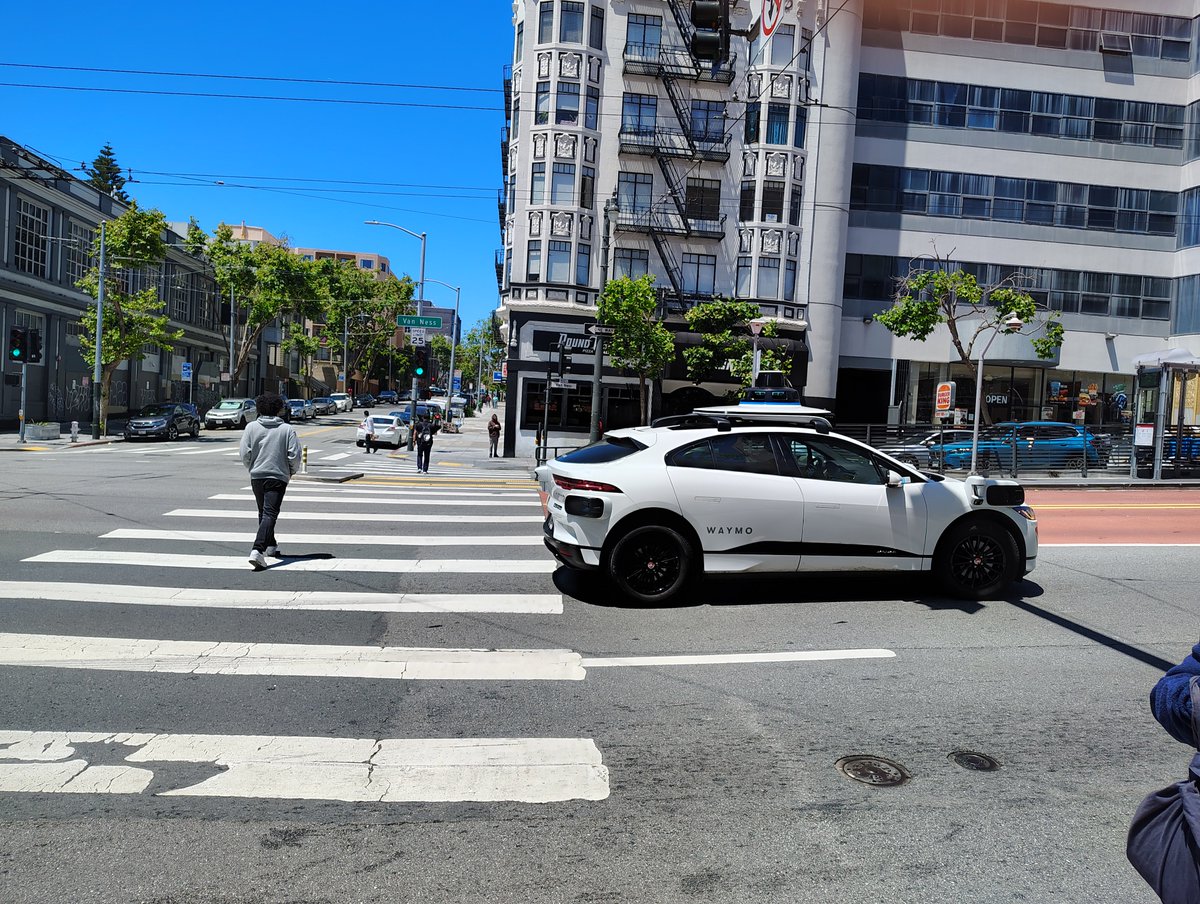
PSA: Do not open your windows in Waymos.
I was assaulted and robbed in a Waymo in the Mission District.
I was punched three times in the face and head. Waymo treats criminals as pedestrians and stops moving, leaving you vulnerable.
They gave me 5 free rides tho
57
203
5,865
204,130
Abby Normal 🥀 retweeted

Jun 12
California's lost at least $3-4 billion in tax revenue so far from Elon's and SpaceX' move to Texas. But this is a loss that will compound over time. SpaceX is part of the massive Musk ecosystem, which includes vendors, suppliers and contractors, and the total economic activity is enormous and growing. Having driven out the most dynamic companies on earth, California is now aiming at the AI industry and its VC ecosystem.
Most of the $3-4 billion lost is a loss of Musk's personal income tax. The largest piece is capital gains on his 2021–2022 Tesla sales (~$20–25 billion in gains that followed his residence to Texas, worth ~$2.7–3.4B at California's 13.3% rate). Notably, his move did not save him most of the tax on the famous $23 billion option exercise — California sources option income by workdays over the grant-to-exercise period, so ~85–90% of that spread was California-taxable anyway. And the corporate franchise tax loss is approximately zero: under single-sales-factor apportionment, headquarters location is irrelevant — California taxes sales to California customers wherever the company sits, and the company is running operating losses besides.
The IPO was a primary issuance (proceeds go to the company), Musk is locked up for a year, and employees face customary lockups, so the IPO itself realized almost no taxable gains for anyone. The real future leakage is Texas-resident employees and early holders selling low-basis stock post-lockup — plausibly $0.5–1.5 billion in California tax that will never materialize. cost California real money, but it's measured in single-digit billions, concentrated in one taxpayer's 2021–2022 transactions.
Jun 12

Elon just created 4,400 millionaires in a single day.
400 of them are now worth over $100 million.
These aren't VCs. They're SpaceX employees, and the list includes welders, technicians, and cafeteria staff, because for two decades the company paid every level of the workforce in stock instead of higher salaries.
Juan Hernandez immigrated from Mexico and took a $28 an hour contractor welding job in 2015. He says he didn't even know what SpaceX was. The company gave him a $10,000 equity grant and let him buy more shares through payroll deductions. That stake is now worth $880,000.
Trevor Hise's parents wanted him to take a stable job at General Electric. He picked SpaceX instead, stayed 12 years, and accumulated over 100,000 shares. At the $135 listing price that's $13.5 million. He's 37 and semiretired. His words: "The magnitude of this has been ridiculous."
The most telling detail came before the listing. Over 100 employees quietly banded together and negotiated a group wealth management deal covering up to $5 billion, because none of them had ever needed a wealth manager before.
Software IPOs have minted millionaires for 30 years. This is the first one where the money went to the factory floor.
3
6
408
Abby Normal 🥀 retweeted

As an immigrant, I welcome legal immigration that strengthens families, fills economic needs, and embraces the values of the country people choose to call home. Europe is finally learning that diversity alone is not an immigration policy.
Integration matters. If you reject the rule of law, equal rights, or the dignity of women, you’re not integrating. It’s really that simple: if you can’t integrate, you shouldn’t immigrate.
Jun 12

After pushing immigration as an economic cure-all, the West is now questioning its benefits. Switzerland is at the vanguard. on.wsj.com/4445Ab3
1
1
4
96
Abby Normal 🥀 retweeted

Jun 12
Morning question:
Did the left spend a decade calling everyone and everything they don’t like Hitler and Nazi’s to desensitize everyone to those words so they could eventually became the fascist they always dreamed of being?
49
36
286
3,895