
We are a Planetarium on the Michigan State University Campus, offering engaging and educational astronomy shows for all ages!
- Tweets 513
- Following 54
- Followers 599
- Likes 3









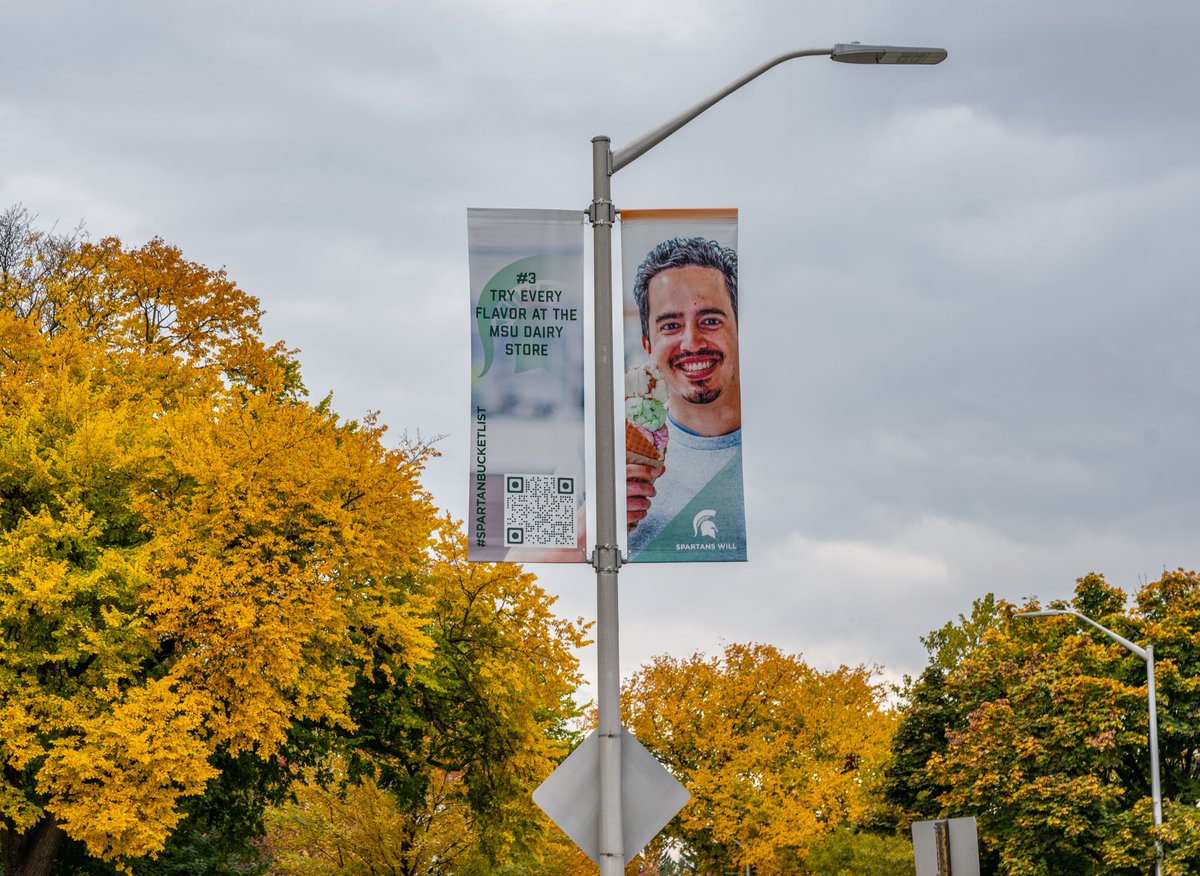
ALT Lamp post banner with a Spartan holding an ice cream cone that says "Try every flavor at the Dairy Store"
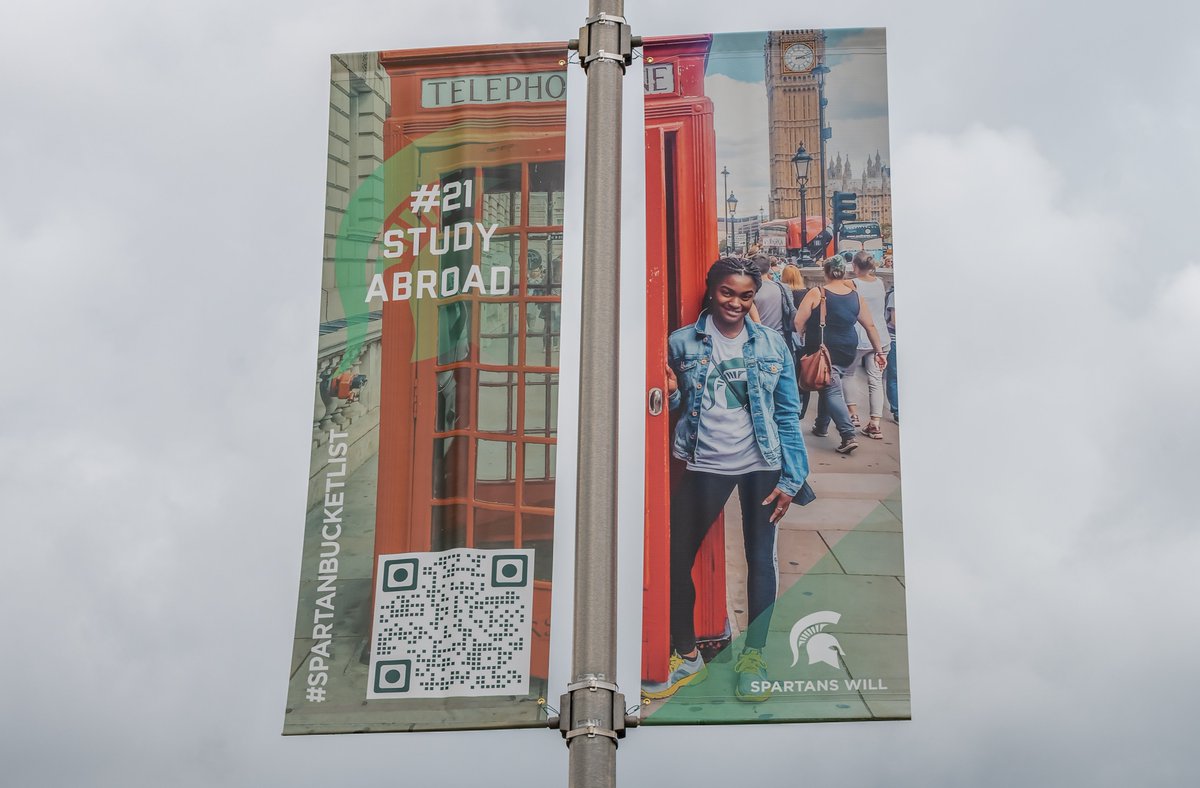
ALT Lamp poster banner with a Spartan in London standing next to a red phone booth and the banner says "Study abroad"
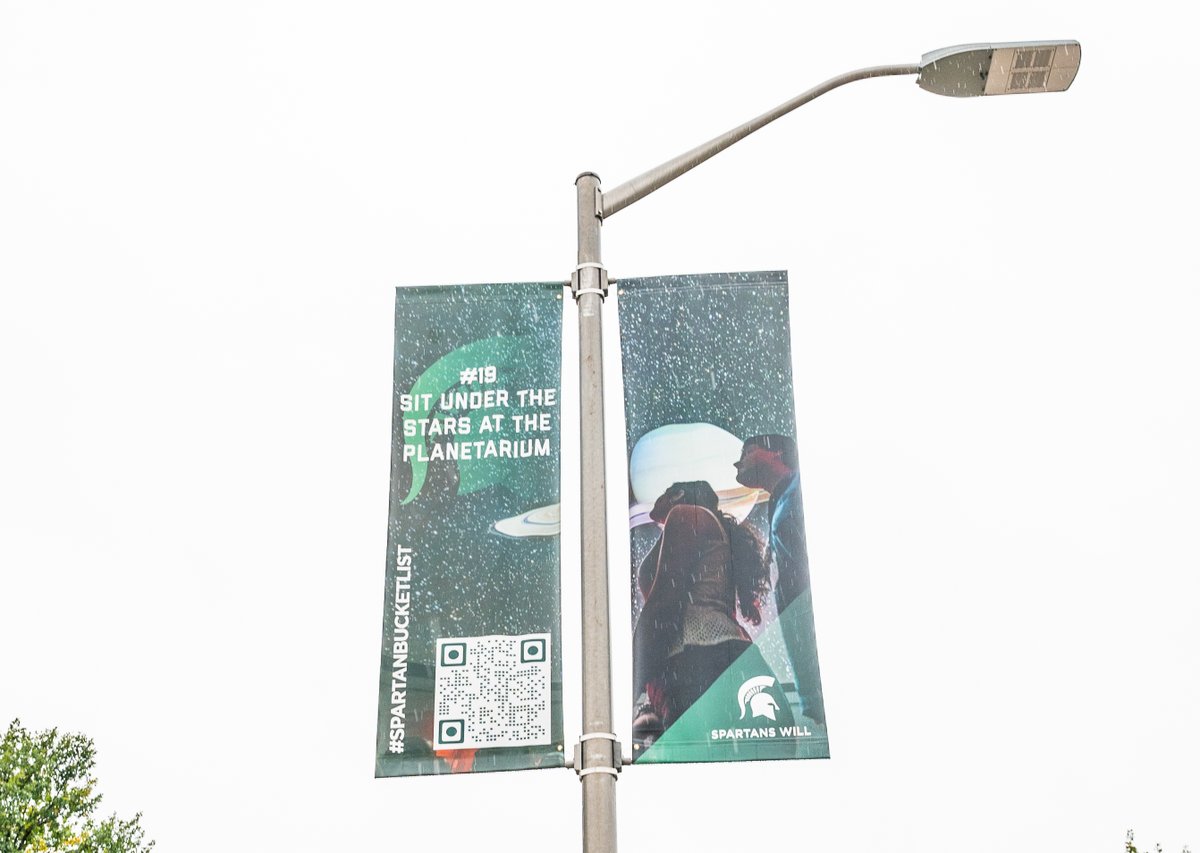
ALT Lamp post banner that has a photo of the Planetarium on it and says "Sit under the stars at the Planetarium"
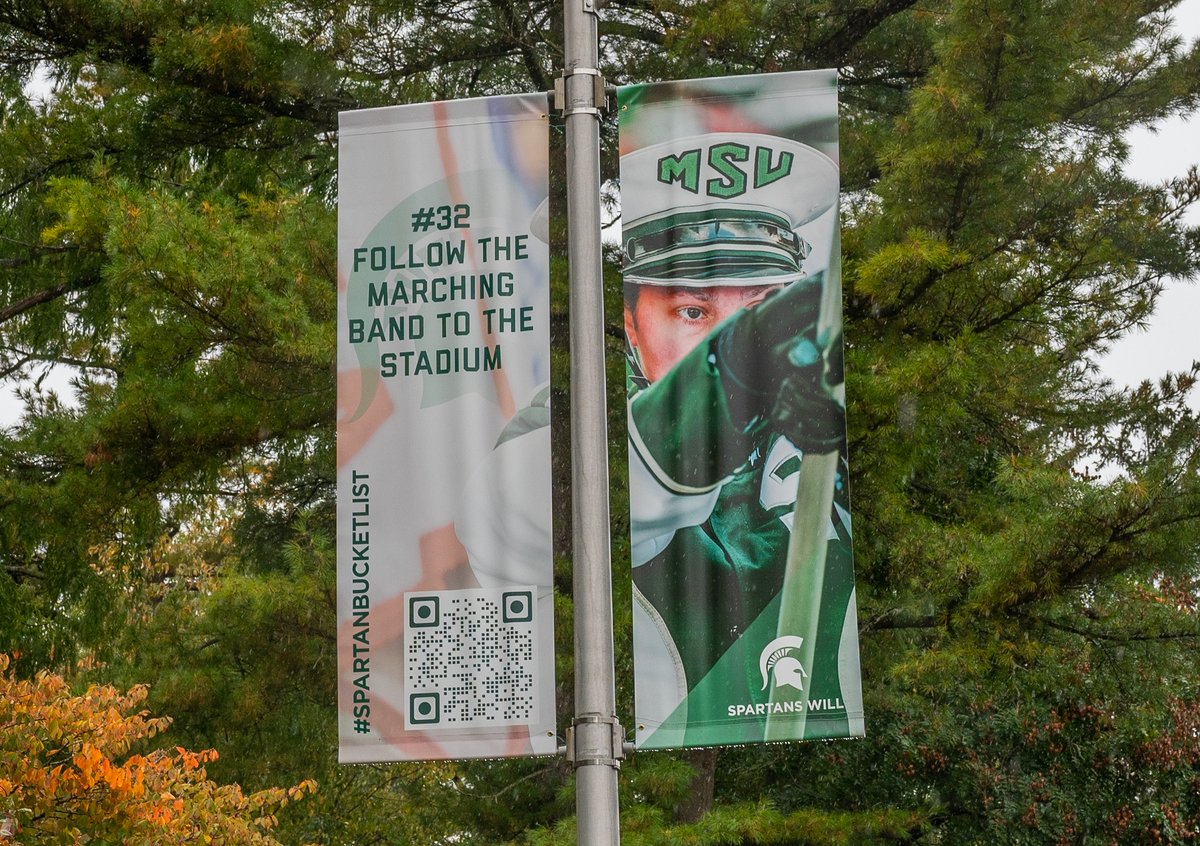
ALT Lamp poster banner with a Spartan Marching Band member on it that says "Follow the Marching Band to the Stadium"

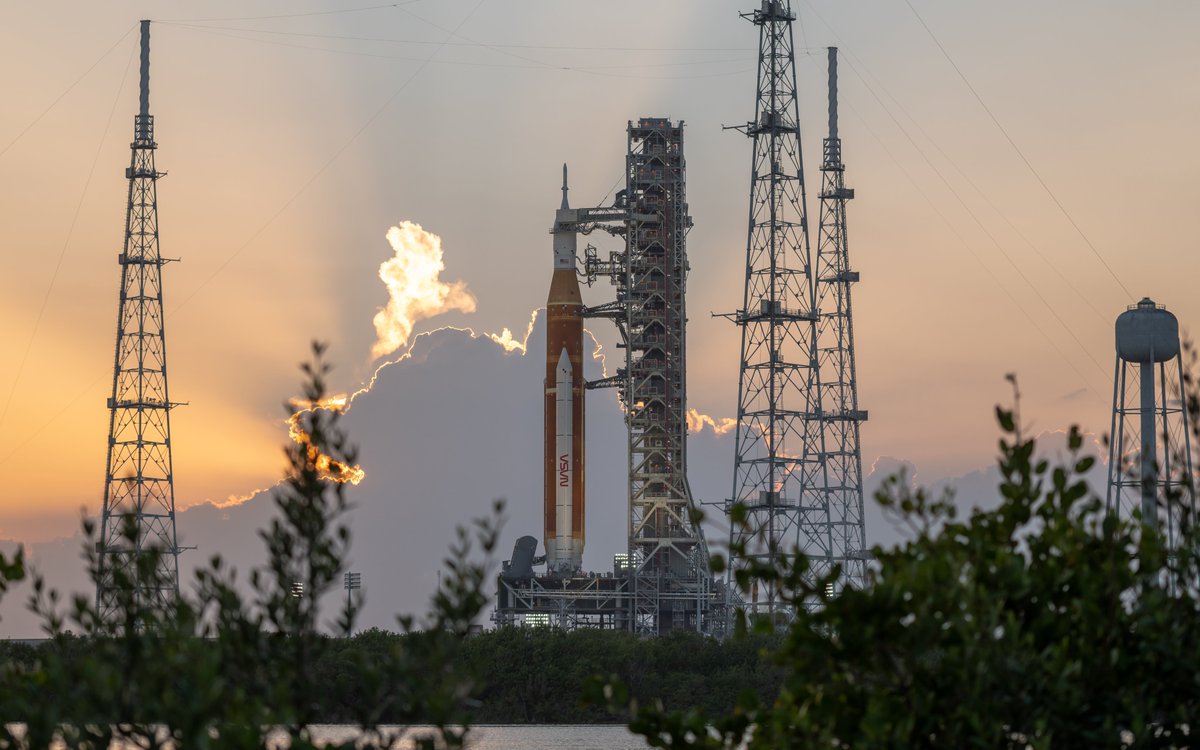
ALT The Space Launch System rocket sits on the launch pad. In the background, the sun rises behind clouds. Green bushes sit in the foreground.
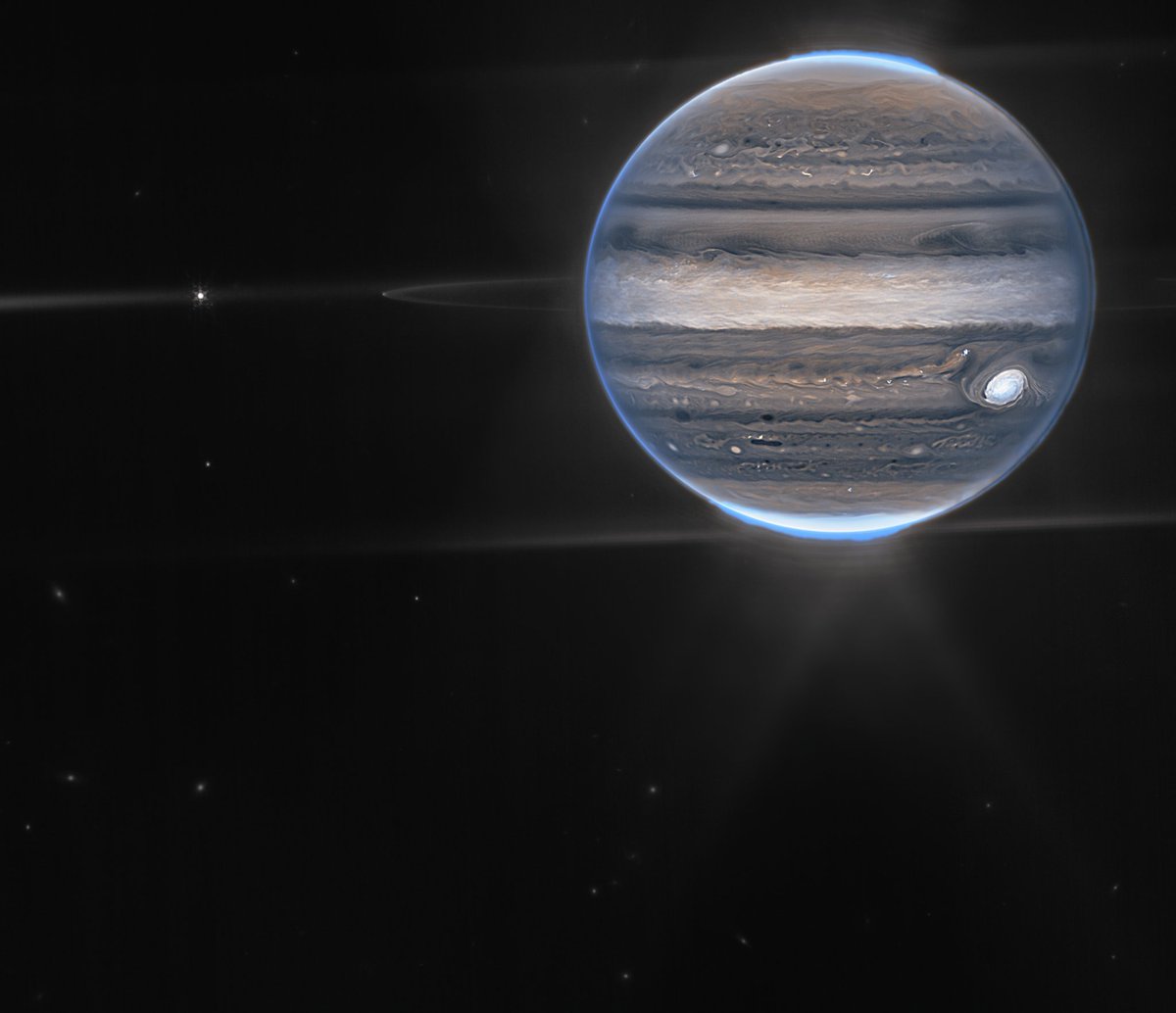
ALT A wide field view showcases Jupiter in the upper right quadrant. The planet’s swirling horizontal stripes are rendered in blues, browns, and cream. Electric blue auroras glow above Jupiter’s north and south poles. A white glow emanates out from the auroras. Along the planet’s equator, rings glow in a faint white. These rings are one million times fainter than the planet itself! At the far left edge of the rings, a moon appears as a tiny white dot. This moon is only about 12 miles (20 km) across. Slightly further to the left, another moon, about 100 miles (150 km) across, glows with tiny white diffraction spikes. The rest of the image is the blackness of space, with faintly glowing white galaxies in the distance.

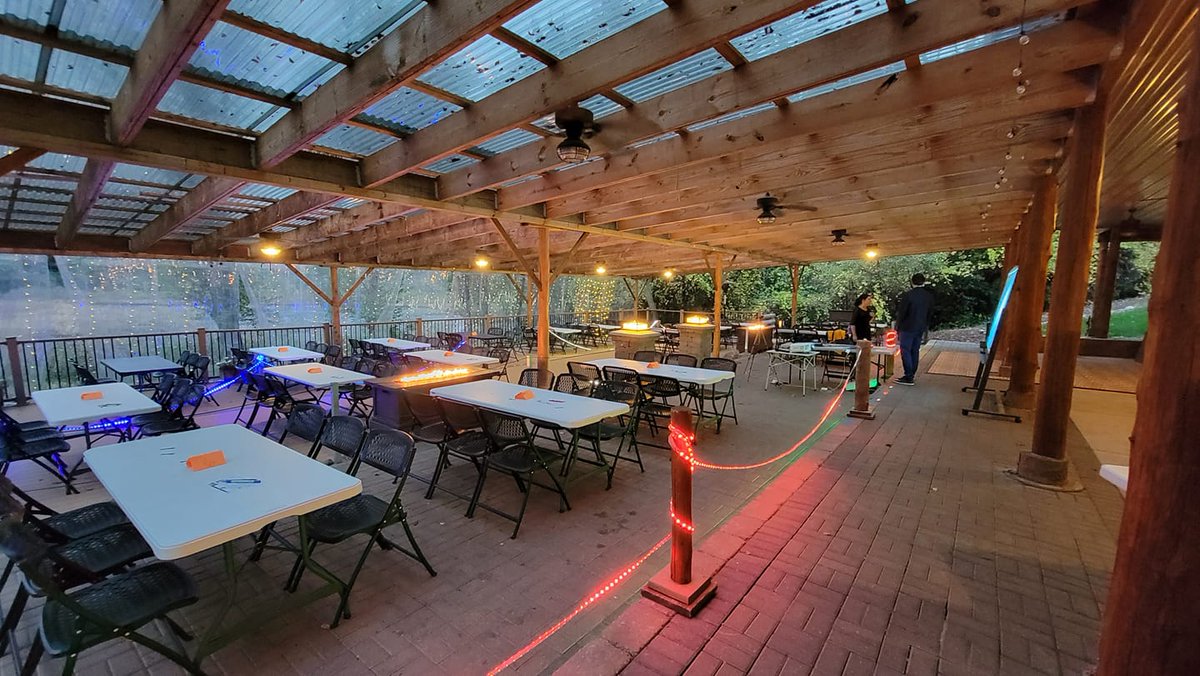
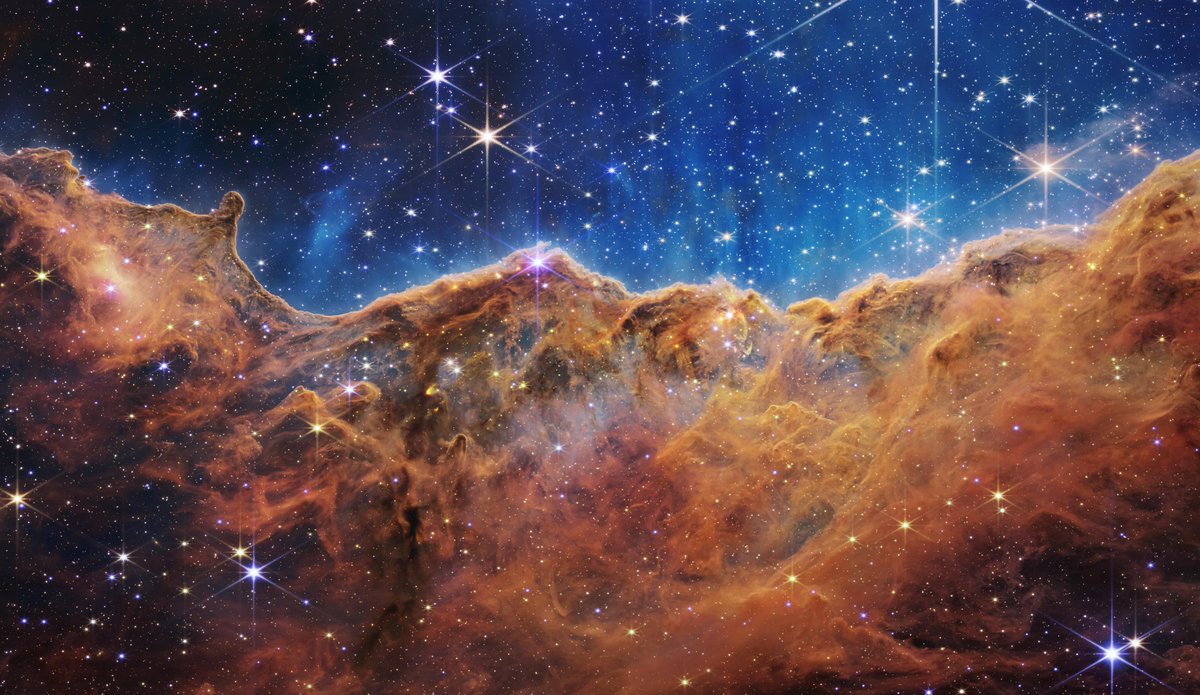
ALT The image is divided horizontally by an undulating line between a cloudscape forming a nebula along the bottom portion and a comparatively clear upper portion. Speckled across both portions is a starfield, showing innumerable stars of many sizes. The smallest of these are small, distant, and faint points of light. The largest of these appear larger, closer, brighter, and more fully resolved with 8-point diffraction spikes. The upper portion of the image is blueish, and has wispy translucent cloud-like streaks rising from the nebula below. The orangish cloudy formation in the bottom half varies in density and ranges from translucent to opaque. The stars vary in color, the majority of which, have a blue or orange hue. The cloud-like structure of the nebula contains ridges, peaks, and valleys – an appearance very similar to a mountain range. Three long diffraction spikes from the top right edge of the image suggest the presence of a large star just out of view.