
Ace Capital: Driving blockchain innovation for sustainable economies. Optimizing businesses through Financial Management
Joined August 2023
- Tweets 918
- Following 87
- Followers 99
- Likes 218
17 Photos and videos



Pinned Tweet

19 Sep 2023
🚀 Welcome to Ace Capital! We're thrilled to kickstart this journey with you. Our mission? To empower businesses with expert financial consultancy and guide crypto projects with top-notch tokenomics. #FinancialConsultancy #Tokenomics
1
4
14
28,200
3 Apr 2025
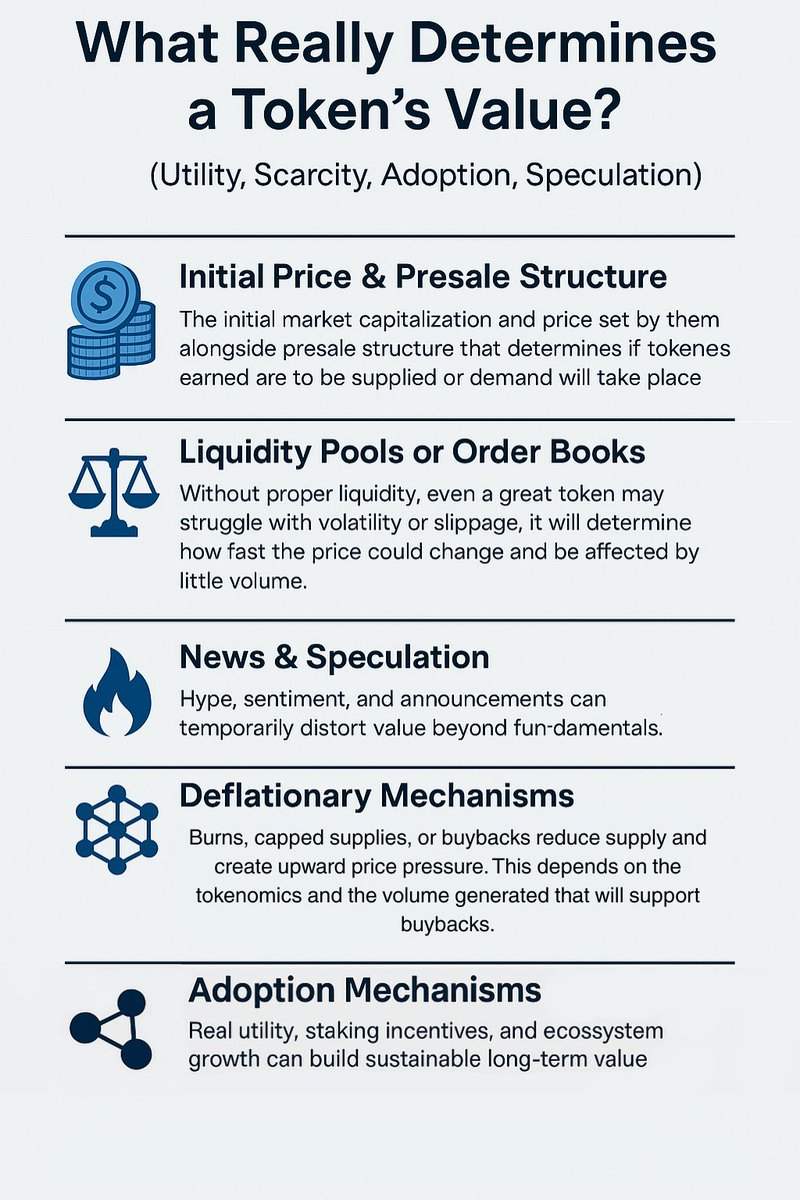
What Really Determines a Token’s Value?
(Utility? Scarcity? Adoption? Speculation?)
The market price of a token often differs from its true value. While most analysts agree that demand and supply are key price drivers, there’s more happening under the surface.
Here are additional forces that shape token value:
1
1
50
3 Apr 2025
Adoption Mechanisms:
Real utility, staking incentives, and ecosystem growth can build sustainable long-term value. This is not very healthy as it decreases circulation but indicates the community's support.
1
28
3 Apr 2025
Understanding these layers helps investors and founders assess whether a token is fundamentally undervalued or just riding market noise.
24
Ace Capital retweeted

21 Jan 2025
“Why do startups fail?
Here are 7 critical reasons entrepreneurs need to watch out for: 🧵👇”

2
1
2
143
15 Jan 2025
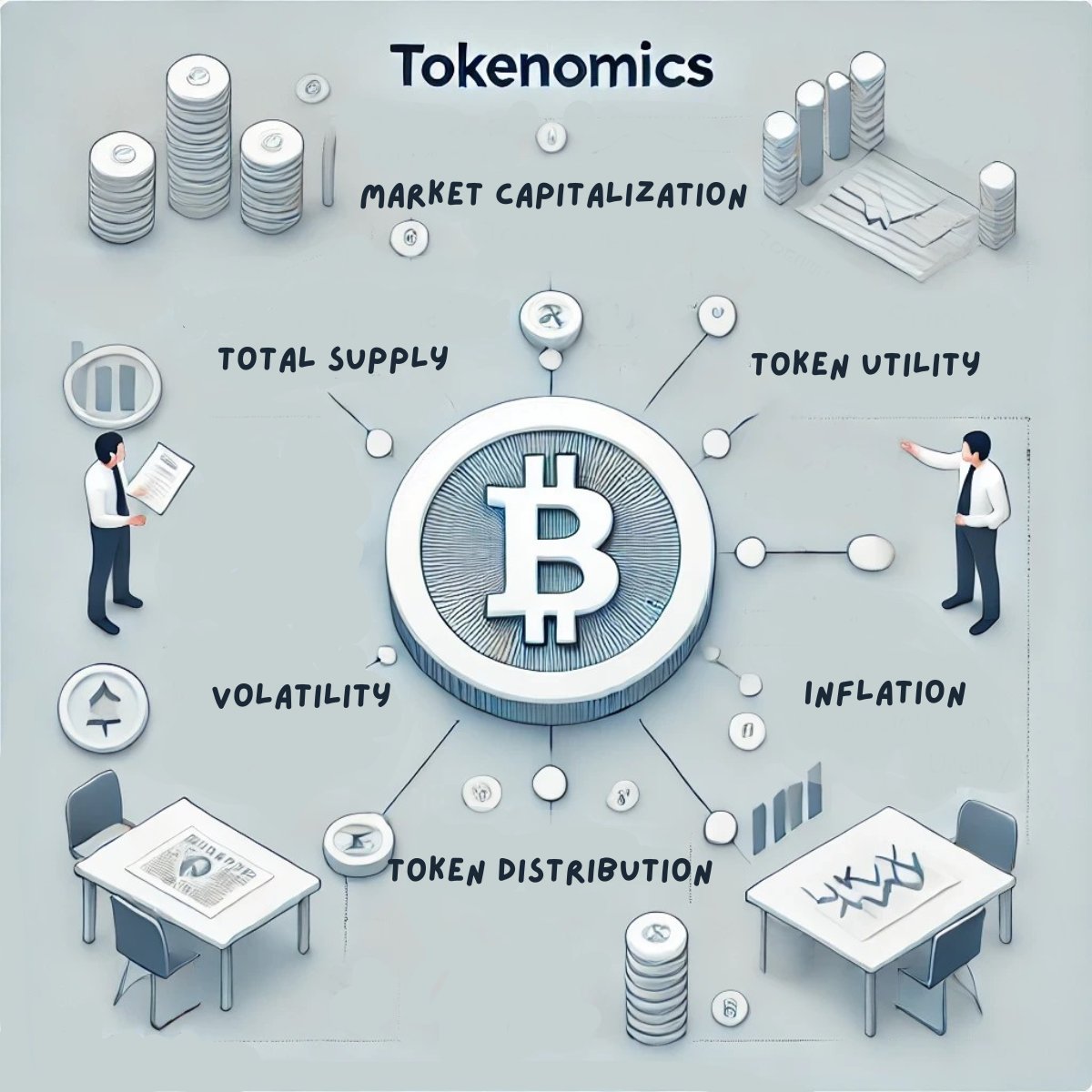
#Tokenomics is the analysis of a #cryptocurrency’s fundamental characteristics, which can help you compare #tokens with each other and make better informed decisions. It considers attributes like #marketcapitalization, supply, #inflation or deflation, how new tokens are distributed, utility, which #blockchain to consider and many other factors. Tokenomics understanding is a fantastic starting point for an investor to compare the qualities of cryptocurrencies to other #investment vehicles.
1
54
11 Jan 2025
A poorly managed #token supply can cripple even the most innovative #blockchain projects. Here's how to design a sustainable and growing price for your #cryptocurrency:
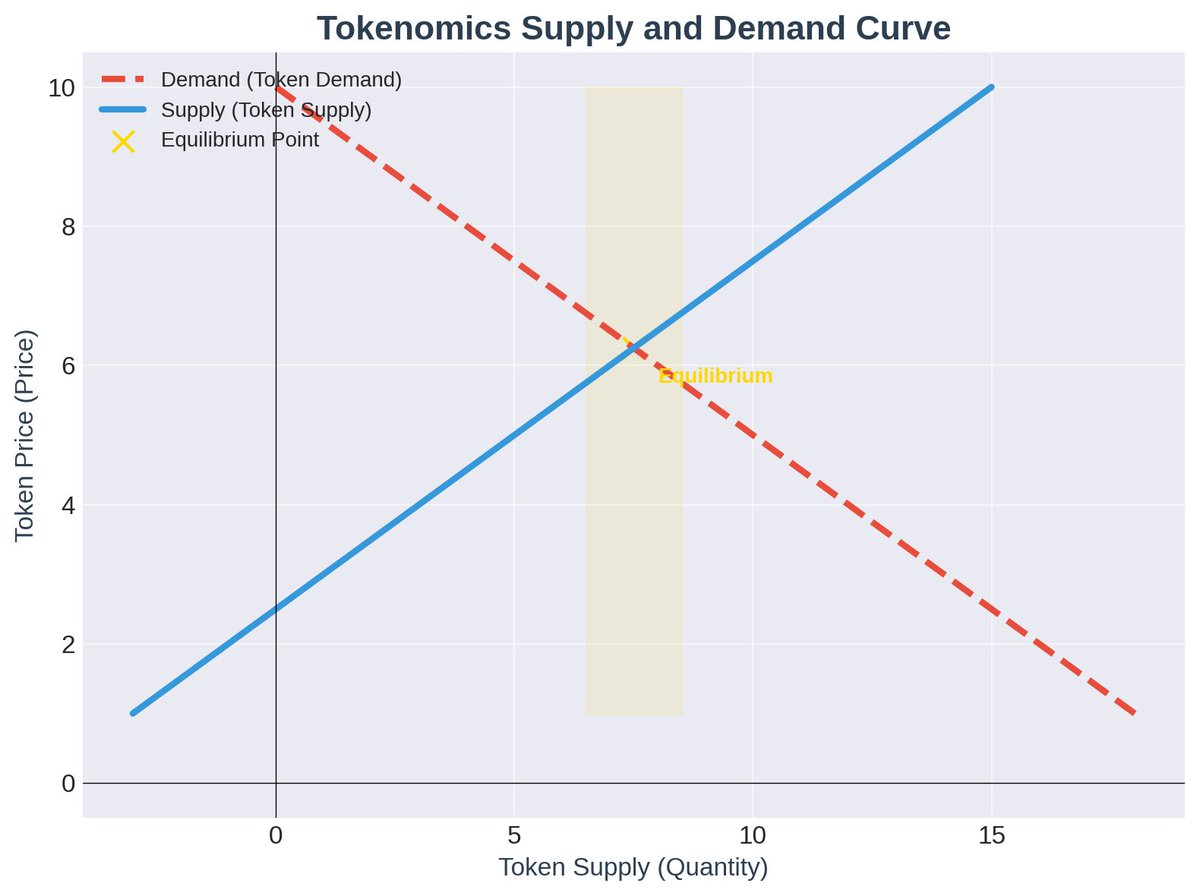
To start, no token can grow without end-user demand or intrinsic value. The key challenge for token builders is creating a supply dynamic with an #inflation rate lower than the expected token demand growth.
Successful #tokenomics should align the inflation rate with the growth of your platform's user base, which comes as a result of two:
- Higher demand for the token as end-users engage more.
- Increased staking or ecosystem cash flow driven by adoption.
Through thoughtful design, token developers must project user base growth and match supply inflation accordingly.
Token inflation is influenced by various factors:
- Vesting of Presale Tokens: Tokens purchased in private or public sales and claimed by investors over time.
- Vesting of Controlled Tokens: Tokens allocated for teams, reserves, or advisors that are released periodically.
- User Incentives: Tokens distributed to ecosystem participants as rewards, which often increase circulating supply and may be subject to sell-offs.
- Liquidations of Earnings: Selling tokens earned as revenue by the team to fund operations or realize business profits.
- Staking Rewards: Tokens distributed as staking rewards, either from the allocated supply or by minting new tokens.
- Validator & Block Rewards: Tokens generated through Proof-of-Work or Proof-of-Stake mechanisms, often sold off quickly.
While these contribute to token inflation in terms of quantity, growth in fiat-denominated #marketcapitalization offers a counterbalance. This is why designing tokenomics requires aligning token distribution mechanisms with user growth and maintaining careful control of inflationary forces.
2
50
5 Jan 2025
Too many cryptocurrency price targets and analysis also giving them dates of reaching these targets.
Everyone ignores where these analysis come from but refer to previous cycles performance which always gets wrong.
Not even one #Cryptocurrency has an intrinsic valuation to know where to buy it.
They all depend on the next guy to buy more to increase in price confirming “The Greater Fool” theory.
Cryptocurrencies are designed as commodities to better help infrastructures function through their monetary transactions with the help of blockchain technology. THEY ARE MEDIUMS AND NOT INVESTMENTS.
34
Ace Capital retweeted

10 Oct 2024
It’s Official We’re Live!
We’re beyond excited to announce that the Dlicom app is now LIVE on both the App Store and Google Play! You can now experience everything we’ve been working on, right at your fingertips. Whether you’re an iPhone or Android user, we’ve got you covered!
Ready to join the Dlicom journey? Head to Dlicom on your app store or Google Play and download it today. We can’t wait to hear your thoughts!
#Dlicom #AppLive #AppStore #GooglePlay #NowLive #JoinUs

1
6
133
Ace Capital retweeted
6 Jul 2024
Discover the decentralized social media with Dlicom!
Secure messaging, private encrypted chats, share text, images, videos, and more. Engage with vibrant communities, personalize your profile, and enjoy privacy with no personal data required.
#Dlicom #Decentralized #SocialMedia

3
10
228
28 Apr 2024
Cryptocurrency markets are still producing meme tokens in large amounts as we see daily new tokens being verified on @CoinMarketCap being meme tokens and rarely finding valuable ecosystems. Another crash to the market caused by a big bubble. We thought the market started building on blockchain, but the really valuable projects are launched in 2017 and 2018, those that have large market capitalizations now.
1
85
14 Apr 2024
Call expired in the money granting us the full premium of 118$ and selling ETH at 3300$. This made a total of 131$
6 Apr 2024

Bought $ETH today at 3287$
Sold a CC ETH-12APR24-3300-C at the price of 118$.
These implied volatilities are really helping in options selling when they are high
1 week ATM call option is worth 3.5% of the underlying
141
11 Apr 2024
Sold a $BTC put maturing on 26 April.
Strike price at 49,500$. Very far out of the money due to mitigating halving news volatility.
Sold the put for a price of 100$.
89
11 Apr 2024
REIT stocks are facing pressure.
It is never the real estate investing that is scary.
It is always the type of financing you acquire to invest alongside the cashflows
1
821
6 Apr 2024
Bought $ETH today at 3287$
Sold a CC ETH-12APR24-3300-C at the price of 118$.
These implied volatilities are really helping in options selling when they are high
1 week ATM call option is worth 3.5% of the underlying
192