
Joined November 2013
- Tweets 14,908
- Following 1,661
- Followers 1,117
- Likes 57,869
552 Photos and videos















Adam Robinson retweeted

11 Nov 2013
Remember that I predicted a long time ago that President Obama will attack Iran because of his inability to negotiate properly-not skilled!
7,392
74,566
156,180

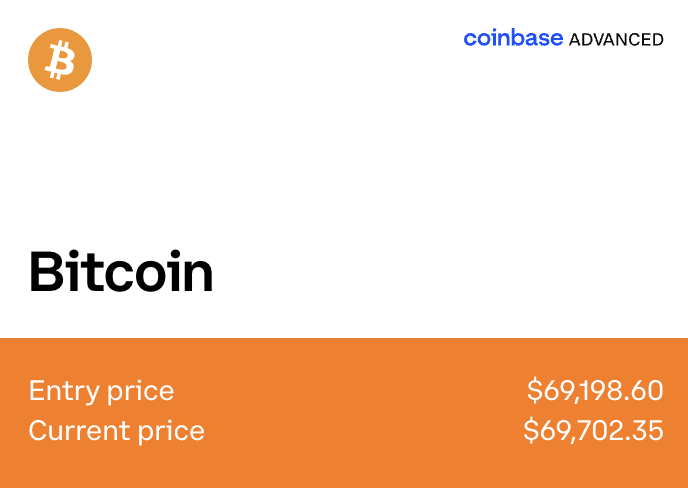
want to give an update on this, got the rest of the fills yesterday. Obviously didnt expect 60k so quick, thought that would come later. My plan is to shave a little bit of this off here. about 15% of what i bought, and then add that lower if given, likely around 65-66k. I dont want to cut the position bc I still think this is a great area of value, especially since I had avoided the drawdown to this point for the last several months. we are 55k from the highs, and about 25k from two weeks ago. i would hate myself for not at least attempting it here. obviously this is spot
19
6
155
36,236
Adam Robinson retweeted

Feb 1
Put me in the history books 😂✊🏾

32
196
1,532
68,470
Adam Robinson retweeted

If you were old, how much would you pay to spend one ordinary afternoon with your children when they were young again?
Not a milestone. Not a birthday or a graduation. Just a random day. The noise. The mess. The questions. The laughter. The exhaustion. Bedtime stories you’ve read a hundred times.
Be honest with yourself. The number wouldn’t make sense. You’d drain accounts, sell assets, rewrite every financial plan you ever had without hesitation. You’d trade almost anything for a few hours of something you once had for free.
And yet, when that time was actually available, most of us sold it cheaply.
We didn’t think of it that way at the time, of course. We told ourselves a story. We were working hard. We were building something. We were providing. We were doing it for them. That story is comforting, and it’s not entirely false. But it’s incomplete.
Children don’t experience provision the way adults do. They experience presence.
They don’t measure love in college funds or net worth statements. They measure it in attention, consistency, and shared moments that feel insignificant until they’re gone. They don’t remember how hard you worked. They remember whether you were there.
This is where the trade becomes uncomfortable to look at. We exchange time during the only window it exists for money we could have earned later. We trade a non-renewable asset for a renewable one and tell ourselves we’re being responsible.
Money can be earned again. Time with young children cannot.
That doesn’t mean don’t work. It doesn’t mean abandon ambition or stop providing. It means be honest about the cost. Because every late night, every missed dinner, every postponed trip is a decision to push life into a future that may not look the way you expect.
We tell ourselves we’ll make it up later. When things slow down. When the next milestone is reached. When there’s more margin. “Someday” becomes a holding place for good intentions.
But kids don’t live in someday. They live in now.
What makes this especially tricky is that nothing feels wrong in the moment. Life looks fine from the outside. Bills get paid. Careers progress. Stability increases. We smooth consumption and manage stress and tell ourselves we’re doing the right thing. And in many ways, we are.
But there’s a hidden risk no one talks about: postponing life until the window for the most meaningful experiences has quietly closed.
One day, your kids don’t ask you to play anymore. They don’t need you to read to them. They stop wanting to tag along. The ordinary moments dry up without an announcement. And only then do you realize how valuable they were.
That’s when the thought experiment stops being hypothetical.
If you’re older, you already know the answer to the question. You’d pay anything. And if you’re younger, the uncomfortable truth is that you’re currently holding something priceless and trading it away incrementally for something replaceable.
This isn’t about guilt. It’s about clarity.
Work matters. Providing matters. Building a future matters. But so does recognizing when “enough” has been reached and when the marginal dollar costs more than it’s worth. Especially when the payment is time with people who will never be that age again.
I don’t want to look back one day and realize I optimized perfectly for a future version of life that never arrived. I want to be present for the one that’s happening now, even when it’s inconvenient, exhausting, and messy.
Because one day, I’d give anything to buy back time I once gave away without thinking twice.
This is part of the same question I’ve been working through lately. Not answers. Just uncomfortable math. Money compounds. Time doesn’t. And some of the most valuable things we ever own can’t be bought back at any price once they’re gone.

I want to die completely broke.
When I tell people this, I usually get one of two reactions. Either they assume I’m joking, or they assume I’ve lost my mind. Sometimes both. So let me clarify before anyone forwards this to a financial planner in panic. I don’t mean reckless. I don’t mean irresponsible. And I definitely don’t mean unprepared. What I mean is that I don’t want to die having optimized my entire life around a number that only matters when my ability to actually use it is gone.
We talk constantly about the time value of money. A dollar today is worth more than a dollar tomorrow because it can be invested, compounded, and put to work. Time increases its potential. Life, however, works in the opposite direction. Time doesn’t increase the value of experiences – it usually decreases it. Certain experiences are simply more accessible, more enjoyable, and more meaningful at specific stages of life, and no amount of money later can fully replicate them.
When you’re younger, you’re sitting on an asset that quietly depreciates every year: health, energy, physical capability, curiosity, and a tolerance for discomfort. A dollar at 35 buys a fundamentally different life than a dollar at 75. Pretending otherwise is comforting, but it’s not honest. Life has a time value too, and it doesn’t compound.
When people hear “die broke,” they often picture irresponsibility or excess. That’s not what I’m describing. I’m talking about intentional depletion – using money as a tool to maximize life while you’re able to live it, rather than stockpiling it indefinitely for a future version of yourself that may not exist in the way you imagine. Saving matters. Security matters. Optionality matters. But past a certain point, additional saving delivers diminishing returns while the cost of waiting keeps rising.
Saving for retirement makes sense. Over-saving at the expense of living doesn’t. We’re taught to treat retirement as the main event – sacrifice now so you can enjoy later. Delay life so you can eventually live it. But that framework assumes a lot: that your health cooperates, that your energy remains, that your relationships are intact, and that your interests don’t change. Most of all, it assumes experiences are interchangeable across time. They aren’t.
The trip you take at 35 is not the same trip at 70, even if it’s first class. Skiing with your kids, traveling with friends, pushing your body, starting something new – these things are perishable. They don’t age gracefully, and postponing them doesn’t preserve value. It destroys it.
There’s also a strange moral judgment baked into personal finance culture that equates delayed gratification with virtue and present enjoyment with failure. I don’t buy that. There’s a meaningful difference between consumption that disappears and spending that compounds in memory, perspective, relationships, and confidence. Experiences don’t show up on a balance sheet, but they pay dividends in ways that money never can.
Your memories are what matter in the end, not your net worth.
This way of thinking has also changed how I view legacy and what I want to give my kids. I don’t care about leaving behind generational wealth the way I once did, especially not as a lump sum that shows up only after I’m gone. If I’m going to give them anything meaningful, I’d rather do it while I’m alive – when it can actually shape who they become.
I want to use my resources earlier to give them experiences, exposure, and tools that help them build confidence, curiosity, and resilience. Travel that broadens perspective. Opportunities that stretch them. Lessons about money, risk, work, and independence learned through experience, not inheritance. I want them to understand how to create value, how to adapt, and how to rebuild if things fall apart.
I still want to leave them with enough. But “enough” isn’t a massive number waiting at the end of my life. Enough is a foundation, plus the skills to stand on their own. Unlimited money can become a crutch. Capability is freedom. I’d rather they inherit confidence than comfort – and I’d rather be around to help them learn it than hope they figure it out after I’m gone.
Everyone talks about the risk of running out of money. Almost no one talks about the risk of running out of time. And even less people talk about the tragedy of wasting valuable hours of your youth working for money that will never get spent.
What a waste of your valuable time.
We’re very good at smoothing consumption – using money, planning, and credit to keep life stable while quietly deferring the things that actually make it meaningful. From the outside, everything looks fine. Under the hood, life is being postponed.
The biggest gamble isn’t that you won’t have enough someday. It’s that someday arrives and you’re no longer capable of the life you spent decades planning for.
I want to die broke not because I don’t value money, but because I value life more. I want to use my resources to create memories while they’re available, not just affordable. To save enough to be secure, but not so much that I defer living indefinitely. To leave my kids with a foundation, not a cage.
I don’t pretend this is the right answer for everyone. I don’t even pretend it’s my final answer. But if the time value of money matters, then the time value of life matters more.
89
33
416
52,766
Adam Robinson retweeted
I want to die completely broke.
When I tell people this, I usually get one of two reactions. Either they assume I’m joking, or they assume I’ve lost my mind. Sometimes both. So let me clarify before anyone forwards this to a financial planner in panic. I don’t mean reckless. I don’t mean irresponsible. And I definitely don’t mean unprepared. What I mean is that I don’t want to die having optimized my entire life around a number that only matters when my ability to actually use it is gone.
We talk constantly about the time value of money. A dollar today is worth more than a dollar tomorrow because it can be invested, compounded, and put to work. Time increases its potential. Life, however, works in the opposite direction. Time doesn’t increase the value of experiences – it usually decreases it. Certain experiences are simply more accessible, more enjoyable, and more meaningful at specific stages of life, and no amount of money later can fully replicate them.
When you’re younger, you’re sitting on an asset that quietly depreciates every year: health, energy, physical capability, curiosity, and a tolerance for discomfort. A dollar at 35 buys a fundamentally different life than a dollar at 75. Pretending otherwise is comforting, but it’s not honest. Life has a time value too, and it doesn’t compound.
When people hear “die broke,” they often picture irresponsibility or excess. That’s not what I’m describing. I’m talking about intentional depletion – using money as a tool to maximize life while you’re able to live it, rather than stockpiling it indefinitely for a future version of yourself that may not exist in the way you imagine. Saving matters. Security matters. Optionality matters. But past a certain point, additional saving delivers diminishing returns while the cost of waiting keeps rising.
Saving for retirement makes sense. Over-saving at the expense of living doesn’t. We’re taught to treat retirement as the main event – sacrifice now so you can enjoy later. Delay life so you can eventually live it. But that framework assumes a lot: that your health cooperates, that your energy remains, that your relationships are intact, and that your interests don’t change. Most of all, it assumes experiences are interchangeable across time. They aren’t.
The trip you take at 35 is not the same trip at 70, even if it’s first class. Skiing with your kids, traveling with friends, pushing your body, starting something new – these things are perishable. They don’t age gracefully, and postponing them doesn’t preserve value. It destroys it.
There’s also a strange moral judgment baked into personal finance culture that equates delayed gratification with virtue and present enjoyment with failure. I don’t buy that. There’s a meaningful difference between consumption that disappears and spending that compounds in memory, perspective, relationships, and confidence. Experiences don’t show up on a balance sheet, but they pay dividends in ways that money never can.
Your memories are what matter in the end, not your net worth.
This way of thinking has also changed how I view legacy and what I want to give my kids. I don’t care about leaving behind generational wealth the way I once did, especially not as a lump sum that shows up only after I’m gone. If I’m going to give them anything meaningful, I’d rather do it while I’m alive – when it can actually shape who they become.
I want to use my resources earlier to give them experiences, exposure, and tools that help them build confidence, curiosity, and resilience. Travel that broadens perspective. Opportunities that stretch them. Lessons about money, risk, work, and independence learned through experience, not inheritance. I want them to understand how to create value, how to adapt, and how to rebuild if things fall apart.
I still want to leave them with enough. But “enough” isn’t a massive number waiting at the end of my life. Enough is a foundation, plus the skills to stand on their own. Unlimited money can become a crutch. Capability is freedom. I’d rather they inherit confidence than comfort – and I’d rather be around to help them learn it than hope they figure it out after I’m gone.
Everyone talks about the risk of running out of money. Almost no one talks about the risk of running out of time. And even less people talk about the tragedy of wasting valuable hours of your youth working for money that will never get spent.
What a waste of your valuable time.
We’re very good at smoothing consumption – using money, planning, and credit to keep life stable while quietly deferring the things that actually make it meaningful. From the outside, everything looks fine. Under the hood, life is being postponed.
The biggest gamble isn’t that you won’t have enough someday. It’s that someday arrives and you’re no longer capable of the life you spent decades planning for.
I want to die broke not because I don’t value money, but because I value life more. I want to use my resources to create memories while they’re available, not just affordable. To save enough to be secure, but not so much that I defer living indefinitely. To leave my kids with a foundation, not a cage.
I don’t pretend this is the right answer for everyone. I don’t even pretend it’s my final answer. But if the time value of money matters, then the time value of life matters more.
217
118
1,082
269,580

19 Dec 2025
RT @ShardiB2: Tomorrow's data watch:
The "Final Boss" of Inflation: PCE
The November PCE Price Index (the Fed's preferred metric) drops at…
2
Adam Robinson retweeted

18 Dec 2025
Hahaha I finally cracked the holy grail 💪
Now we’re getting somewhere GOOD
@hodlalpha_ just did almost a 3x return on investment vs standard DCA return in the backtest with Bitcoin 🤝
🔥 🔥 🔥 💰
10 Dec 2025

Early backtests on @hodlalpha_ now are wild.
From 2017-2025 it outperformed standard monthly Bitcoin DCA by around 125%. With the same buy and hold principals
Will continue to try and refine.
🔥🔥
12
5
102
13,501
Adam Robinson retweeted
10 Dec 2025
$BTC (1hr Update)
FOMC day video where I break down the price action. We’ll dive into the Fed in detail tomorrow.
Enjoy the video, but more so just take a breath. A Pivotal day like today takes a toll on us all.
39
20
347
35,794
Adam Robinson retweeted

7 Dec 2025
Me telling my wife to calm down…
768
8,271
89,062
4,713,746
Adam Robinson retweeted
4 Dec 2025
GOLD
Here is my breakdown & outlook on analysis for stocks. Enjoy the video!
▫️Daily = Bullish ✅
▫️Weekly = Bullish✅
▫️Monthly = Bullish✅
20
20
214
14,466
Adam Robinson retweeted

24 Nov 2025
The evolution of humans
x.com/MarchUnofficial/status…
2,401
1,157
5,249
497,566
Adam Robinson retweeted

15 Nov 2025
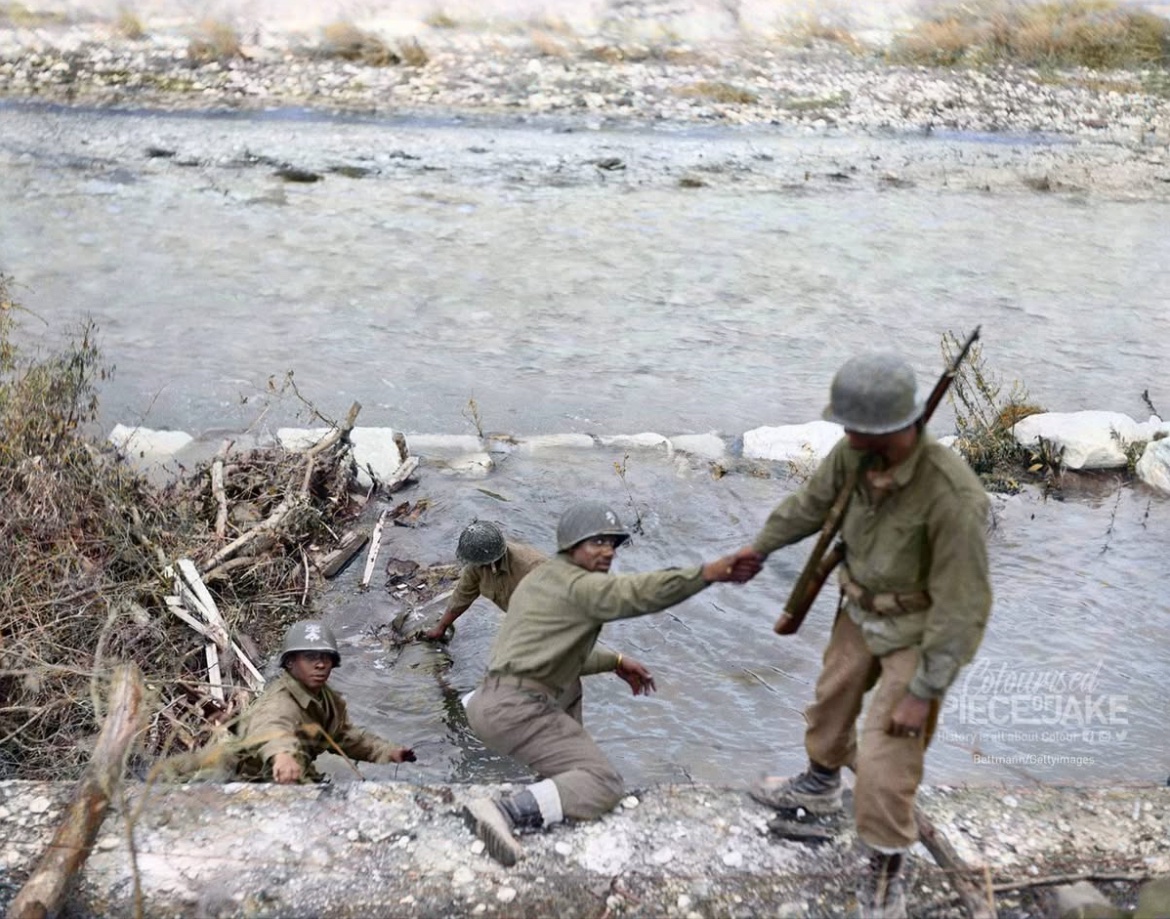
The 92nd Inf Div was a proud combat division. African American troops. Fought bravely against the German SS in the mountains of Italy. My dad William J McCaffrey was honored to serve as the Division G3 and then the C/S with these great soldiers.
14 Nov 2025

81 years ago today, soldiers of the 92nd Infantry Division work together to form a human chain up a steep bank to recover the body of a fallen buddy who was cut down by enemy fire. 🦬🪖
@PieceJake on the colorization 🎨
22
273
1,261
44,695


Adam Robinson retweeted

31 Oct 2025
🇳🇬 Nigerians can now access Real World Assets (RWA) directly on Blockchain.com powered by @OndoFinance
🎙️@niccary @iandebode
30
14
90
9,377