
Associate professor @unimelb. Episodic memory, decision making, mathematical psychology. Friend to all cats. He/him.
Joined December 2017
- Tweets 2,174
- Following 1,235
- Followers 448
- Likes 13,747
Photos and videos
adam /otimes osth retweeted

20 Jan 2025
Nassim Taleb has written a devastatingly strong critique of IQ, but since he writes at such a technical level, his most powerful insights are being missed.
Let me explain just one of them. 🧵
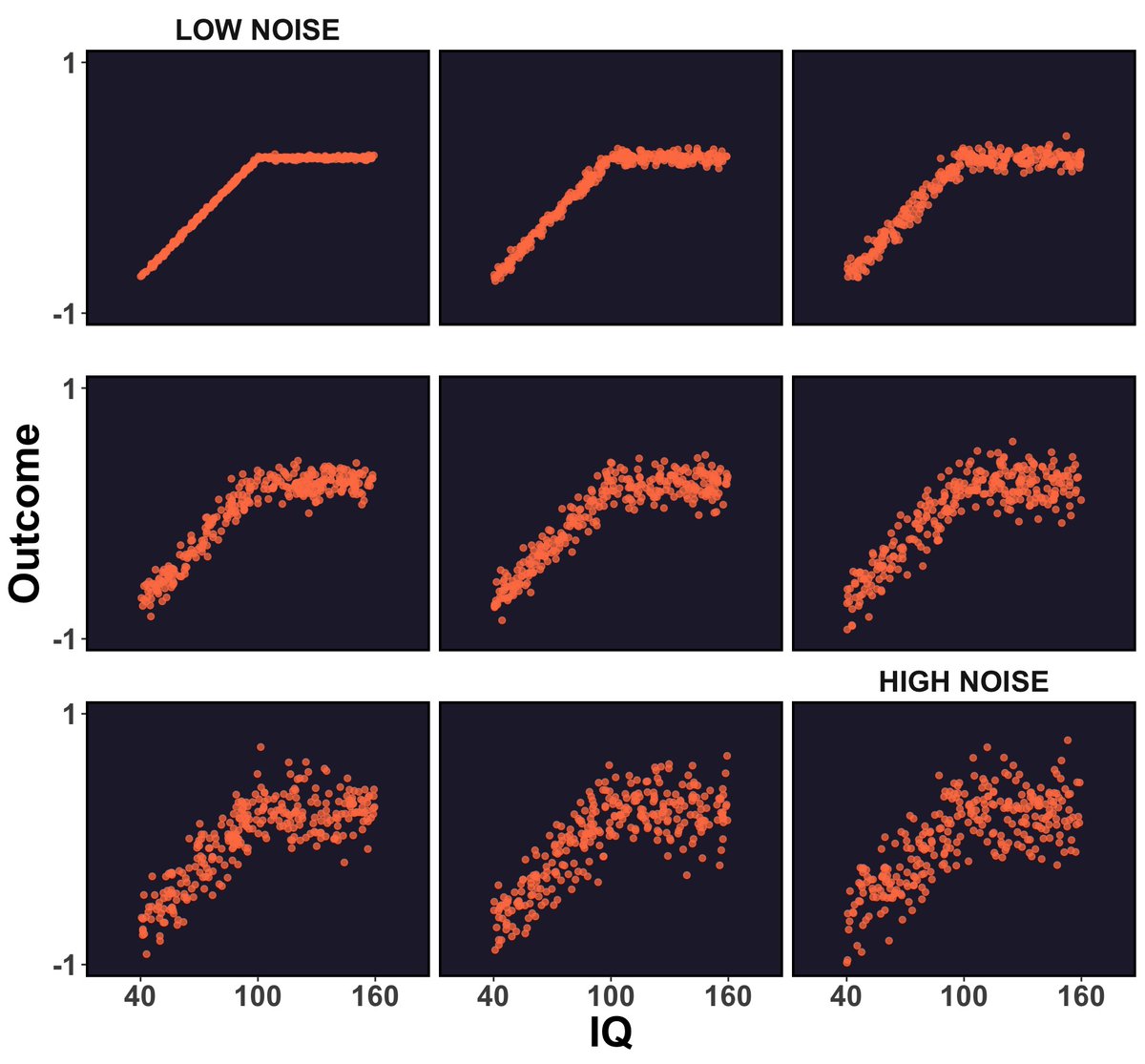
161
666
5,667
1,325,247

8 Oct 2024
A lot of studies have focused on memorability for individual items. But what the heck is memorability anyway? In this preprint with Rob Nosofsky, we attempt a theoretical account using models of recognition memory. osf.io/preprints/psyarxiv/xn…
2
1
7
311
8 Oct 2024
To account for hit rates, we rely on the hybrid similarity framework. In this model, self similarities can be augmented through other types of matches. We were able to accomplish this through distinctiveness ratings.
1
117
8 Oct 2024
Once these other types of matches were included in the model, it could account for variation in hit rates very well!
98
adam /otimes osth retweeted

6 Oct 2024
Doing good science is 90% finding a science buddy to constantly talk to about the project.
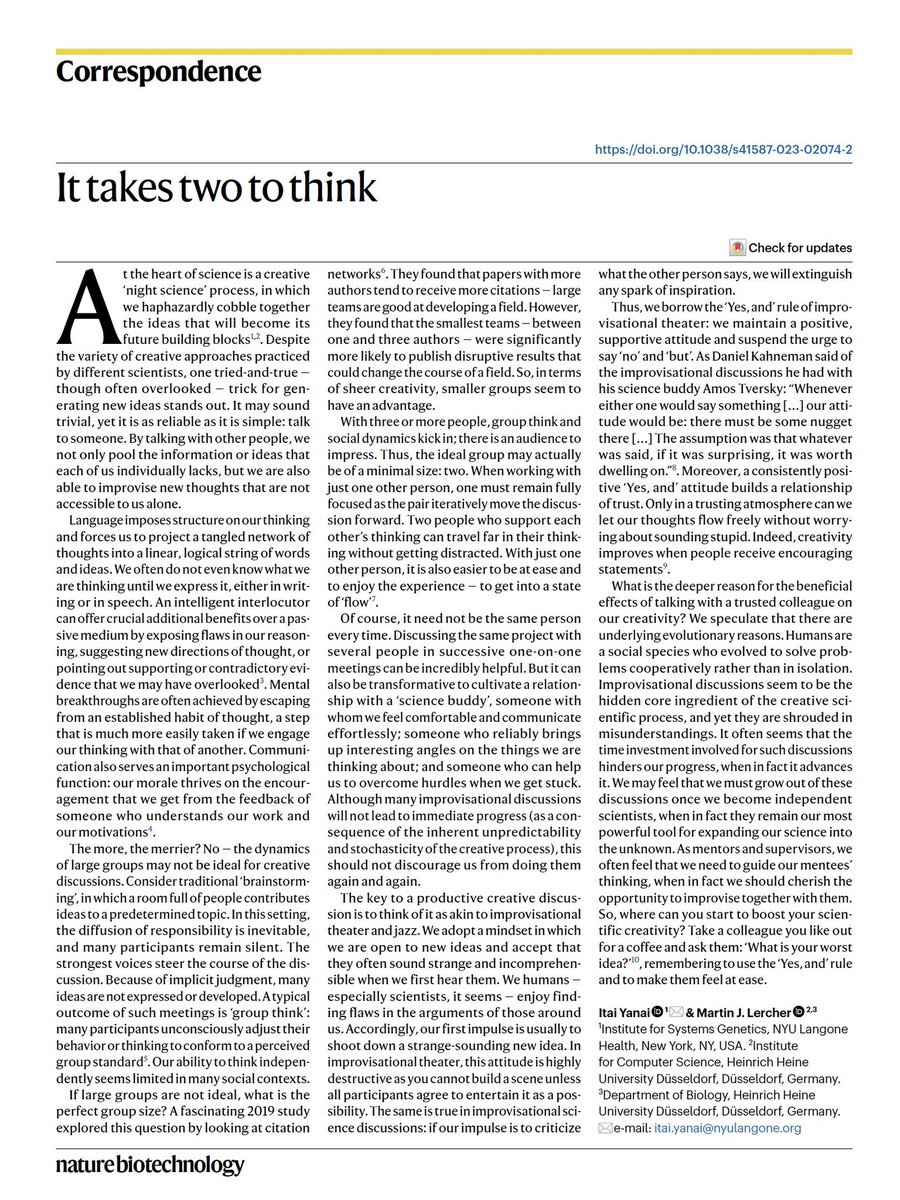
176
3,159
17,759
1,850,356
adam /otimes osth retweeted

2 Oct 2024
Haley Joel Osment should win an Emmy for his portrayal of JD Vance trying to buy a donut

1,426
20,990
161,284
11,355,055
adam /otimes osth retweeted

28 Sep 2024
26 Sep 2024

"The mayor of New York has been arrested for corruption" sounds like the preamble that would appear before a 90s beat-em-up game, and I'm here for it. I'm ready to fight identical guys and gain health with street chicken. I'm going to change my name to "Blaze."
333
14,117
85,175
4,493,409
adam /otimes osth retweeted

6 Sep 2024
127
6,101
49,380
1,194,218
adam /otimes osth retweeted

29 Aug 2024
Best newspaper headline/articles in The Simpsons 🗞️
- a thread

122
2,181
26,661
2,517,154
adam /otimes osth retweeted

22 Aug 2024
Come join our awesome lab! We're recruiting a PhD student to join an exciting project that uses computational modelling and machine learning to understand the hidden costs of long working hours on mental well-being. Full details here: study.uq.edu.au/study-option…
3
14
1,163
22 Aug 2024
new preprint on a computational model of false recognition in the DRM paradigm! you know, the paradigm we teach in intro psych where subjects study "dream", "sheets", "bed", and then have a really high false recognition rate of the word "sleep"... osf.io/preprints/psyarxiv/6m…
1
3
6
455
22 Aug 2024
the model is tractable and we were able to fit individual subjects! what's interesting about this is that false recognition actually varies considerably across subjects. some subjects show almost no false recognition at all. our model can account for that variability very well.
1
110
22 Aug 2024
our model can also account for variability across items... sort of! the representations enable predictions at the item level. we did pretty well with the semantic DRM task but got only weak-to-moderate correspondence with the perceptual DRM task.
102