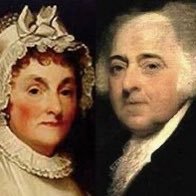
Americans working to ensure that a fitting memorial to the Adams family is built in Washington D.C.
Joined May 2018
- Tweets 3,508
- Following 766
- Followers 1,971
- Likes 107,741
800 Photos and videos













Pinned Tweet

25 Oct 2024
The Adams Memorial Foundation is dedicated to commemorating the core values embodied by the Adams family. The goal is to build a memorial in DC to Adamses. Now is the time to reignite their American spirit and foster hope for our future by honoring them.
theadamsmemorial.org
2
9
29
2,041
Supporters of an Adams Memorial in DC retweeted

Jun 16
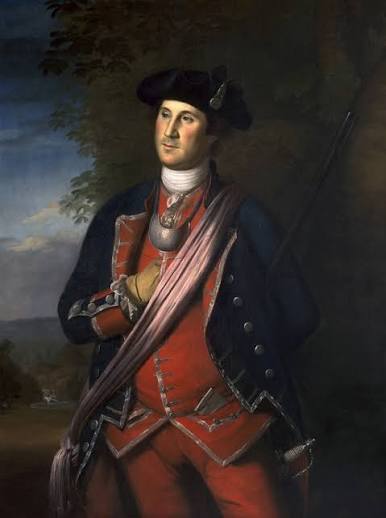
#OTD 1775: The Second Continental Congress unanimously voted to appoint #GeorgeWashington as the Commander in Chief of the Continental Army. He was nominated by John Adams, who believed a Virginian leading the military would unite the colonies.
#AmRev #RevWar
5
27
450
Supporters of an Adams Memorial in DC retweeted

Jun 11
John Adams was the man who made Independence happen 250 years ago. It's not debatable. dailywire.com/episode/andrew…
4
12
80
7,996
Supporters of an Adams Memorial in DC retweeted

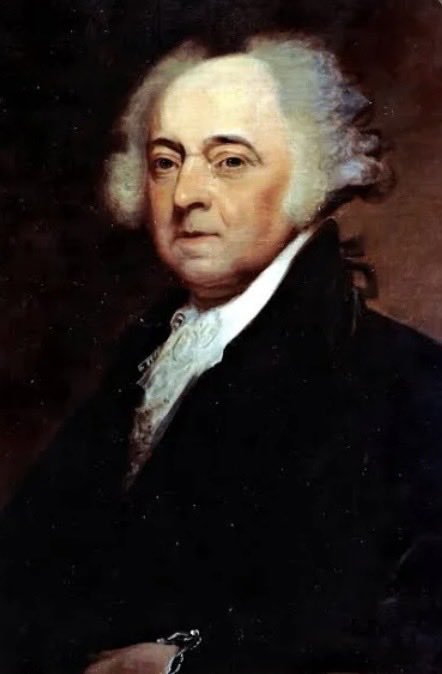
In the quiet fields of Quincy, Massachusetts, John Adams built a life of steadfast devotion and unyielding principle. At Peacefield, the family home he cherished, Adams found solace amid the soil he tilled and the books that lined his study. A man of sharp intellect and fiery temper, he balanced public duty with private tenderness, relying on the wisdom and companionship of his beloved wife, Abigail. Their partnership was the bedrock of his world—a union of minds and hearts that weathered revolution and separation.
As the second President of the United States, serving from 1797 to 1801, Adams steered the young republic through turbulent waters. A Federalist of integrity, he was no charismatic visionary like Washington nor a dazzling orator. Instead, he was a principled guardian of the Constitution, avoiding war with France amid the Quasi-War and prioritizing stability over popularity. His presidency tested him fiercely; political divisions ran deep, and he left office defeated, yet with the nation intact.
Home life brought profound joys and crushing sorrows. His daughter Abigail—affectionately called Nabby—faced breast cancer with remarkable courage. Diagnosed around 1811, she endured a brutal mastectomy without anesthesia at her parents’ home, only for the disease to return. She died in her father’s house on August 15, 1813, at age 48, after months of suffering. Adams bore witness to her pain with a father’s helpless anguish.
His son Charles succumbed to alcoholism, dying in 1800 at just 30, leaving a widow and children. Another son, Thomas, also struggled with drink. Adams confronted these family afflictions with a mix of stern disapproval, deep sorrow, and enduring love—supporting his kin as best he could while grappling with the personal toll.
Through stress, loss, and grief, Adams turned to routine, reflection, and resilience. He walked for miles daily, moderated his habits, read voraciously, and poured his thoughts into letters and diaries. The death of Abigail in 1818 from typhoid fever shattered him. “I wish I could lie down beside her and die too,” he lamented. Yet he endured, finding comfort in family and the enduring bond of correspondence.
His closest friend and intellectual sparring partner was Thomas Jefferson. Their relationship, forged in the fires of revolution and strained by partisan rivalry, blossomed anew in old age through hundreds of profound letters—rekindling a friendship that symbolized the republic’s ideals.
On July 4, 1826—the fiftieth anniversary of the Declaration of Independence—John Adams passed peacefully at Peacefield at age 90, his last words reportedly, “Thomas Jefferson survives” (unaware his friend had died hours earlier). In death, as in life, he remained entwined with the nation’s birth.
Adams’s story is one of a flawed yet noble soul: a patriot who defended liberty with his mind and heart, who faced private tempests with quiet fortitude, and whose legacy endures in the republic he helped forge.
Long live America. 🇺🇸
13
129
221
6,831
Supporters of an Adams Memorial in DC retweeted
Jun 11
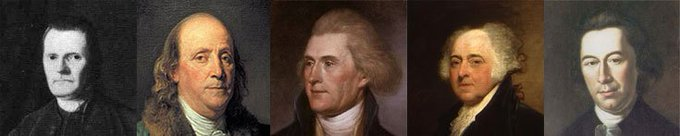
#OTD 1776: The Second Continental Congress formed a committee to draft the #DeclarationOfIndependence. The five men included: Ben Franklin of PA, Thomas Jefferson of VA, John Adams of MA, Robert Livingston of NY, and Roger Sherman of CT. ohiomemory.ohiohistory.org/a… #America250🇺🇸

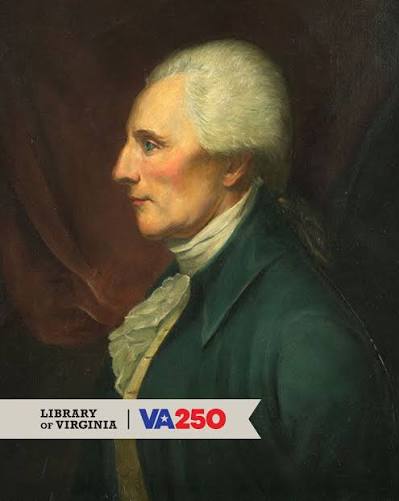
#OTD 1776: Virginia delegate Richard Henry Lee introduced the pivotal #LeeResolution before the Second Continental Congress in Philadelphia. It formally proposed that the American colonies declare independence from Great Britain. archives.gov/milestone-docum… #America250 🇺🇸
3
10
466
Supporters of an Adams Memorial in DC retweeted

Gordon S. Wood, a Pulitzer Prize-winning author and professor of American history at Brown University whose books illuminated the radical ideas about the American Revolution and helped define what it means to be an American, died at 92. wapo.st/3Q50jwG
12
43
144
26,466
Supporters of an Adams Memorial in DC retweeted

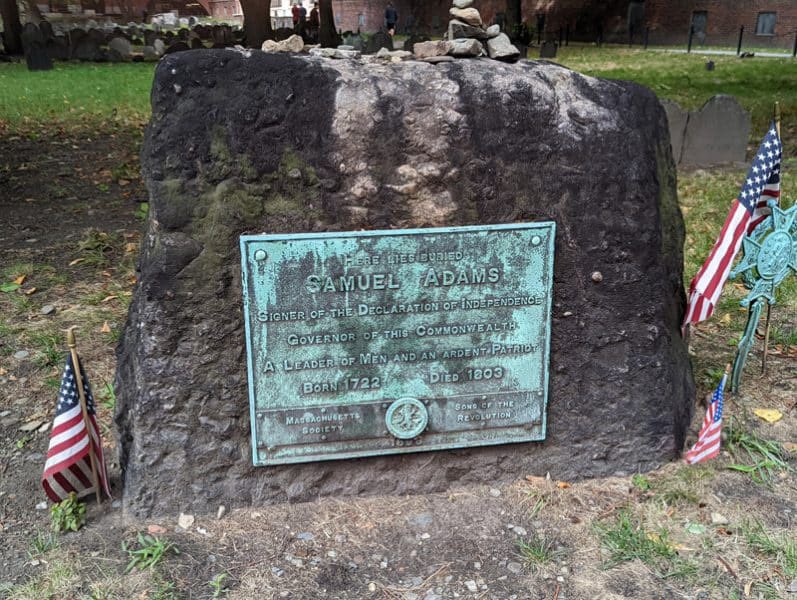
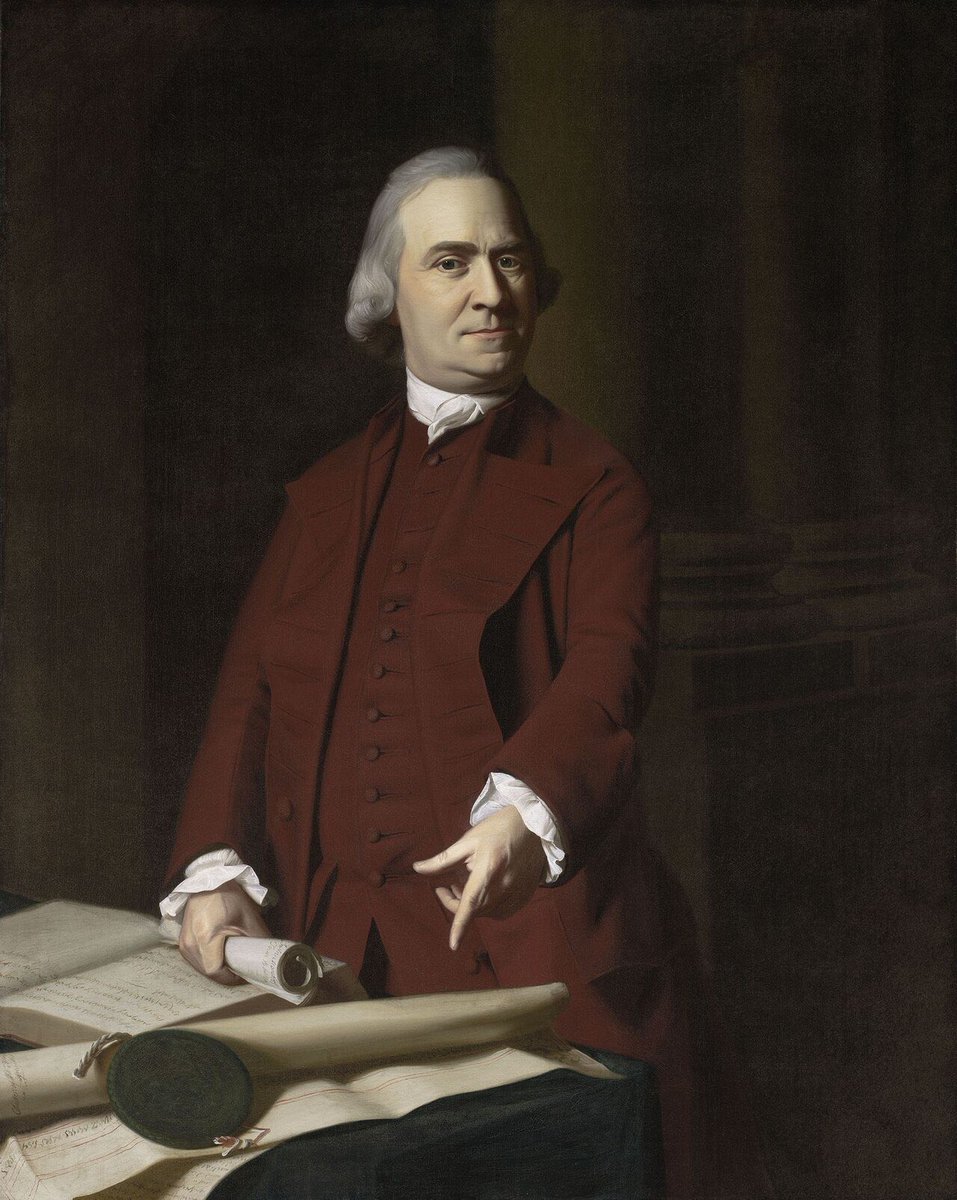
The grave of Samuel Adams.
In addition to being a founding father, he was second cousin to John Adams.
9
13
212
5,846
Supporters of an Adams Memorial in DC retweeted

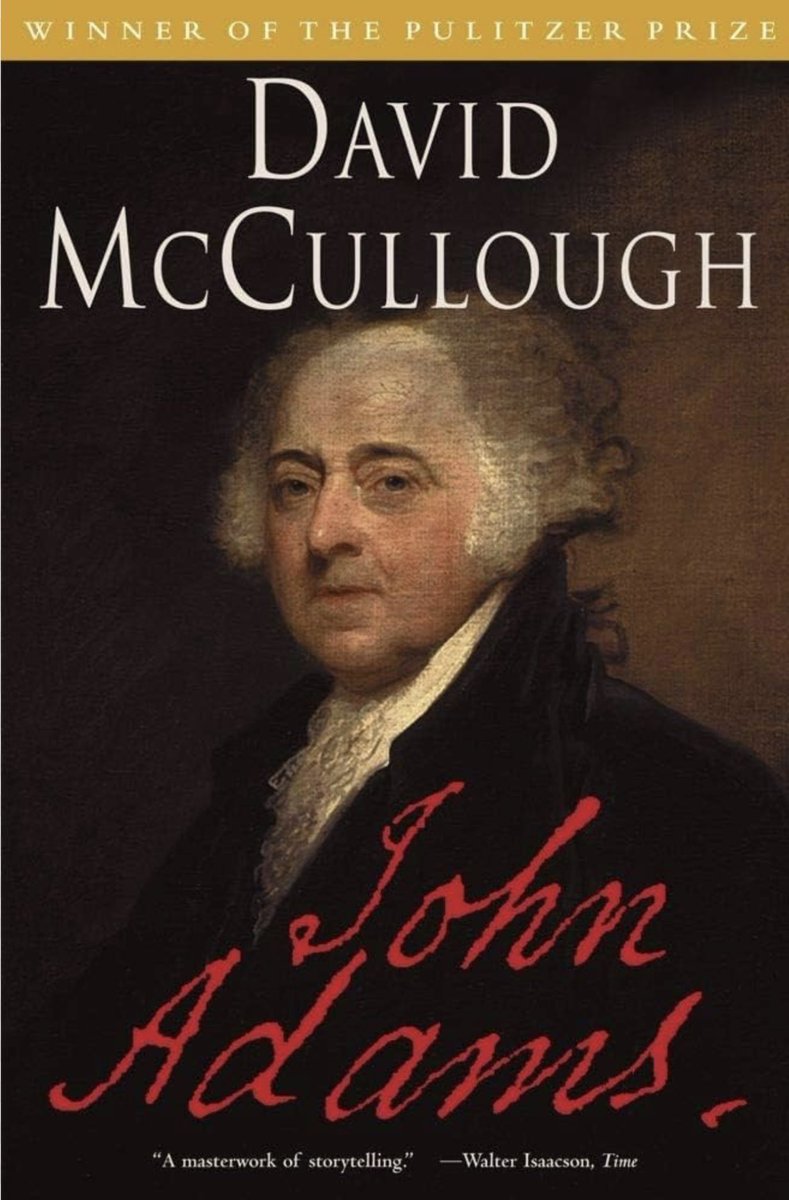
DID YOU KNOW?
David McCullough’s Pulitzer Prize winning book “John Adams” was originally supposed to be about the relationship between John Adams 🇺🇸 and Thomas Jefferson 🇺🇸 but McCullough realized how unknown Adams was and decided to make him better known
NOW YOU KNOW!
#POTUS
18
35
285
7,177
Supporters of an Adams Memorial in DC retweeted

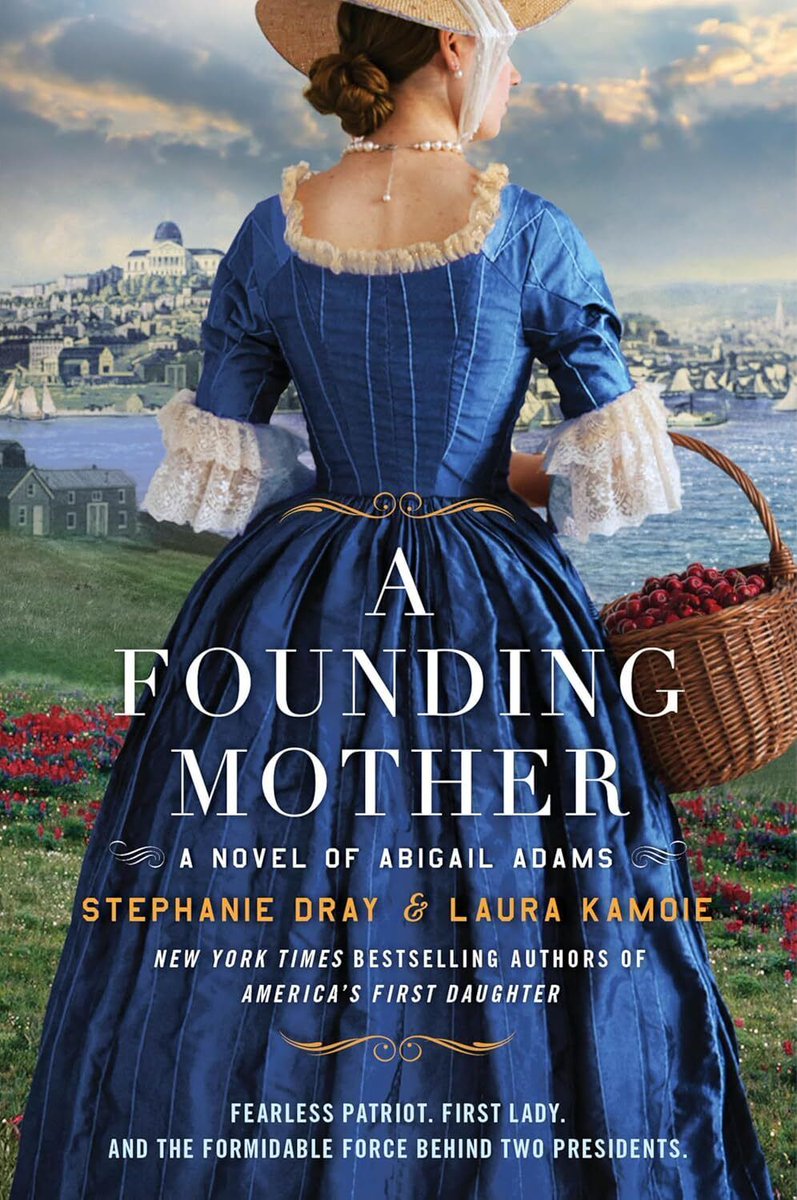
Join us June 15 at 7 PM ET for our Book Club with Stephanie Dray on Founding Mother, co-written with Laura Kamoie. Register: tinyurl.com/mtf3zb6y
2
4
71
Supporters of an Adams Memorial in DC retweeted

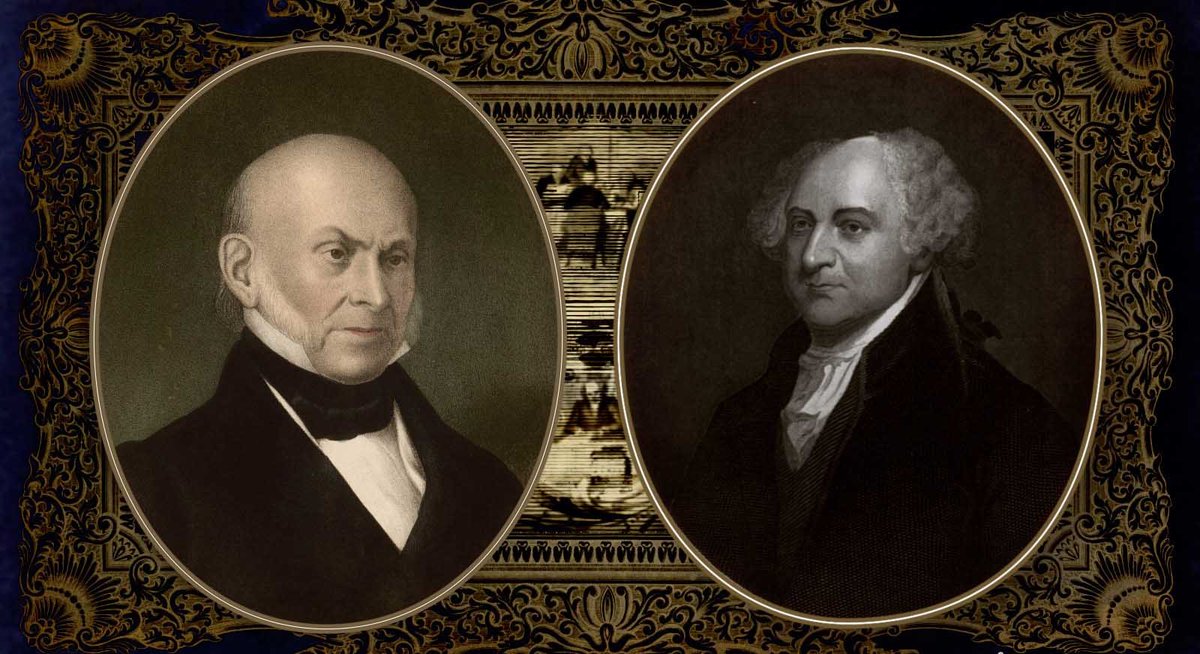
When John Quincy Adams was sworn in, his father was 89 years old
24 years after losing reelection, John Adams watched his son finish the work he started
May 27

John Adams and John Quincy Adams are the original Father-Son President duo
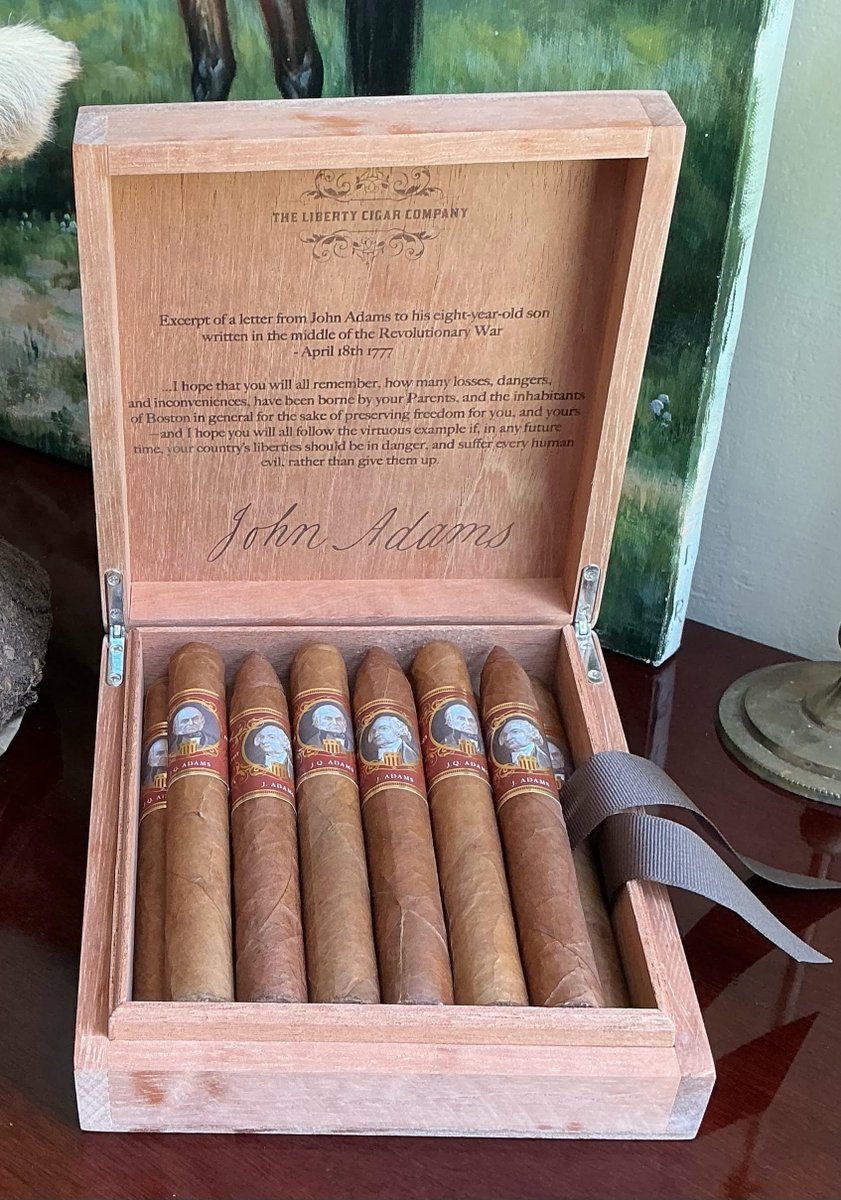
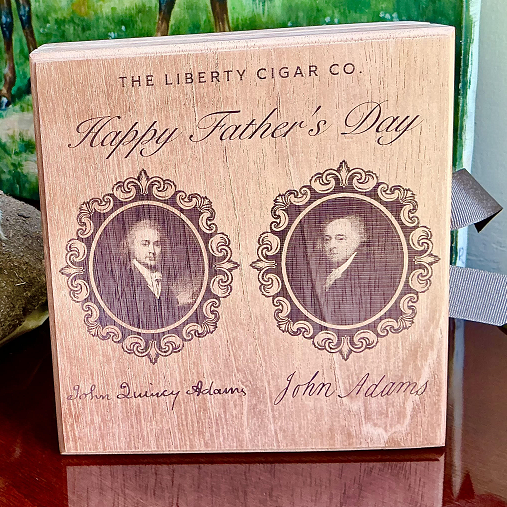
I partnered with Liberty Cigars on this exclusive Father's Day Gift Box to honor exceptional fathers and their oftentimes unheralded contributions to our lives
Liberty Cigars’ hand-crafted premium cigars mirror the personalities of the extraordinary figures they honor
The John Adams Cigar is honest and balanced, like its namesake
The John Quincy Cigar, like the man, is rare with a touch of spice
This is a thoughtful gift for the cigar-loving dad in your life on Father’s Day.
3
8
91
3,836
It’s the *sack sauce* that makes this Abigail Adams dish so good!
…yes, you read that correctly.
instagram.com/reel/DYTEzKVvA…
1
1
2
57

Supporters of an Adams Memorial in DC retweeted
A 1778 letter from Abigail Adams to her son John Quincy Adams offers timeless lessons on knowledge, virtue, and character. Read here: foxla.com/news/america-250-m… #AbigailAdams #America250
4
7
106
Supporters of an Adams Memorial in DC retweeted
A recent East Wing Magazine essay reflects on the proposed memorial honoring John Adams and Abigail Adams in Washington, D.C. Read here: eastwingmagazine.com/p/a-pro… #AdamsMemorial #America250
1
7
9
230
Supporters of an Adams Memorial in DC retweeted
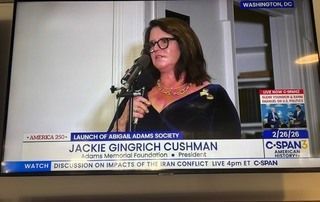
C-SPAN recently featured the launch of the Abigail Adams Society, honoring Abigail Adams and her lasting legacy in the founding era. Watch here: c-span.org/program/america-2… #AbigailAdams #America250
4
6
76
Supporters of an Adams Memorial in DC retweeted
Even in their final days, John Adams and Thomas Jefferson disagreed about the meaning of the American Revolution. Read here: theconversation.com/john-ada… #JohnAdams #America250
3
4
112
Supporters of an Adams Memorial in DC retweeted

Nah, give John Adams a true memorial first.
1
4
127
Supporters of an Adams Memorial in DC retweeted
A new novel, A Founding Mother, shines renewed light on Abigail Adams and her role in shaping the early republic alongside John Adams.
#AbigailAdams #America250 Read here: virginialiving.com/culture/i…
3
5
142
Remember the Ladies Special
🥞🫖🍗🍺
instagram.com/reel/DYny7CbJy…
1
1
3
50
Supporters of an Adams Memorial in DC retweeted

May 21
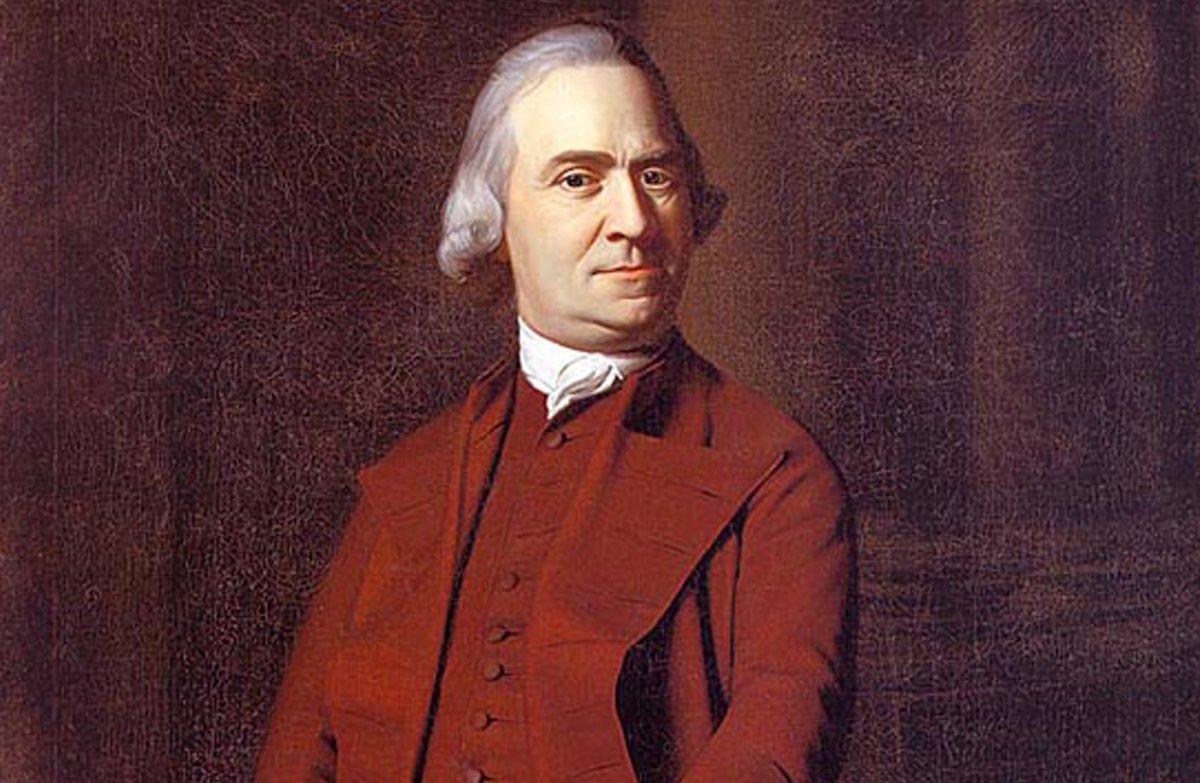
In June 1775, the British military governor of Massachusetts offered a full pardon to every American rebel who would lay down arms.
He named two exceptions. Samuel Adams was one of them.
By that point Adams had spent over a decade engineering the destruction of British rule in America, and the Crown wanted him hanged for treason. He was 52 years old, broke, often dressed in clothes his friends had quietly bought him, and shook with a tremor so bad he could barely sign his name.
He was also the most dangerous man in the empire.
Sam Adams was born in Boston in 1722, thirteen years before his more famous cousin John. He entered Harvard at 14 and wrote his master's thesis on whether it was lawful to resist the supreme magistrate "if the commonwealth cannot otherwise be preserved." He argued yes. He was 20. He would spend the rest of his life proving it.
He was terrible at business. He inherited his father's malt house and ran it into the ground. He tried merchant trading and failed. The town of Boston eventually made him tax collector, possibly as charity, and he proceeded to not collect taxes from people who couldn't afford them. He ended up personally owing the town thousands of pounds, an enormous debt for the time. Boston never made him pay it back.
Voters loved him for it.
In 1764, when Parliament passed the Sugar Act, Adams wrote one of the first major American arguments that taxation without representation was unconstitutional. When the Stamp Act followed in 1765, he organized the Boston resistance, helped grow the Sons of Liberty, and pioneered something new in politics: he turned the Boston town meeting into a weapon, a place where ordinary tradesmen voted on questions of empire.
He wrote constantly. Under more than 25 different pseudonyms, Vindex, Candidus, Determinatus, Populus, and on and on, he flooded Boston newspapers with essays attacking British policy. Loyalists complained that fishermen and dockworkers were now debating constitutional theory in taverns. That was Sam Adams's doing.
After the Boston Massacre in 1770, he stood in front of the royal lieutenant governor and demanded every British soldier be removed from Boston. Not some. All. The governor caved. The troops left. His younger cousin John then defended those same soldiers in court, and Sam never held it against him. They were running the same revolution from opposite ends.
In 1772, Sam Adams invented the system that made the Revolution possible: the Committees of Correspondence. He organized a network of patriot writers in every Massachusetts town who exchanged letters, news, and grievances. Other colonies copied it. Within two years, an unofficial shadow government stretched from New Hampshire to Georgia, faster and better informed than the British administration trying to govern it. It was, in effect, the internet of the American Revolution, and one man designed it.
Then came the tea.
On December 16, 1773, after a final mass meeting at the Old South Meeting House, Sam Adams reportedly stood and said, "This meeting can do nothing more to save the country." It is widely believed to have been the signal. Within minutes, men disguised as Mohawks marched to Griffin's Wharf and threw 342 chests of British tea into Boston Harbor. Adams did not put on a costume or board the ships. He didn't need to. He had built the crowd that did.
Britain responded with the Coercive Acts, shutting down the port of Boston and rewriting the Massachusetts charter. Adams used the crisis to summon the First Continental Congress.
On the night of April 18, 1775, British troops marched out of Boston with two missions: seize the patriot weapons stockpiled at Concord, and capture Samuel Adams and John Hancock, who were hiding in a parsonage in Lexington. Paul Revere rode ahead to warn them. They slipped into the woods minutes before the redcoats arrived. As the first shots of the Revolutionary War cracked behind him on Lexington Green, Adams is said to have turned to Hancock and exclaimed, "What a glorious morning for America."
He signed the Declaration of Independence the next year. He helped write the Massachusetts Constitution of 1780, the oldest functioning written constitution in the world, still in force today.
After the war, the firebrand became an elder statesman. He opposed the new U.S. Constitution at first because it had no Bill of Rights, then supported ratification once one was promised. He served as Lieutenant Governor under John Hancock, then as Governor of Massachusetts from 1794 to 1797. He watched his younger cousin John serve as the second President of the United States while he ran the state where the whole story had started.
By the end, the tremor in his hands was so severe his wife Betsy had to write his letters for him. He spent his last years quietly in Boston, in the same plain coat, in the same plain house, talking about scripture and republics.
He died on October 2, 1803, in genteel poverty. His funeral procession was the largest Boston had ever seen.
The brewery wasn't his. The beer is just a name. The country is the monument.
65
483
2,371
70,471
Supporters of an Adams Memorial in DC retweeted
GBH revisits Abigail Adams’ famous 1776 call to “remember the ladies," highlighting her enduring voice on civic life, education, and the responsibilities of the founding era.
wgbh.org/news/local/2026-05-… #AbigailAdams #AdamsMemorial
2
2
5
216