
Nationally Representative stats on mobile and Internet, gender, urban-rural gaps, social media, ecommerce and online harassment in the Global South.
Joined October 2017
- Tweets 286
- Following 72
- Followers 395
- Likes 257
28 Photos and videos
Pinned Tweet

23 May 2019
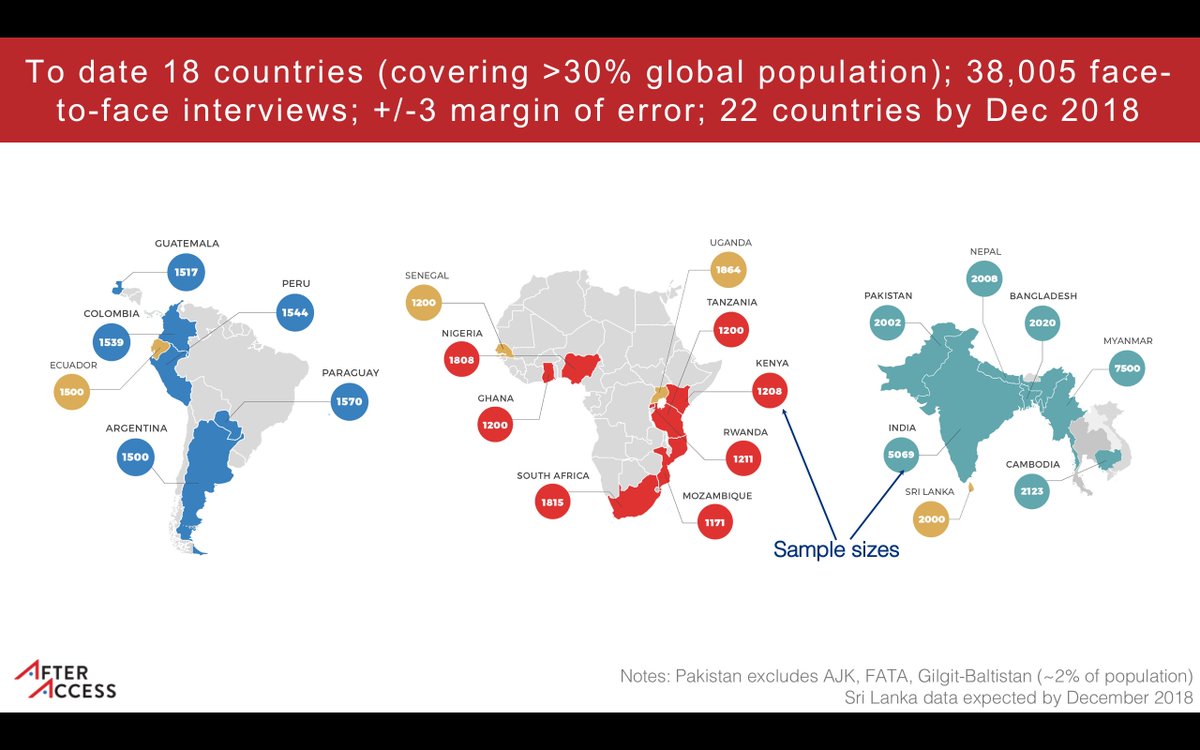
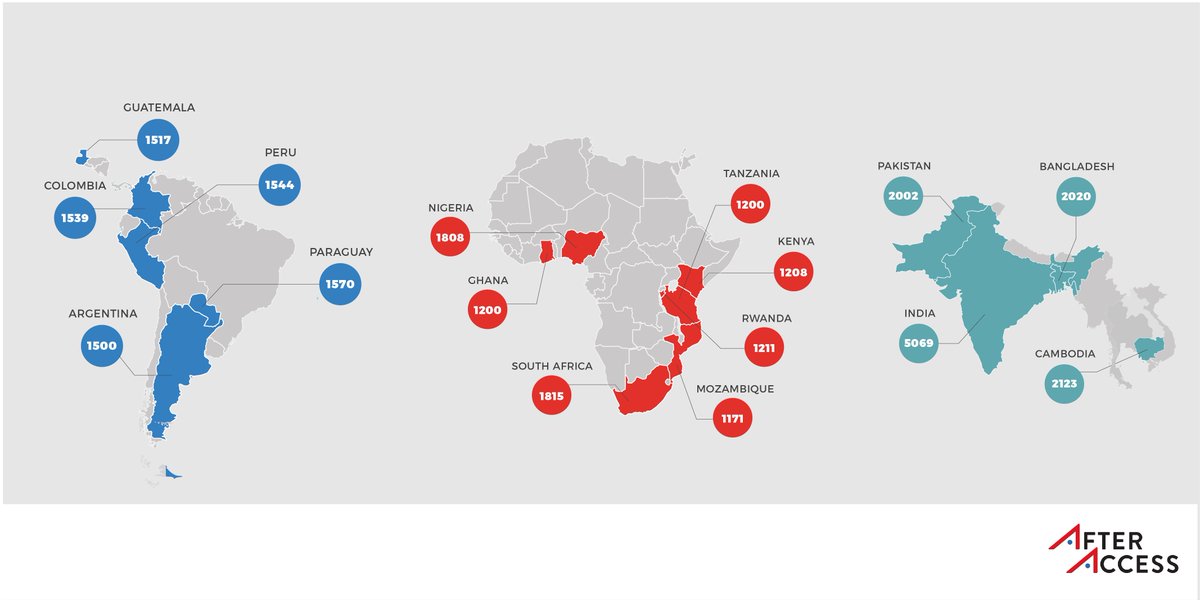
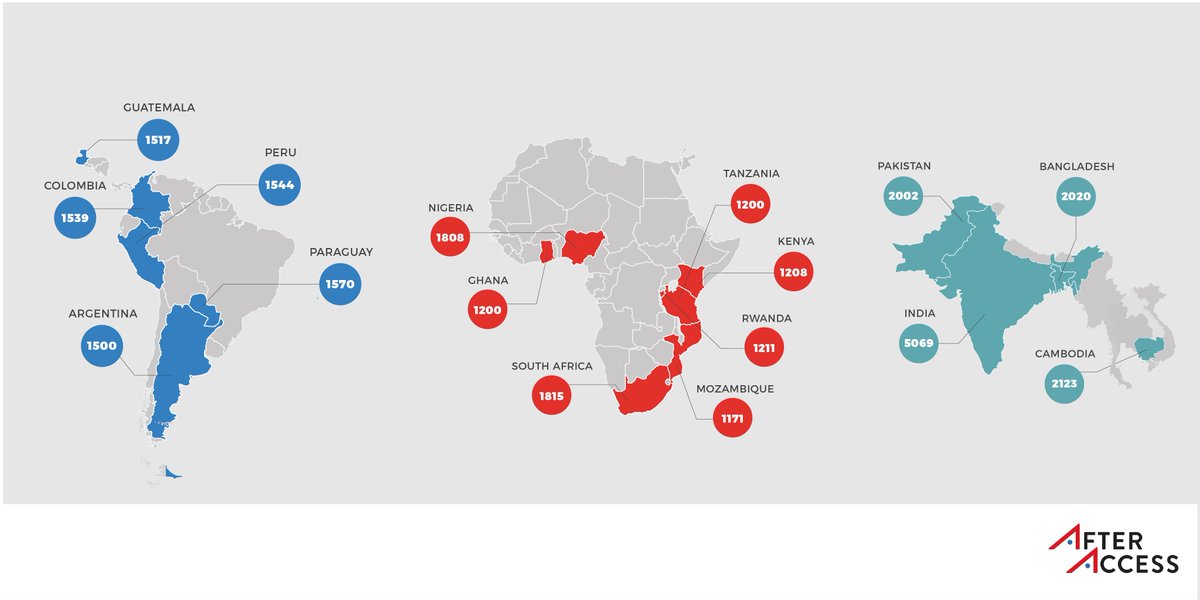
New #Asia report covering all 23 countries released by @LIRNEasia!
S/O to @AAileen @alison_gillwald @helanigalpaya who led the research for @DIRSI @LIRNEasia @RIAnetwork and to our funders @IDRC_CRDI @SidaICT4D @FordFoundation
bit.ly/AAAsia3
1
5
12
After Access retweeted

25 Jan 2021
Out Now: #WomenGigWork brief "Research in the #Covid_19 Context." What new research methods to explore in a #pandemic? What are the ethical considerations? Read here: bit.ly/39fp7Kg. Special thanks to author @MuktaNaik @CPR_India. @GillianDowie @IDRC_CRDI @sabinadewan
2
10
19
After Access retweeted

20 Jul 2020
#COVID19, lockdowns, social distancing etc. have imposed limitations on the usual research methods. In this new environment, we have to rethink not only how we do research but the kinds of research questions we ask. @tharaka__ and @Isusamaratunga discuss
lirneasia.net/2020/07/resear…
3
7
After Access retweeted
9 Jul 2020
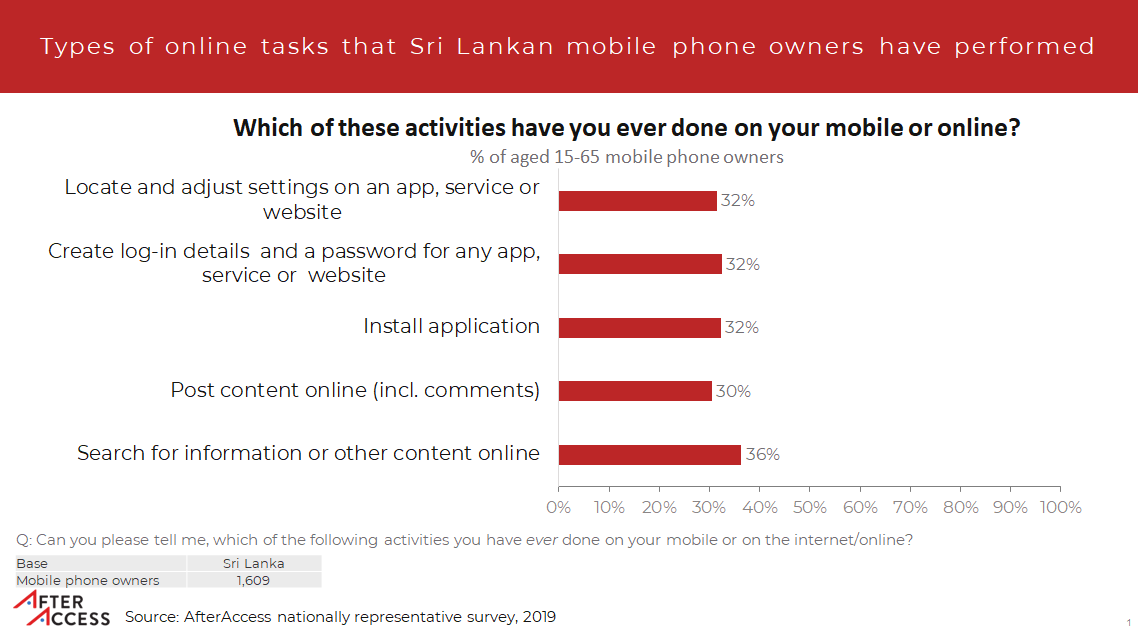
46% of #lka 5-59 population are 'digitally literate' as per @LankaSTAT's 2019 (Annual) Computer Literacy Statistics report statistics.gov.lk/education/… But digital literacy is more than just being able to 'use' a device independently. @AfterAccess
1
3
5
After Access retweeted

2 May 2020
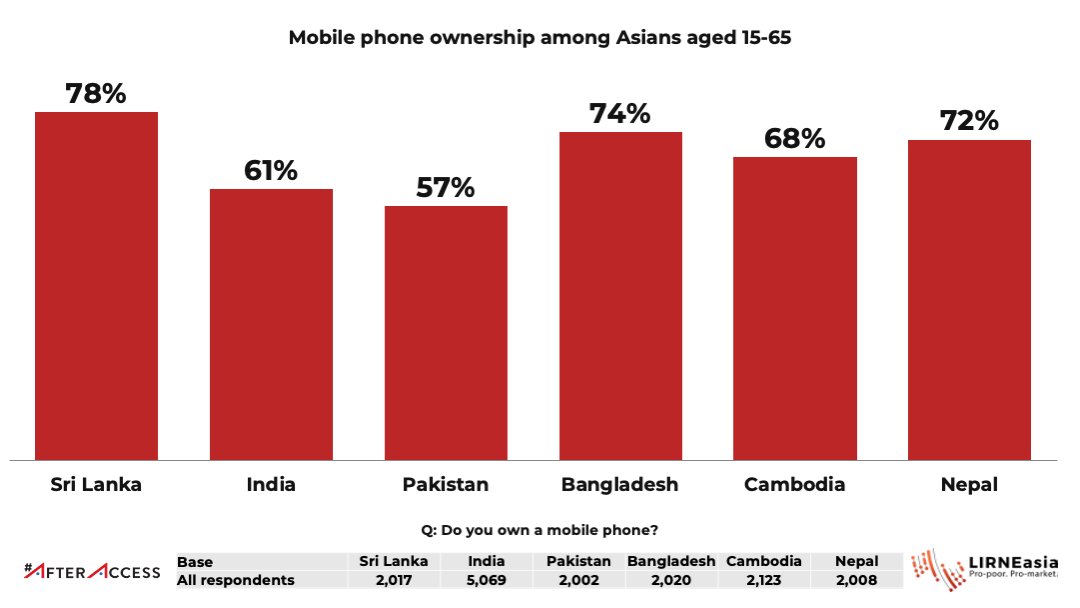
More here. There are still approximately 331K Sri Lankans out if the reach of mobiles, so other complimentary options needed to reach such people. x.com/LIRNEasia/status/12485…
10 Apr 2020

At a time of crisis, getting timely, credible #news and information to the public is crucial: it can save lives. Large numbers in developing Asia now own mobile phones, so, #SMS can be used to get information out to the public. (1/3)
3
5
After Access retweeted
19 May 2020
Even if a household has a working and connected device, there are still further barriers of data affordability and lack of skills (not just basic but to ensure safe/secure experience, particularly if you're talking about kids, but applies for other vulnerable groups also).
1
3
2
After Access retweeted
21 May 2020
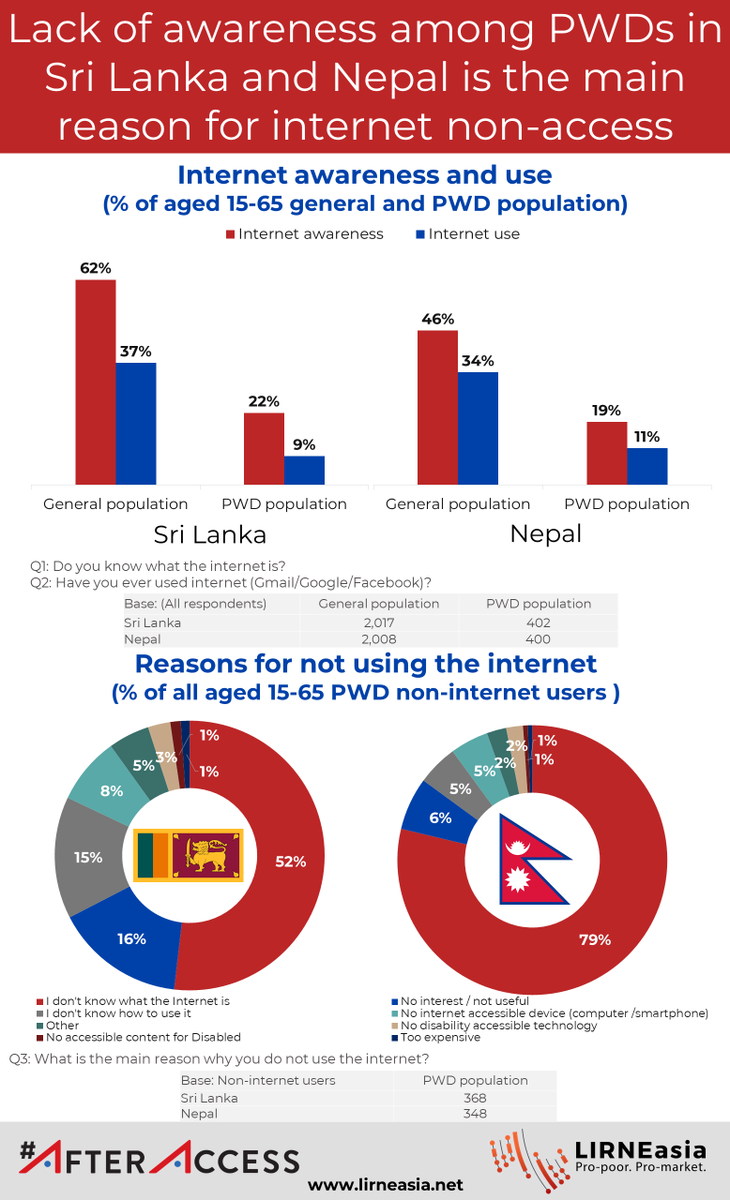
Today is #GAAD Global Accessibility Awareness Day. In #SriLanka & #Nepal @AfterAccess shows #DigitalAccessibility barriers remain for #PWD. #Accessibility #digitalinclusion #GAAD2020
@Isusamaratunga @GayashiJ @samarajiva @ayeshazainudeen @tharaka__
6
6
After Access retweeted
6 Jul 2020
6
8
After Access retweeted
6 Jul 2020
More on our work on SMEs:
economynext.com/sri-lanka-sm…
29 Jun 2020
27 June was World MSME Day. More digitally connected SMEs means better business, especially during lockdowns; see what the #lka @AfterAccess #SME survey has to say about this in this video
youtube.com/watch?v=-RwCGOHP…
#digitalinclusion #COVID19
1
After Access retweeted
7 Jul 2020
Our @AfterAccess research shows that more digitally connected #SMEs perform better on more than one measure. See more above.
2
2
After Access retweeted
7 Jul 2020
#MSMEs have been hit hard by #COVID19 and the future for #lka #MSMEs looks bleak according to @FT_SriLanka ft.lk/columns/Economic-trans…
If more MSMEs got online and improved their capability for digital payments, could this help them bounce back?
29 Jun 2020
27 June was World MSME Day. More digitally connected SMEs means better business, especially during lockdowns; see what the #lka @AfterAccess #SME survey has to say about this in this video
youtube.com/watch?v=-RwCGOHP…
#digitalinclusion #COVID19
1
3
2
31 Jul 2019
2
4
After Access retweeted

13 Jun 2019
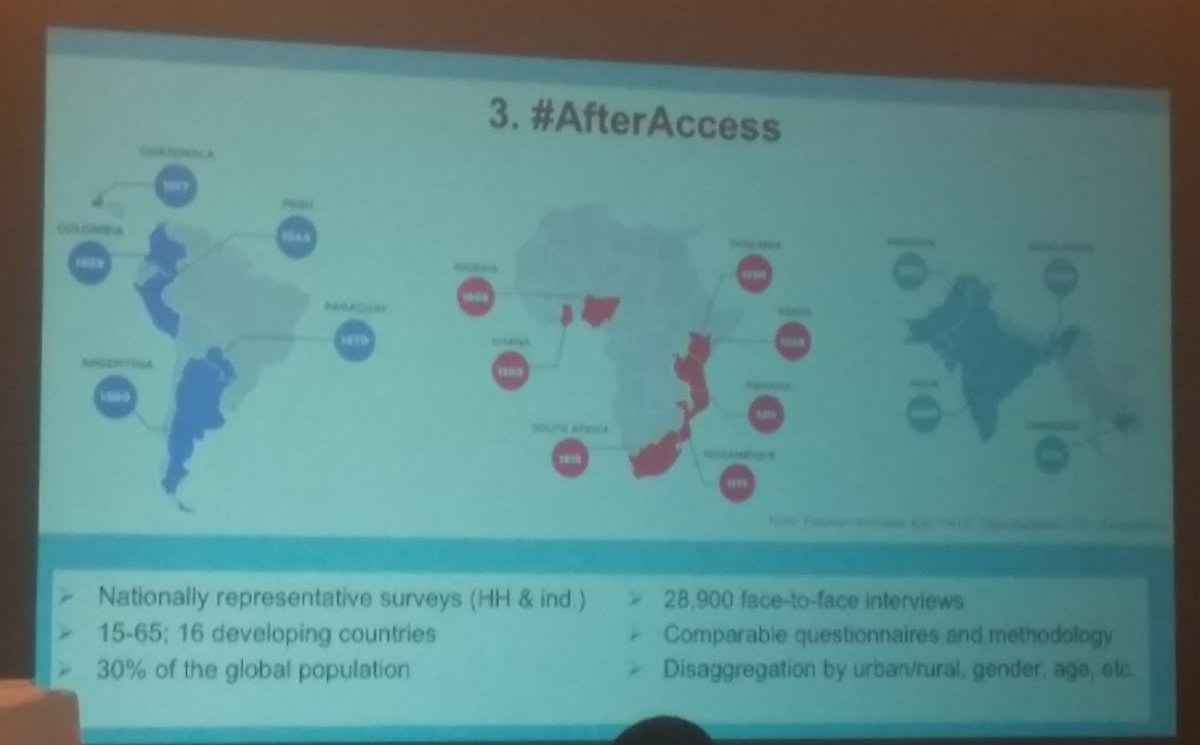
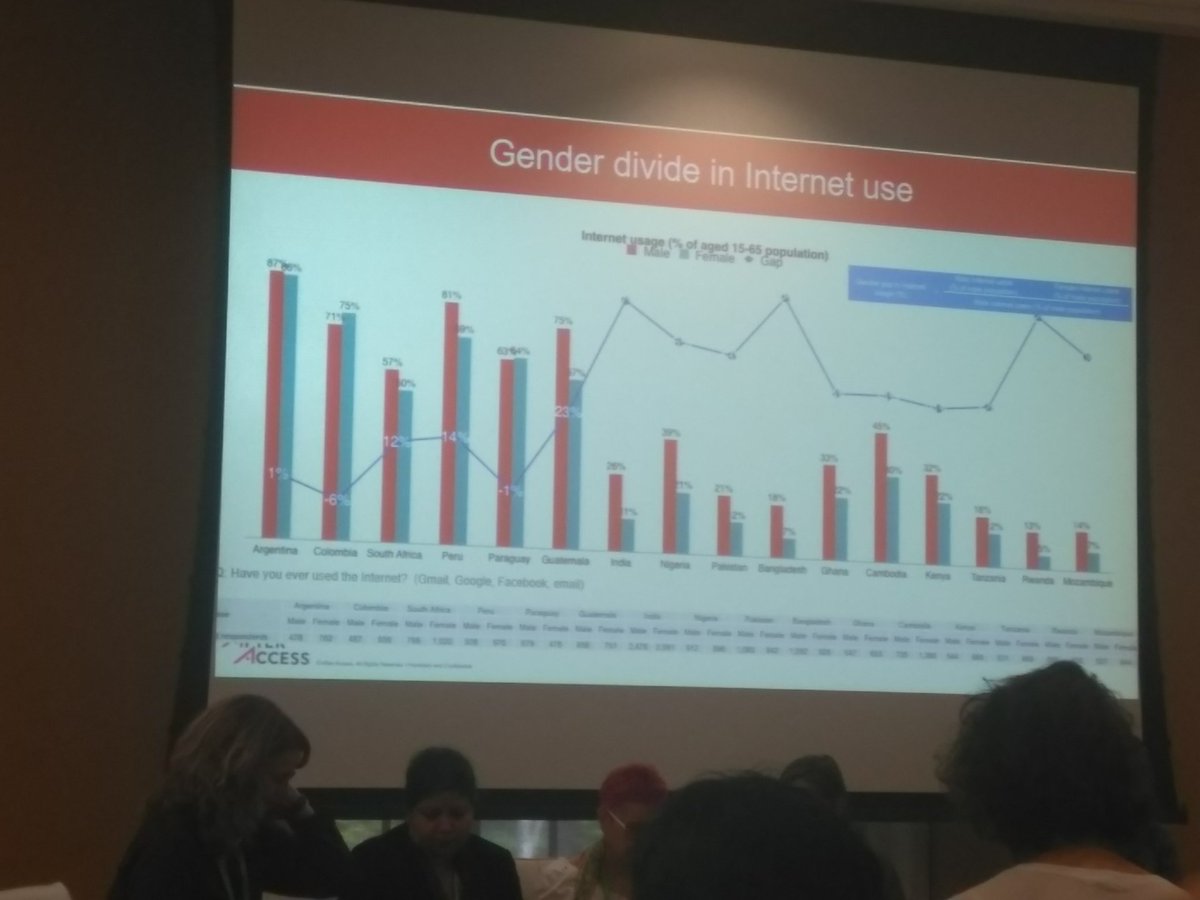
For example our study found that despite the good supply side policies in #Rwanda from our @AfterAccess work we found it to have less than 10% Internet uptake and a 60% gender gap @rightscon #cyberpolicy
2
1
2
After Access retweeted
13 Jun 2019
Rep from @cipesaug highlights the need for policy makers to be engaged more on demand side data that is available such @AfterAccess comparative report that is done by @RIAnetwork #socialmediatax @rightscon
4
6
After Access retweeted
13 Jun 2019
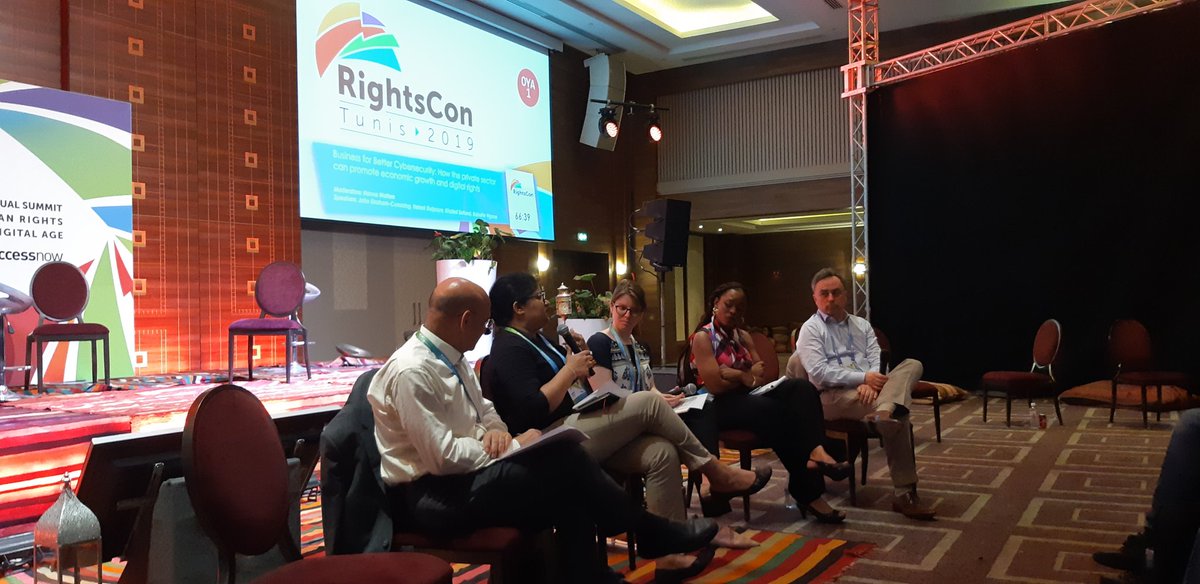
@helanigalpaya on the challenges of cybersucurity in the global south: Bad laws, no laws, low capacity and low understanding among users of how to secure themselves online in a basic way
#digitalrights #RightsCon2019 @lirneasia @afteraccess
1
4
11
After Access retweeted

14 Jun 2019
Tax on data services now 16.67% (prev 11.35%). Other services now 27.77% (prev 21.96%).
Unfortunate as just 13% of Bangladeshis (15-65 yrs) reportedly used the internet; 1/3rd of #Bangladesh internet users (15-65 yrs) cited costly data as a barrier. @AfterAccess @LIRNEasia
1
2
2
After Access retweeted
14 Jun 2019
@AfterAccess @LIRNEasia findings showed 61% of #Bangladesh mobile phone owners had internet-enabled phones. Even with supposedly cheaper locally made handsets available in the market, 35% of Bangladeshis (15-65) said they could not afford a device.
1
1
2
After Access retweeted
14 Jun 2019
@AfterAccess insights on #digitaleconomy in the #GlobalSouth from @ayeshazainudeen @chenaiie_ and @AAileen this afternoon — 2:15pm, Oya 2 (Laico)
Our last session at #RightsCon2019!
2
2
After Access retweeted
14 Jun 2019
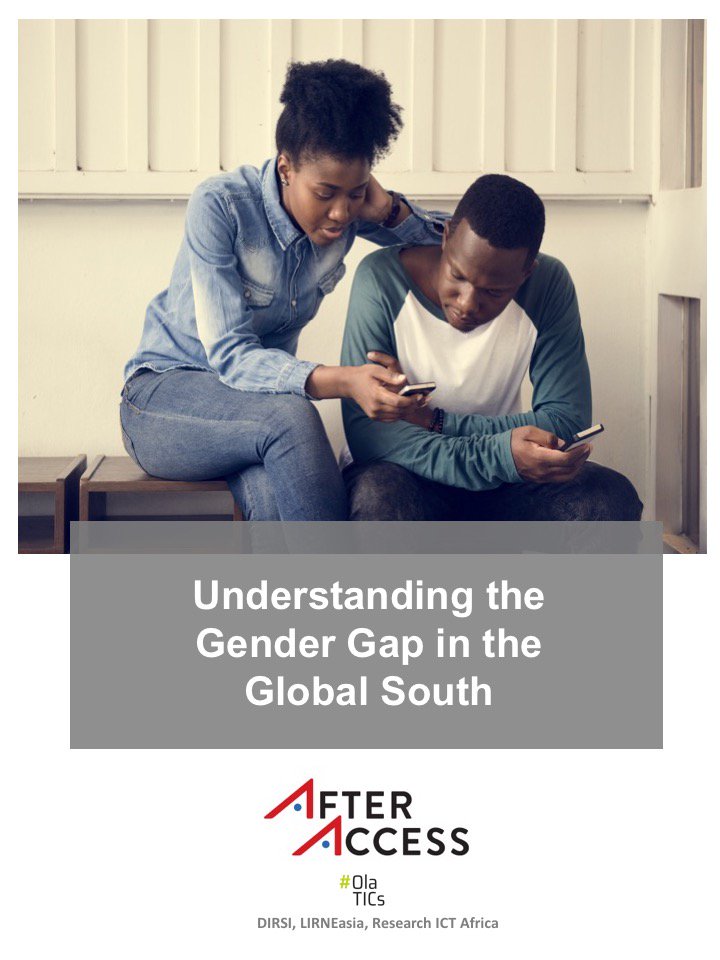
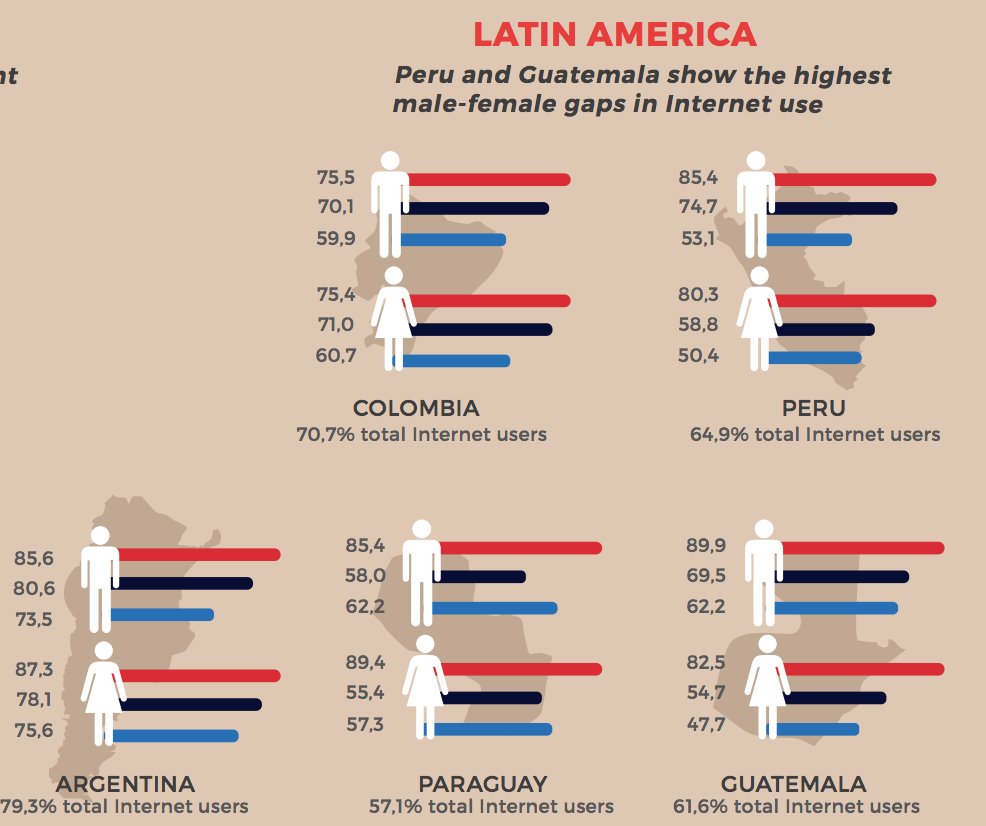
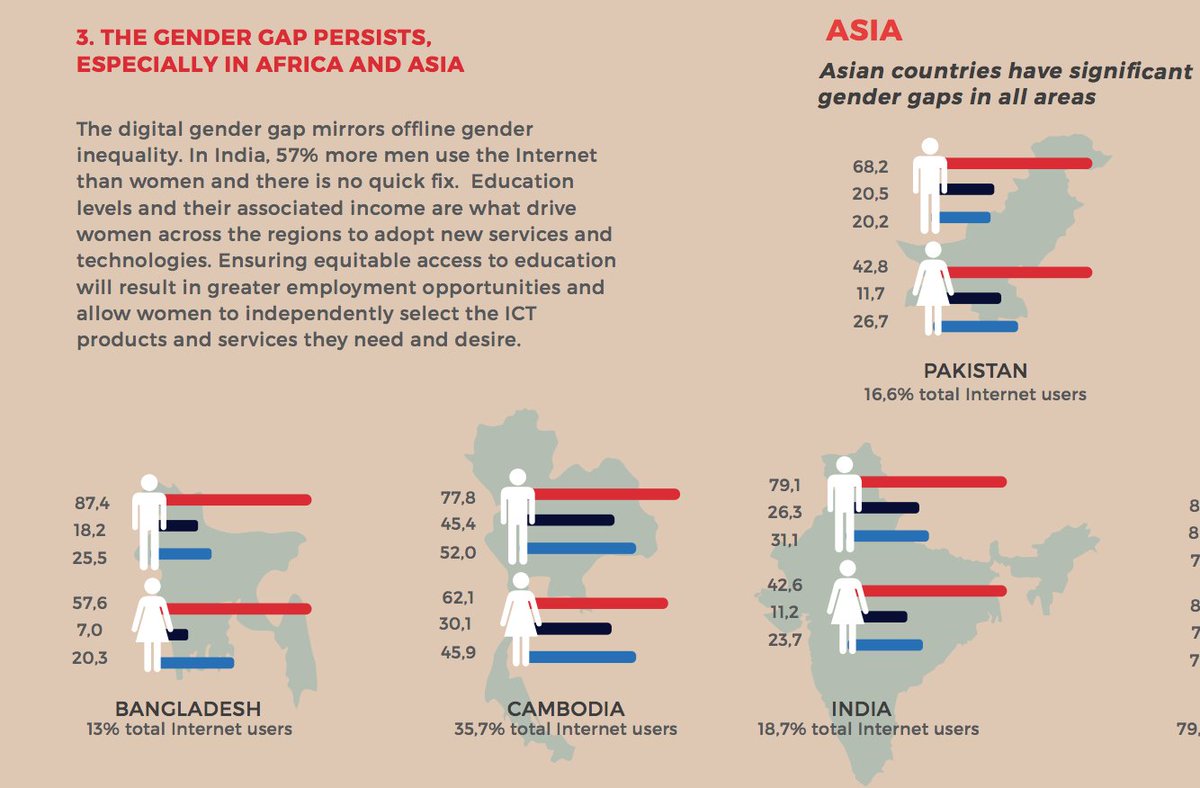
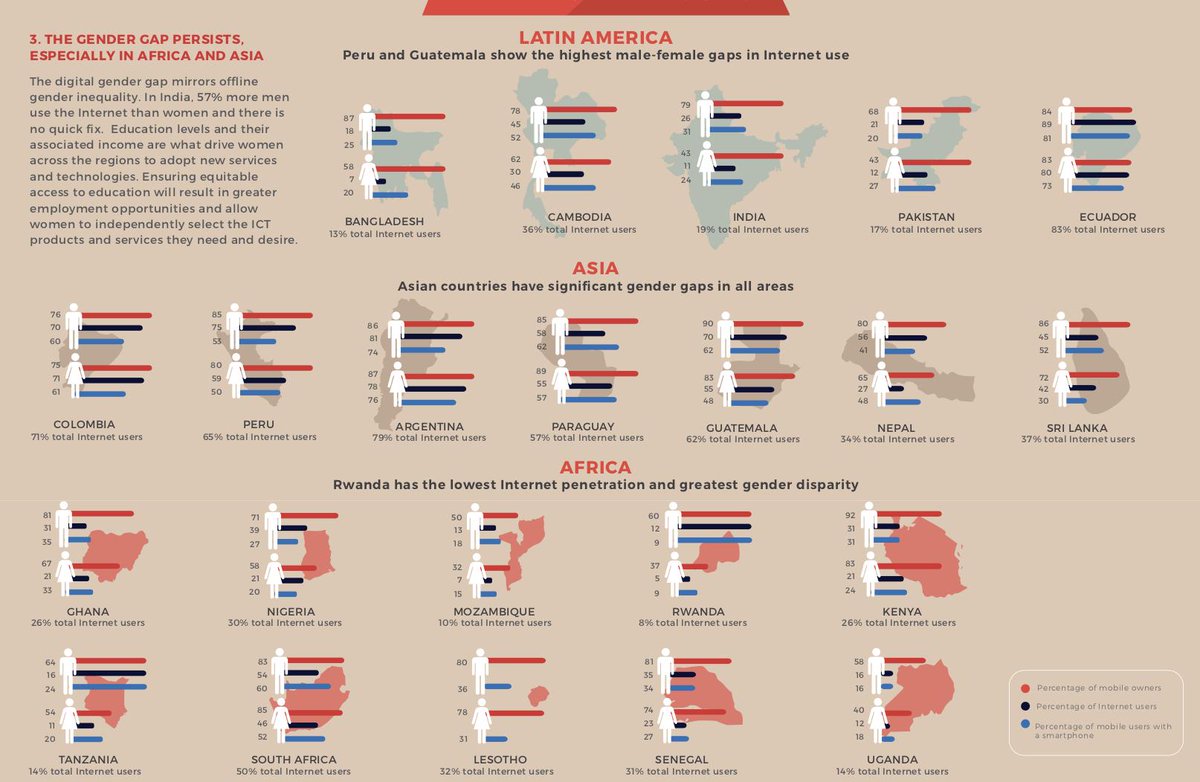
In the @AfterAccess The digital gender gap mirrors offline gender inequality. Education levels and their associated income are what drive women across the regions to adopt new servicesand technologies. @UNSGdigicoop @LIRNEasia @olatics @rightscon #RightsCon2019
ALT gender internet insights
6
10
23 May 2019
New #Asia report covering all 23 countries released by @LIRNEasia!
S/O to @AAileen @alison_gillwald @helanigalpaya who led the research for @DIRSI @LIRNEasia @RIAnetwork and to our funders @IDRC_CRDI @SidaICT4D @FordFoundation
bit.ly/AAAsia3
1
5
12
23 May 2019
And S/O to @equals for recognizing our work early on and helping us make a bigger impact on reducing the #gendergap to #Balance4Better
1