
Servant of Jesus Christ, Grain Farmer, professional precision farming technician, and husband, Dad to Henry
Joined May 2020
- Tweets 5,289
- Following 643
- Followers 891
- Likes 2,476
903 Photos and videos




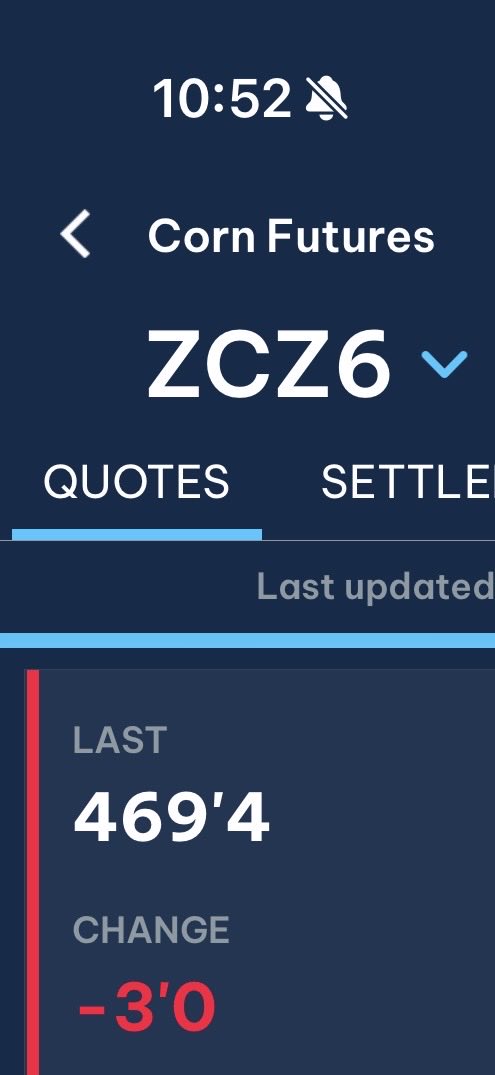

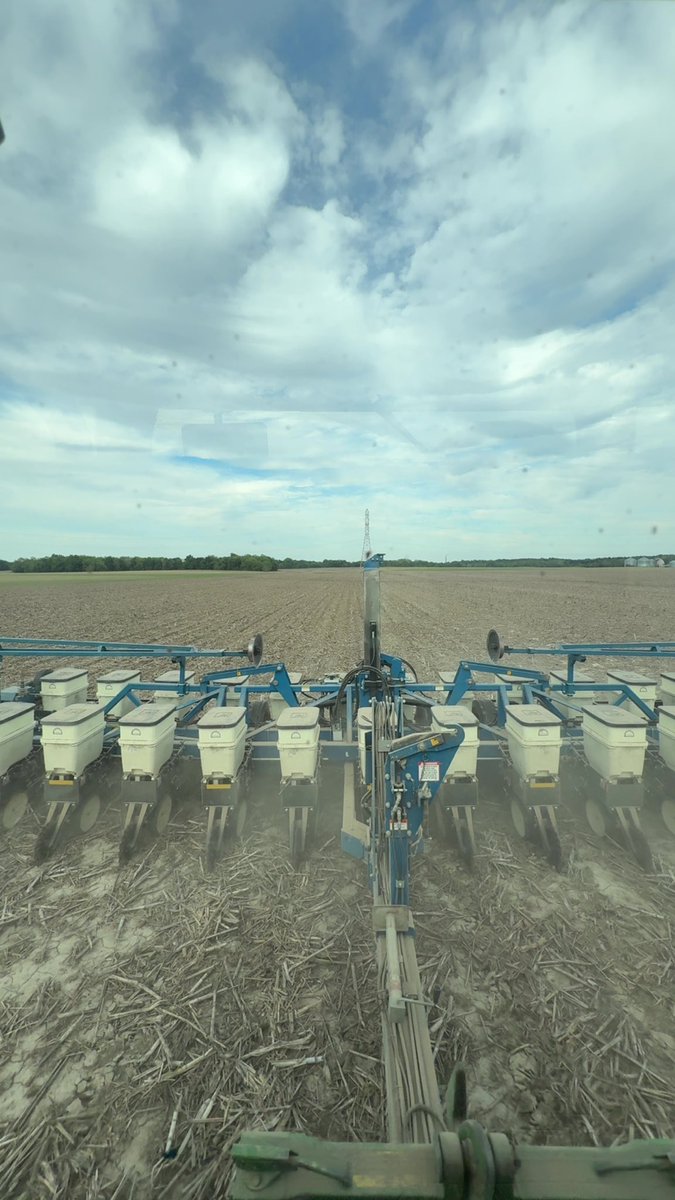





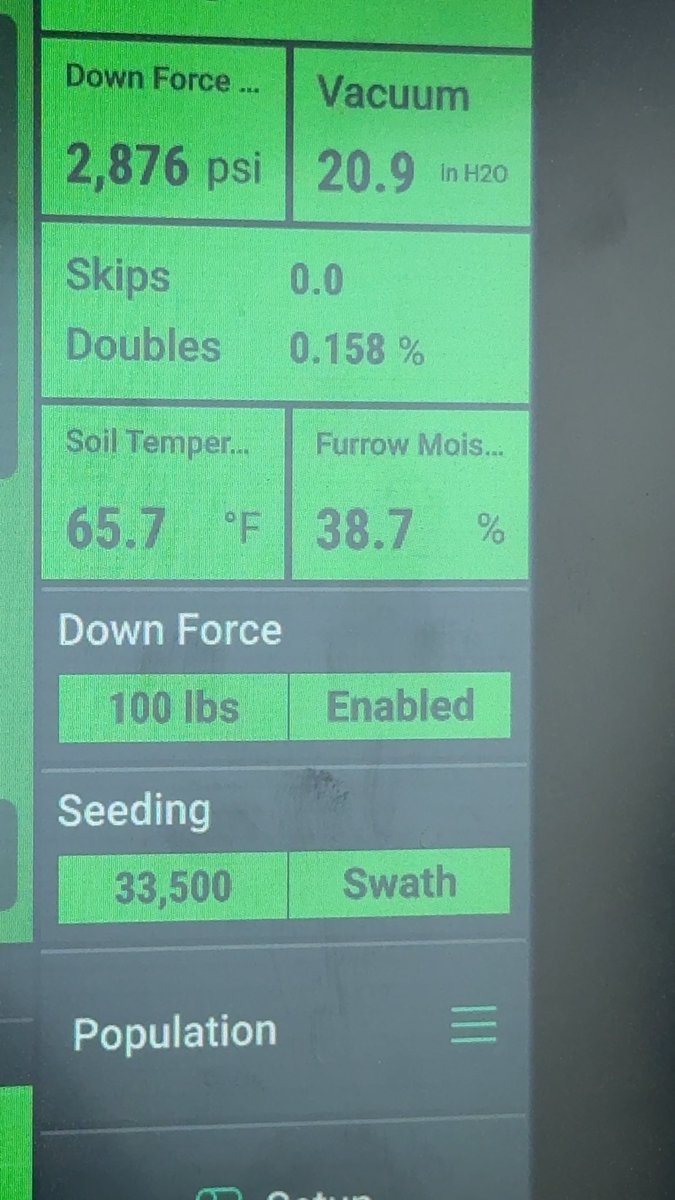
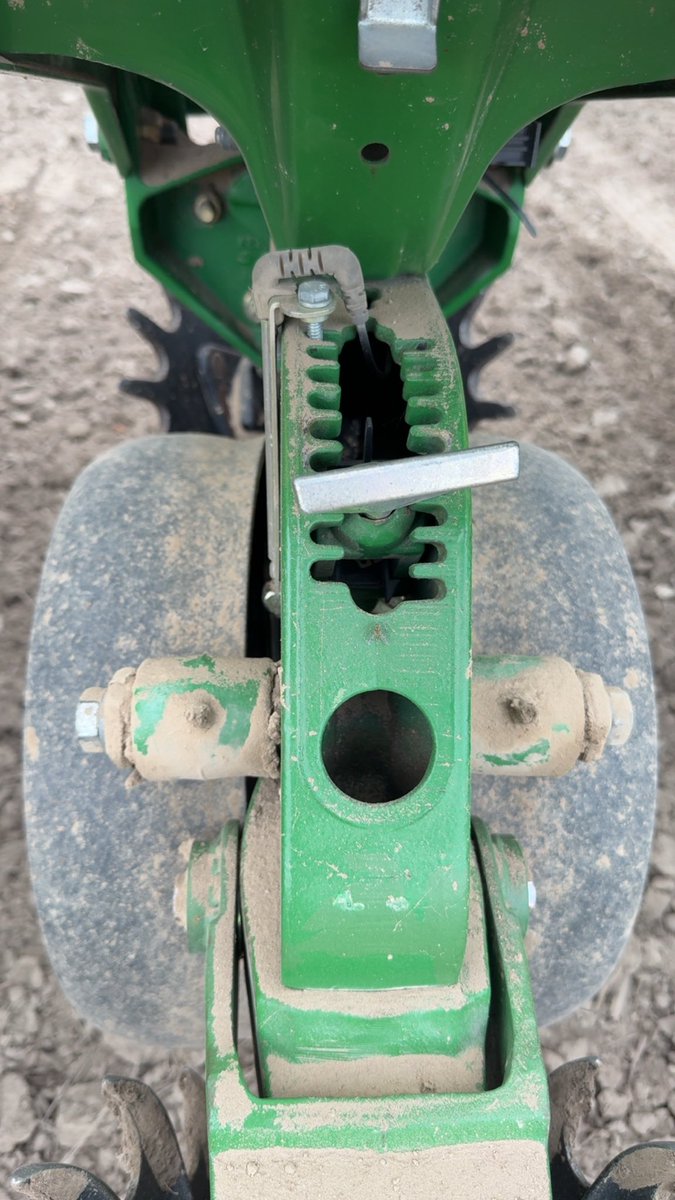



Jun 12
Jun 11

I guarantee there's people out there already bidding $180 spcx
64
Jun 10
Bag holders live among us

Anna Watts, a 33-year-old public relations manager in New York, has stashed away $6,500 to buy SpaceX stock after it hits the market Friday. If she had her way, she’d buy even more. bloomberg.com/news/articles/…
133
Jun 10
I can't wait to buy puts
Jun 10

BREAKING: SpaceX's IPO is expected to create 4,000 new millionaires, including some cafeteria workers whose compensation packages include employee stock options, per Bloomberg.
115
Jun 10
It's hilarious how nobody cares about beef tallow anymore.. Remember that? All the rage for like 6 days
88
Jun 10
I'm itching to load back up on gold miners
I'm also itching to lay puts on tech
1
111
Riley retweeted

A look back at the stocks that traded above 10x sales at the dot-com peak.
What happened next:
– Cisco: ~25x sales, P/E above 200. Crashed -90%. Finally broke its 2000 peak in December 2025. 25 years and 8 months later.
– Intel: ~13x sales. Crashed -82%. Finally broke its 2000 peak in May 2026. Almost exactly 26 years later.
– Microsoft: ~25x sales. Crashed -65%. Took 16 years and 8 months to make a new high (October 2016).
– Qualcomm: ~30x sales. Crashed -88%. Took roughly 20 years to break even.
– Sun Microsystems: ~10x sales. Crashed -97%. Acquired by Oracle in 2009.
– JDSU: ~50x sales. Crashed -99%. Broken into pieces.
– Yahoo: ~50x sales. Crashed -97%. Sold to Verizon for a fraction.
– Lucent: ~10x sales. Crashed -99%. Eventually absorbed by Nokia.
– Nortel: ~15x sales. Bankrupt in 2009.
Then there's the famous mega survivor.
Amazon traded at ~30x sales at the peak. It still crashed -97%. The investor who bought at the top held through a 97% drawdown before eventually making money roughly a decade later.
The lesson isn't that every 10x sales stock ends in zero.
It's that even the eventual winners crash 90% first, and break even only after a generation.
Cisco. Intel. Microsoft. Amazon. The four greatest tech survivors of the dot-com era. Average time to break even on price alone: roughly 19 years. Inflation-adjusted, the math is uglier.
You have to be very right, very early, and willing to hold through unimaginable pain.
Most people aren't.

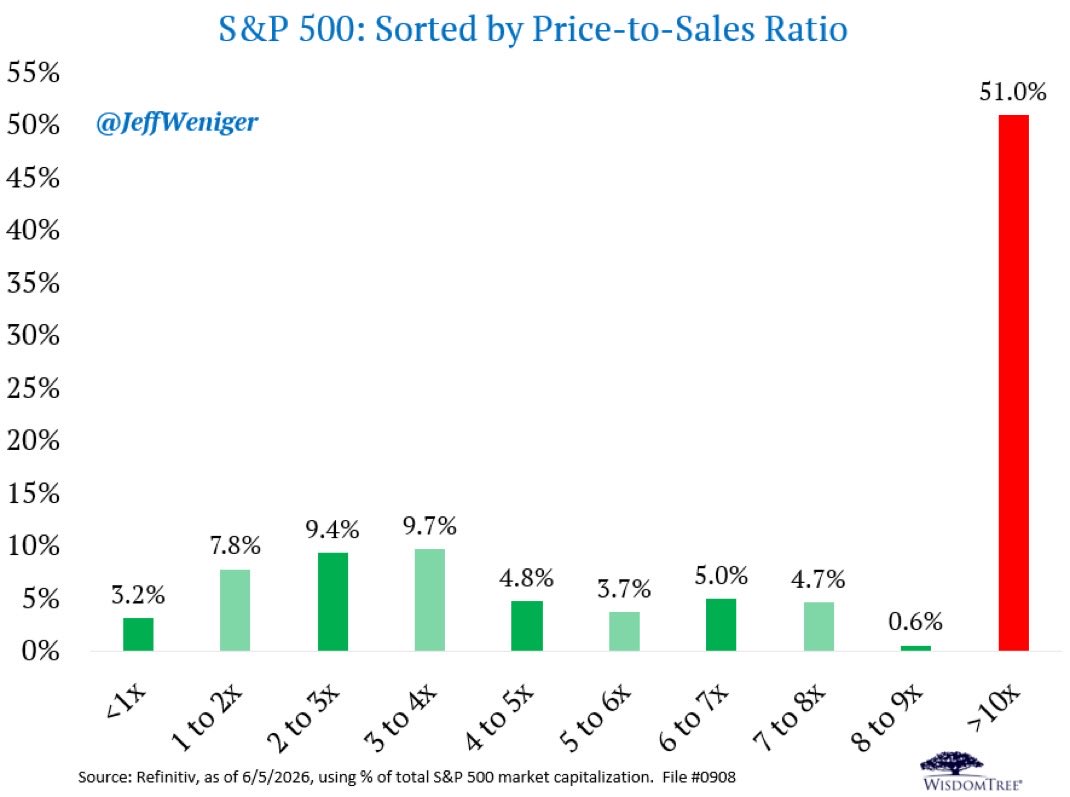
51% of the S&P 500's market cap is in stocks trading above 10x sales.
Half the index.
In 2002, after Sun Microsystems crashed 90%, CEO Scott McNealy famously said this about his own stock at 10x sales:
"At 10x revenues, to give you a 10-year payback, I have to pay you 100% of revenues for 10 straight years in dividends. Zero costs. Zero R&D. Zero taxes. Zero employees. What were you thinking?"
He was explaining why investors had been insane to pay it.
Today, half the S&P 500 trades there.
Different decade. Same math.
49
178
717
114,303
Jun 10
No matter what bad the skies may bring, always remember to look for God's promise on the other side

5
191
Jun 10
Seems like somebody is turning the social unrest knob up on the simulation lately
4
322
Jun 8
Breaking: All global distractions have been canceled this week because all Space-X IPO attention must be forced upon you leading up to Friday
Try not to get too much drool on your screen
99
Jun 8
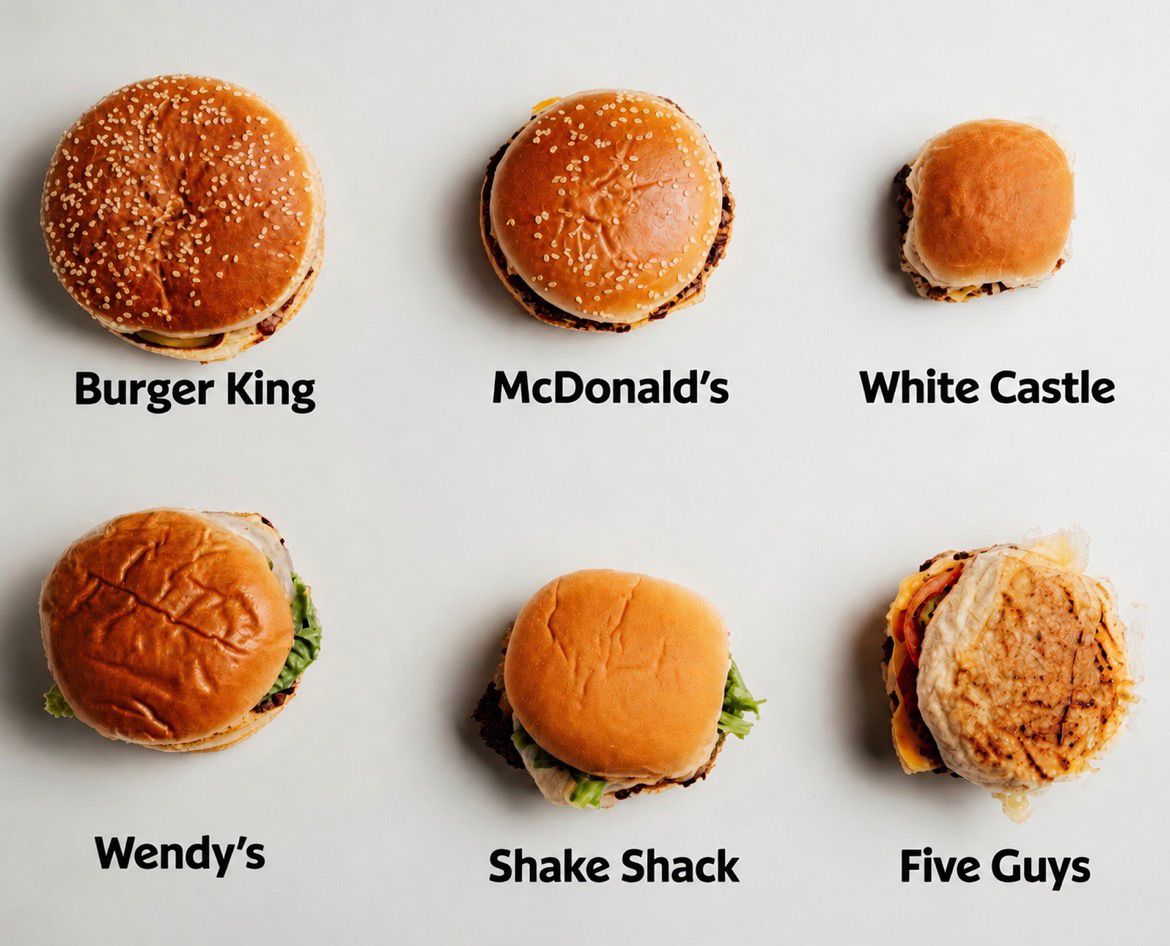
Burger-King Whopper

207
Jun 7
If I farmed in Brazil I would just plant continuous silage corn and have the world's biggest feedlot
5
2
73
17,200