
1,595 Photos and videos






Pinned Tweet

Mar 8
1/6
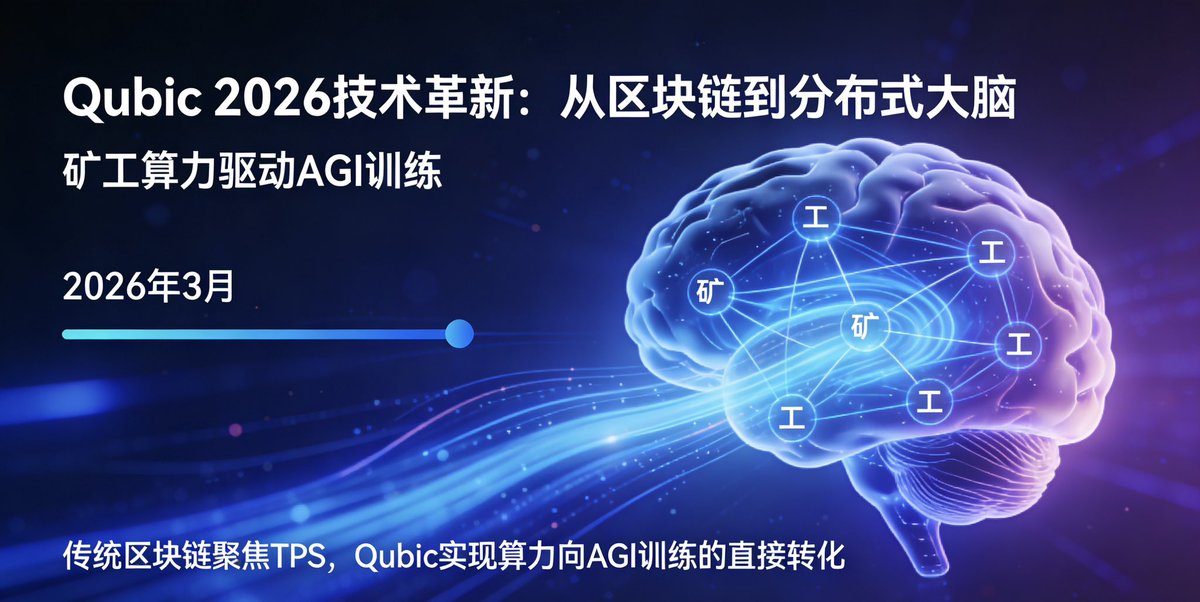
兄弟们,我今天刷Qubic的更新,直接人傻了……
这玩意儿不是在追热点,它就是在自己造下一个时代。
2026年3月了,别人还在聊TPS多少,它已经把矿工的算力直接喂给AGI训练了。
我靠,这不是区块链,这是分布式大脑在醒来啊!🧠💥
6
8
31
56,790

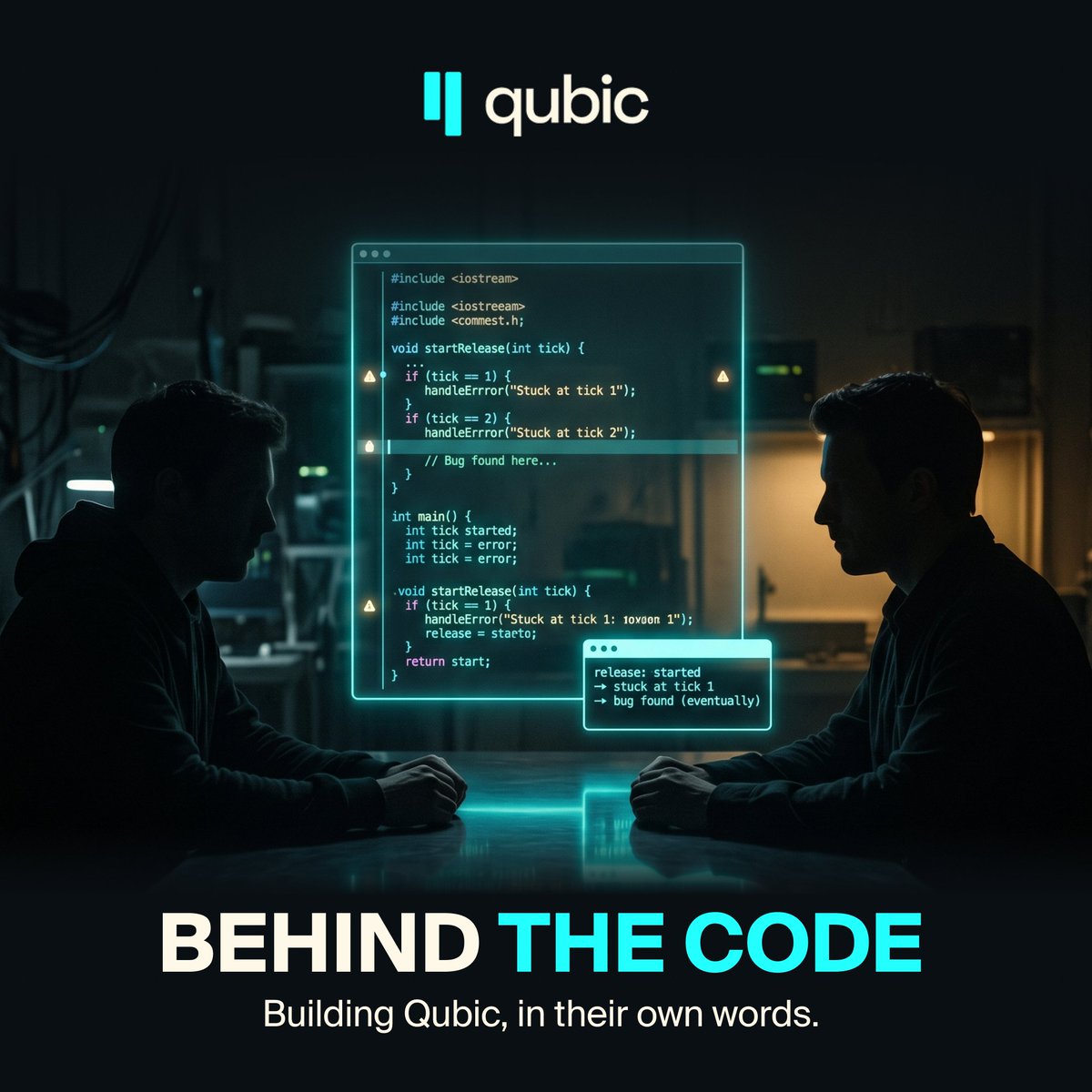
A weekend look at the people actually building this thing, because the last "Tech on Deck" AMA got honest about it.
Building Qubic is not normal software work. When your code is live on the network and it breaks, it does not just throw an error. It costs real money. 🧵
22
62
390
12,944
Every change gets caught by another human first.
Community code cannot just merge in.
At least one core dev must review it.
Two for the more complex code.
And that happens before it ever touches the main code.
They call it the four-eyes rule, and they apply it to their own work too.
2
11
88
13,650
The highlight one of them picked:
Building the tool that checks community smart contracts, then watching it run on the first real community submission.
That is what building Qubic looks like up close.
Methodical, careful, and run by people who treat a live network with the seriousness it deserves.
→ github.com/qubic
3
18
105
14,583
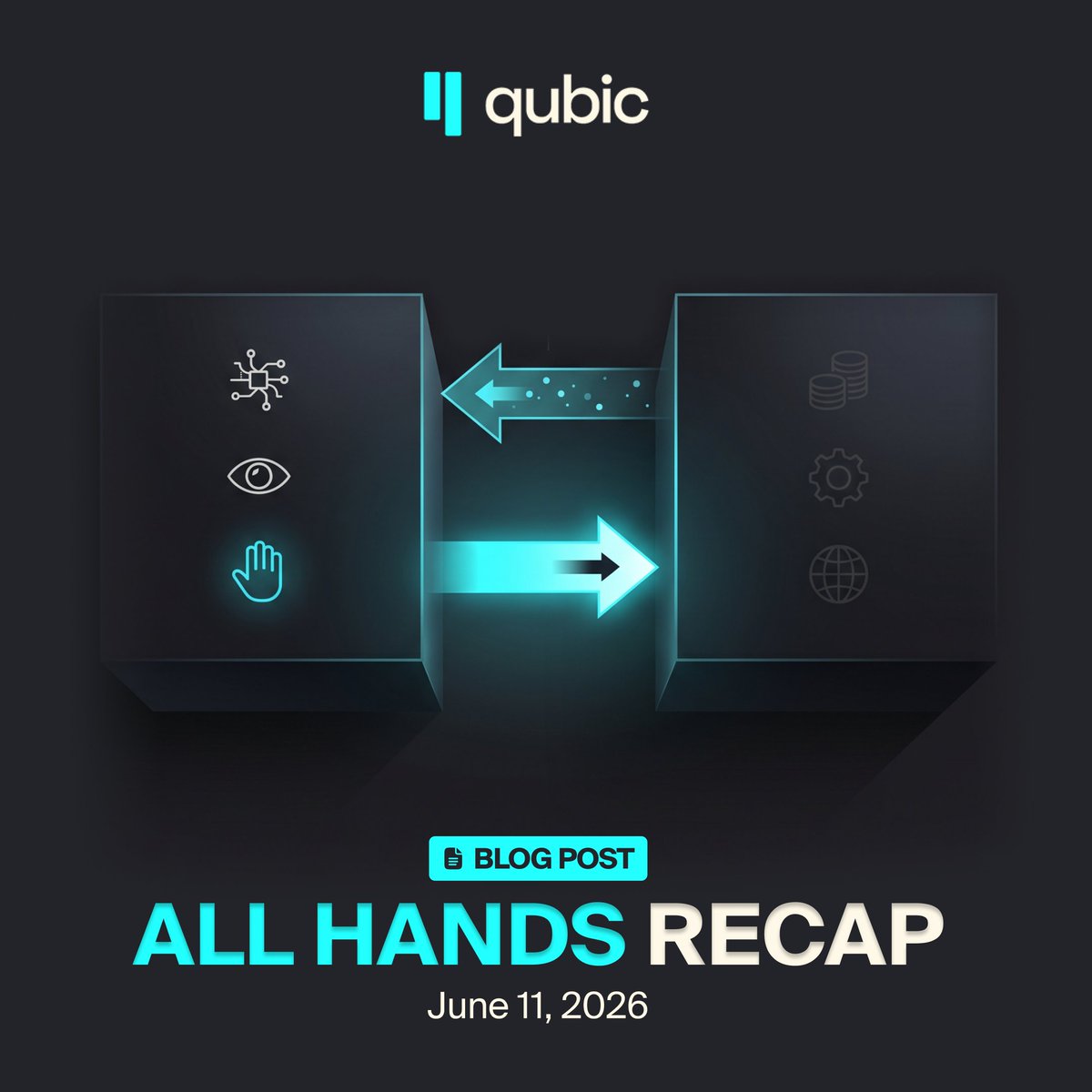
June 11 All-Hands was a big one.
The short version: the listing board approved a fiat on-ramp and a crypto payment card covering 173 countries. CCF Proposal Underway.
The scientific team got Neuraxon V2.0 paper accepted at AGI-26 in San Francisco.
Core tech locked in four protocol milestones between now and August, including outsourced computing on mainnet and the next emission halving.
26
84
443
14,417
Full recap breaks them all down 👇
qubic.org/blog-detail/qubic-…
3
23
209
11,138
On most chains, your transaction fee goes to someone.
On Qubic, it goes to no one.
It is destroyed.
And the network is about to add another furnace.
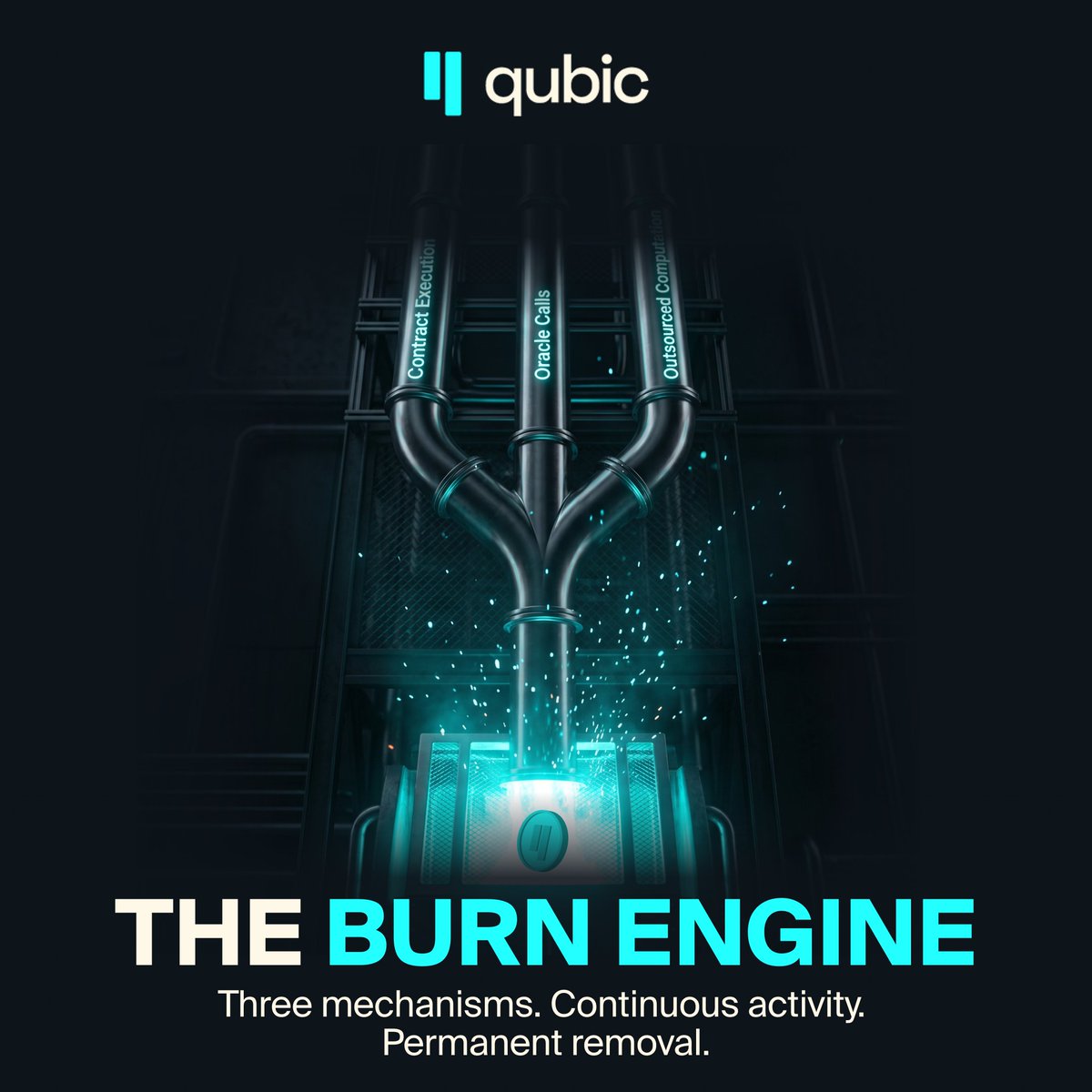
Every smart contract execution: fee burned.
Every Oracle Machine call pulling outside data: burned.
And now Outsourced Computation, contracts acting beyond the chain, works the same way.
Each call costs a fee.
Each fee is removed from the Qubic supply forever.
Three burn mechanisms.
Zero of them optional.
All of them tied to real work.
This is the part people miss about Qubic:
Activity is not just traffic.
Activity is subtraction.
The ultimate goal: usage outburns emission, and the supply curve bends down.
That date is not set by anyone.
It's earned, one transaction at a time.
34
99
535
17,945
Learn how the burn works → qubic.org/blog-detail/qubic-…
1
24
191
10,466
Qubic "All Hands" AMA x.com/i/broadcasts/1RKjppRkz…
21
45
332
233,250
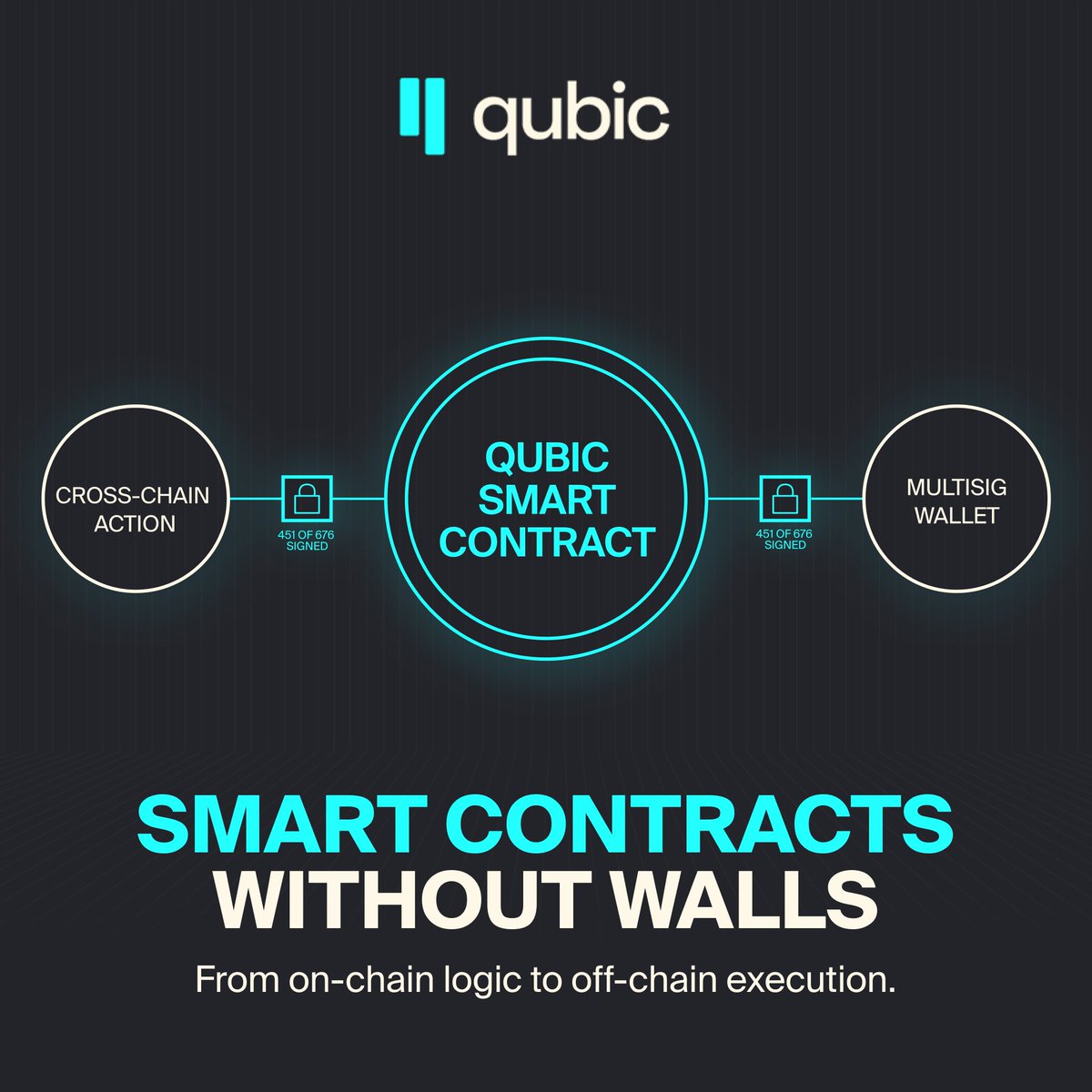
Cross-chain action.
A Qubic contract can trigger a move on Bitcoin, Ethereum, or another chain.
It works wherever Qubic runs a dedicated Outsourced Computation Machine pointed at that chain.
The contract decides on Qubic.
The machine carries the instruction out, and the action lands on the other chain.
No human clicking buttons in between.
1
24
138
4,562
Custody that can change hands safely.
Picture a shared multisig wallet on another chain.
Outsourced Computation can hand control from one set of signers to the next, triggered by a contract and signed off by the network.
No single party quietly holding the keys.
1
10
92
1,439
And here is the trust part.
None of this fires on one person’s say-so.
An instruction only leaves Qubic after 451 of the 676 Computors independently sign it.
The receiving system can check those signatures itself before acting.
So the outside world is not trusting Qubic’s word.
It is checking the network’s math.
3
17
191
14,064
This is being built now, not someday.
Go-live is targeted for July 29, with public testing before that.
A contract that can decide, observe the outside world through Oracle Machines, and act on it through Outsourced Computation closes the full loop, all from inside one system.
Learn More:
qubic.org/blog-detail/qubic-…
2
30
184
11,409
We have no unit of measurement for intelligence.
Not for humans. Not for machines.
We've been arguing about it for over a century.
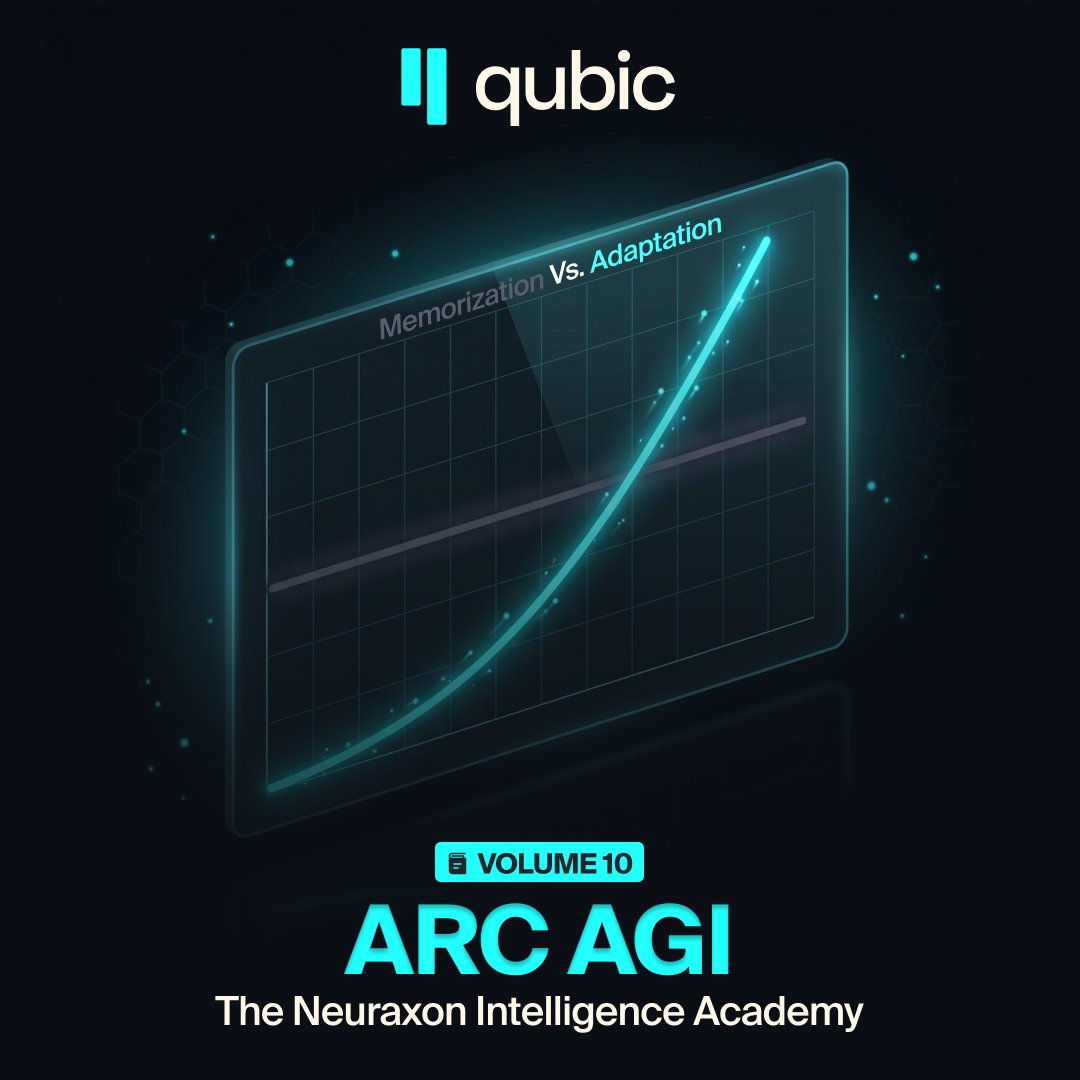
Up to 45% of the benchmarks we use to evaluate LLMs contain leaked training data.
ARC-AGI-3 was built to fix that.
Humans solve 100% of it.
Frontier AI scores below 1%.
NIA Volume 10 breaks down the g factor, Chollet's framework, benchmark contamination, and what measuring machine intelligence actually requires.
24
95
488
21,933
Full read 👇
qubic.org/blog-detail/arc-ag…
4
21
202
13,671
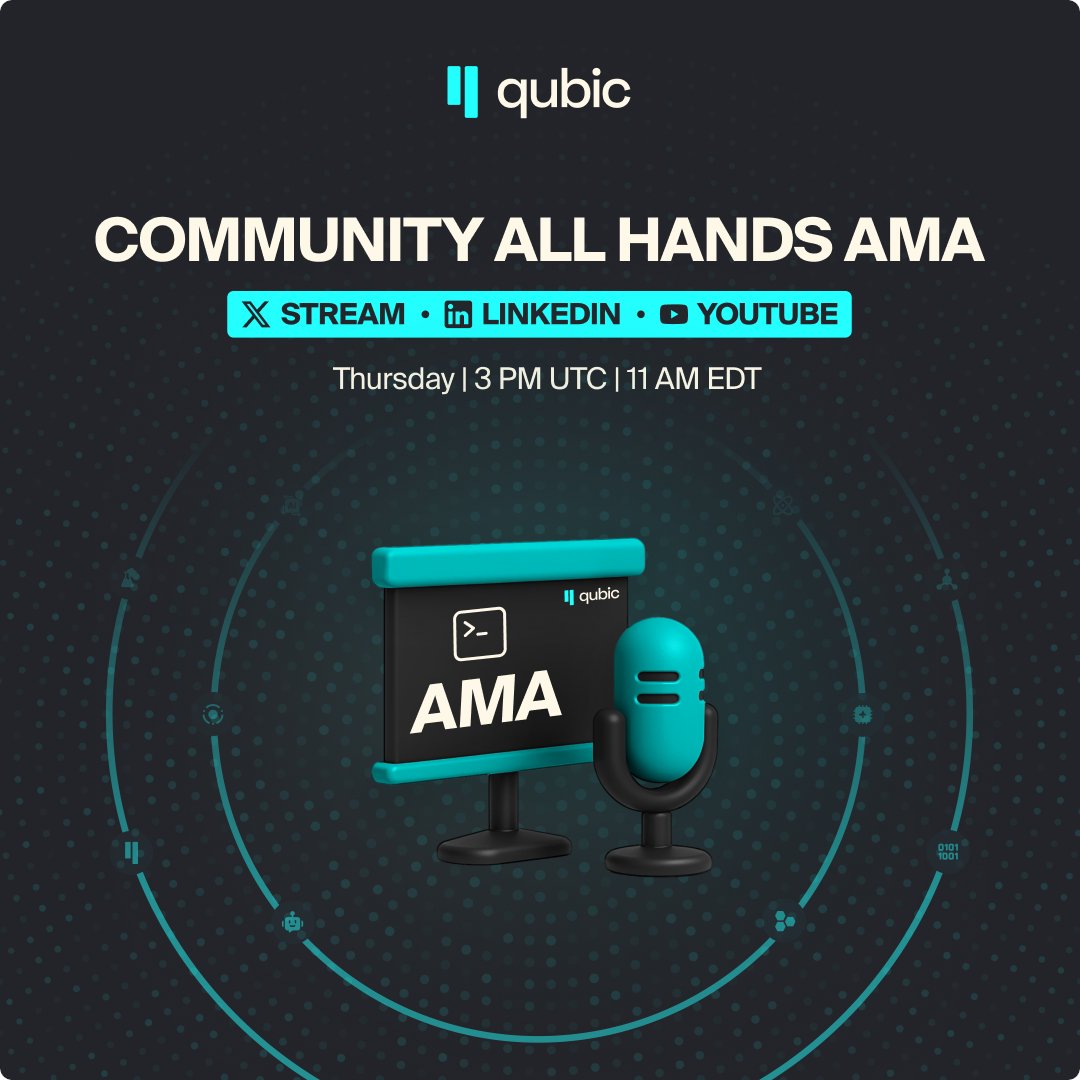
The Qubic Community All Hands is back tomorrow.
Thursday, June 11 at 11:00 AM EDT | 3:00 PM UTC, live on X.
Incubation, Marketing, Core-Tech, Science, and Business Development are all presenting.
Five teams, one stream, questions answered live.
23
59
356
13,267
Free to attend. RSVP here: luma.com/sggoxyjj
3
14
153
11,585
Jun 10
If your phone is original, give it a like and share 😄😜
══════∩═════
╭╬╮ ◢
╭▅▆▇ qubic-network:native █▇▆▅▄▃▂▁(╳)█╮
╰═=_▃▁▁▁▁▁∠▔▔
╙O ╙O
1
27
Qubic does not outsource compute. It outsources computation.
One letter of difference. It changes everything, and it is the most misunderstood part of what launches July 29.
No, Qubic is not renting out processing power.
No, miners will not be running your LLM.
Renting compute is:
“Here is a pile of processing power. Do whatever you want with it.”
That is not this.
Outsourced Computation is narrow by design.
A smart contract decides on one authorized action.
“Move these funds.”
“Trigger this on Ethereum.”
One contract. One verified intent.
Nothing more.
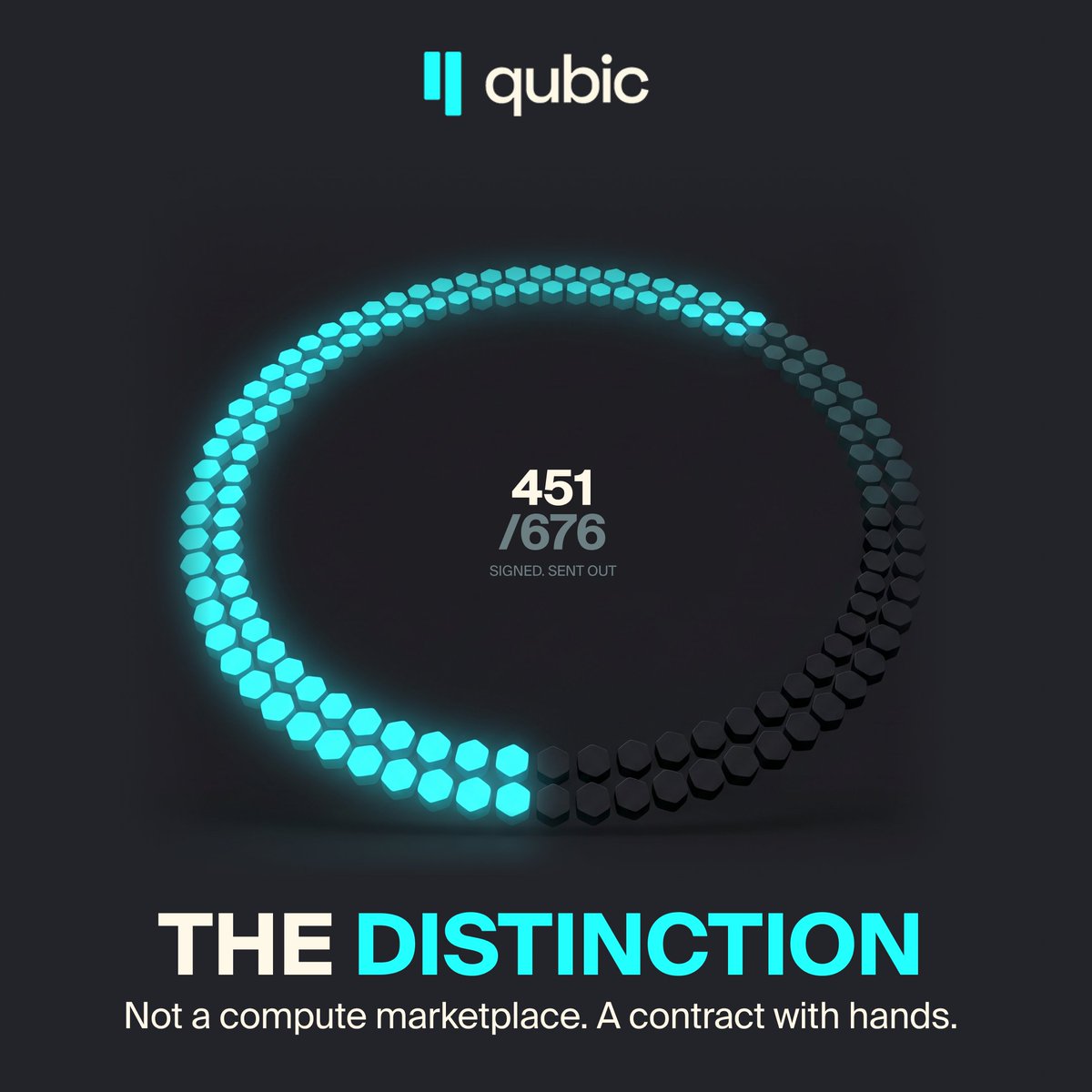
And nothing leaves the chain until 451 of the 676 Computors independently sign it.
The receiving system checks those signatures and knows the network actually approved the action.
Not one server.
Not a multisig of insiders.
Two-thirds of the network, every single time.
It is not a compute marketplace.
It is a smart contract reaching out with one instruction the whole network agreed to.
39
113
593
23,317
How it works → qubic.org/blog-detail/qubic-…
2
16
175
9,844